Weeding Without Chemicals
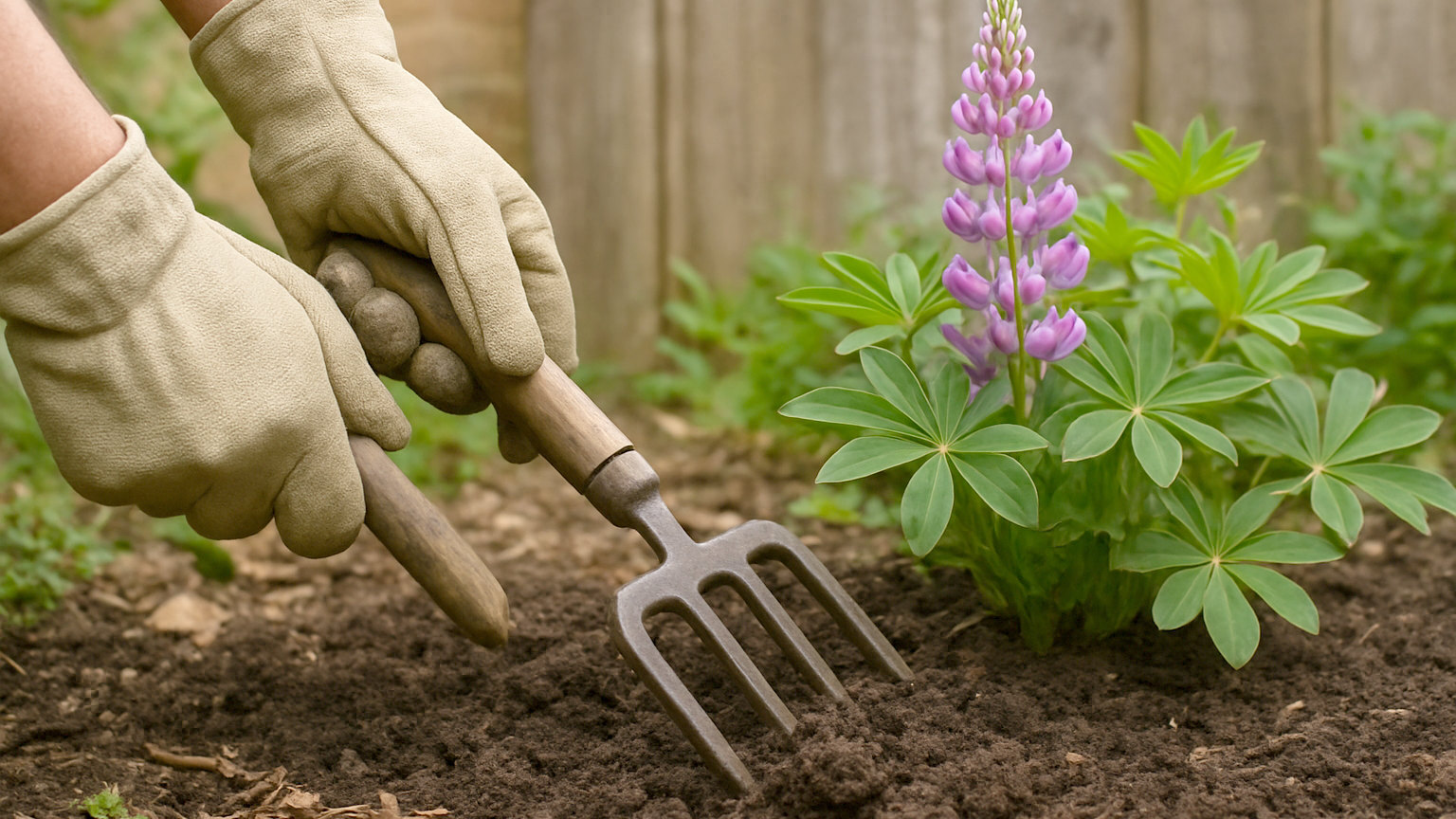
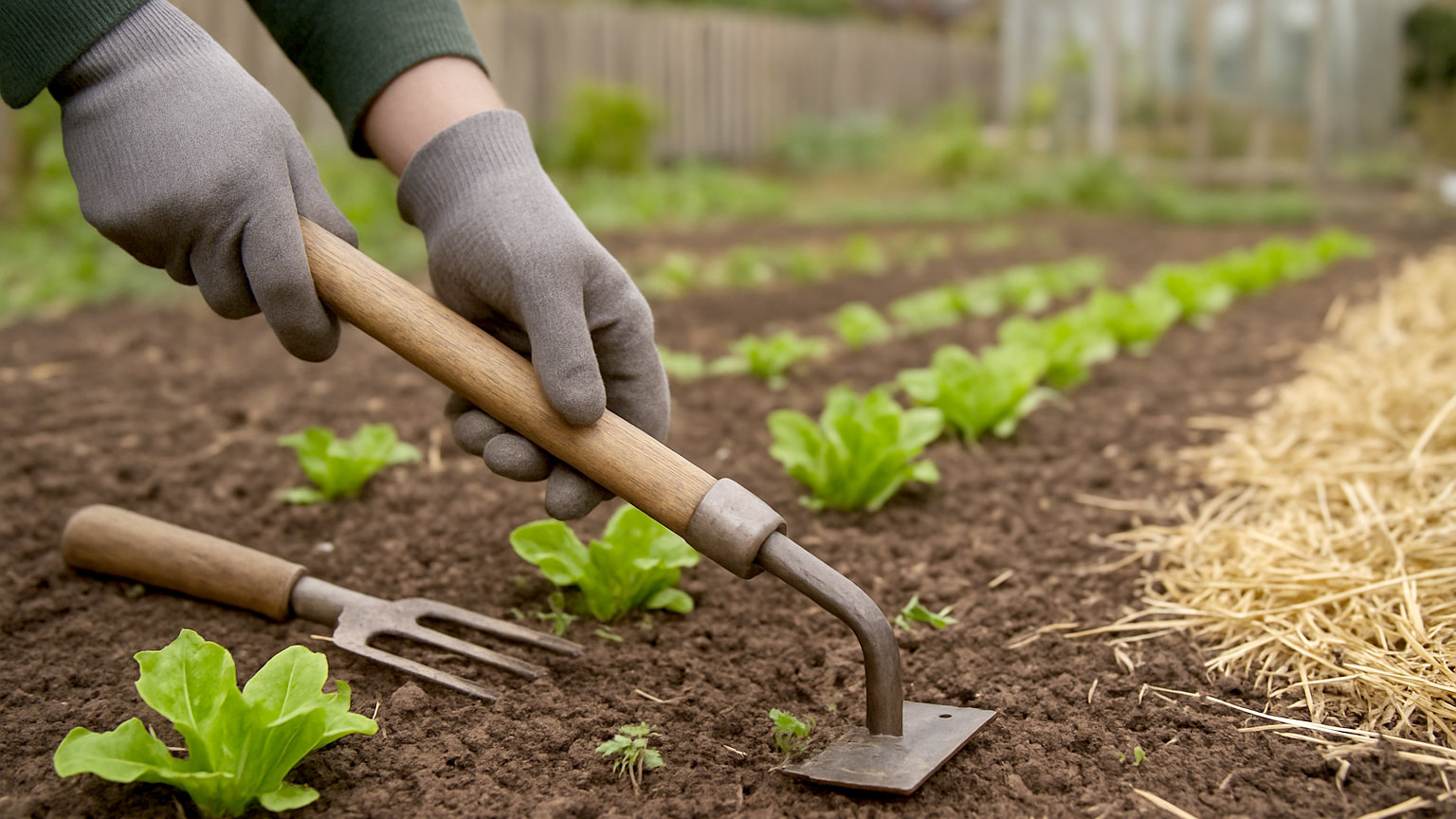
Hoeing at the right stage, hand weeding at the right moment and covering the ground handle almost everything. The techniques, and when to use each.
By Gardening Guides Editorial
31 Jul 2026

Something is eating it, something is wilting it, or it simply is not growing - and the first job is always identification, because the treatment for one problem is useless against another that looks much the same. These guides help you work out what you are looking at, then say what actually works, what does not, and what is not worth treating at all. Most garden problems resolve themselves, and knowing which ones will is the real skill.
Hoeing at the right stage, hand weeding at the right moment and covering the ground handle almost everything. The techniques, and when to use each.
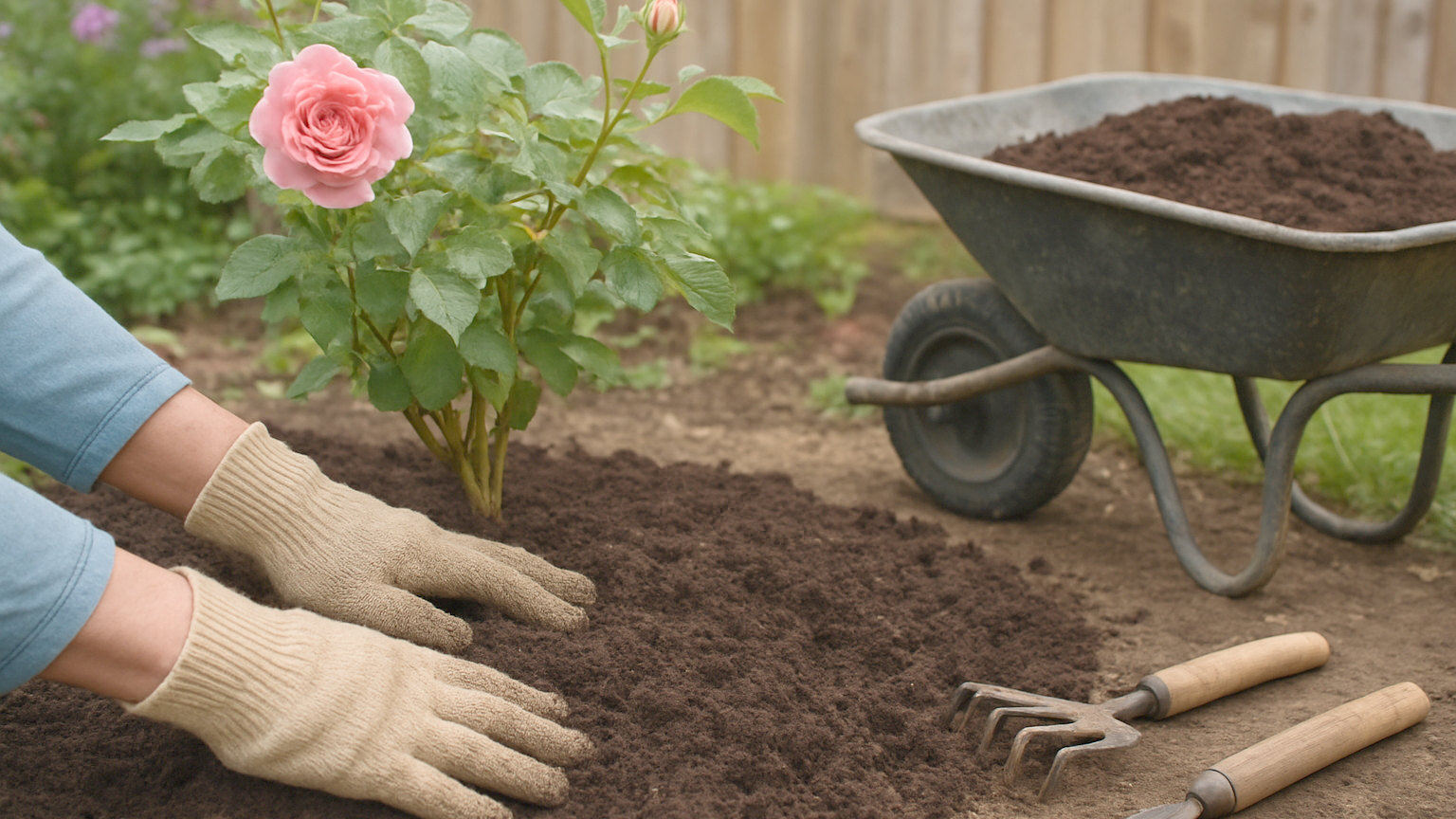
A thick mulch on clean moist soil stops weed seed germinating and saves more work than any other single measure. Depth, timing and materials.
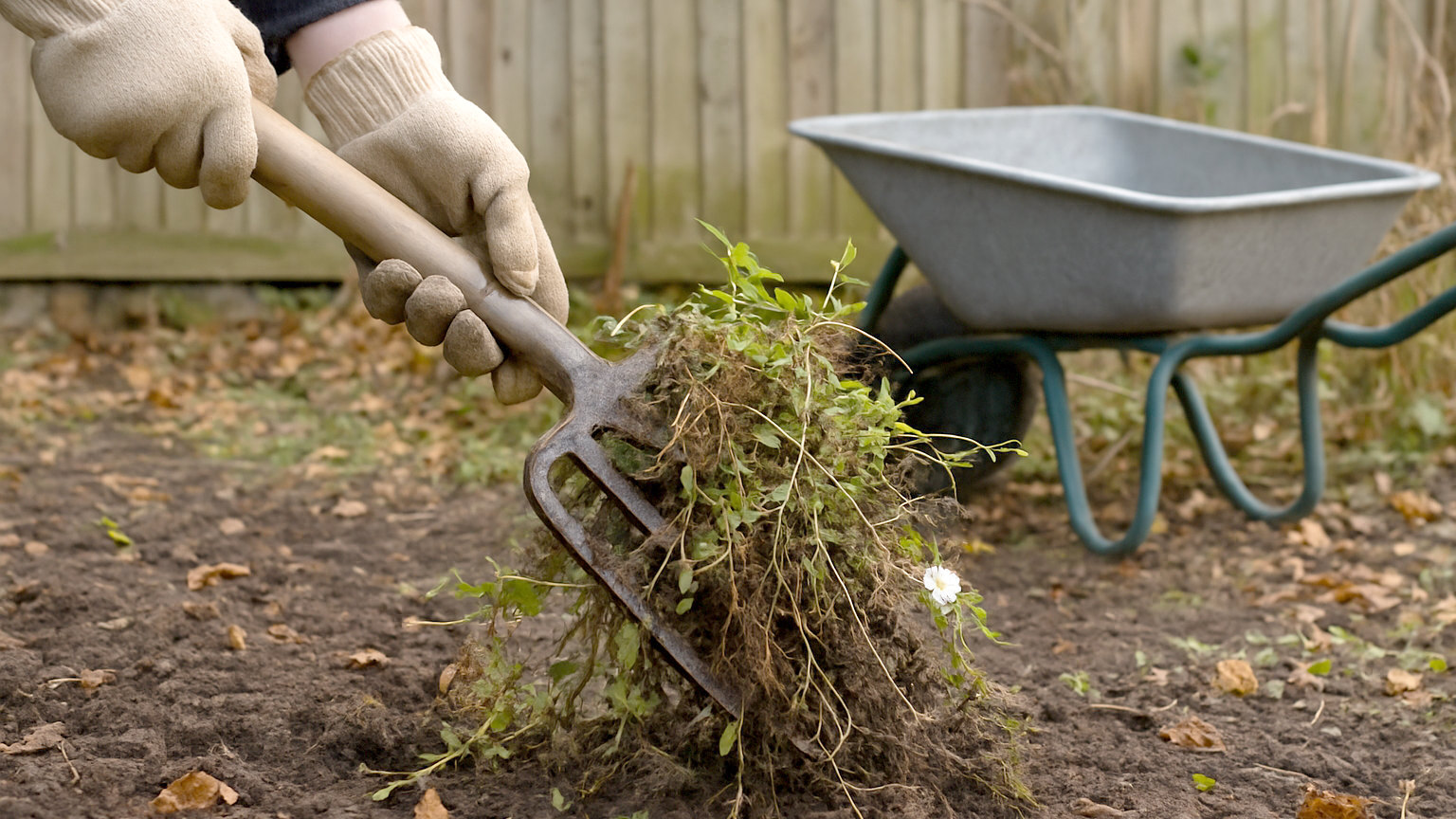
An overgrown plot needs the perennial weeds dealt with before anything is planted, and there are no shortcuts. The order of work, and the methods that suit.
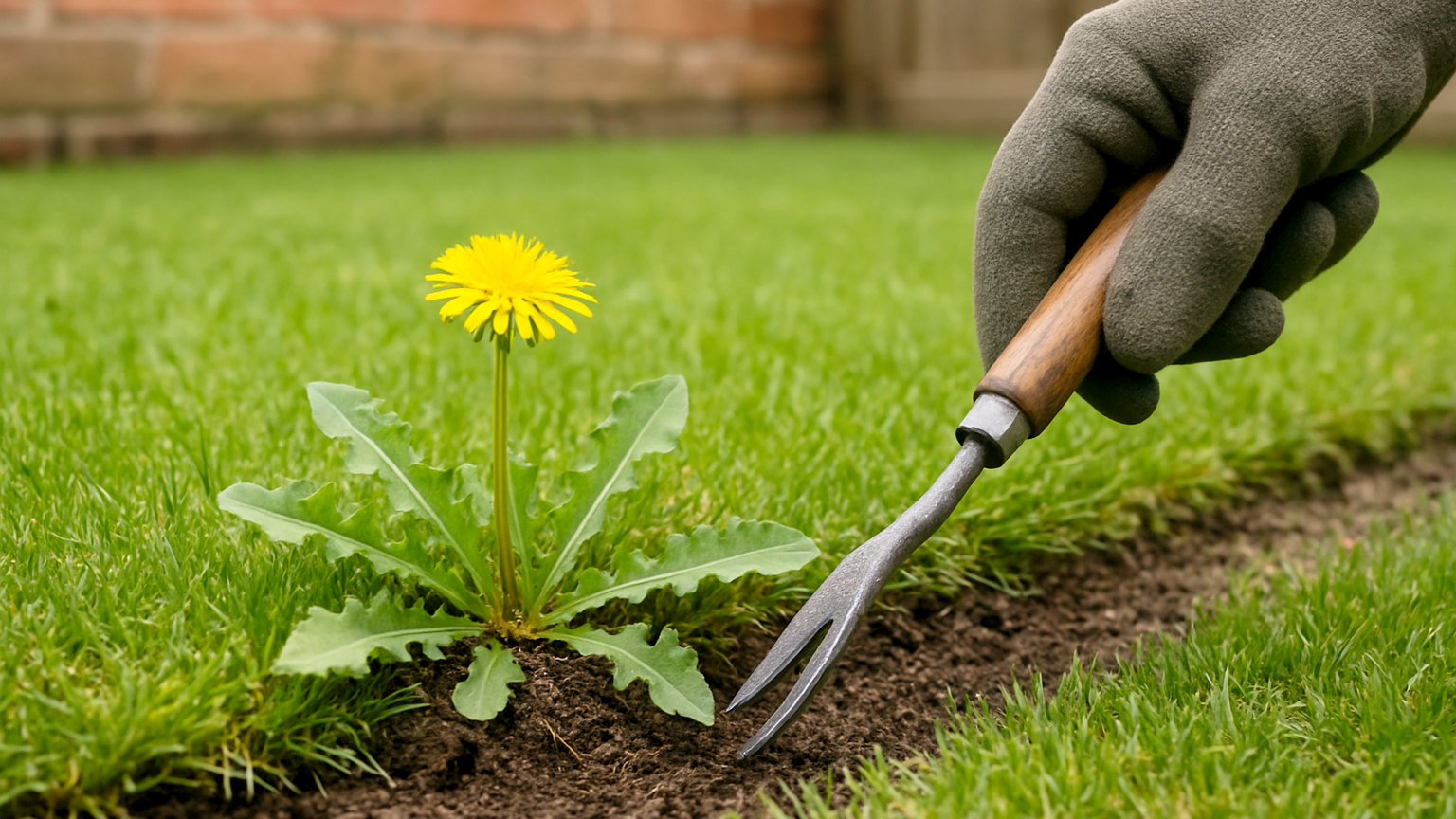
Lawn weeds succeed where the grass is weak, so improving the grass does more than removing them. What each weed indicates, and tolerating some.
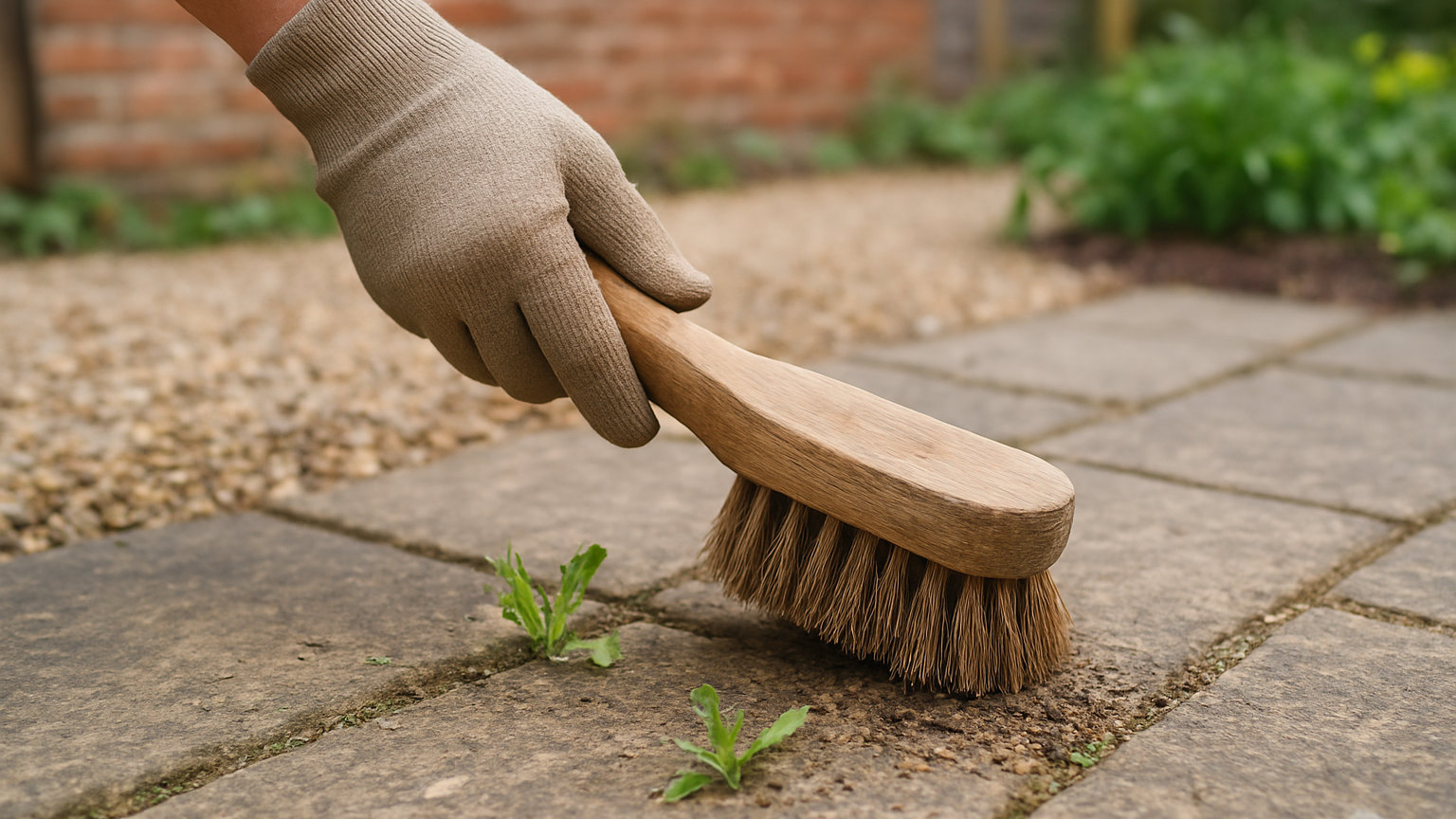
Weeds in paving joints grow in debris that has collected on top, not from below. Brushing regularly does more than anything applied to them.
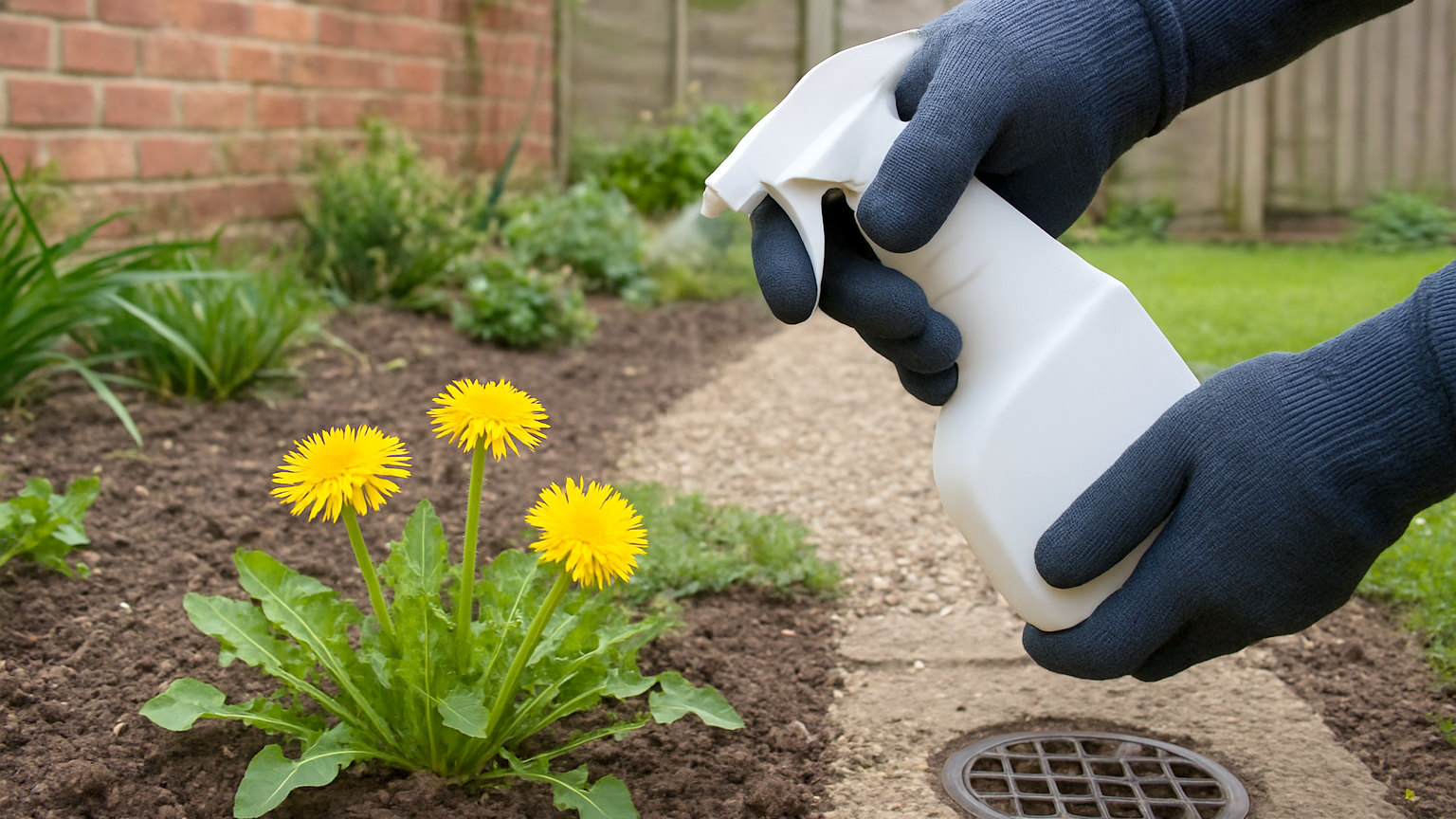
The label is a legal document, not a guideline. What that means in practice, protecting water, and the products no longer available.
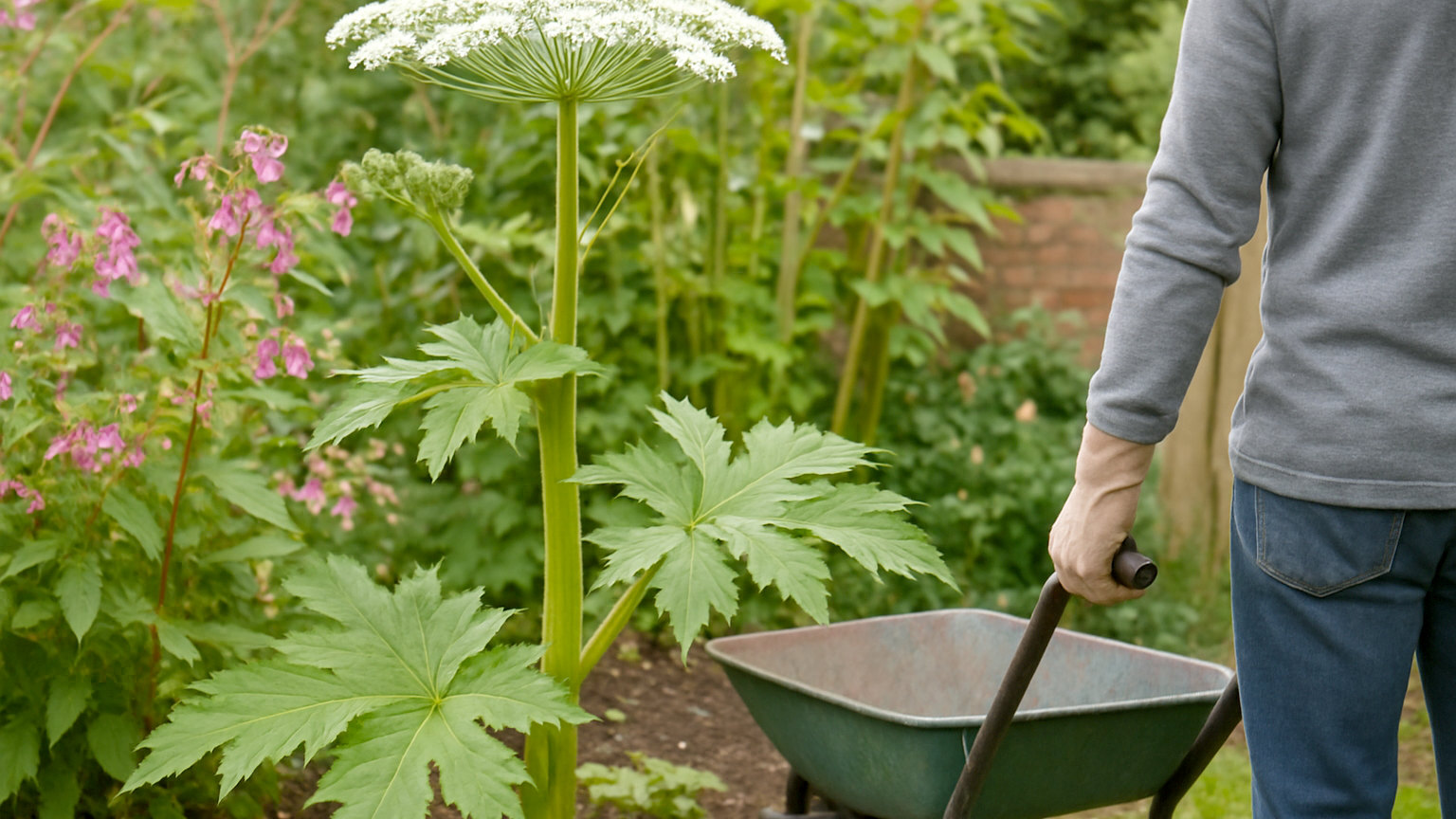
A small group of plants carry legal duties and, in one case, a serious burn risk. Identifying them, and the rules on spreading and disposal.
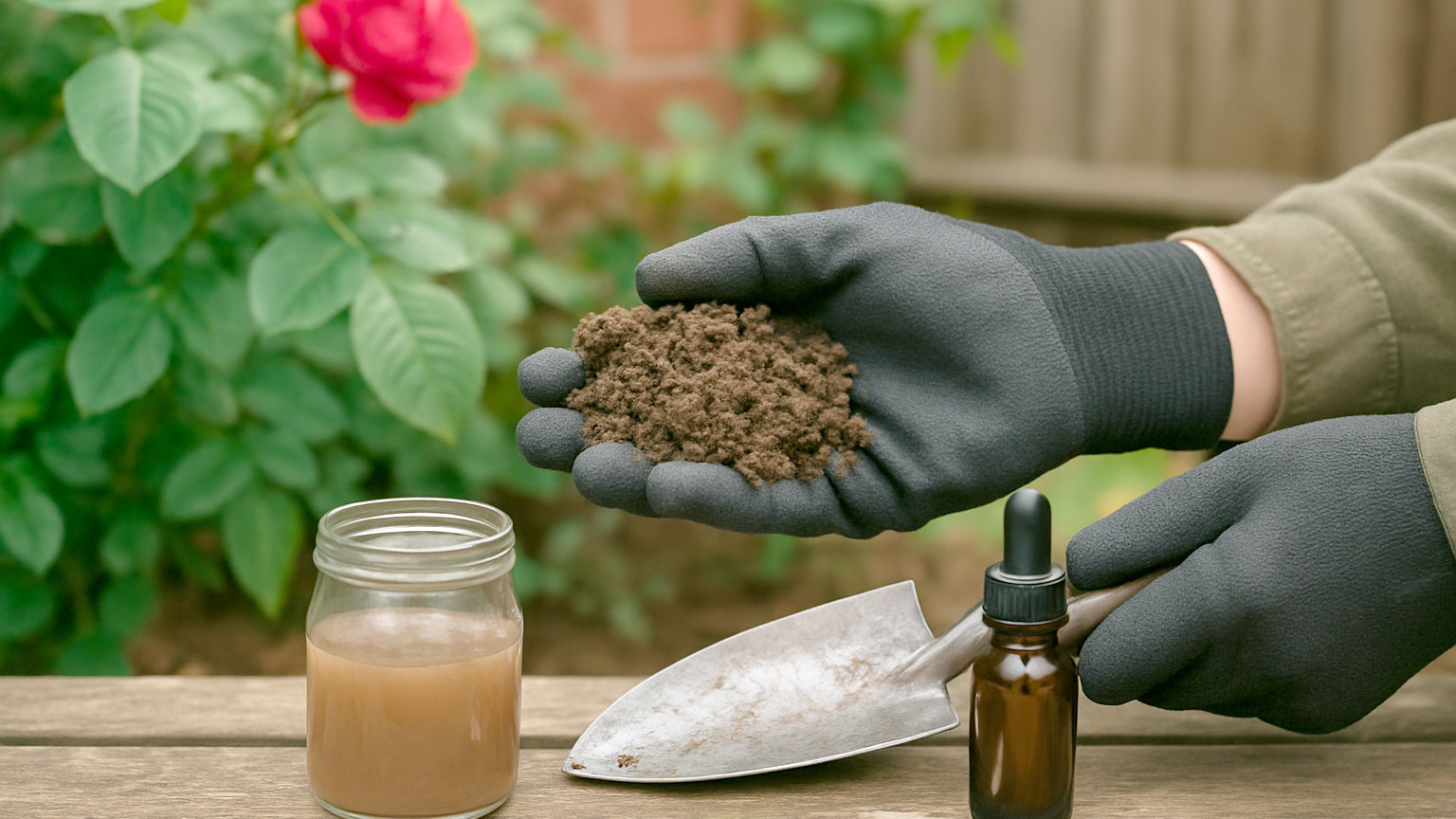
A cheap pH kit and a handful of soil tell you most of what determines what will grow. What to test, how, and what the results actually mean.
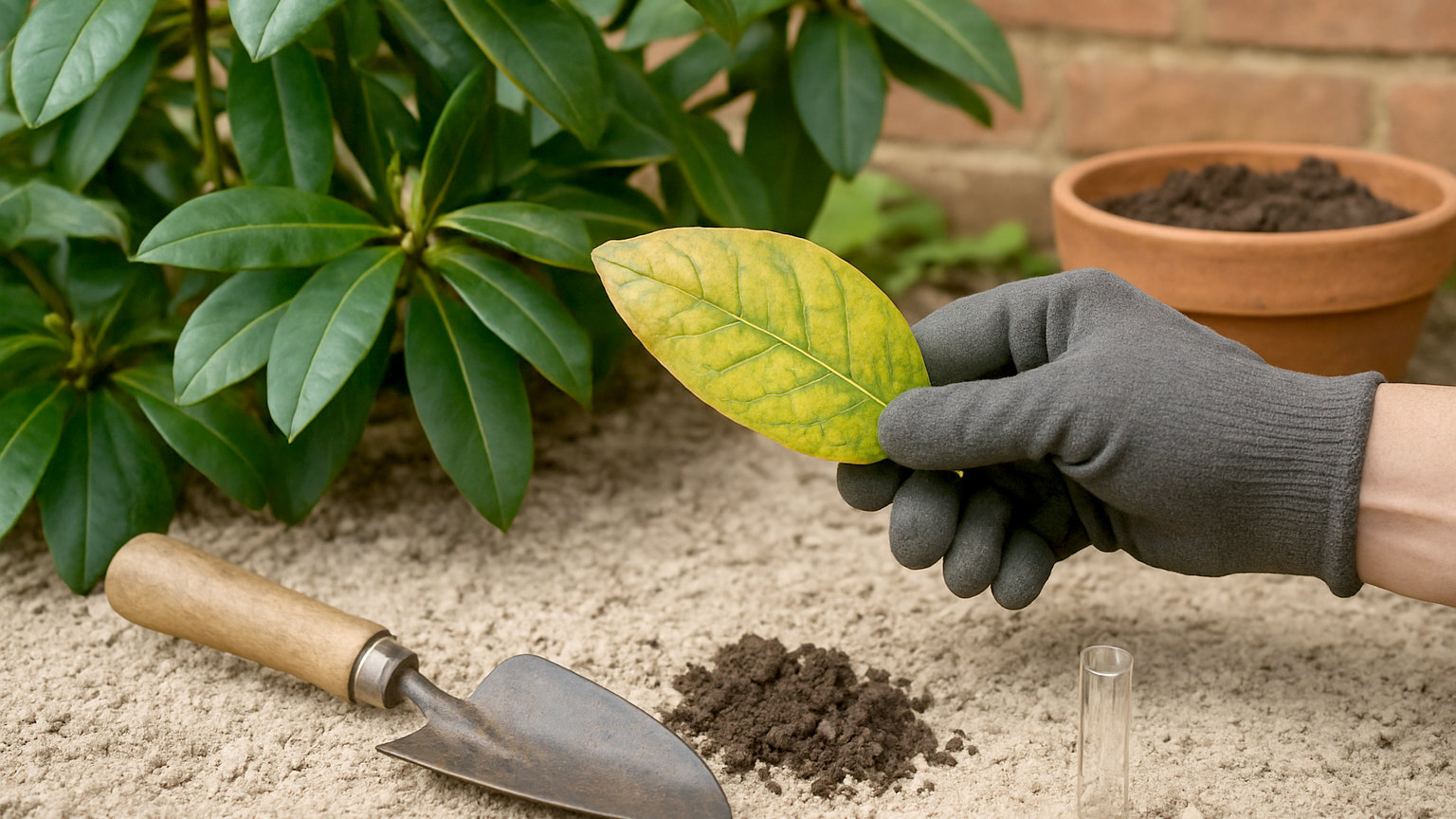
pH governs which nutrients a plant can take up, which is why lime-hating plants yellow on chalk. Adjusting it, and when not to bother.
Structure is the arrangement of particles into crumbs with spaces between, and it matters more than texture. Protecting it, and relieving compaction.
A handful of soil contains billions of organisms, and they do the work that makes soil fertile. What lives there, and how gardening practice affects it.
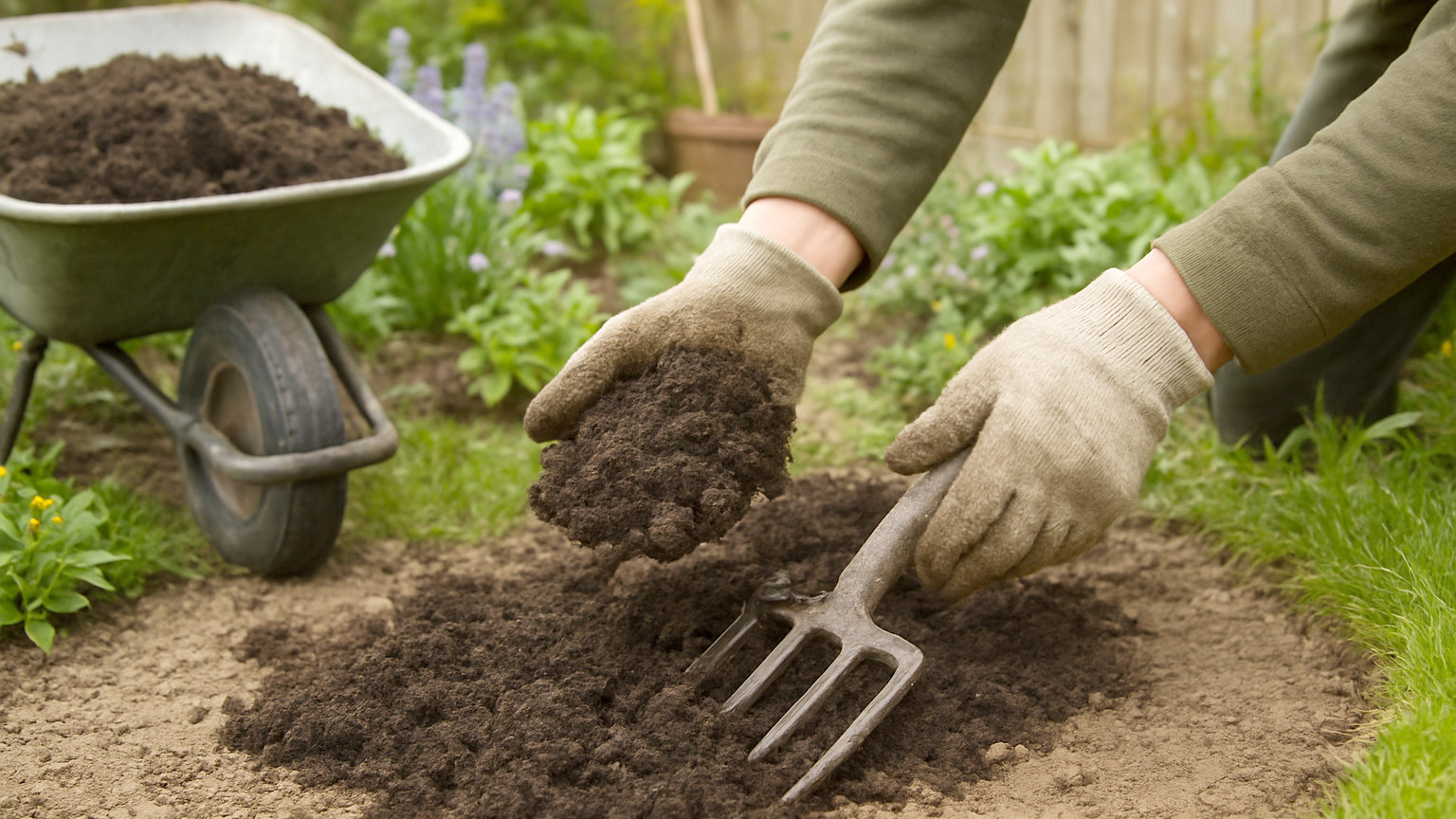
The one amendment that improves every soil type, holding water in sand and opening up clay. Where to get it, and how much to use.