Recognising Disease and Disorder
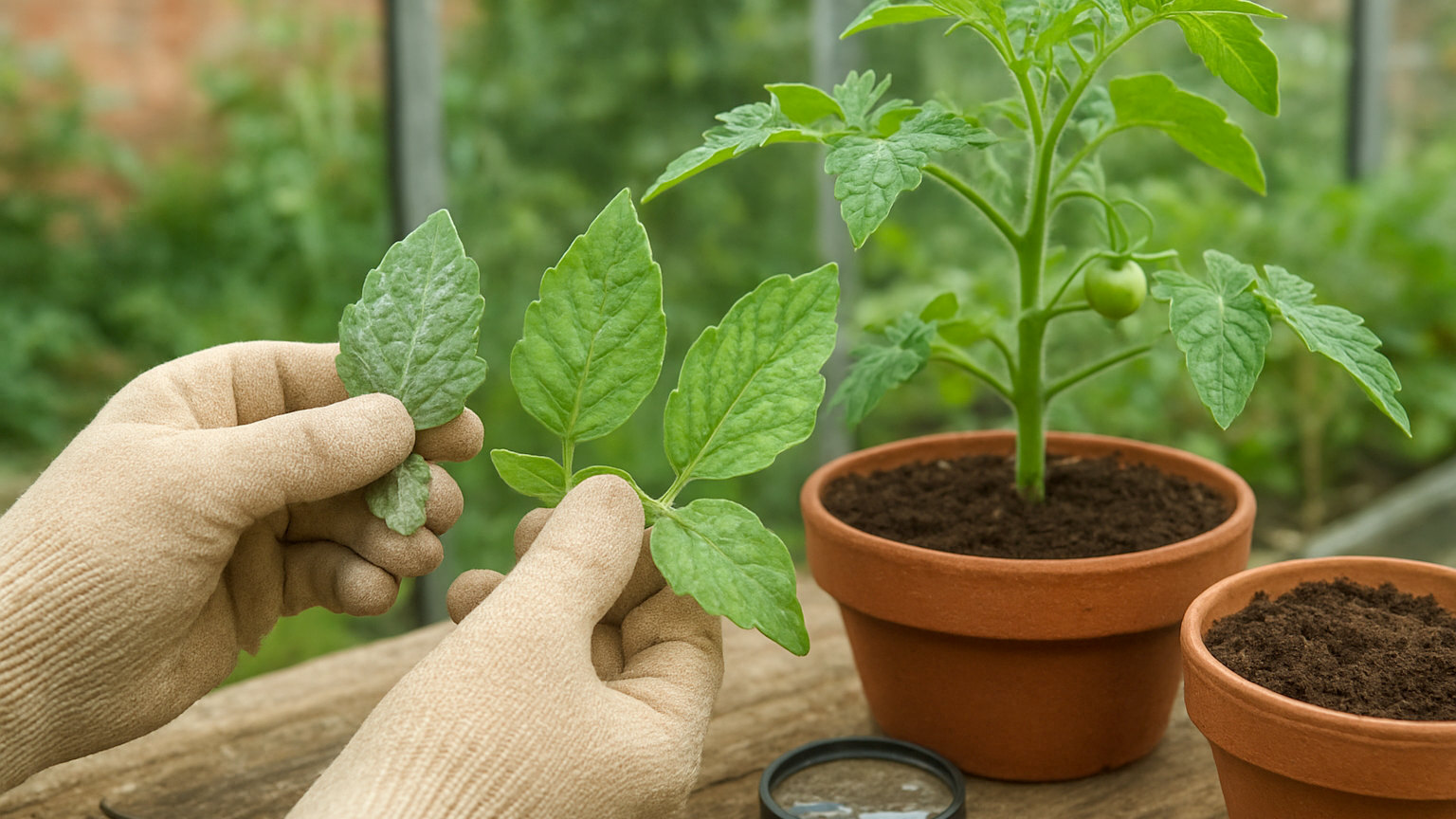
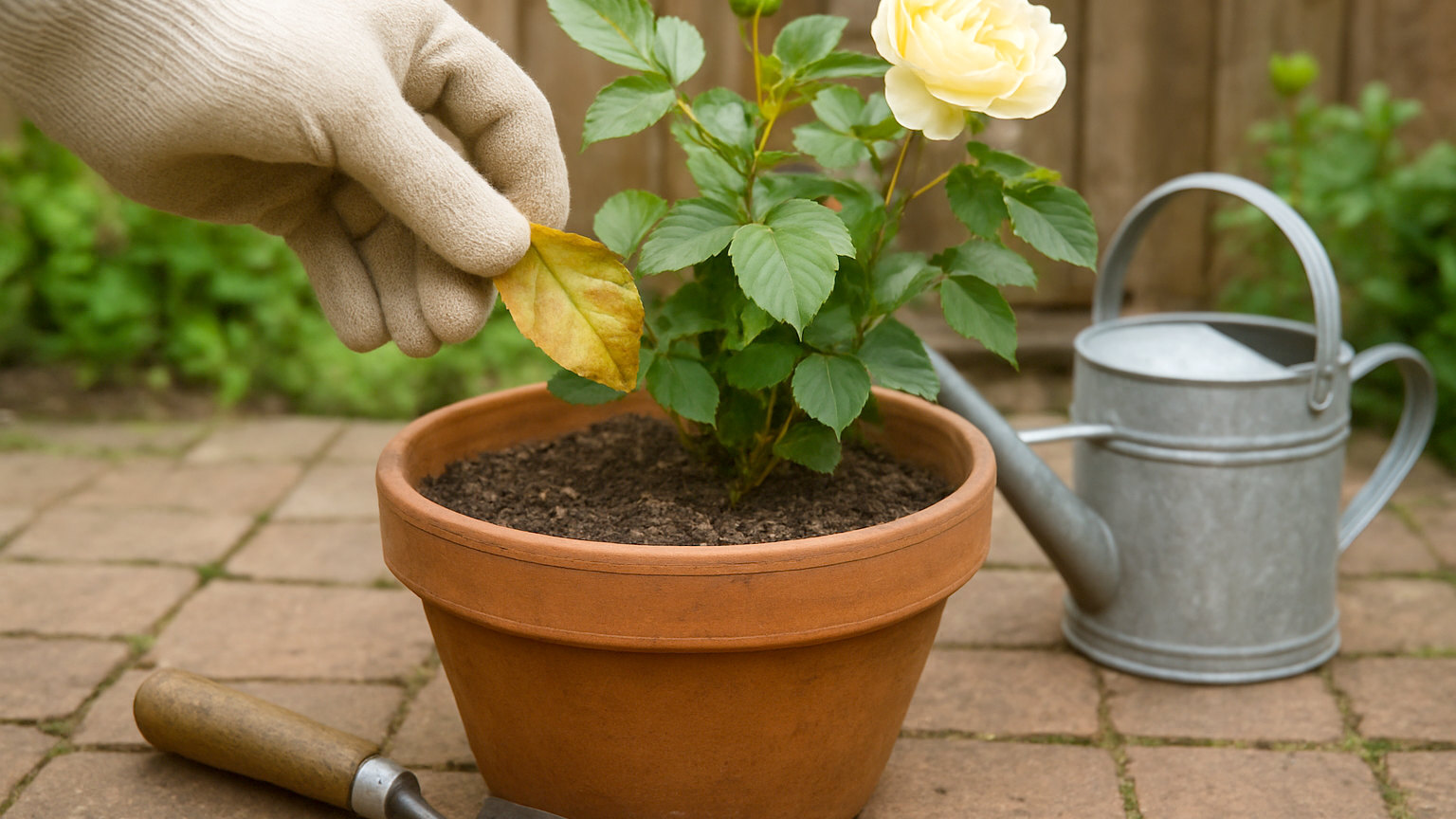
A great deal of what looks like disease is drought, waterlogging, frost or weedkiller. Telling one from the other before reaching for a treatment.
By Gardening Guides Editorial
31 Jul 2026

Blight, mildew, black spot, rust, canker and honey fungus - spotting them early, and which ones you can live with.
A great deal of what looks like disease is drought, waterlogging, frost or weedkiller. Telling one from the other before reaching for a treatment.
Three quite different kinds of pathogen, spread differently and responding to different measures. What each looks like, and what can be done.
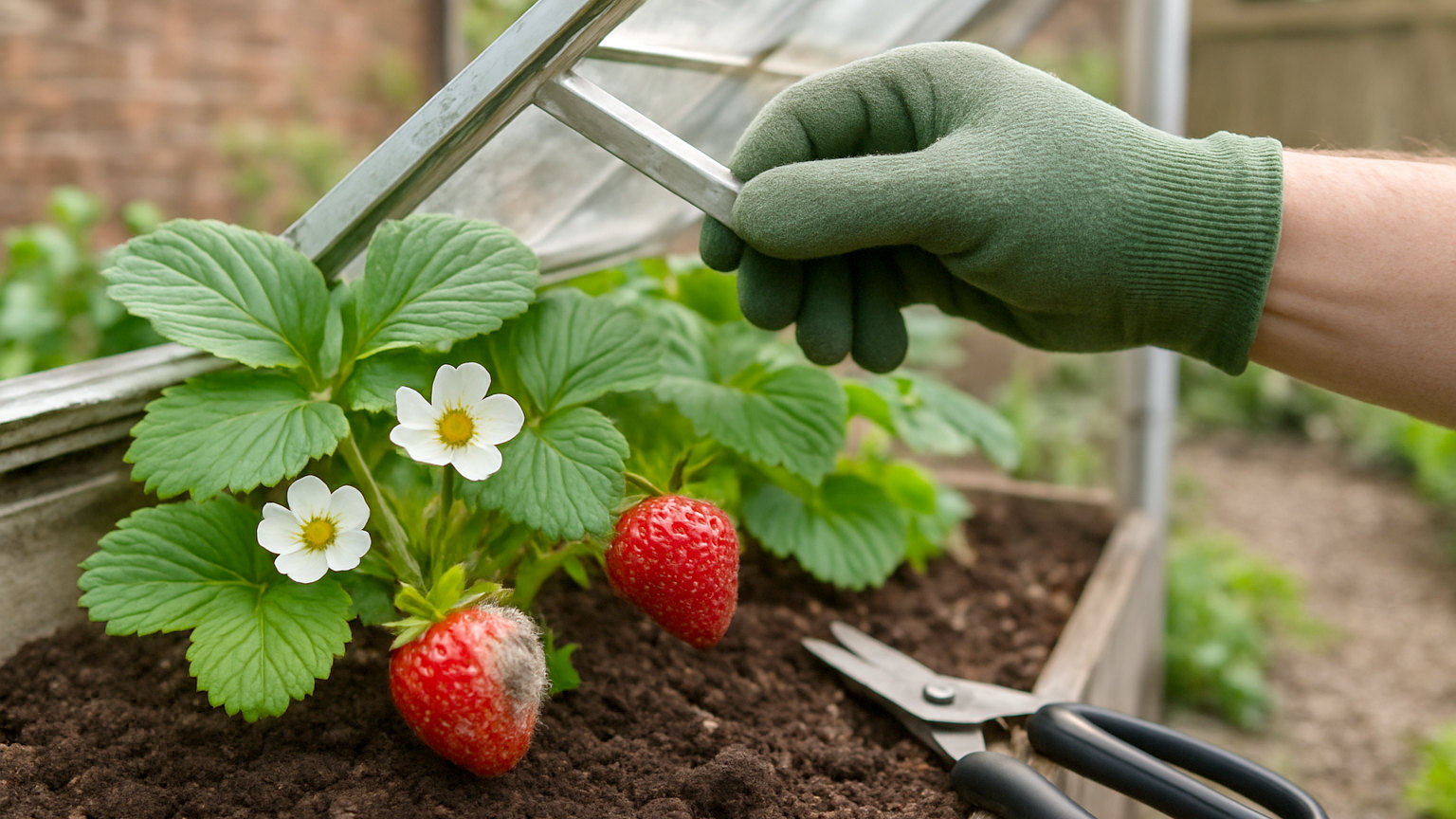
The fuzzy grey mould on dying petals and soft fruit, which enters through damaged tissue and thrives in still damp air. Ventilation is most of the answer.
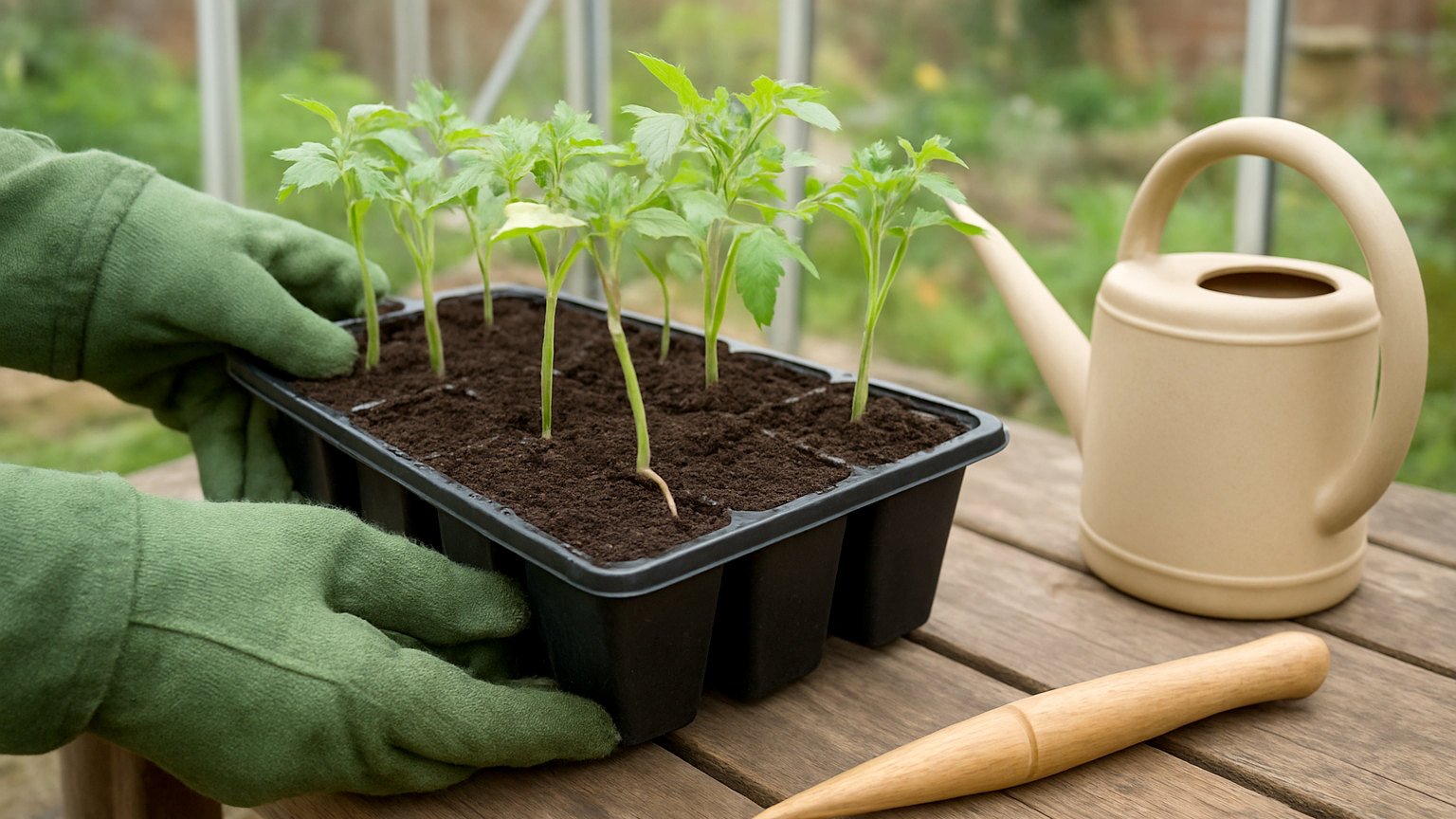
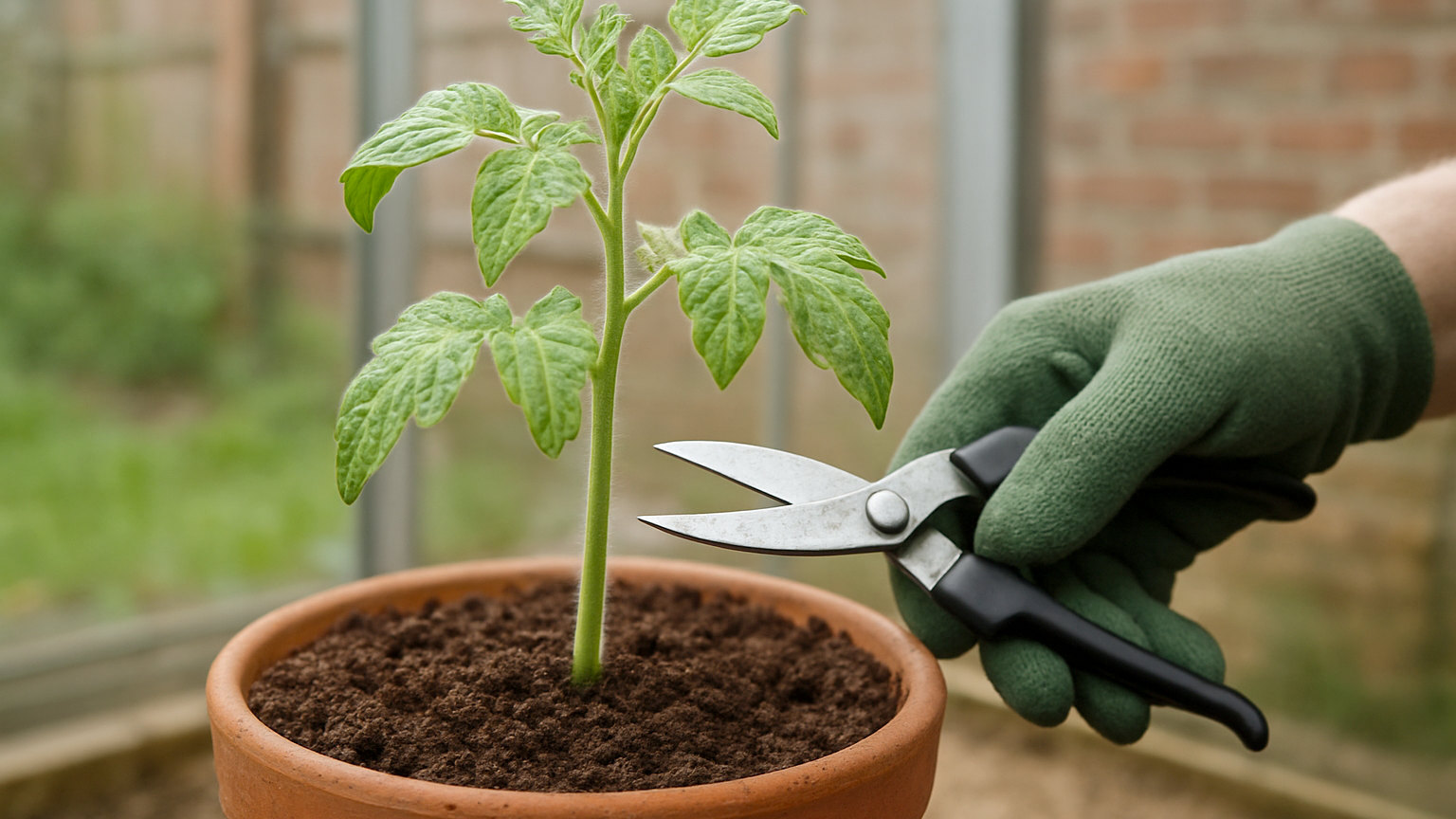
Seedlings collapse at soil level and a whole tray goes within days. The water moulds responsible, and the hygiene that prevents them entirely.
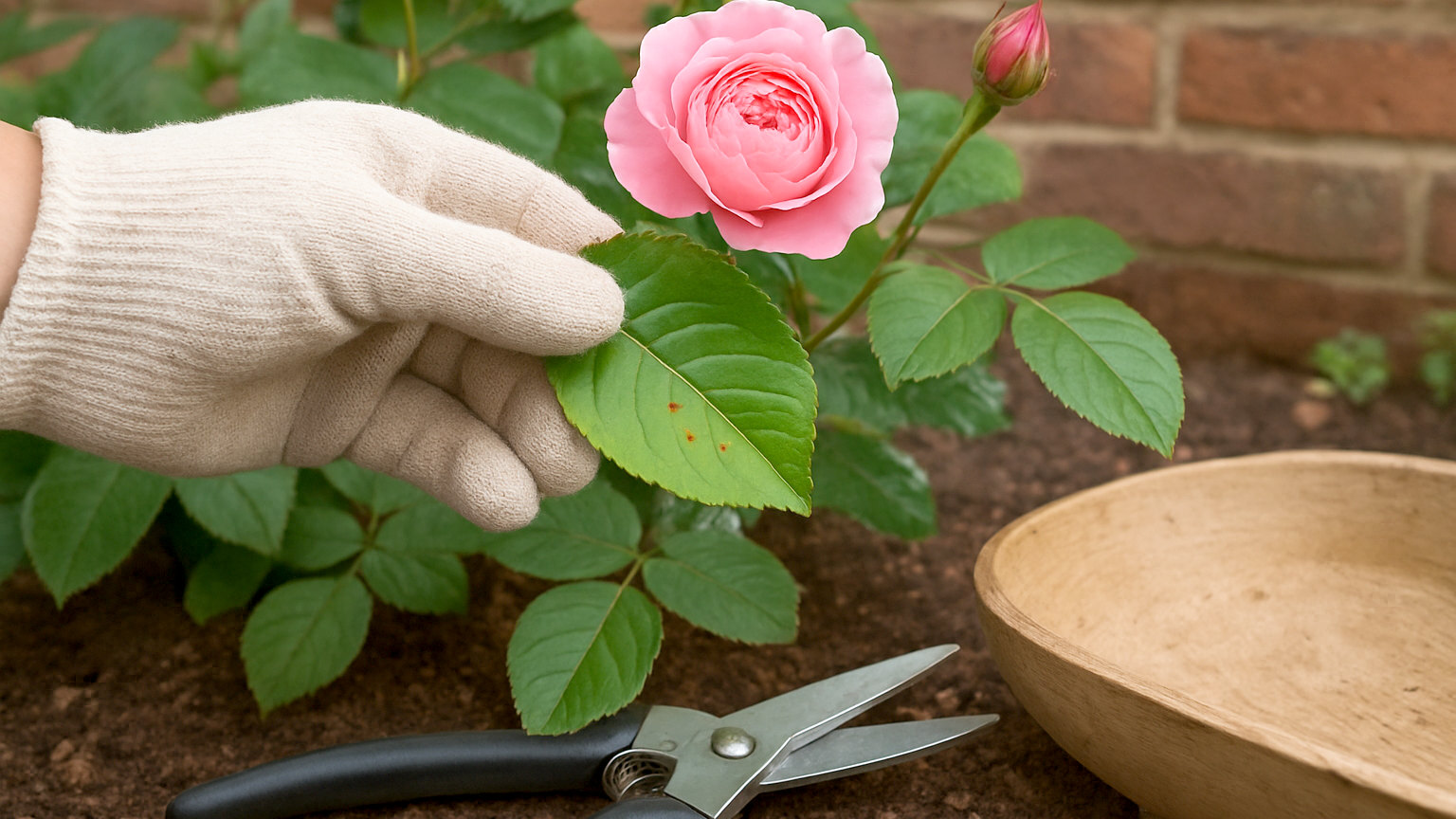
Orange or brown pustules on leaf undersides, host-specific and rarely fatal. Which plants suffer, and the measures that reduce it.
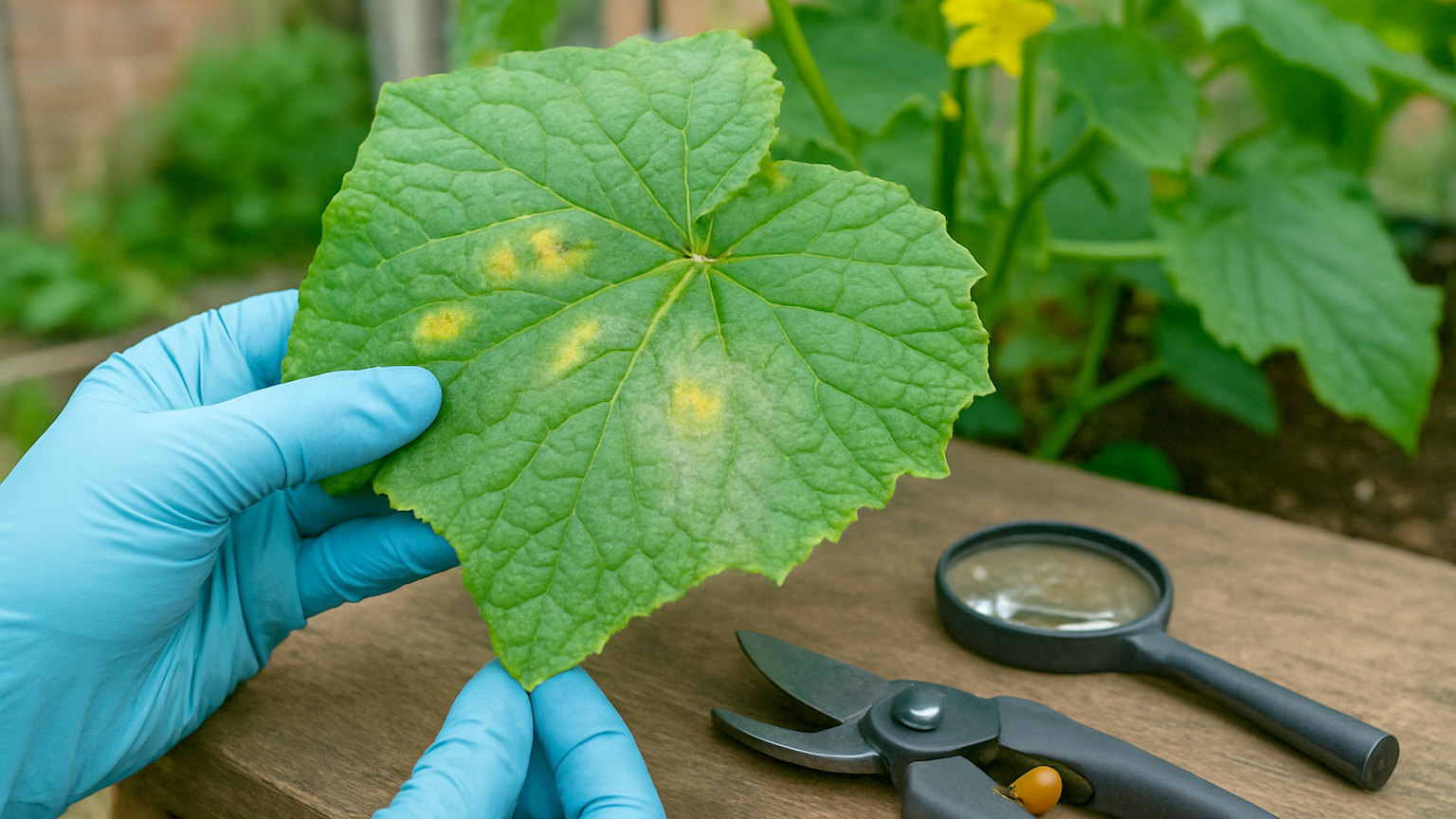
Not a mildew at all but a water mould, showing as angular yellow patches with grey growth beneath. Quite different from powdery mildew in what it needs.
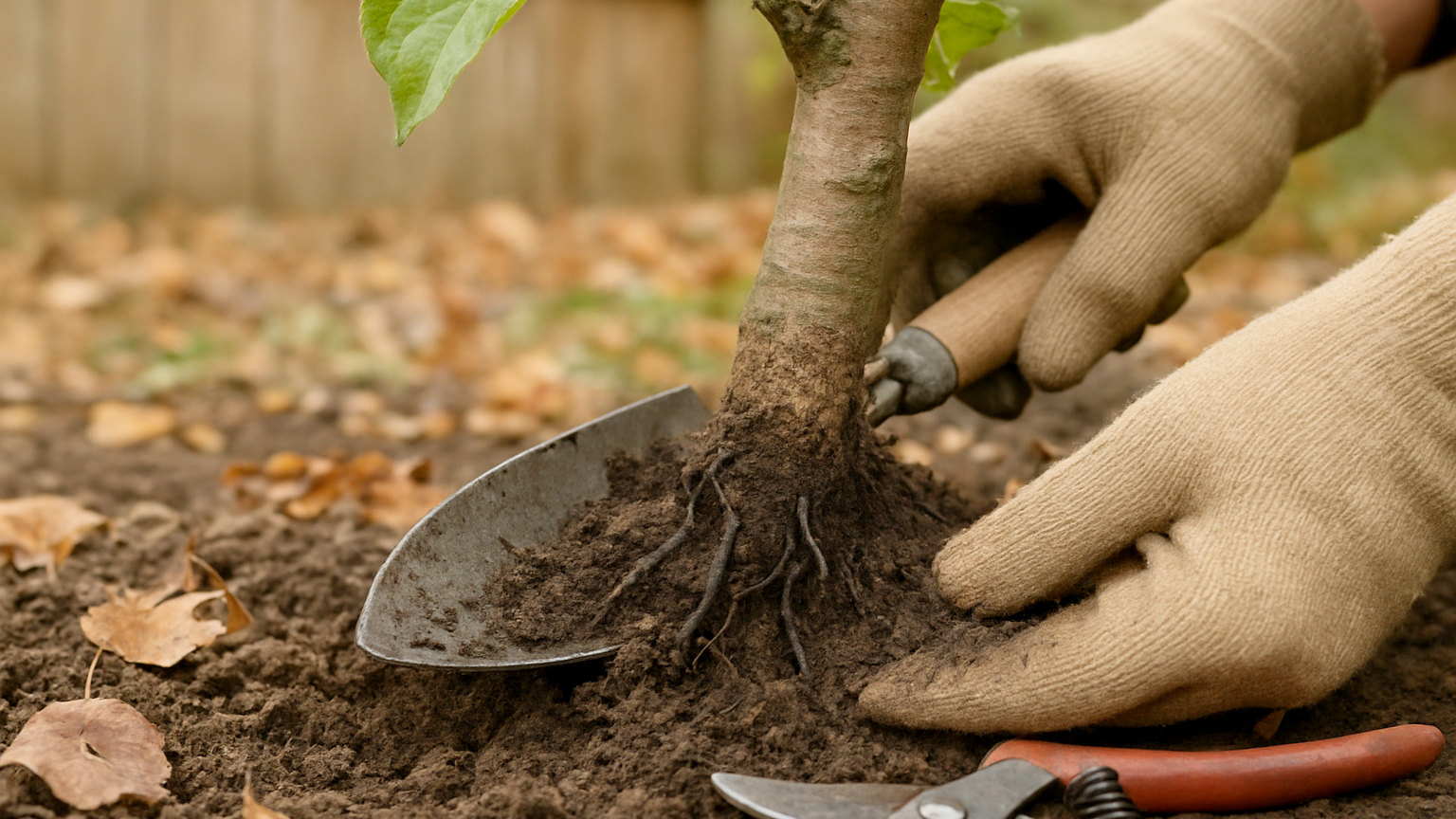
The most destructive garden disease there is, killing woody plants and spreading underground by black rhizomorphs. Confirming it, and what can be done.
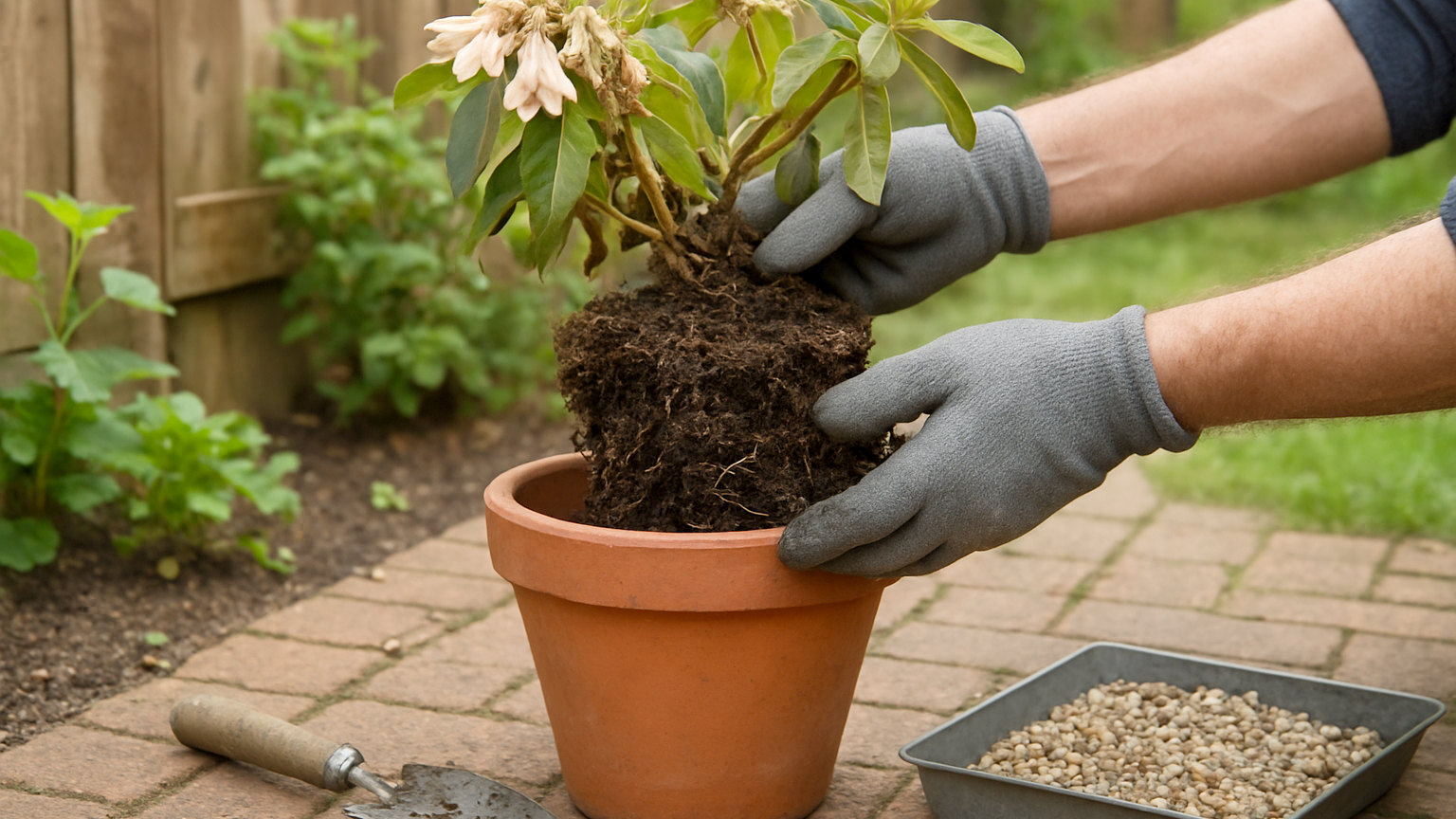
Plants wilting in wet soil have dead roots, not thirsty ones. Recognising root rot, and why drainage is the whole of the answer.
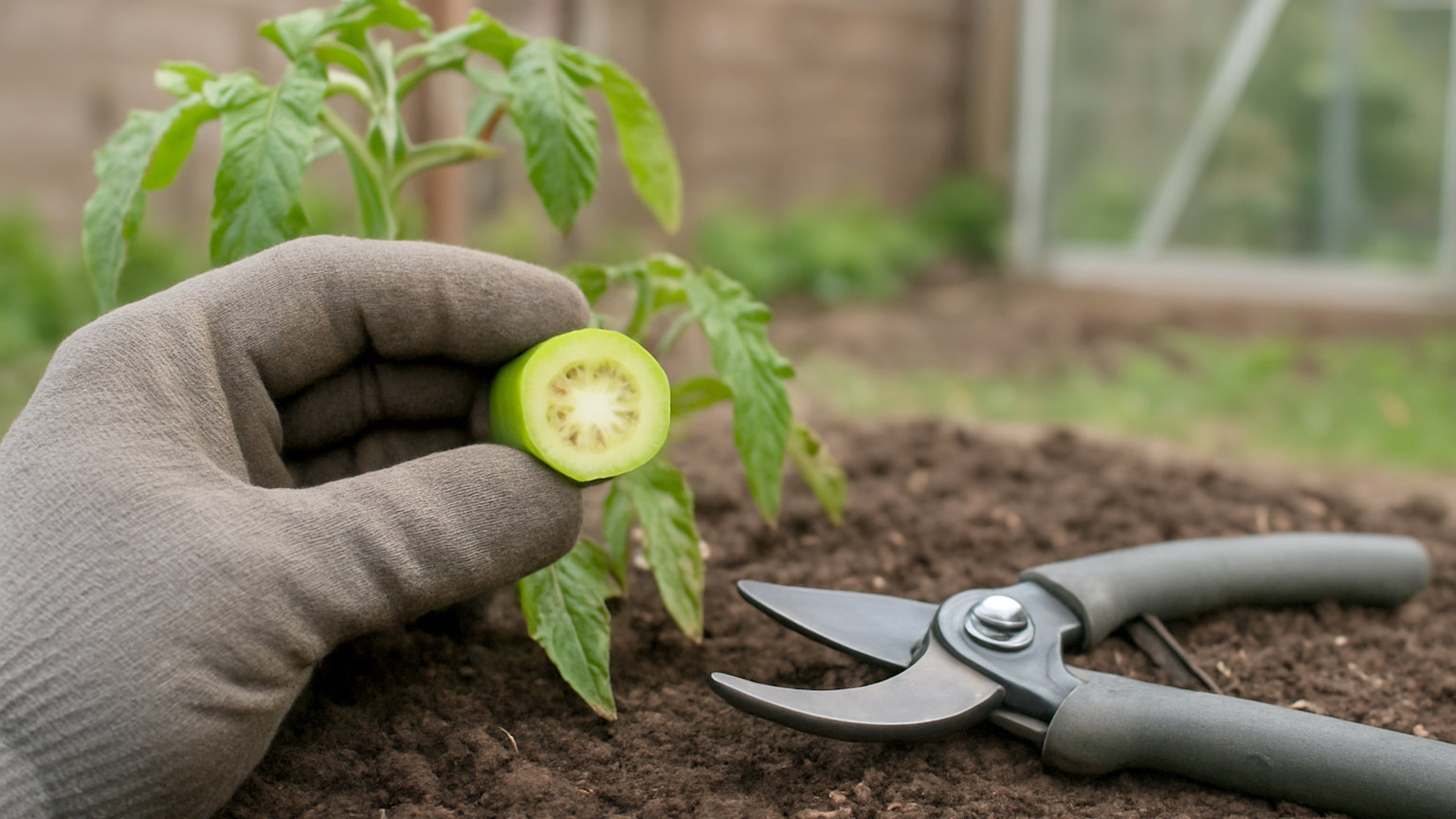
Verticillium and fusarium block the water-conducting tissue from inside, leaving a stain visible when a stem is cut. Persistent in soil, and untreatable.
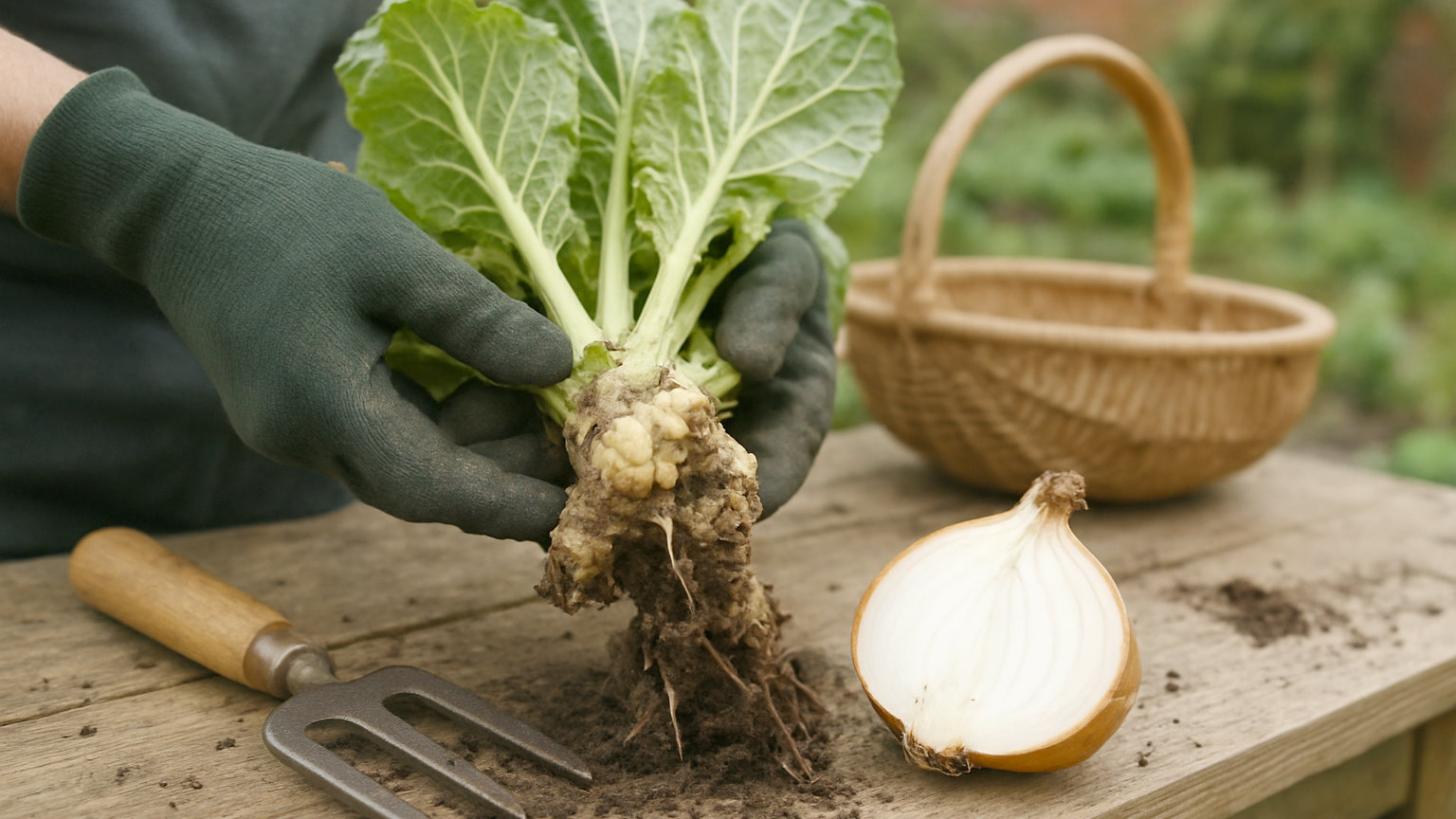
Two soil-borne diseases that persist for decades and have no cure. Recognising them, containing them, and growing the crops anyway.
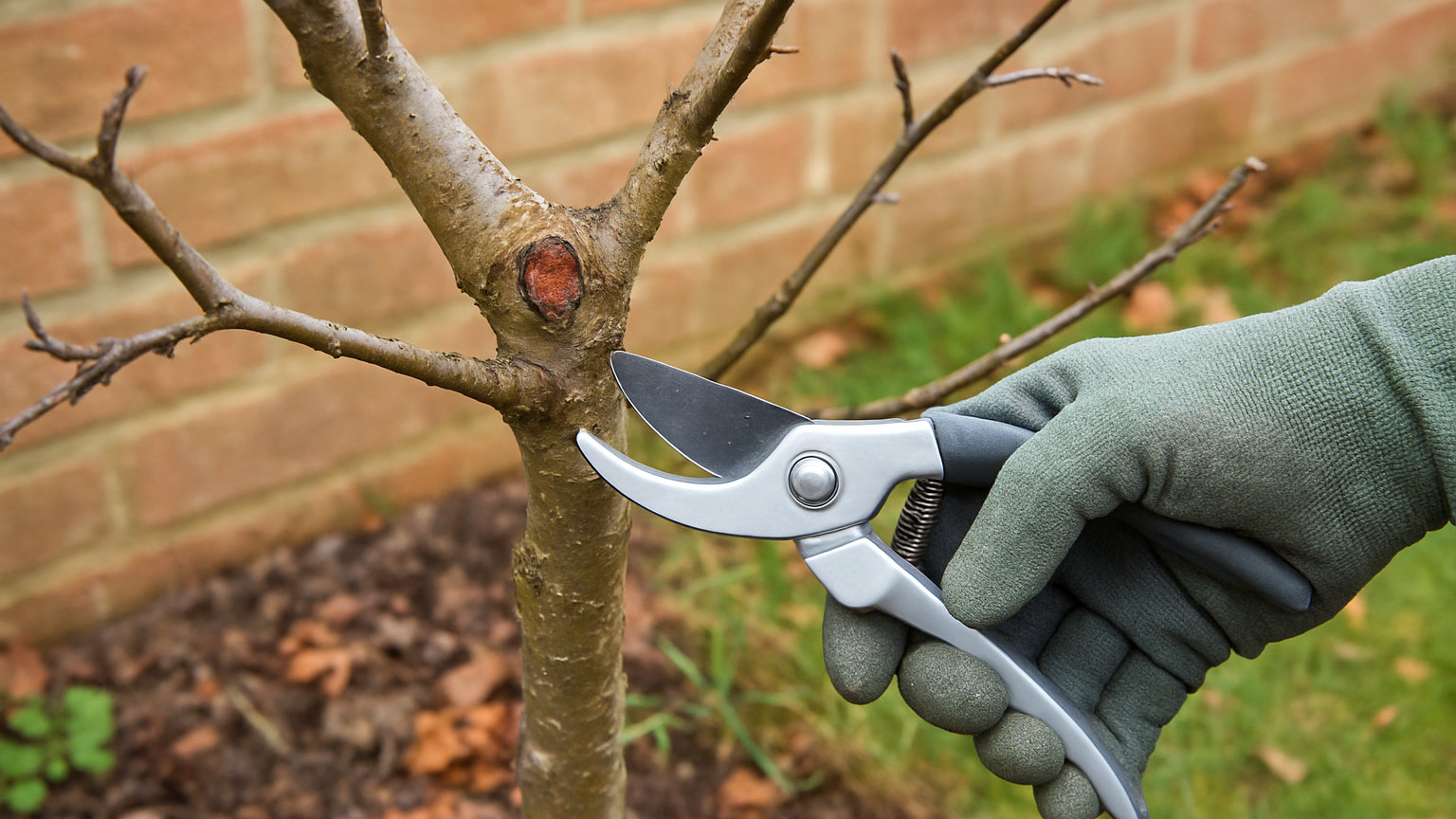
Sunken lesions on bark that girdle a branch and kill everything beyond. Cutting back into clean wood, and pruning at the right time to prevent it.
Mottling, streaking and distorted growth with nothing visible causing it. Viruses cannot be treated, and preventing spread is the whole response.