Fence Posts That Do Not Rot
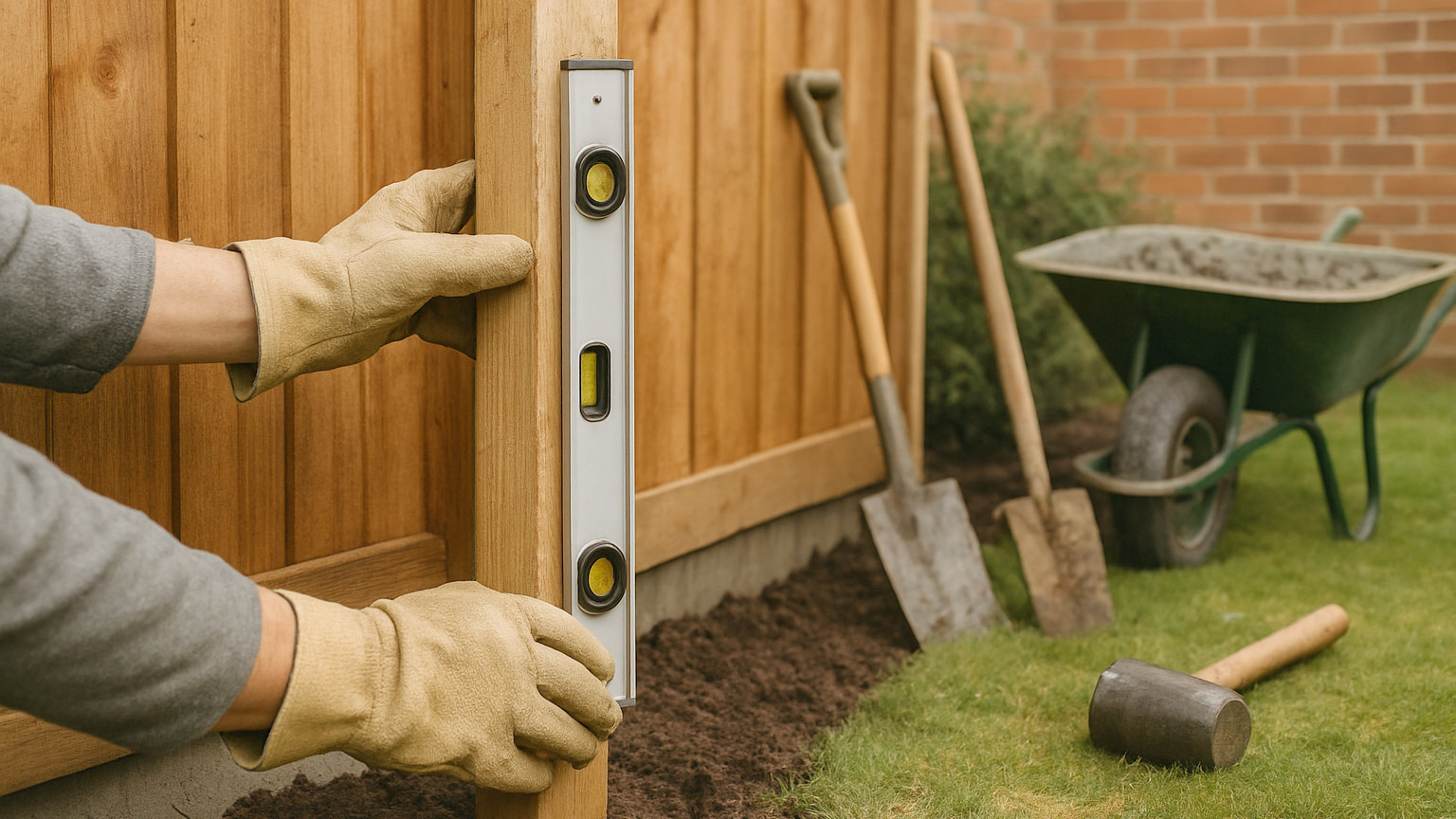
Fences almost always fail at the post, just below ground level. Concrete against timber, why a post should not sit in a bucket of concrete, and gravel boards.
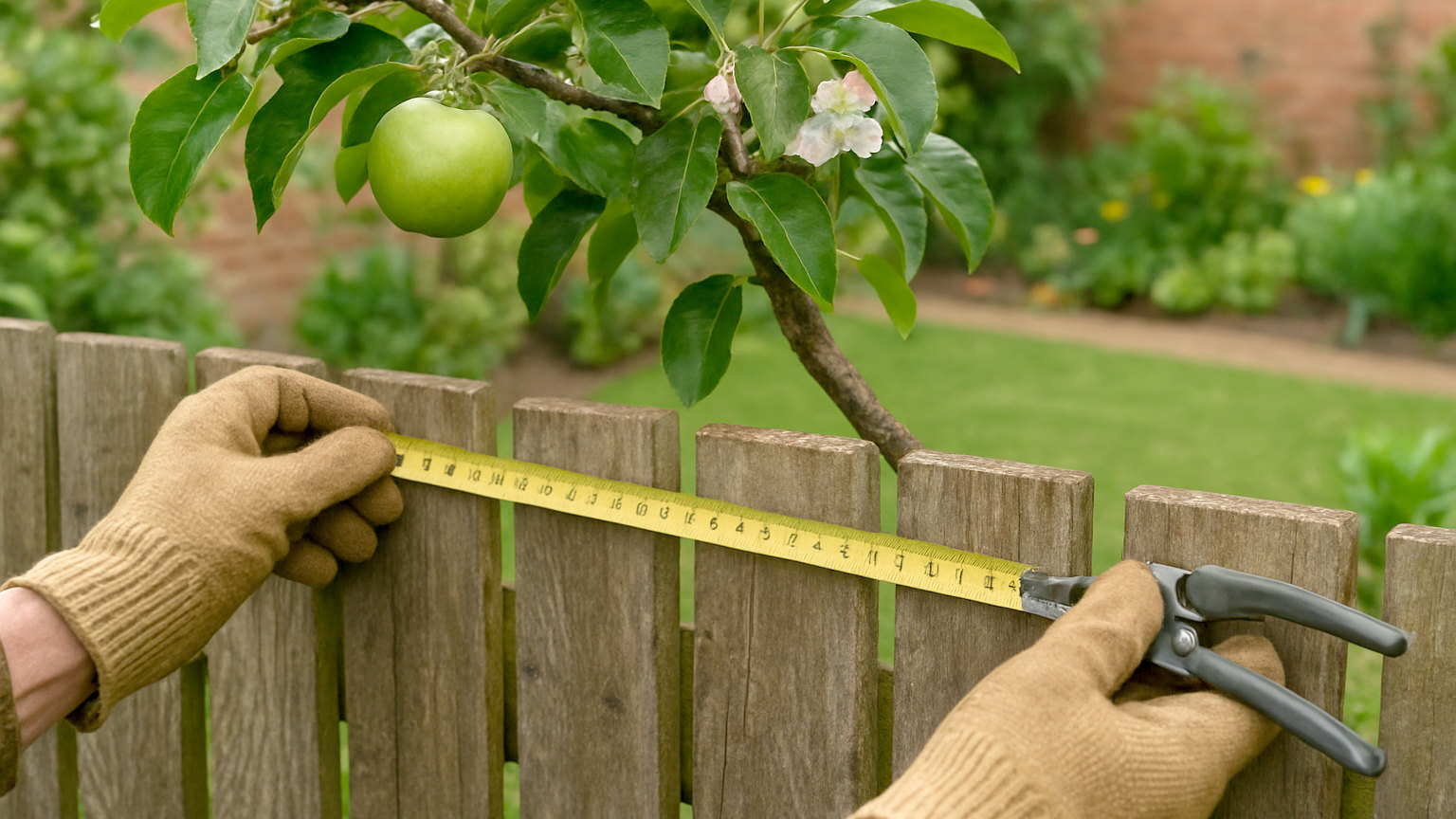
Posts, panels, gravel boards and heights - plus who owns which fence and what you may do to an overhanging branch.
Fences almost always fail at the post, just below ground level. Concrete against timber, why a post should not sit in a bucket of concrete, and gravel boards.
The rule that you own the fence on the left is a myth with no legal basis. How to find out which boundary is yours, and what you can do about an overhanging branch.
Panels are quick and fail first; close-board lasts twice as long and costs more. What each type suits, and why solid fencing is not always the right answer.
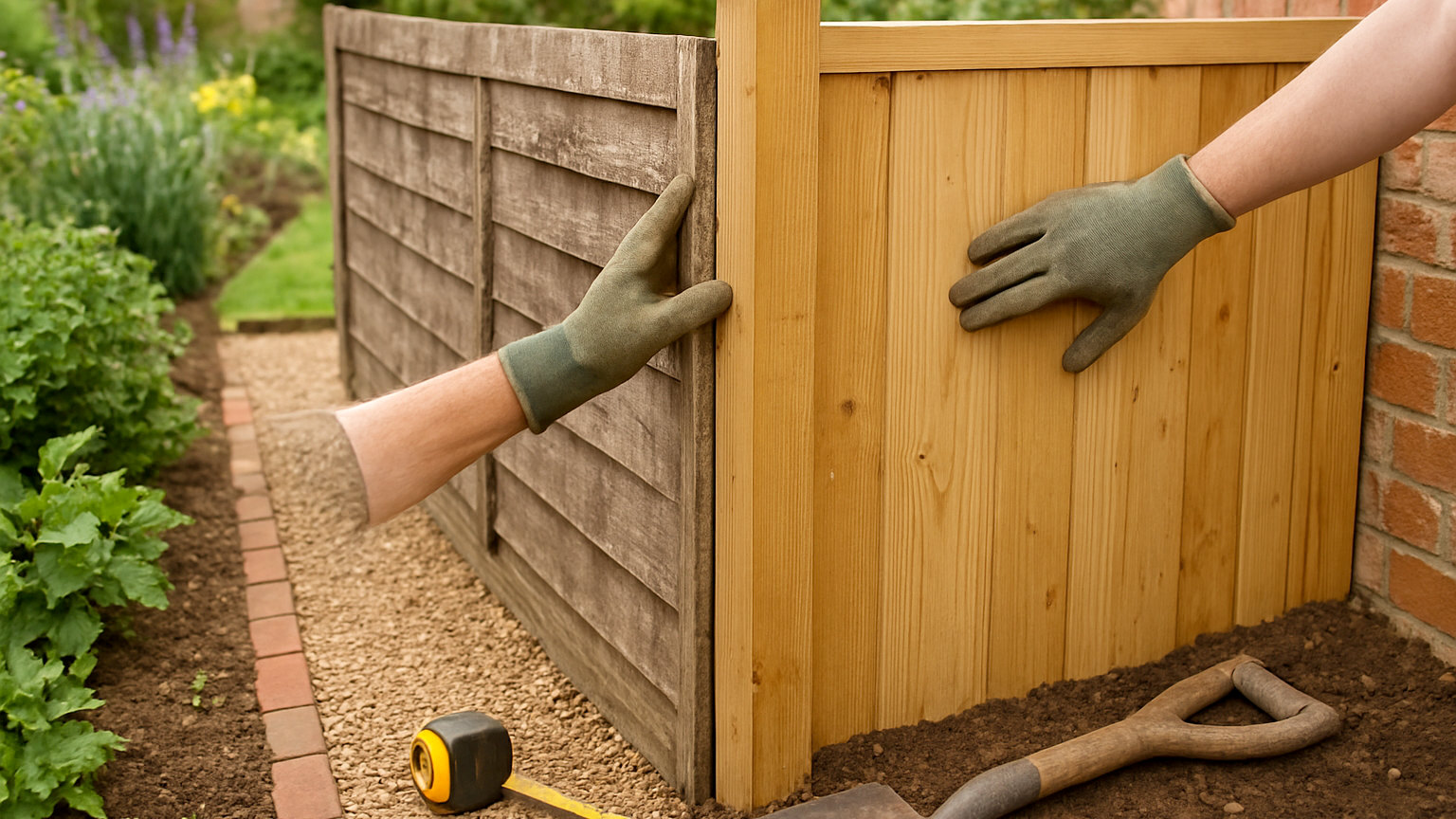
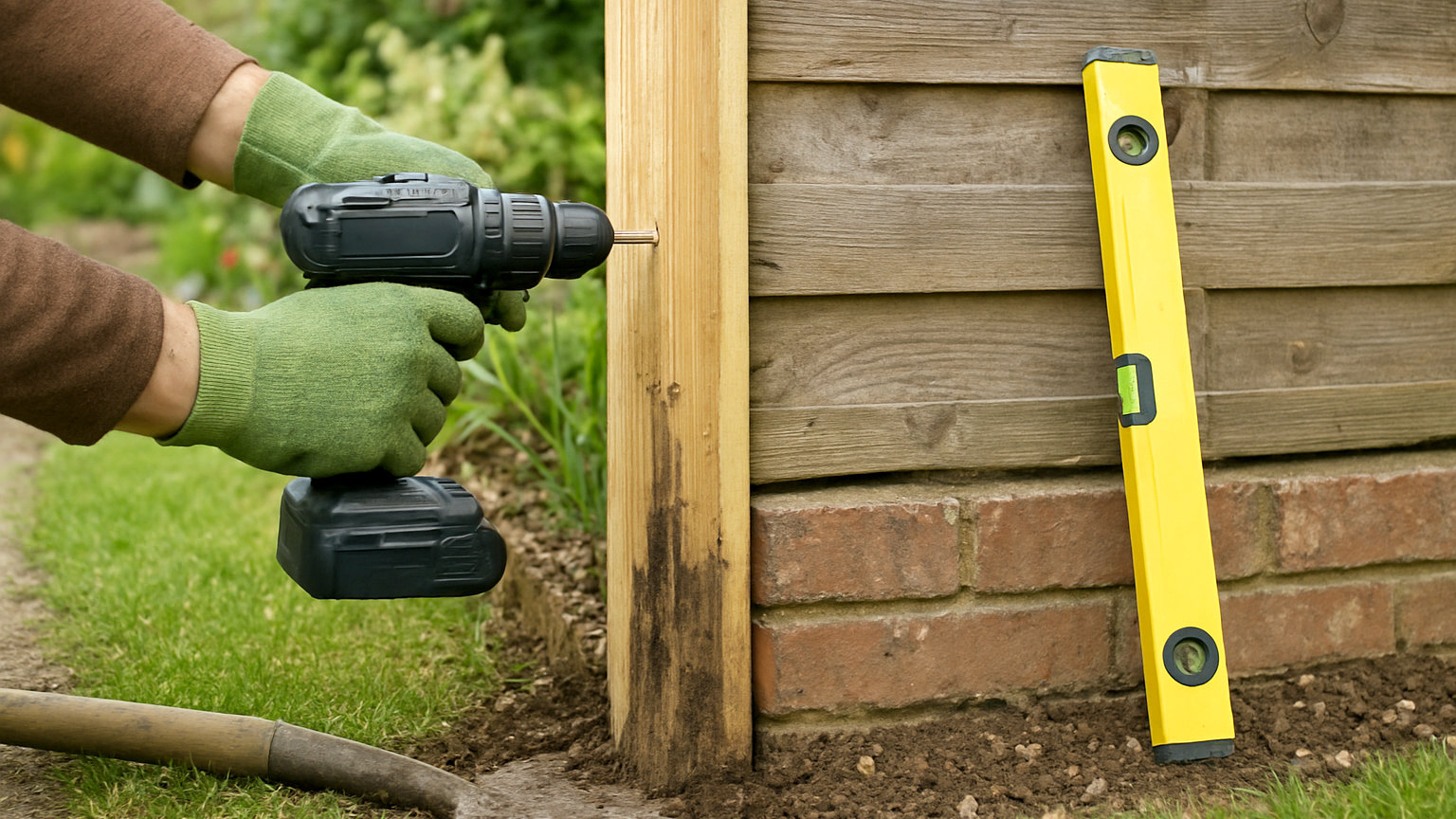
Panel fencing is straightforward and the posts decide everything. Setting out, digging and concreting posts, and keeping timber off the ground.
Built board by board rather than dropped in as panels, close-board lasts far longer, follows a slope and can be repaired piece by piece. How it goes together.
A leaning fence usually means a rotted post rather than a failed panel, and there are ways to fix it without digging the old post out. Common repairs.
Pressure-treated timber still needs a surface coating, and the choice between stain and paint determines how much work follows. Products, timing and technique.
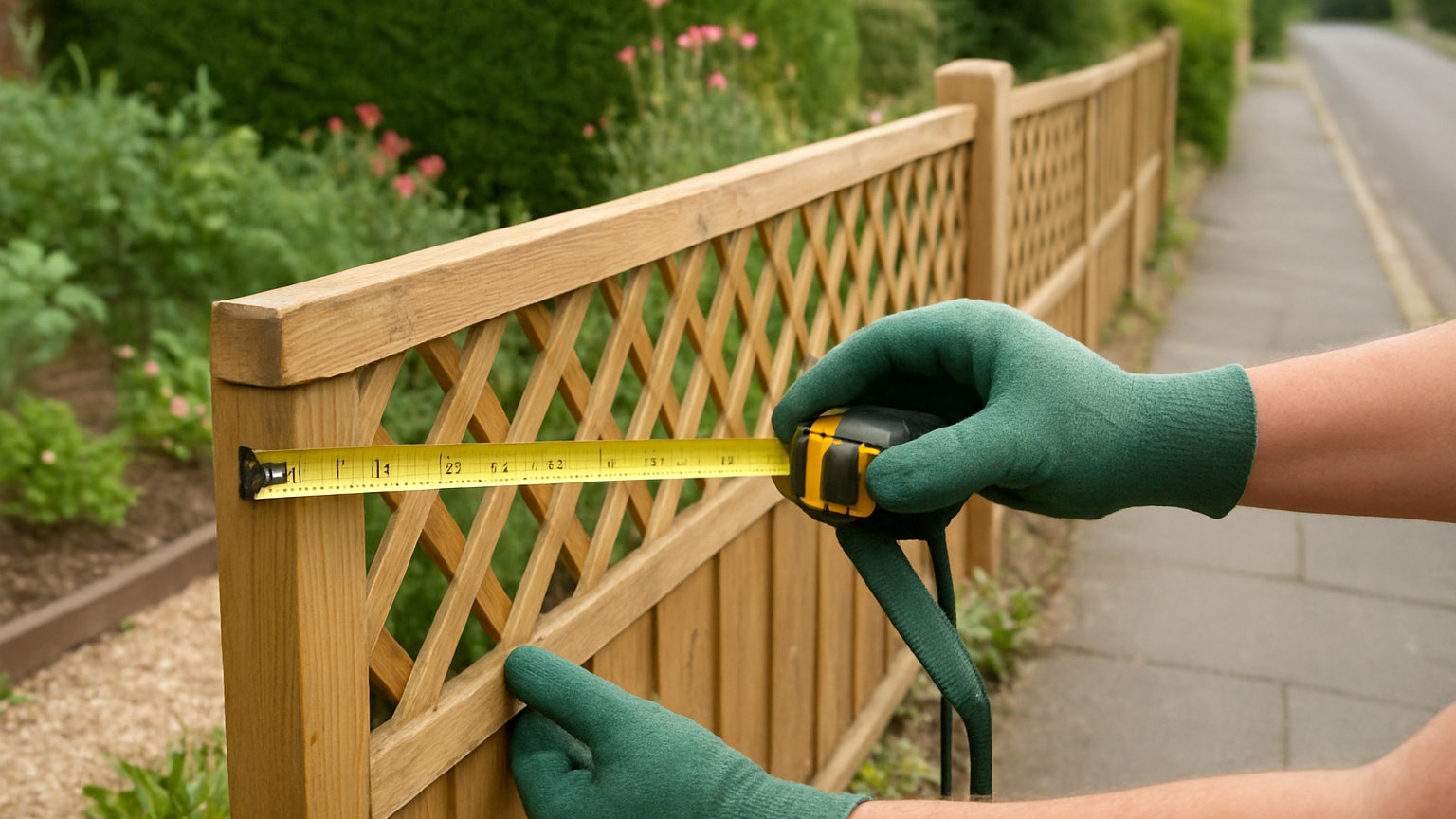
Two metres is the general limit and one metre next to a highway, and trellis on top counts. What is permitted, what needs consent, and where the rules differ.
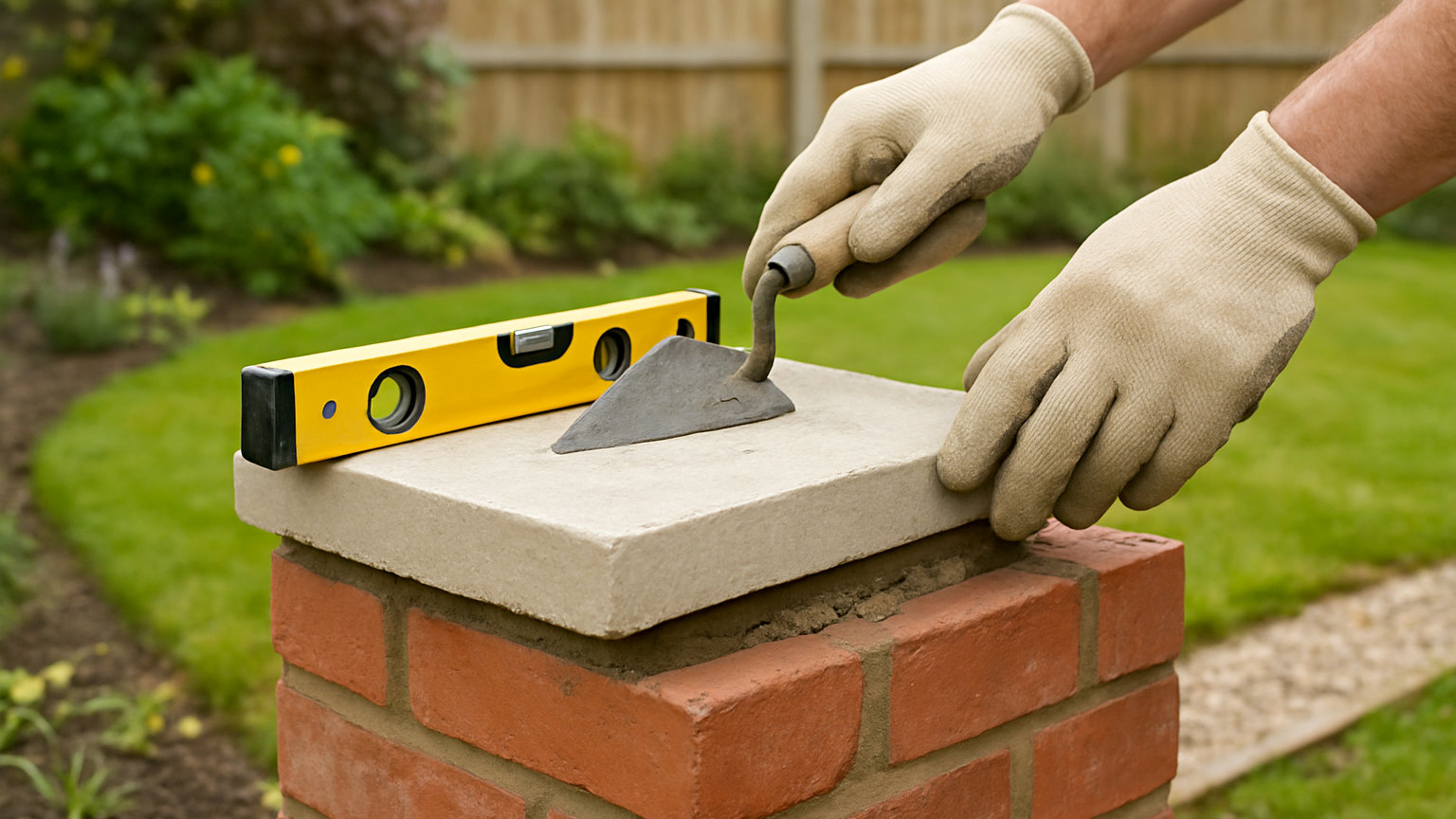
A wall outlasts every other boundary by decades and needs foundations, piers and a coping to do it. What makes one stand, and when to get advice.
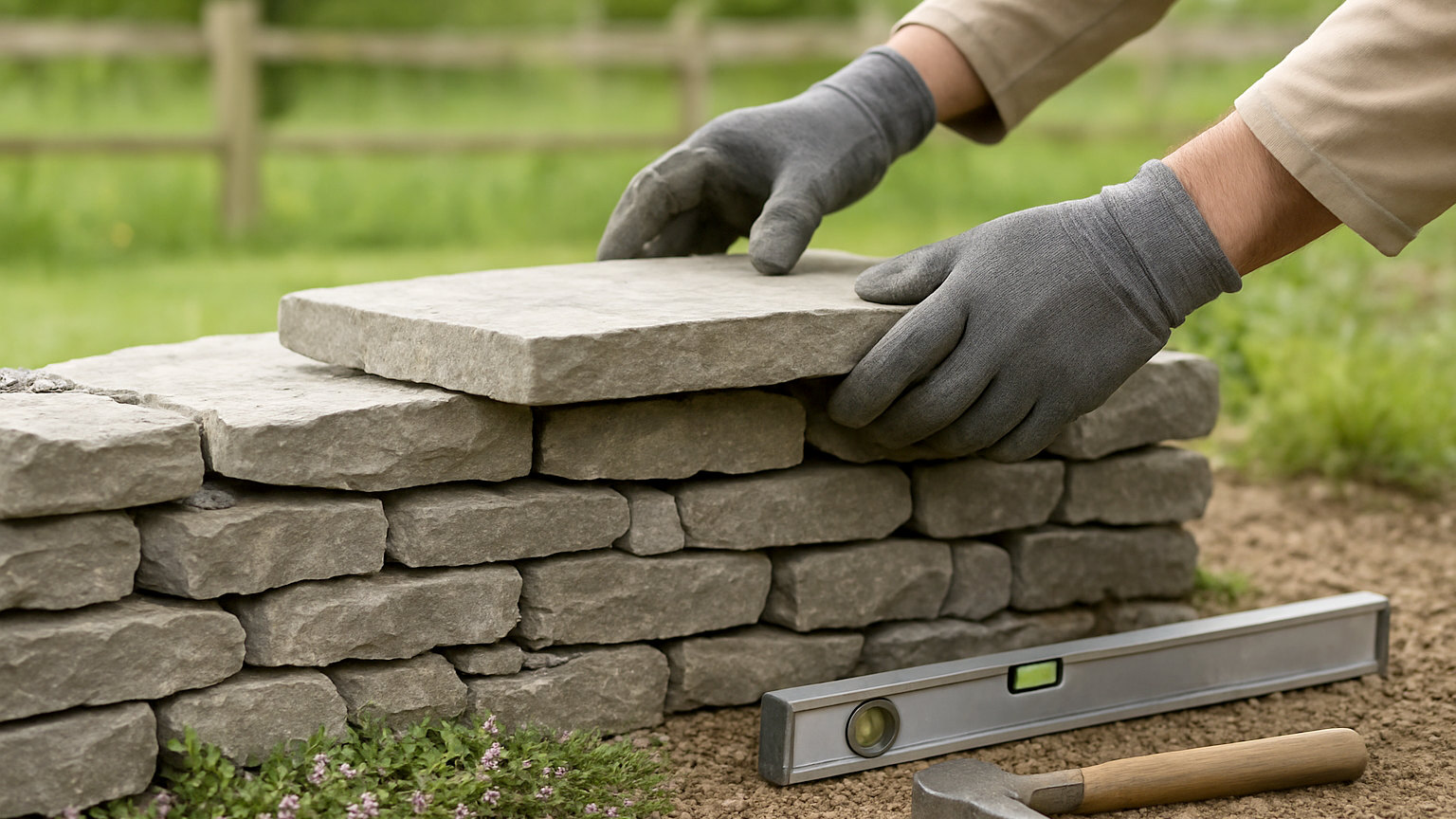
Built without mortar and held together by gravity and friction, a dry stone wall outlives everything around it. How one goes together, and what it needs.
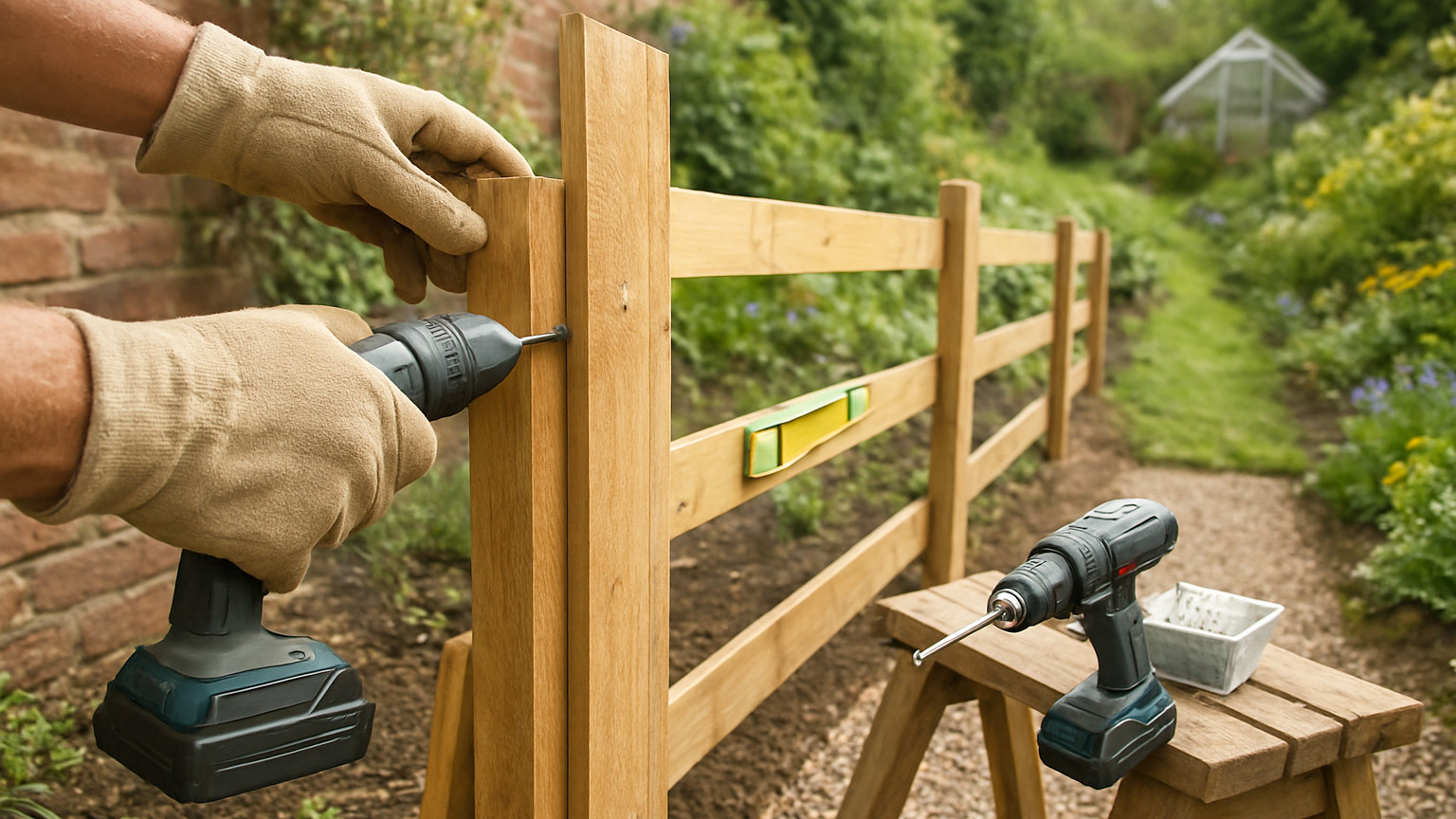
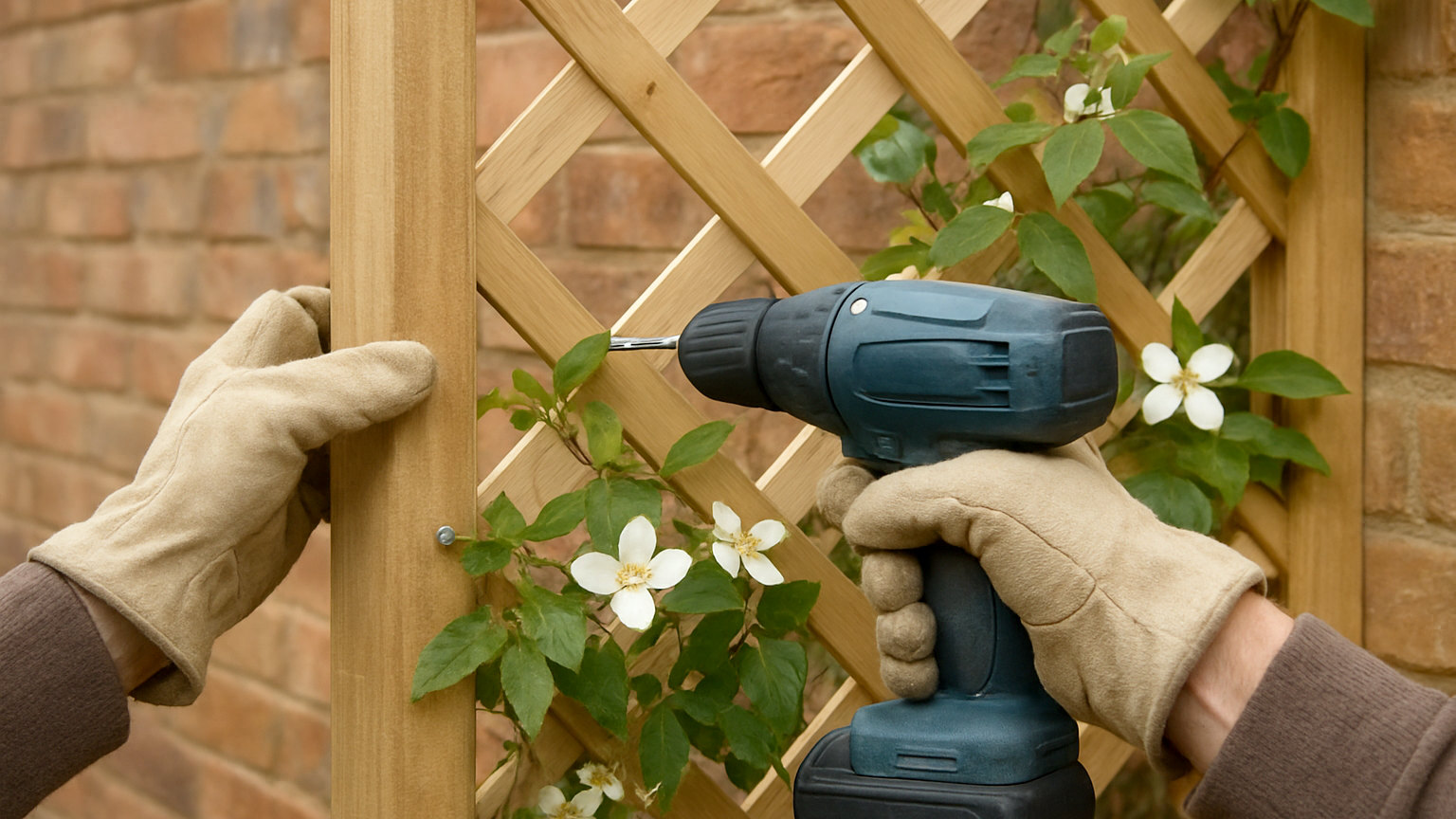
A screen filters a view rather than blocking it, which usually looks better and casts less shade. Fixing it properly, and where it belongs.
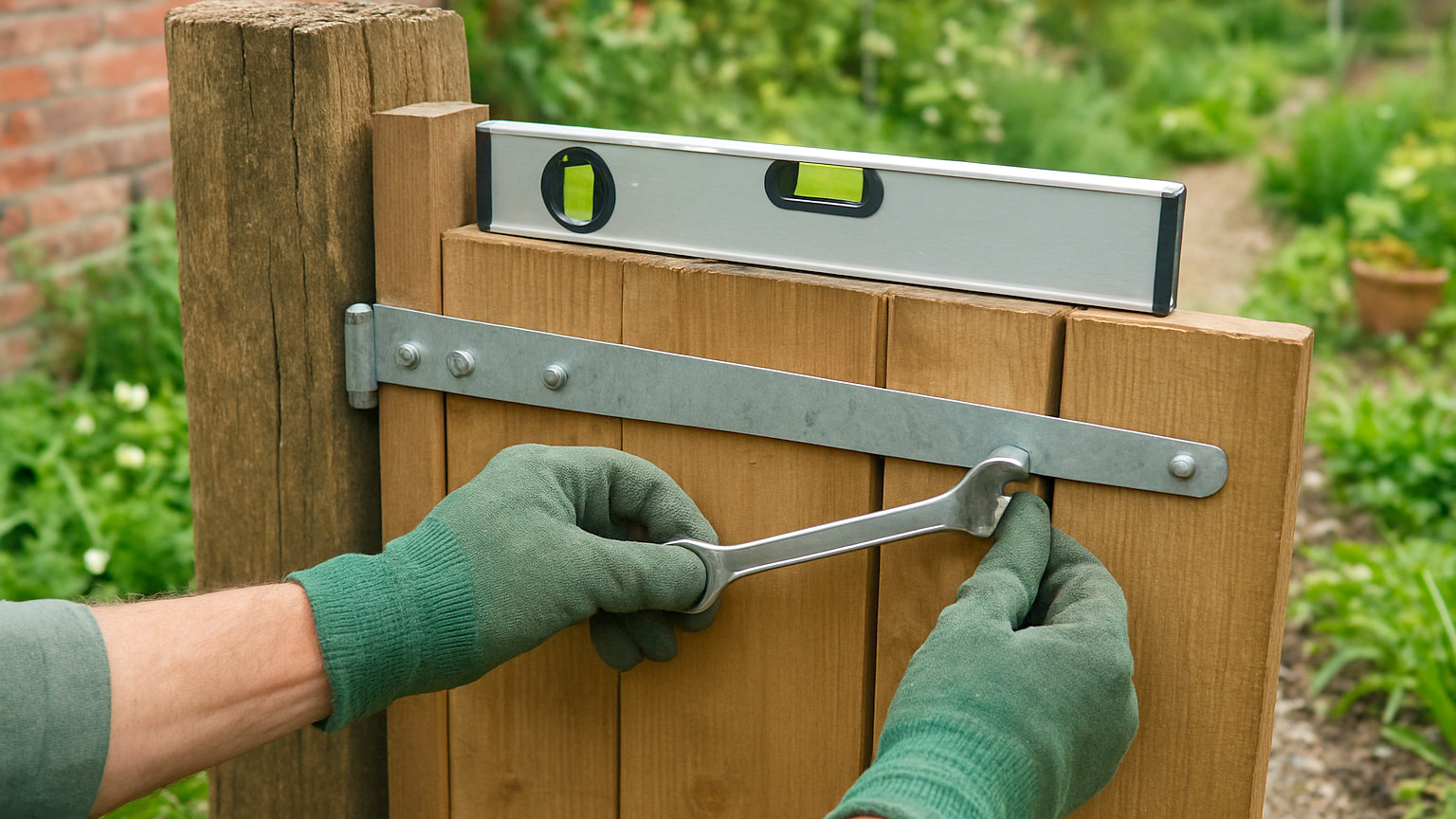
A gate is the heaviest thing on a fence and it moves, which is why gate posts need more than fence posts. Widths, hinges and getting one to swing true.