How to Deal With Aphids
Aphids are the pest most often over-treated. What damage they actually do, why spraying usually makes it worse, and the three things that work.
By Gardening Guides Editorial
31 Jul 2026

Something is eating it, something is wilting it, or it simply is not growing - and the first job is always identification, because the treatment for one problem is useless against another that looks much the same. These guides help you work out what you are looking at, then say what actually works, what does not, and what is not worth treating at all. Most garden problems resolve themselves, and knowing which ones will is the real skill.
Aphids are the pest most often over-treated. What damage they actually do, why spraying usually makes it worse, and the three things that work.
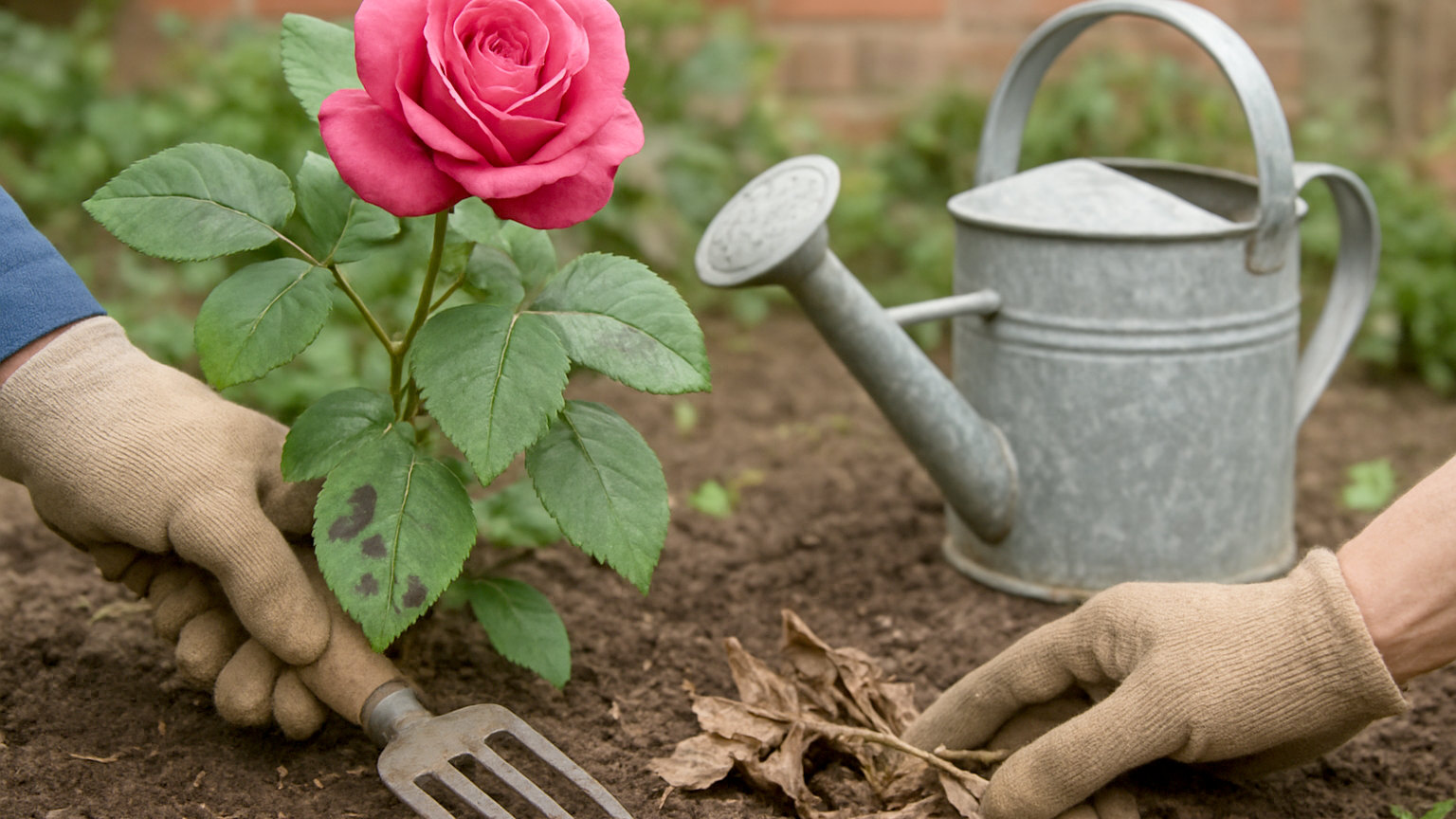
The commonest reason a healthy container plant collapses overnight. Notched leaves from the adults, grubs eating the roots, and the treatment that actually works.
Two relatively recent arrivals that can strip a plant in days. How to identify each, what genuinely controls them, and when replacing the plant is the better answer.
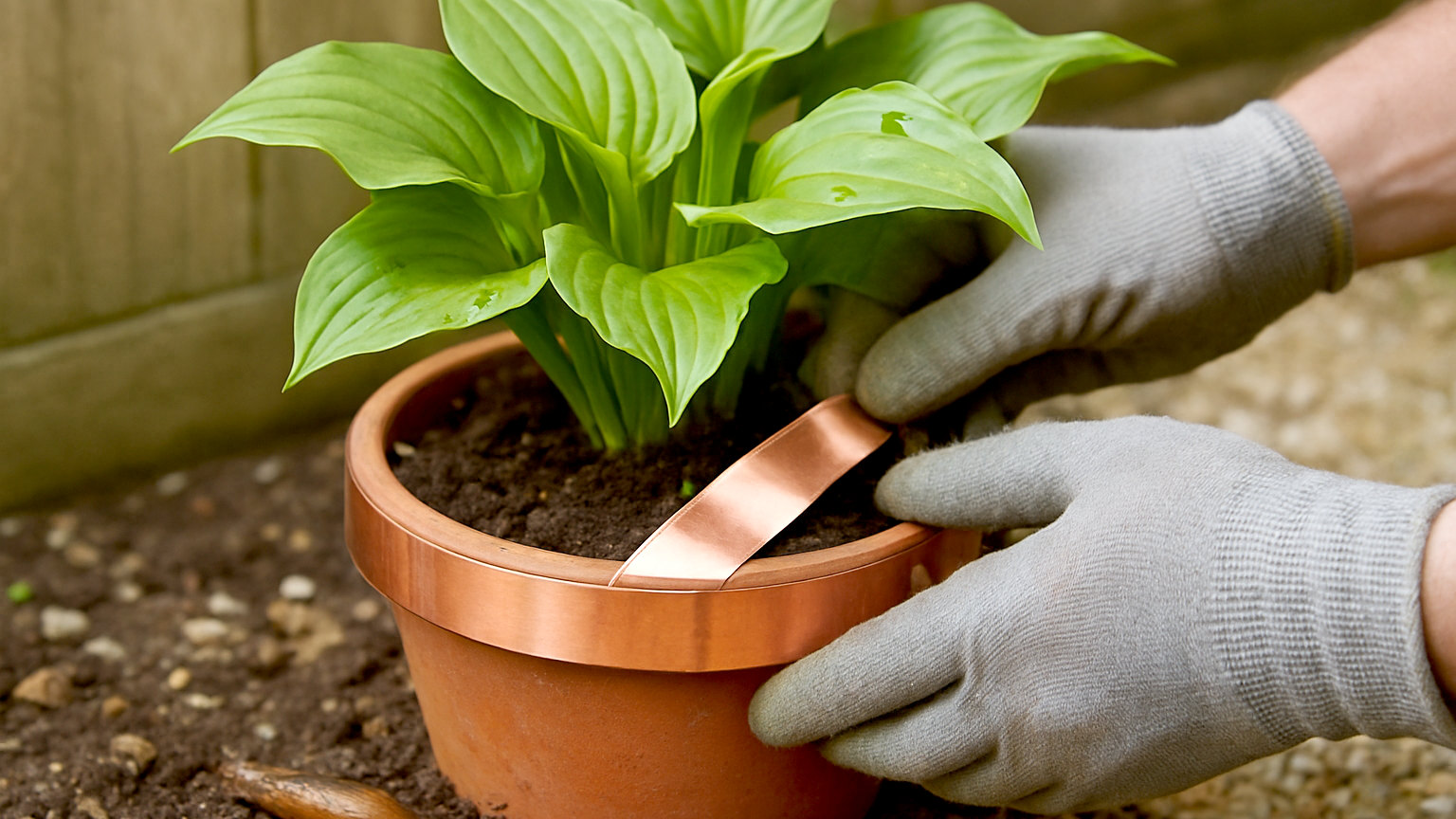
What actually reduces slug damage, what only appears to work, and which plants they leave alone. An honest look at the methods, now that metaldehyde pellets have gone.
If something has been eaten to the ground twice, the sensible answer is to grow something else there. What they avoid, what they target, and why the textures matter.
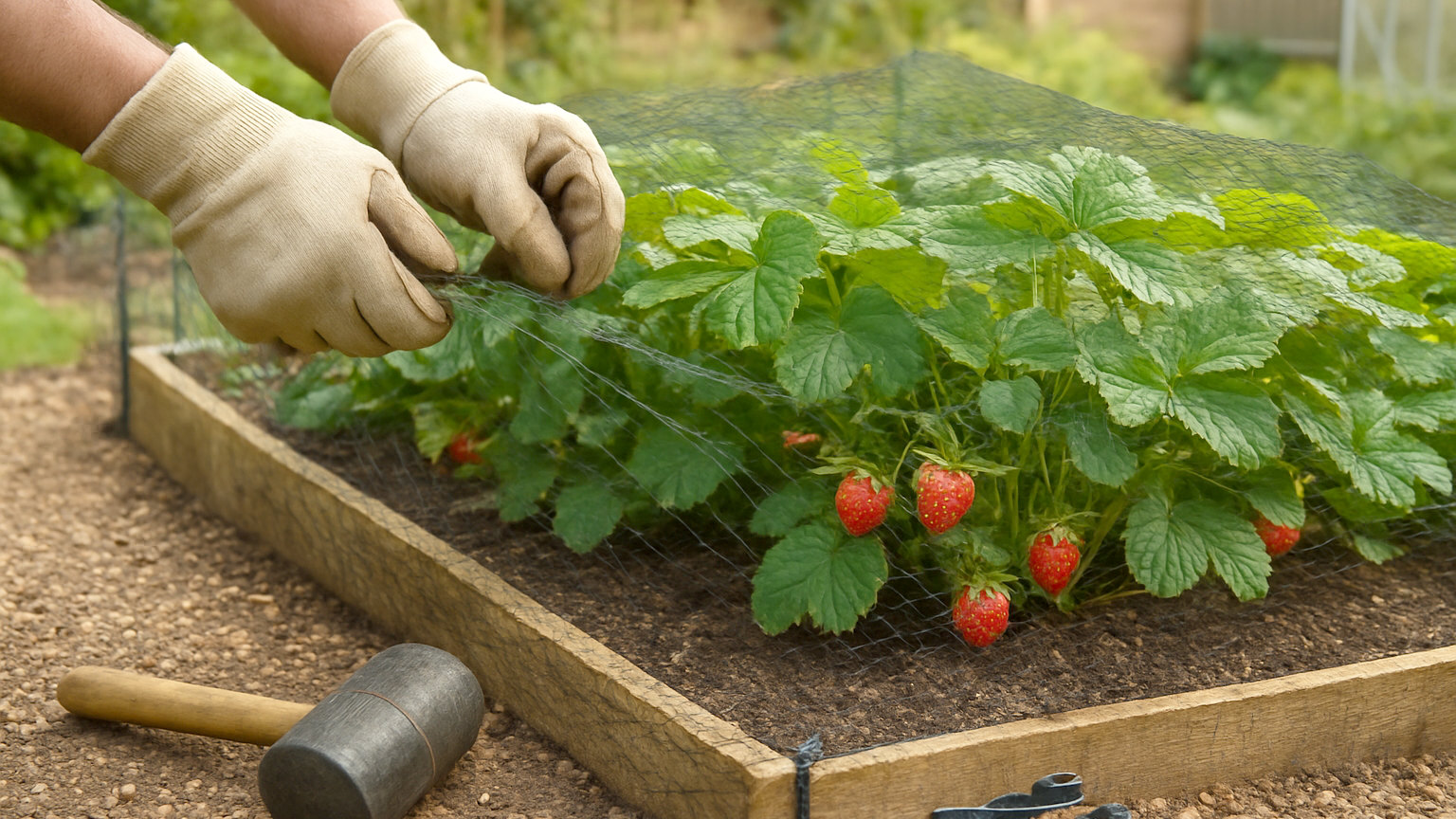
Netting is the only method that reliably works, and it has to be done properly or it traps wildlife. Mesh sizes, fruit cages, and the birds worth encouraging instead.
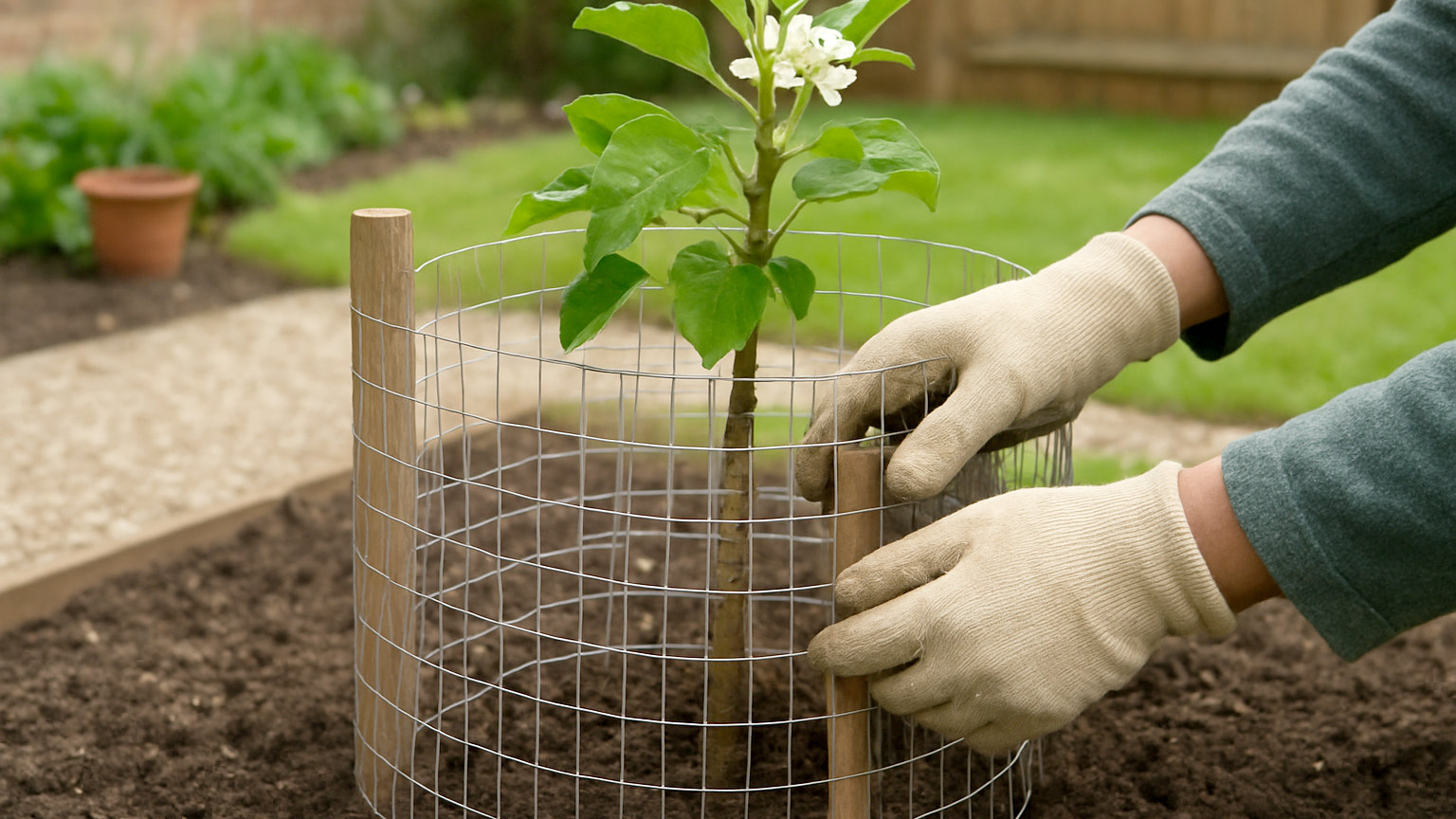
Exclusion is the only thing that reliably works with mammals, and each needs a different specification of barrier. Fence heights, what is protected by law, and what to skip.
Two fungal problems with the same practical answer: airflow, watering at the base, and clearing fallen leaves. Why mildew is a dry-roots problem, not a wet one.
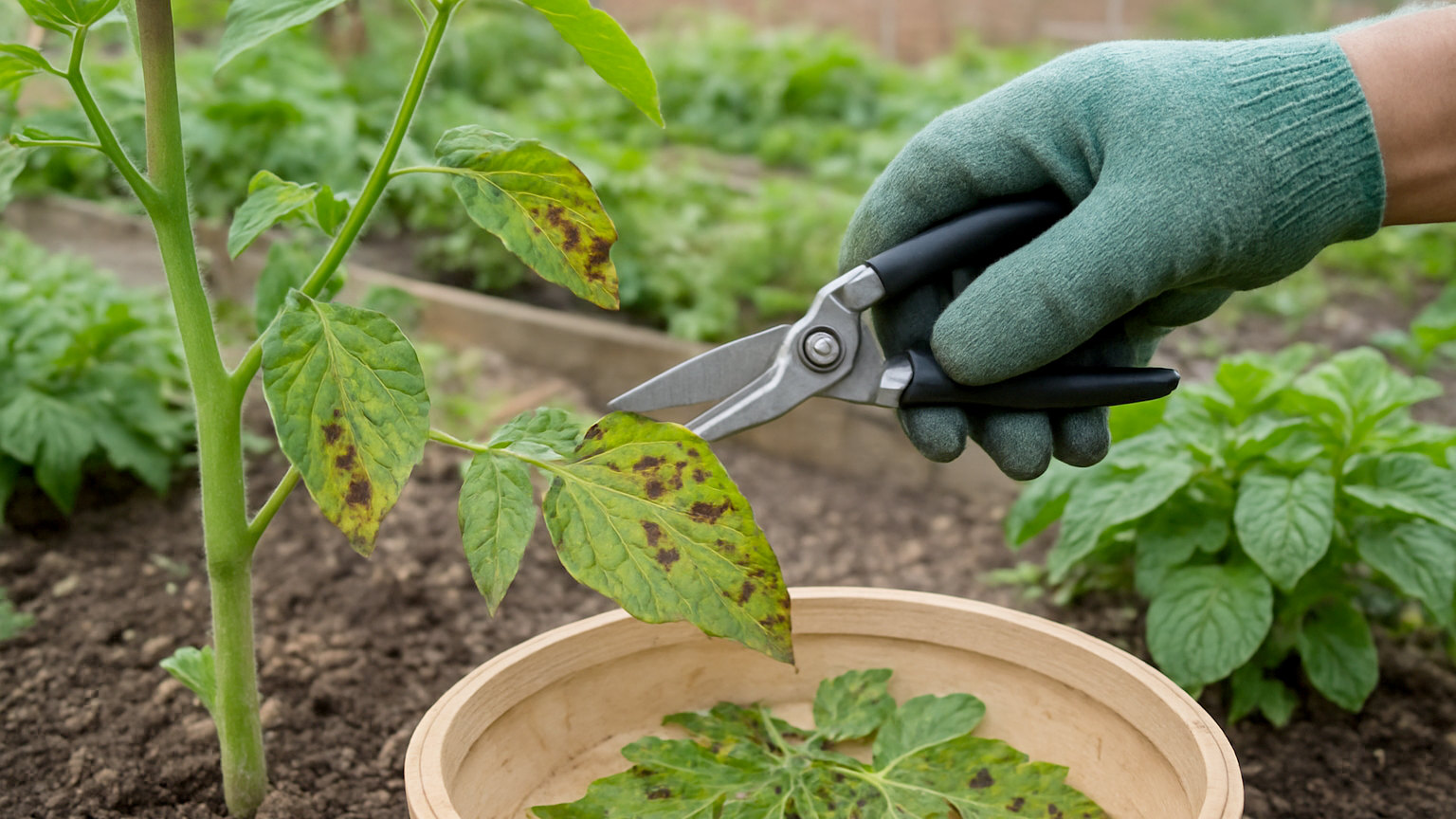
The same organism attacks both, arrives in warm humid weather, and cannot be cured once it takes hold. How to recognise it, what to do the same day, and how to avoid it.
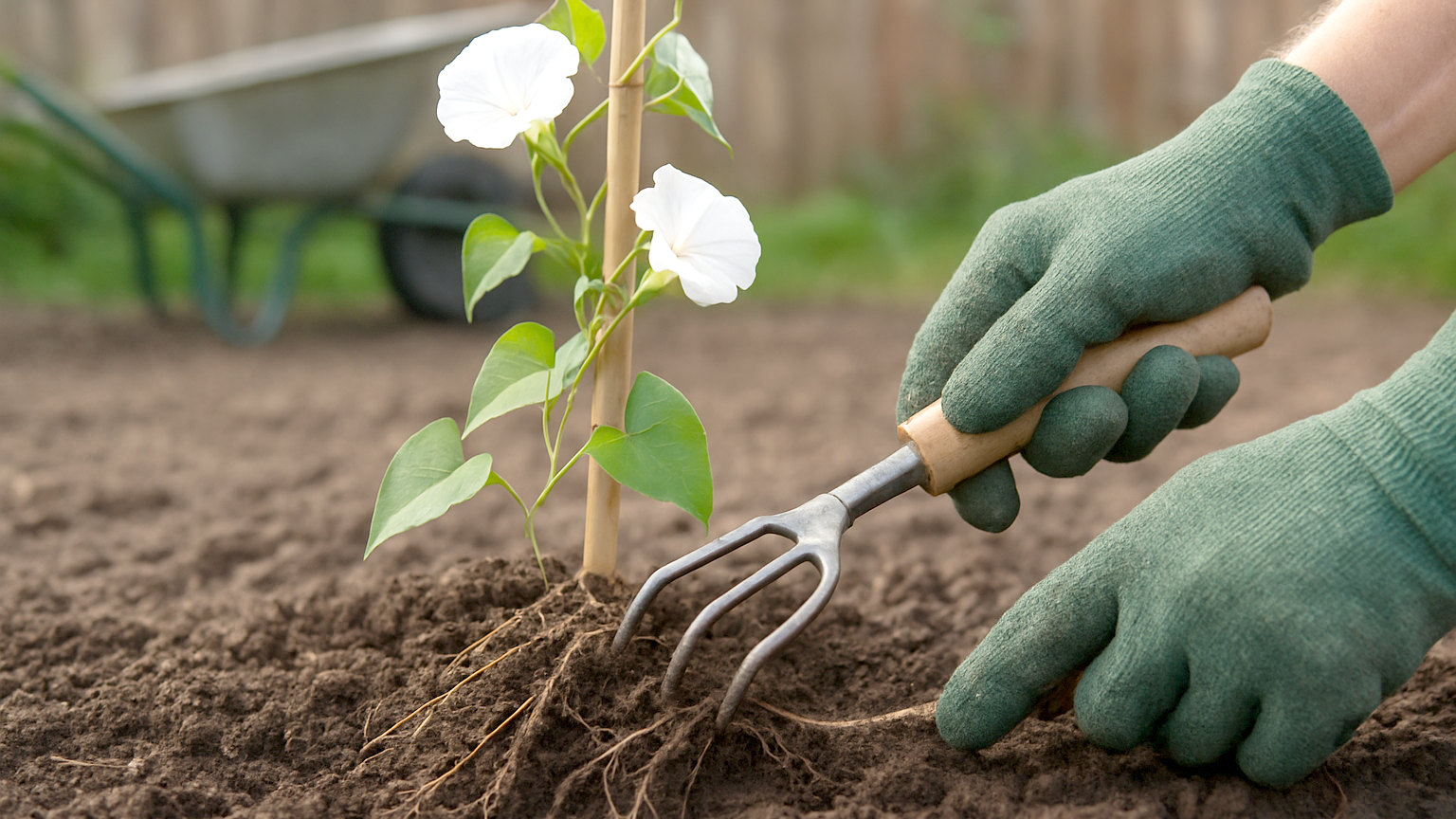
Any fragment of root left in the ground grows into a new plant, which is why digging half-heartedly makes it worse. The cane trick, and why never to rotavate.
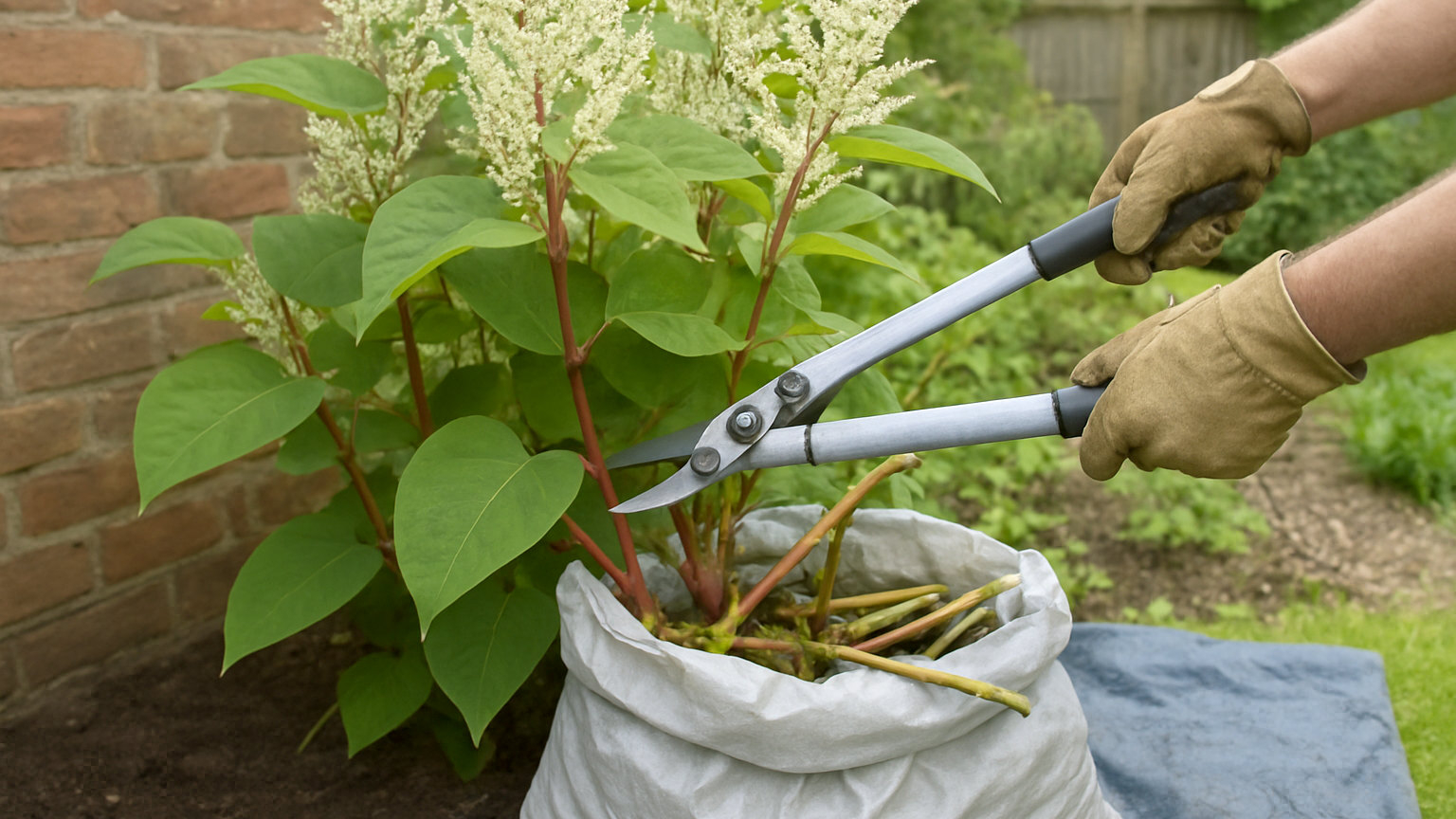
Having it is not an offence; allowing it to spread is, and the cuttings are controlled waste. How to identify it, what you must not do, and why professional treatment matters.
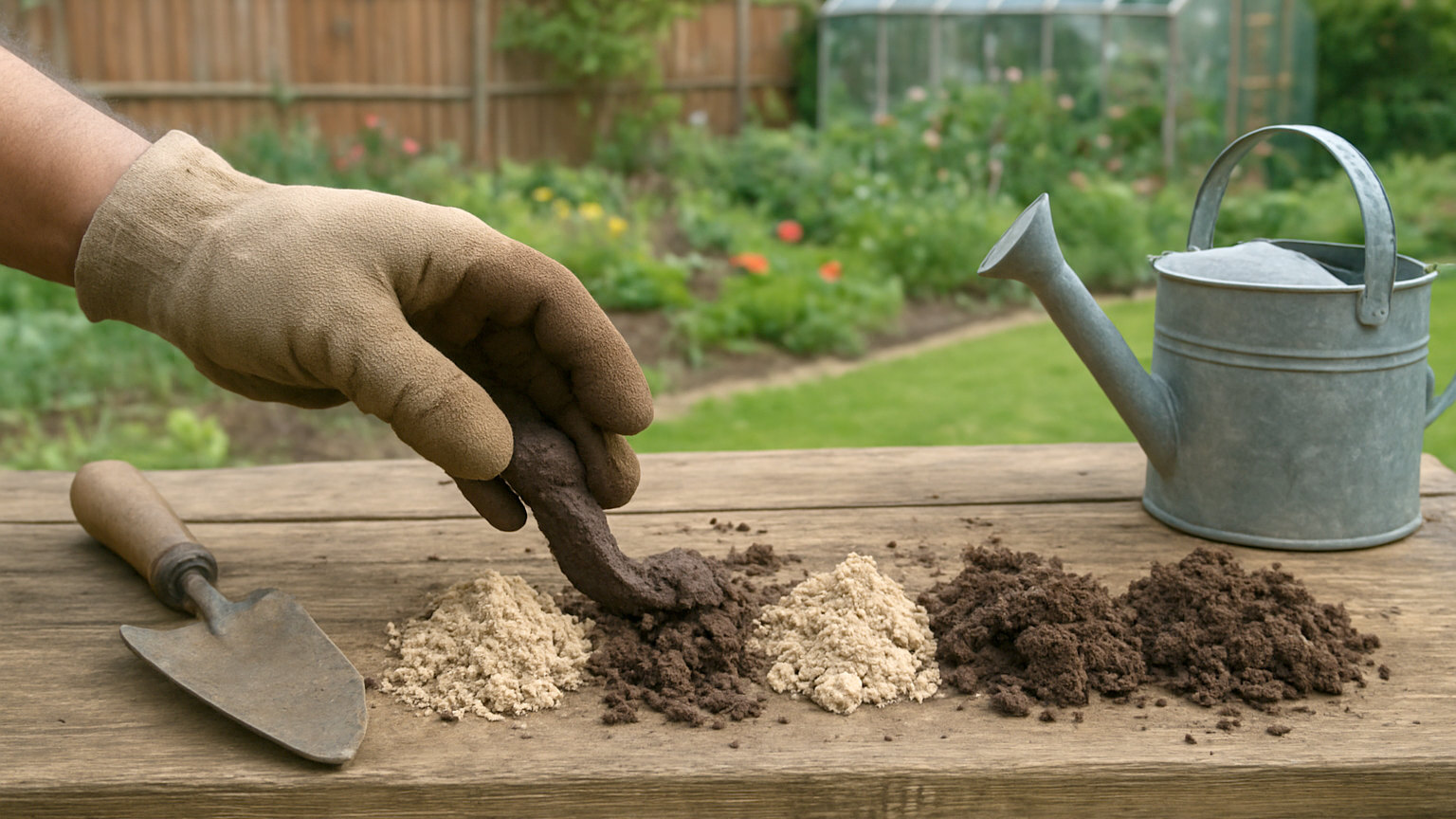
Two simple tests tell you what you are working with, and everything else follows from the answer. What each soil type needs, and why compost is the answer to all of them.