Testing Your Soil
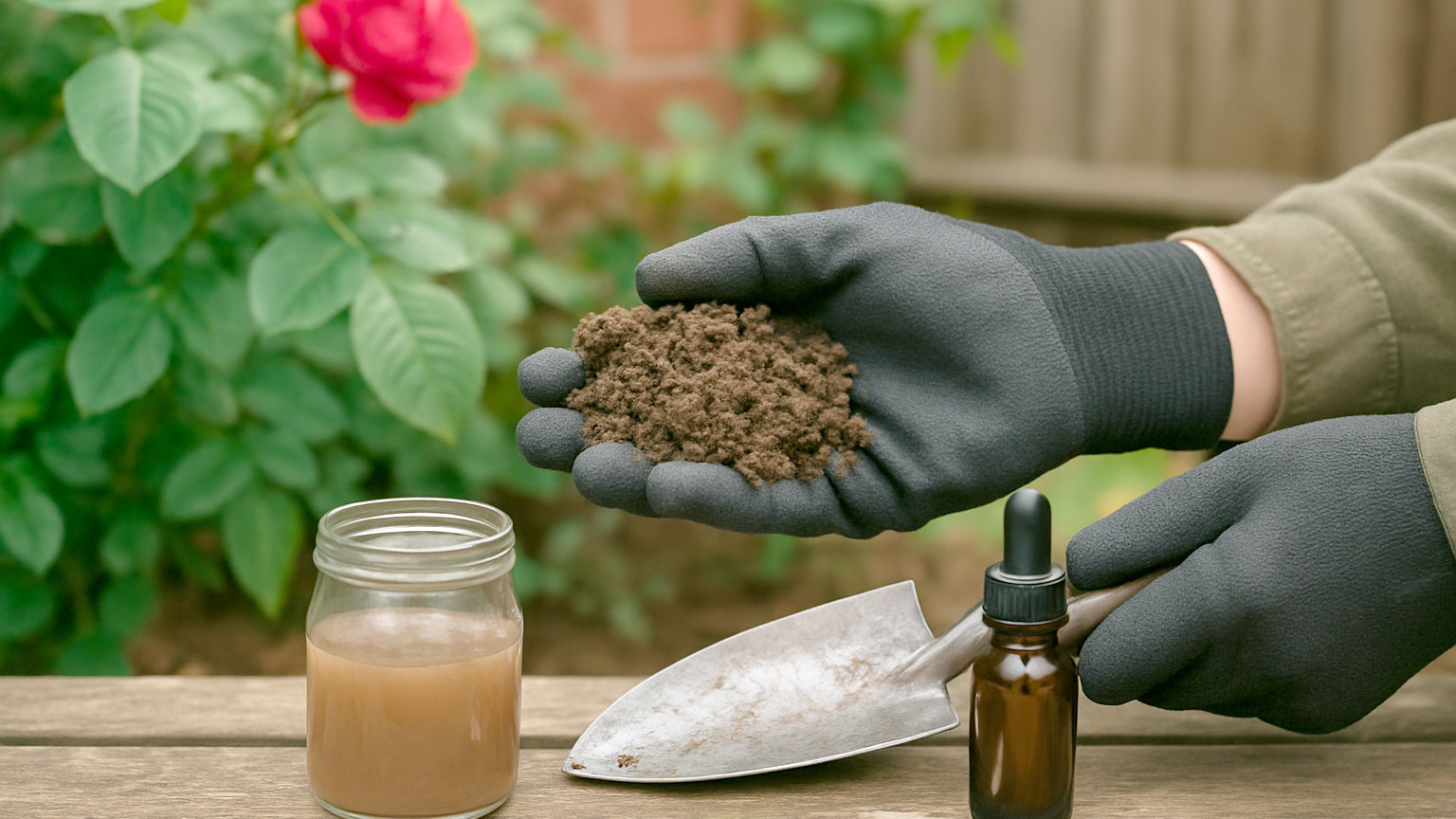
A cheap pH kit and a handful of soil tell you most of what determines what will grow. What to test, how, and what the results actually mean.
By Gardening Guides Editorial
31 Jul 2026

Clay, sand, chalk and pH, testing, mulching, composting, and reading the deficiency from the leaf.
A cheap pH kit and a handful of soil tell you most of what determines what will grow. What to test, how, and what the results actually mean.
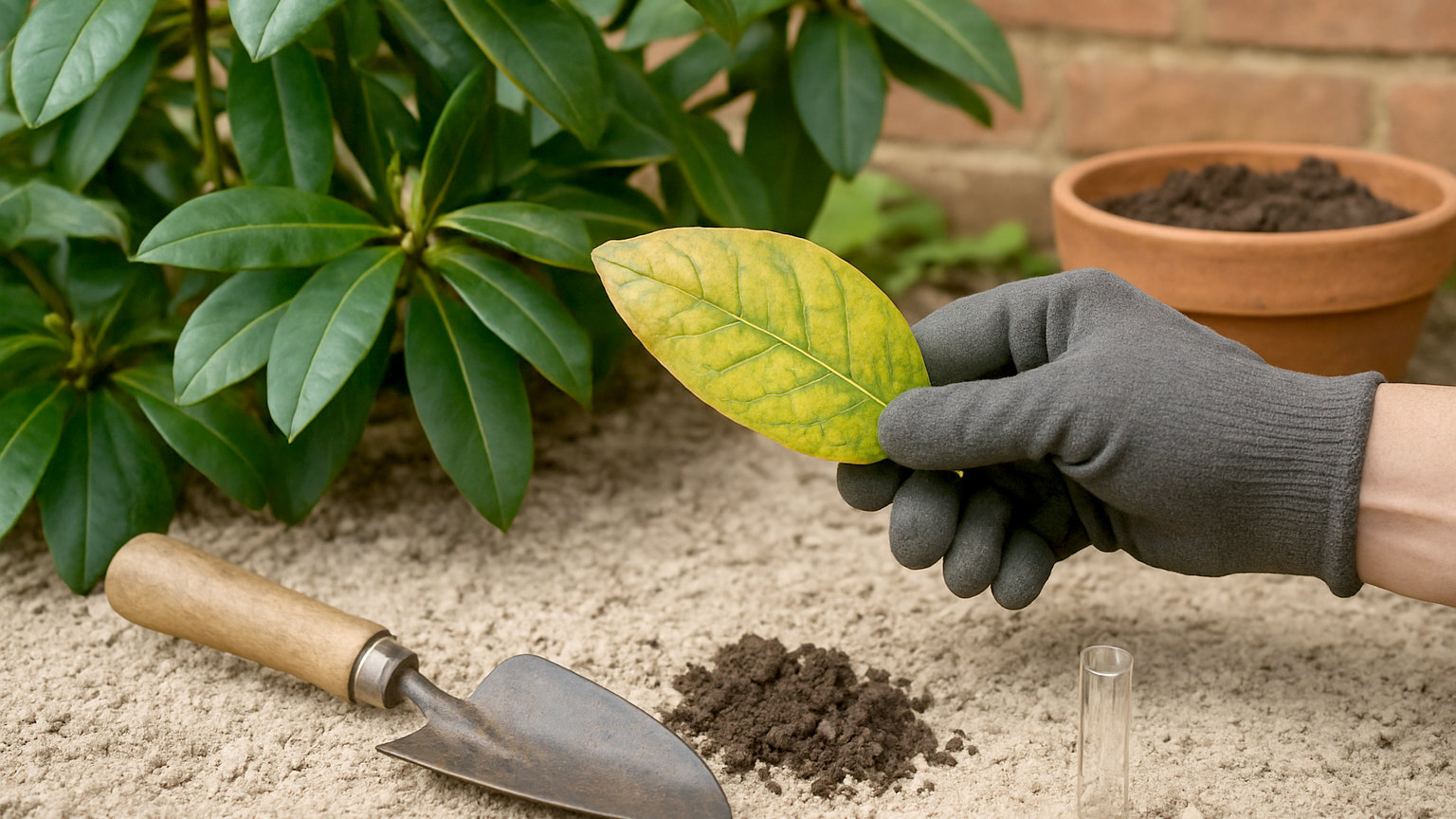
pH governs which nutrients a plant can take up, which is why lime-hating plants yellow on chalk. Adjusting it, and when not to bother.
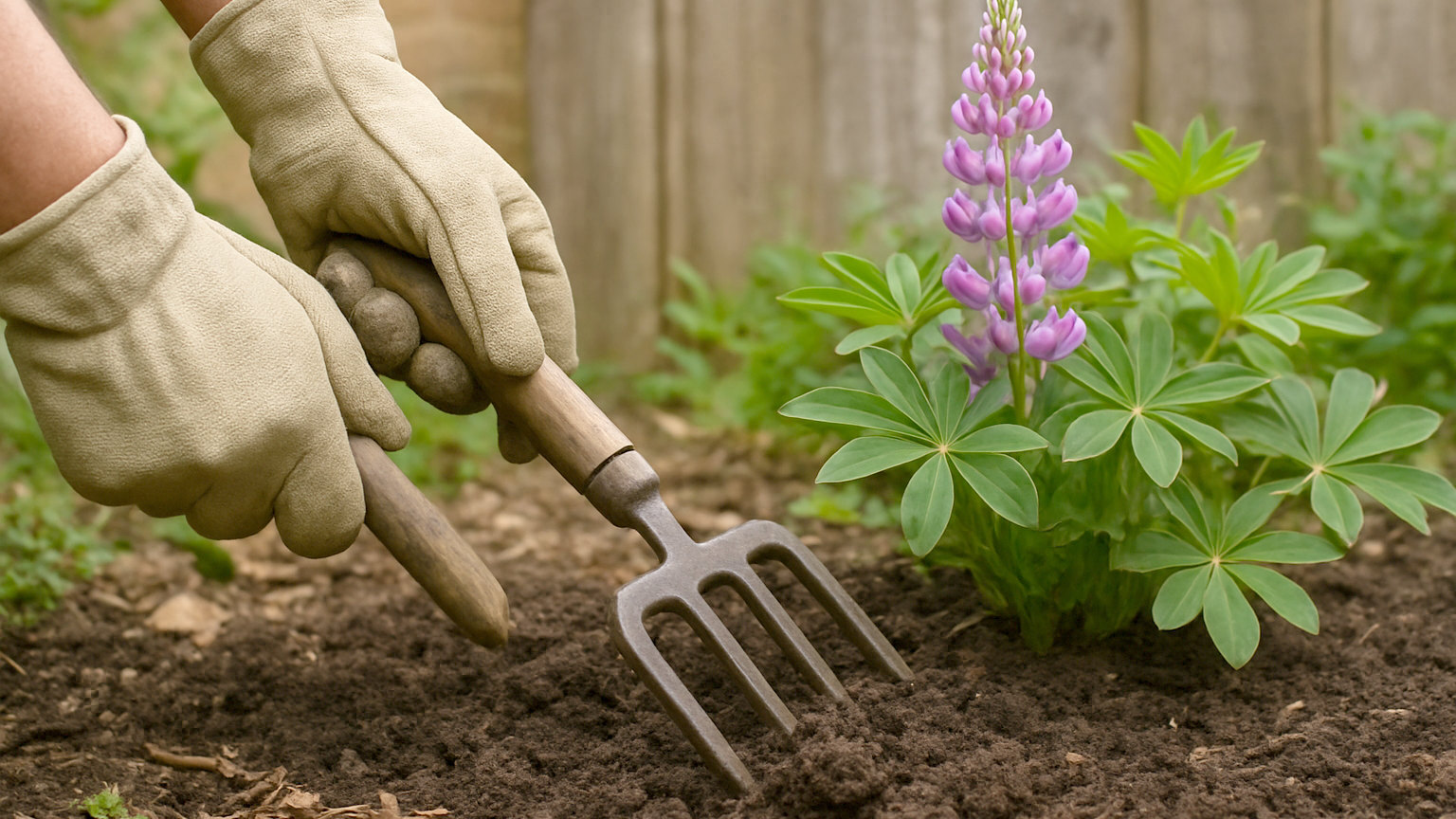
Structure is the arrangement of particles into crumbs with spaces between, and it matters more than texture. Protecting it, and relieving compaction.
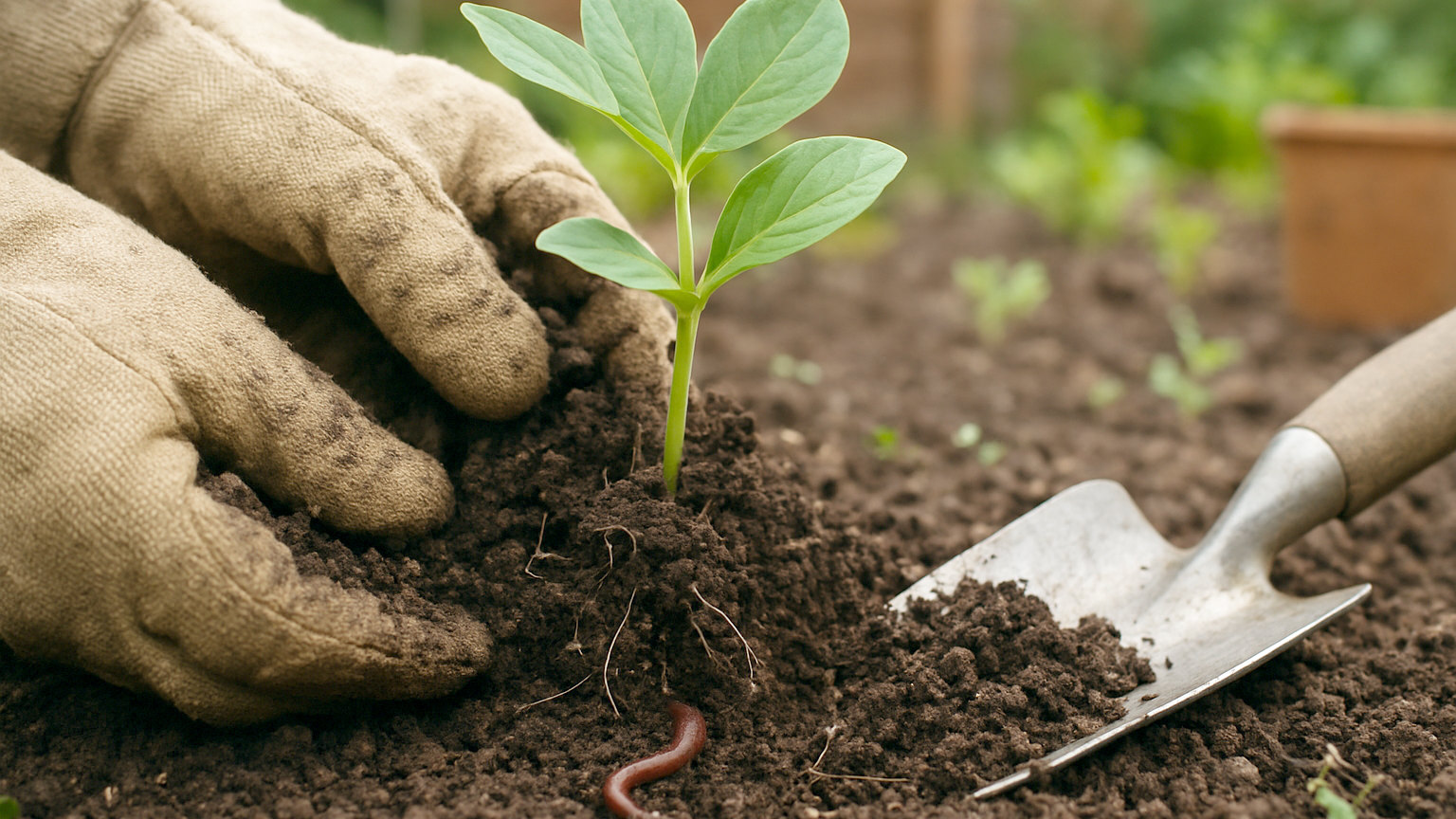
A handful of soil contains billions of organisms, and they do the work that makes soil fertile. What lives there, and how gardening practice affects it.
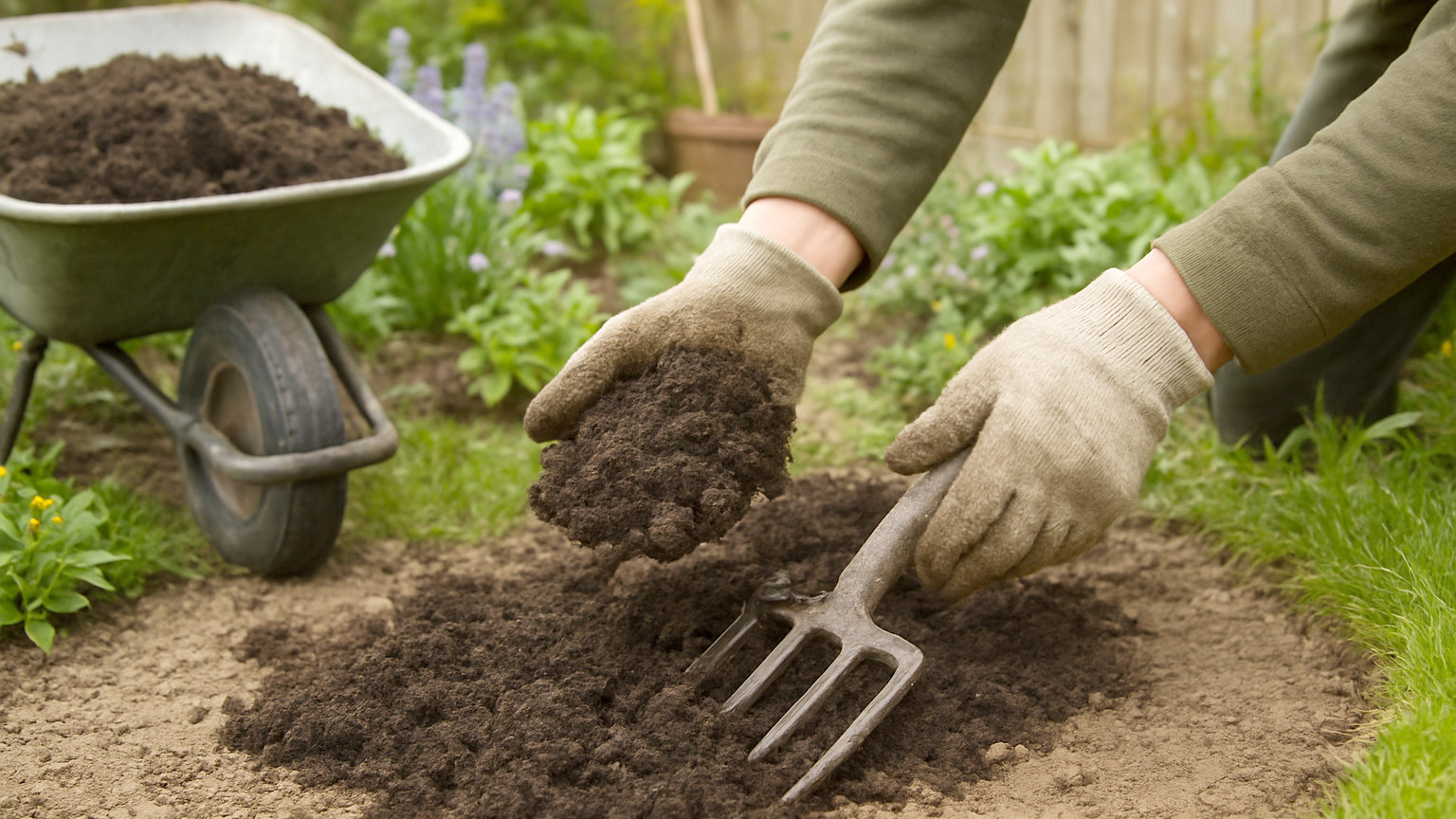
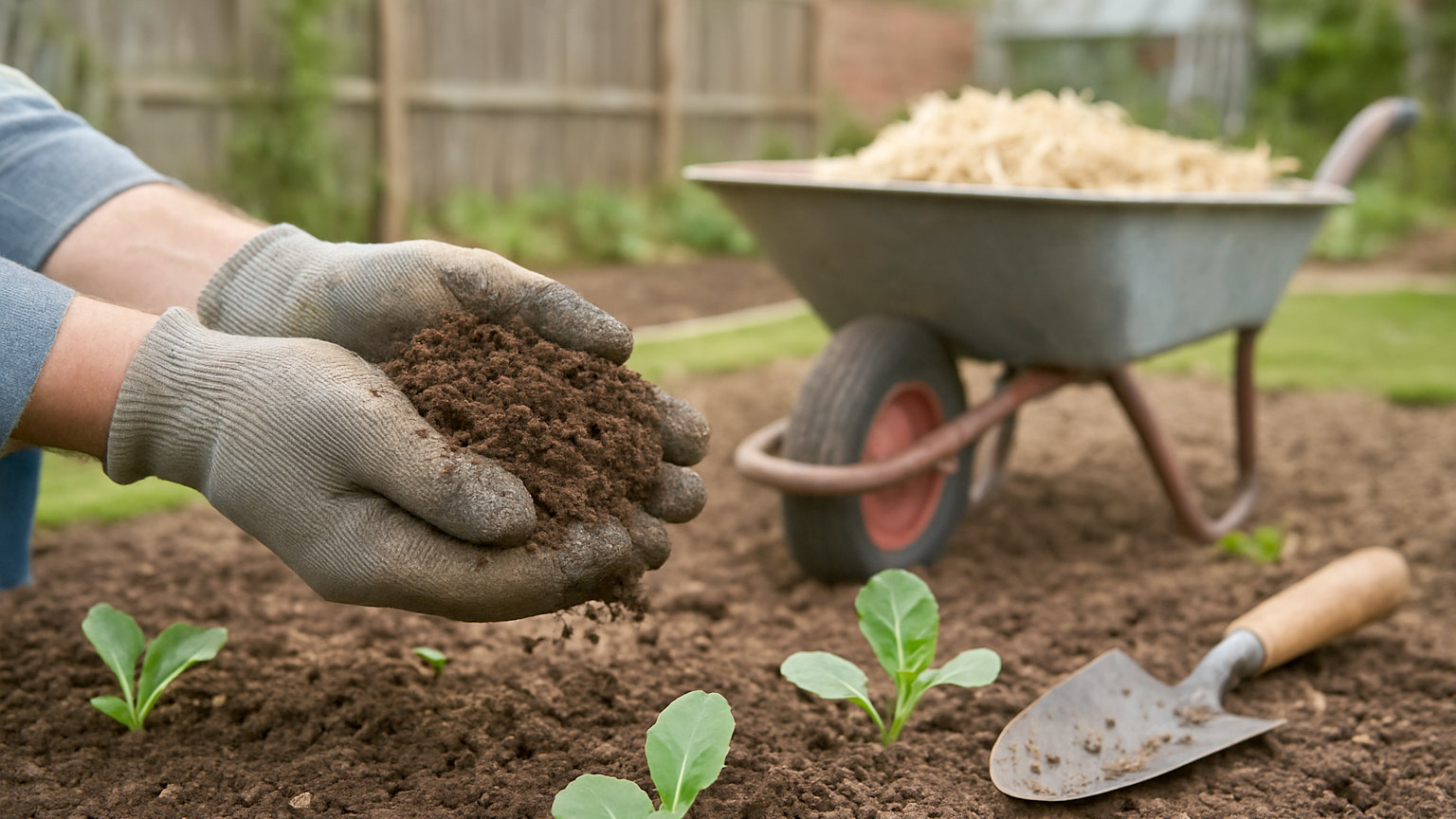
The one amendment that improves every soil type, holding water in sand and opening up clay. Where to get it, and how much to use.
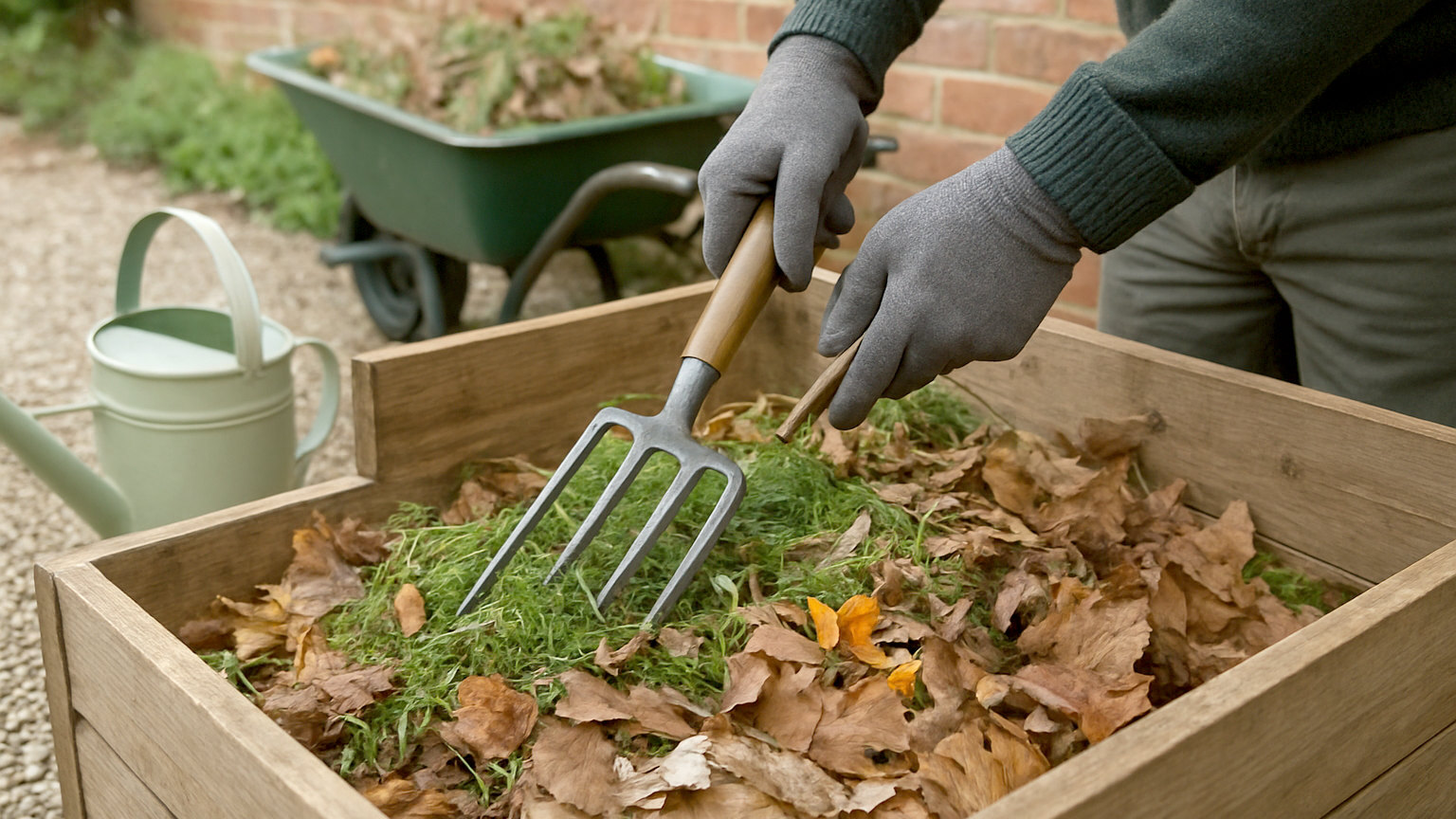
Greens and browns in roughly equal measure, air, and moisture. What to include, what to keep out, and why heaps fail.
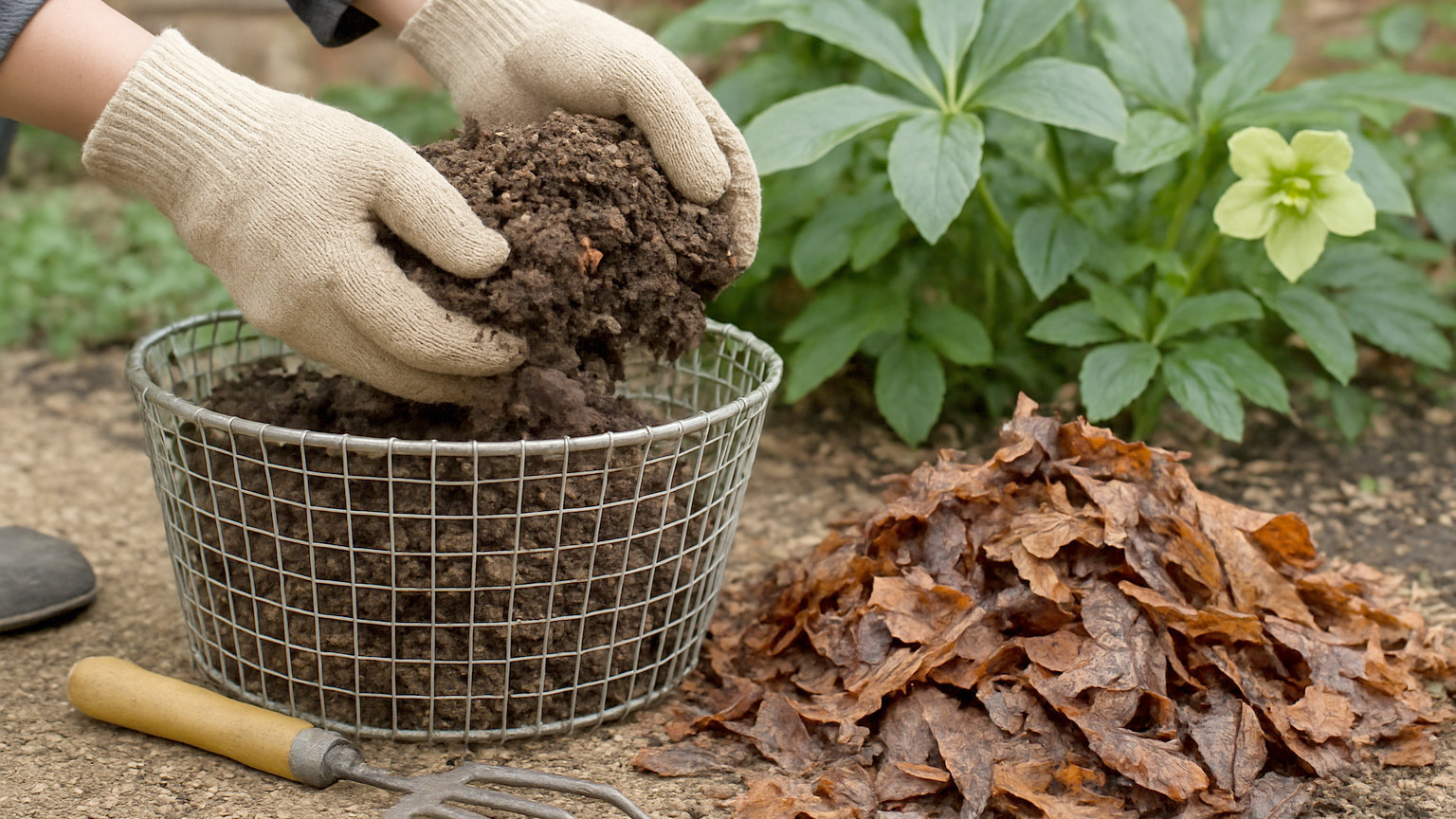
Autumn leaves rot by a different process from compost and take longer, producing the best soil conditioner and mulch for shade planting.
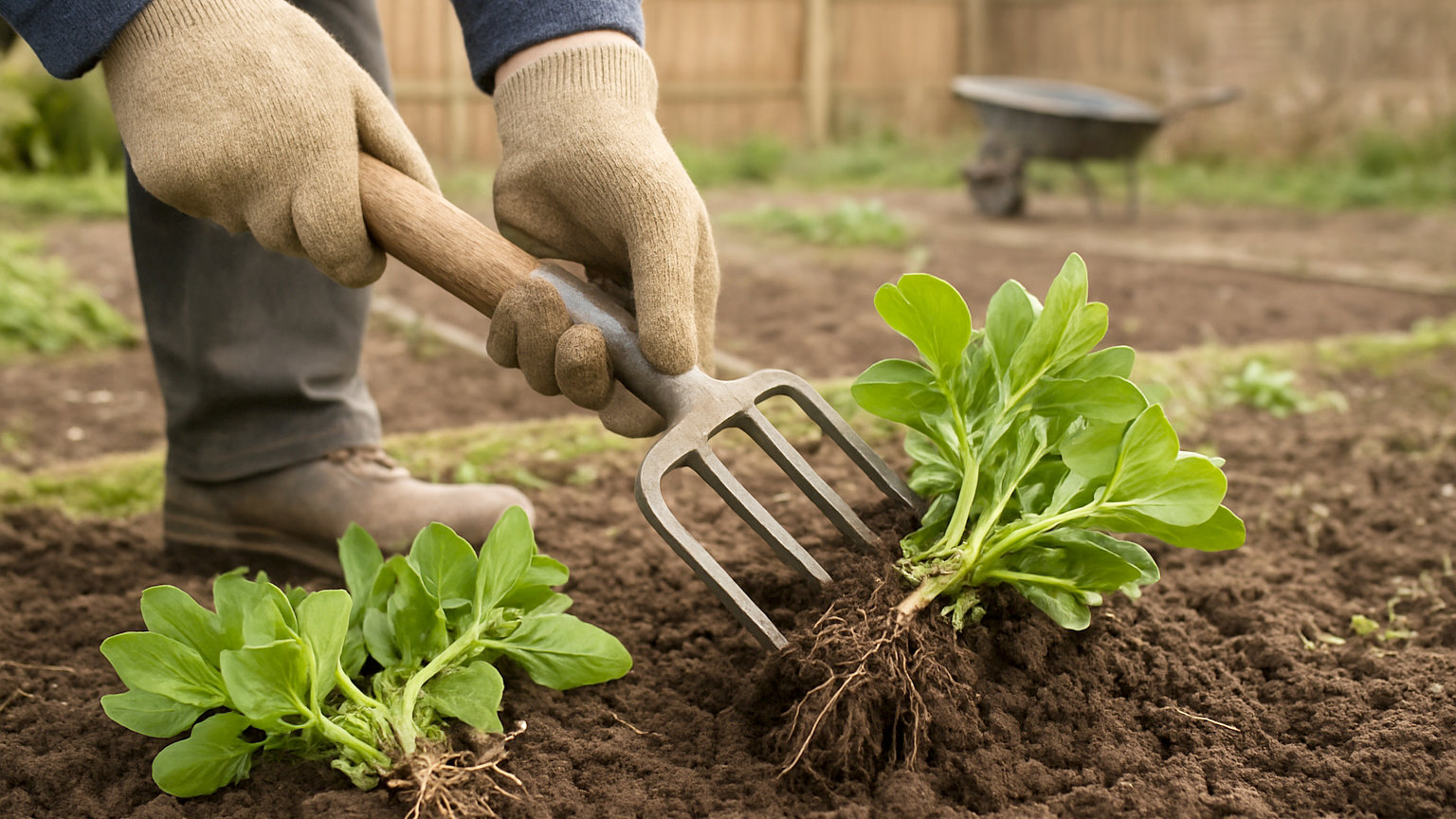
Crops grown to be returned to the soil rather than harvested, covering bare ground over winter and adding organic matter for the price of a packet of seed.
Well-rotted manure feeds and conditions in one operation, and fresh manure scorches. The types compared, and the residue problem worth knowing about.
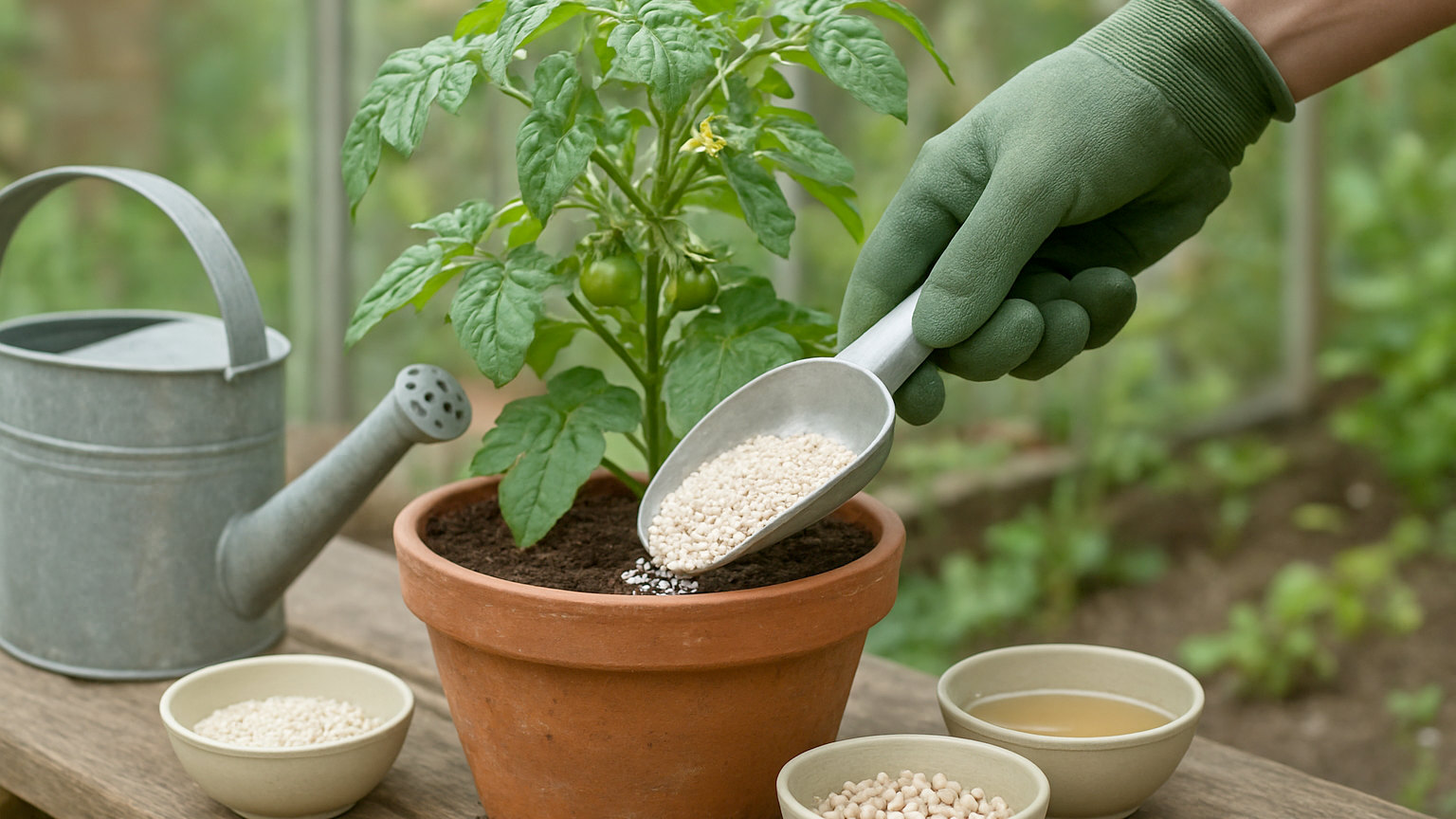
Three numbers on every packet, telling you what the feed will make a plant do. What each nutrient does, and the common fertilisers compared.
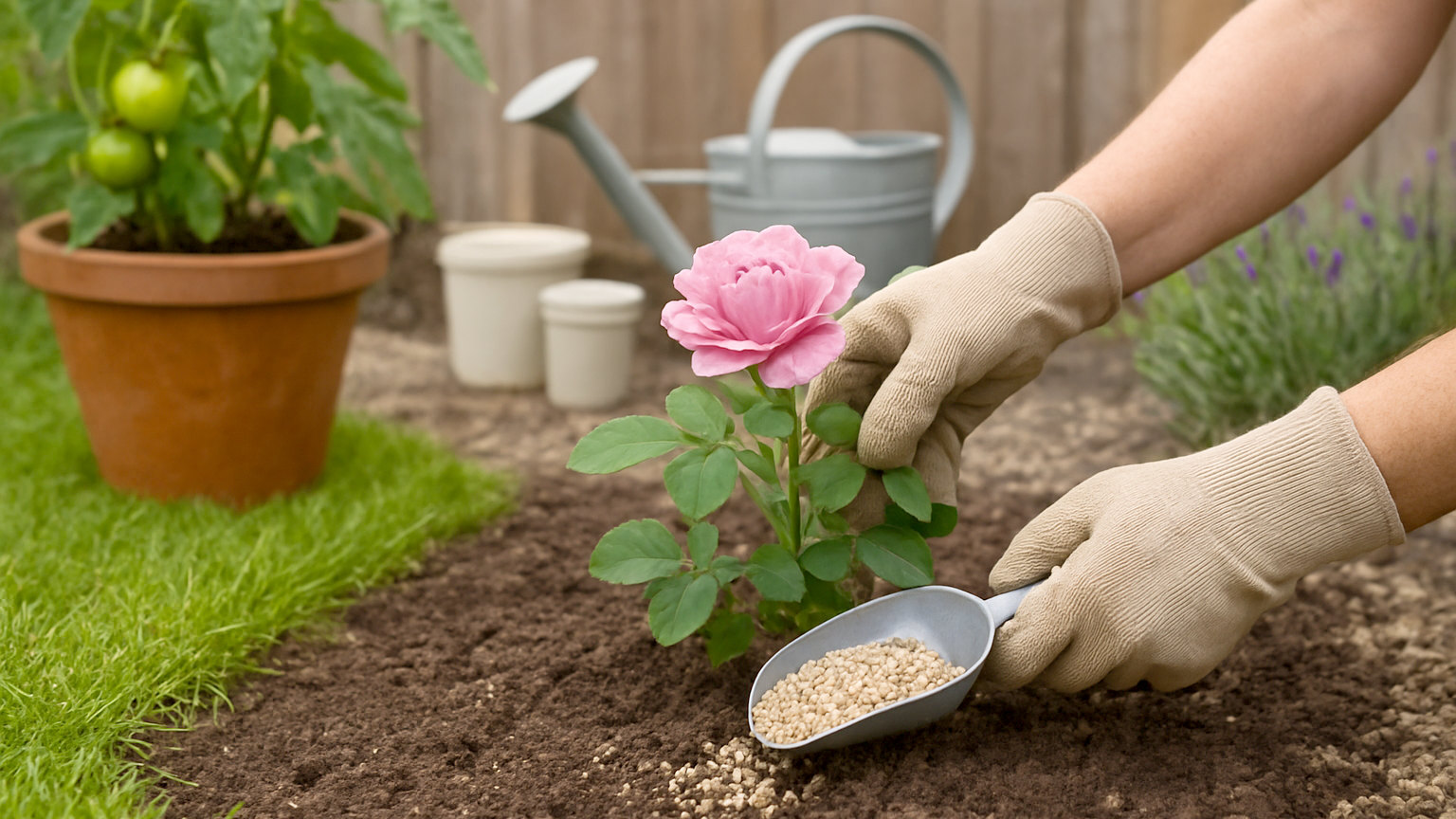
Roses, tomatoes, lawns and lavender want quite different things, and one of them wants nothing at all. What to feed, when, and what to leave alone.
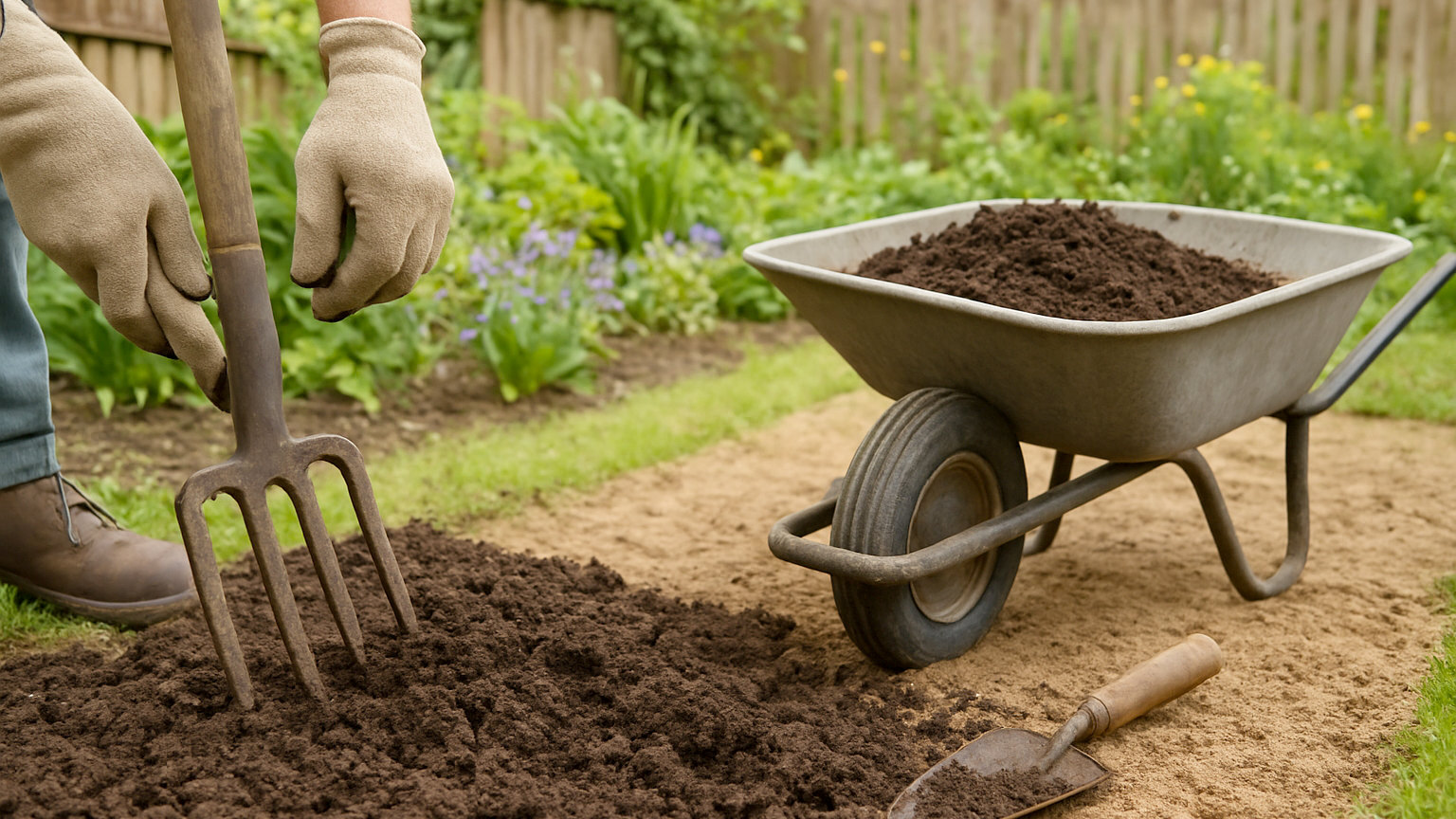
Two opposite problems with one shared remedy. Working with heavy and light soils rather than trying to convert them.