Bare Root Planting
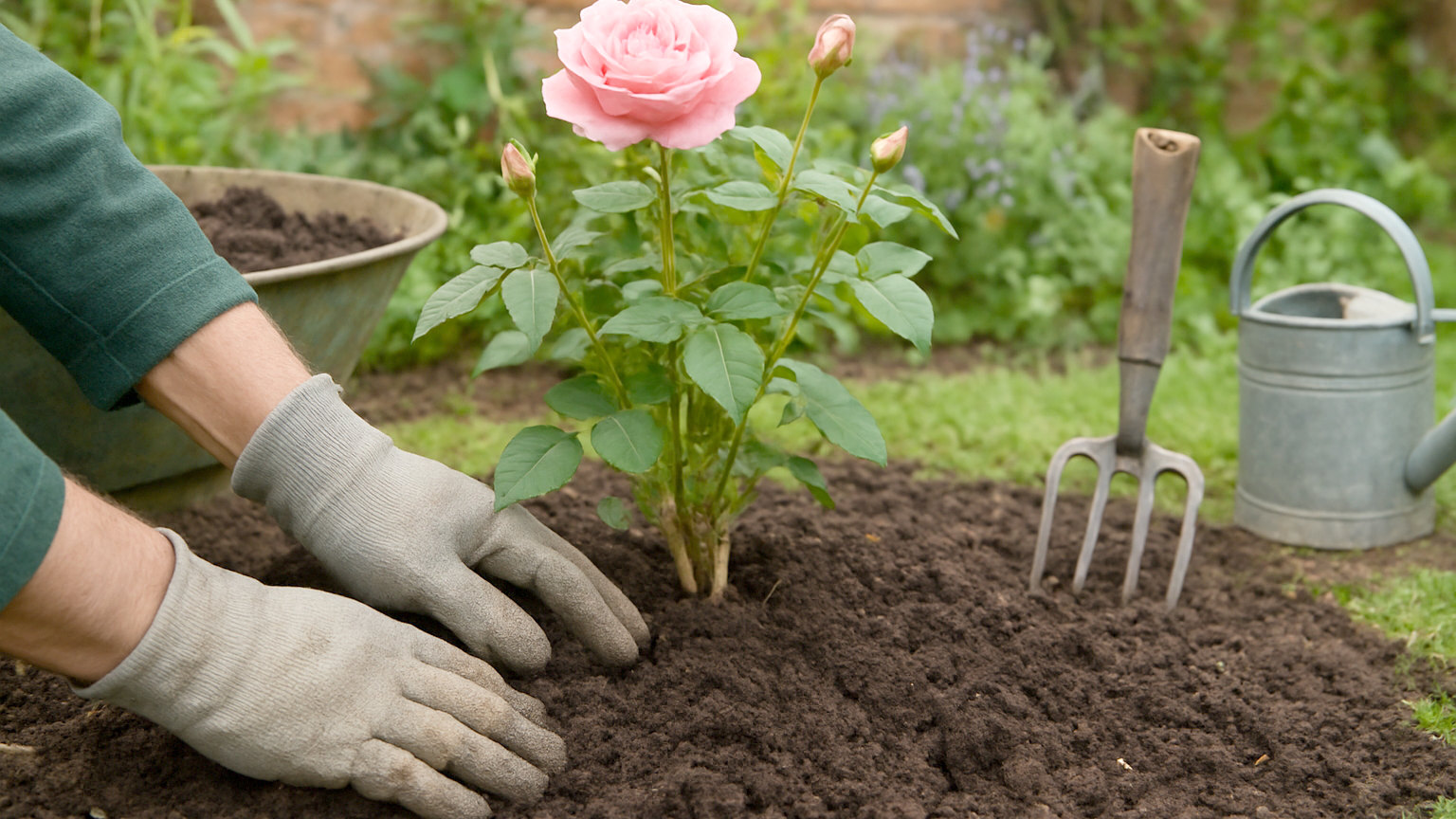
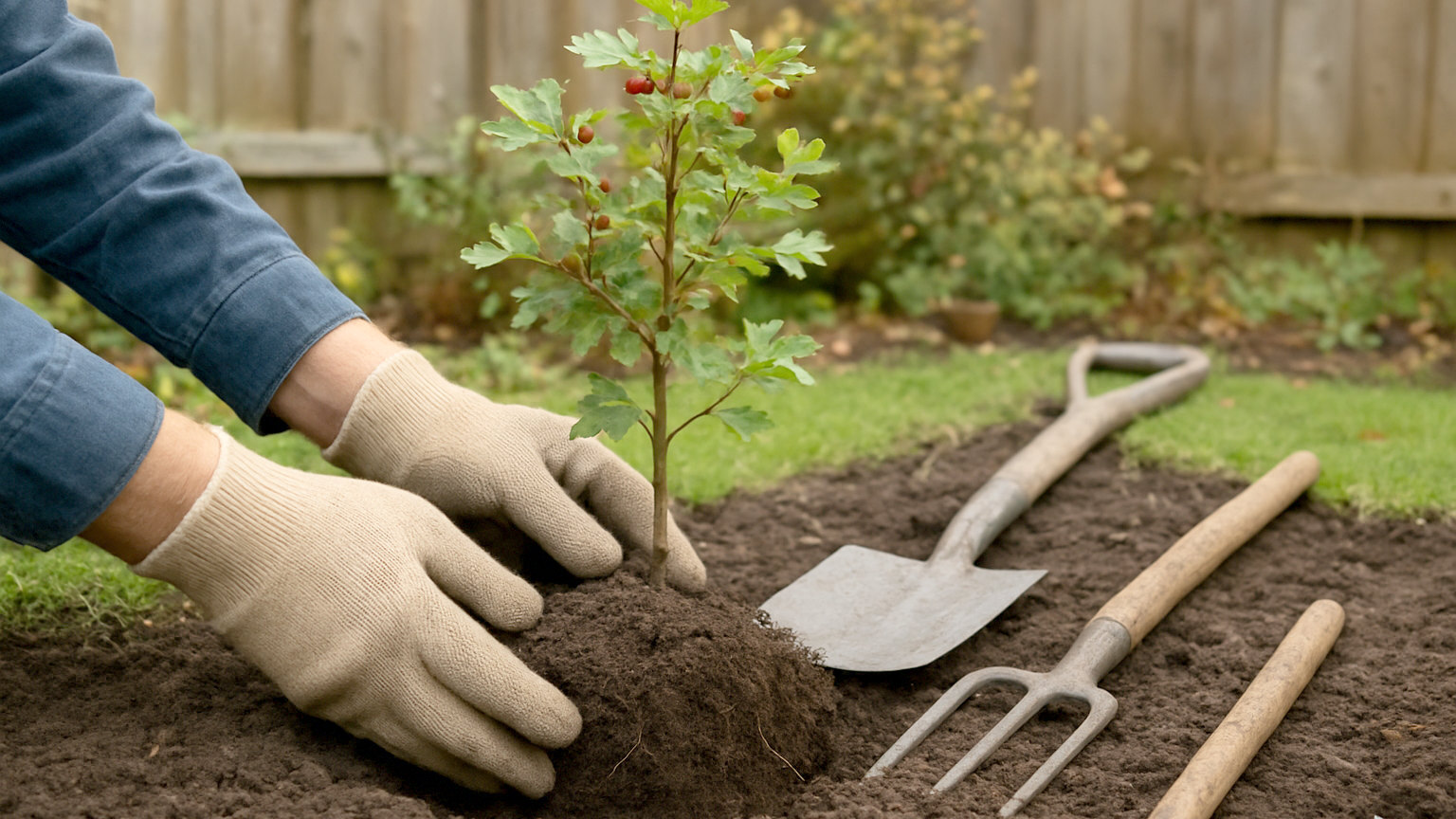
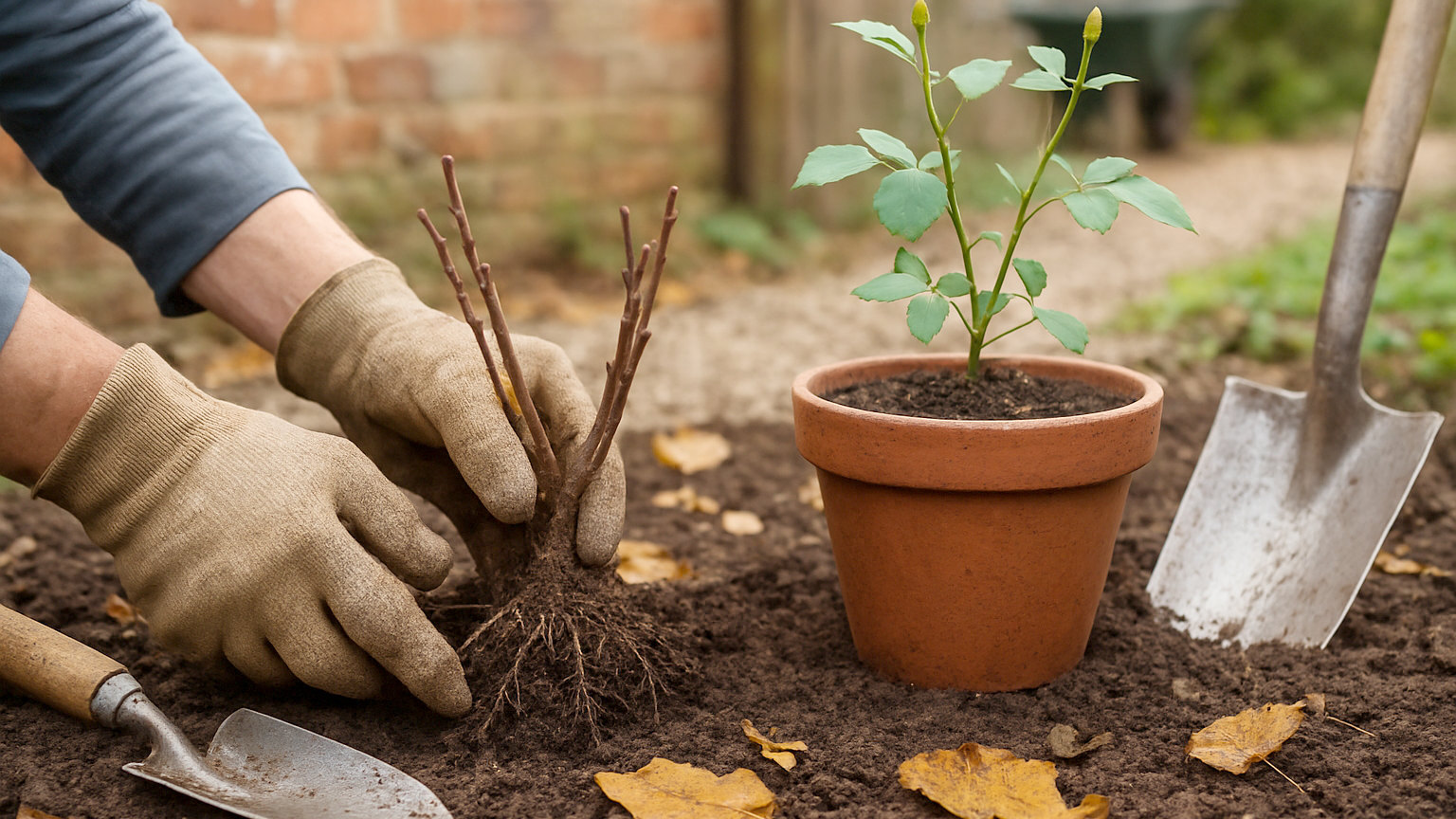
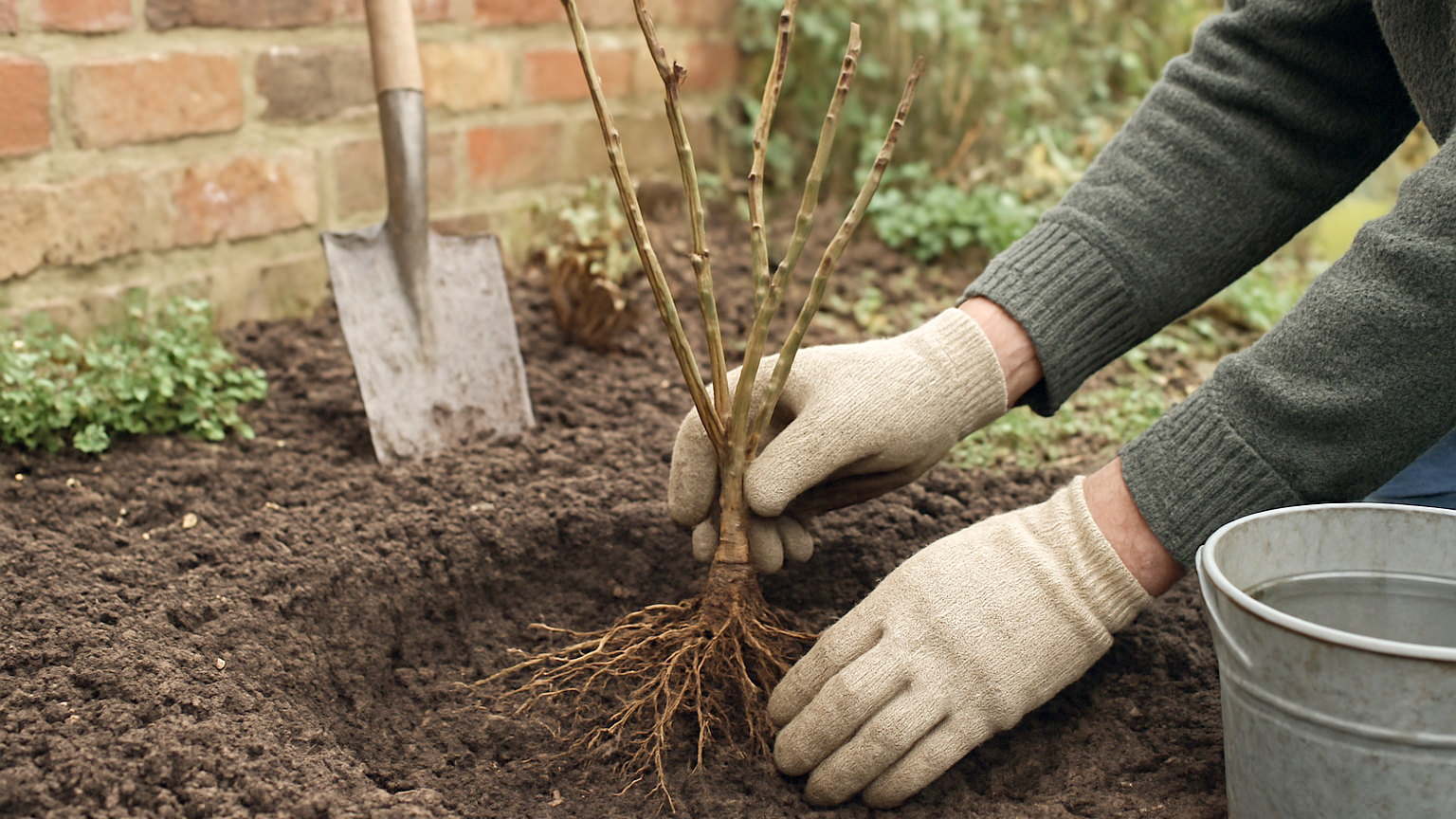
Bare-root plants cost a fraction of container-grown ones, offer far more choice and establish better. The season, keeping the roots alive, and how to plant them.
By Gardening Guides Editorial
31 Jul 2026

The hole, the backfill, the watering-in, and the first two years - the part that decides whether a plant establishes.
Bare-root plants cost a fraction of container-grown ones, offer far more choice and establish better. The season, keeping the roots alive, and how to plant them.
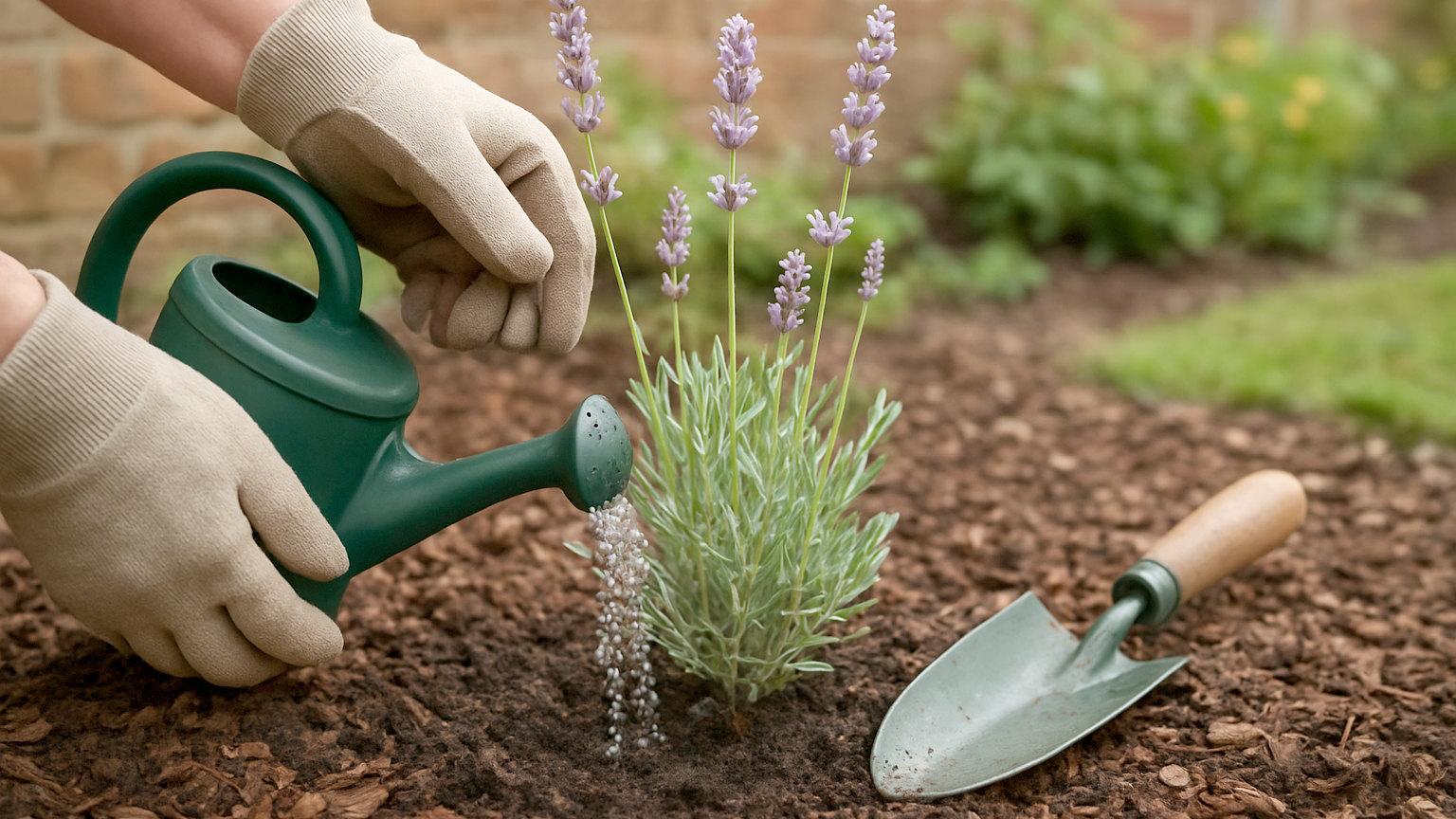
A mulch conserves water, suppresses weeds and feeds the soil, and applying it to dry ground achieves none of those. What to use, how deep, and the timing.
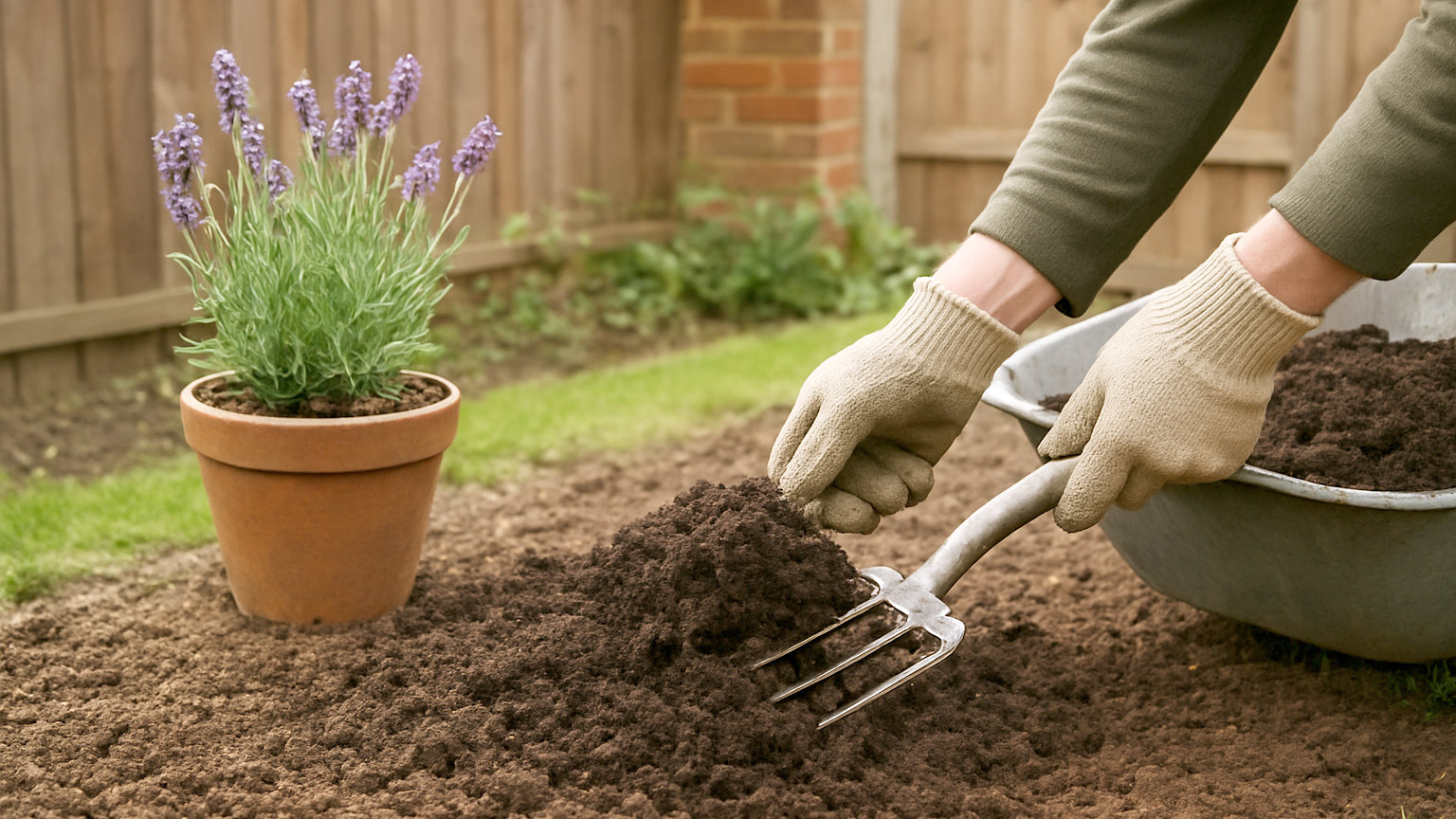
Improve the whole bed rather than the planting hole, because a pocket of good soil in poor ground produces a plant that never leaves it. What to add, and how.
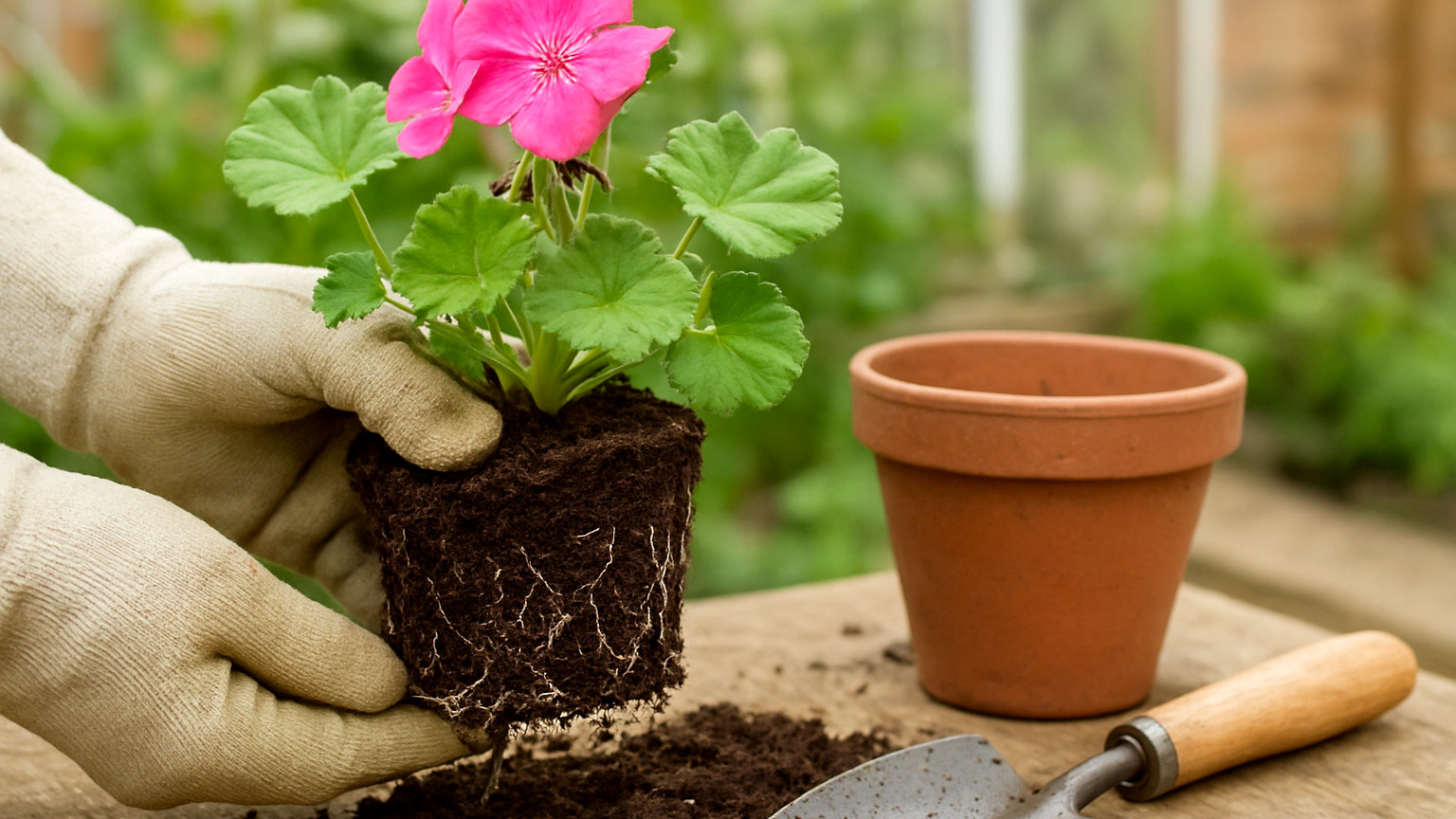
Tip the plant out and look at the roots before buying, since that is where most problems are. What to check, what to avoid, and why the biggest is rarely the best.
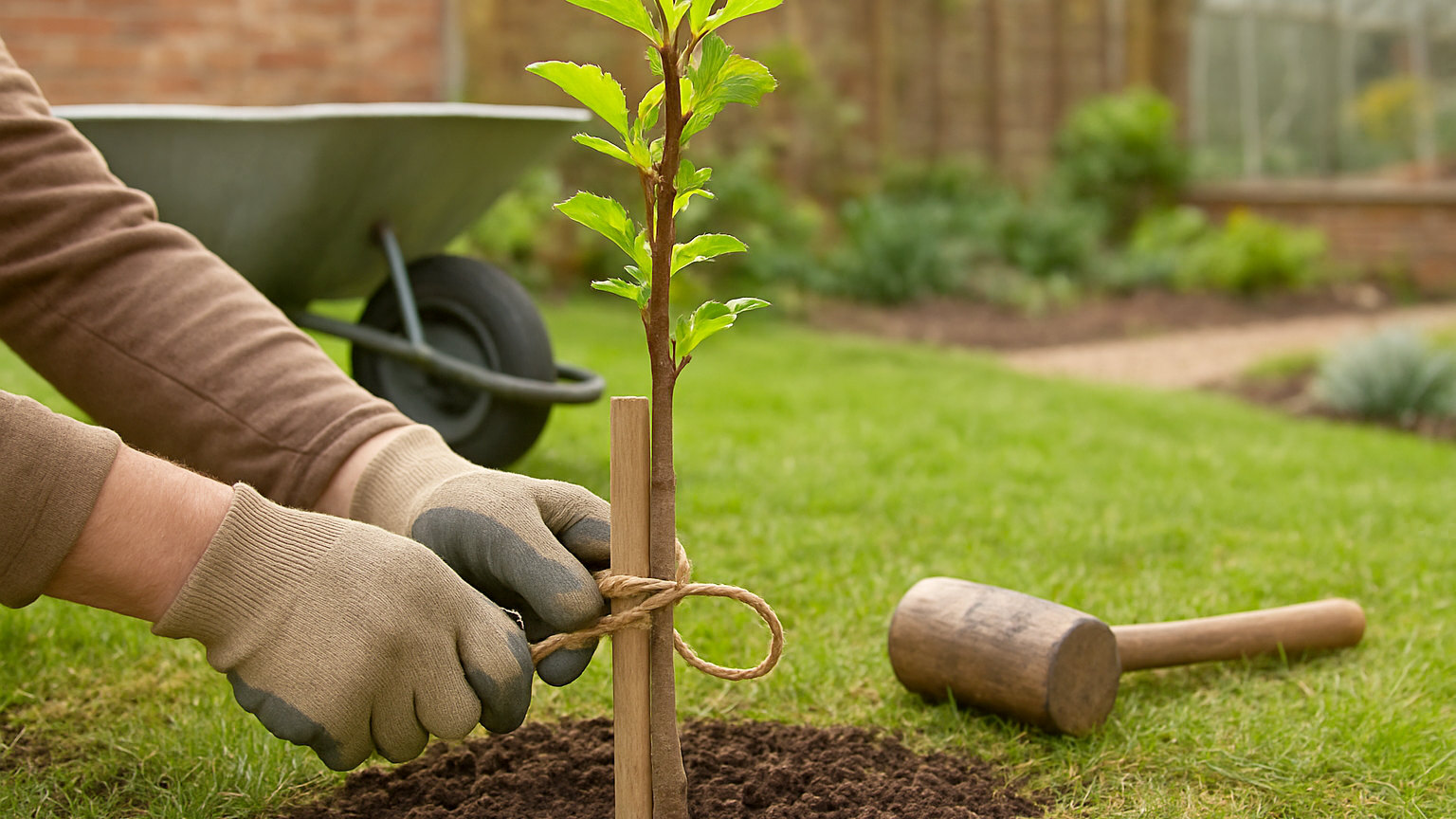
A stake should be low and short, because the flexing it allows is what thickens the trunk. Getting it wrong produces a tree that snaps when the stake comes out.
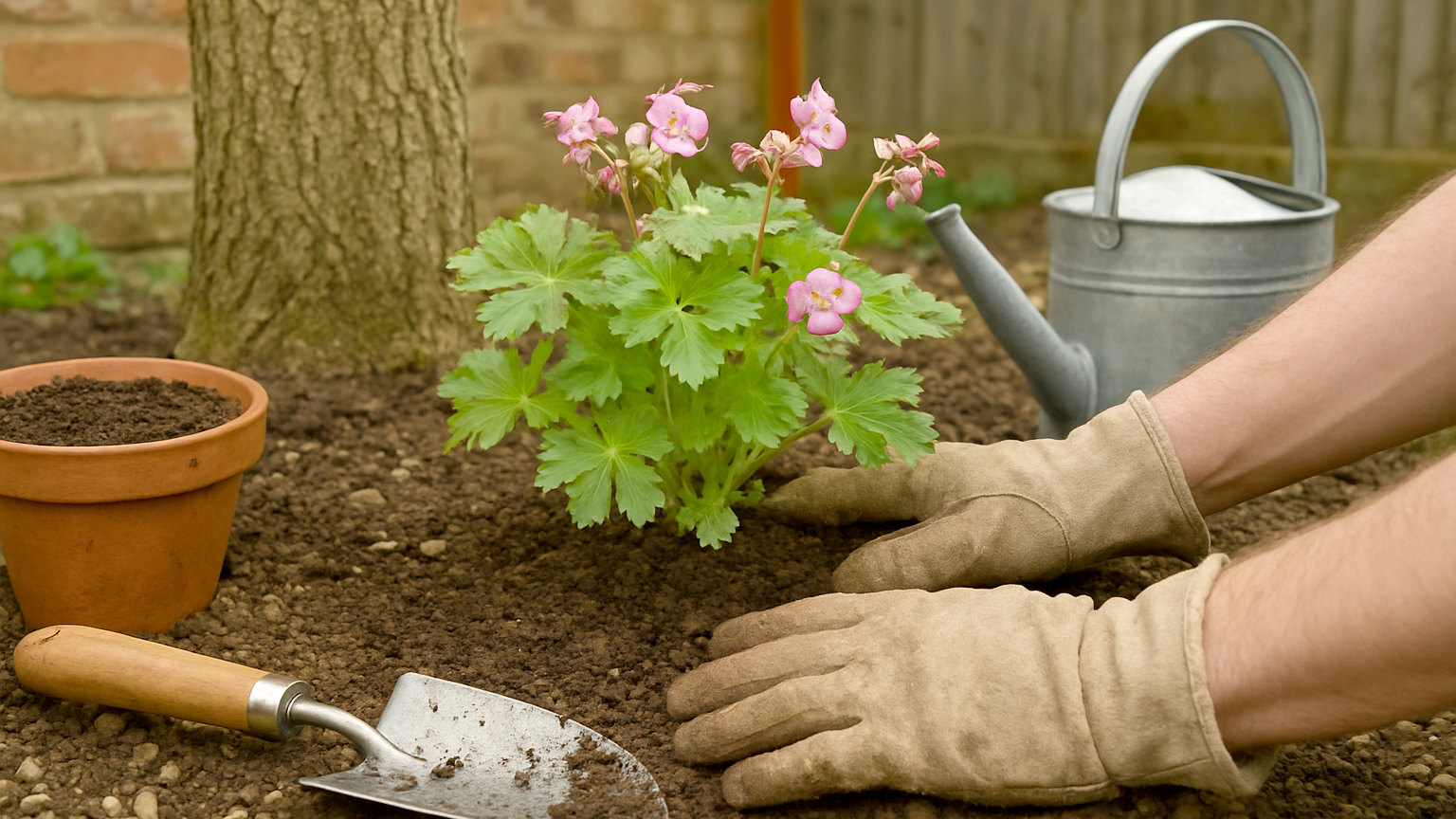
A wide shallow hole, backfilled with the soil you dug out, and the root flare left visible. What decides whether a tree establishes, and the checks to make first.
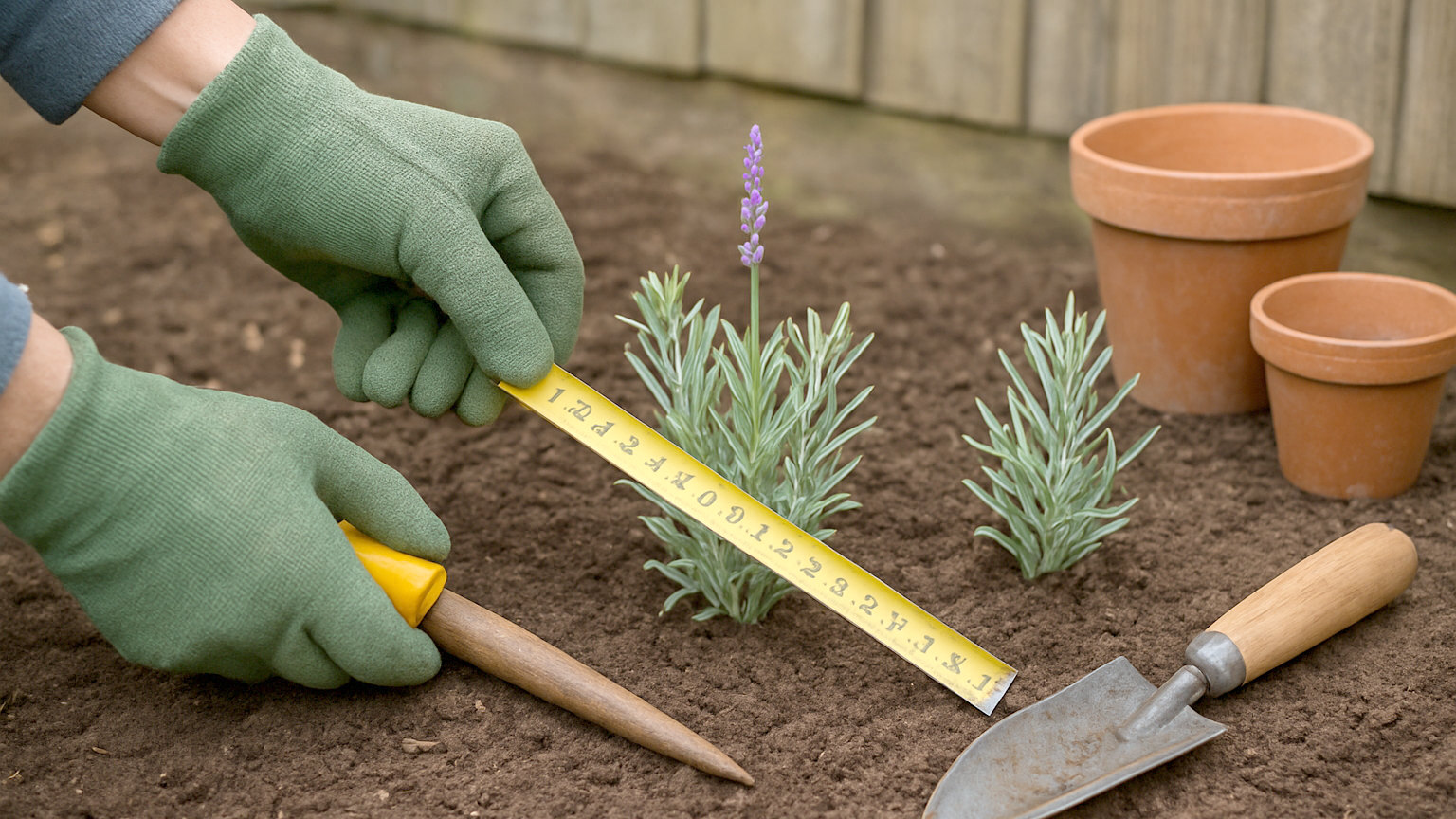
Plant at mature spread and accept two sparse seasons, because the alternative is a congested border in three years. Working out how many you need.
Autumn suits free-draining soil and spring suits heavy clay, and the difference matters more than most planting advice admits. Which to choose and why.
A new plant usually needs mulch and water rather than fertiliser, and feeding one that is struggling makes things worse. When to feed, and what to skip.
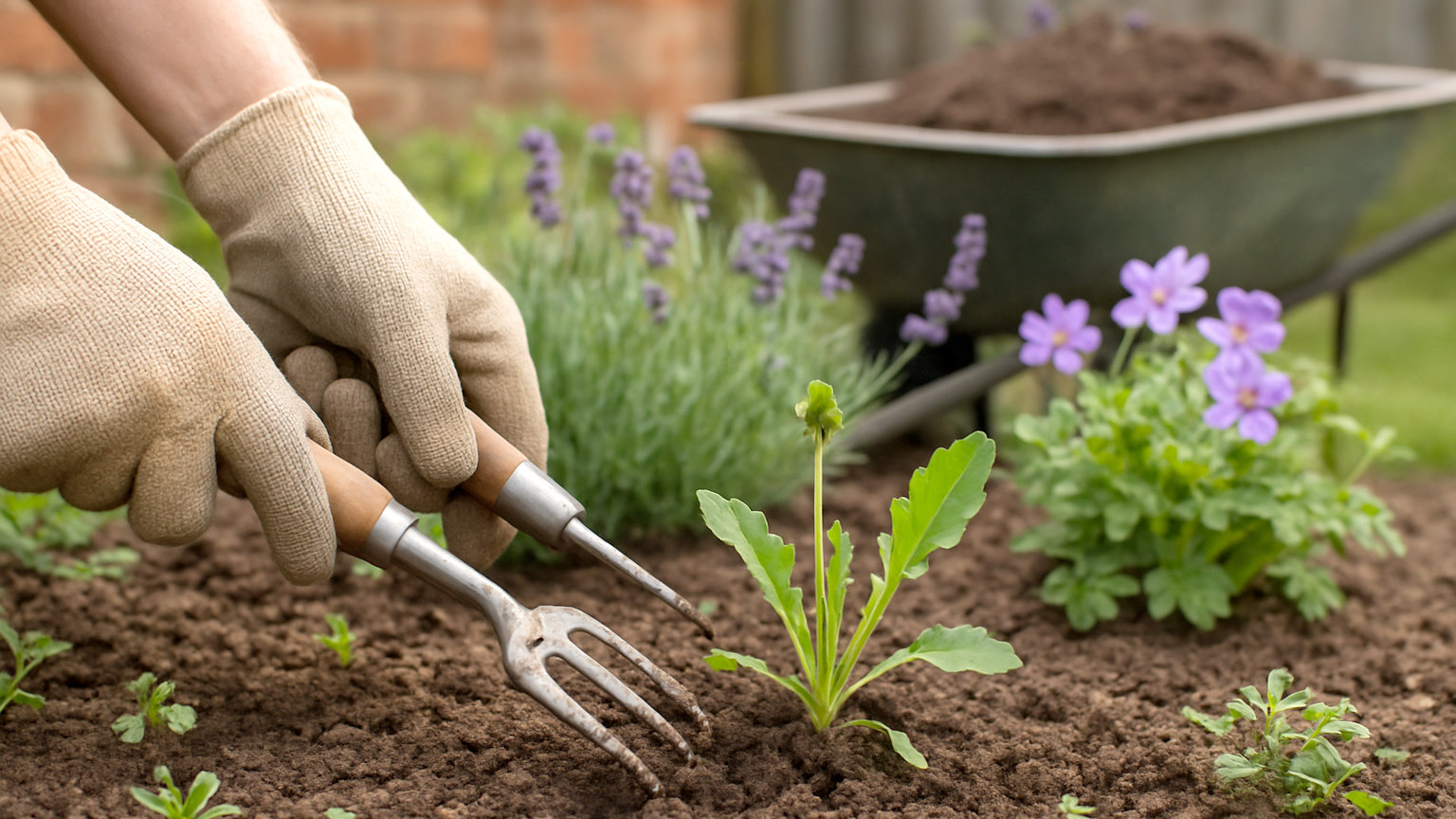
Annual weeds are a nuisance and perennial ones are a project, and treating them the same way is why gardens lose. Hoeing, mulching and dealing with the difficult ones.
Dry shade, waterlogged clay, chalk and coastal exposure are all easier to plant for than to change. What thrives in each, and where improvement is worth attempting.
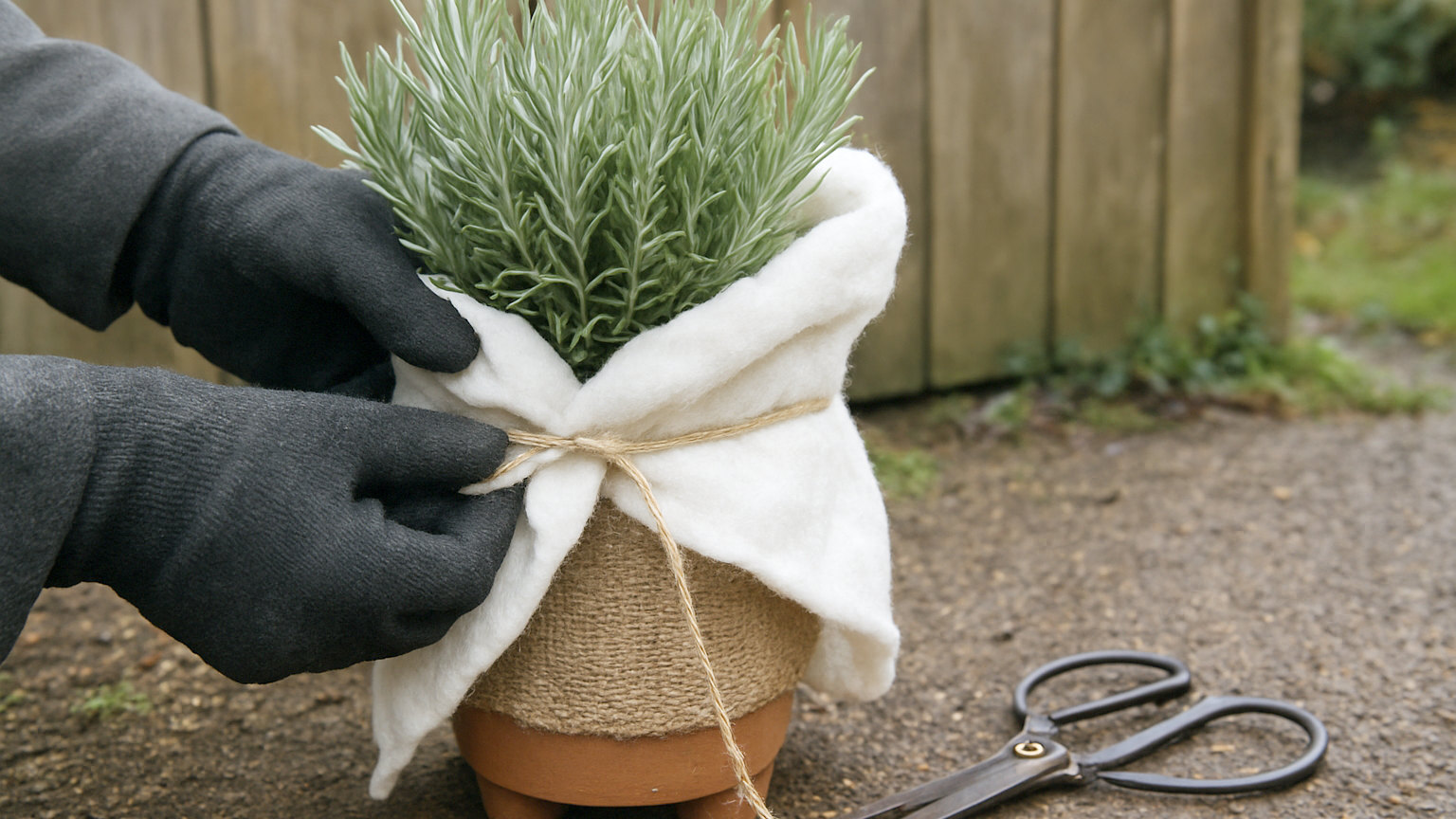
Most winter losses are wet and wind rather than cold, and the protection that helps is not always what people reach for. Fleece, windbreaks and container roots.