How Climbers Climb
Twiners, tendril climbers, self-clingers and scramblers each need a different kind of support, and giving the wrong one is why plants fall off walls.
By Gardening Guides Editorial
31 Jul 2026

Clematis, roses, wisteria, honeysuckle and ivy - supports, aspect, and which ones damage a wall and which do not.
Twiners, tendril climbers, self-clingers and scramblers each need a different kind of support, and giving the wrong one is why plants fall off walls.
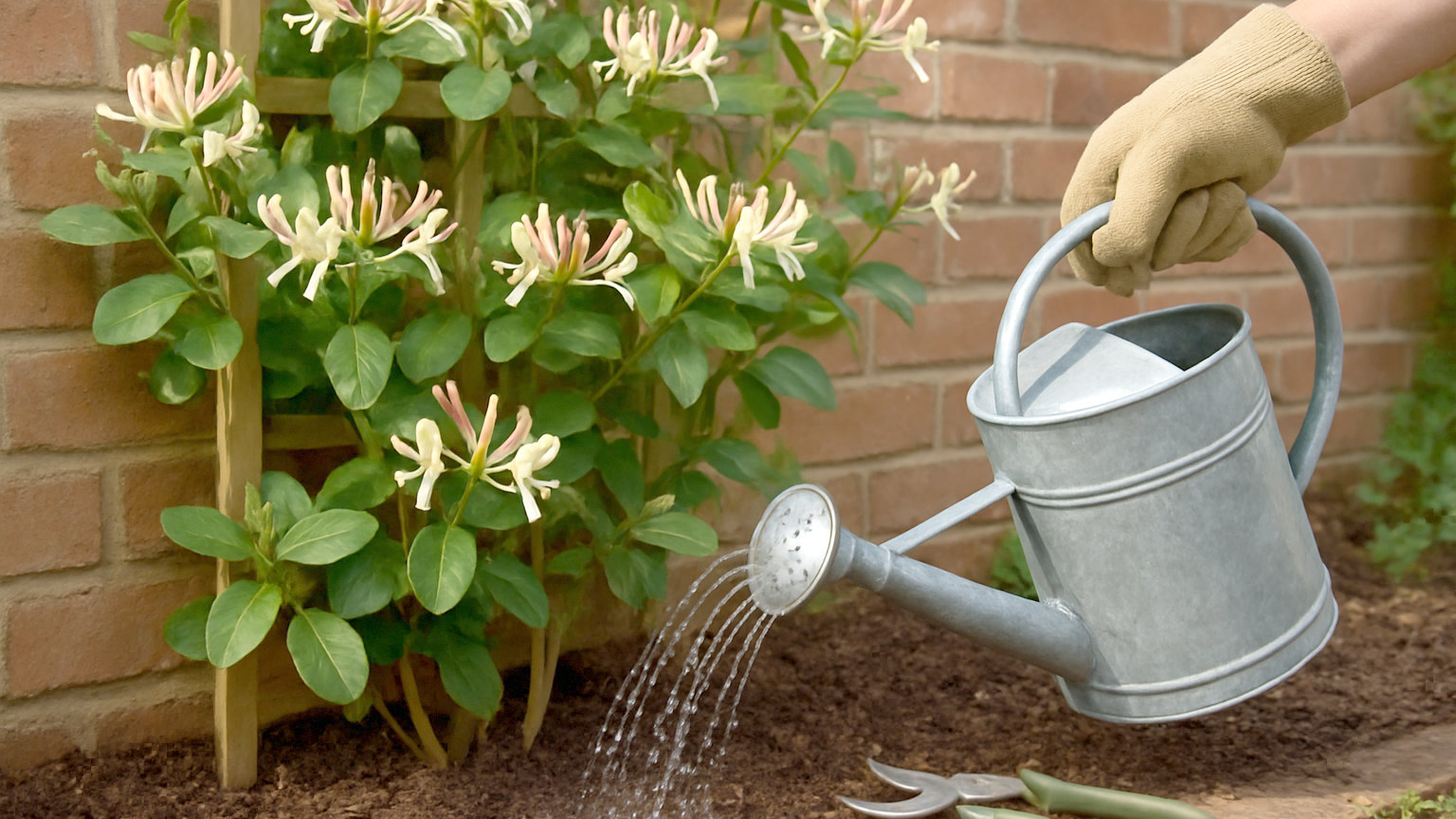
Cool moist roots and a head in the sun is the whole formula, and mildew traces back to dryness at the base. Which types to grow, pruning, and the scent.
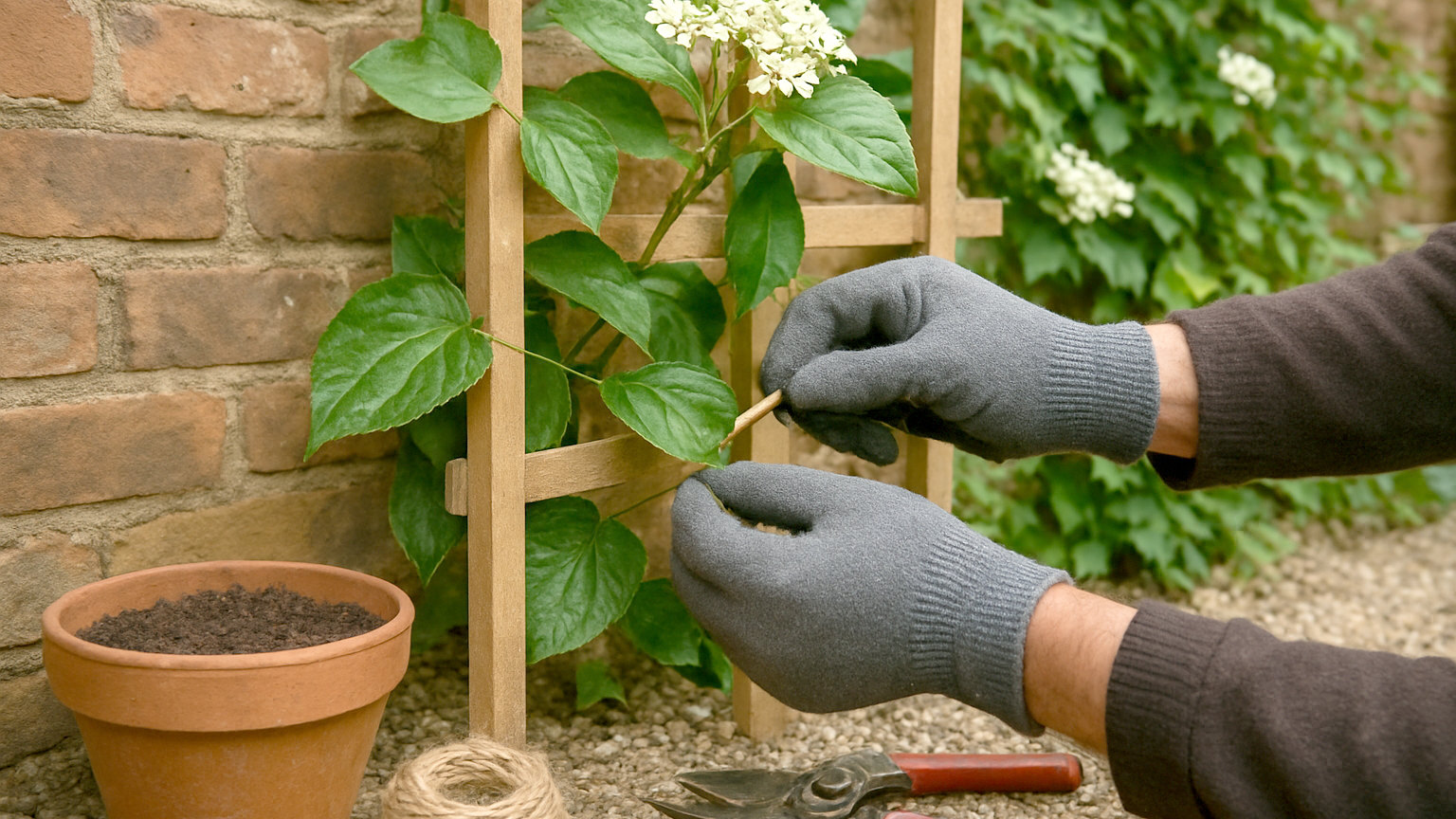
Climbing hydrangea is the outstanding plant for a north wall, and it is slow enough that most people give up before it starts. What else works, and the wait involved.
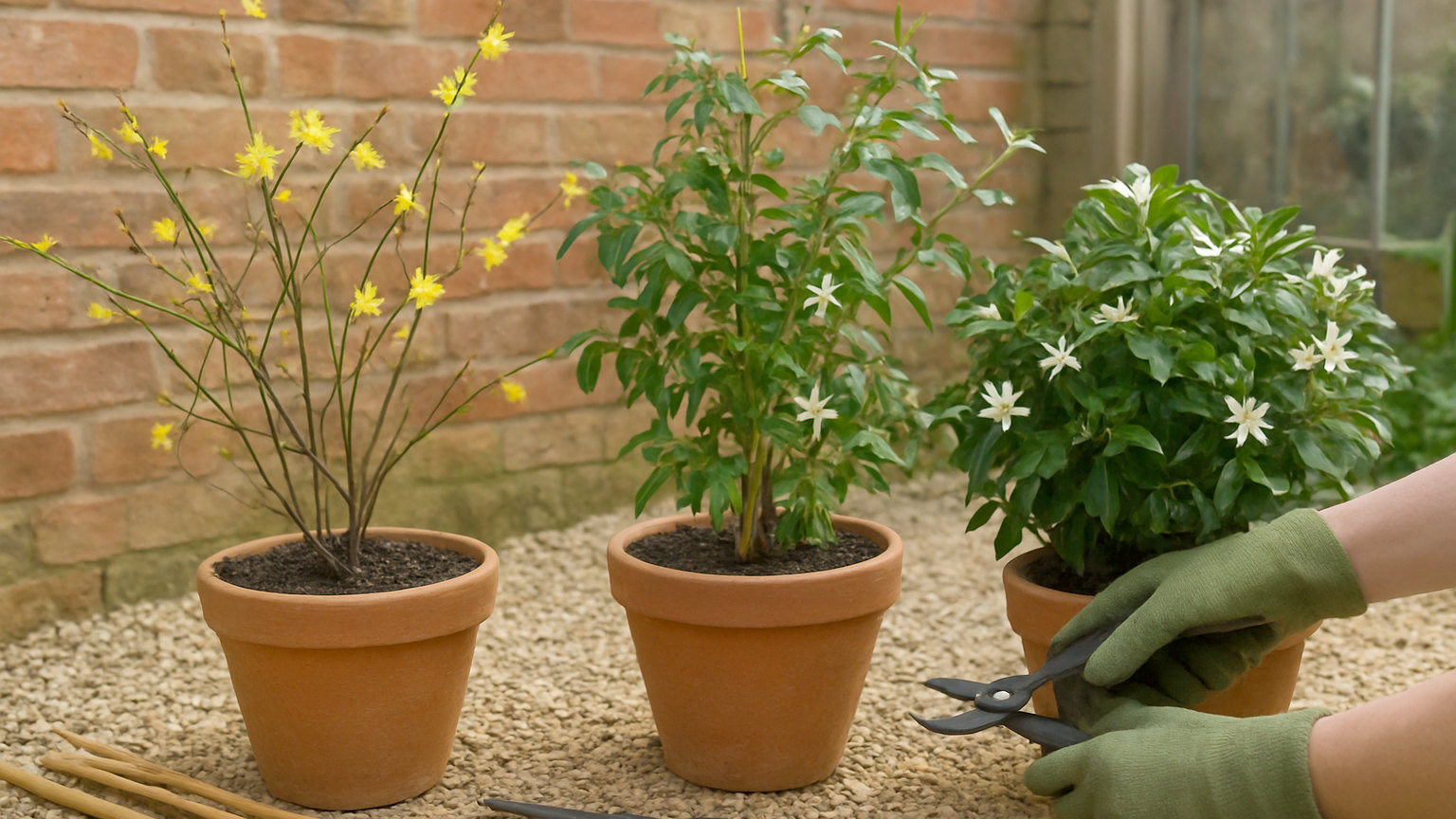
Three quite different plants share the name, and one of them is not a climber at all. Summer jasmine, winter jasmine and trachelospermum compared.
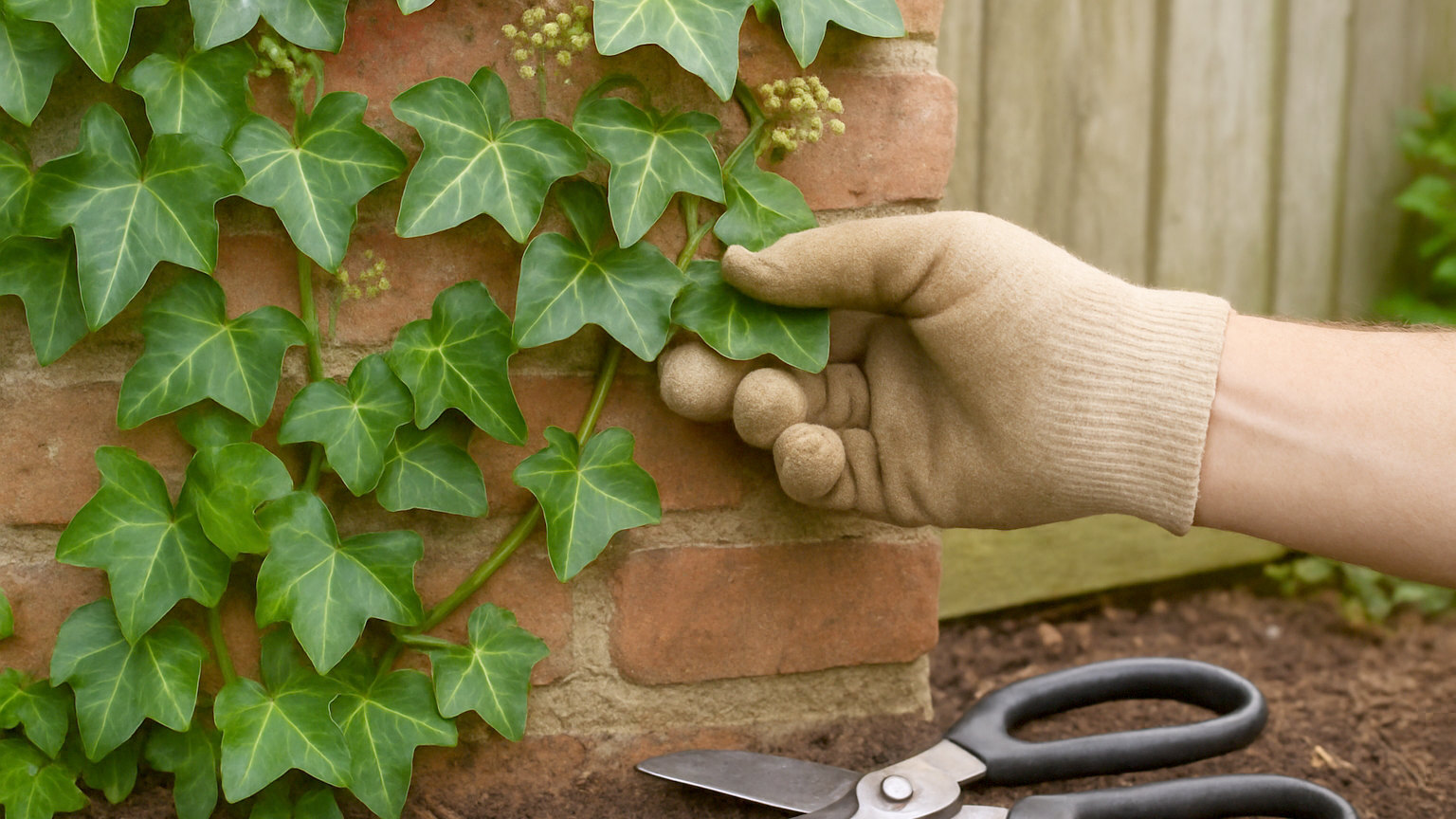
Ivy is the most useful wildlife plant most gardens can grow, and the wall damage it is blamed for depends entirely on the state of the wall. What is true.
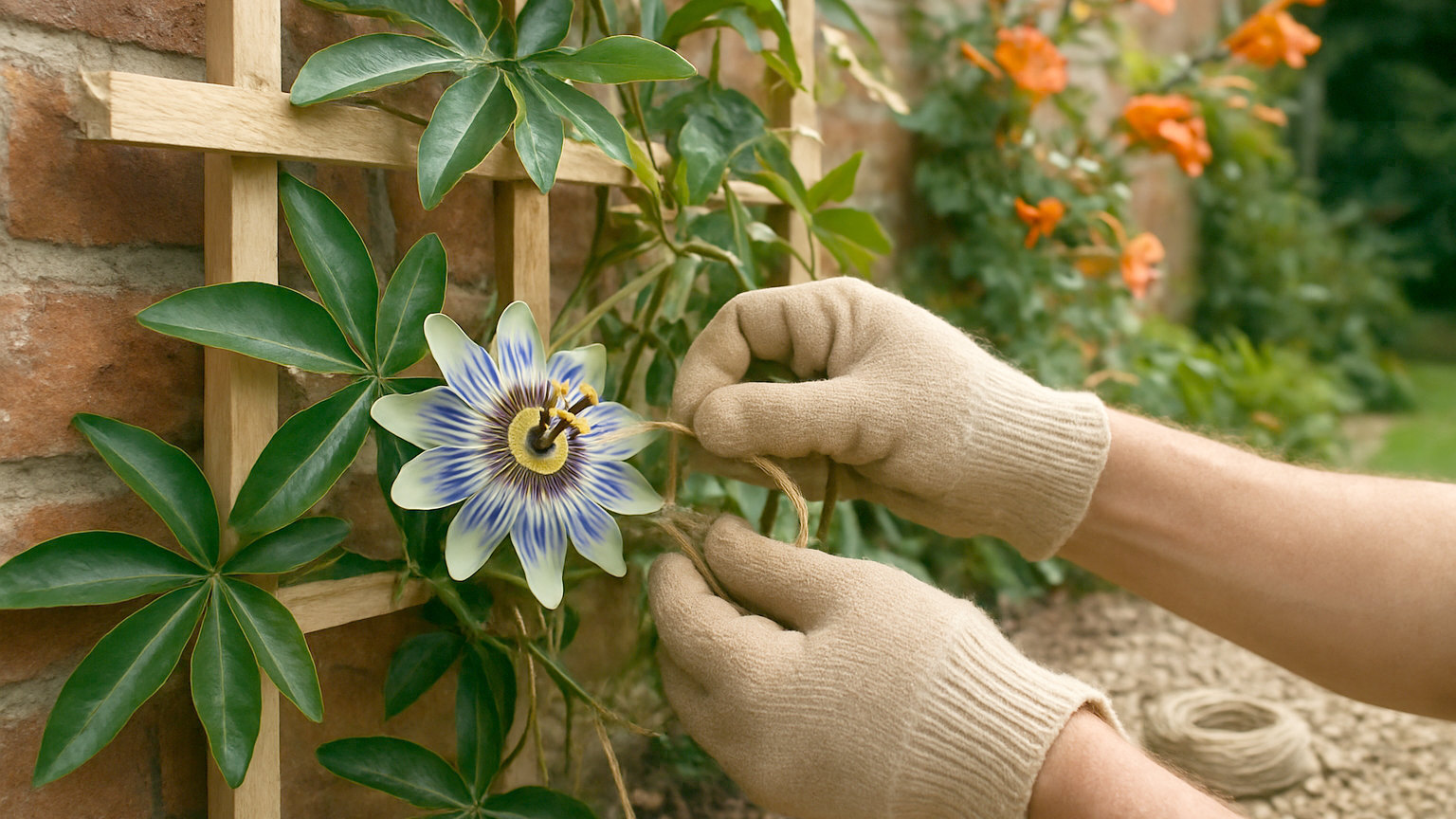
A hot sheltered wall opens up a set of climbers that would not survive in the open. Passion flower, campsis and the others, with realistic expectations about hardiness.
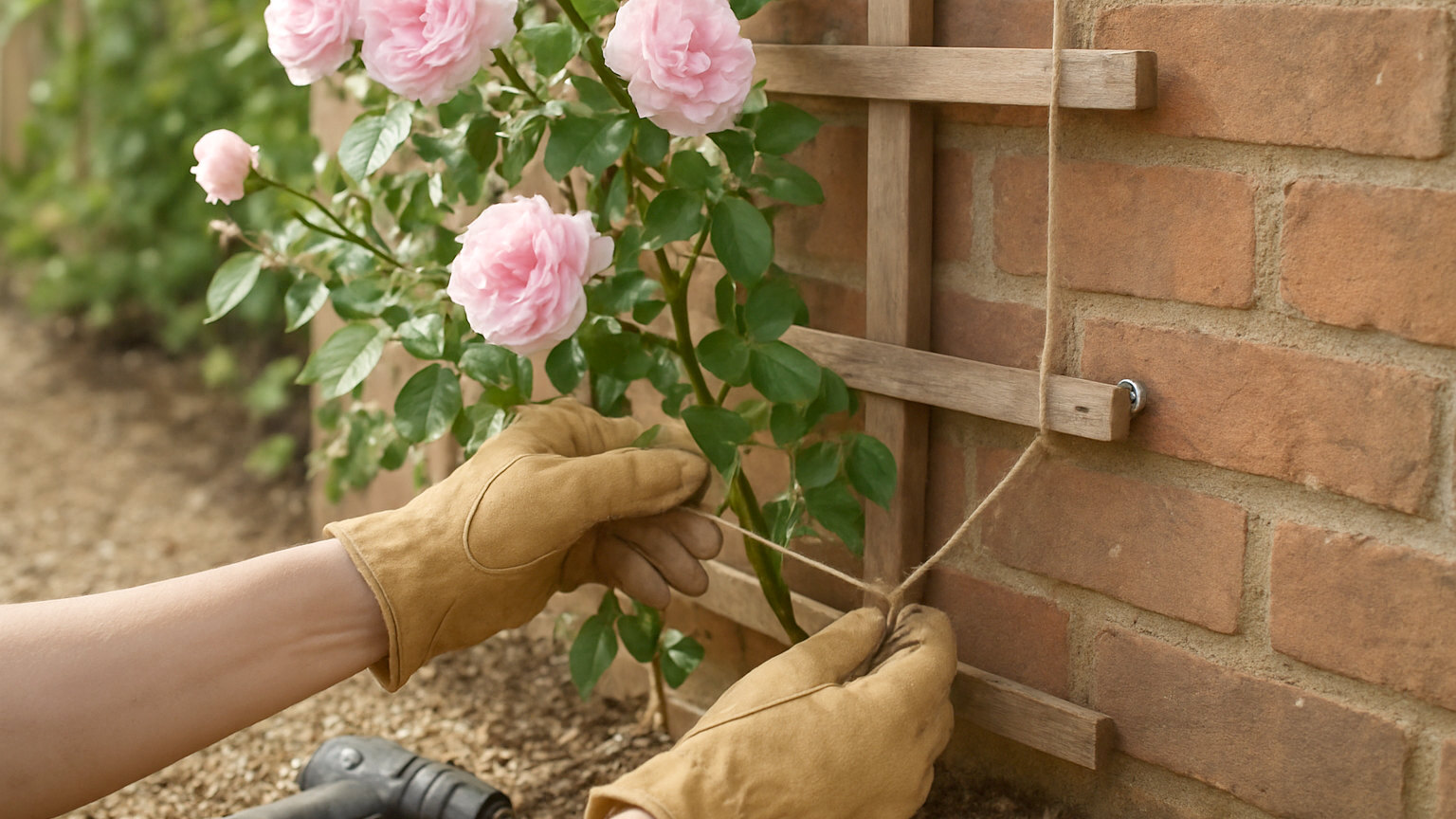
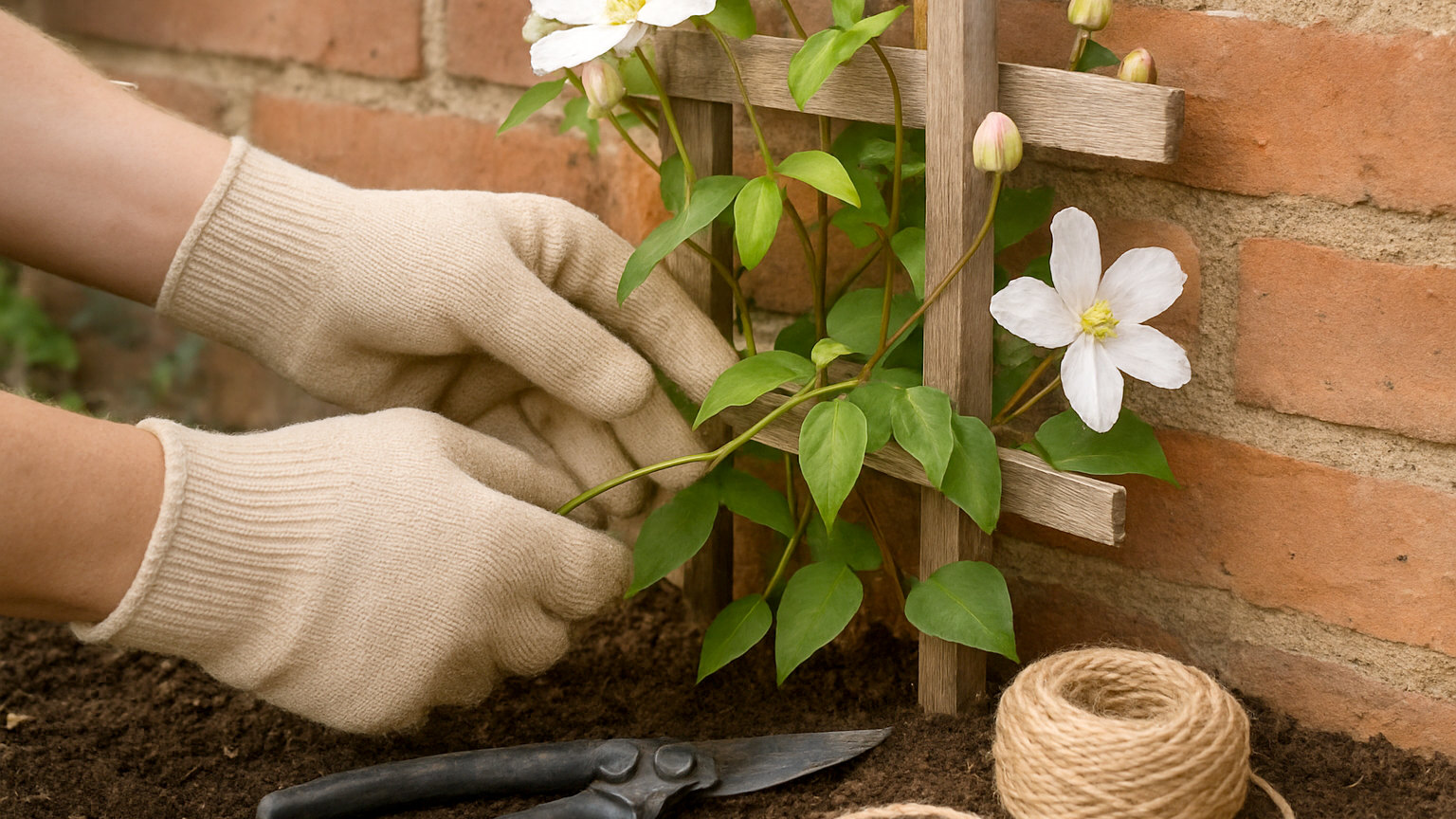
The support has to carry a mature plant in a gale, not the one you are planting today. Wires and vine eyes, trellis, fixings and the air gap that matters.
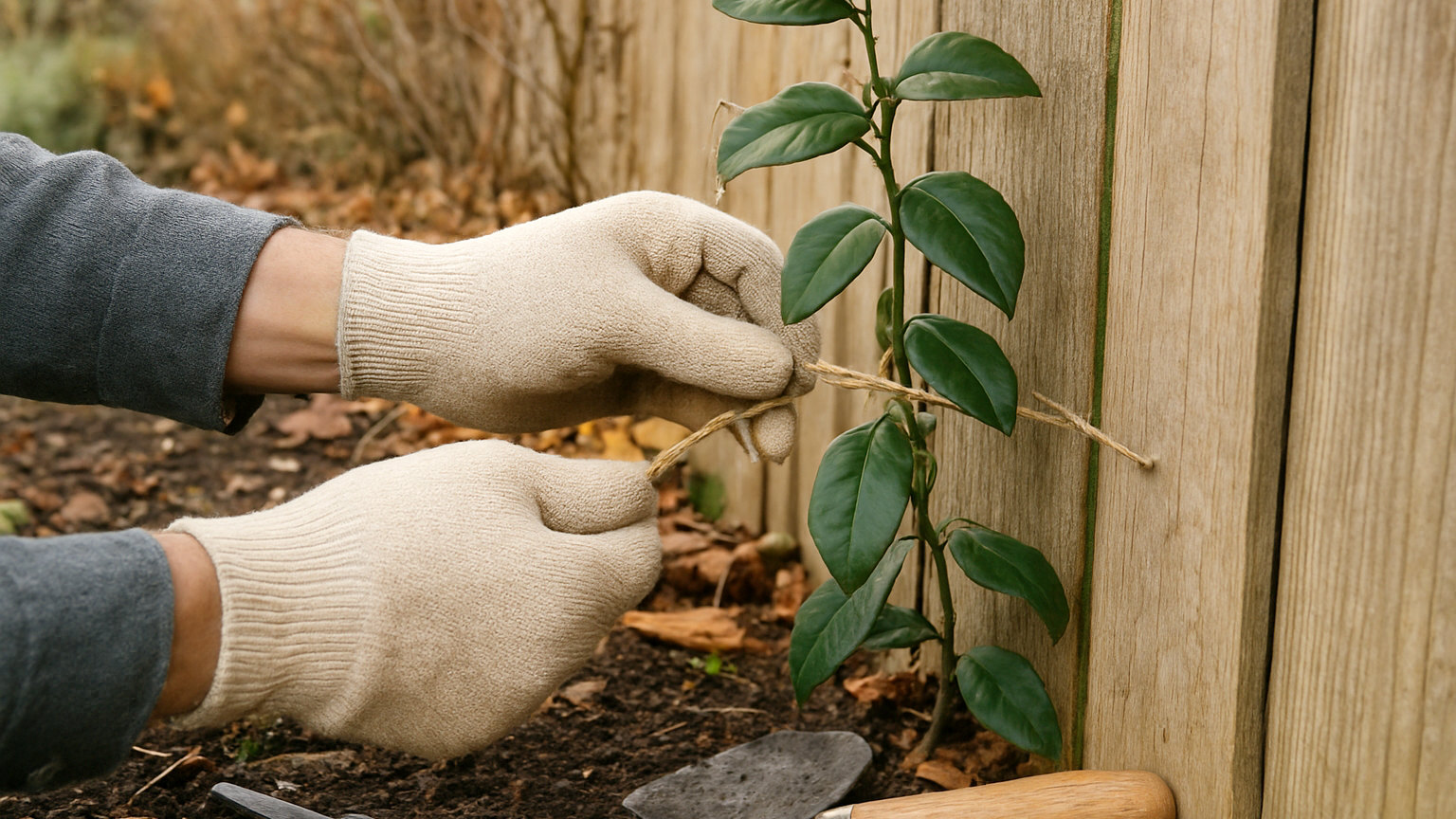
A fence that is bare from November to April is doing half a job, and a handful of climbers fix it. What holds its leaves, what needs shelter, and the trade-offs.
Vertical surfaces are what small gardens have spare, and the trick is choosing something that stops at the right size. Compact climbers, obelisks and annuals.
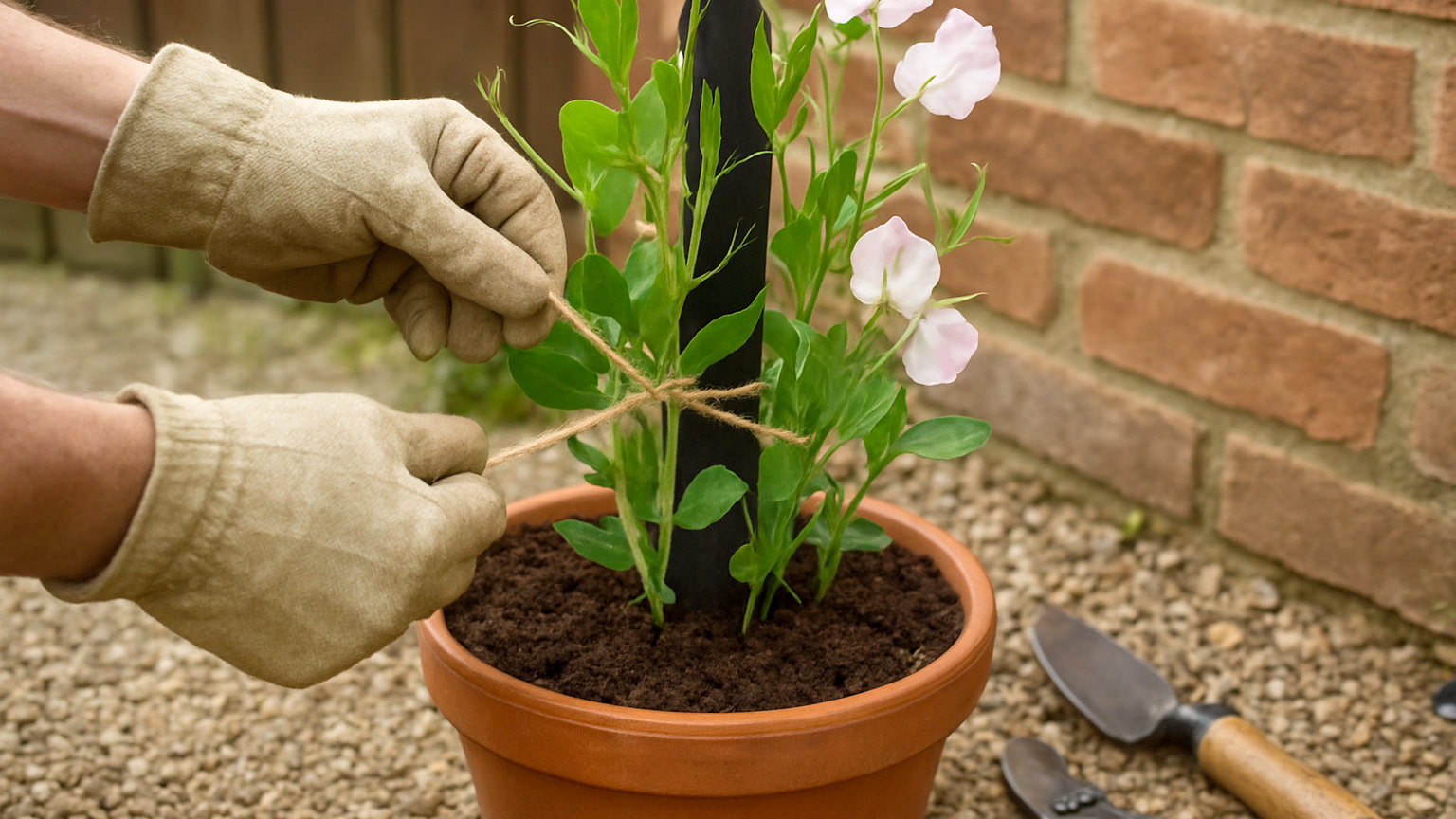
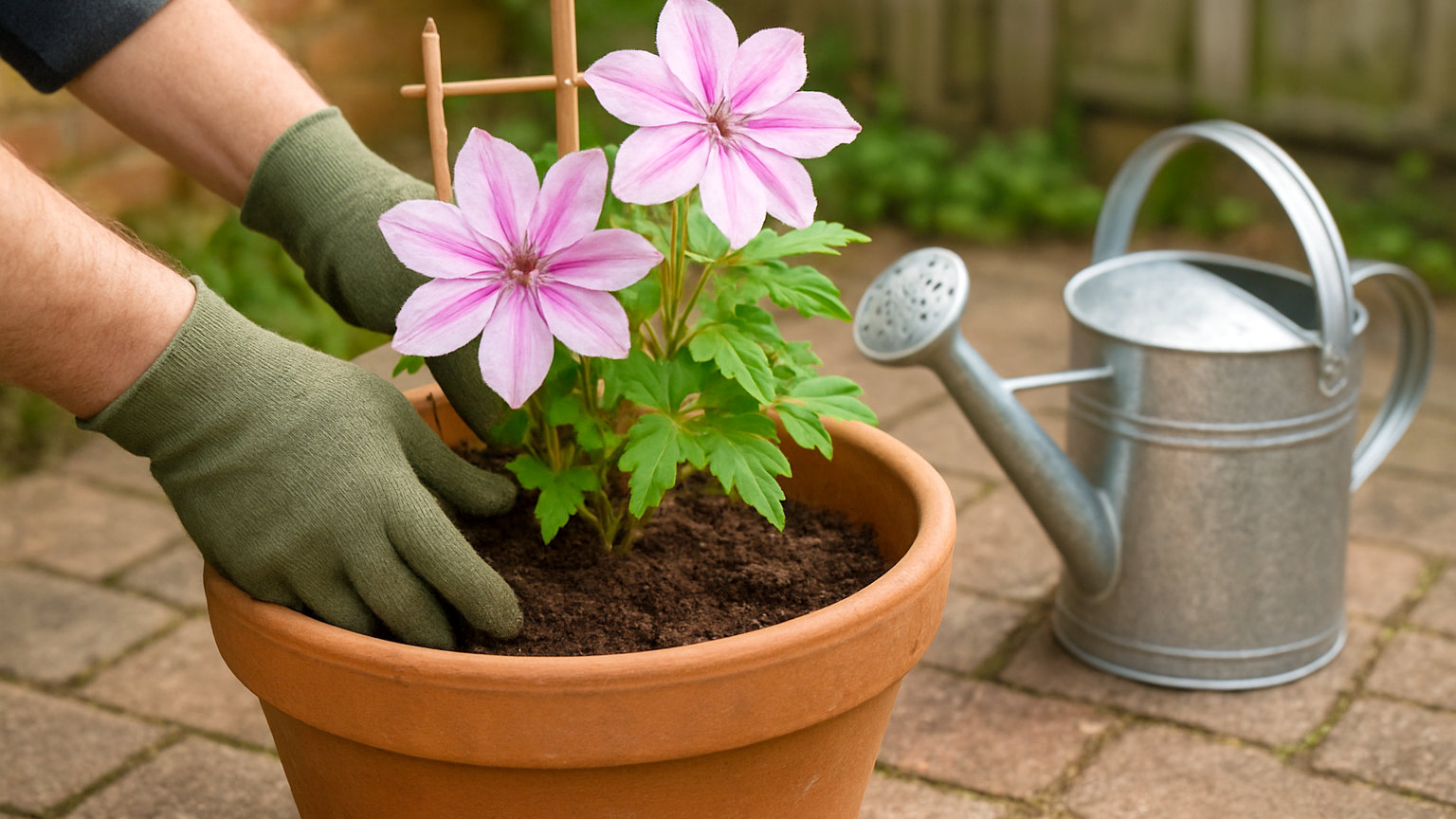
A climber in a pot has a restricted root run and a daily watering requirement, and the support has to go in at planting. Which subjects work, and the compost.
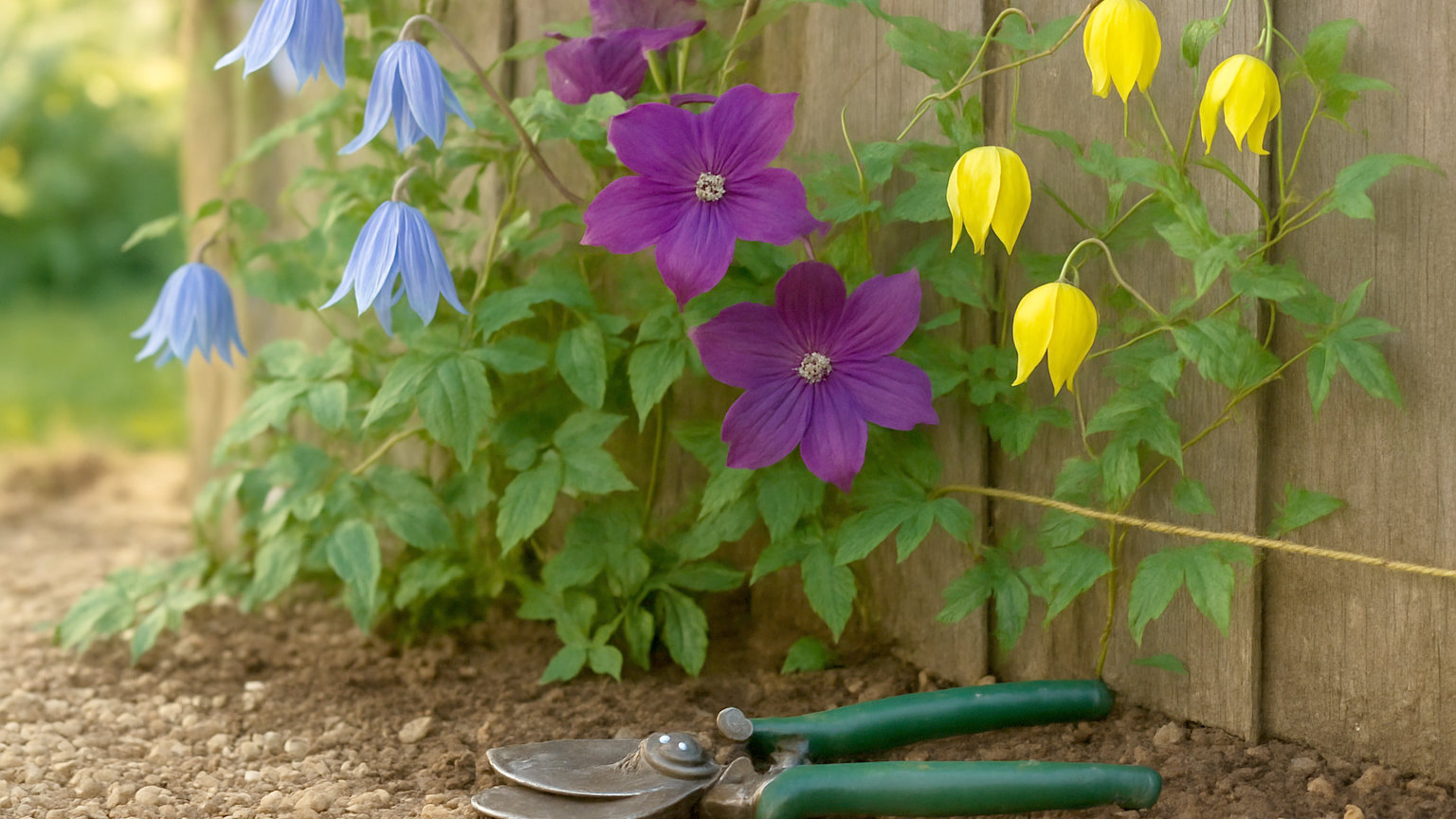
With the right selection, something in the clematis family is in flower in almost every month. What to choose for each part of the year, and how they combine.
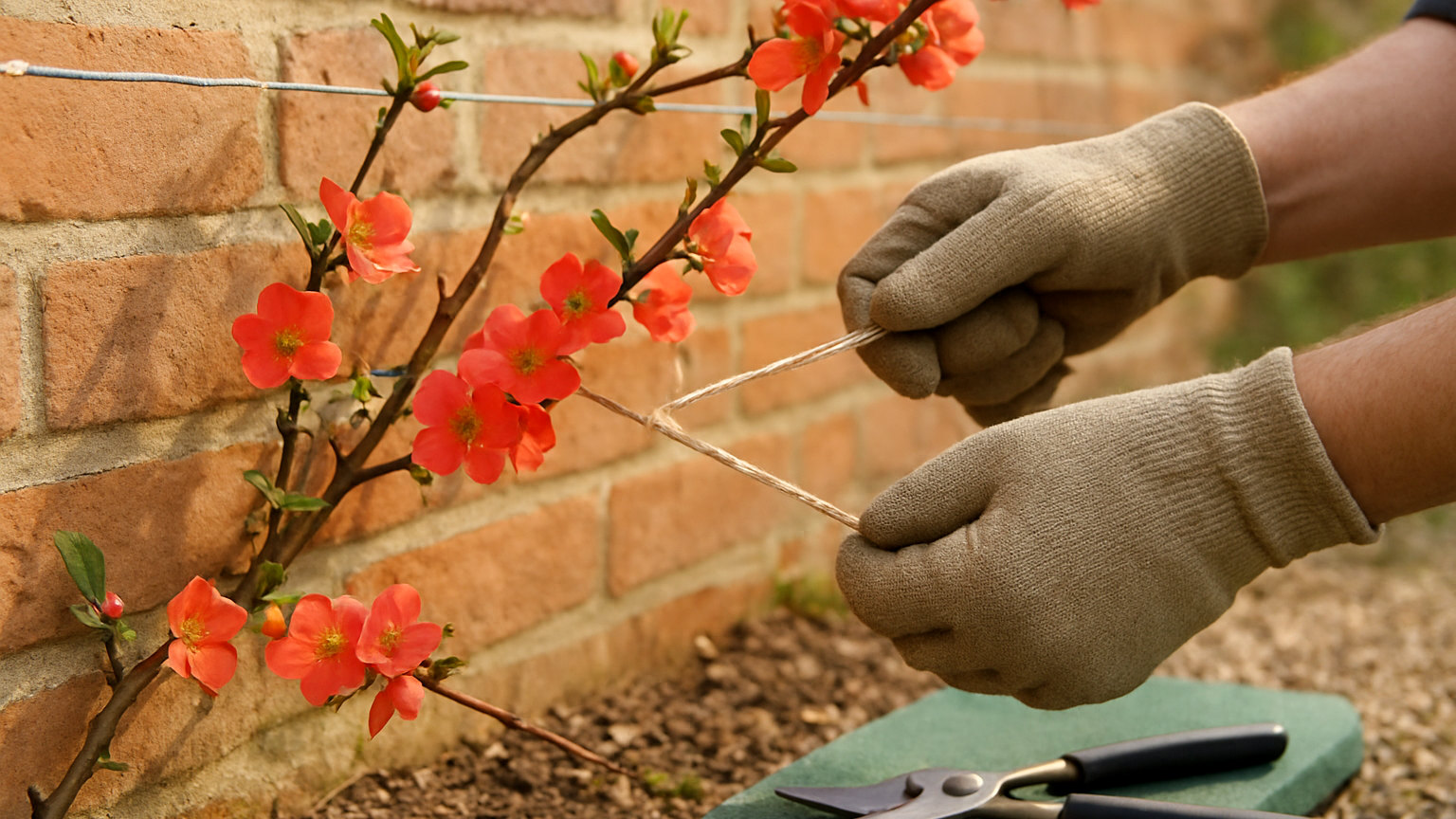
Several shrubs are not climbers at all but perform far better trained flat against a wall. Which ones, how to train them, and what the wall gives them.