How to Deal With Aphids
Aphids are the pest most often over-treated. What damage they actually do, why spraying usually makes it worse, and the three things that work.
By Gardening Guides Editorial
31 Jul 2026

Aphids, caterpillars, vine weevil, lily beetle and the rest - identifying the damage, and what is worth doing about it.
Aphids are the pest most often over-treated. What damage they actually do, why spraying usually makes it worse, and the three things that work.
The commonest reason a healthy container plant collapses overnight. Notched leaves from the adults, grubs eating the roots, and the treatment that actually works.
Two relatively recent arrivals that can strip a plant in days. How to identify each, what genuinely controls them, and when replacing the plant is the better answer.
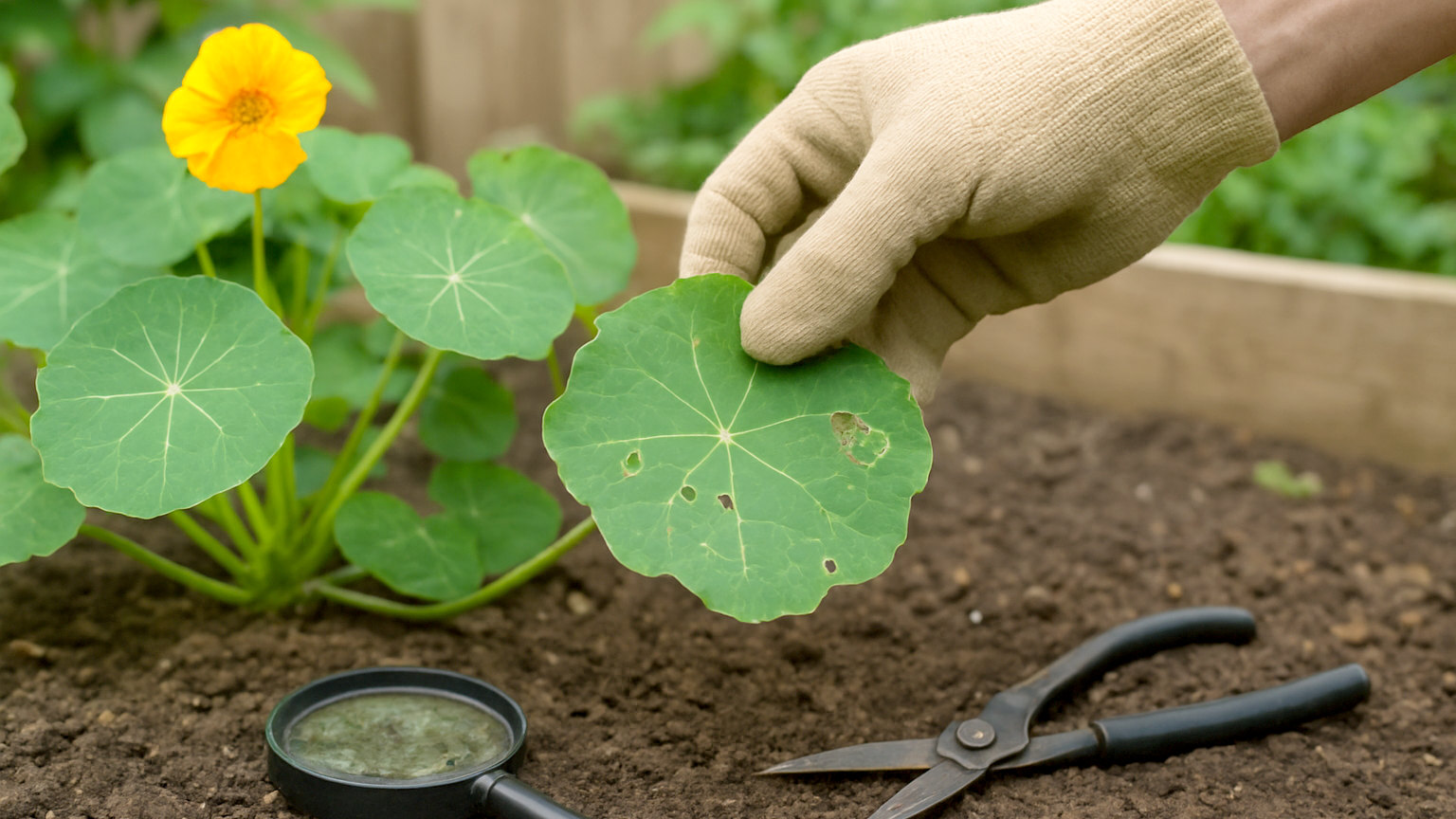
The pattern of damage usually tells you what caused it even when nothing is visible. Reading holes, mines, distortion and discolouration.
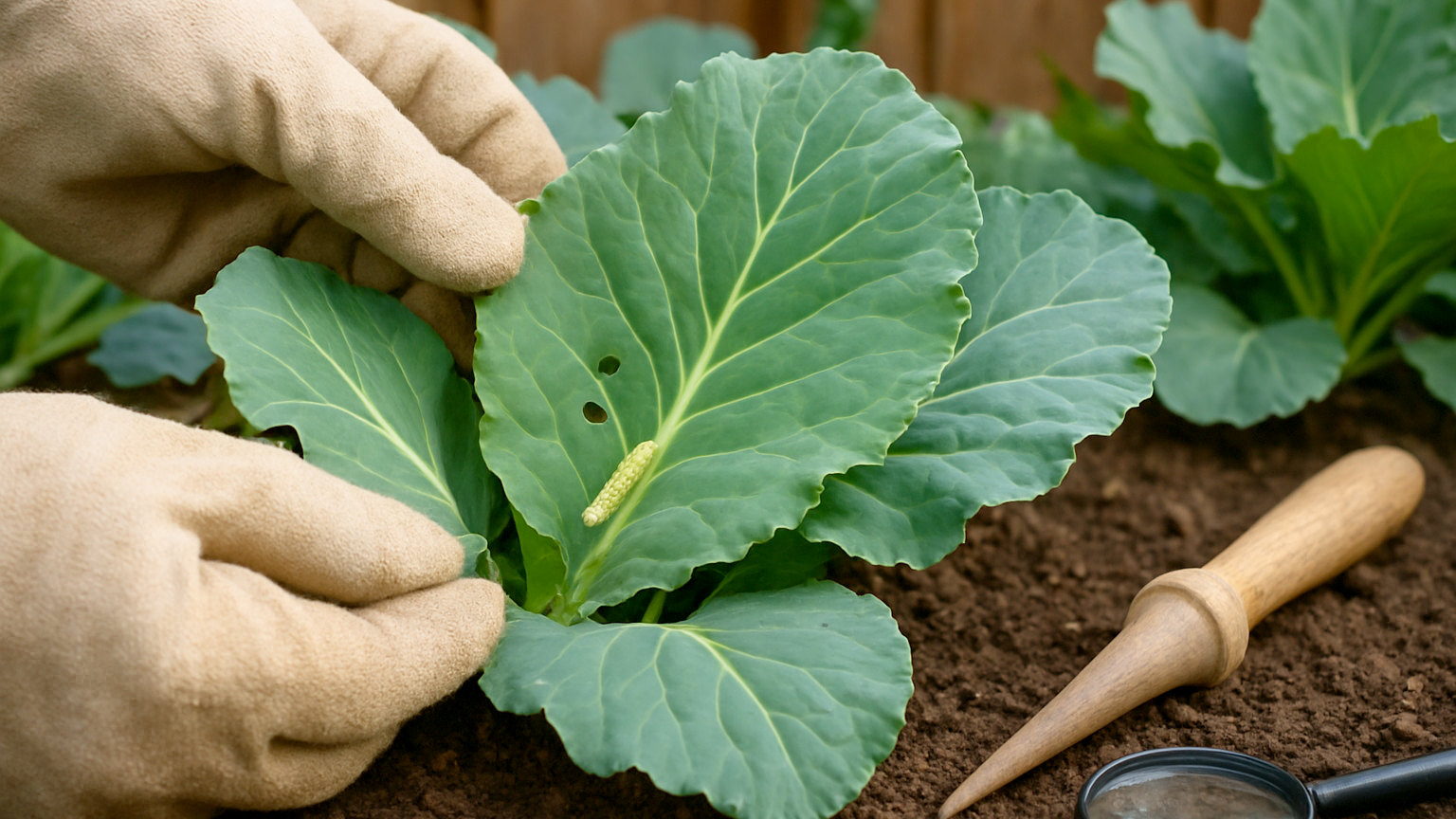
Most caterpillars do trivial damage and become moths and butterflies worth having. Telling the few that matter from the many that do not.
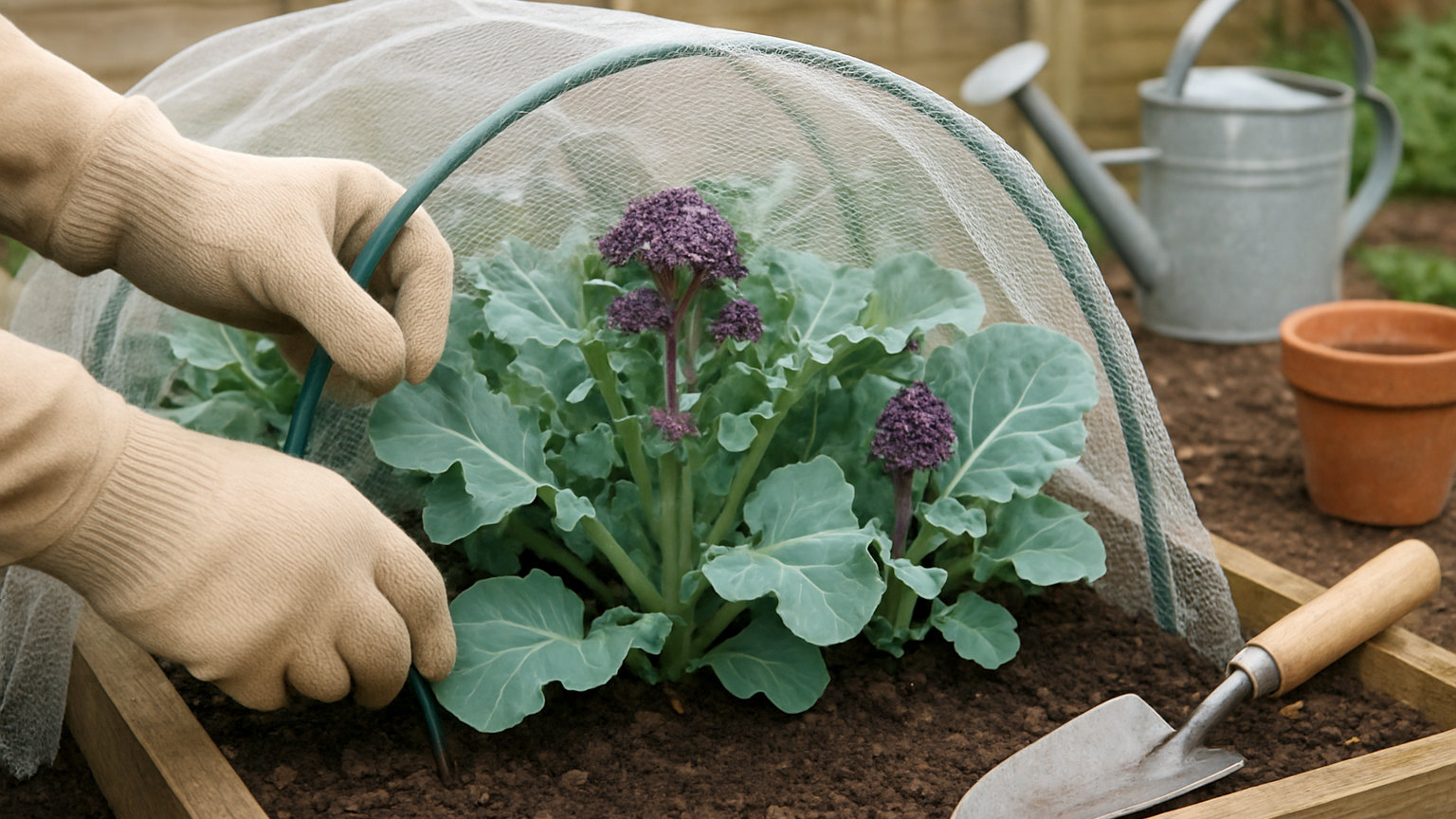
Two butterflies and a moth lay on brassicas from late spring, and mesh put up before they arrive is the only reliable answer.
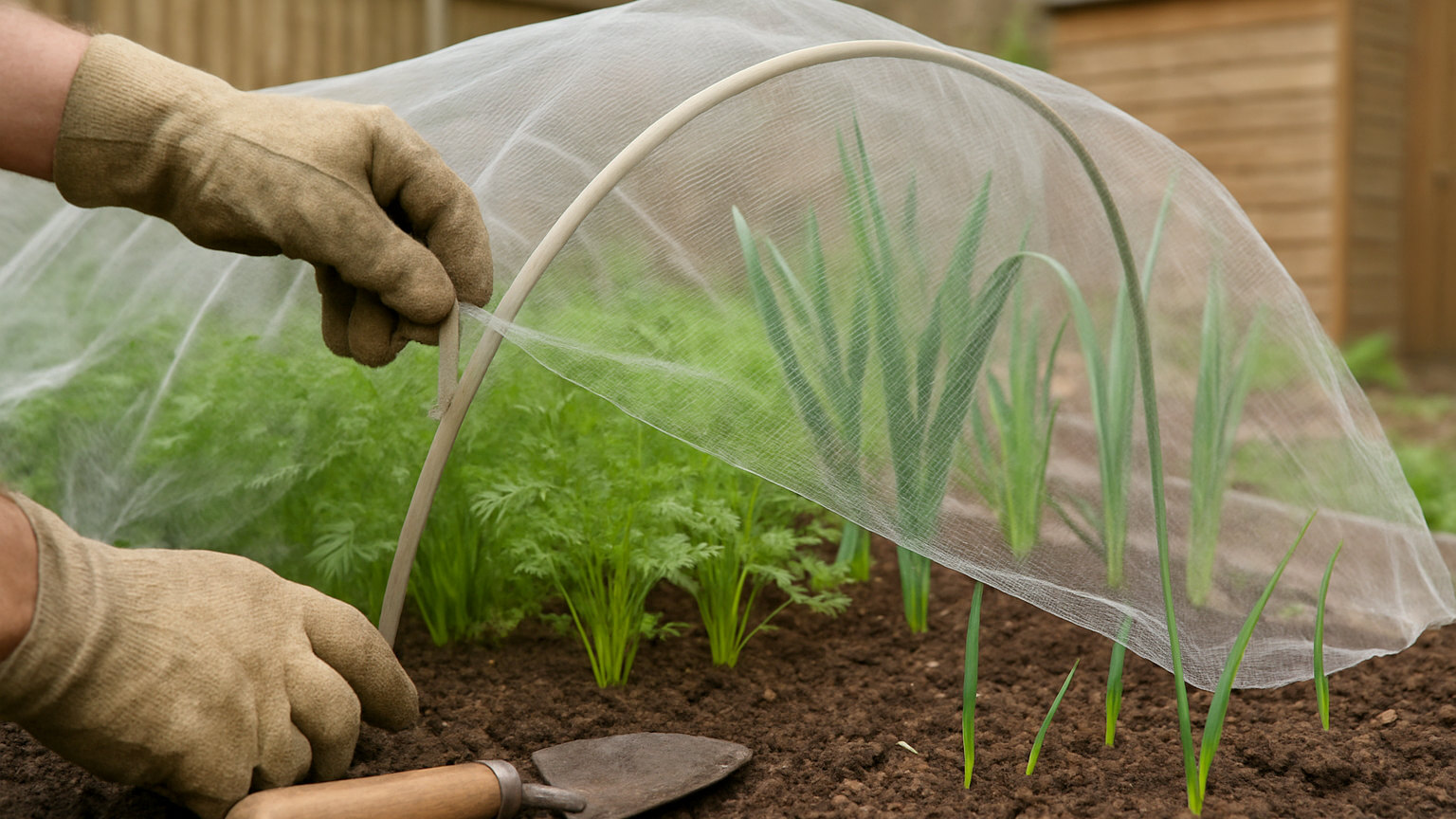
Carrot fly lays at ground level and finds the crop by scent, which is why barriers and timing both work. Allium leaf miner and leek moth need mesh.
Both thrive in the warm dry air of a greenhouse and conservatory, and both are managed better by changing conditions than by spraying.
Both are sap suckers protected by a coating that repels sprays, which is why they persist. Recognising them, and the treatments that actually reach them.
Winding tunnels inside a leaf look alarming and rarely matter. Which leaf damage is worth acting on, and which is entirely cosmetic.
Maggoty apples, blackened plum shoots and sawfly-scarred fruitlets all have their own timing. Recognising each, and intervening at the point that works.
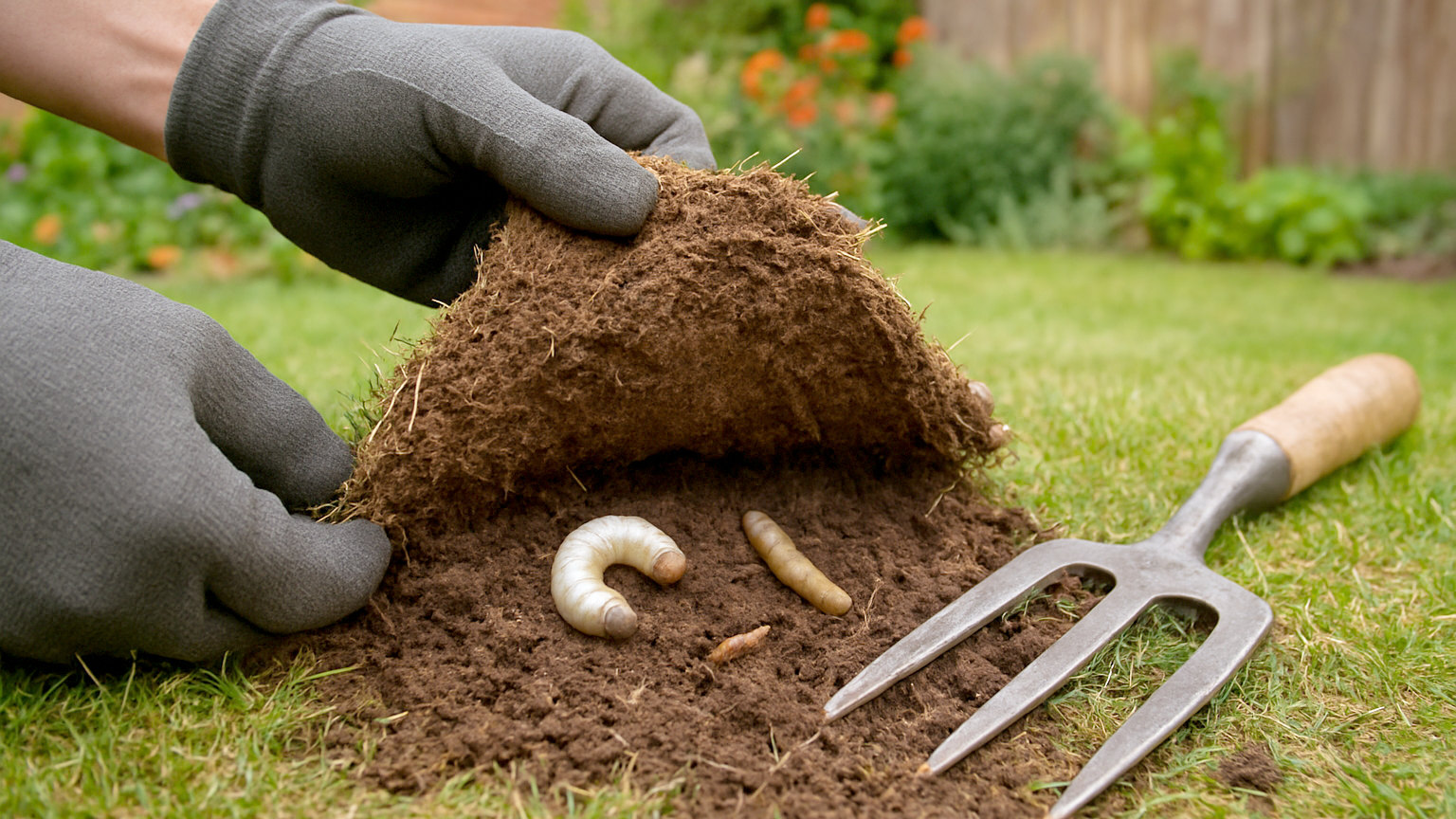
Lawn patches turning brown and lifting like a carpet, with birds and badgers tearing at the turf. Identifying which grub, and treating at the right time.