Why We Prune
Every cut should have a purpose, and knowing which of the five purposes applies tells you where and when to cut. The reasons, and when not to prune at all.
By Gardening Guides Editorial
31 Jul 2026

Where to cut and why, the three Ds, what pruning actually does to a plant, and the tools worth owning.
Every cut should have a purpose, and knowing which of the five purposes applies tells you where and when to cut. The reasons, and when not to prune at all.
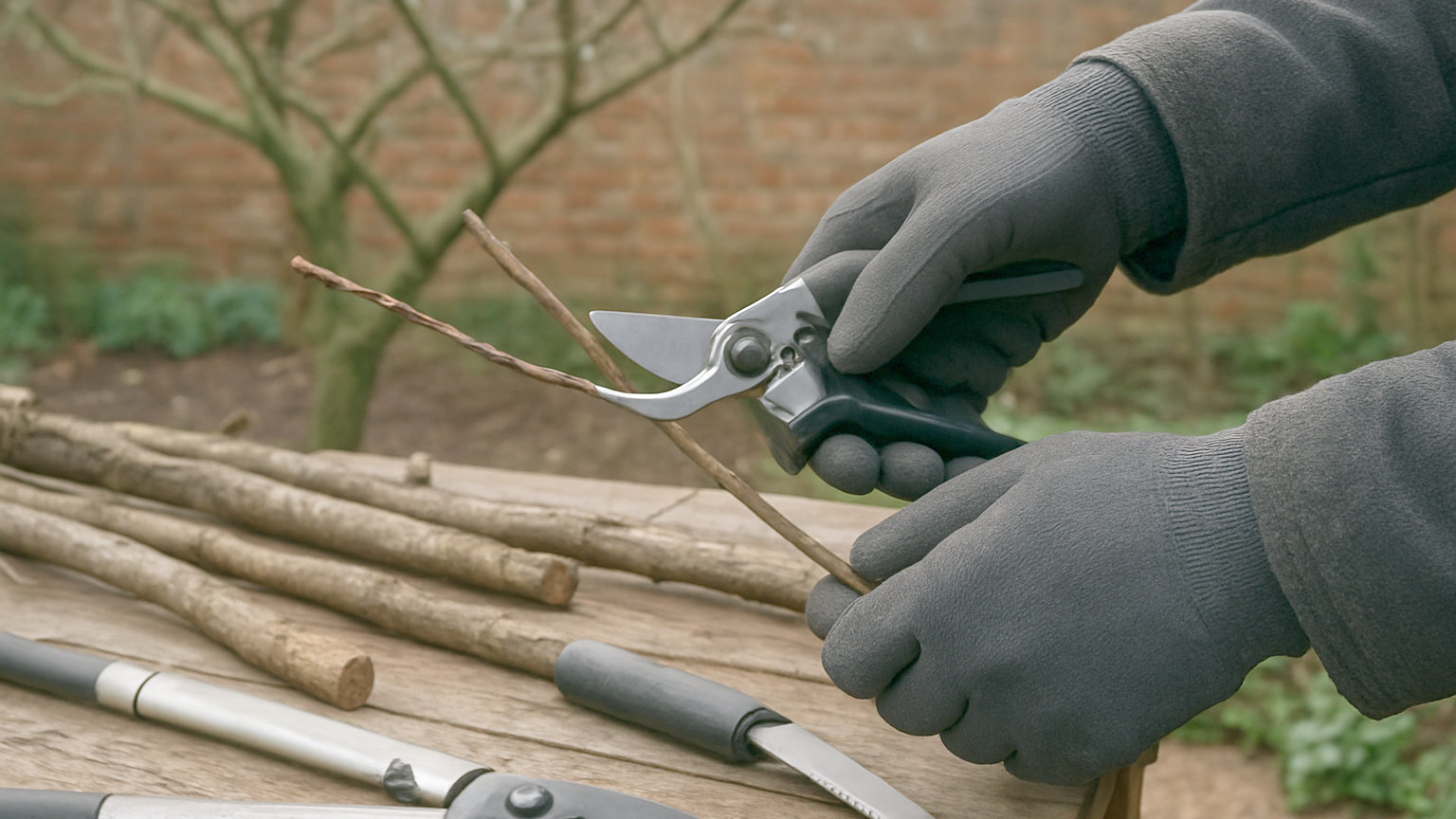
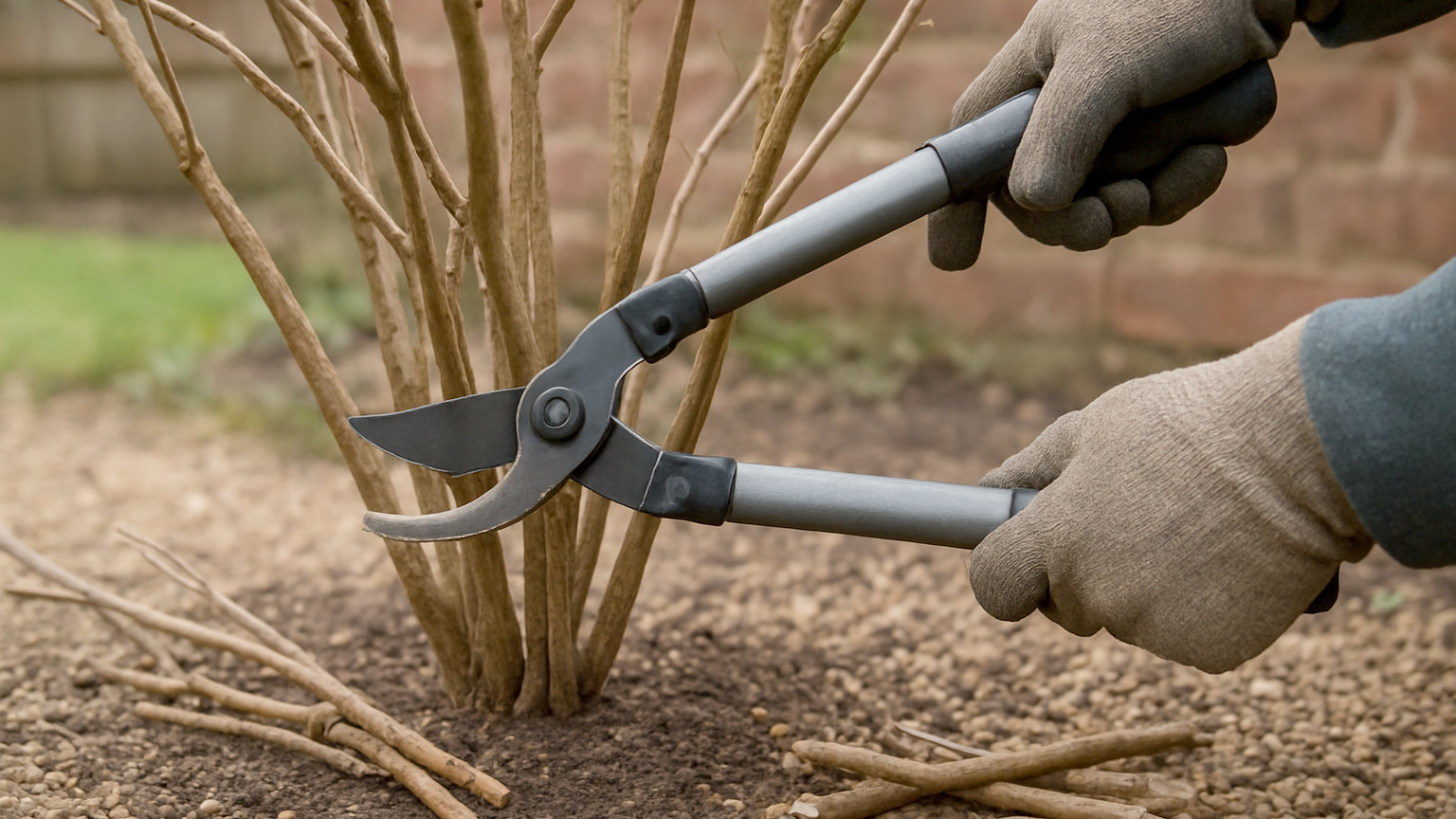
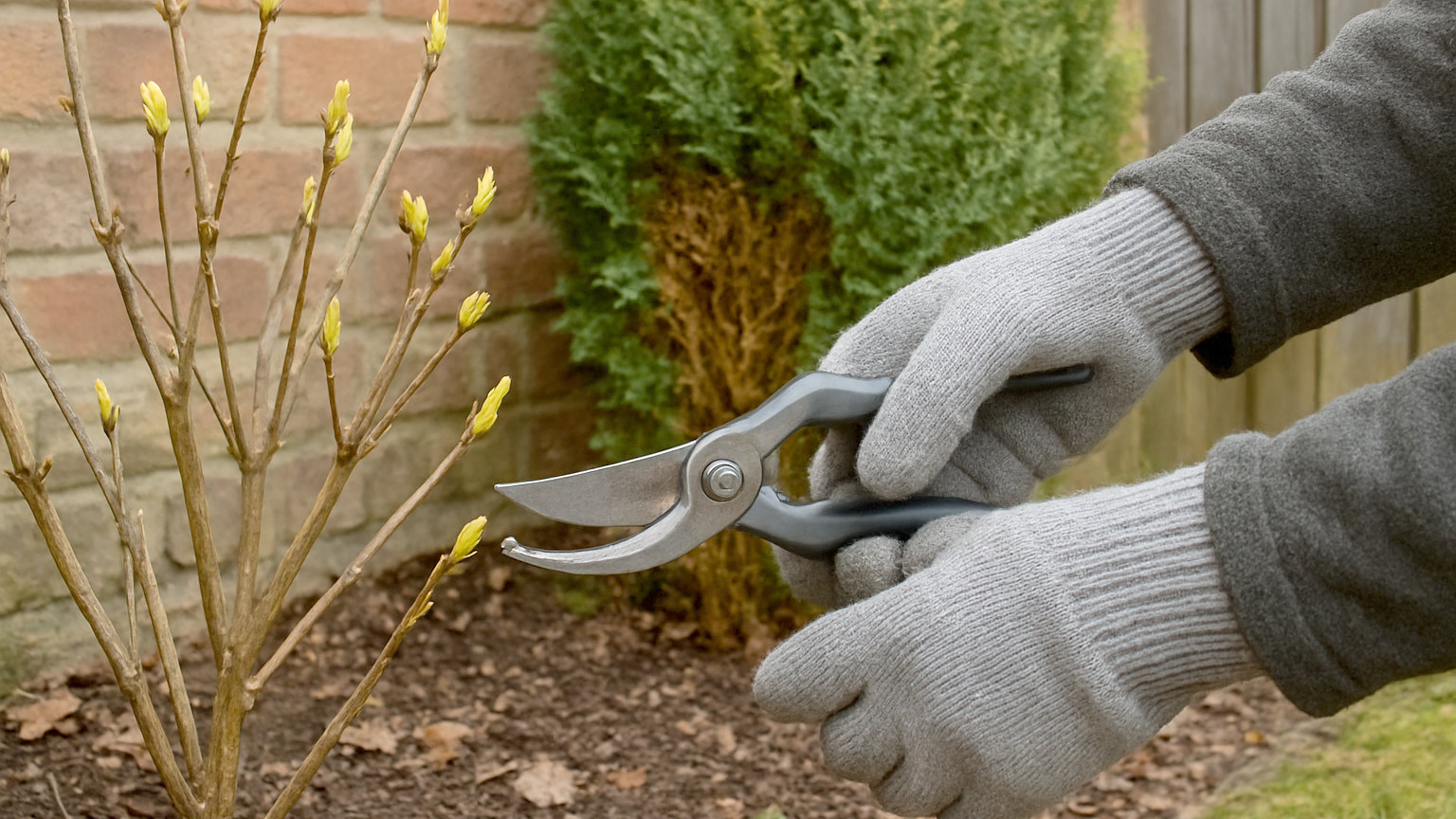
Each tool has a size of wood it handles, and forcing one beyond it ruins the cut and the tool. What to own, and bypass against anvil.
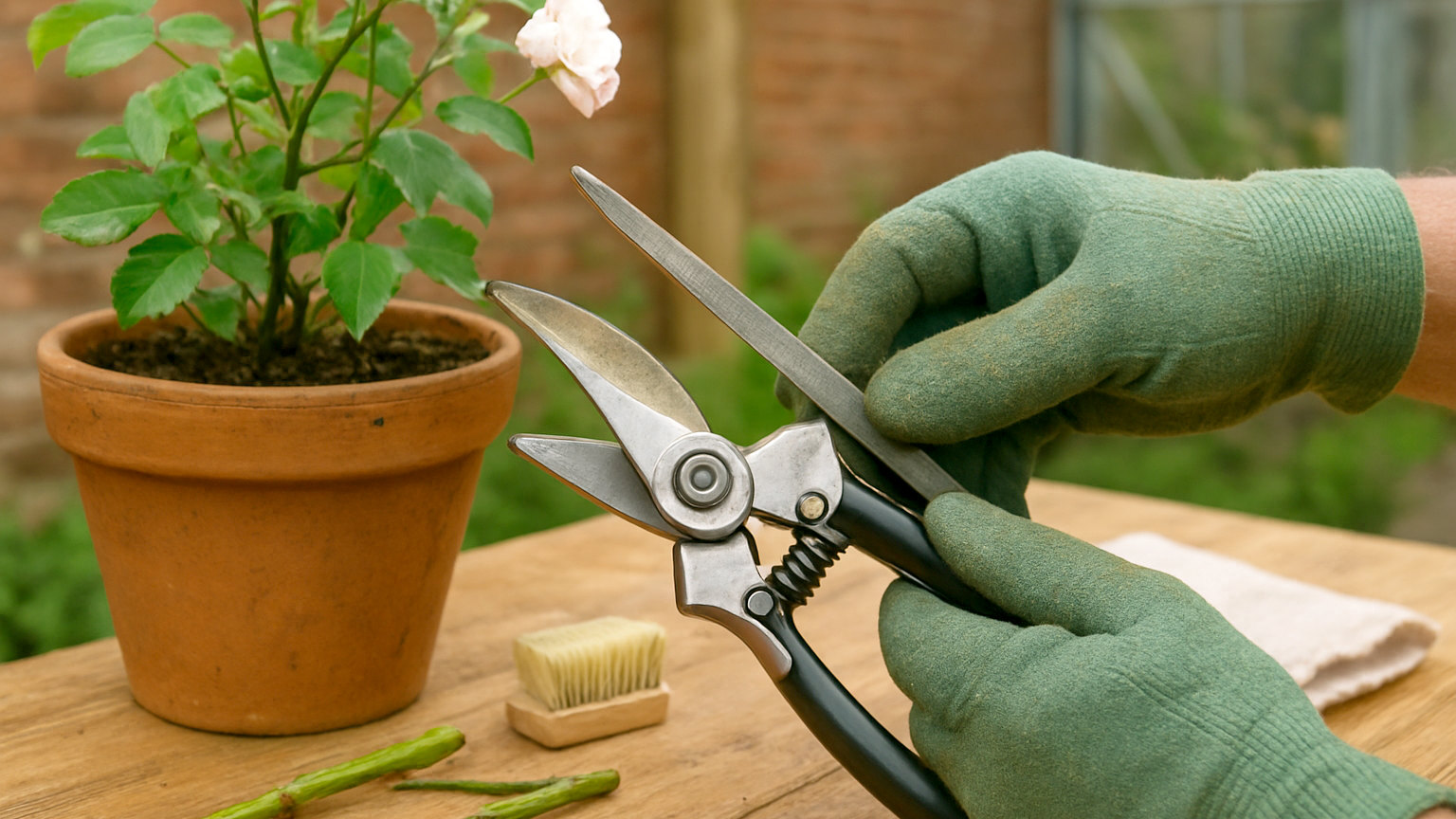
A sharp blade cuts cleanly and a blunt one tears, and the difference shows in how the plant heals. Sharpening, stripping down and disinfecting between plants.
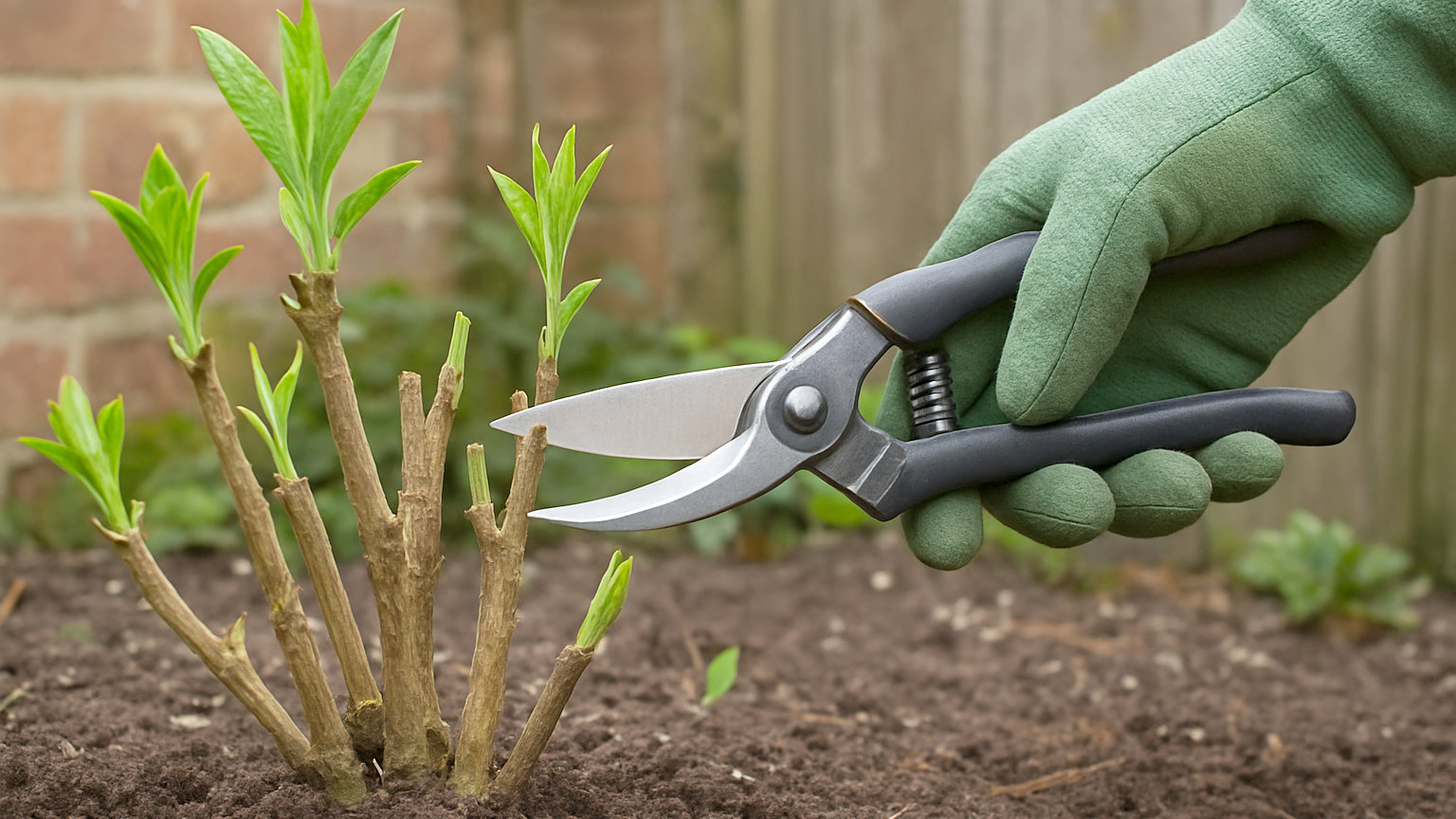
Hard pruning produces vigorous growth and light pruning produces less, which is the opposite of what most people expect. Understanding the response before cutting.
The bud at the tip of a shoot suppresses those below it, and almost every pruning technique is a way of working with or against that fact.
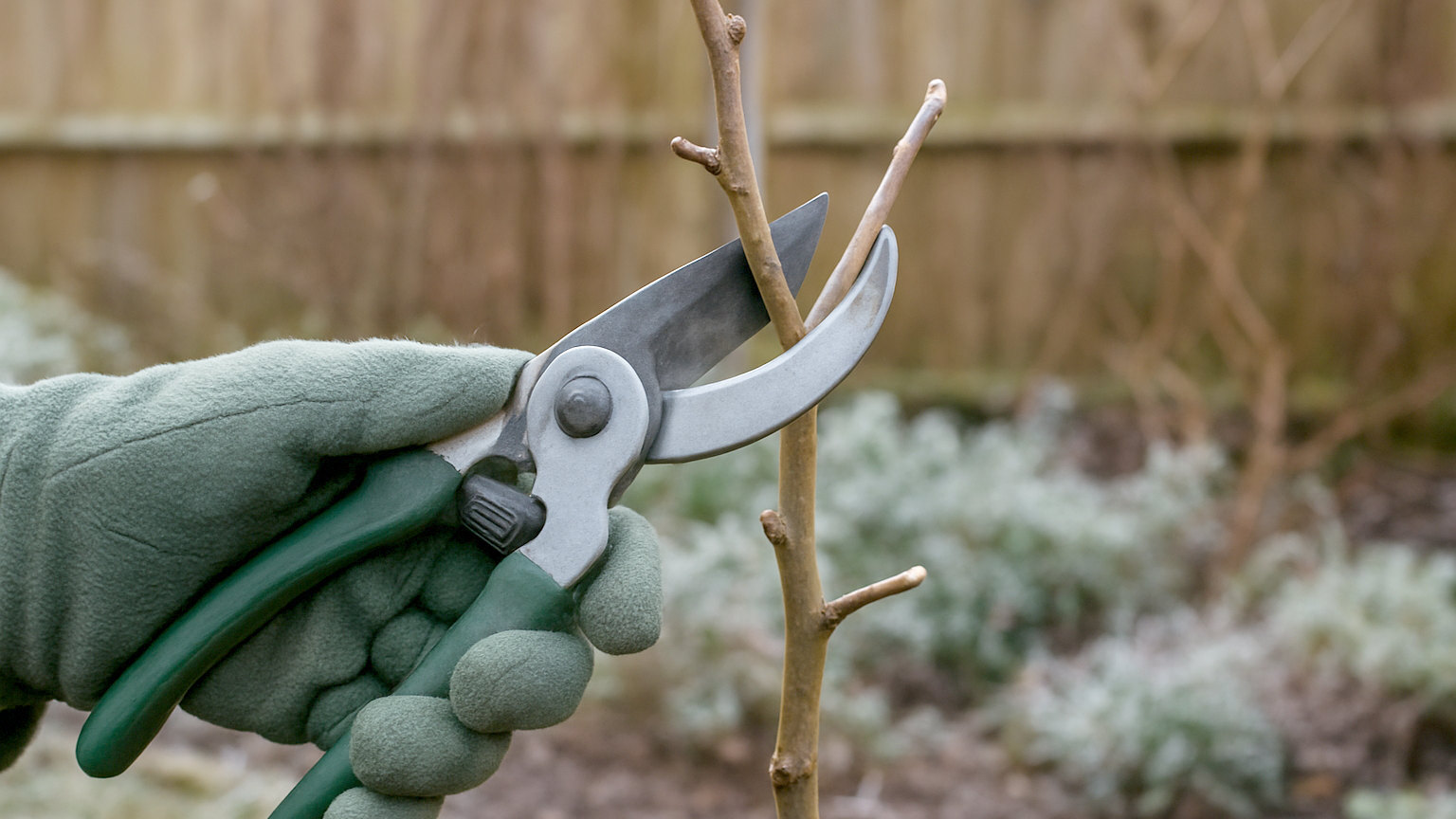
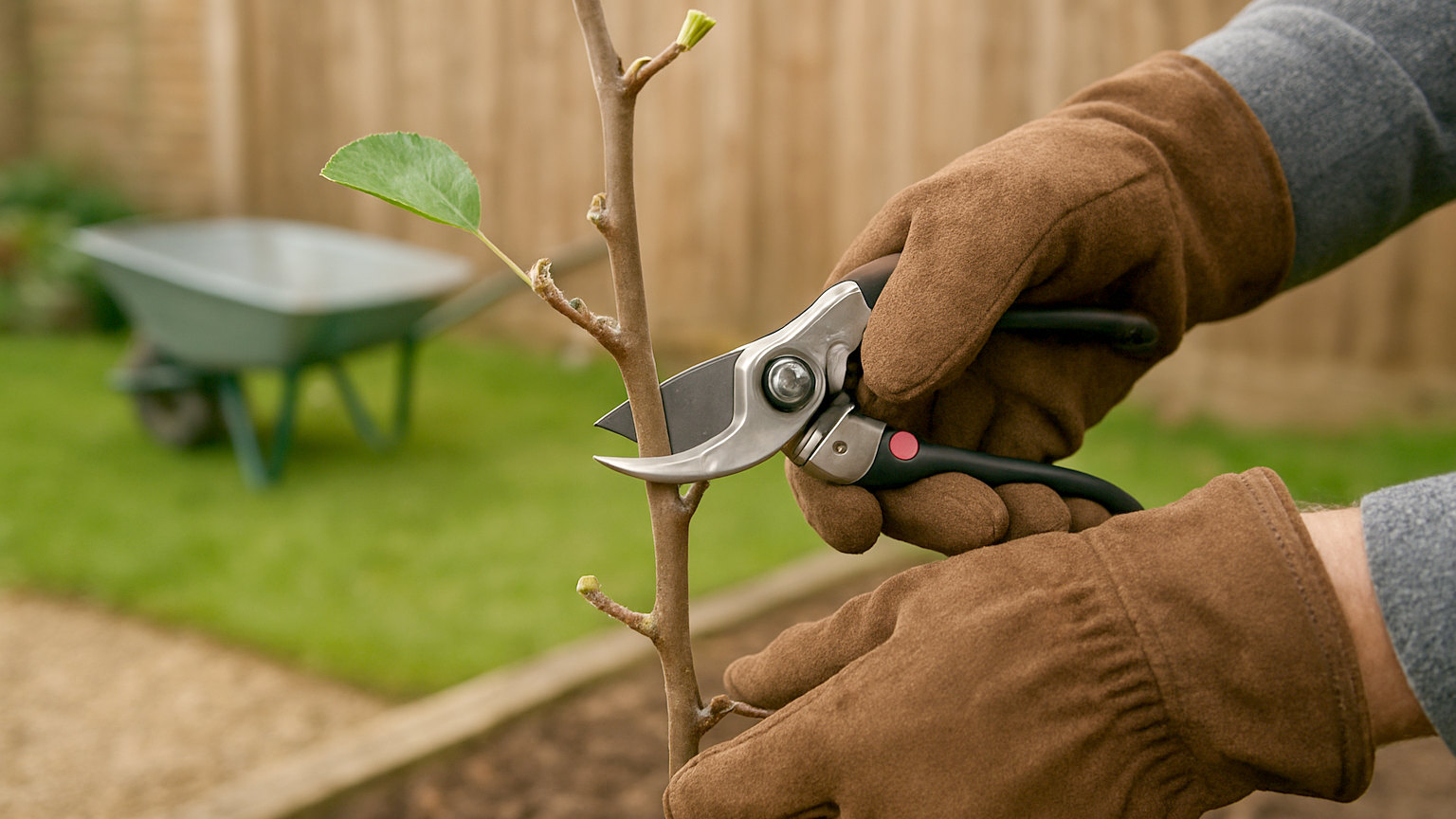
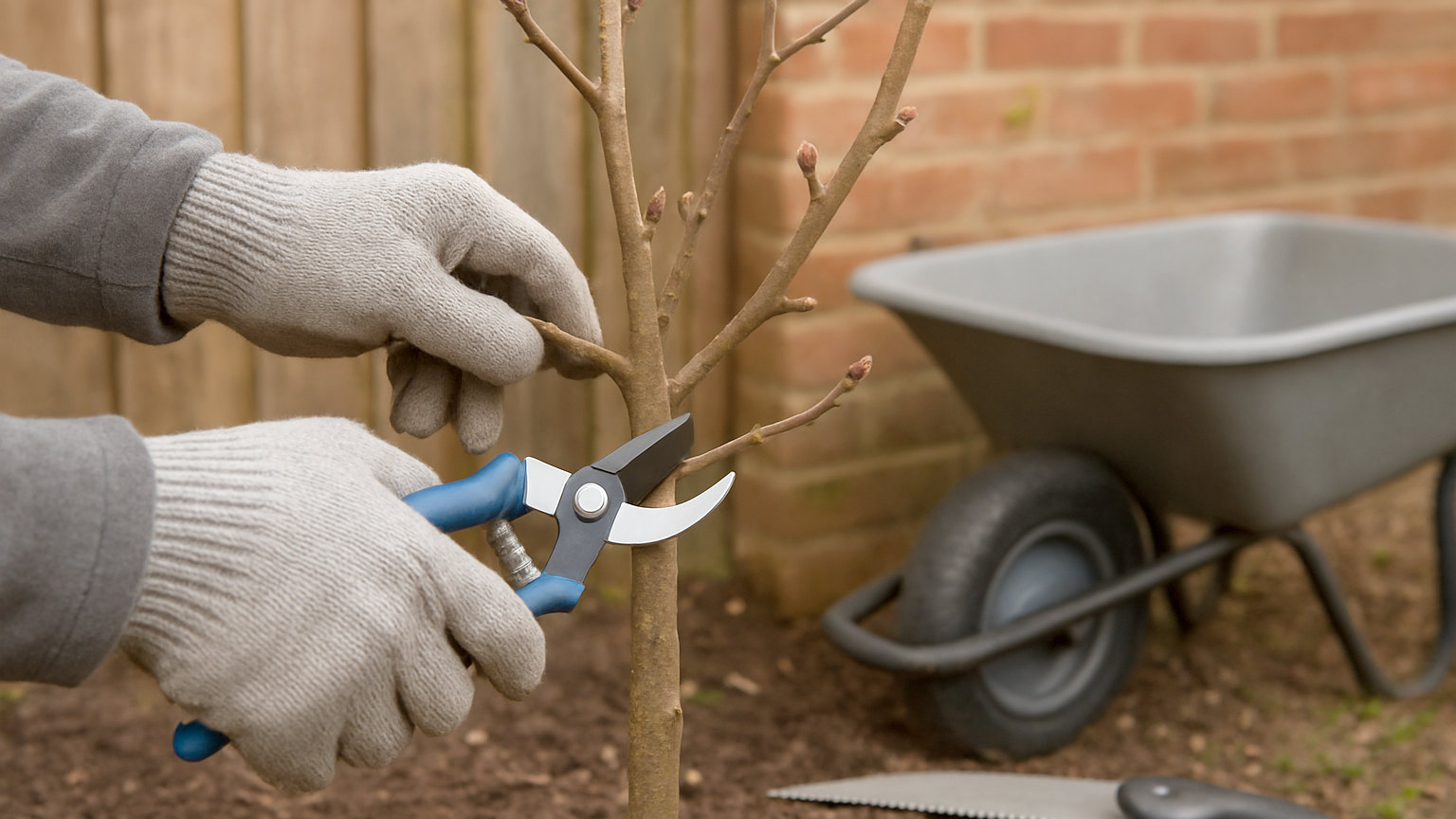
A few minutes on a young plant prevents problems that are difficult to correct in twenty years. What to look for, and why small cuts are better than large ones.
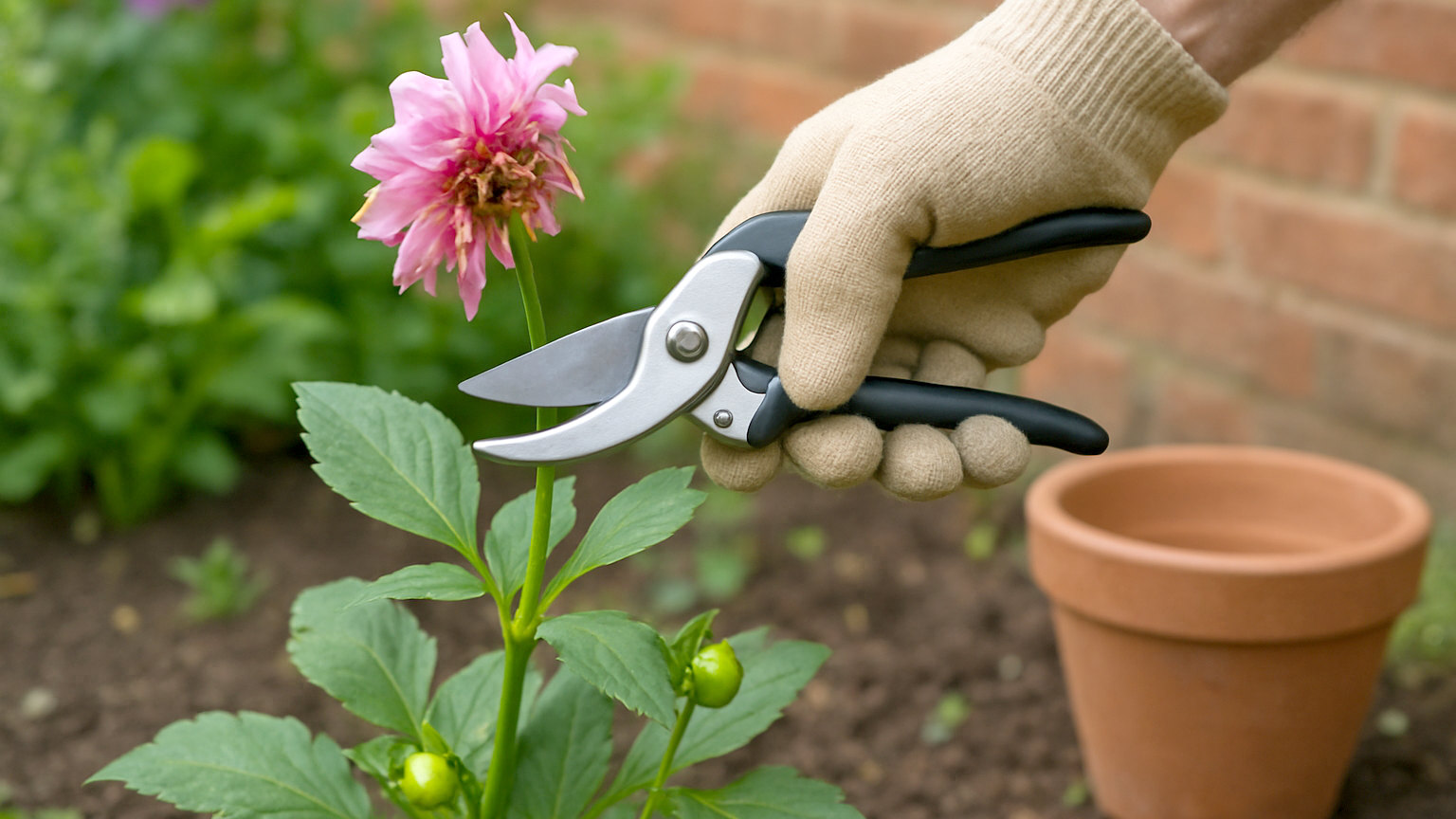
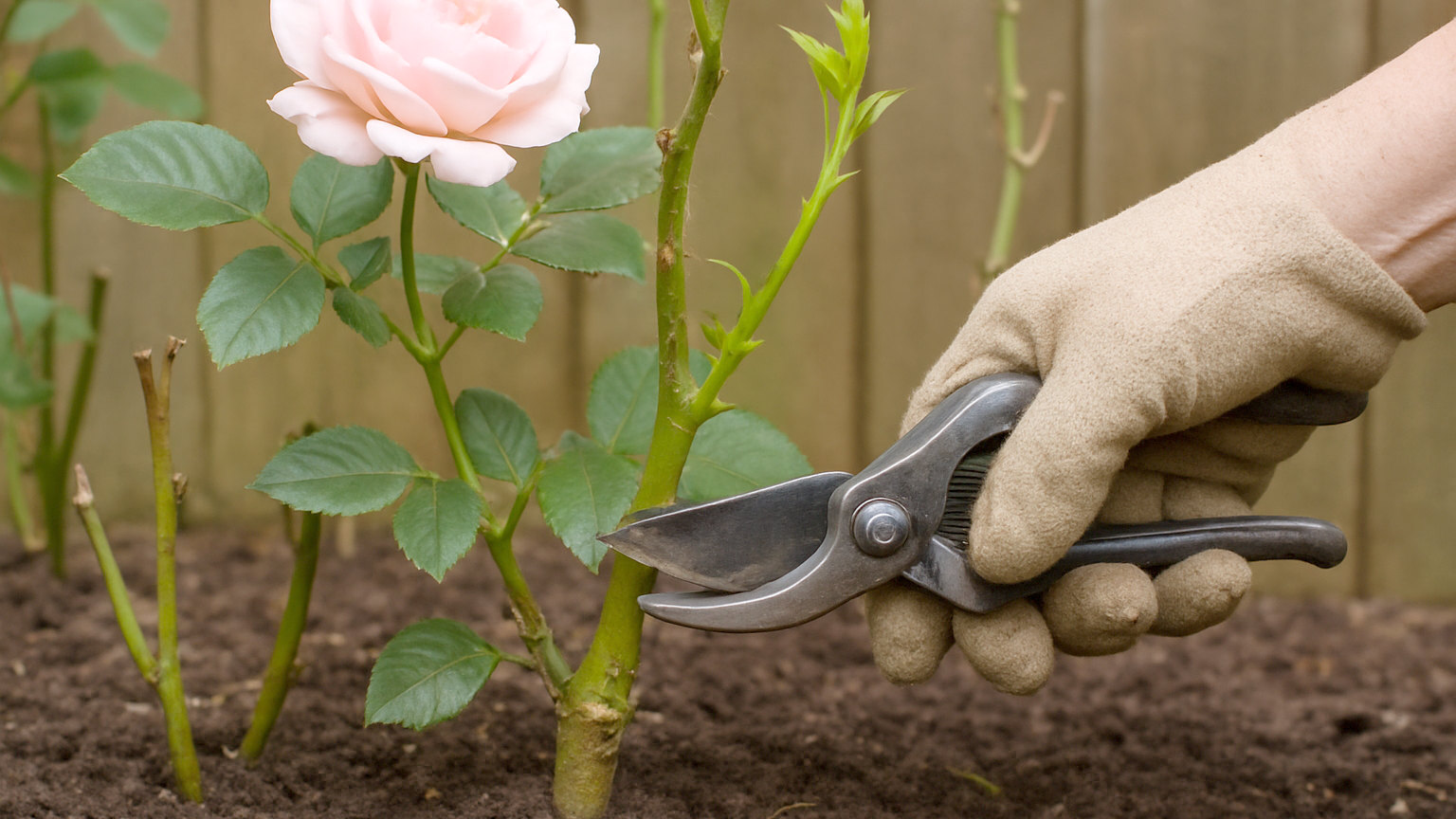
Removing spent flowers before seed sets keeps a plant producing more, and there are plants where it is worth skipping entirely. Where to cut, and what to leave.
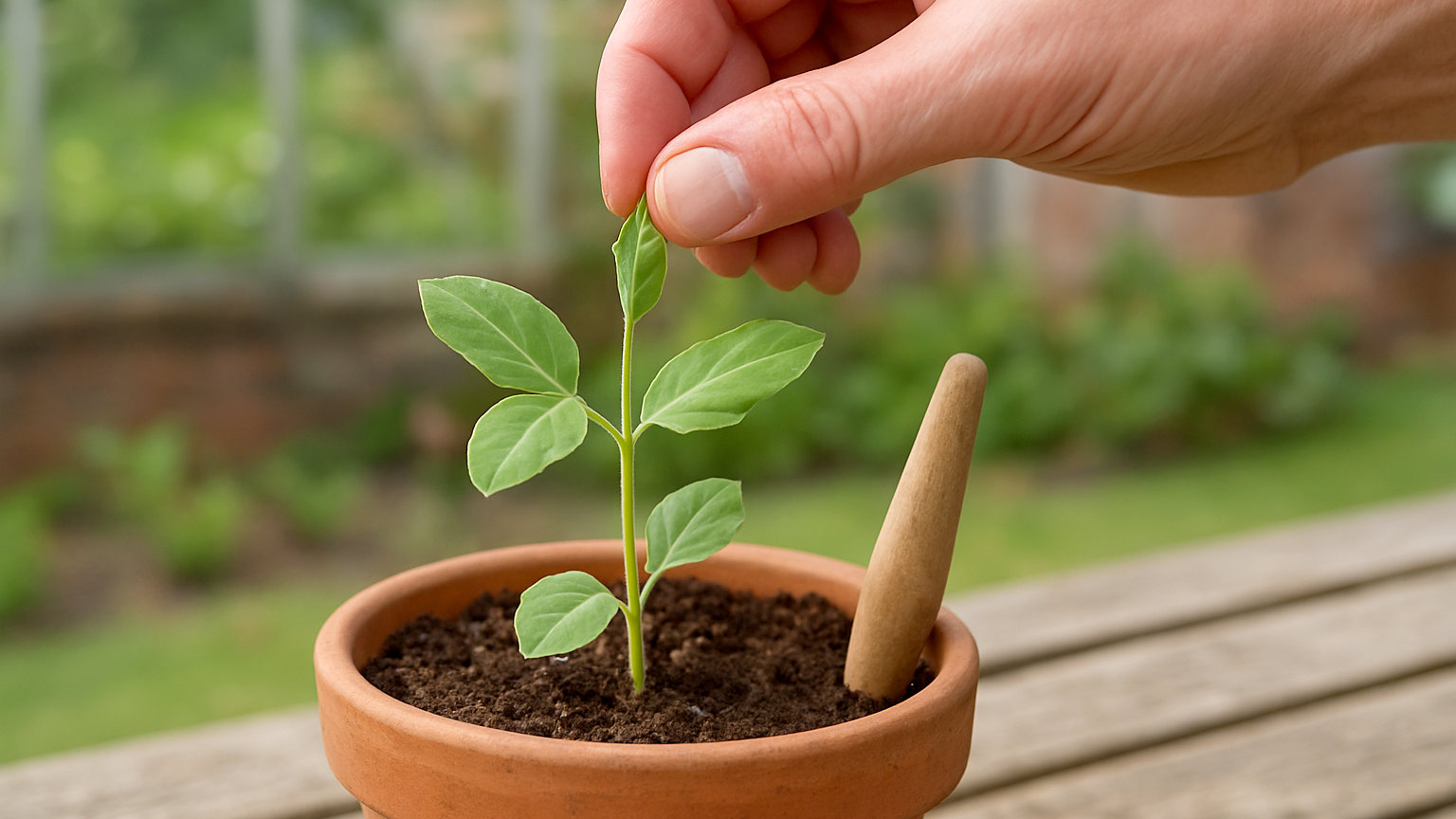
Removing a growing tip with finger and thumb doubles the number of stems and costs nothing. What to pinch, when, and the plants where it does harm.
Thinning removes whole stems and preserves the shape; reducing shortens everything and produces a dome. Knowing which you are doing changes the result.
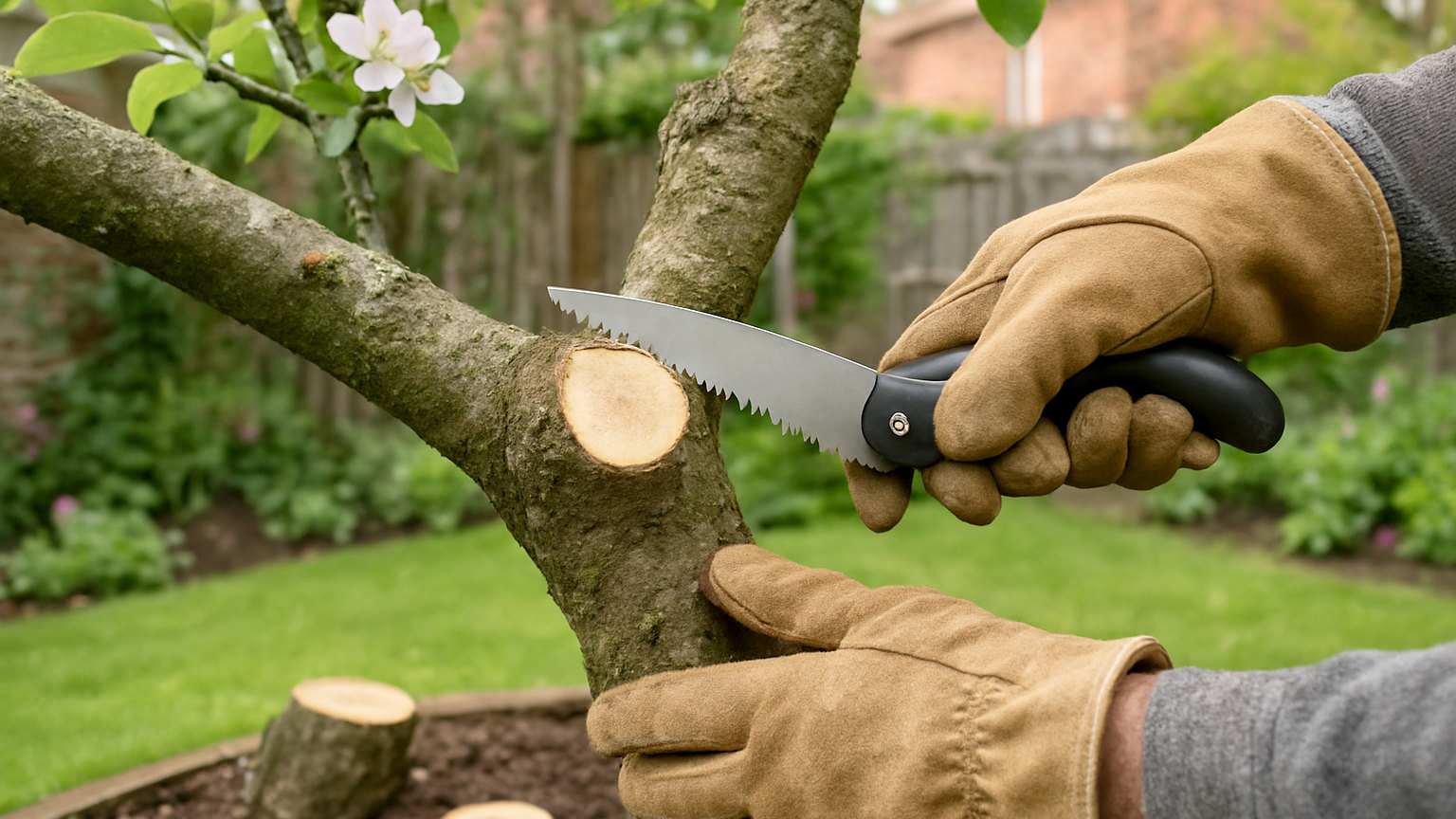
A heavy branch tears bark down the trunk as it falls unless you remove it in three cuts. The technique, where the final cut goes, and when to call someone.
Growth appearing from below a graft belongs to the rootstock and will take the plant over. Recognising suckers, water shoots and reverted growth, and dealing with each.
Cutting a spring-flowering shrub in winter removes the display; cutting a conifer into bare wood leaves a permanent gap. The errors that matter, and the ones that do not.