How to Plan a Garden From Scratch
Before any planting, work out where the sun falls, where people walk and where they will sit. A practical order of work for designing a garden that suits how you actually use it.
Measuring up, working out sun and shade through the day, and deciding where people walk, sit and look before anything is planted.
Before any planting, work out where the sun falls, where people walk and where they will sit. A practical order of work for designing a garden that suits how you actually use it.
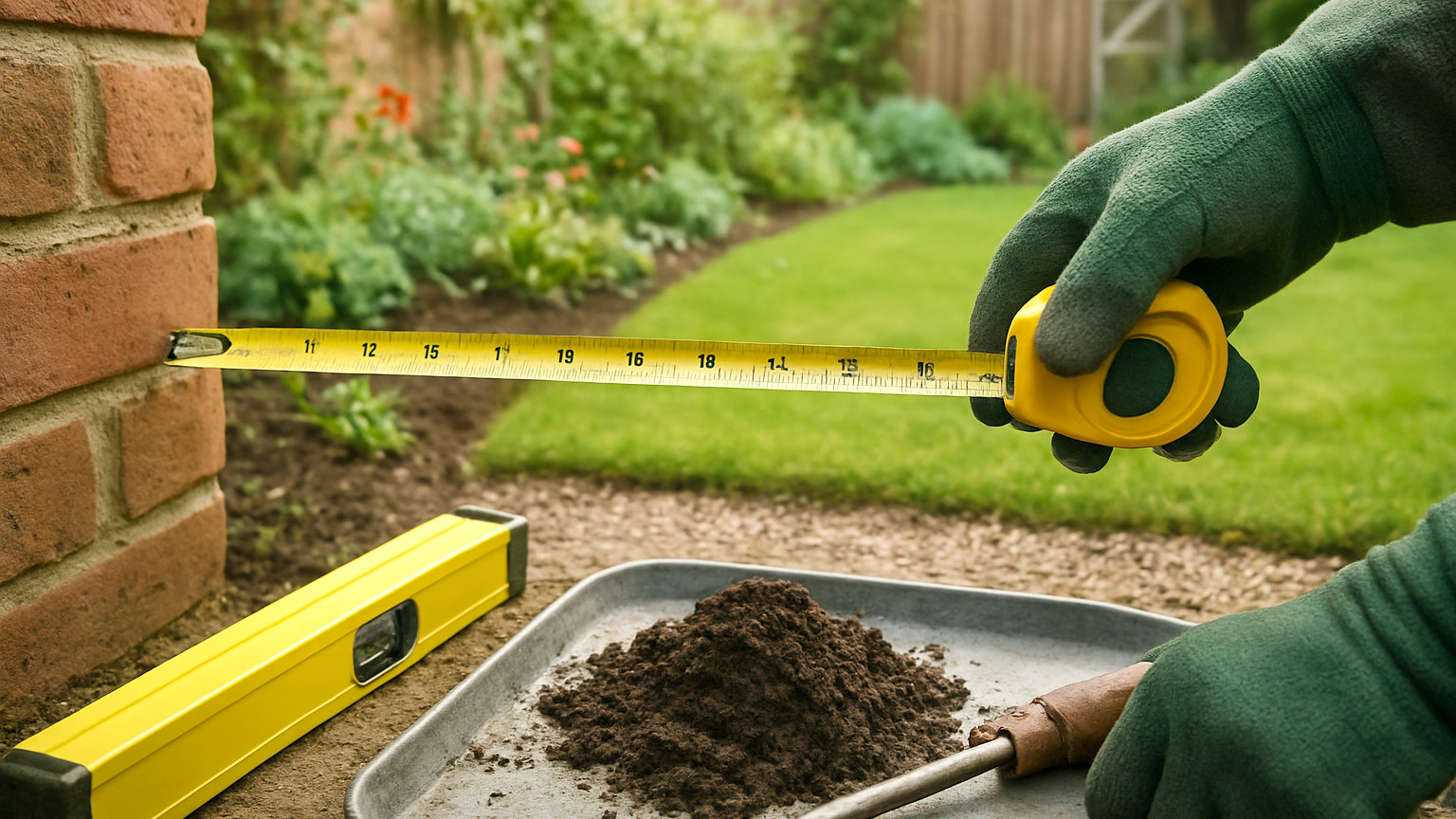
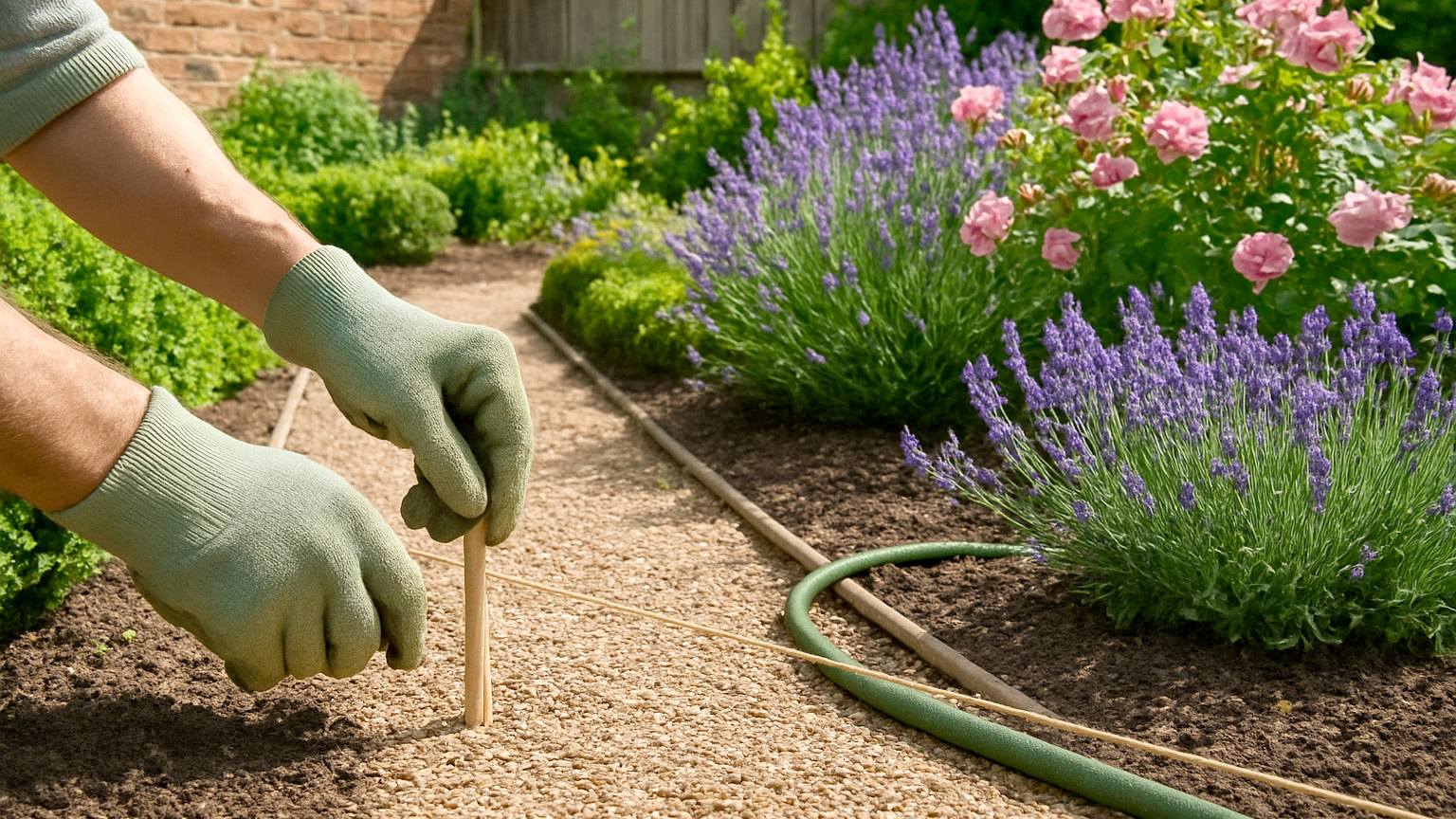
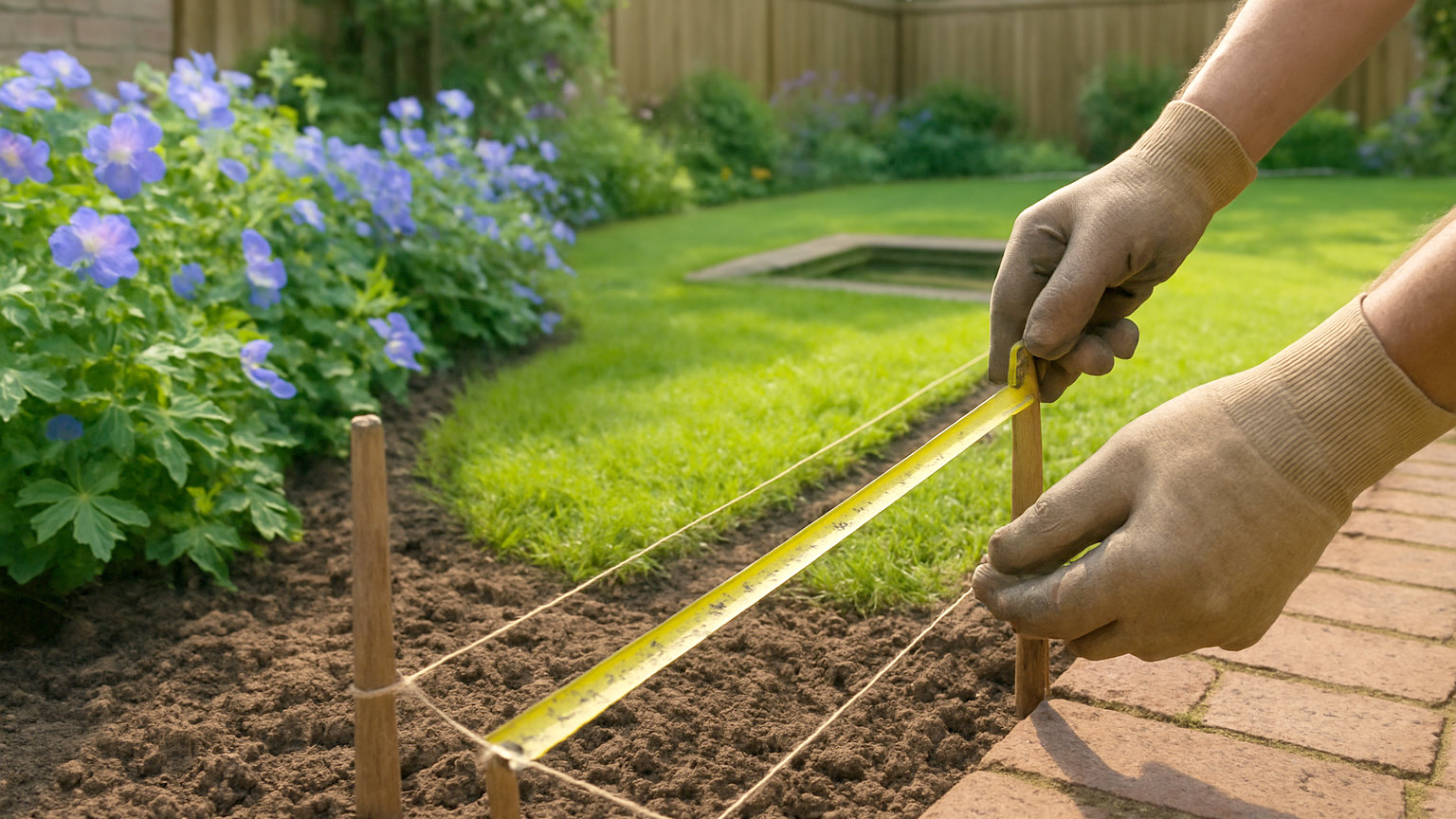
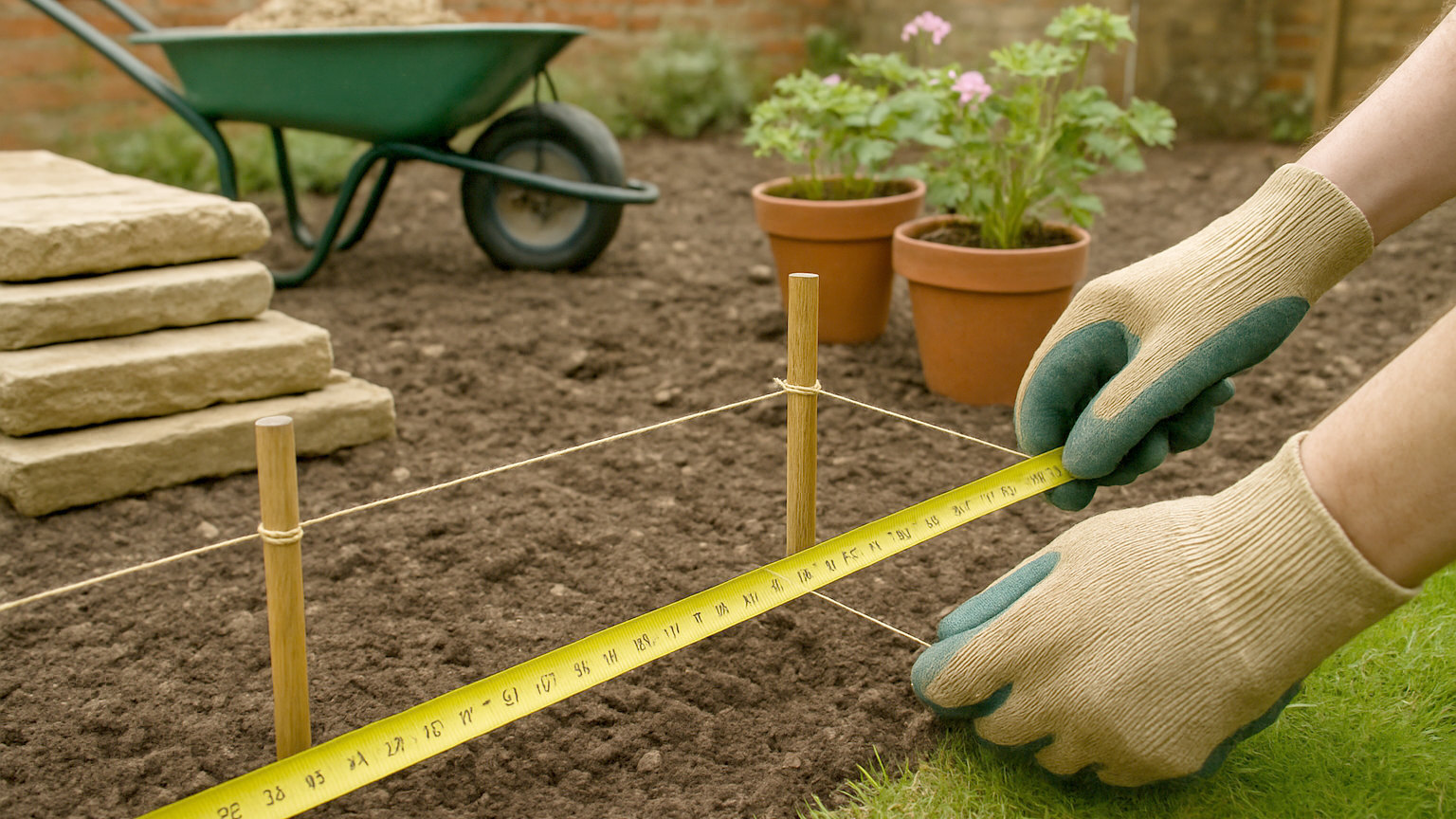
A scale drawing takes an afternoon and prevents expensive mistakes. How to measure an irregular plot accurately, what to record, and how to test ideas on paper.
Aspect decides what will grow and where you will want to sit, and it changes through the year. How to read your garden's light before choosing a single plant.
A year of watching a garden tells you more than any amount of planning on paper. What to record, what to test, and the services you must locate first.
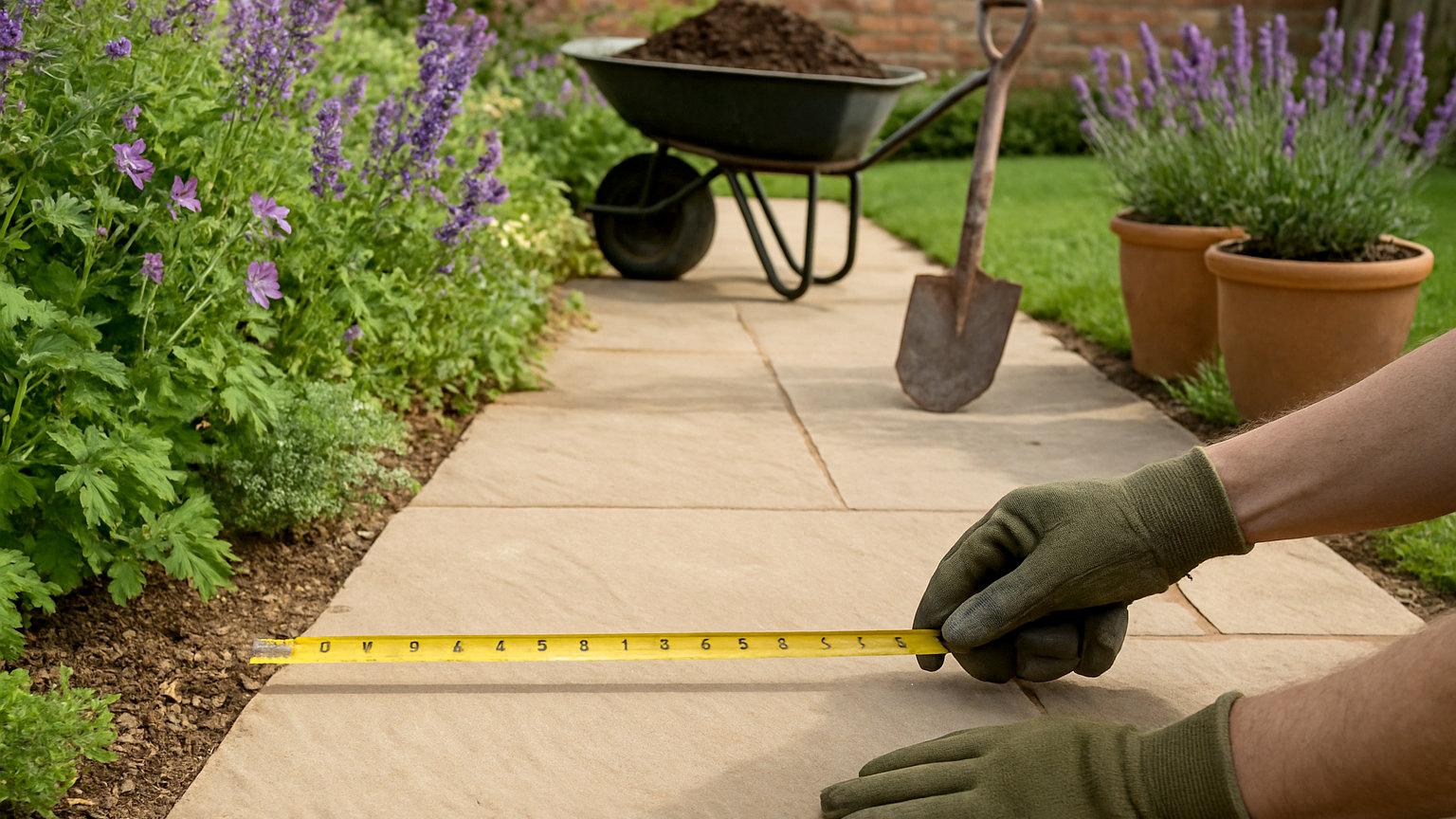
Most gardens are made of pieces that are too small: narrow borders, thin paths, undersized paving. Getting the dimensions right, and why bigger usually reads better.
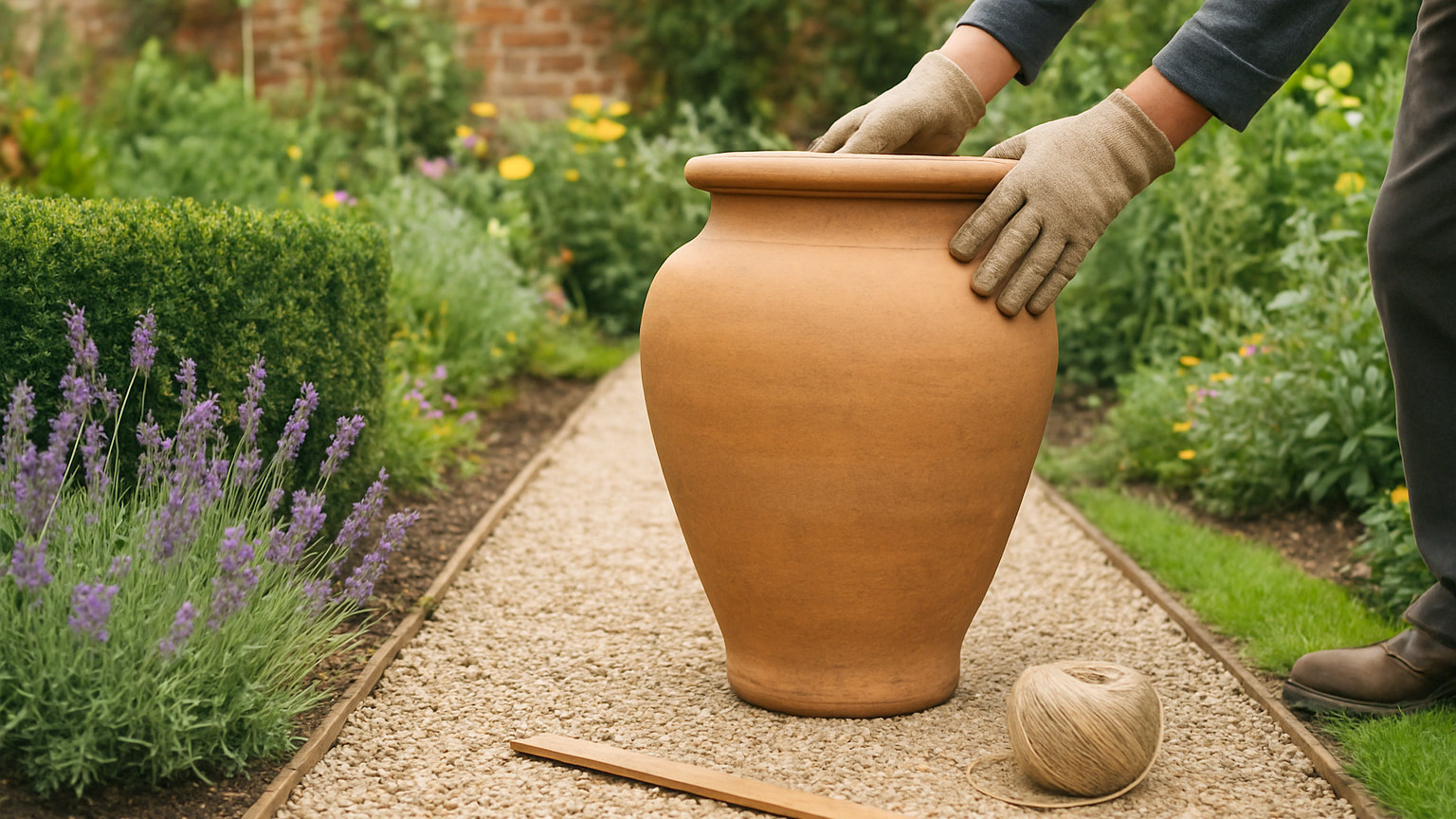
A garden with something to look at feels designed; one without feels like a collection of plants. Placing focal points, and controlling what is seen from where.
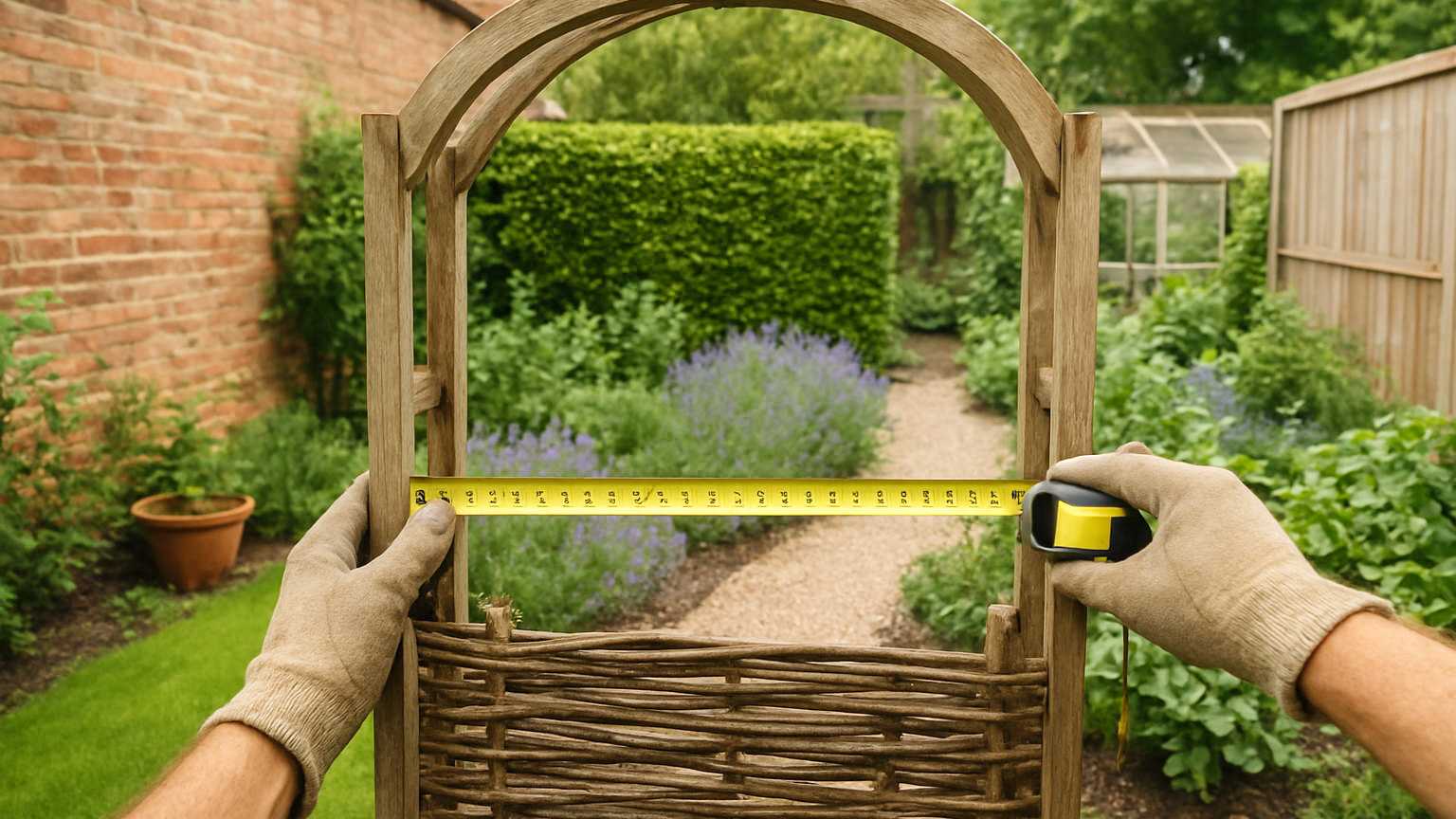
A garden you cannot see all at once feels larger than one you can. How to divide a space, and why it works even in a very small plot.
Formal gardens use symmetry and straight lines; informal ones use curves and asymmetry. Choosing between them, and why mixing them badly is the usual mistake.
Low maintenance is designed in rather than achieved later, and paving everything is not the answer. The decisions that genuinely reduce work.
Children need somewhere robust to play and clear sightlines from the house, and water needs careful thought. Designing for a garden that adapts as they grow.
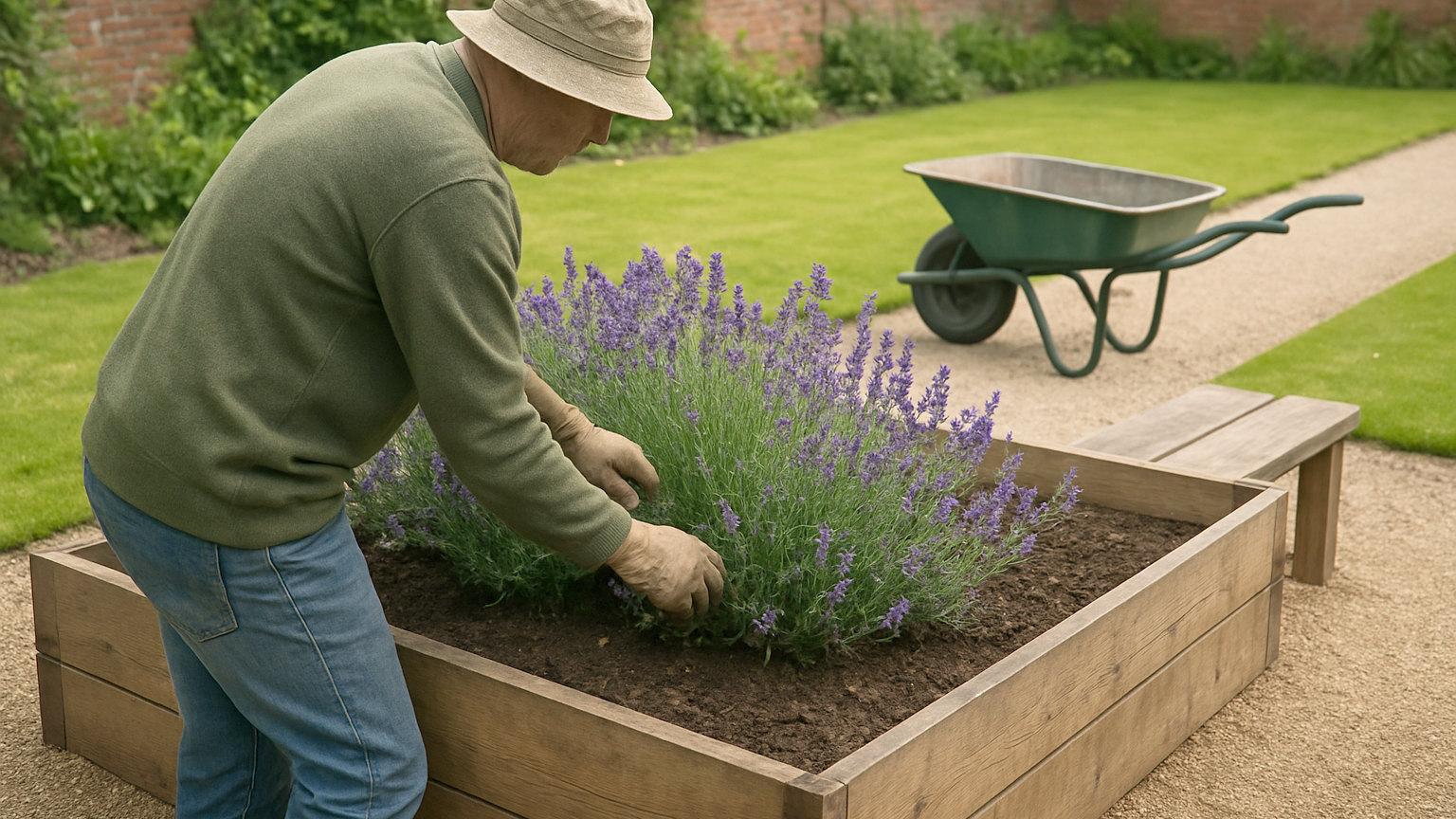
Wide level paths, raised beds at working height and somewhere to sit make a garden usable for far more people. The dimensions that matter, and small changes that help.
Hard landscaping consumes most of a garden budget and planting is the cheap part. Where the money goes, what to do first, and where to save.