Understanding Fertiliser Labels
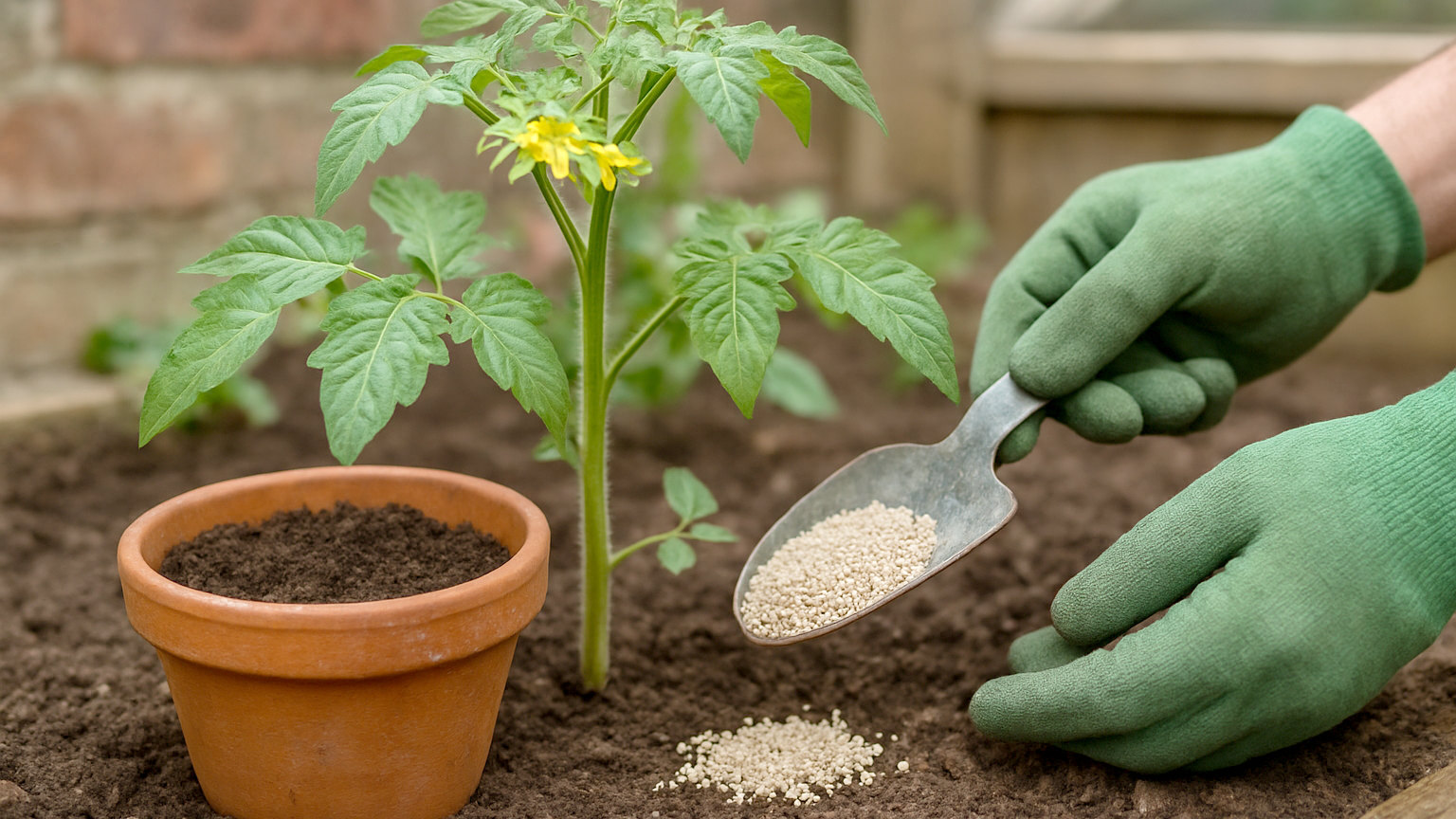
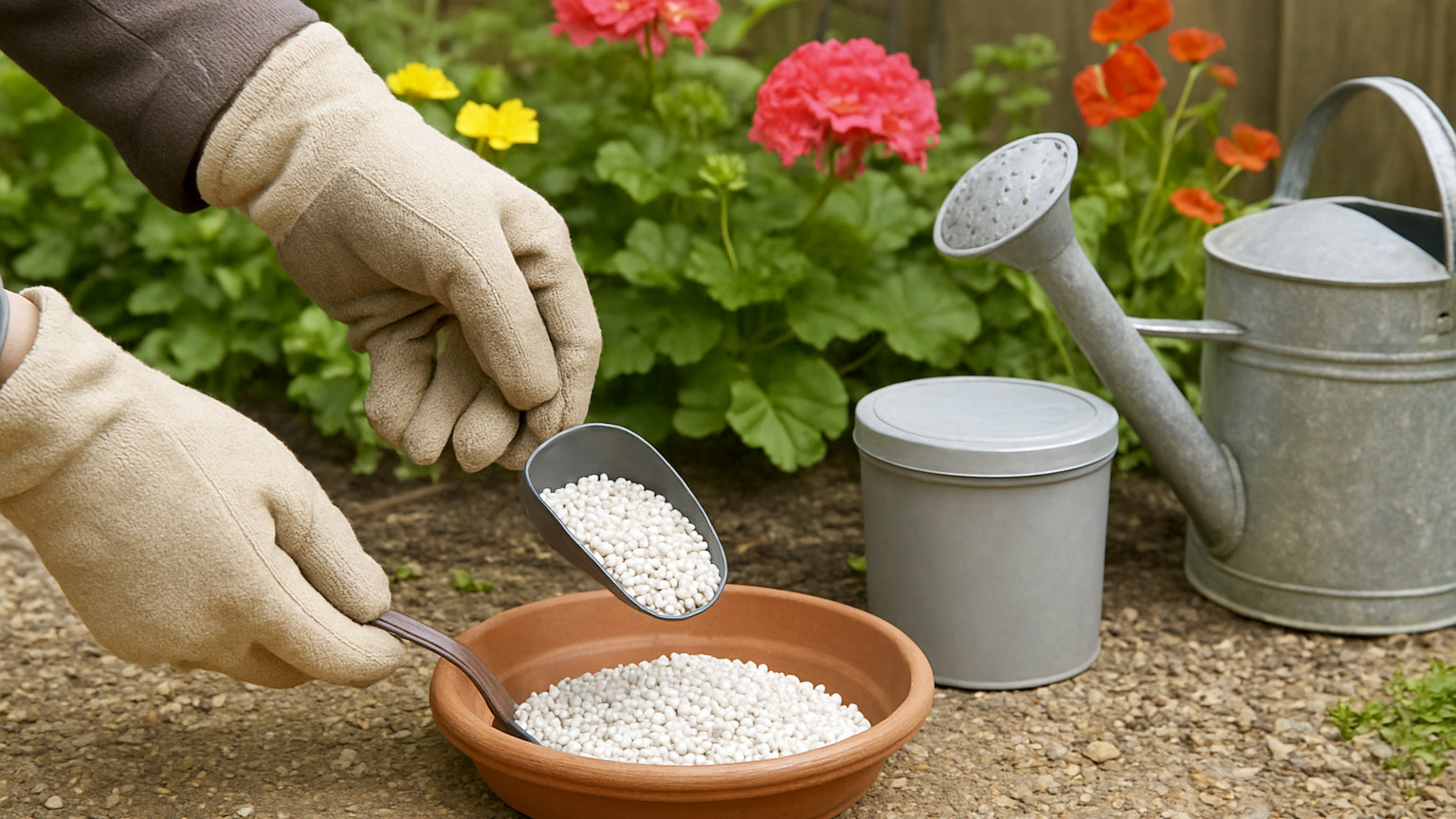
The three numbers on every bag tell you what the product is for, and once you can read them the choice becomes obvious. NPK explained, and application rates.
Spring and autumn feeds, moss, weeds, bare patches, and the case for tolerating clover rather than killing it.
The three numbers on every bag tell you what the product is for, and once you can read them the choice becomes obvious. NPK explained, and application rates.
Organic feeds release slowly and improve the soil; inorganic ones act fast and do not. Where each is the right tool, and what the difference actually means.
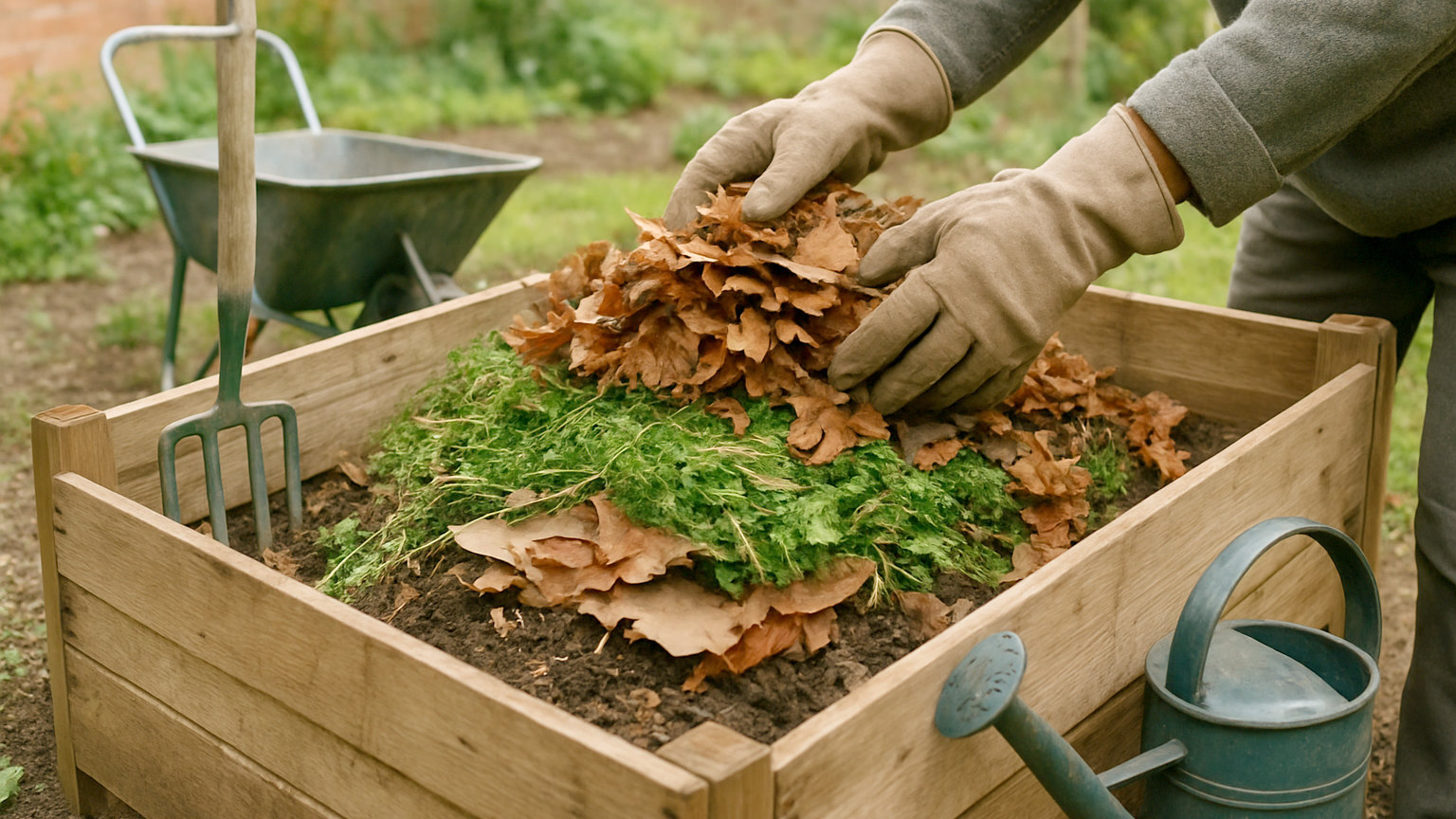
Compost needs a balance of green and brown material, air and moisture, and getting the mix right is nearly all of it. Building a heap that actually works.
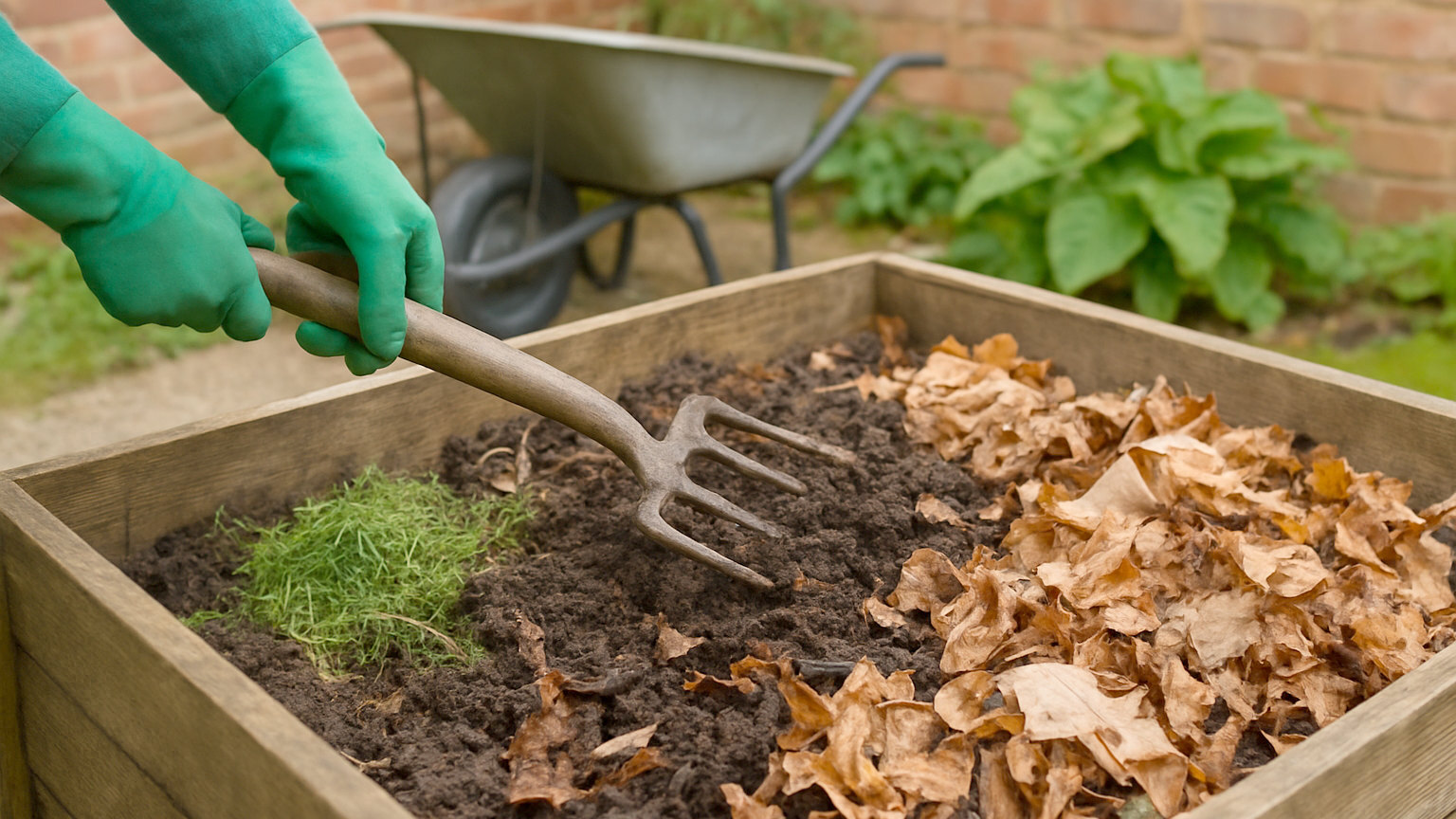
A smelly heap has too much green and no air; a dry one has too much brown. Reading what a compost bin is doing wrong, and correcting it.
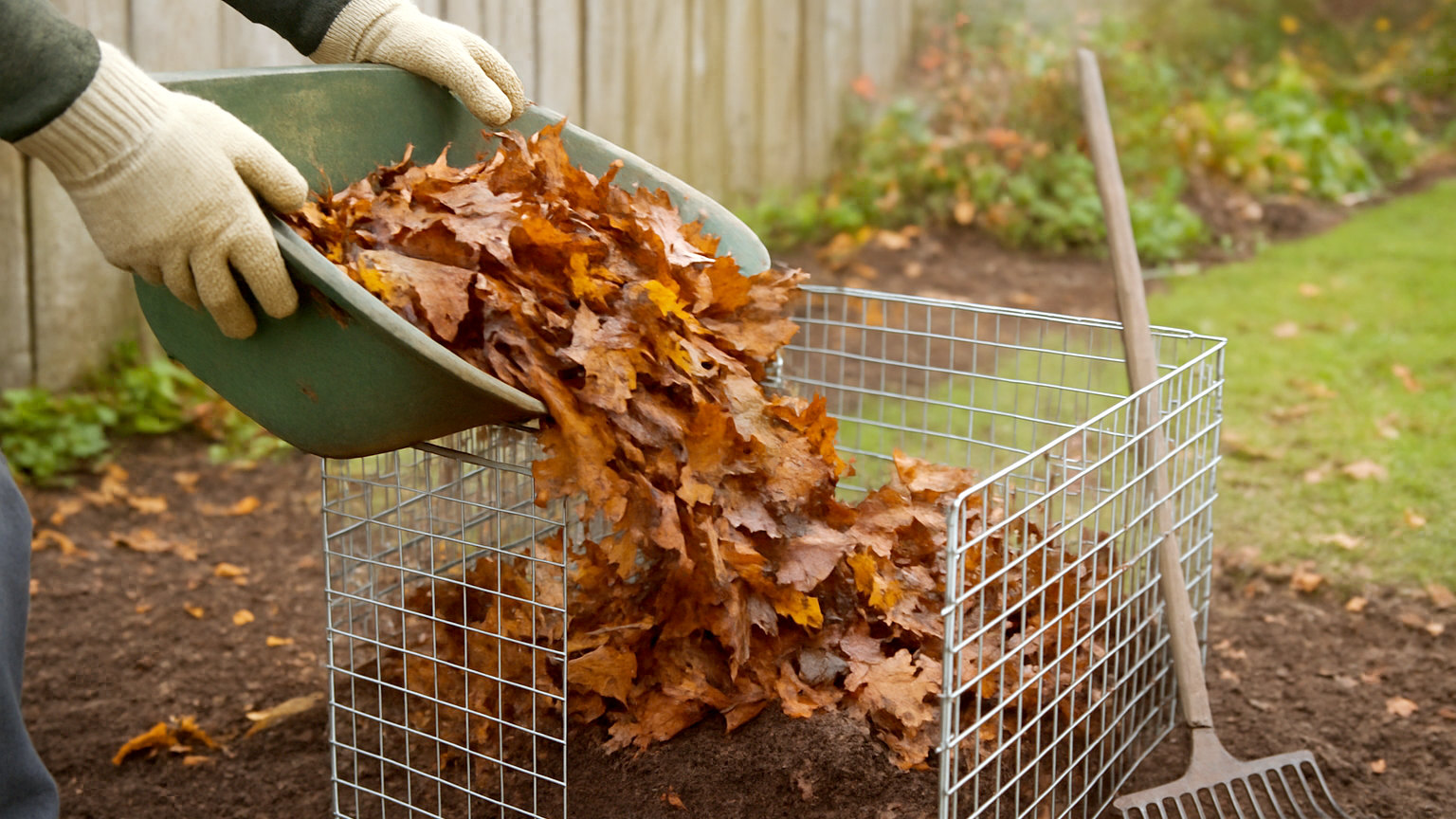
Leaves rot by a different process from compost and need nothing but time and a container. Why it is worth the wait, and what to use it for.
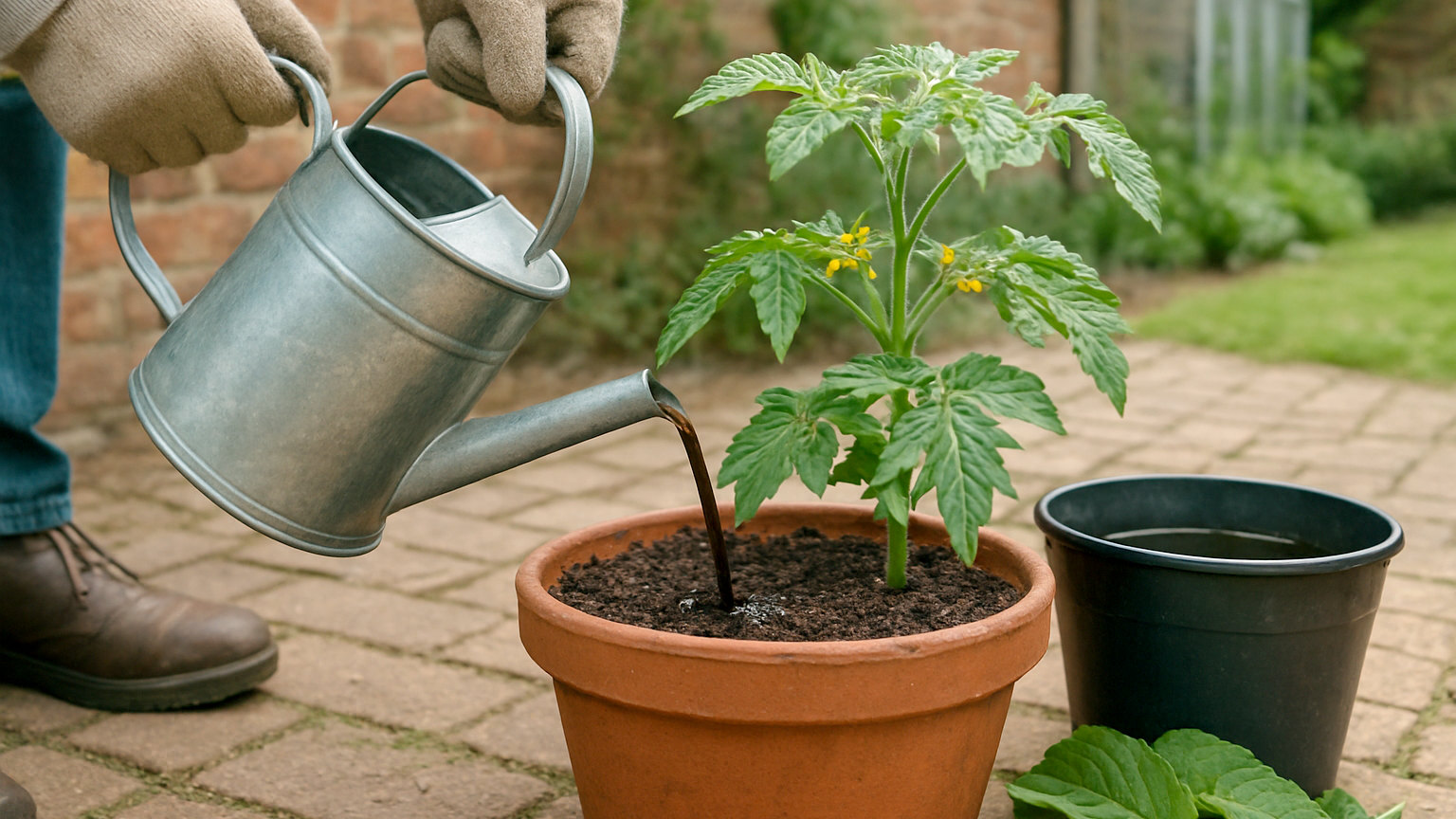
Liquid feeds act within days, which makes them right for containers and quick corrections. Making comfrey and nettle feed, and using bought products properly.
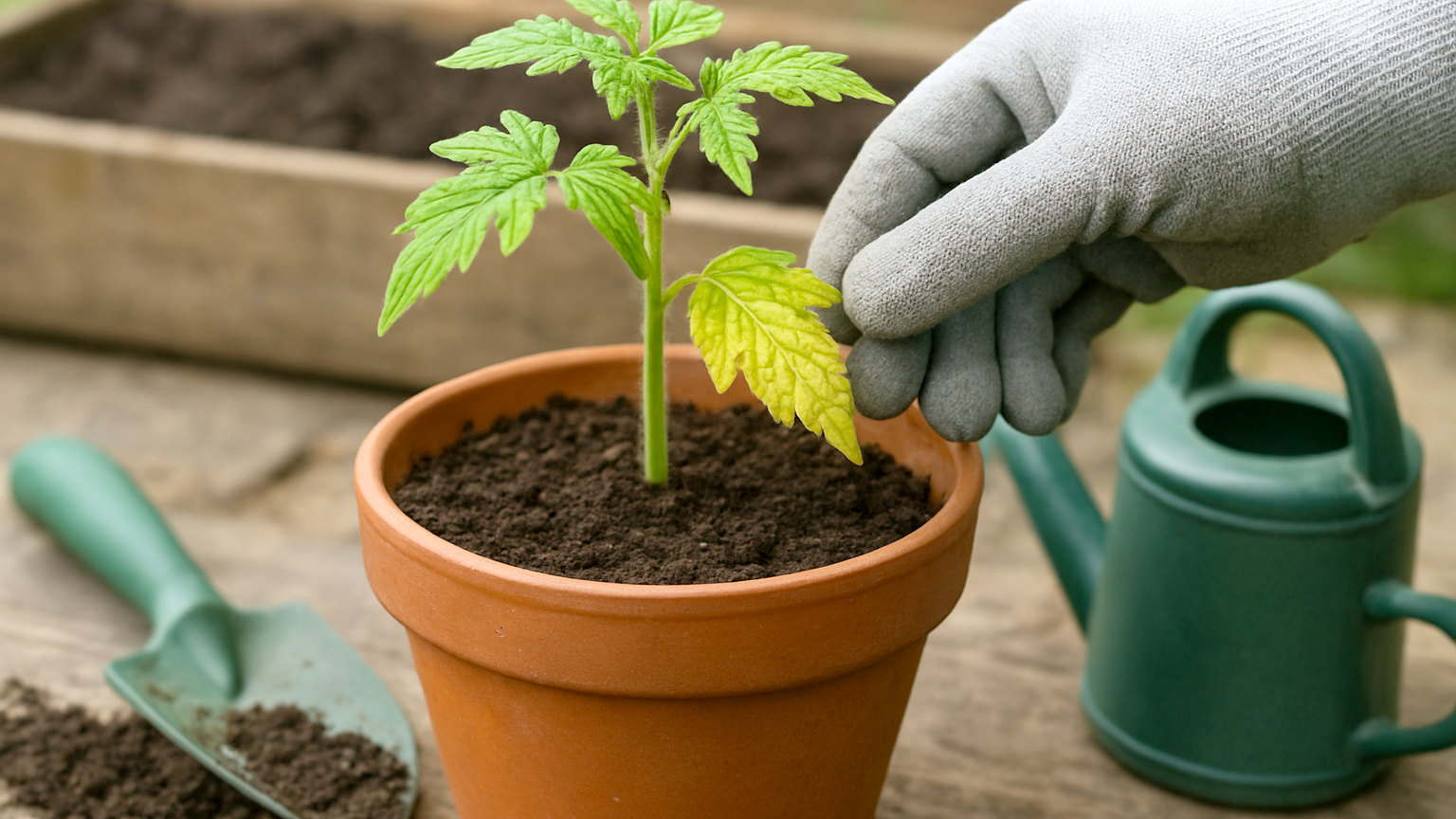
Whether the yellowing starts on old leaves or new ones narrows the diagnosis immediately. Reading the symptoms, and checking the obvious causes first.
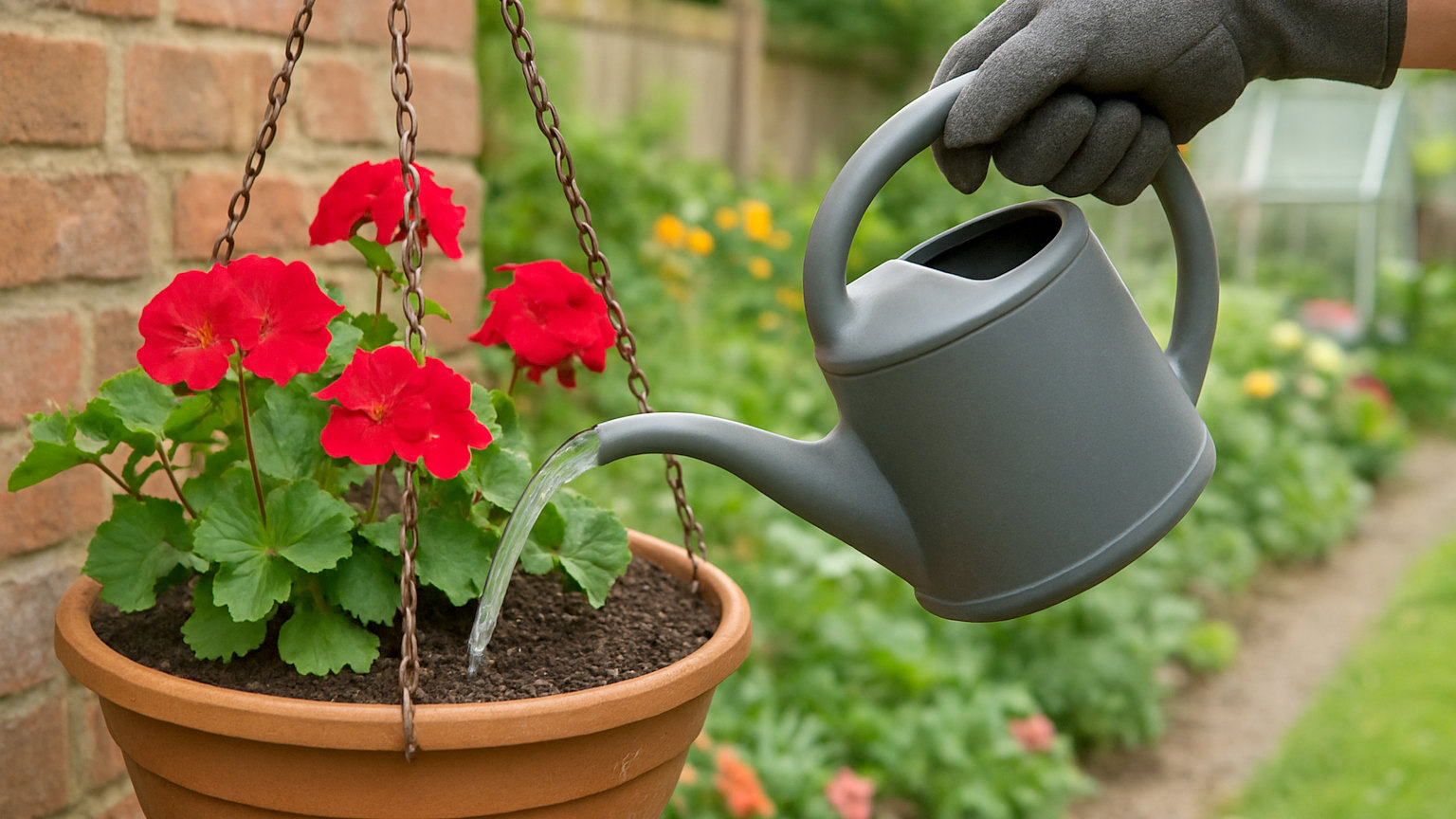
Compost runs out of nutrients in about six weeks, and after that the plant depends entirely on you. What to feed, how often, and the mistakes that scorch roots.
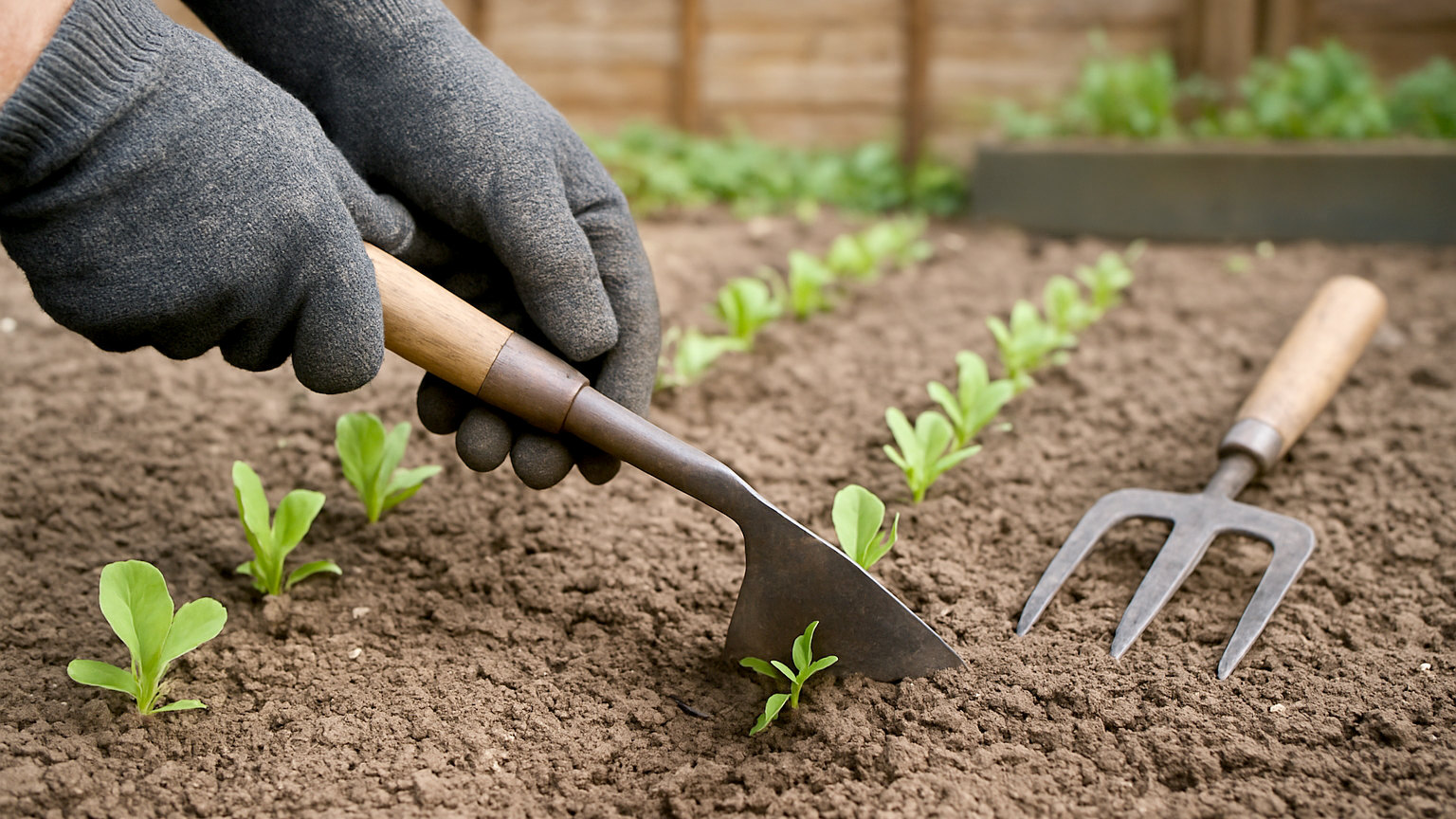
A hoe used on a dry day on seedlings you can barely see is the most efficient tool in the garden. Technique, timing, and when hands are the only option.
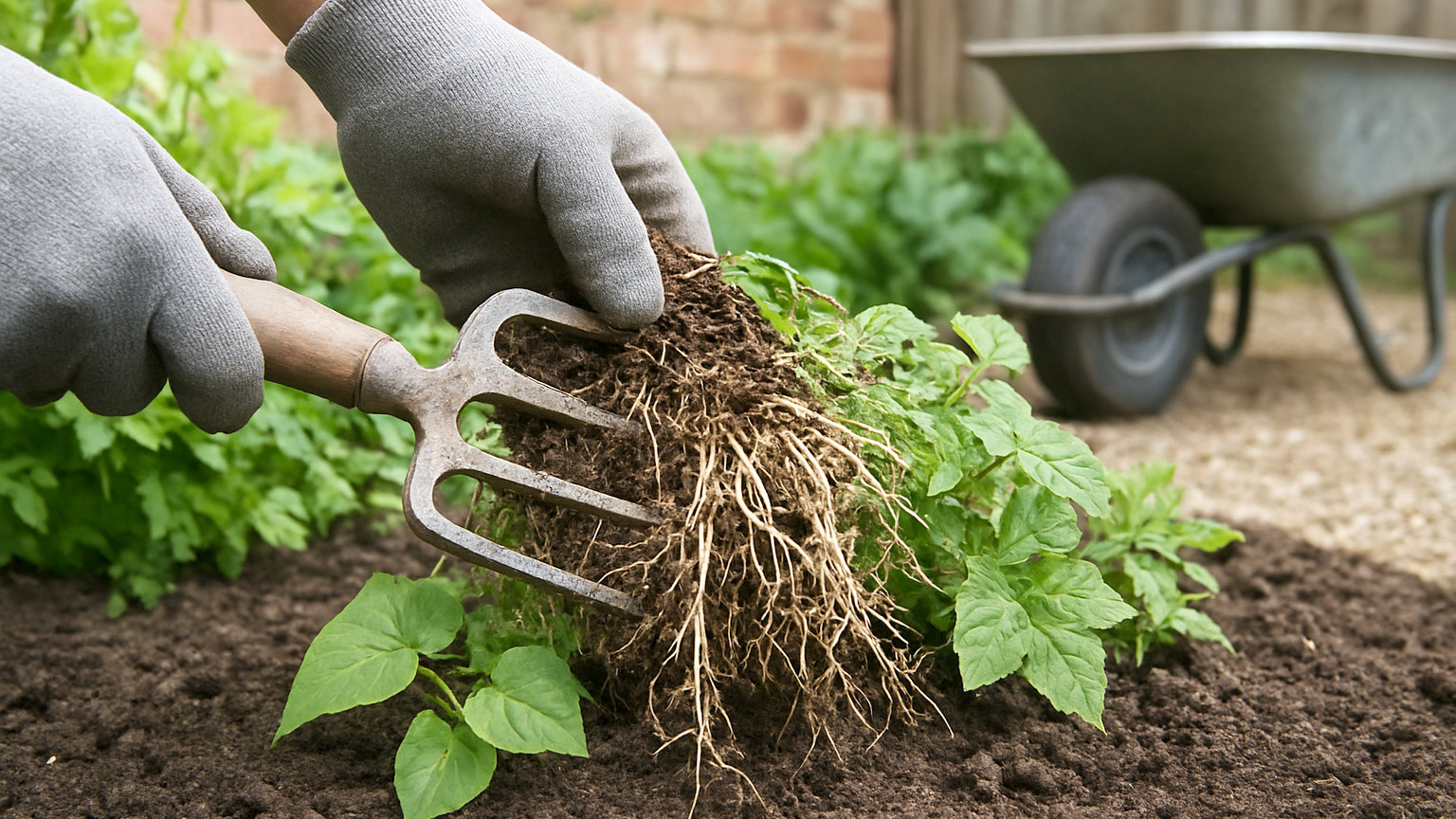
Both regenerate from root fragments, which is why digging half-heartedly makes them worse. The methods that work, and why clearing before planting matters most.
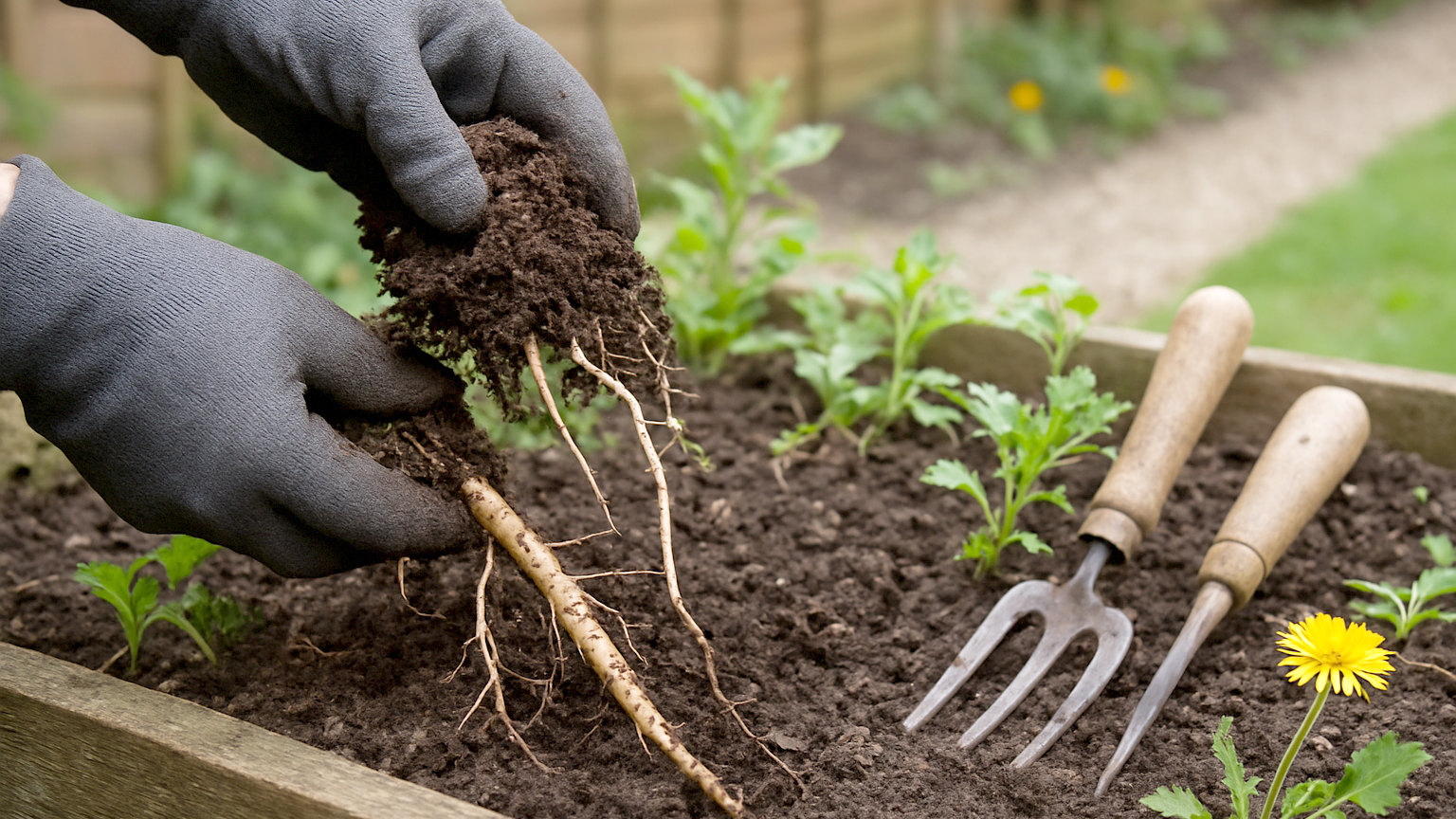
Couch spreads by runners, docks and dandelions by taproots that regrow from any piece left behind. Removing each properly, and getting the timing right.
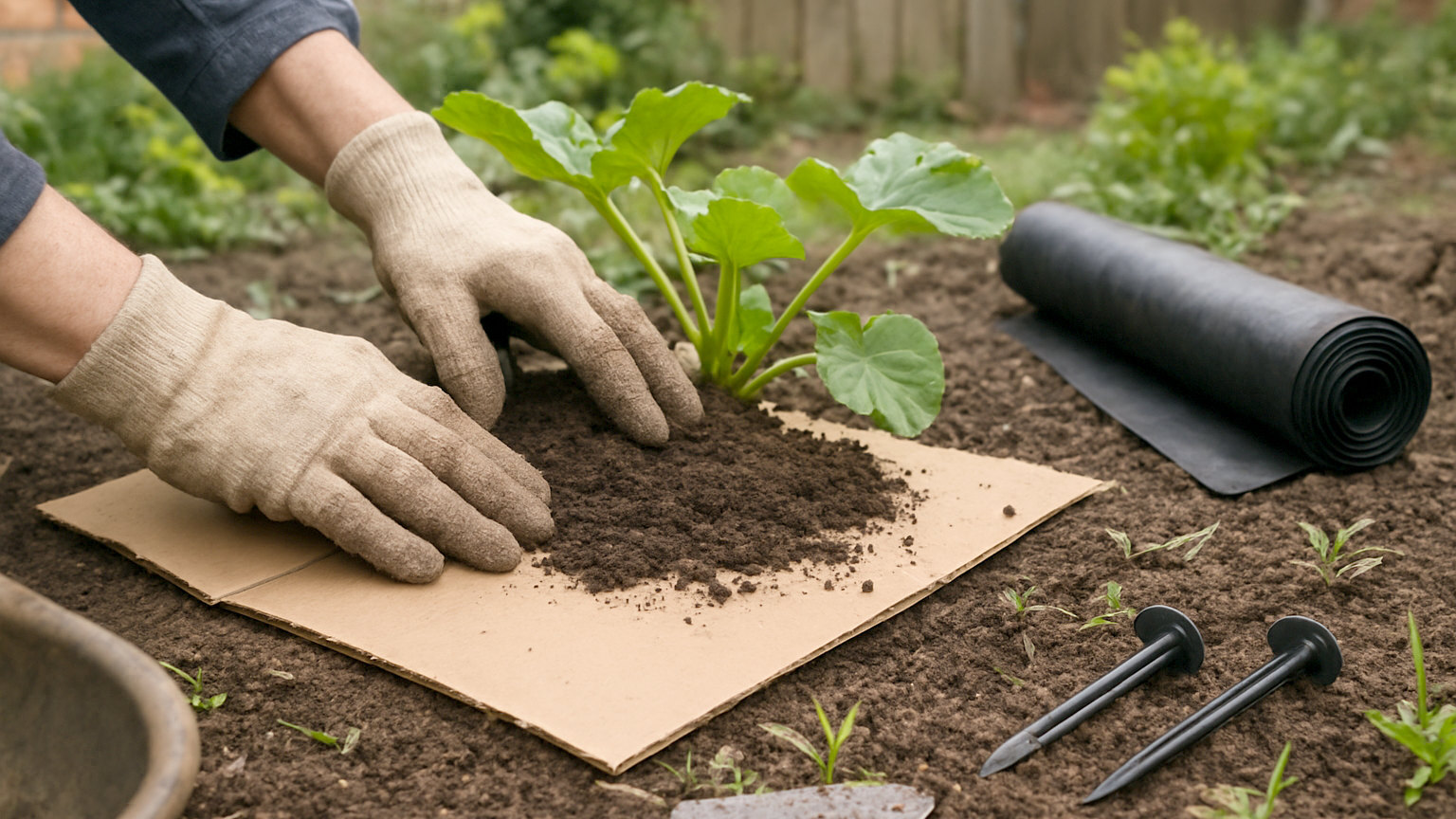
Cardboard rots away and improves the soil; plastic membrane lasts and eventually causes problems of its own. Where each belongs, and the common mistakes.