How to Plan a Garden From Scratch
Before any planting, work out where the sun falls, where people walk and where they will sit. A practical order of work for designing a garden that suits how you actually use it.
A garden design is mostly a set of decisions about where people walk, where they sit and what they look at, and the planting comes last. These guides cover the planning first, then the projects themselves - path, patio, bed, fence, pond - with the materials, the rough costs and the parts that are genuinely worth paying someone else to do. Small, shady, sloping and rented gardens get proper coverage rather than a paragraph at the end.
Before any planting, work out where the sun falls, where people walk and where they will sit. A practical order of work for designing a garden that suits how you actually use it.
A scale drawing takes an afternoon and prevents expensive mistakes. How to measure an irregular plot accurately, what to record, and how to test ideas on paper.
Aspect decides what will grow and where you will want to sit, and it changes through the year. How to read your garden's light before choosing a single plant.
Structure first, then seasons, then colour. Building a border that has something happening in every month, and why planting in odd numbers actually works.
A narrow strip against a fence cannot hold a layered planting, which is why so many borders disappoint. The depth to aim for, and how far apart things really go.
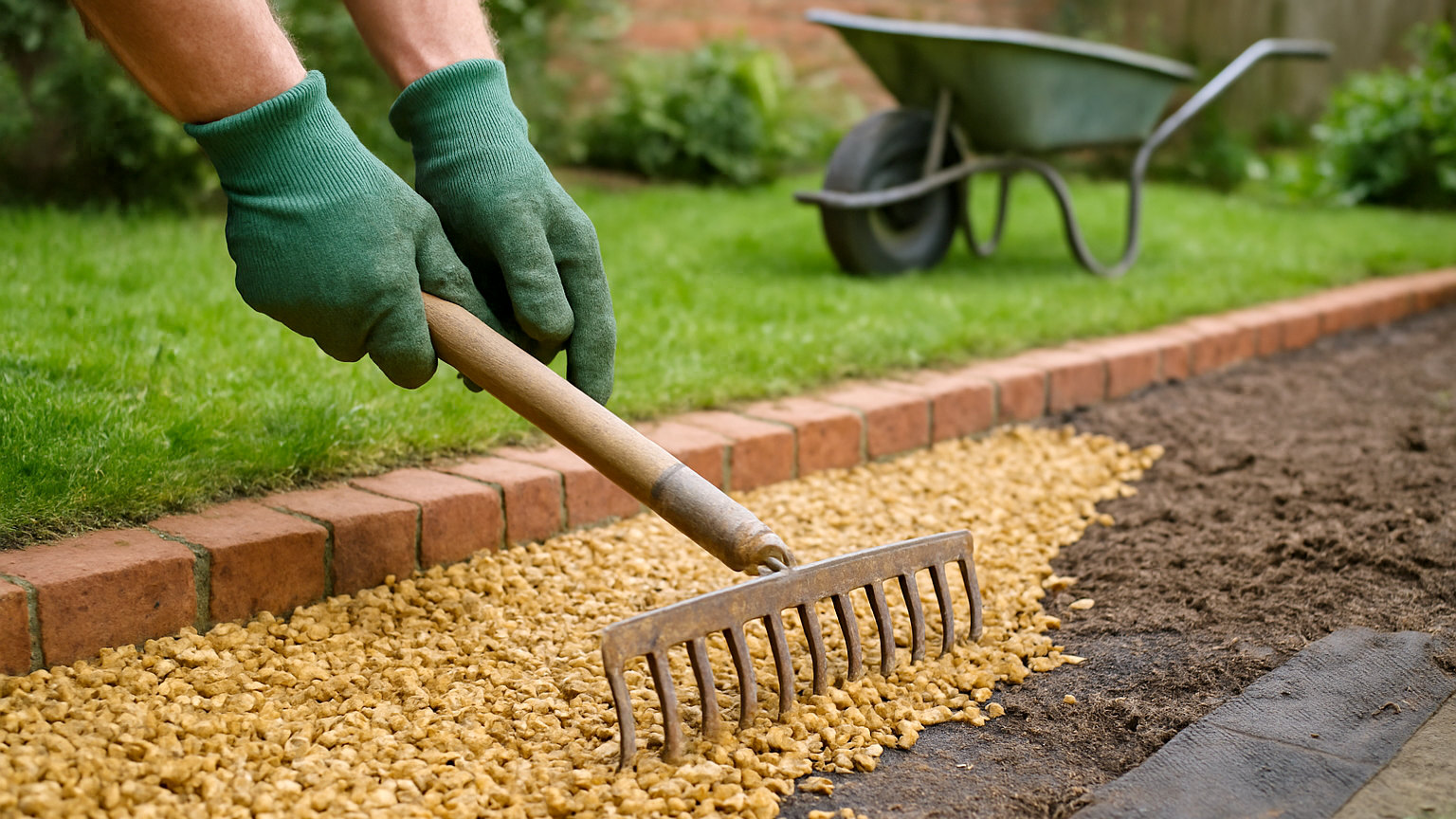
The cheapest hard surface in the garden, and the one most often laid badly. Sub-base, edging, membrane and the type of gravel that stays where you put it.
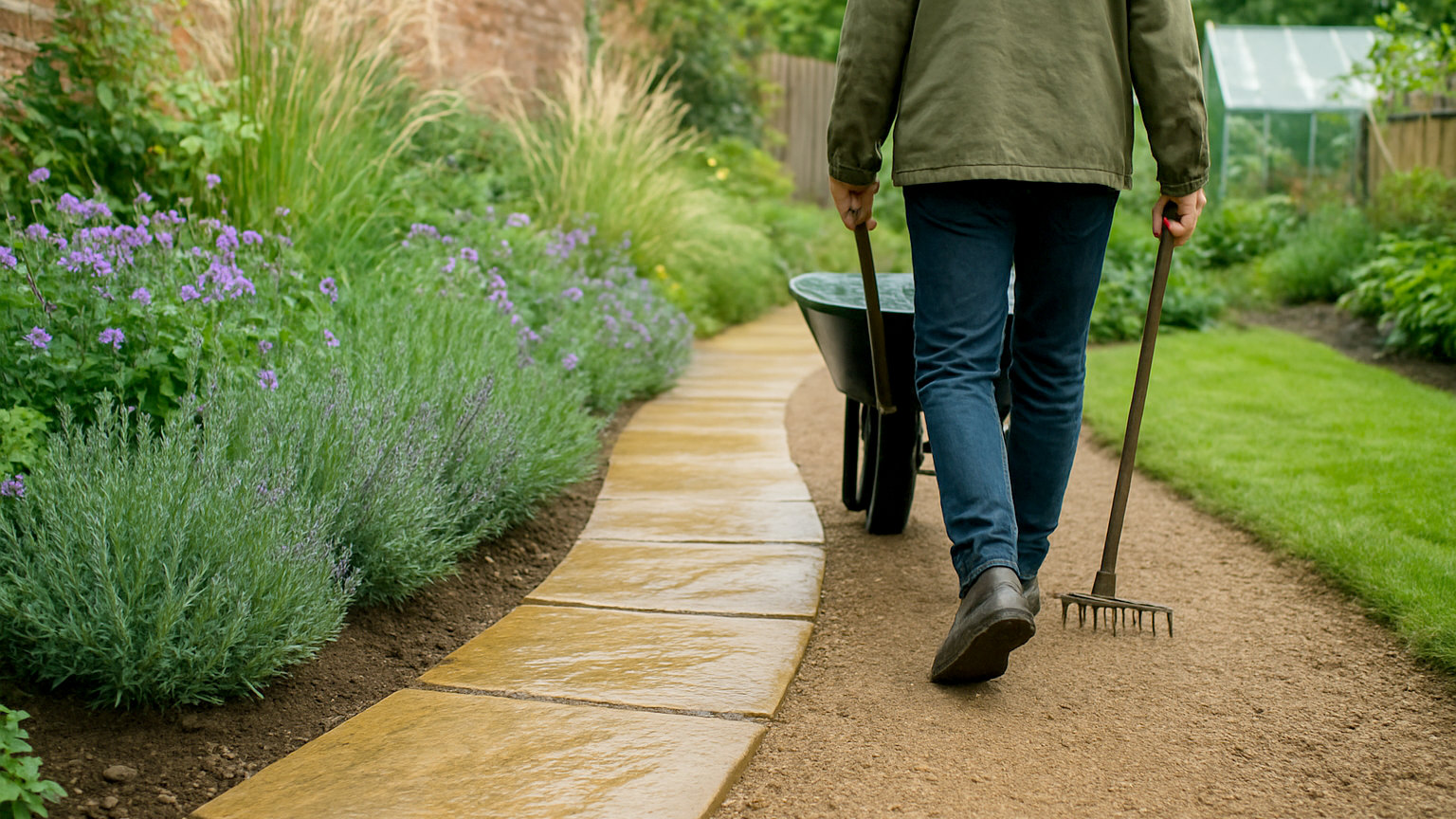
Paths that ignore where people actually walk simply get walked around. Choosing the route, the widths that work, and how each material behaves once it is wet.
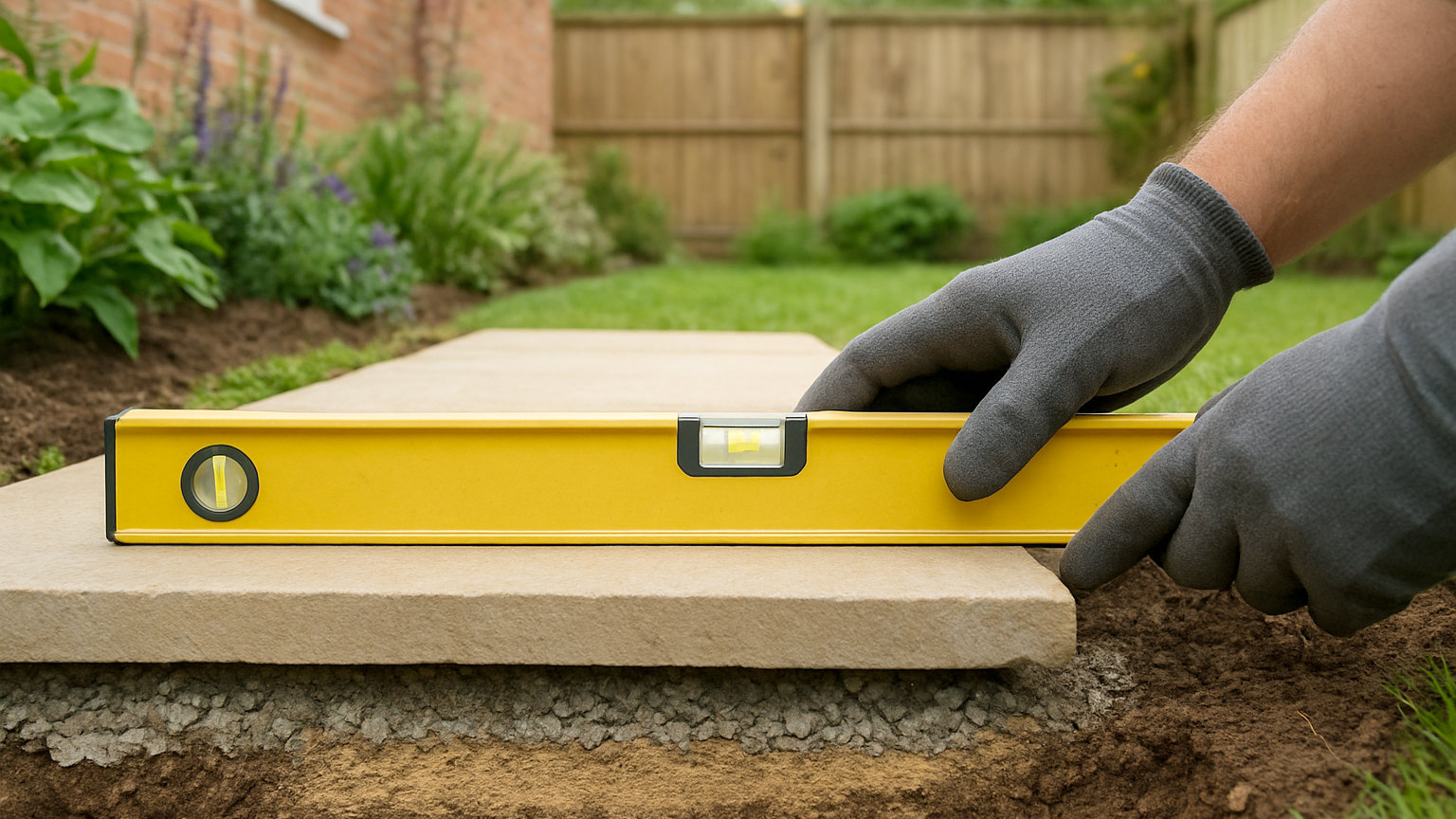
Two measurements decide whether a patio lasts: the depth of the sub-base and the fall away from the house. Sizing it properly, and the damp proof course rule.
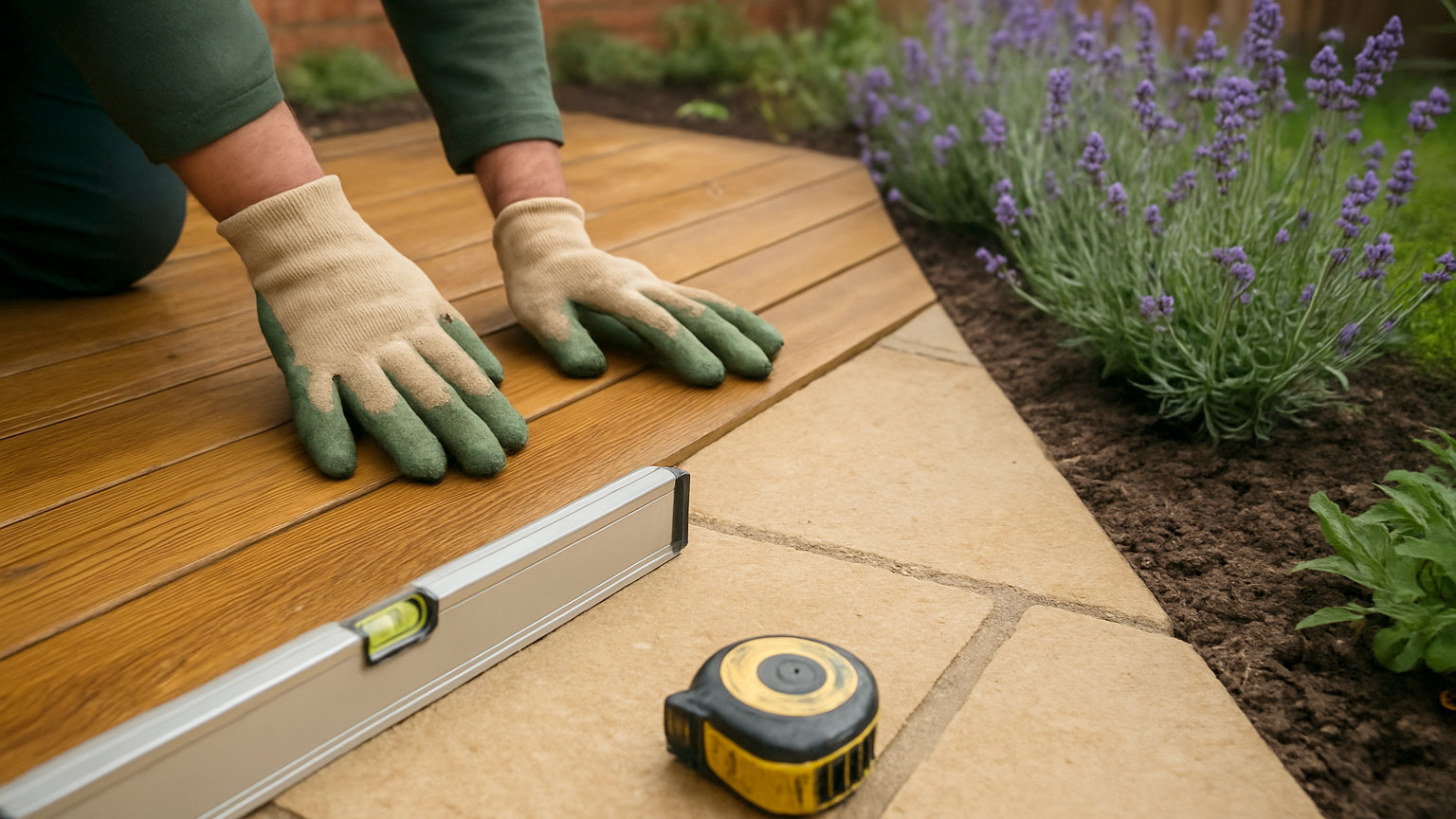
Decking suits a sloping site and a warm surface underfoot; paving lasts longer and needs almost nothing. An honest comparison, including the slip problem.
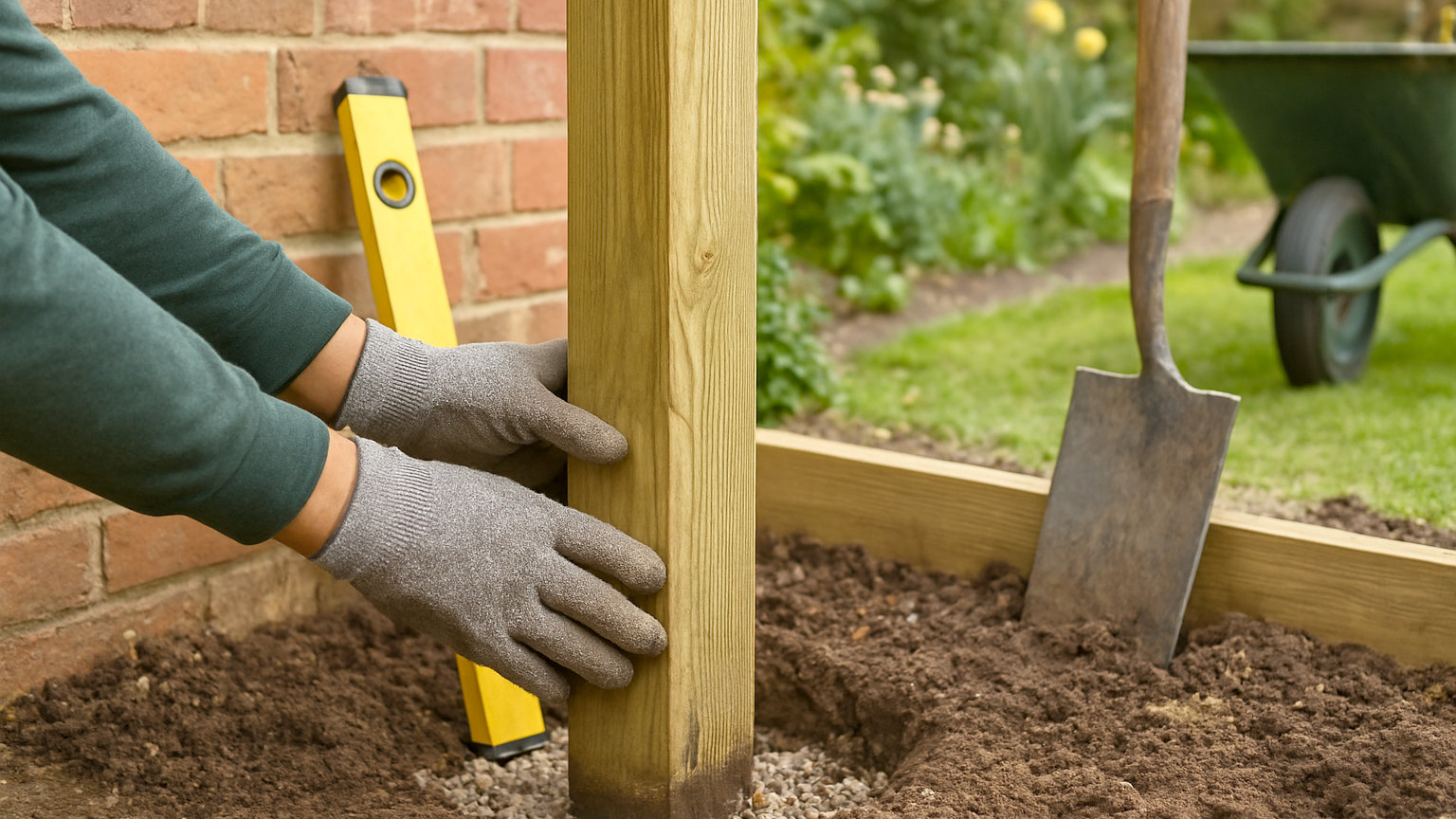
Fences almost always fail at the post, just below ground level. Concrete against timber, why a post should not sit in a bucket of concrete, and gravel boards.
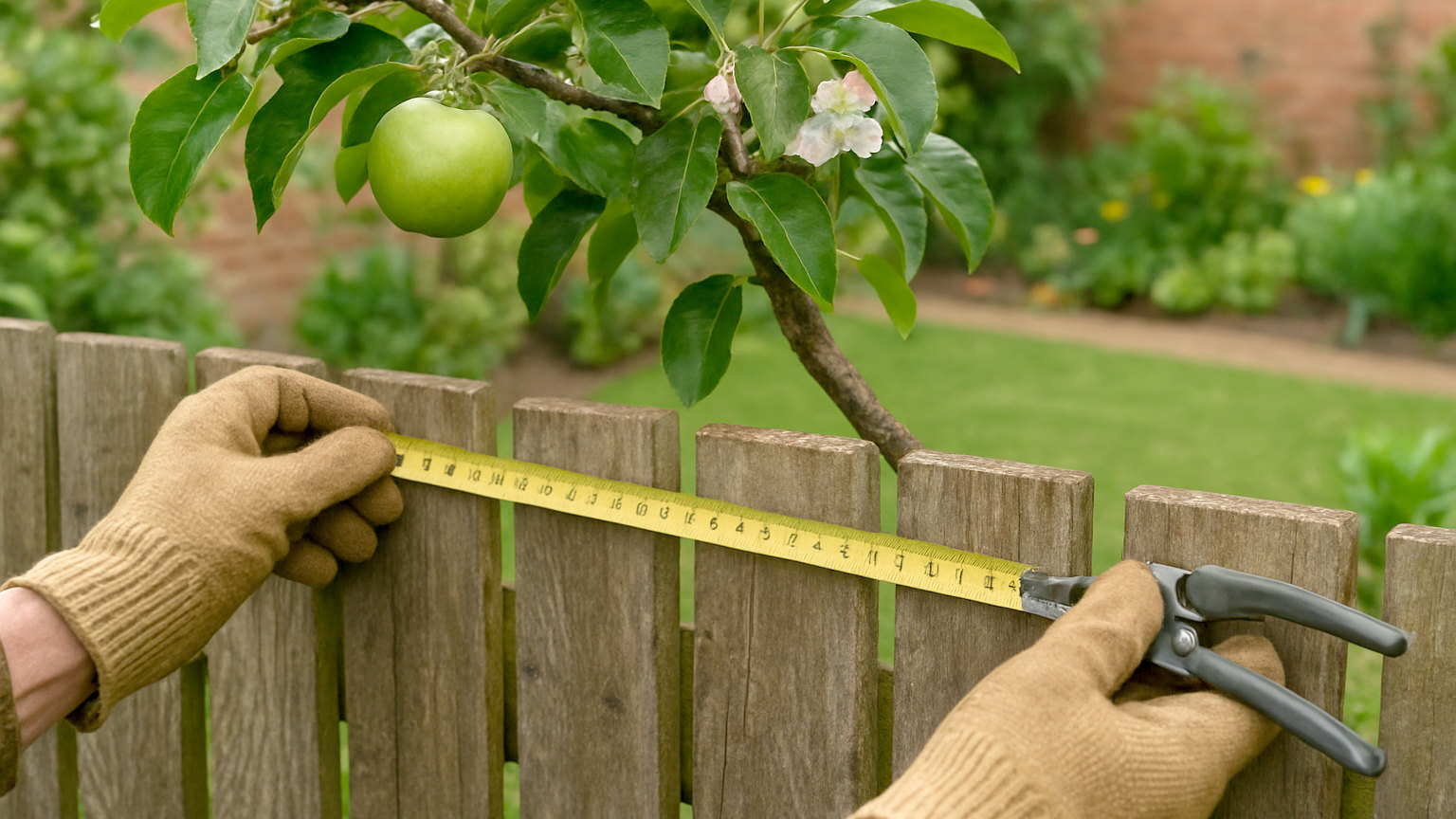
The rule that you own the fence on the left is a myth with no legal basis. How to find out which boundary is yours, and what you can do about an overhanging branch.
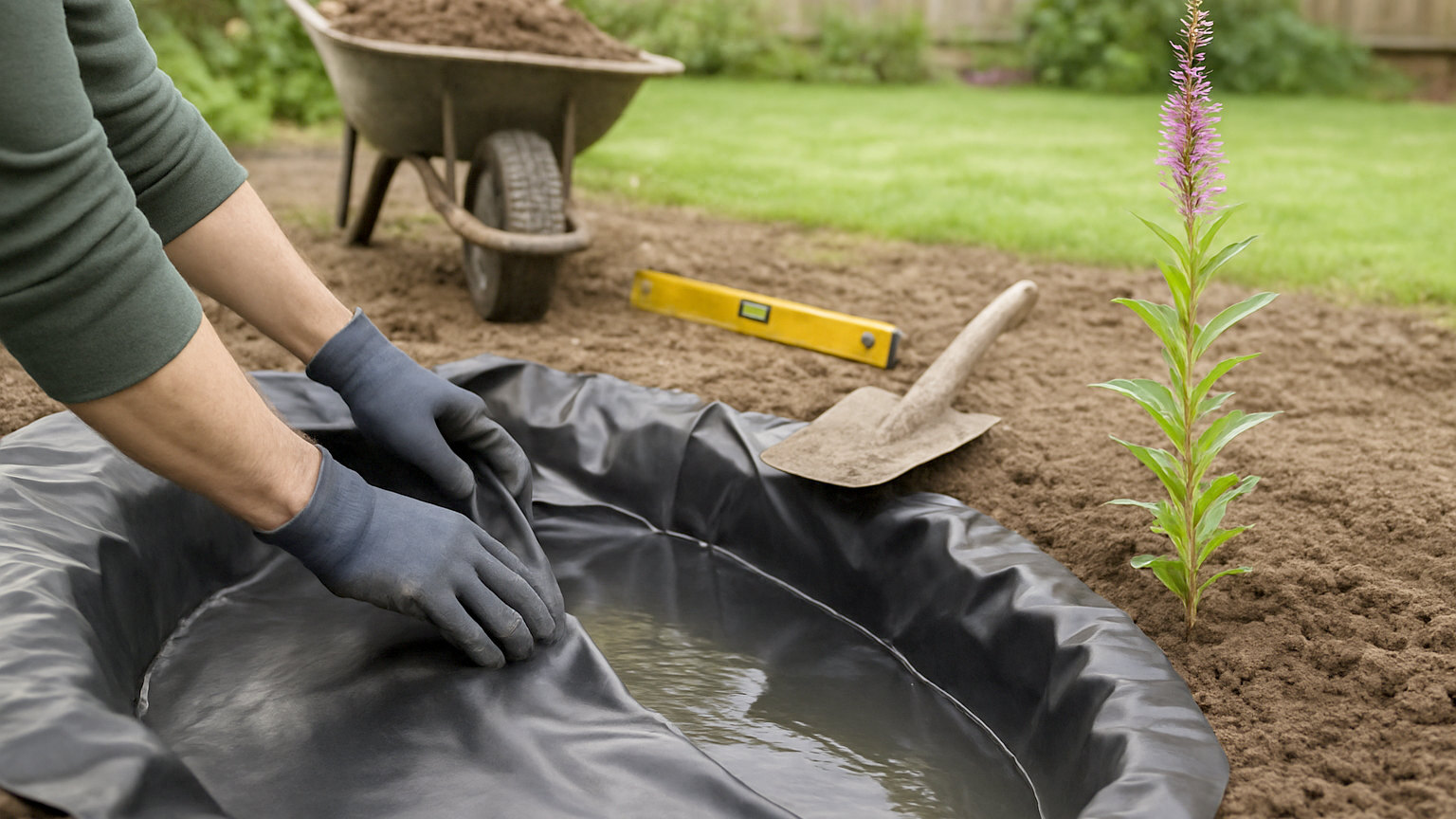
The single most effective thing you can do for garden wildlife, and it needs no pump or filter. Siting, profile, liner, planting, and the safety question first.