Growing Vegetables in Pots
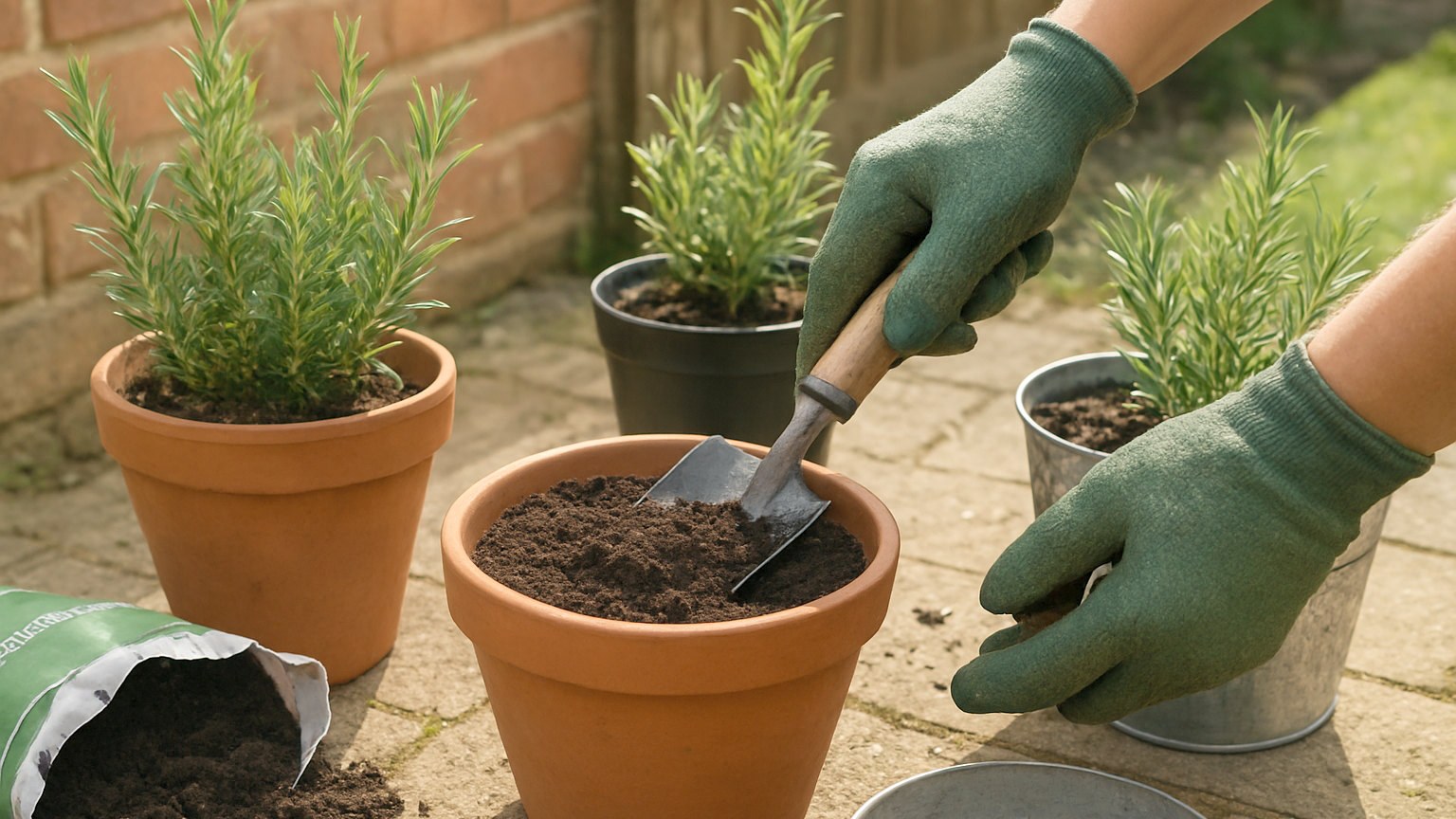
Pot size is the thing people get wrong, and it decides everything else. Which crops genuinely work in containers, what depth each needs, and how to water and feed them.
Growing without a plot - pot sizes that actually work, compost, drainage, and building a raised bed that lasts.
Pot size is the thing people get wrong, and it decides everything else. Which crops genuinely work in containers, what depth each needs, and how to water and feed them.
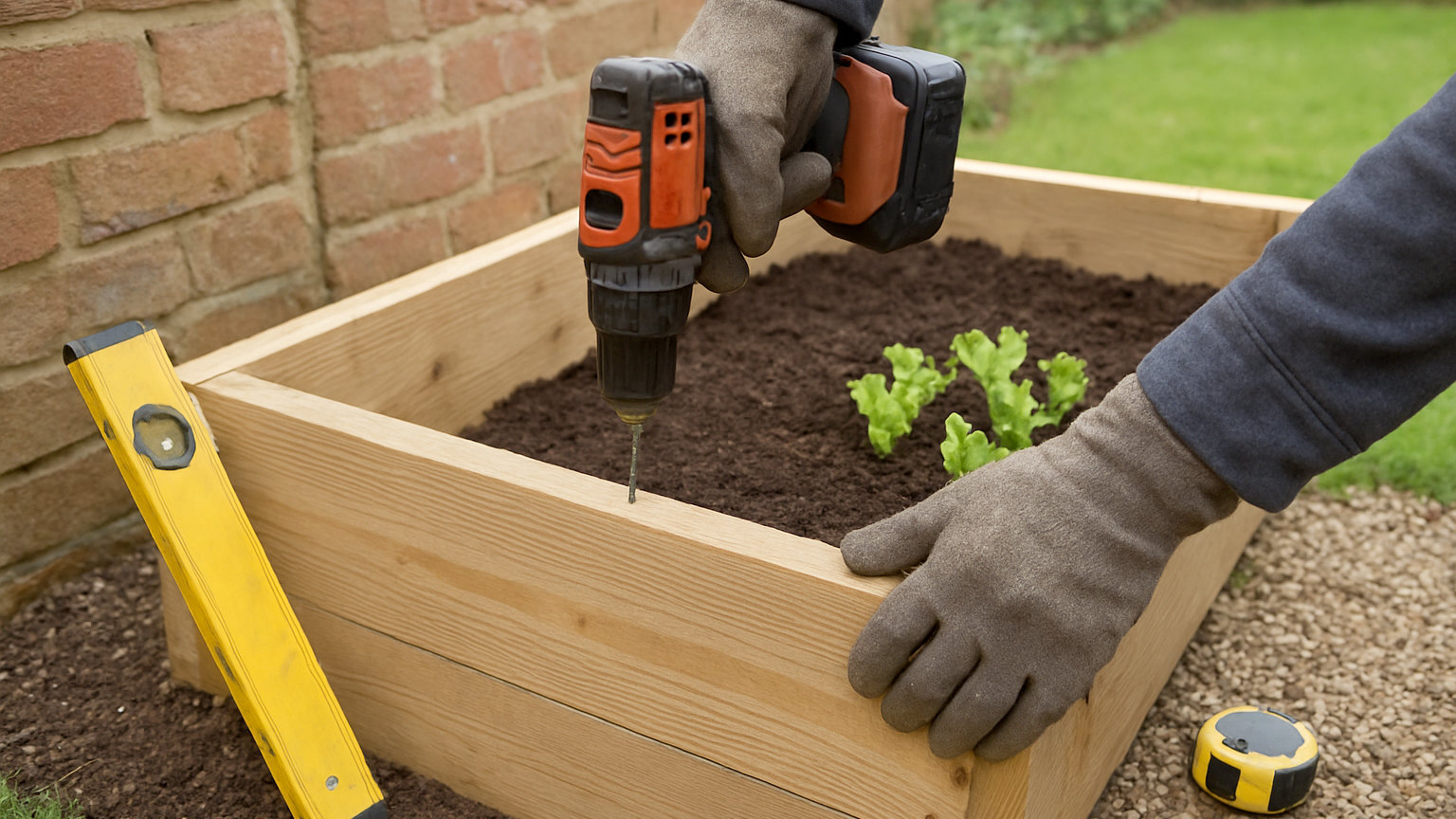
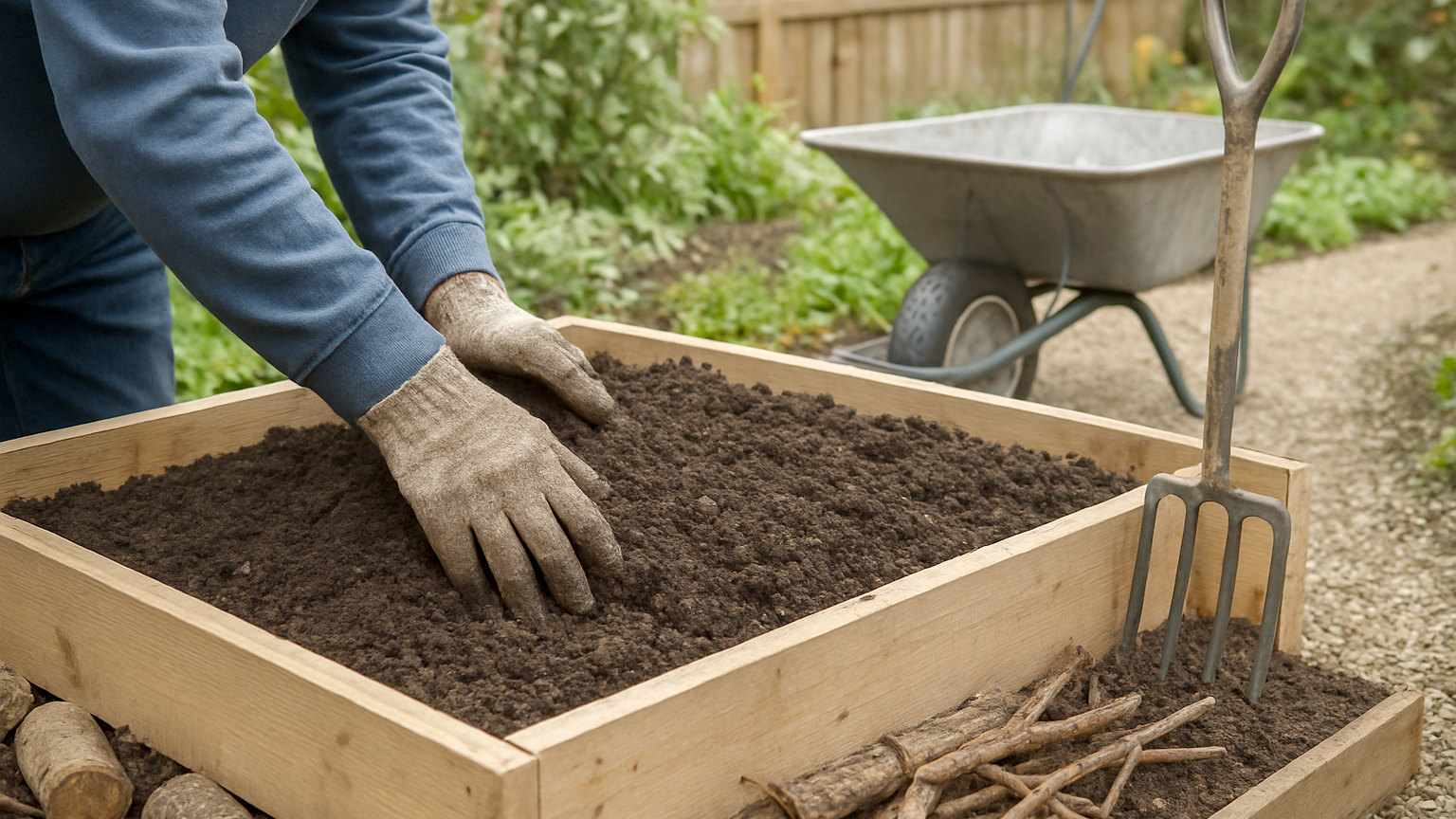
A raised bed solves bad soil, poor drainage and awkward access in one move. Sizing it so you can reach the middle, choosing timber, and what to fill it with.
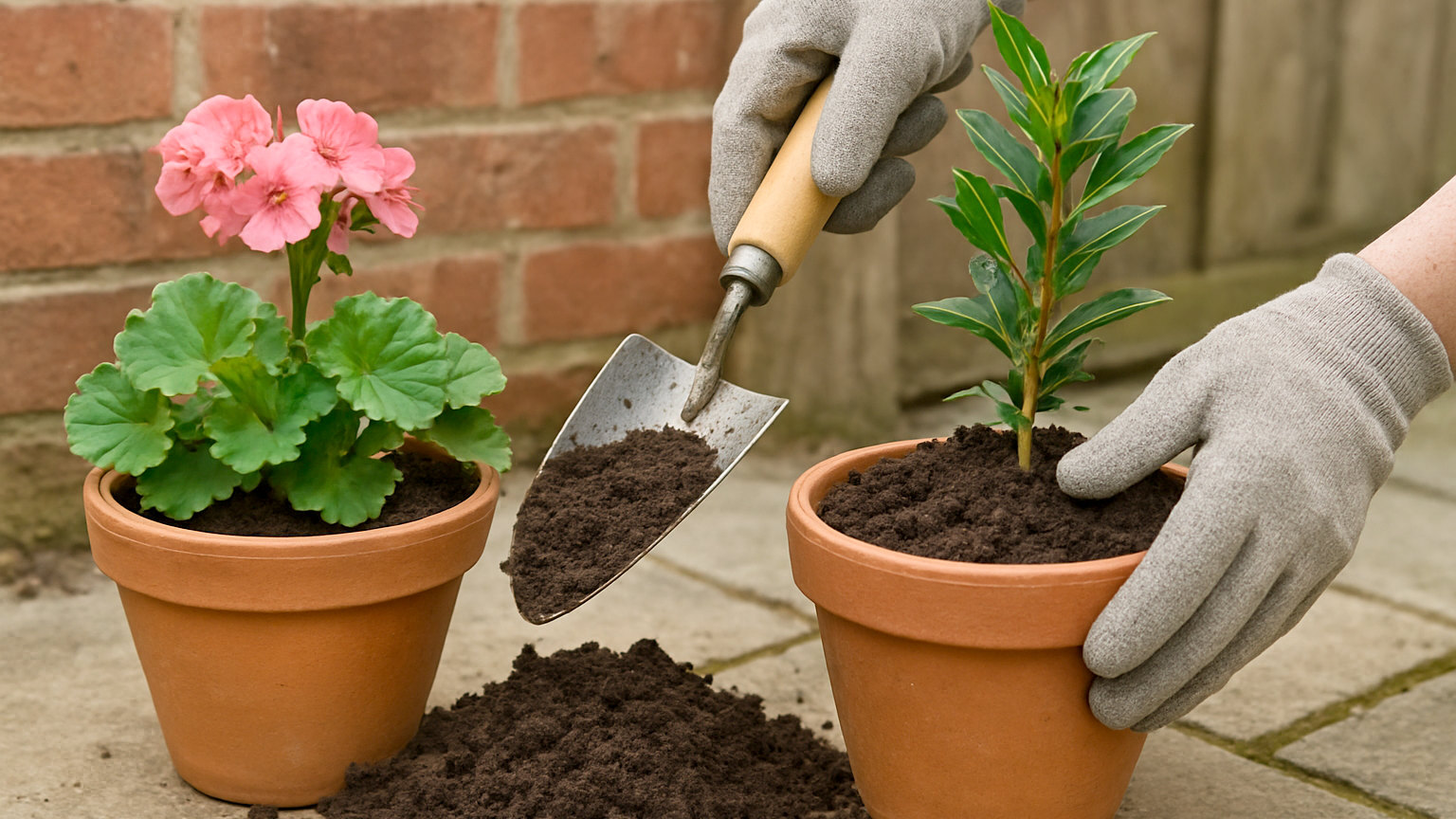
Multipurpose suits a season and soil-based suits years, and using the wrong one is why some pots dry out daily. What each type is for, since peat went.
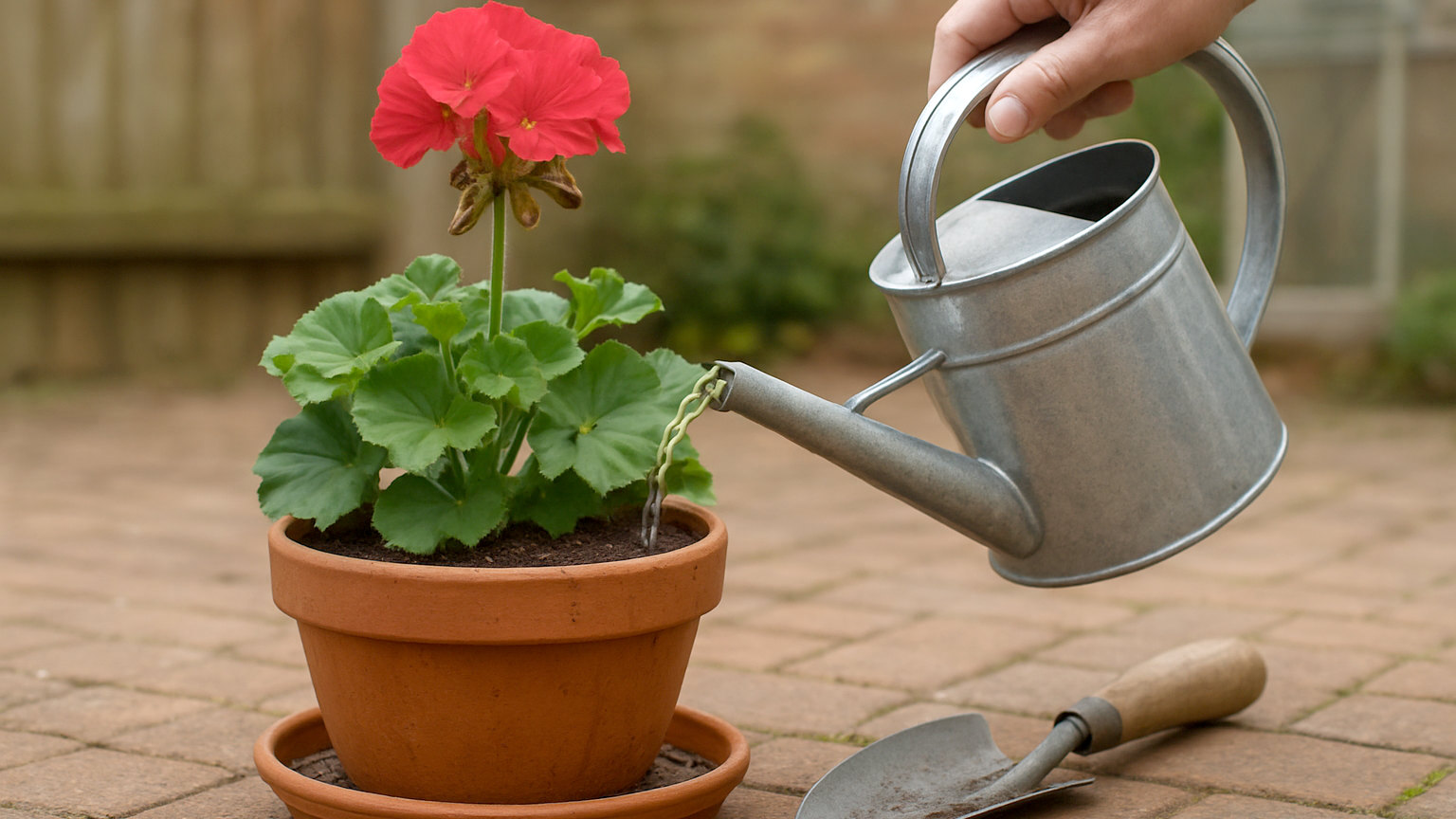
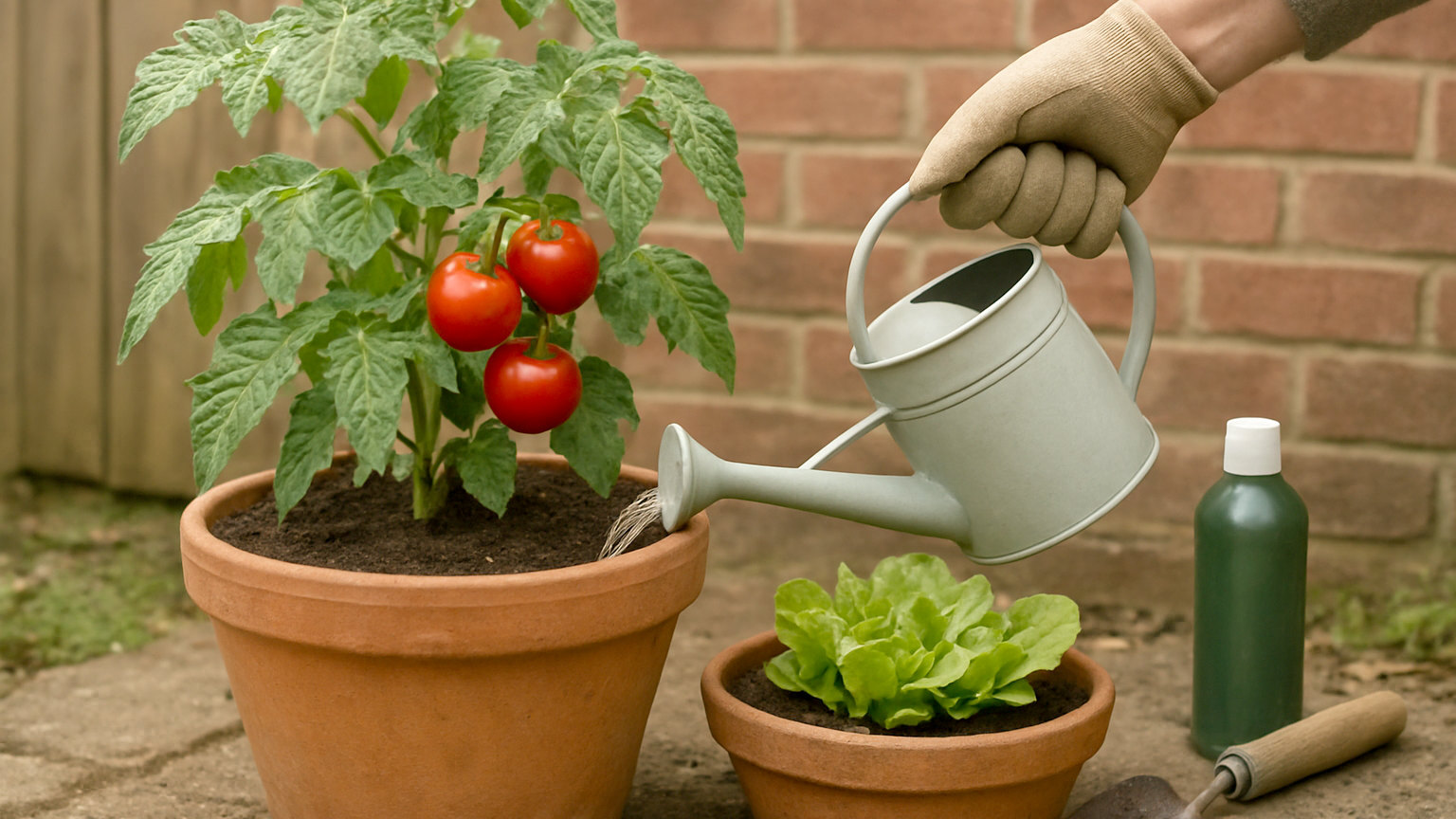
A pot has no reserve to draw on, so consistency matters more than volume. How to tell when it needs water, how much to give, and covering a fortnight away.
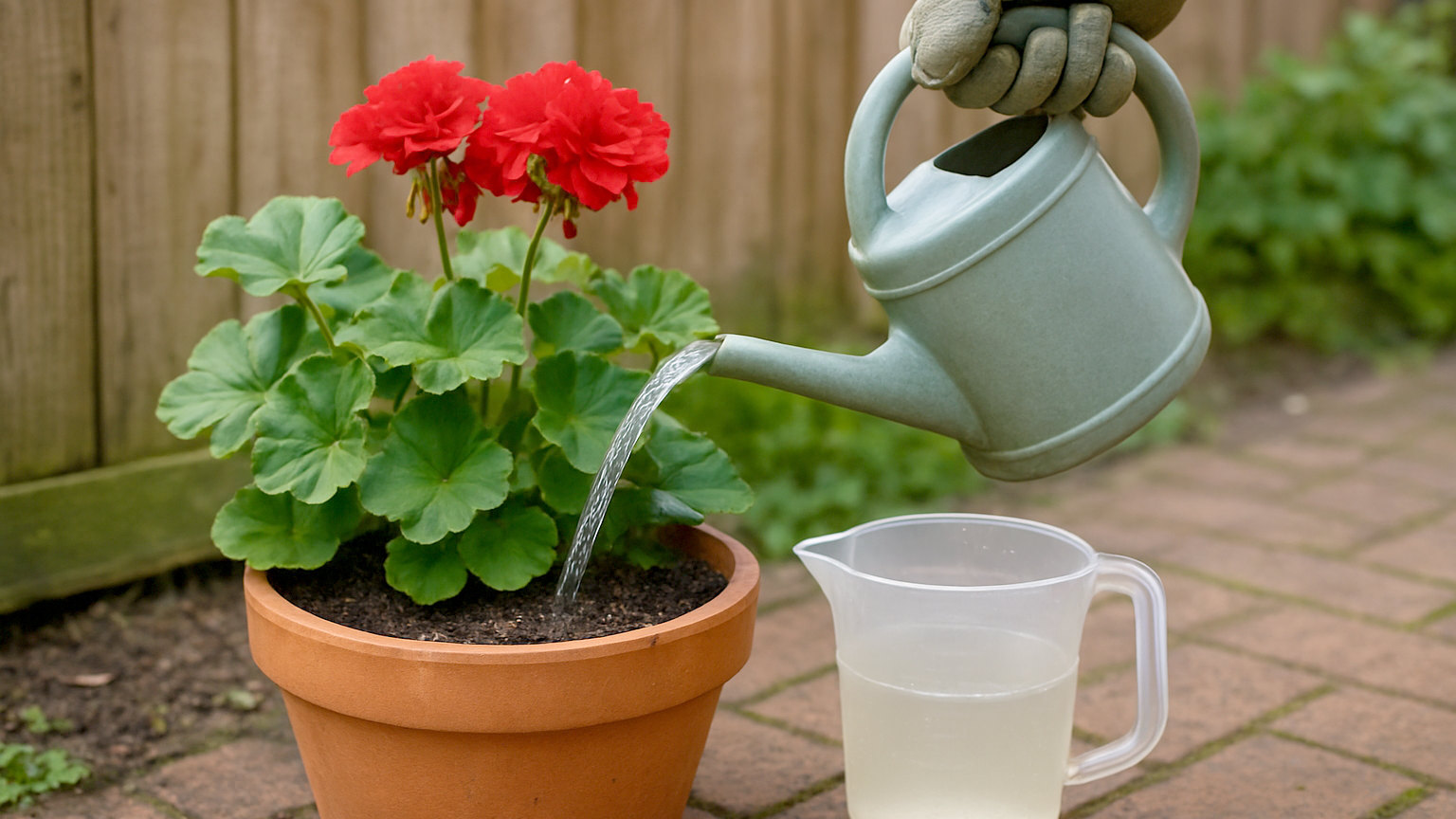
Fresh compost feeds a plant for about six weeks and then the plant depends on you. Which feed for which stage, how often, and the signs of getting it wrong.
Terracotta dries fast, plastic holds water and metal cooks the roots. What each material does, why crocks are unnecessary, and getting the size right.
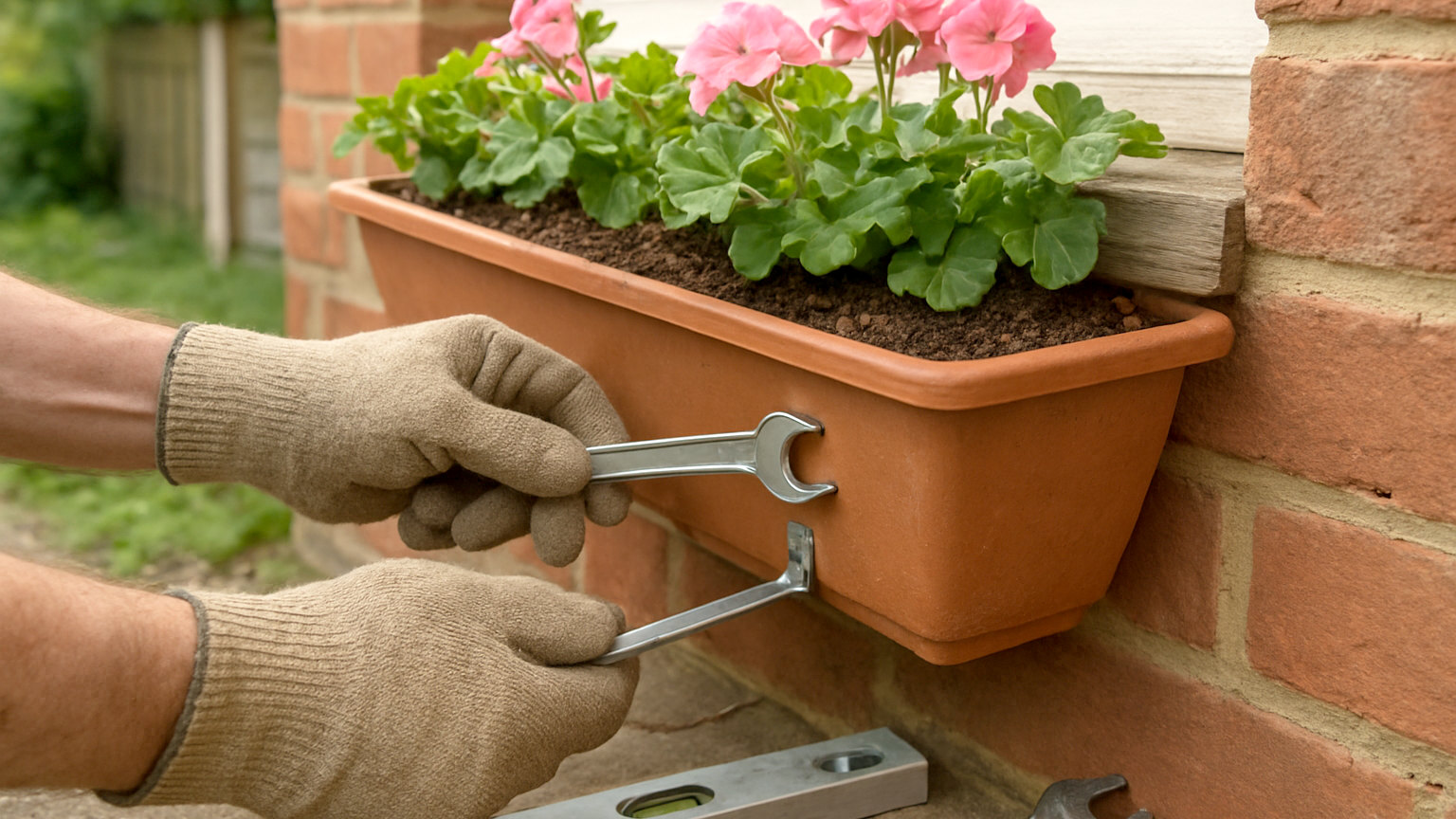
A windowbox on a sill above a pavement has to be fixed properly, and that comes before anything about plants. Depth, drainage, and what genuinely thrives.
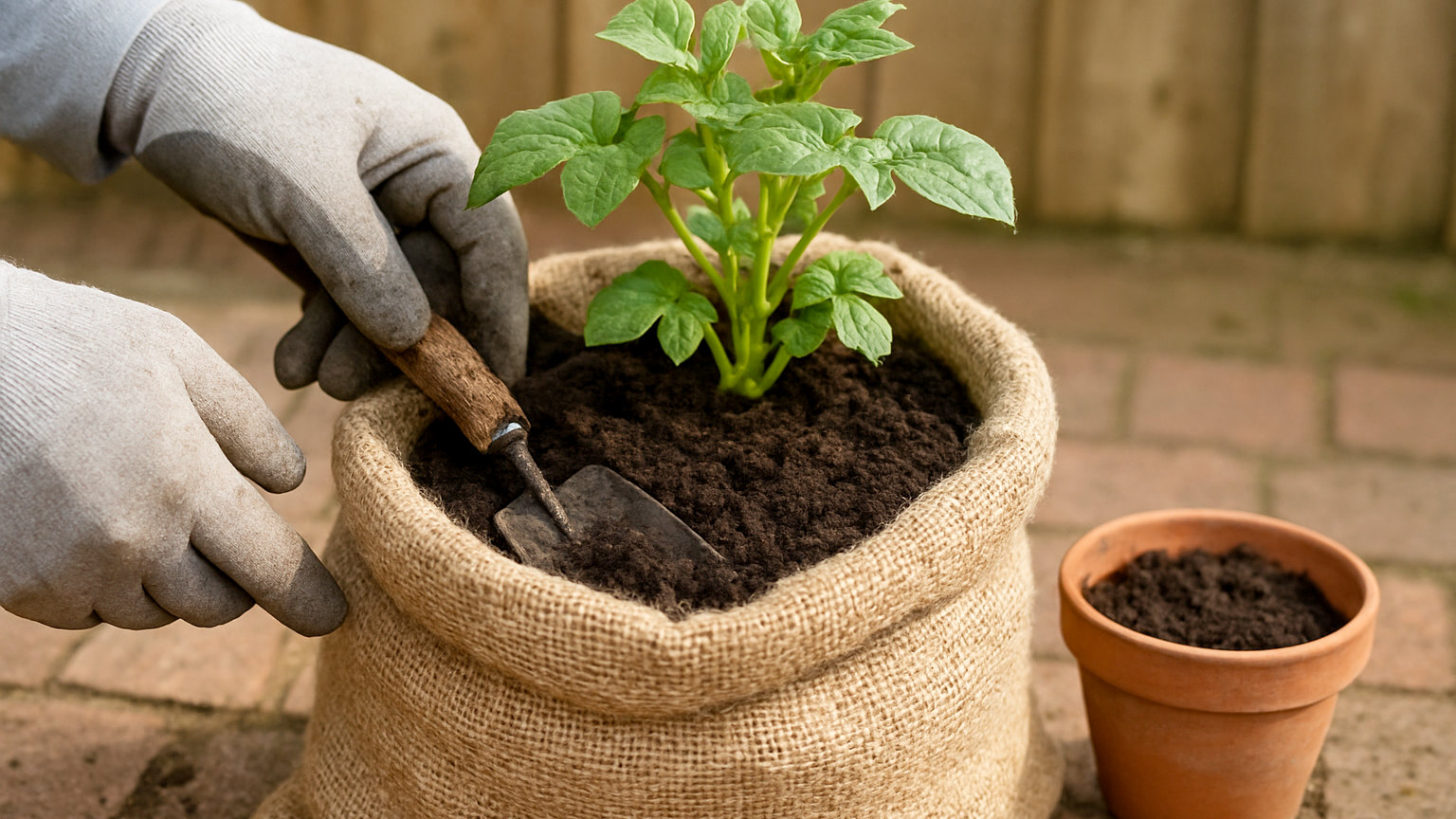
The easiest way to grow potatoes without a plot, and the easiest to let dry out. Bag size, how many tubers, adding compost as they grow, and tipping out.
Buying enough topsoil for a deep bed is expensive, and filling the bottom third with woody material solves it. Ratios, sourcing in bulk, and topping up.
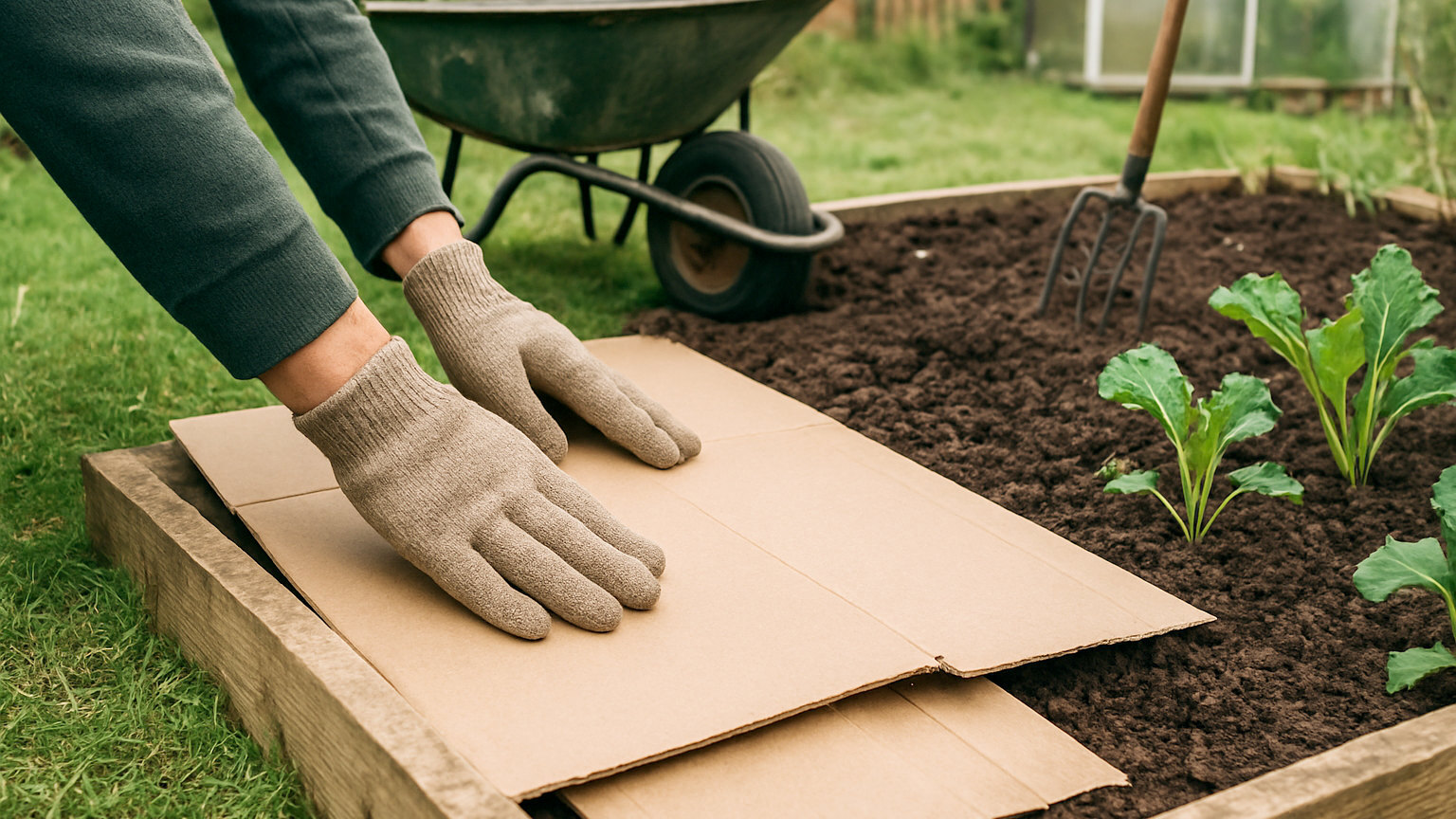
Cardboard and a thick layer of compost turns grass into a growing bed without digging anything. How it works, the first year, and the annual routine afterwards.
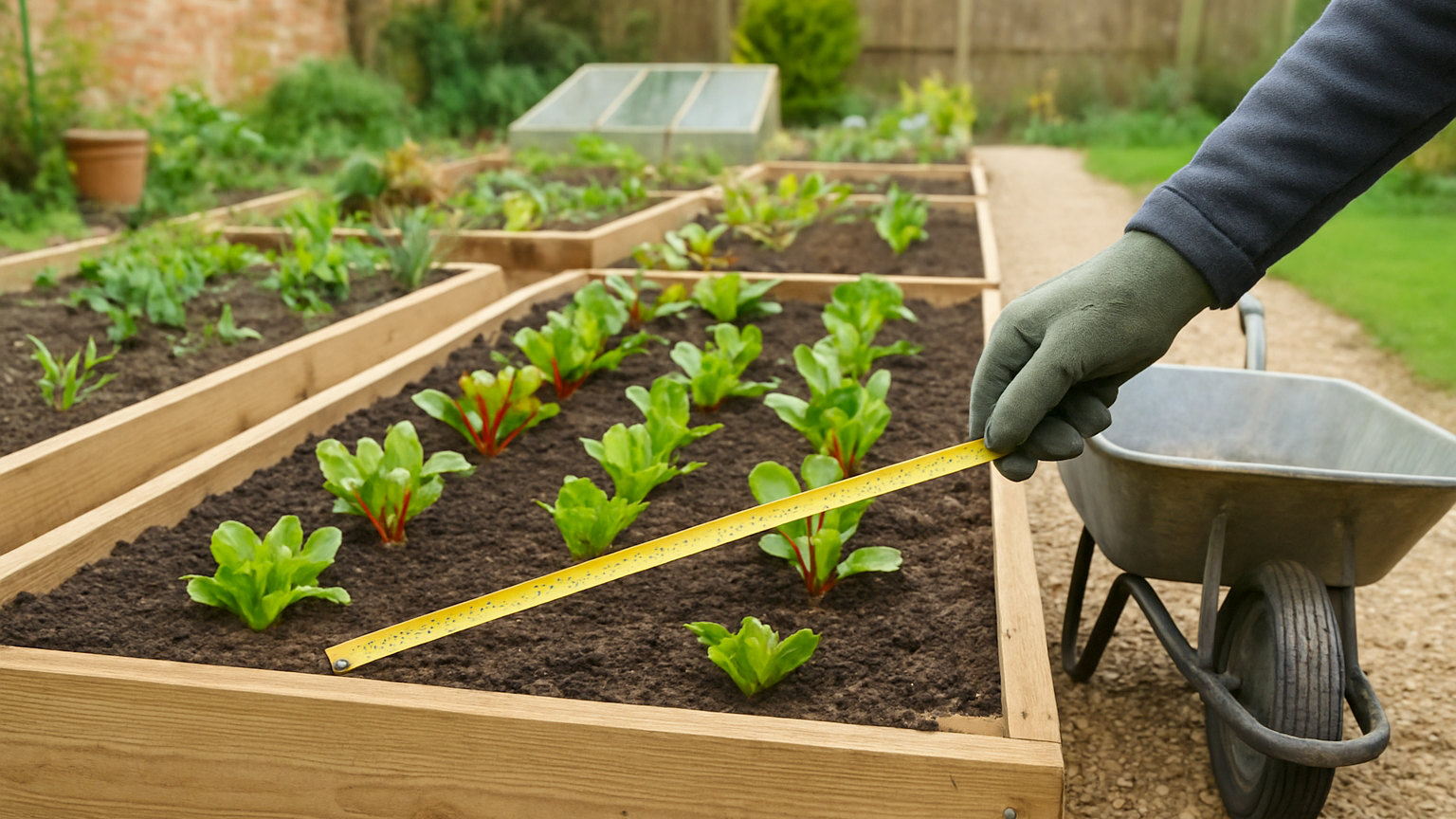
Bed width is set by your reach and path width by a wheelbarrow, and getting either wrong is difficult to correct later. Planning a set of beds properly.
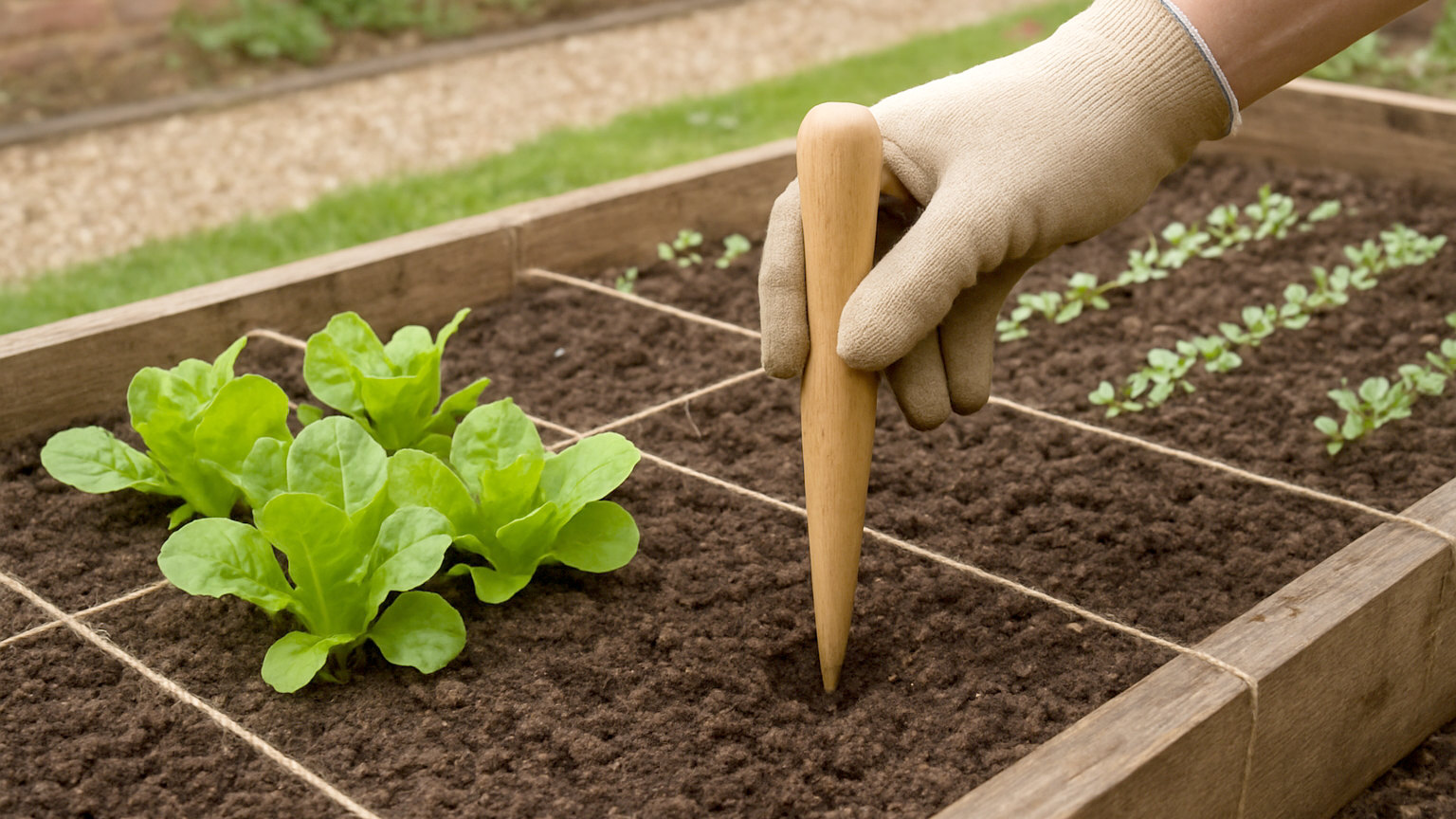
Dividing a bed into a grid and planting each square at its own density gets far more from a small area. How many plants per square, and where the method struggles.