Annual and Perennial Weeds
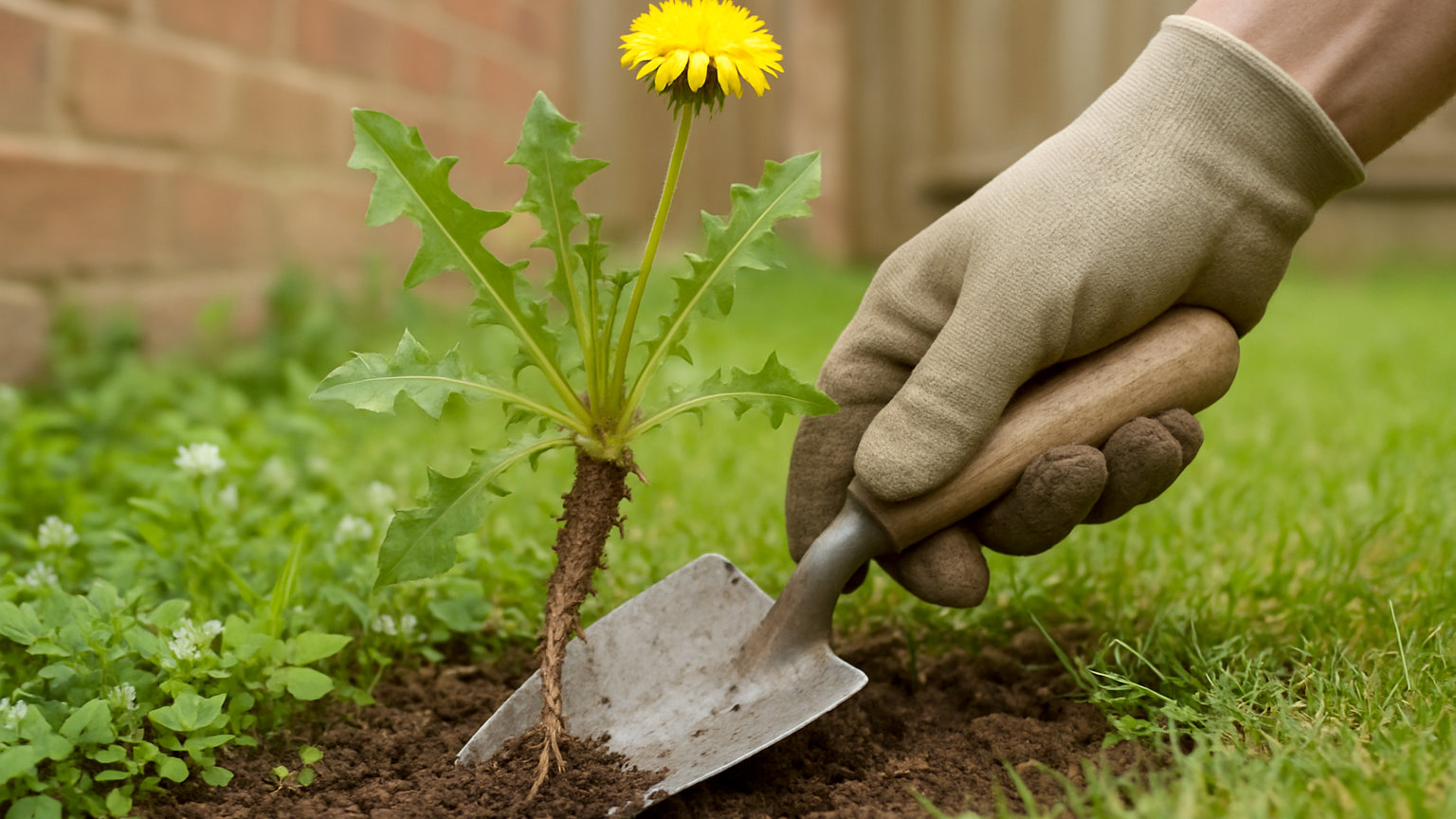
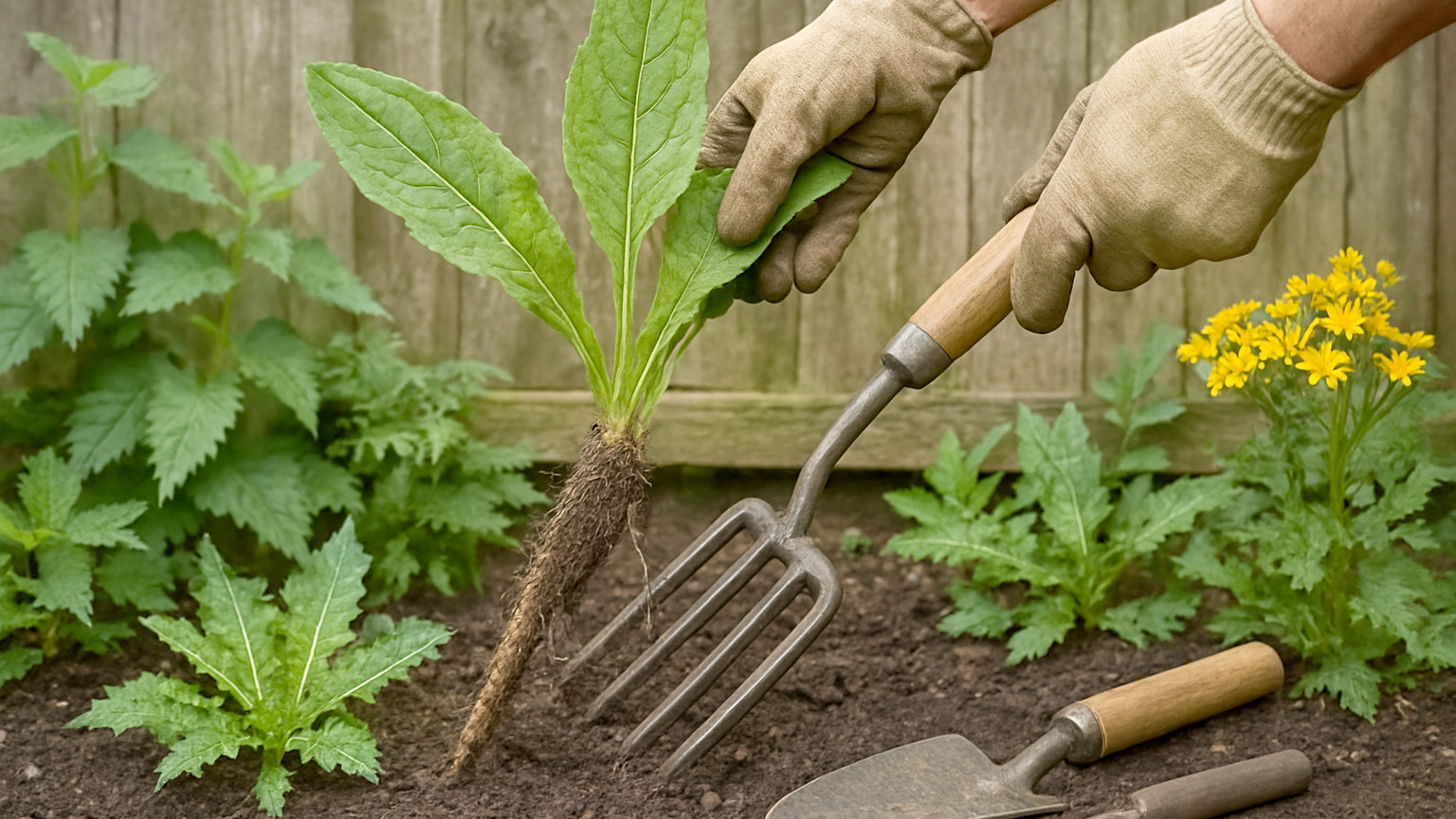
Annuals spread by seed and die each year; perennials survive underground and regrow from fragments. The distinction determines everything you do about them.
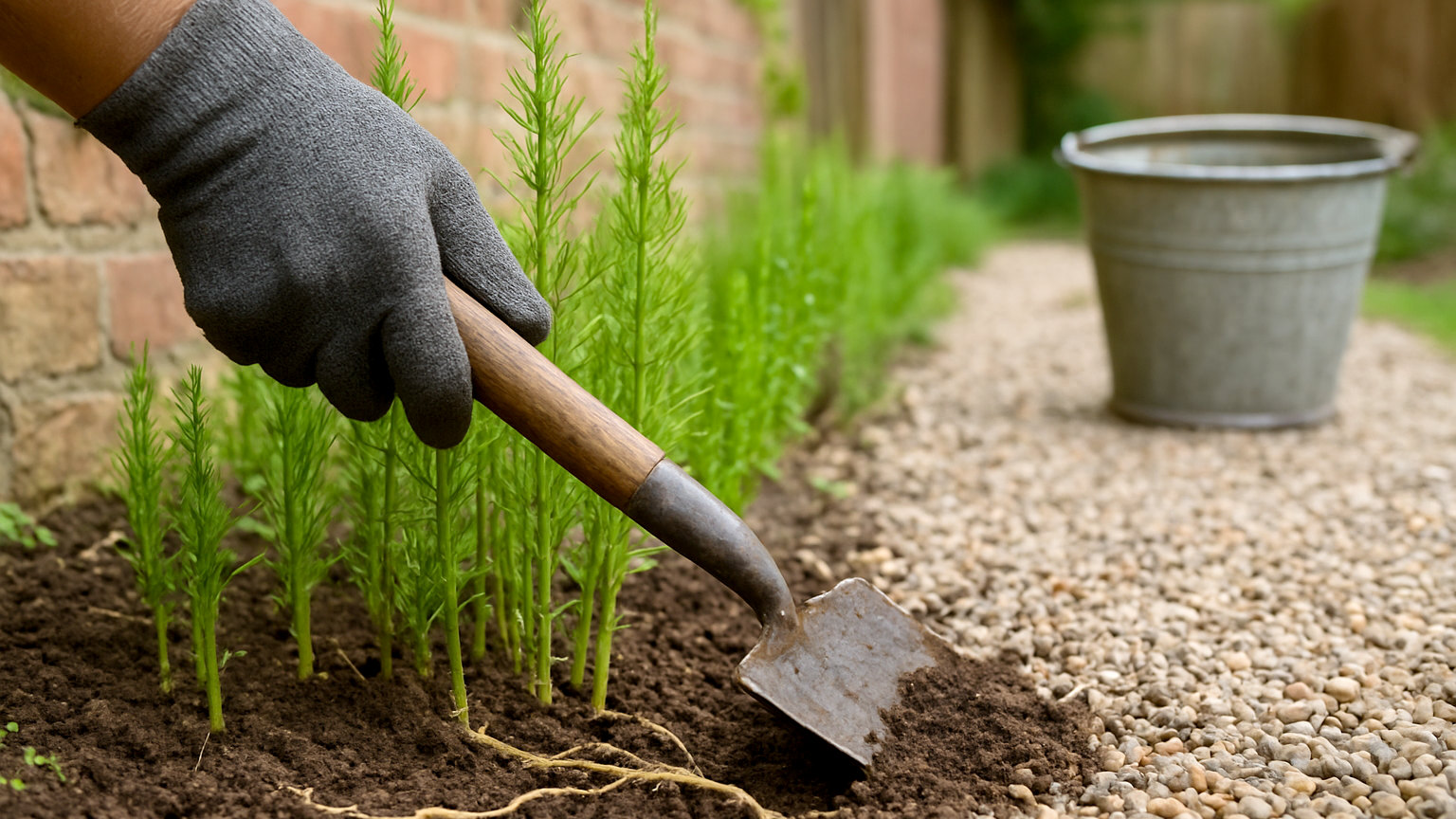
Annual and perennial weeds, bindweed, ground elder, mare's tail and Japanese knotweed - identification and removal.
Annuals spread by seed and die each year; perennials survive underground and regrow from fragments. The distinction determines everything you do about them.
Knowing what you are pulling up saves a great deal of wasted effort, and a few are worth keeping. The weeds most gardens have, and how to tell them.
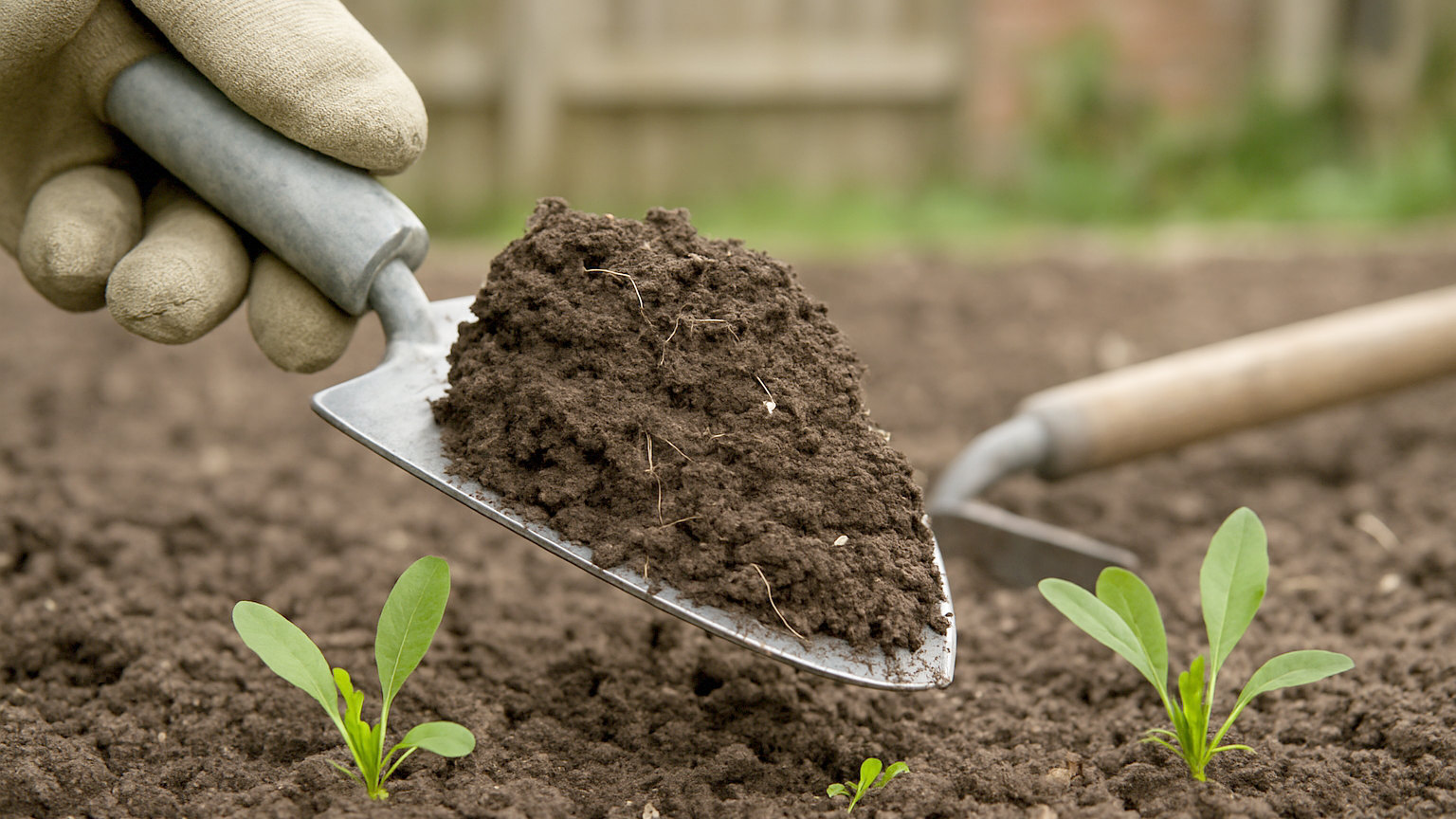
Every soil holds an enormous reserve of viable weed seed, some of it decades old. Understanding it explains why weeding never seems to end.
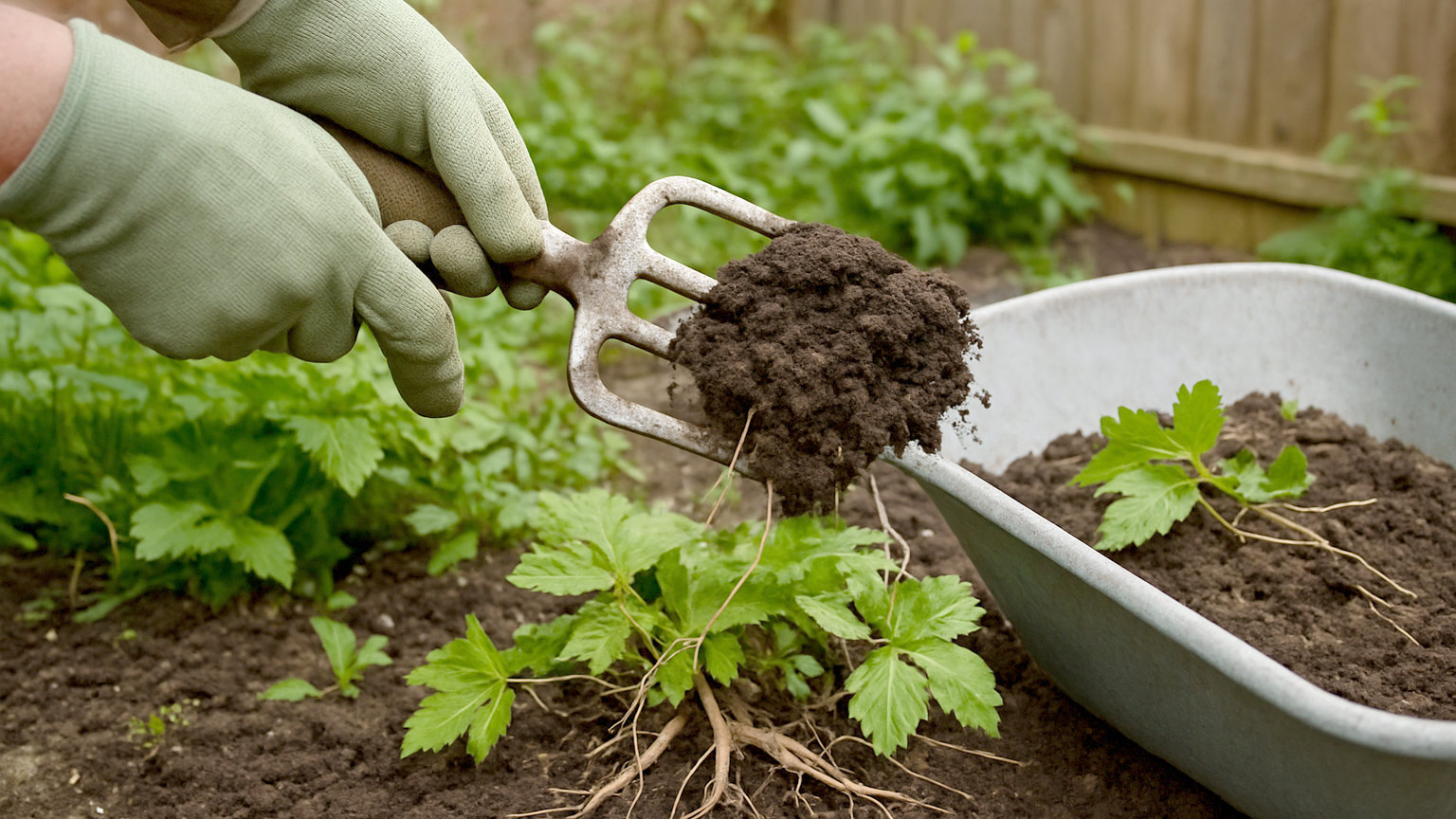
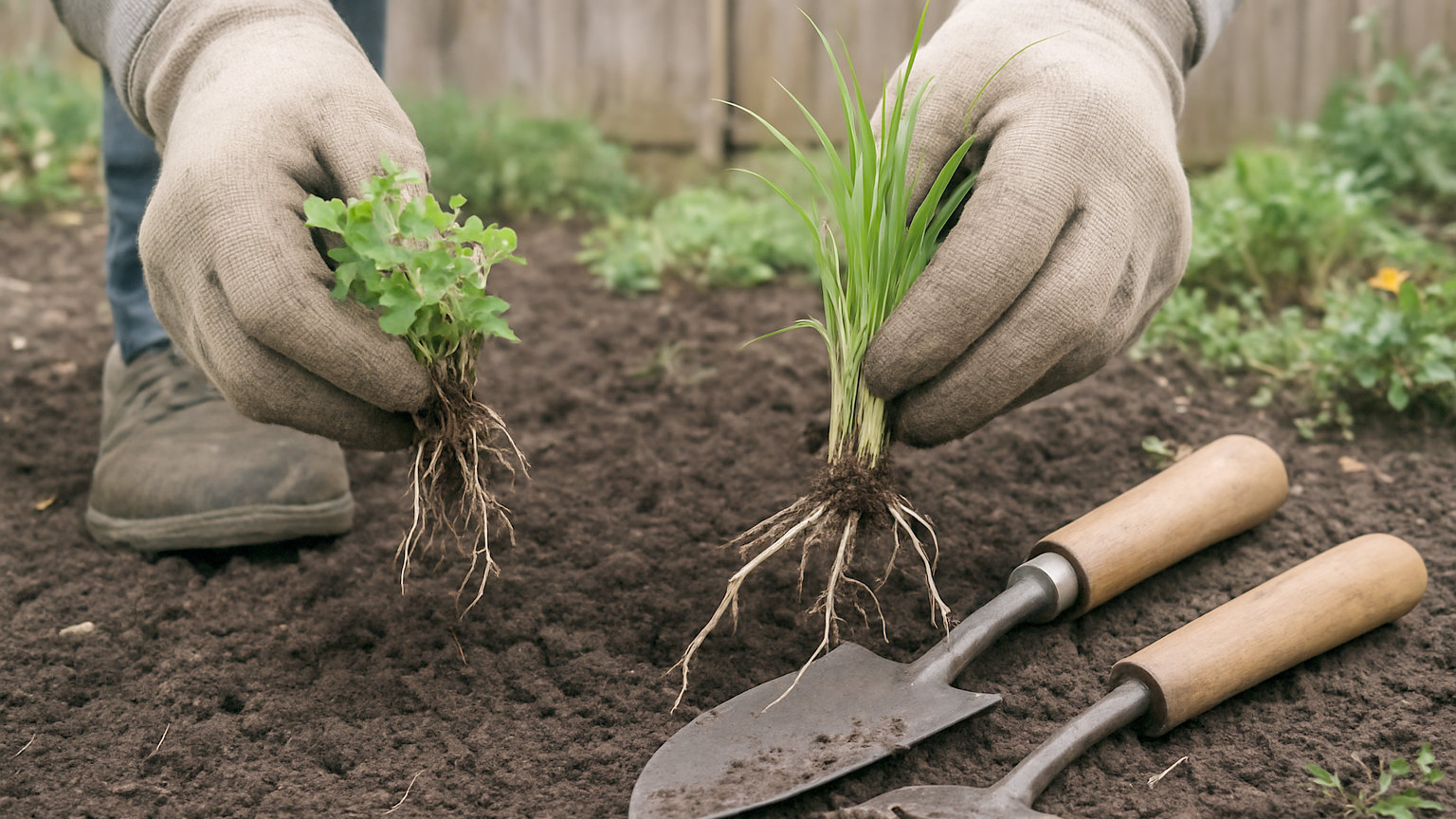
Two spreading perennials that regrow from every fragment left in the soil. Clearing them properly, and why half measures make them worse.
Rhizomes two metres deep and a waxy coating that repels sprays make this the most persistent garden weed of all. Managing rather than eradicating it.
Three vigorous perennials of neglected ground, each removed differently. What each indicates about the soil, and the legal position on ragwort.
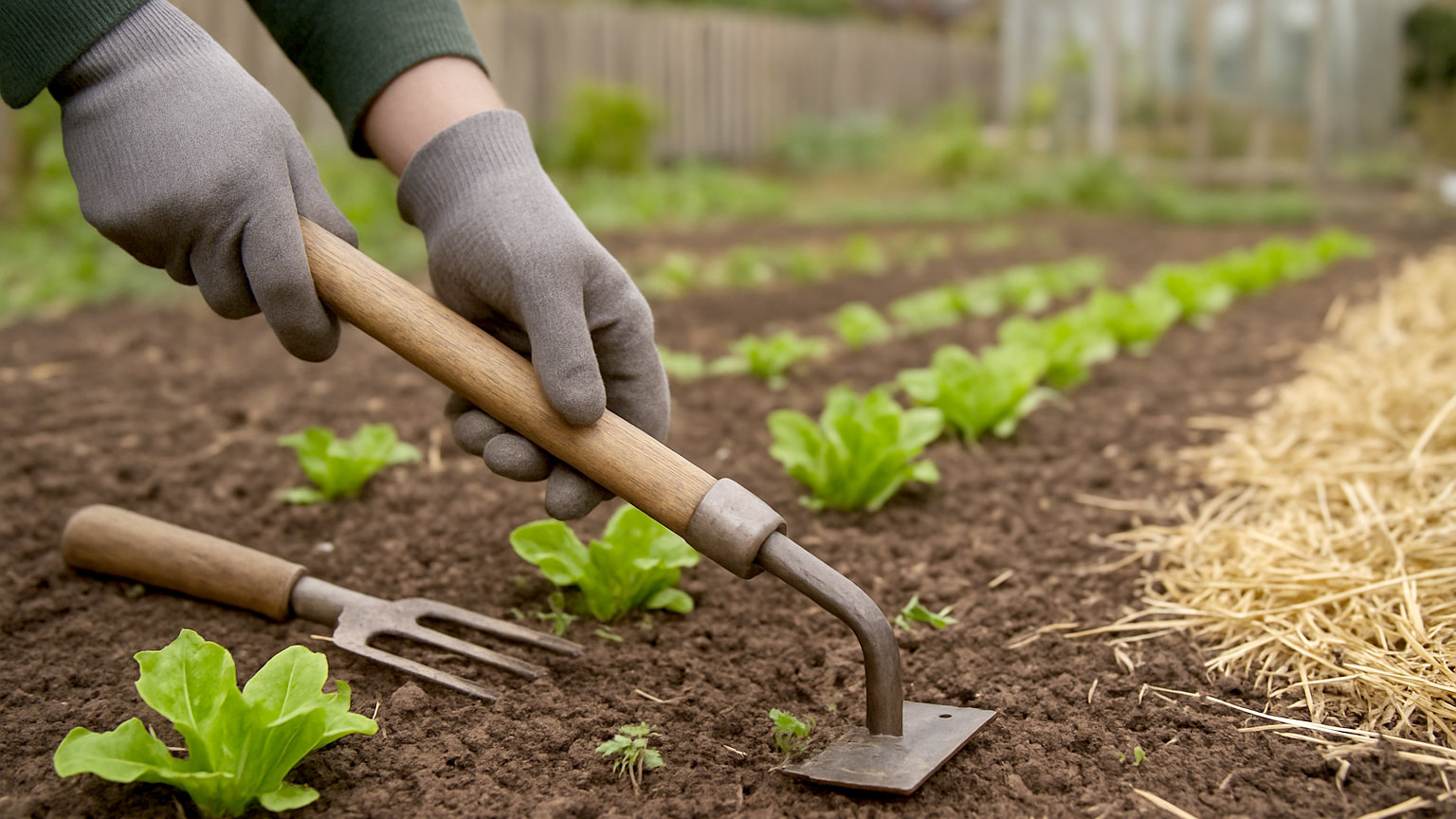
Hoeing at the right stage, hand weeding at the right moment and covering the ground handle almost everything. The techniques, and when to use each.
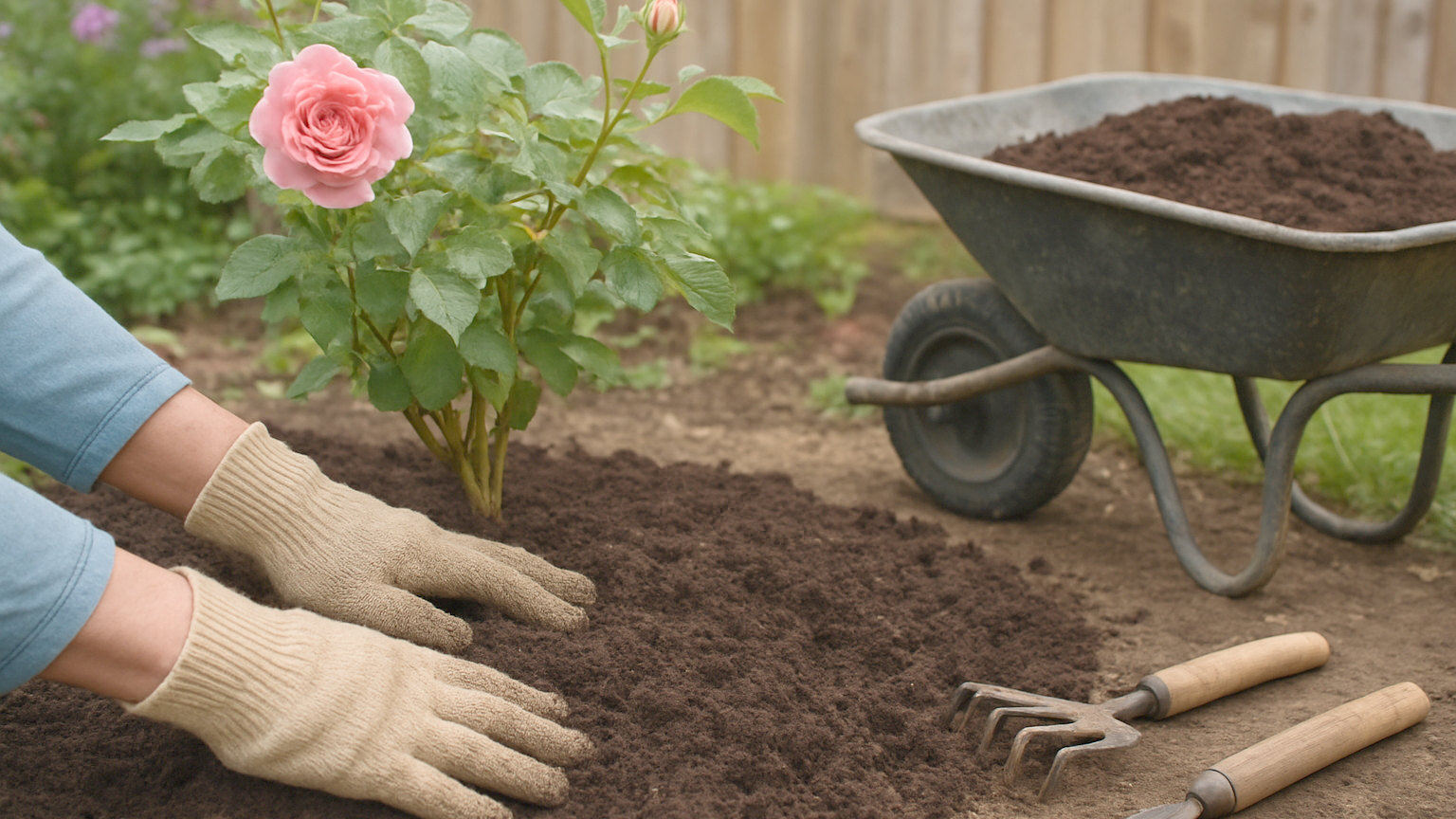
A thick mulch on clean moist soil stops weed seed germinating and saves more work than any other single measure. Depth, timing and materials.
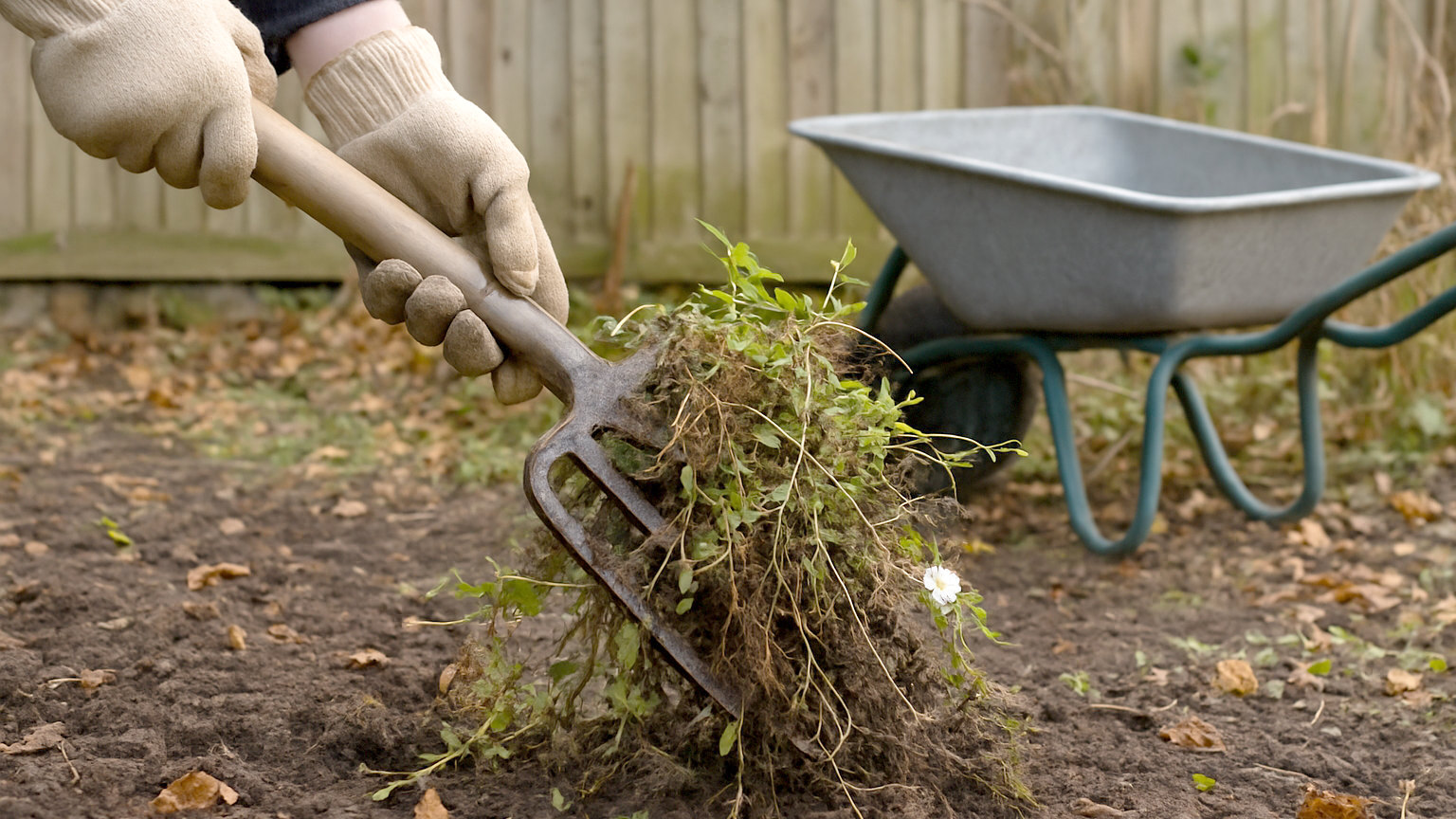
An overgrown plot needs the perennial weeds dealt with before anything is planted, and there are no shortcuts. The order of work, and the methods that suit.
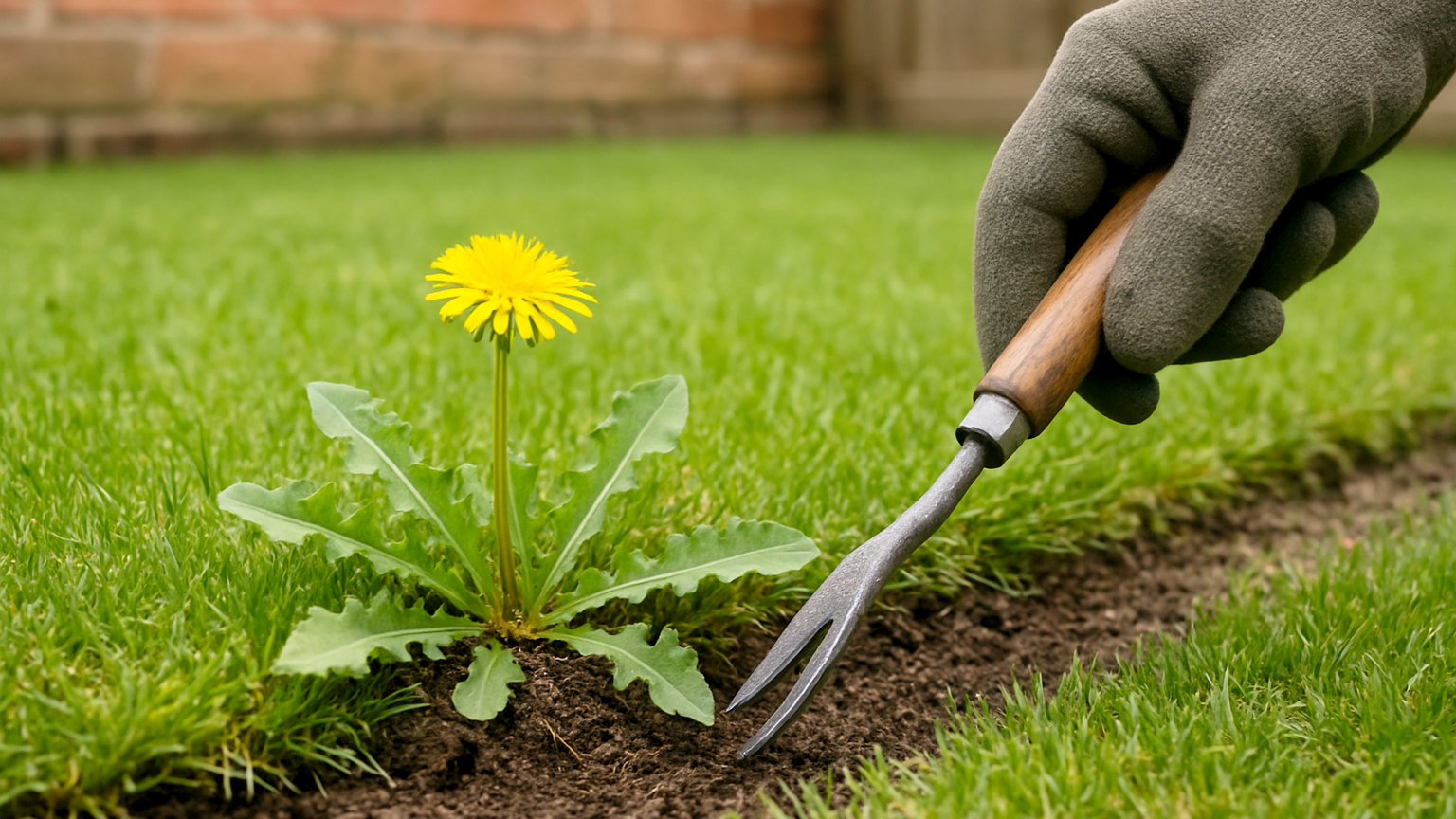
Lawn weeds succeed where the grass is weak, so improving the grass does more than removing them. What each weed indicates, and tolerating some.
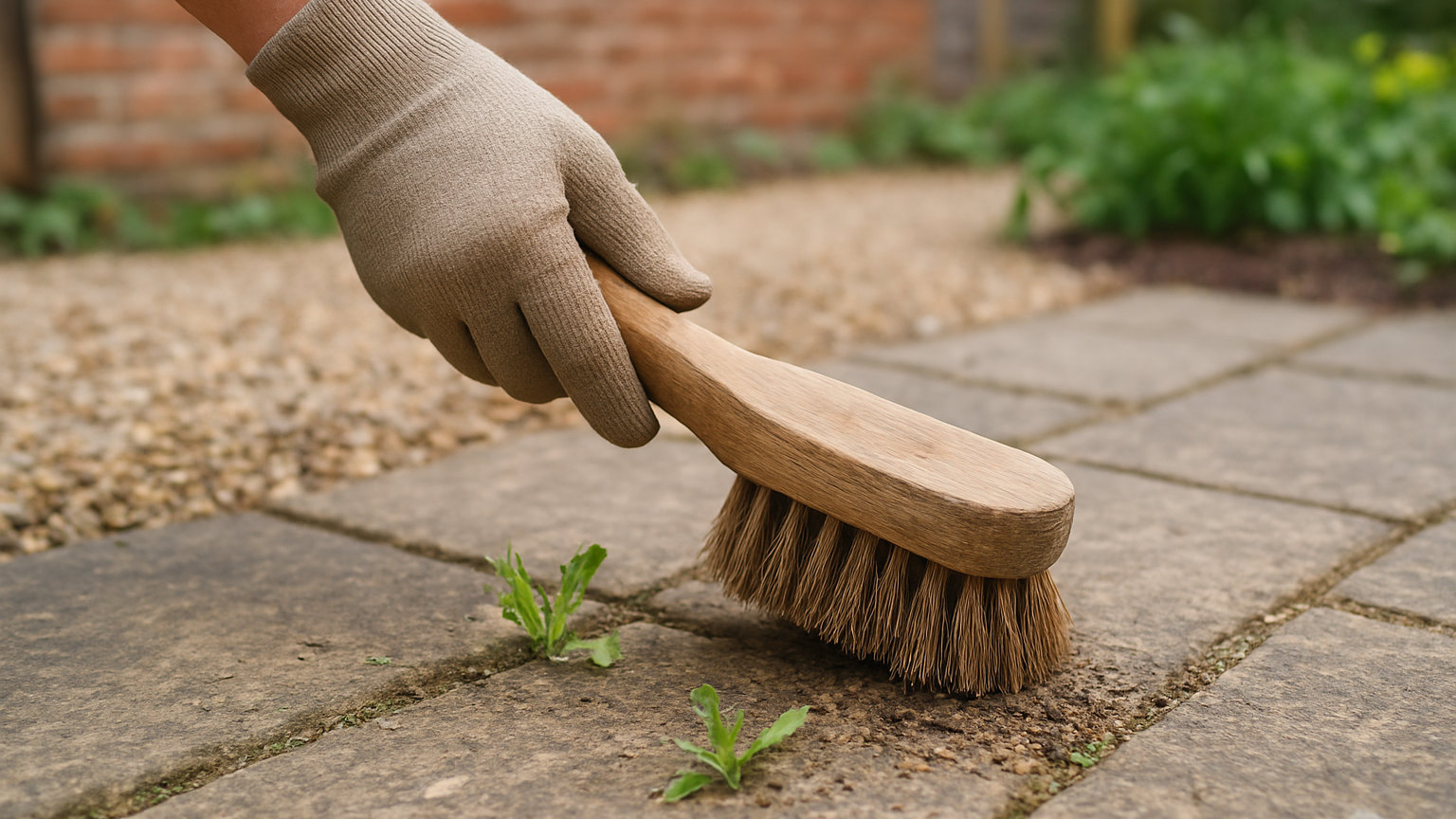
Weeds in paving joints grow in debris that has collected on top, not from below. Brushing regularly does more than anything applied to them.
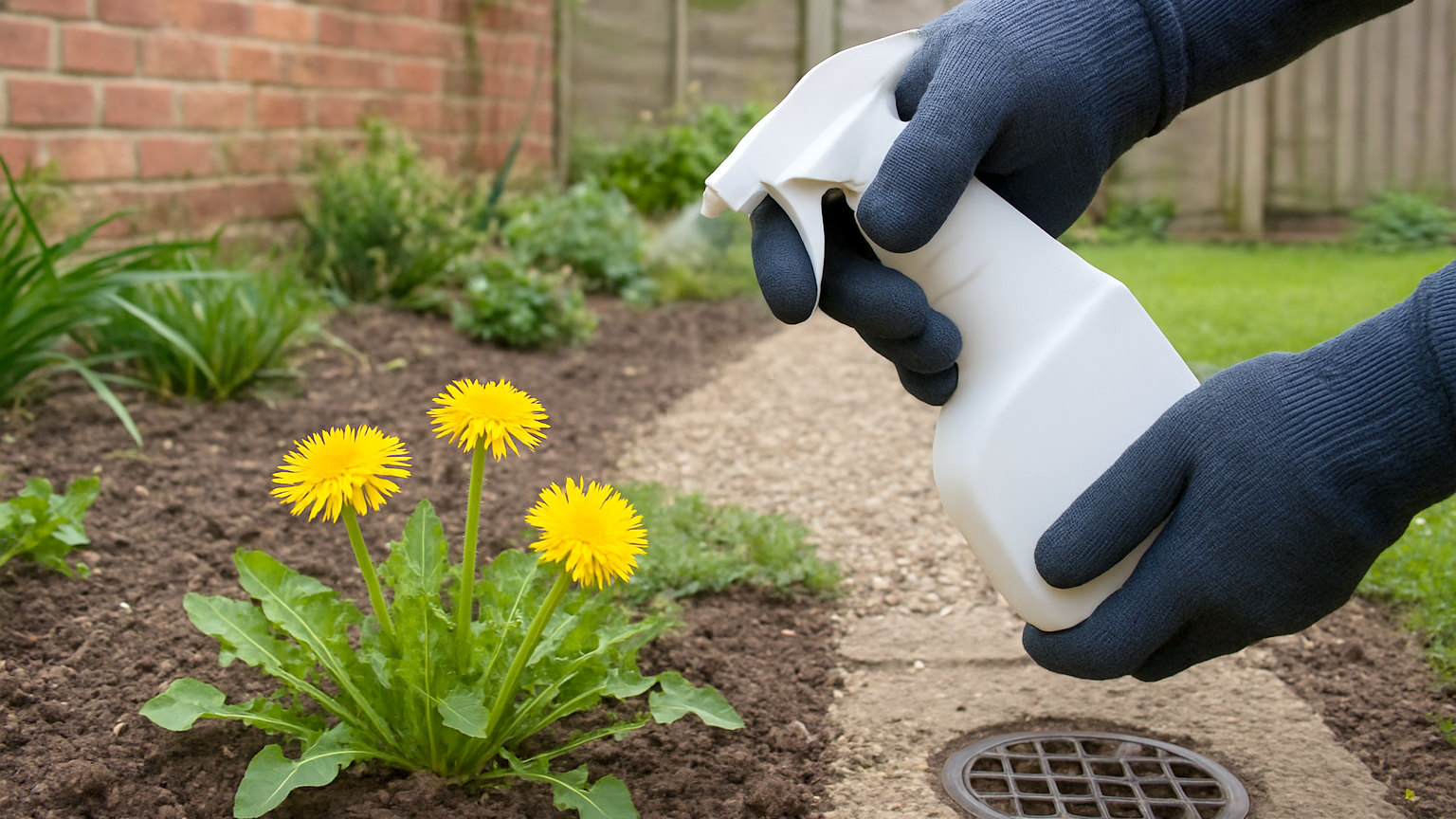
The label is a legal document, not a guideline. What that means in practice, protecting water, and the products no longer available.