Choosing an Apple Tree: Rootstocks
The rootstock decides how big the tree gets and how soon it fruits, which matters more than the variety. Pollination groups, and what will actually fit your garden.
Apples, pears, plums and cherries - rootstocks, pollination groups, and why the rootstock matters more than the variety.
The rootstock decides how big the tree gets and how soon it fruits, which matters more than the variety. Pollination groups, and what will actually fit your garden.
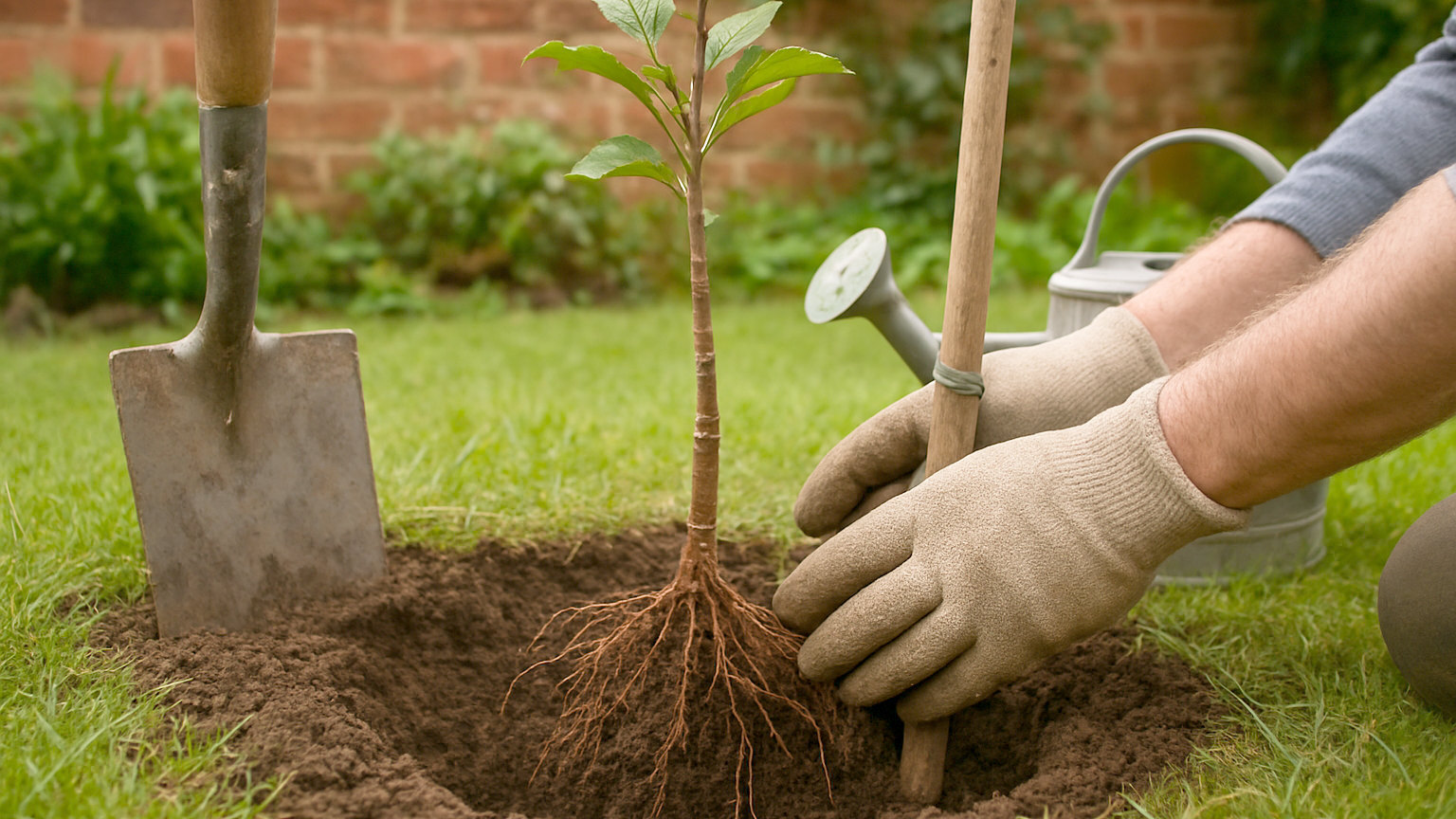
Nearly every fruit tree that fails, fails in its first two years, and usually because of how it was planted. Depth, staking, watering, and the first two seasons of care.
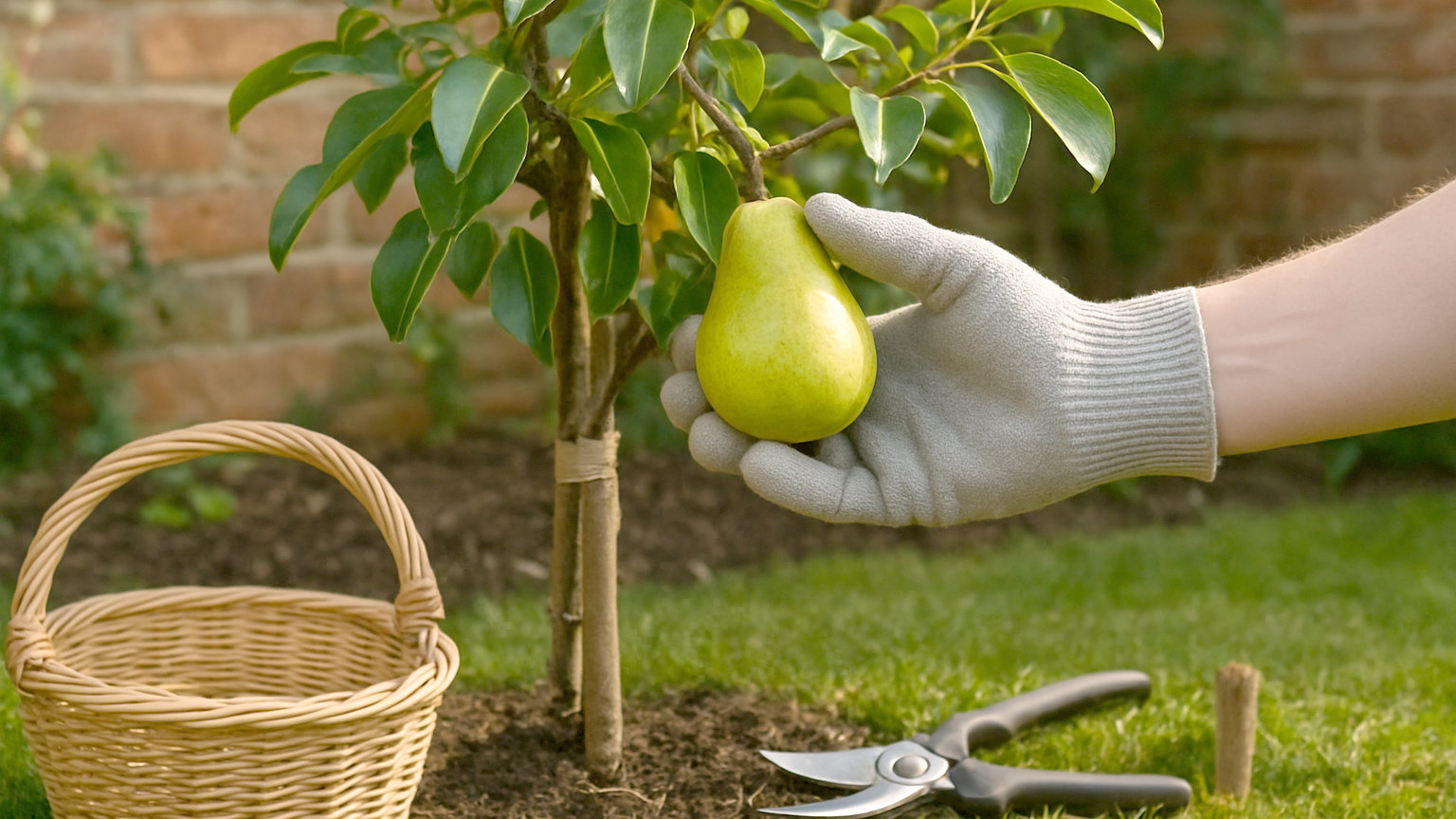
Pears flower later than apples, which helps with frost, and they must be picked before they are ripe, which catches everyone out. Rootstocks, varieties and timing.
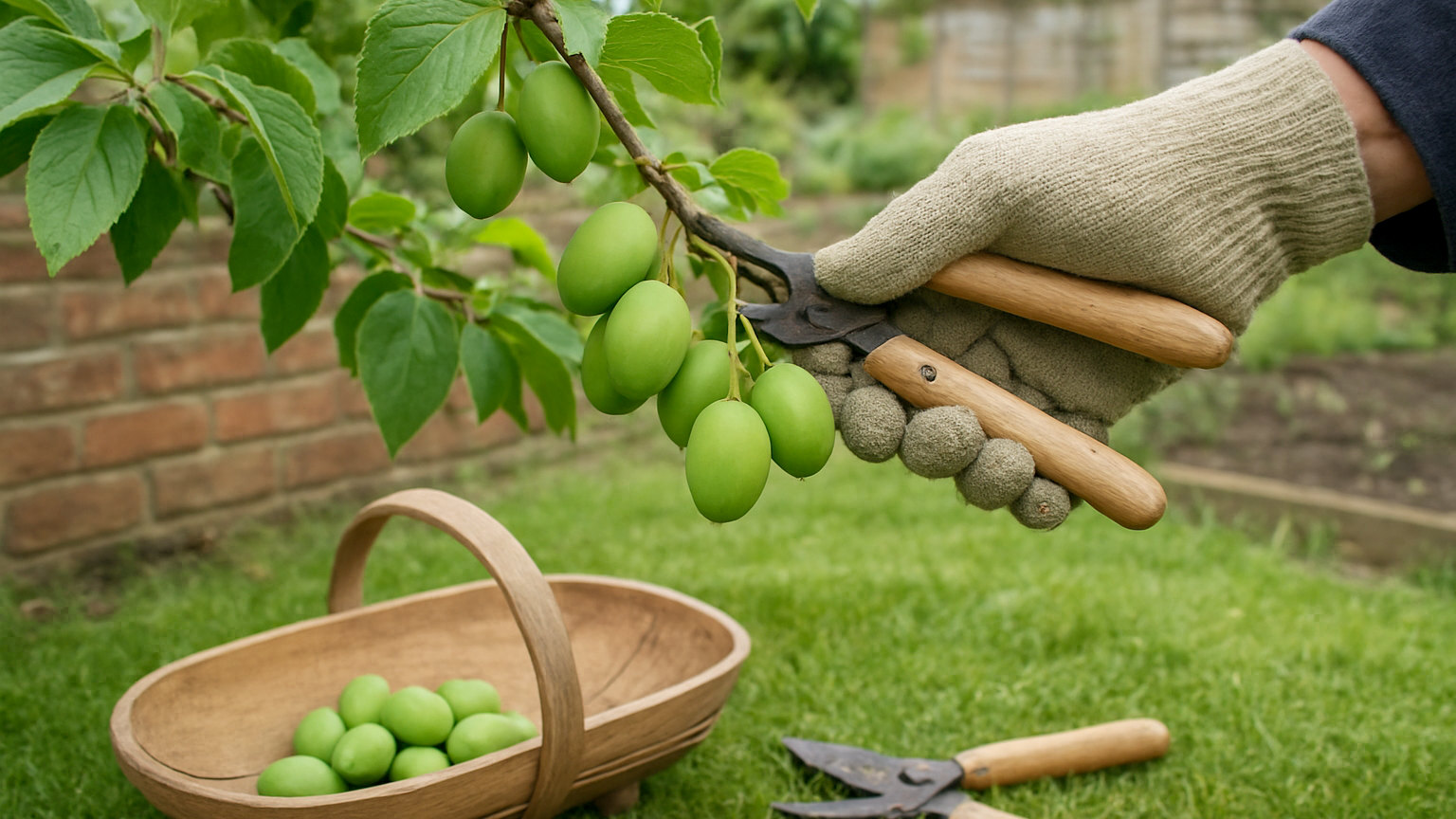
Never prune a plum in winter, thin the fruit or the branches break, and net nothing because you cannot. What plums need, and why Victoria is still the default.
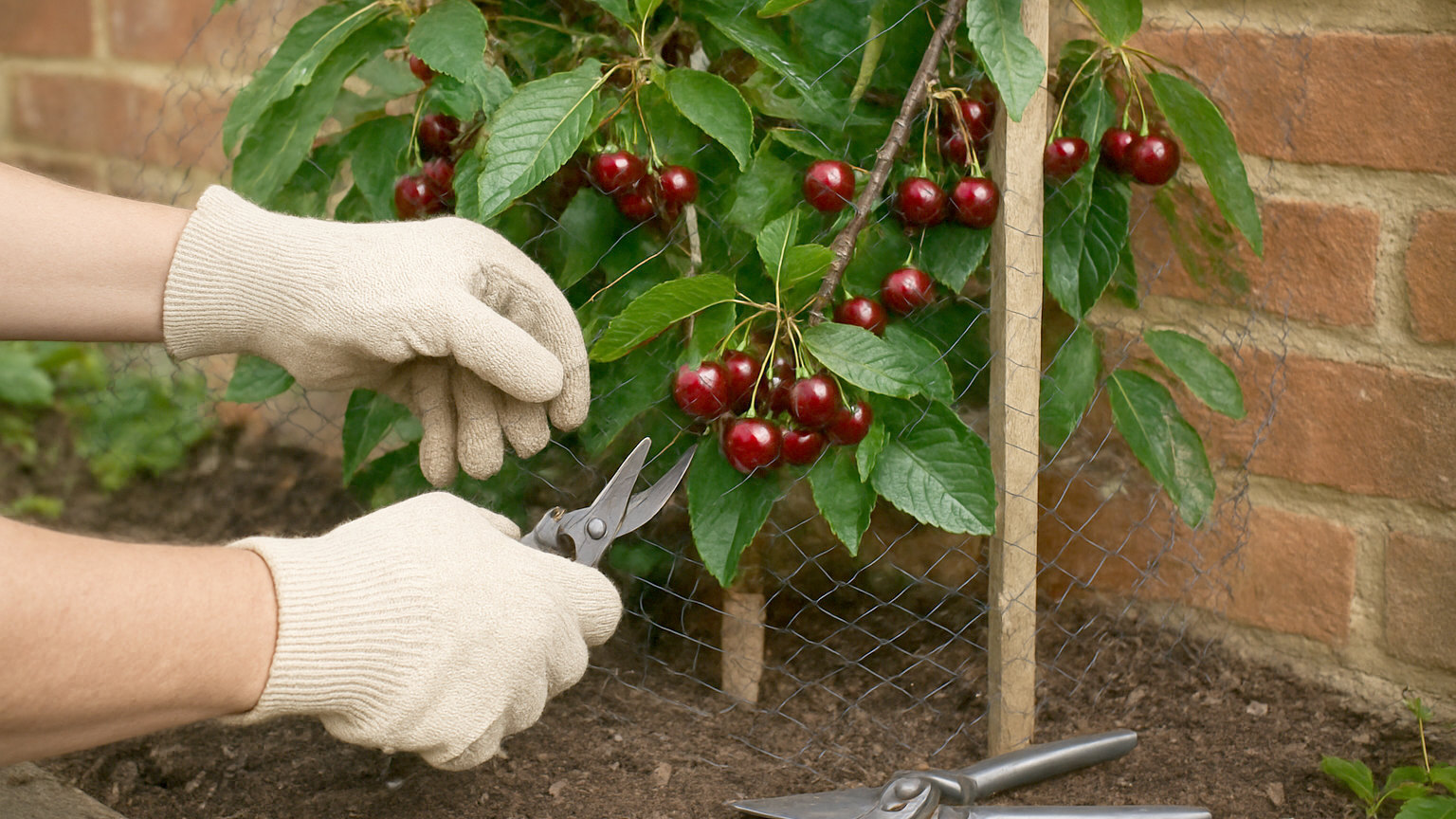
Birds will take the entire crop, so netting decides whether you get any. Sweet against acid cherries, why Morello suits a north wall, and summer pruning only.
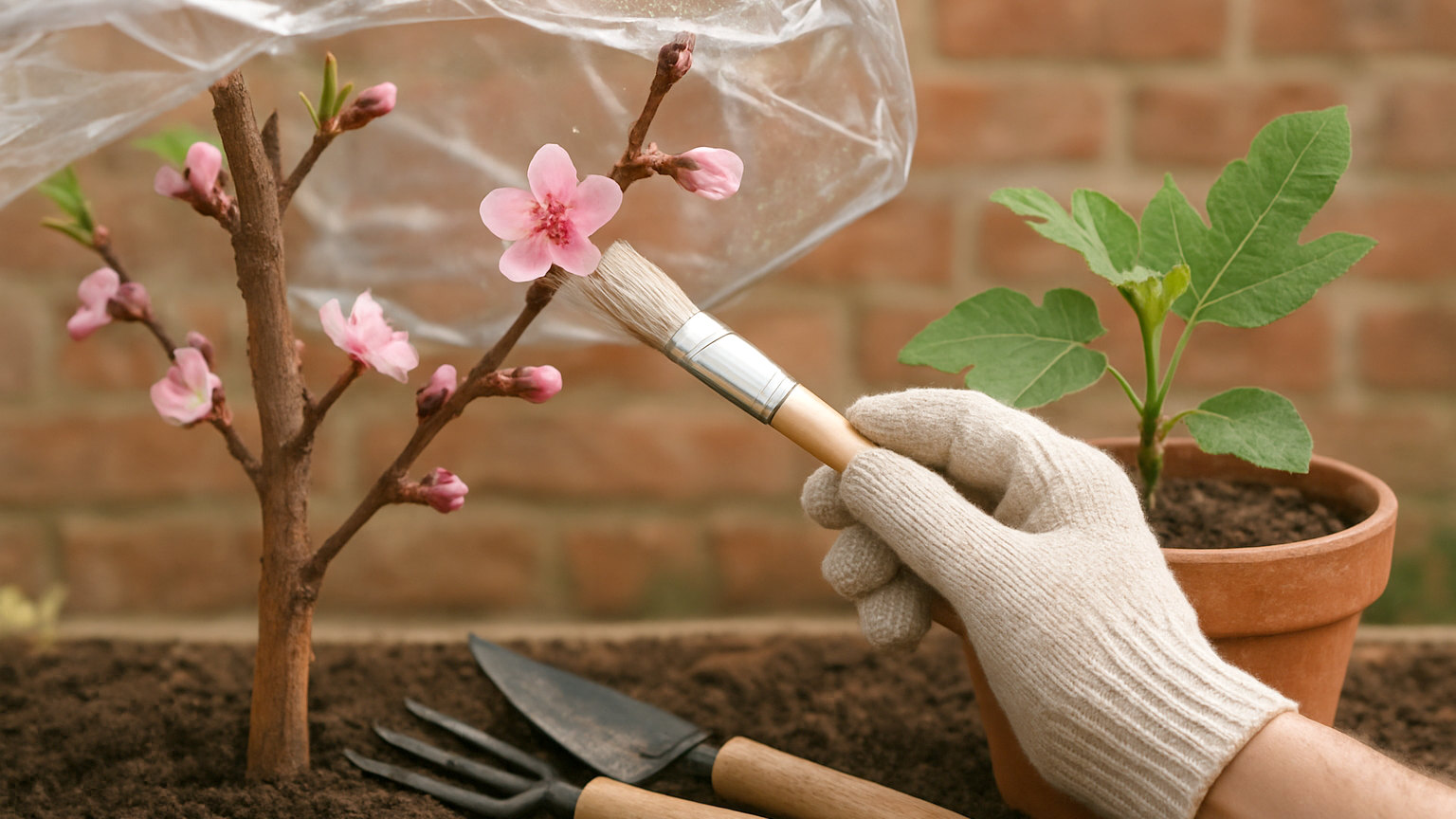
All three need a warm wall in Britain, and peaches need covering from January to protect against leaf curl. Restricting fig roots, and hand pollinating early blossom.
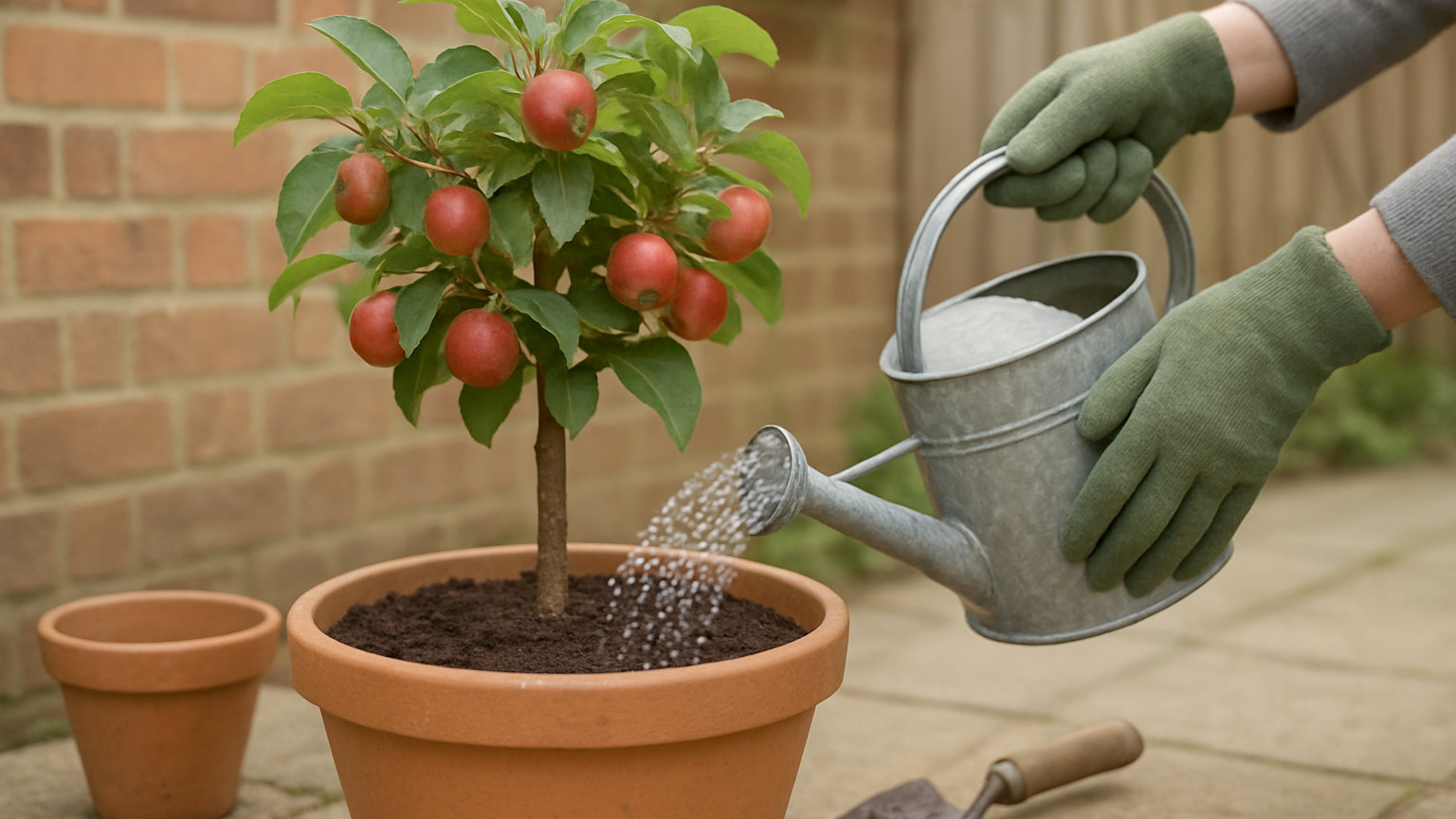
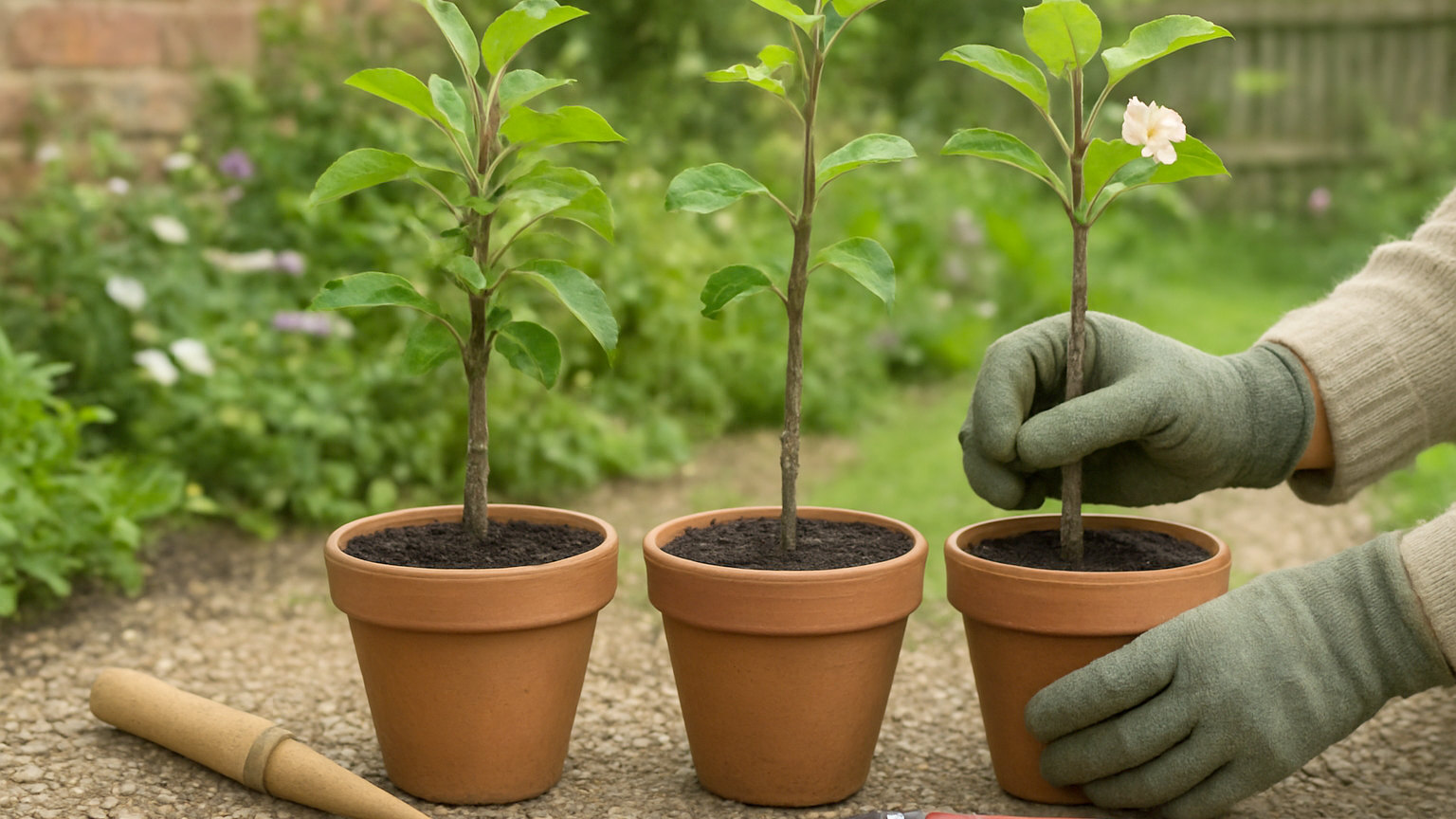
A patio or a balcony can carry several fruit trees if the rootstock is right. Pot size, compost, the watering commitment, and repotting every few years.
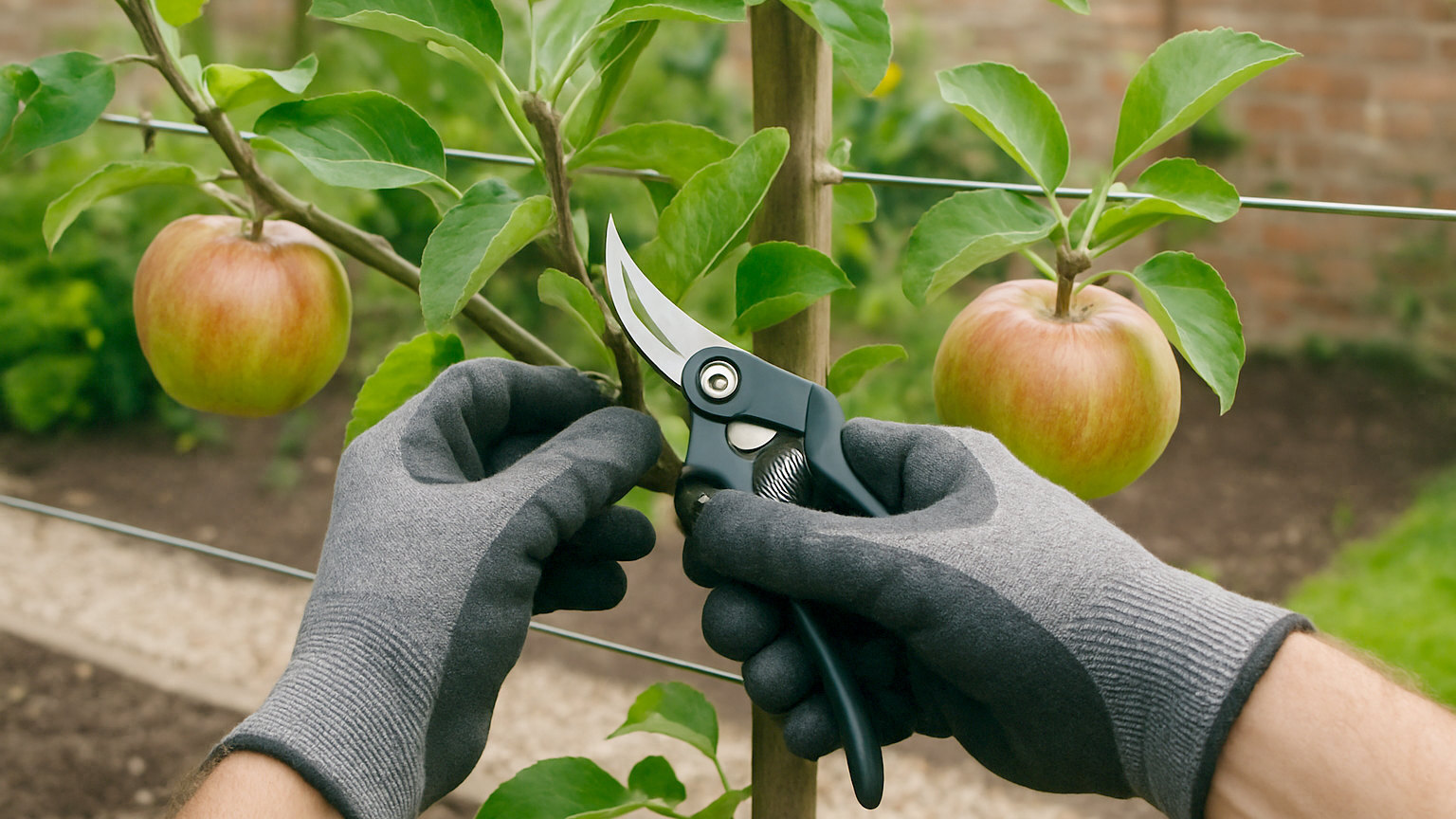
Trained forms let you fit several varieties along one fence and crop heavily for the space. Which form suits which fruit, spacing, wires, and the August prune.
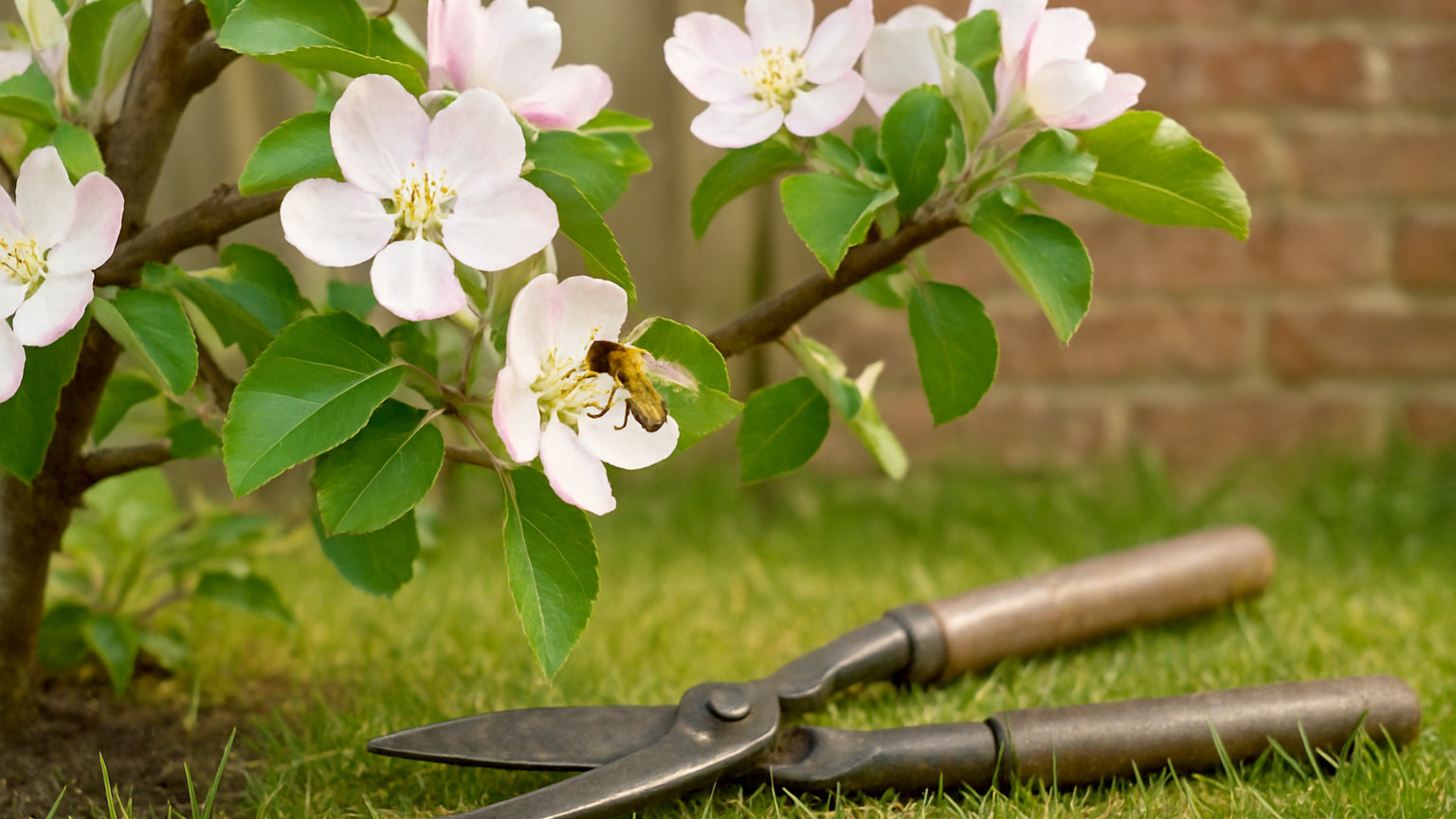
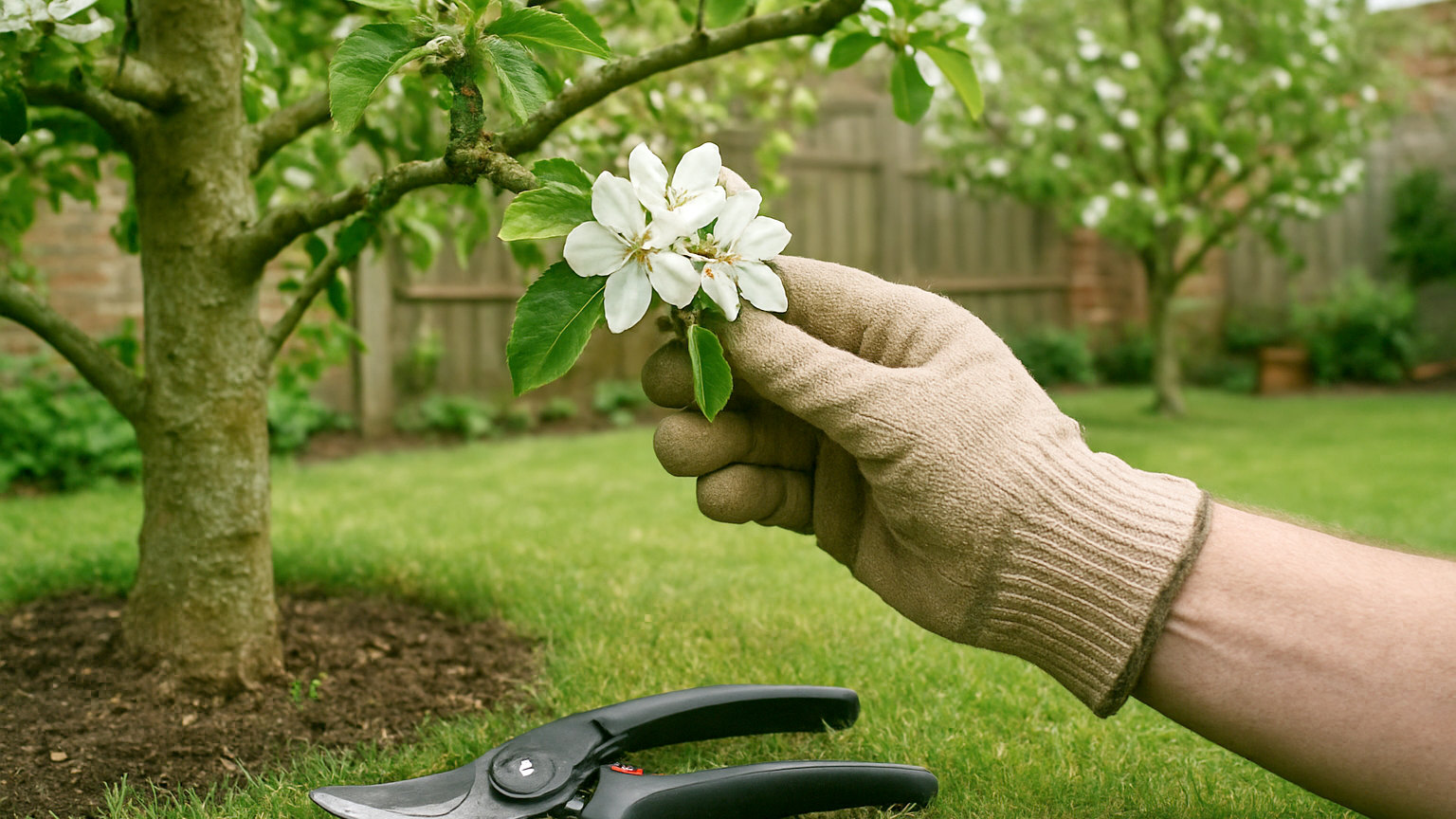
Most fruit trees need pollen from a different variety flowering at the same time. How the groups work, what a triploid is, and when one tree alone will do.
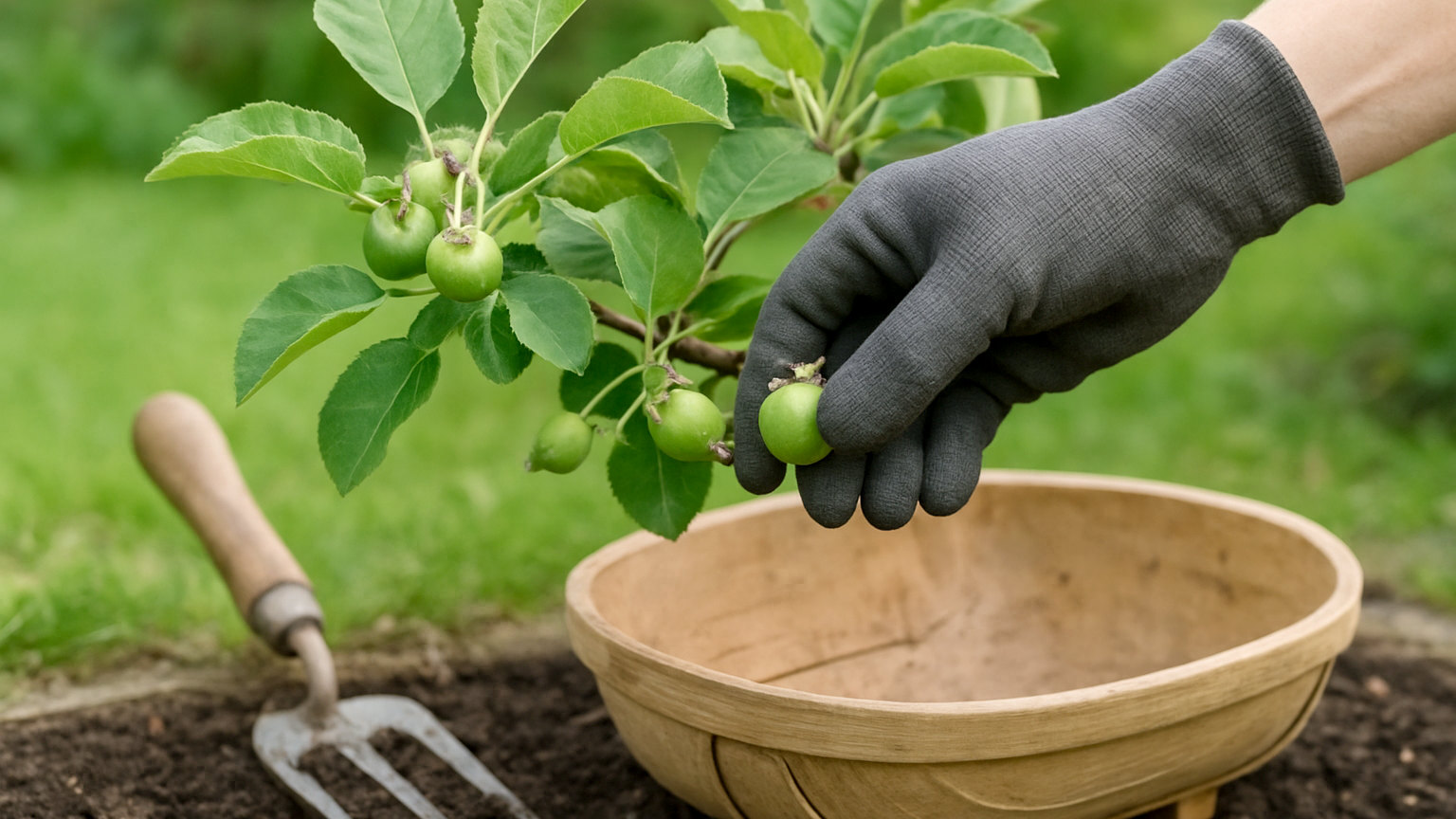
A tree that sheds half its fruitlets in June is doing something normal. What to leave, how far apart, and why thinning prevents a barren year afterwards.
Blossom every spring and nothing by autumn has a short list of causes. Working through age, frost, pollination, pruning and feeding to find which applies.
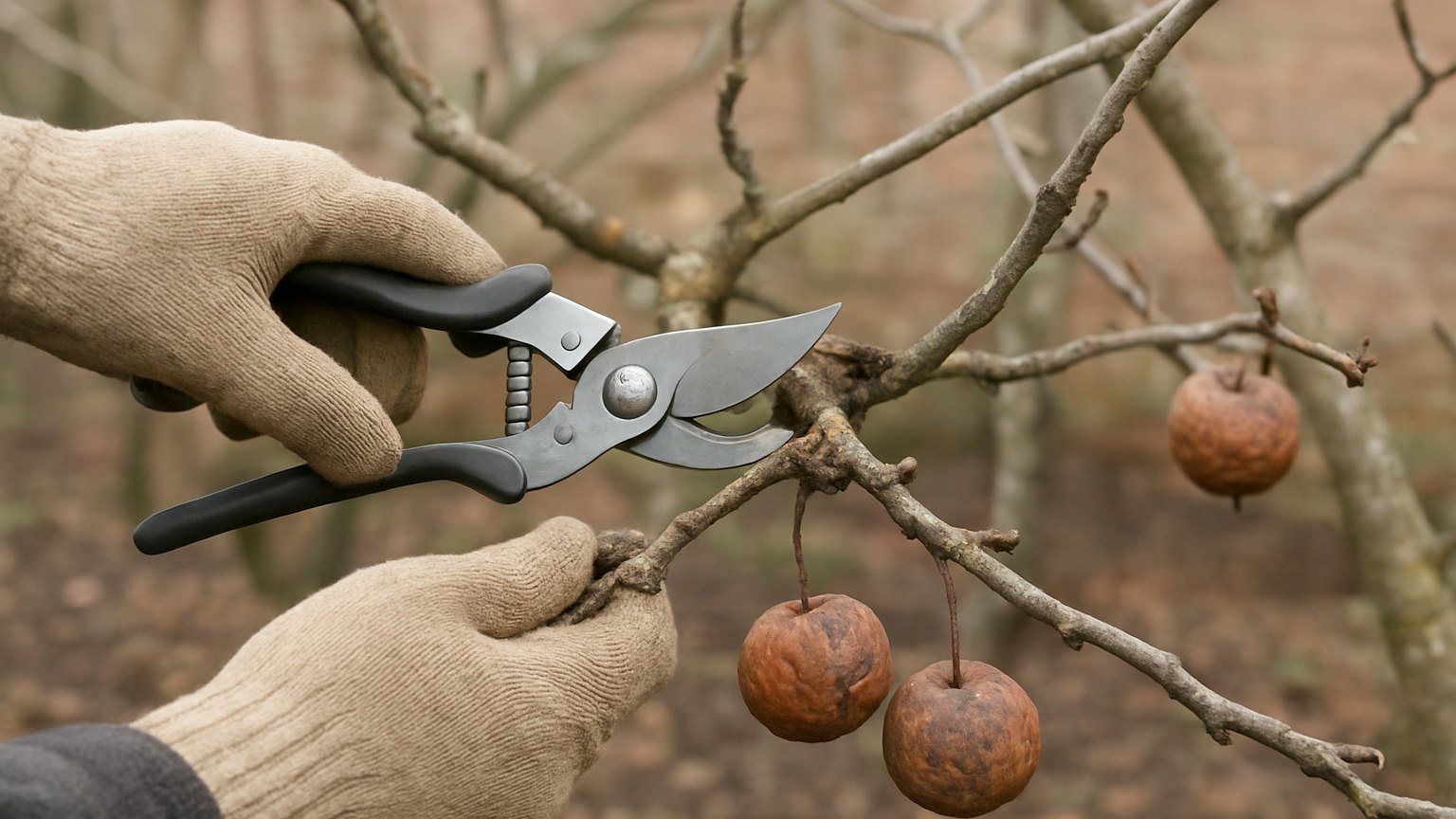
Scab, canker, mildew and brown rot account for nearly everything that goes wrong. Recognising each, the cultural measures that reduce them, and what must be cut out.