Foxes and Badgers
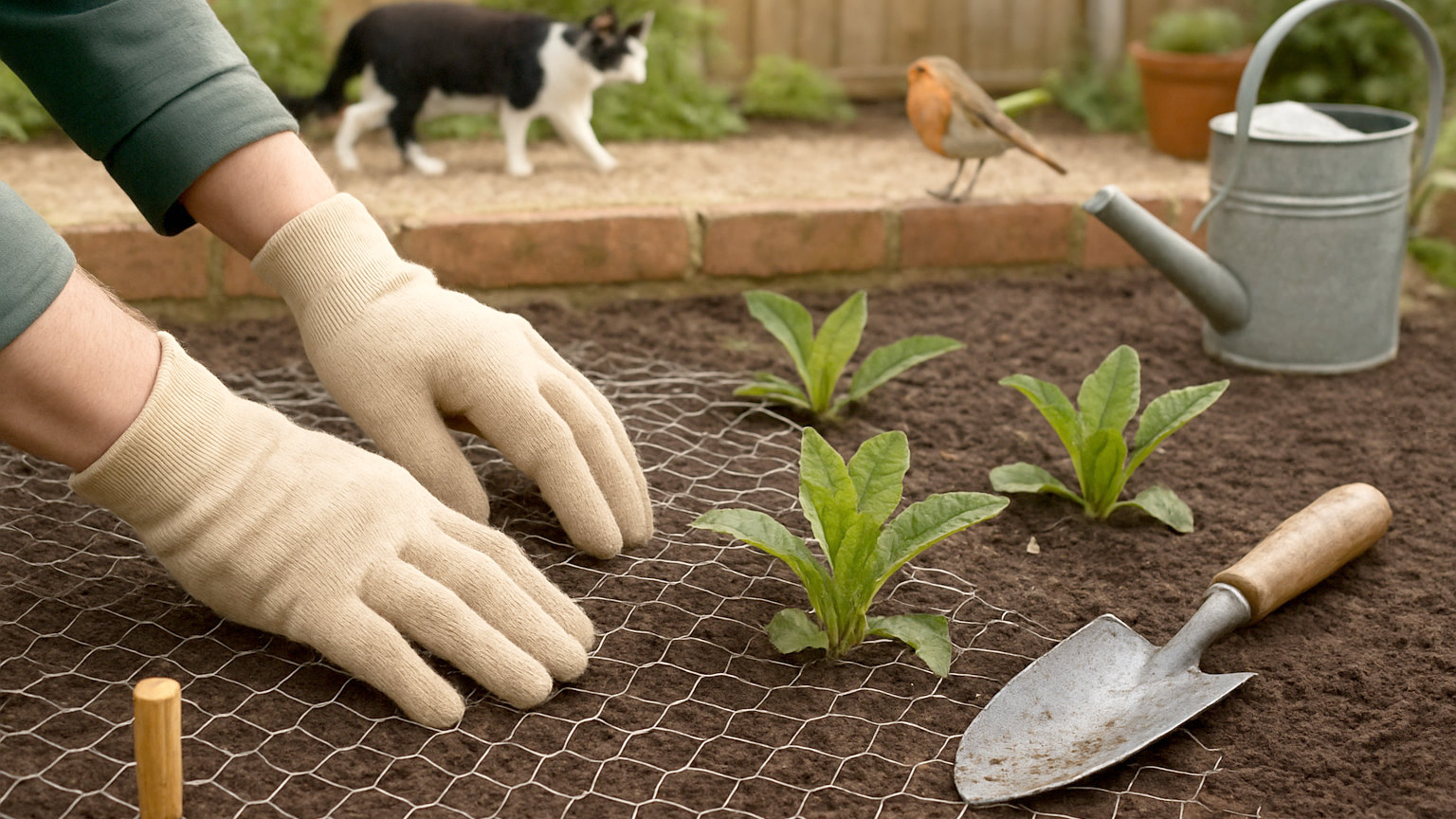
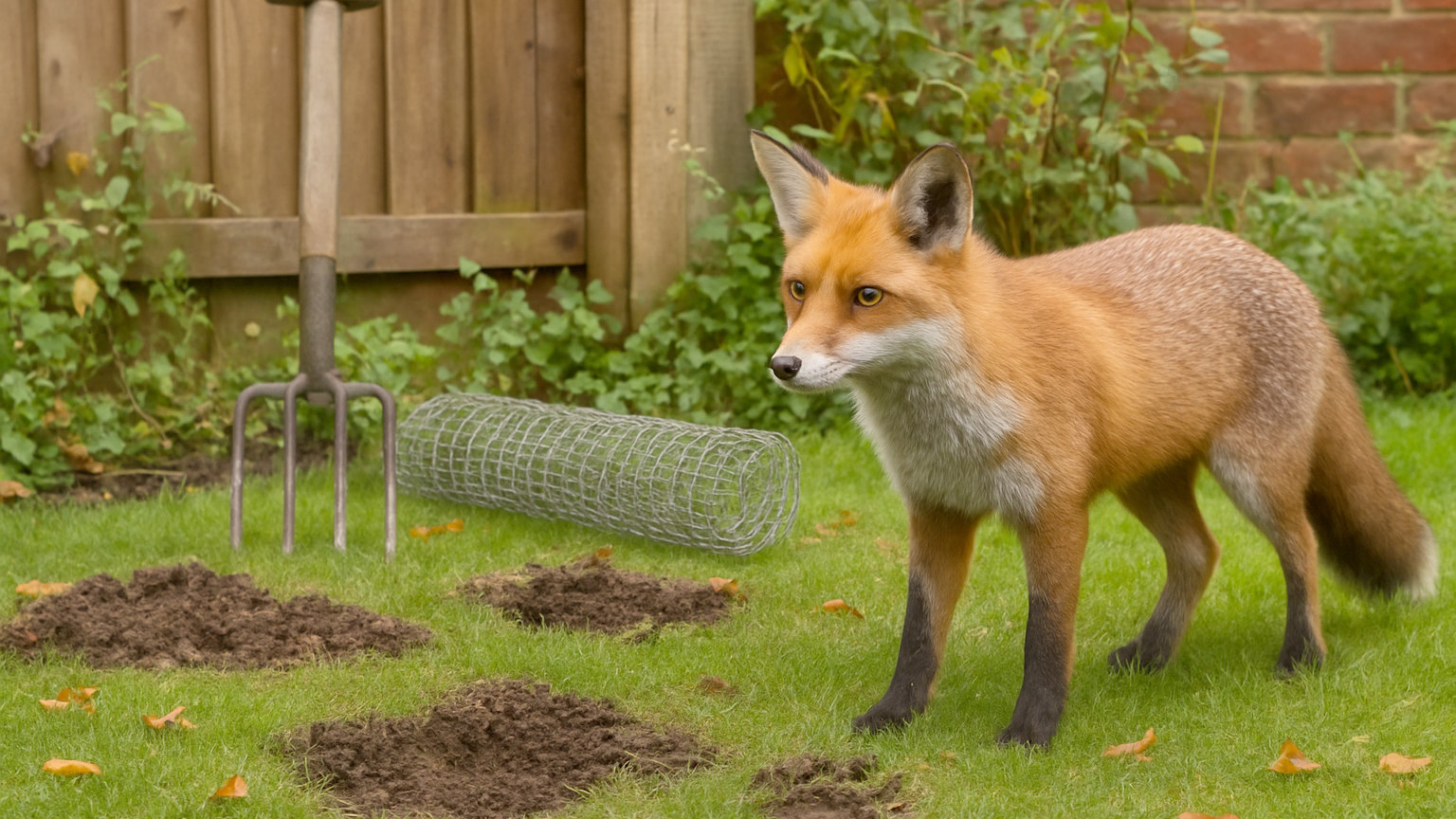
Both dig lawns for grubs and both are protected to different degrees. What each does, what deters them, and the law that constrains the response.
By Gardening Guides Editorial
31 Jul 2026

Something is eating it, something is wilting it, or it simply is not growing - and the first job is always identification, because the treatment for one problem is useless against another that looks much the same. These guides help you work out what you are looking at, then say what actually works, what does not, and what is not worth treating at all. Most garden problems resolve themselves, and knowing which ones will is the real skill.
Both dig lawns for grubs and both are protected to different degrees. What each does, what deters them, and the law that constrains the response.
Cats dig in fresh soil and hunt birds, and the law offers no remedy against a neighbour's. What genuinely deters them, and reducing their impact on wildlife.
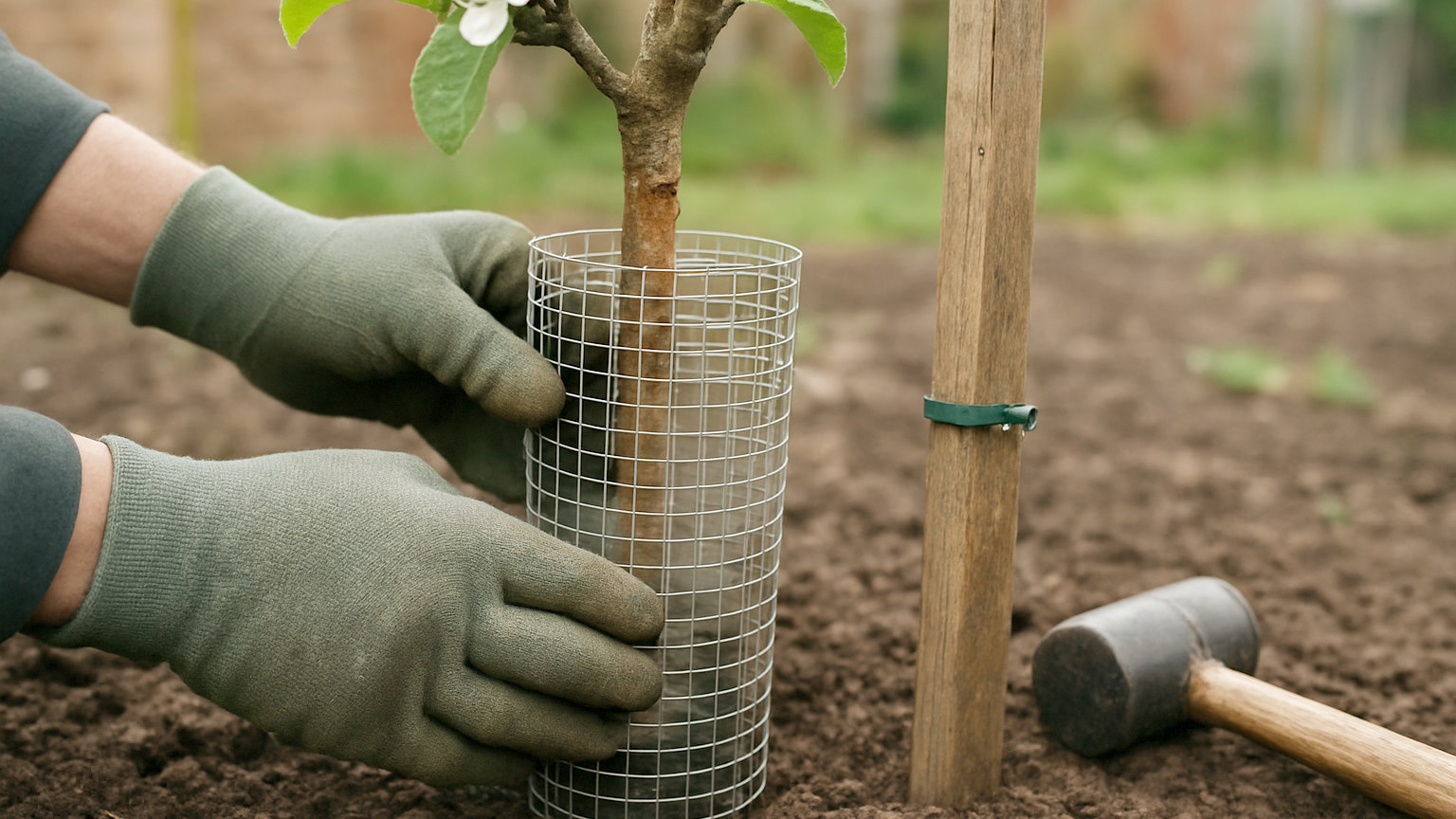
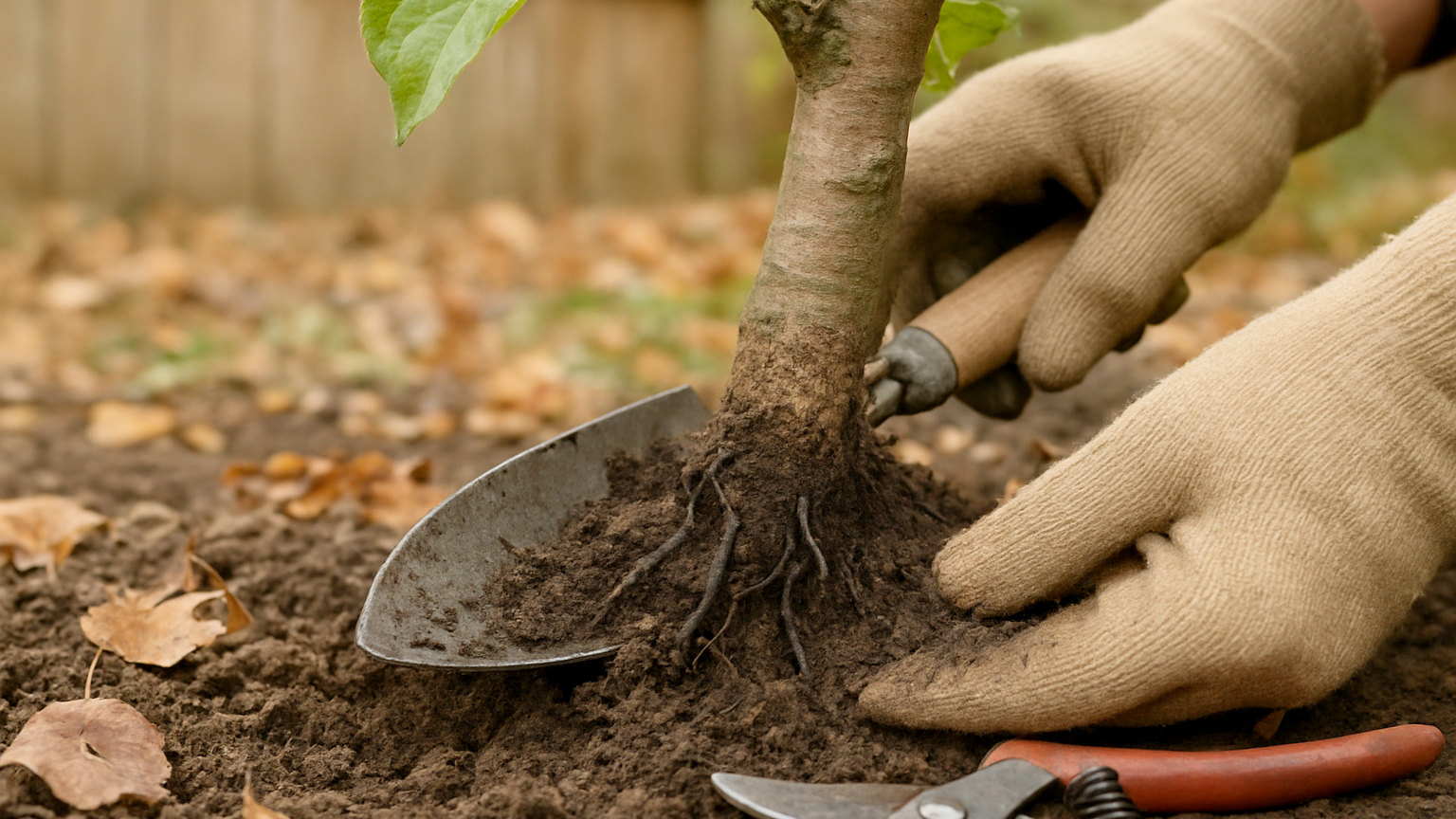
Bark removed in a ring round a stem kills the tree, and rabbits, voles, deer and strimmers all do it. Choosing and fitting guards properly.
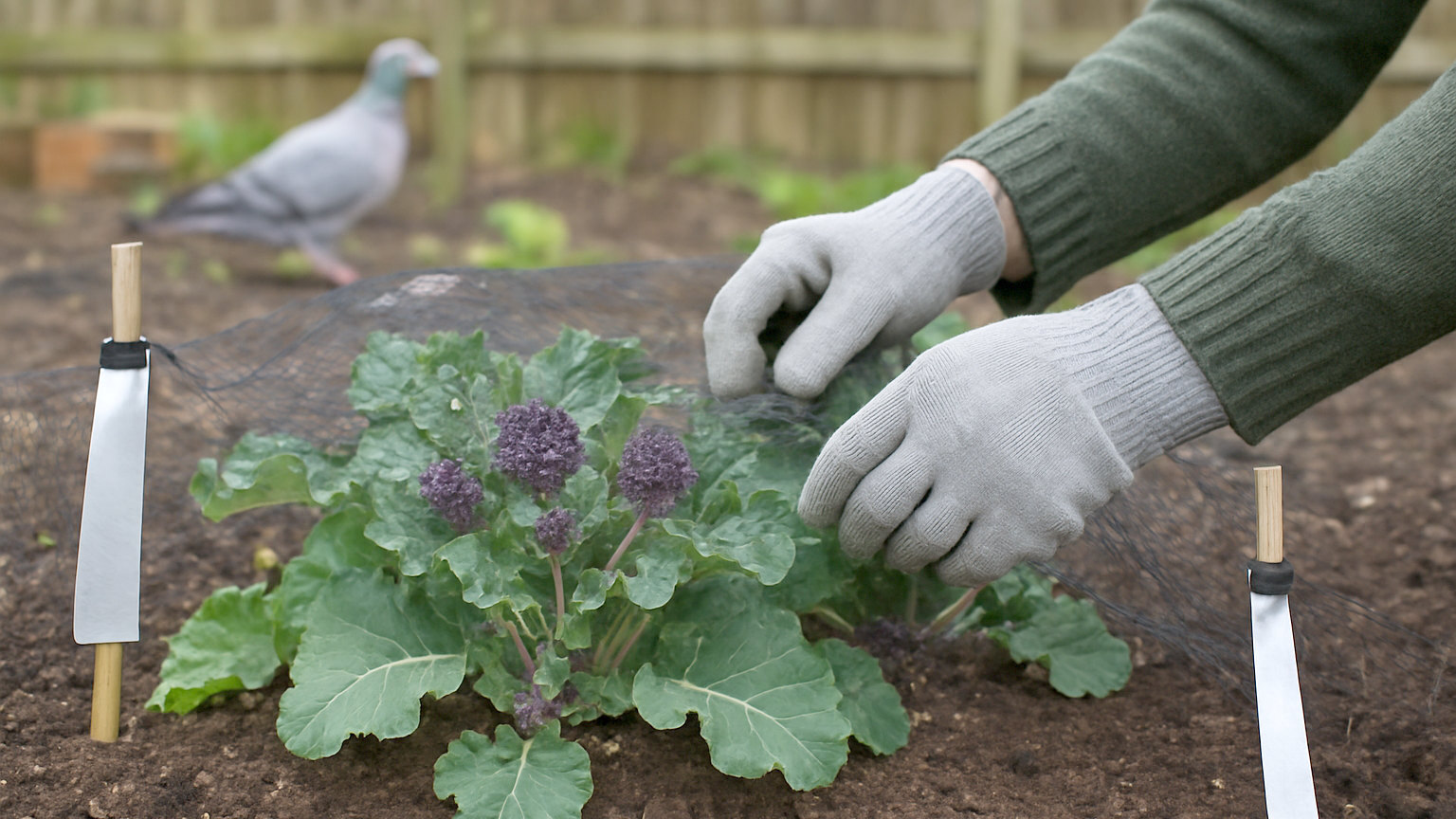
Almost every deterrent works for a few days and is then ignored. What the evidence supports, and how to get more out of the ones that help.
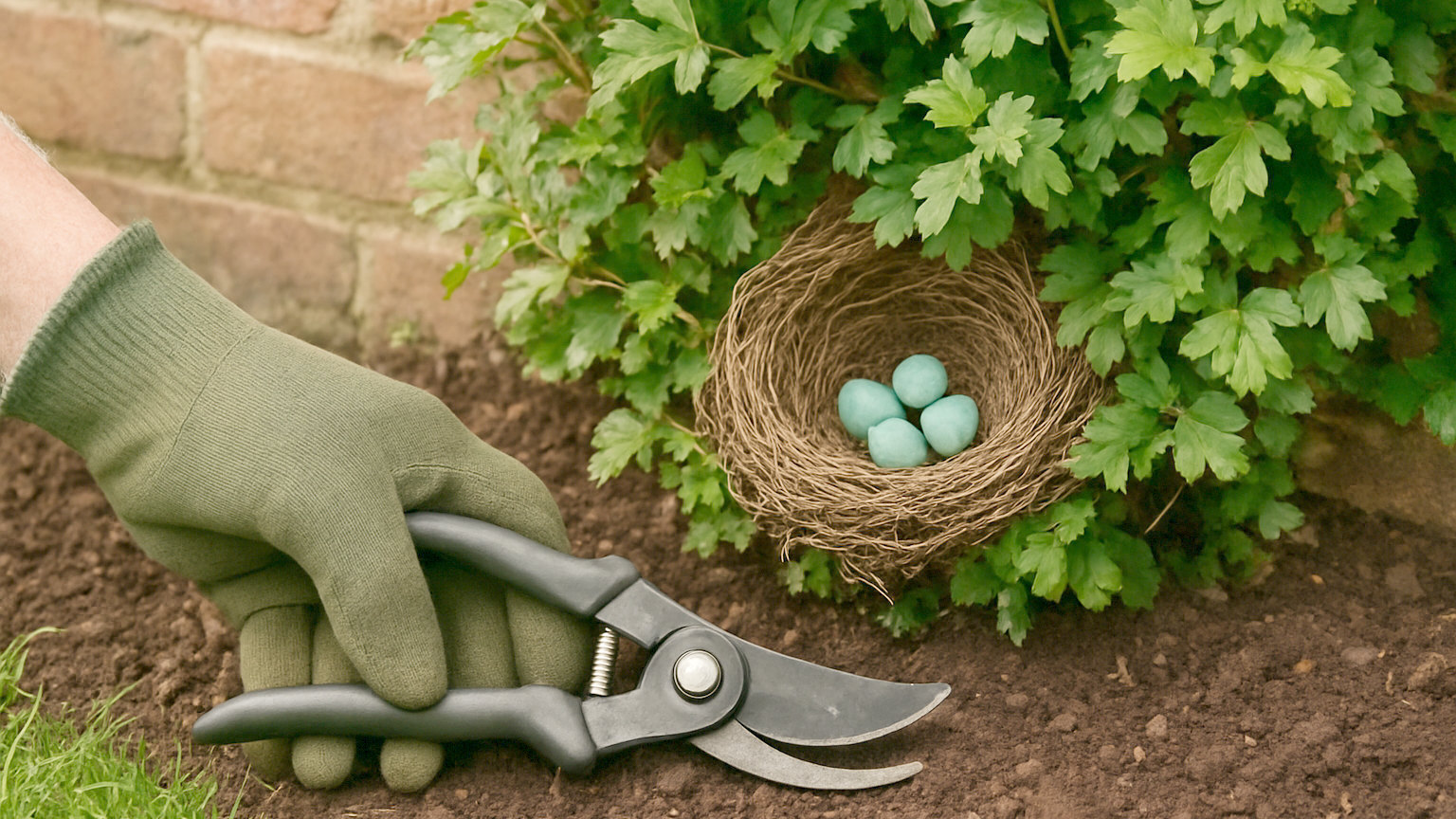
Most garden wildlife has legal protection of some kind, and several common responses are offences. What is protected, and what that means in practice.
A great deal of what looks like disease is drought, waterlogging, frost or weedkiller. Telling one from the other before reaching for a treatment.
Three quite different kinds of pathogen, spread differently and responding to different measures. What each looks like, and what can be done.
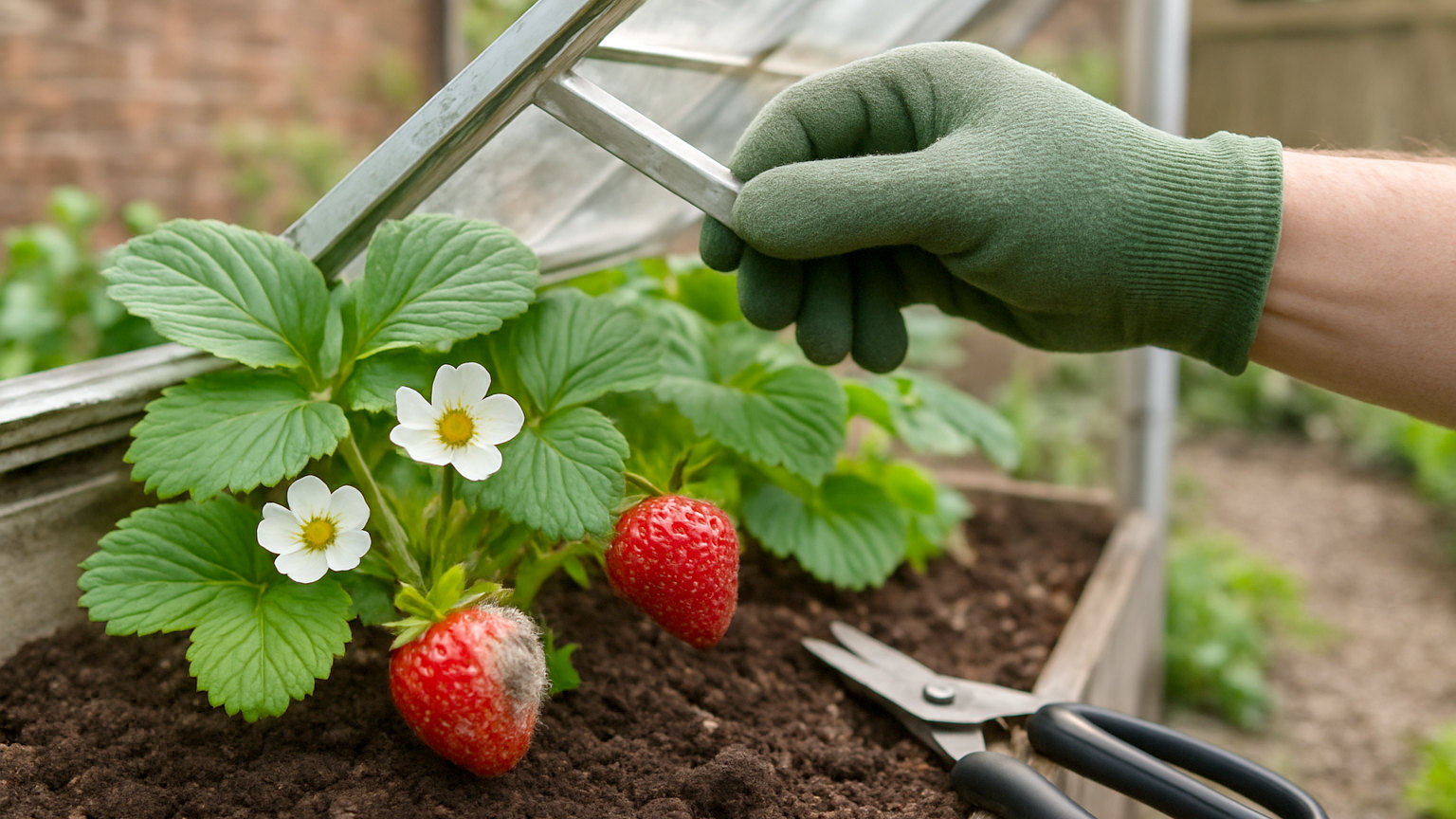
The fuzzy grey mould on dying petals and soft fruit, which enters through damaged tissue and thrives in still damp air. Ventilation is most of the answer.
Seedlings collapse at soil level and a whole tray goes within days. The water moulds responsible, and the hygiene that prevents them entirely.
Orange or brown pustules on leaf undersides, host-specific and rarely fatal. Which plants suffer, and the measures that reduce it.
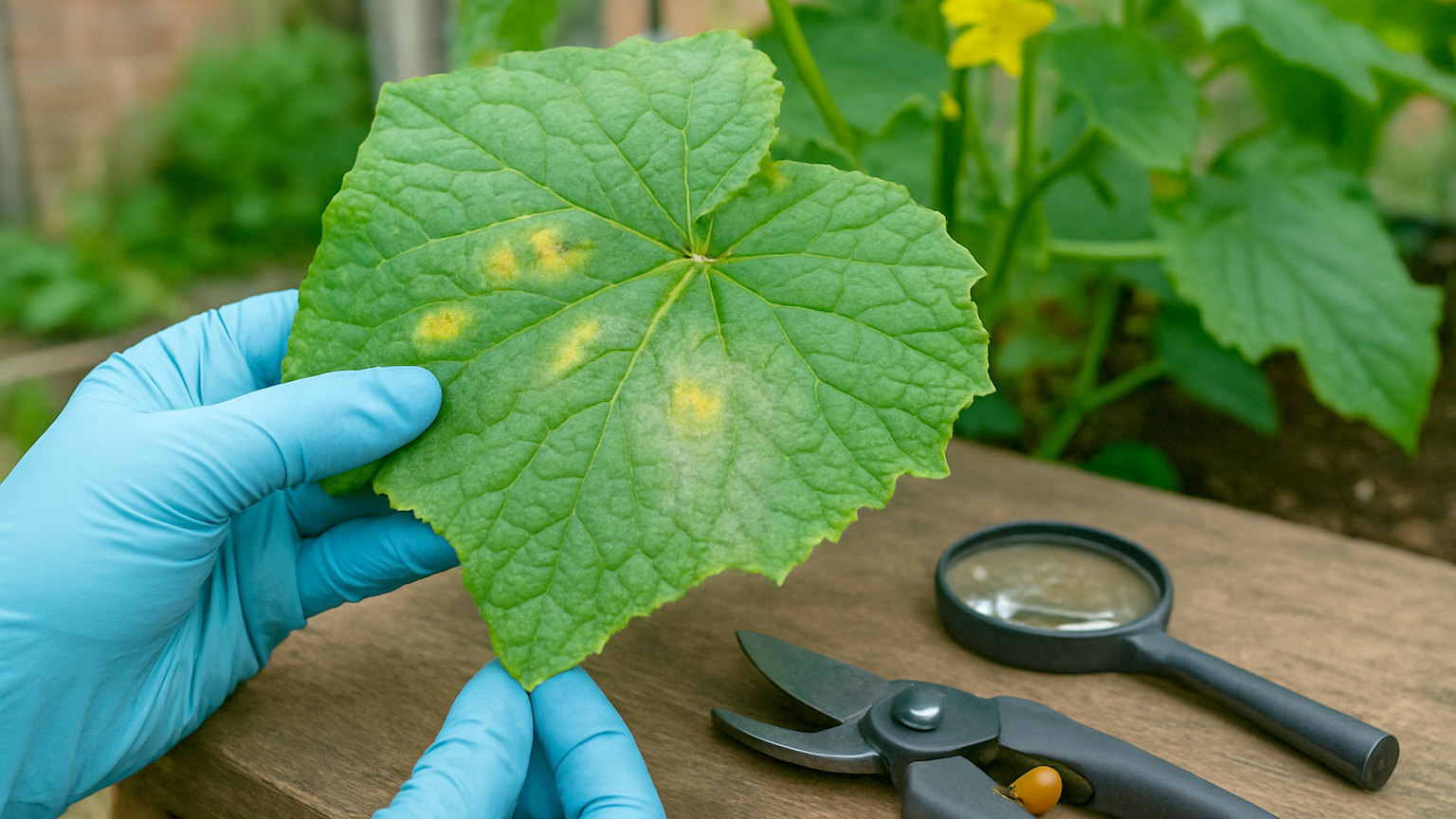
Not a mildew at all but a water mould, showing as angular yellow patches with grey growth beneath. Quite different from powdery mildew in what it needs.
The most destructive garden disease there is, killing woody plants and spreading underground by black rhizomorphs. Confirming it, and what can be done.