Hostas and Vulnerable Plants
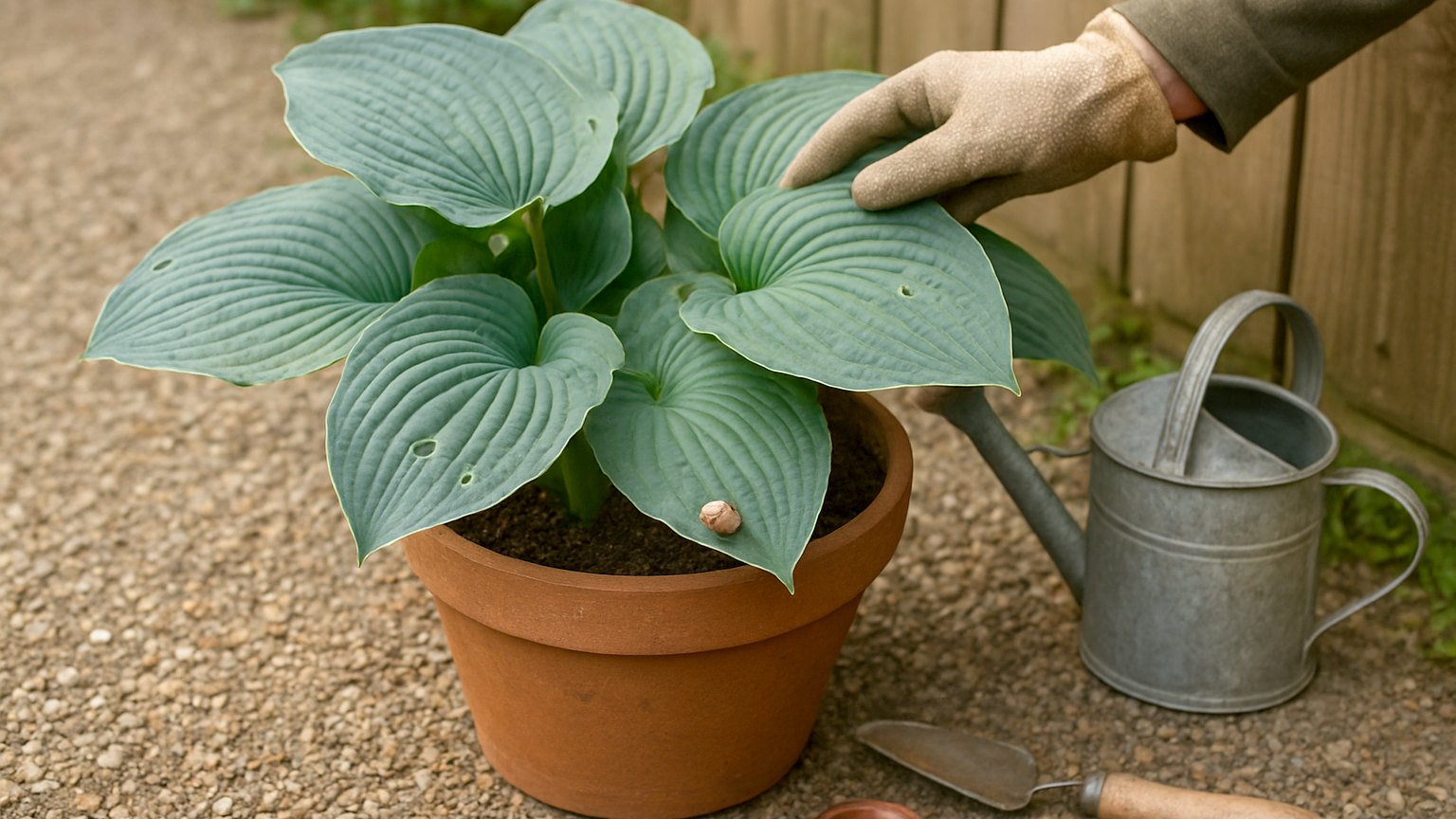
Some plants are eaten to the ground every year and some are never touched. Protecting the favourites, and choosing varieties that resist.
By Gardening Guides Editorial
31 Jul 2026

Something is eating it, something is wilting it, or it simply is not growing - and the first job is always identification, because the treatment for one problem is useless against another that looks much the same. These guides help you work out what you are looking at, then say what actually works, what does not, and what is not worth treating at all. Most garden problems resolve themselves, and knowing which ones will is the real skill.
Some plants are eaten to the ground every year and some are never touched. Protecting the favourites, and choosing varieties that resist.
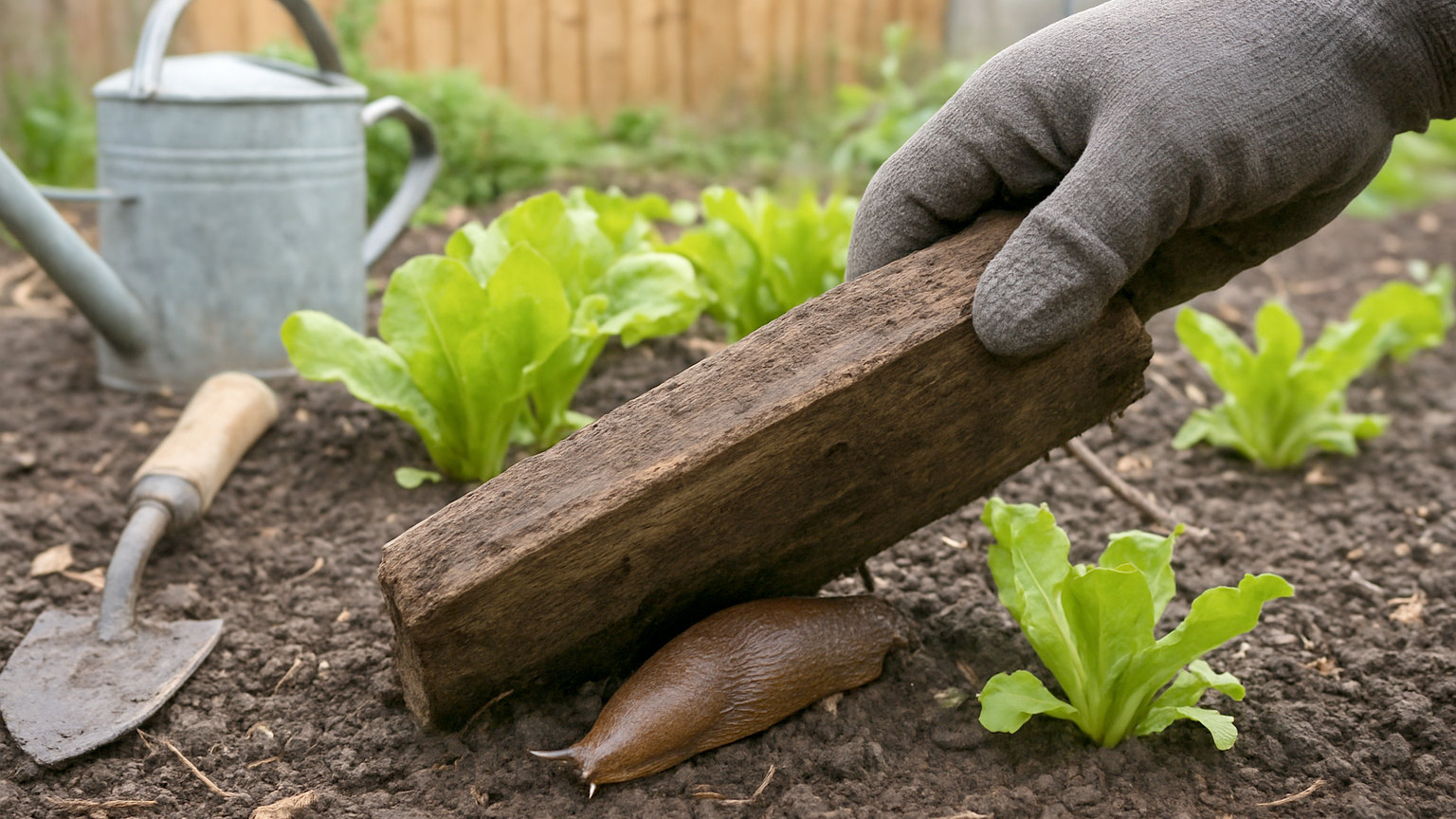
Changing how and when you garden reduces slug damage more than anything you can buy. Watering, mulching, timing and clearing shelter.
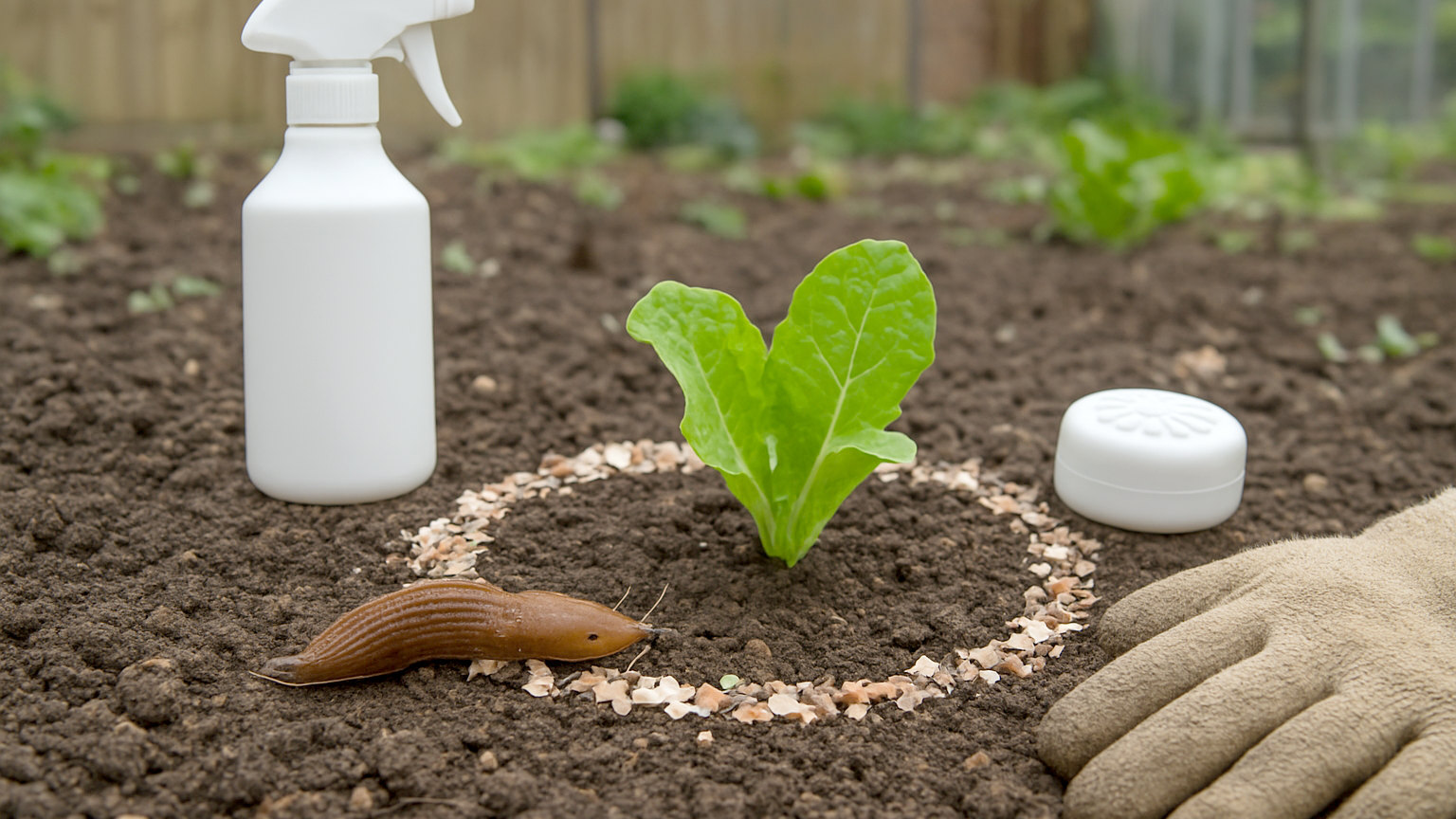
Eggshells, coffee grounds, garlic sprays and ultrasonic devices are all widely recommended and poorly supported. What the trials found.
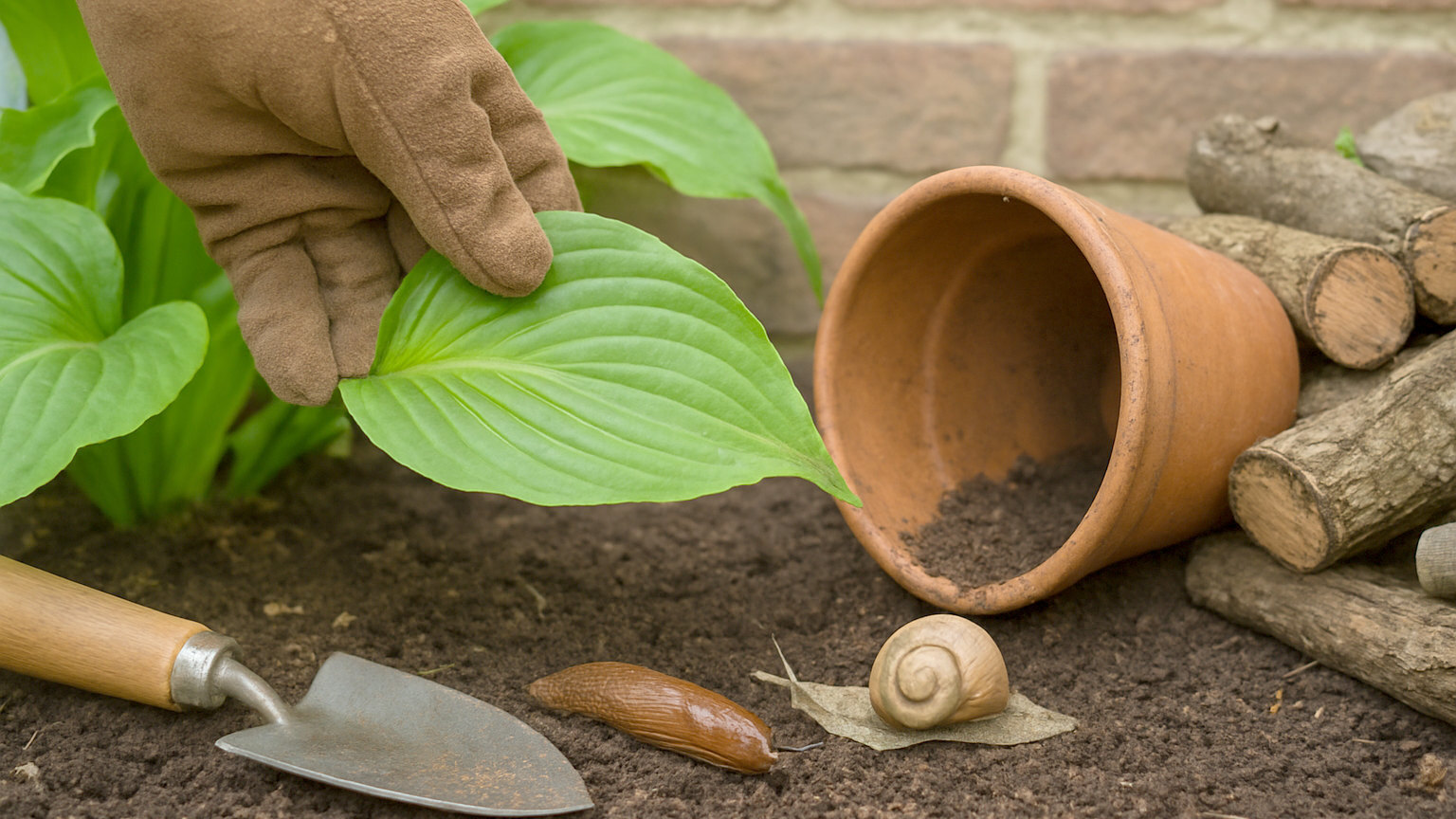
Elimination is neither possible nor desirable, and a garden that supports predators needs far less intervention. A proportionate approach.
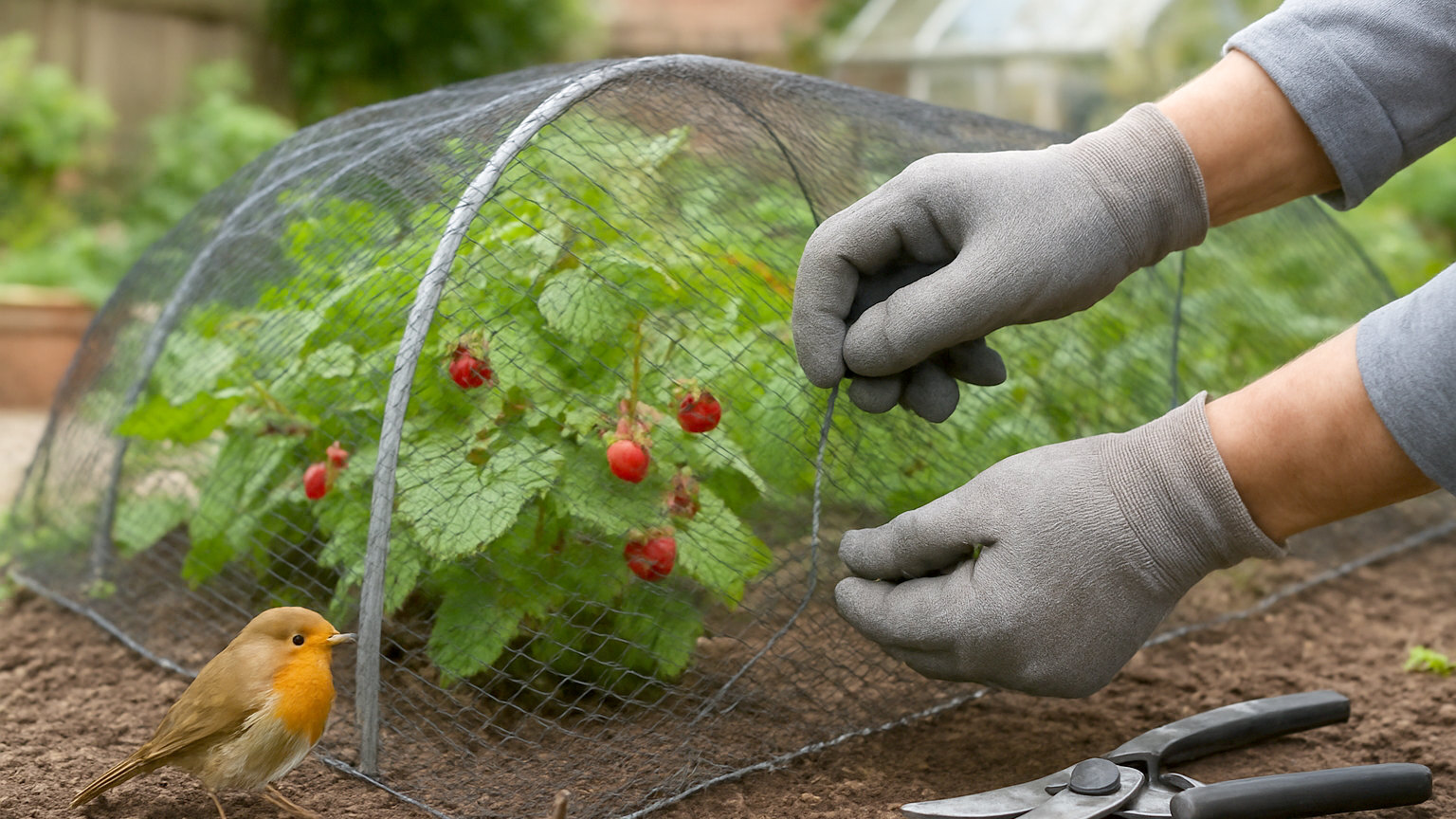
Netting is the most effective protection there is and it traps and kills wildlife when badly fitted. How to use it without harming anything.
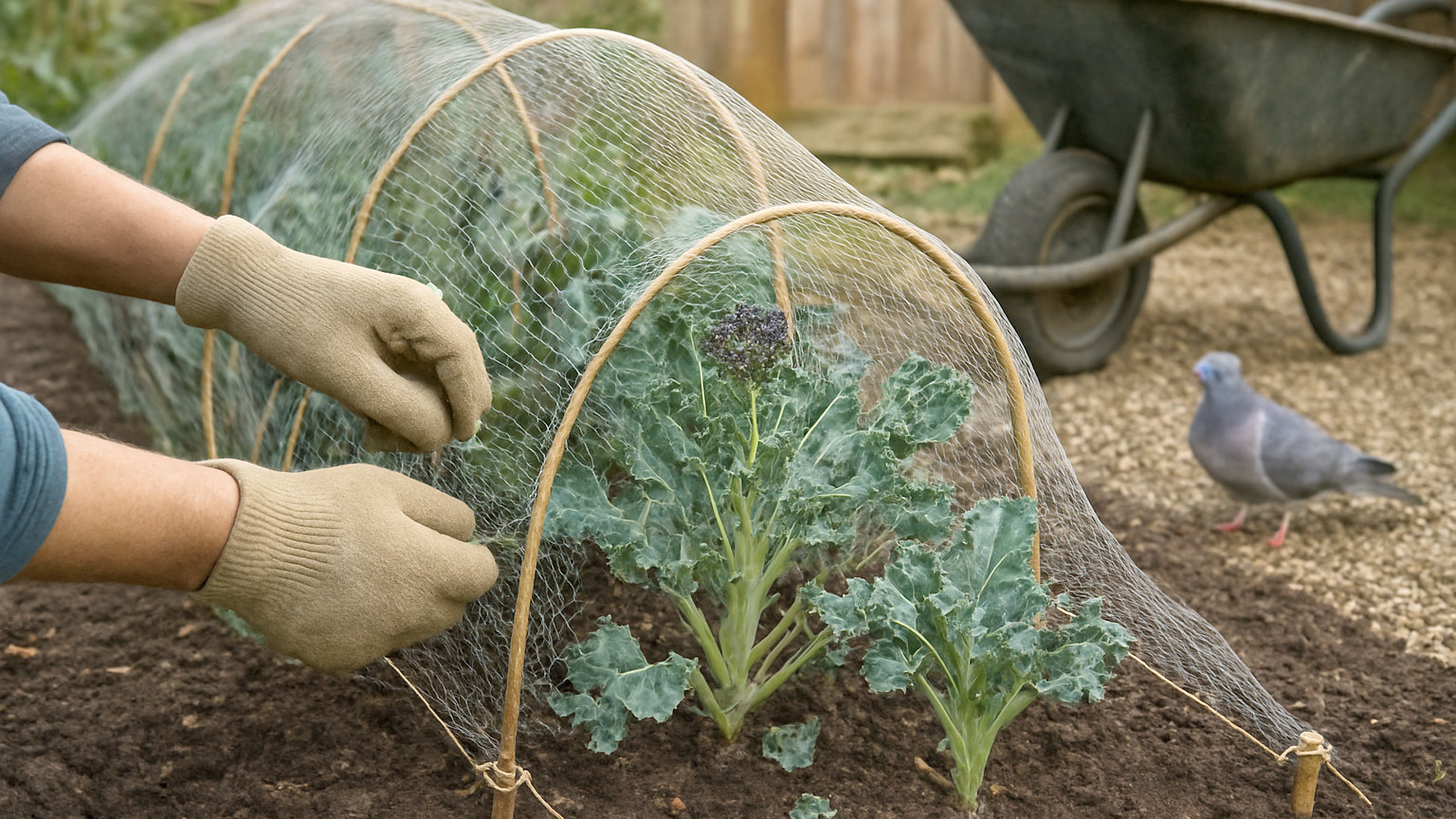
Woodpigeons strip a row of brassicas to the stalks in a morning, mostly in winter when little else is available. Exclusion is the only reliable answer.
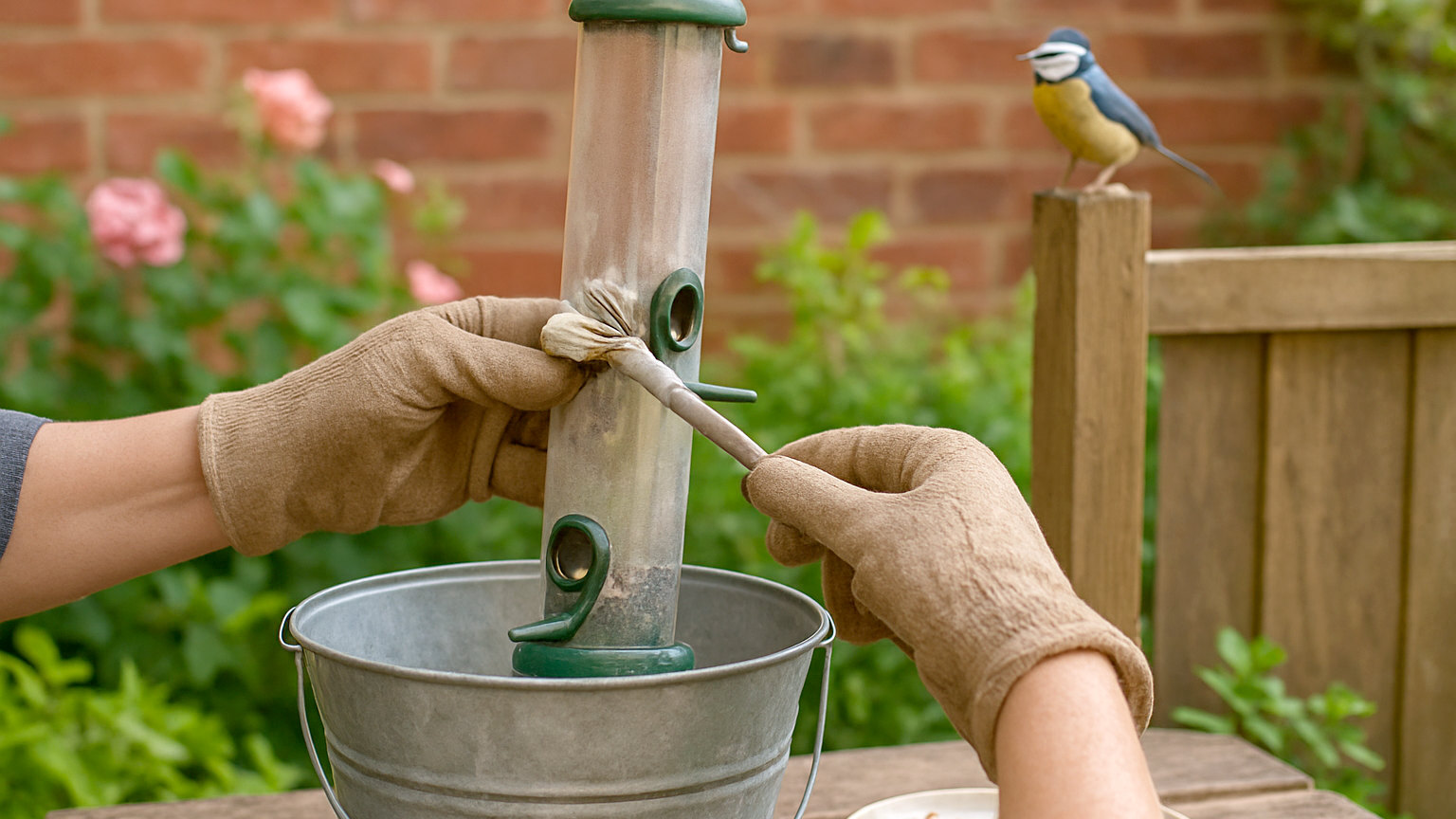
Birds eat enormous quantities of garden pests, and dirty feeders spread diseases that kill them. Hygiene, what to feed, and what to avoid.
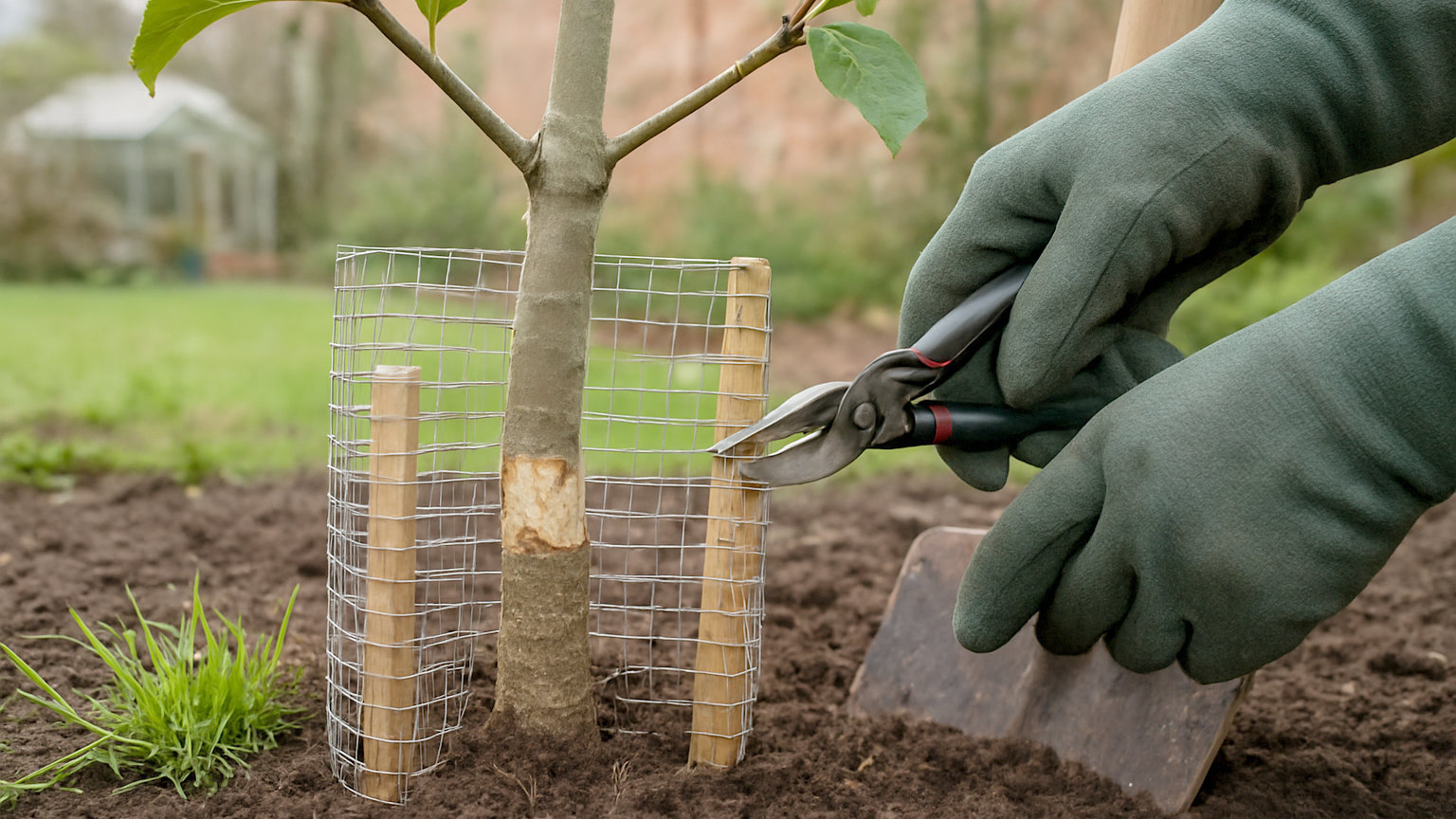
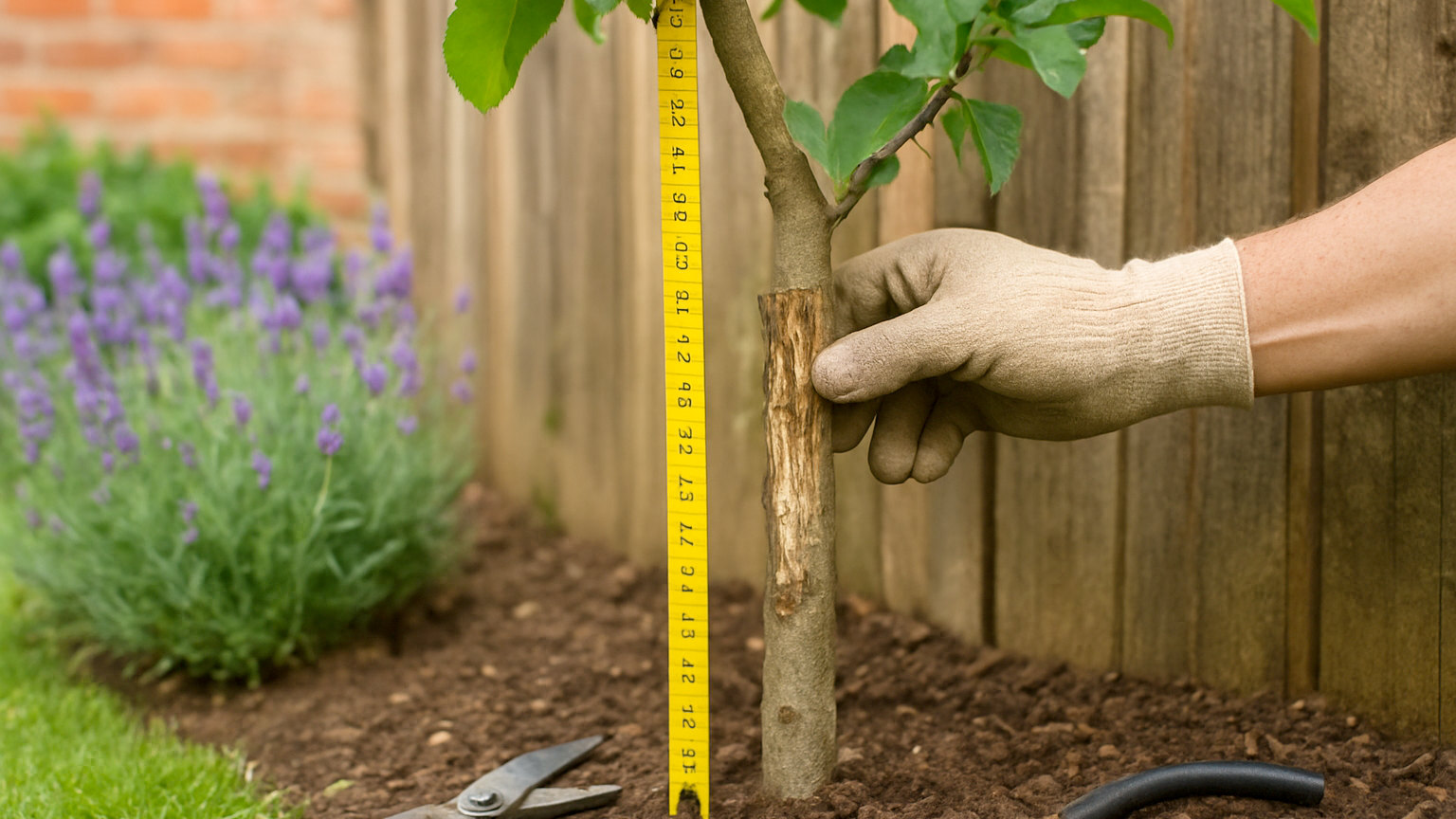
Rabbits graze to a clean angled cut and ring-bark young trees in winter. Fencing done properly is the only thing that reliably stops them.
Deer tear rather than cut, browse well above rabbit height and damage trees by fraying. Fence heights, and the plants they leave alone.
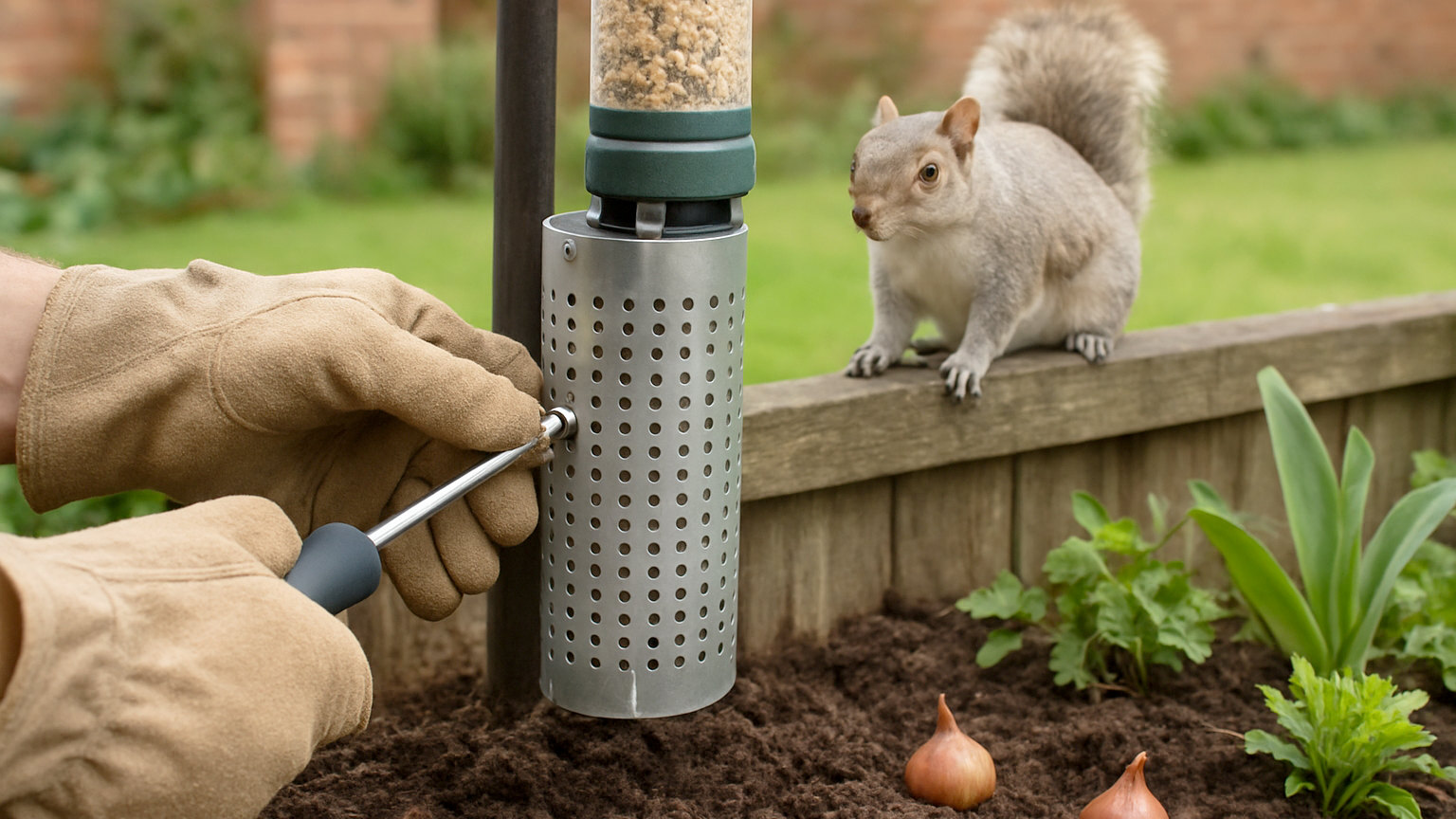
Grey squirrels dig up bulbs, strip bark, empty feeders and take fruit. What actually deters them, and the law on trapping and release.
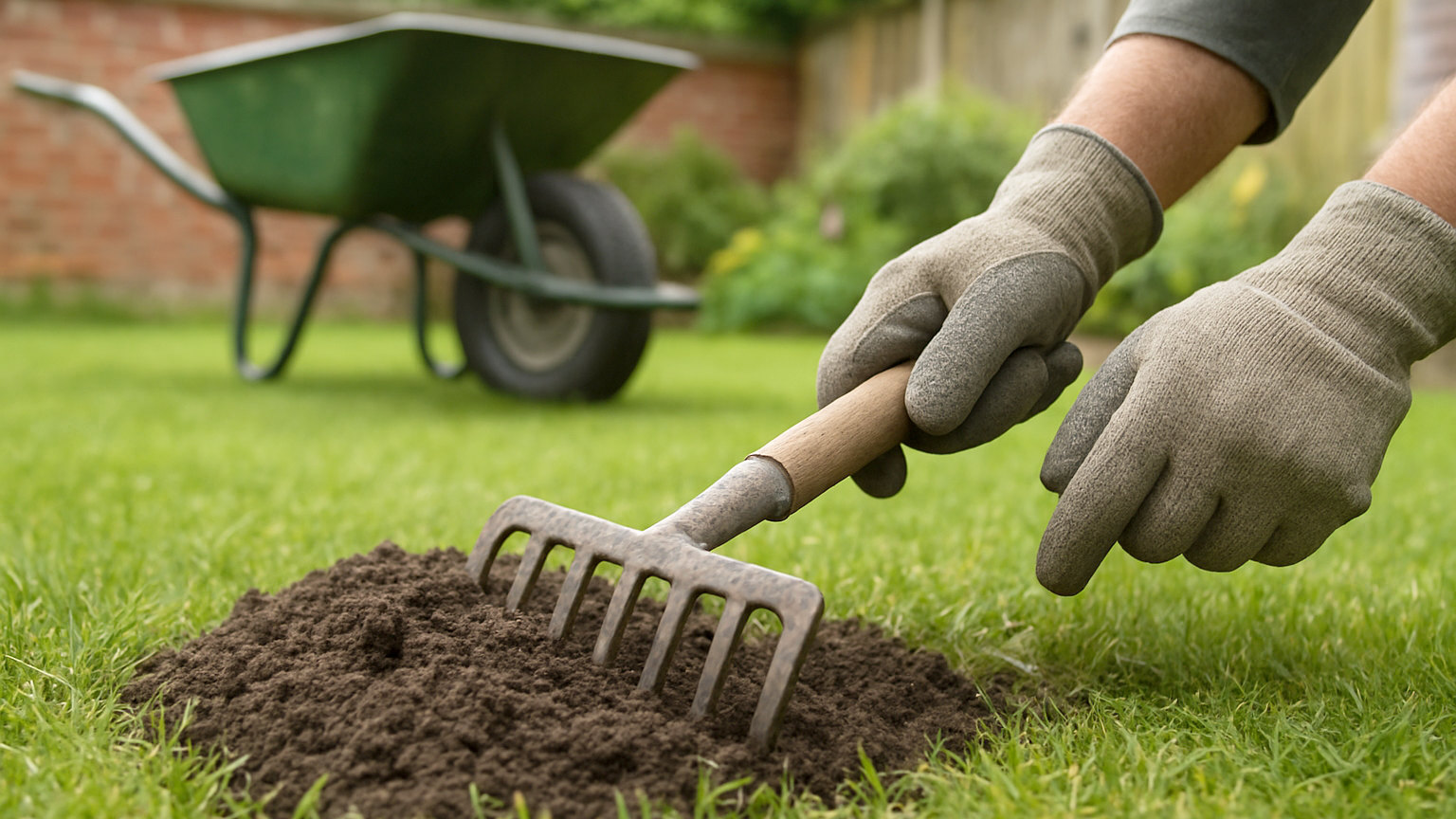
Molehills are unsightly and the tunnelling does little real harm. What moles actually do, why they arrive, and the realistic options.
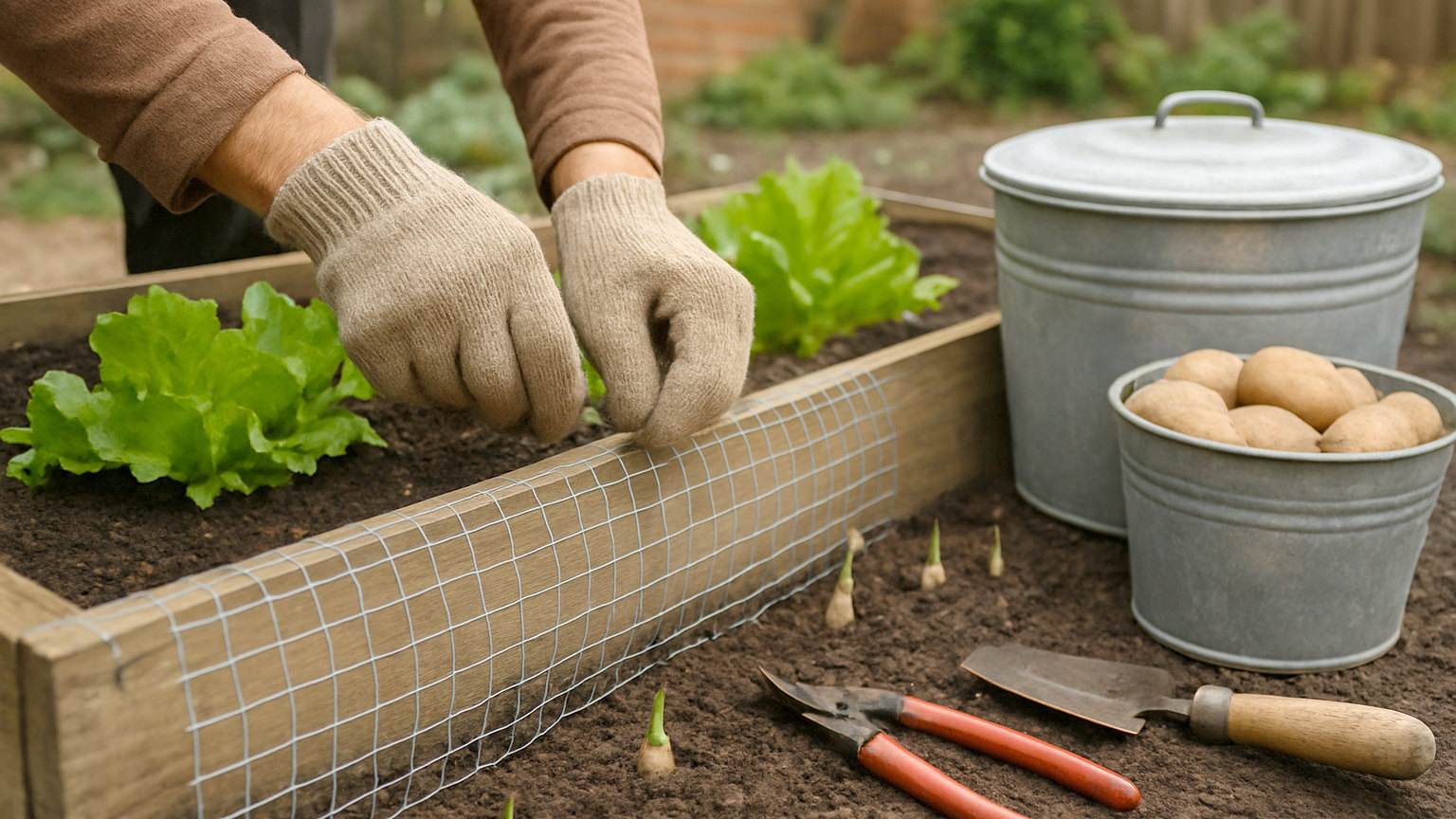
Rodents take seed, gnaw bulbs and stored crops, and rats bring health risks. Excluding them, and why poison is the last resort rather than the first.