How to Lay a Patio: Falls and Base
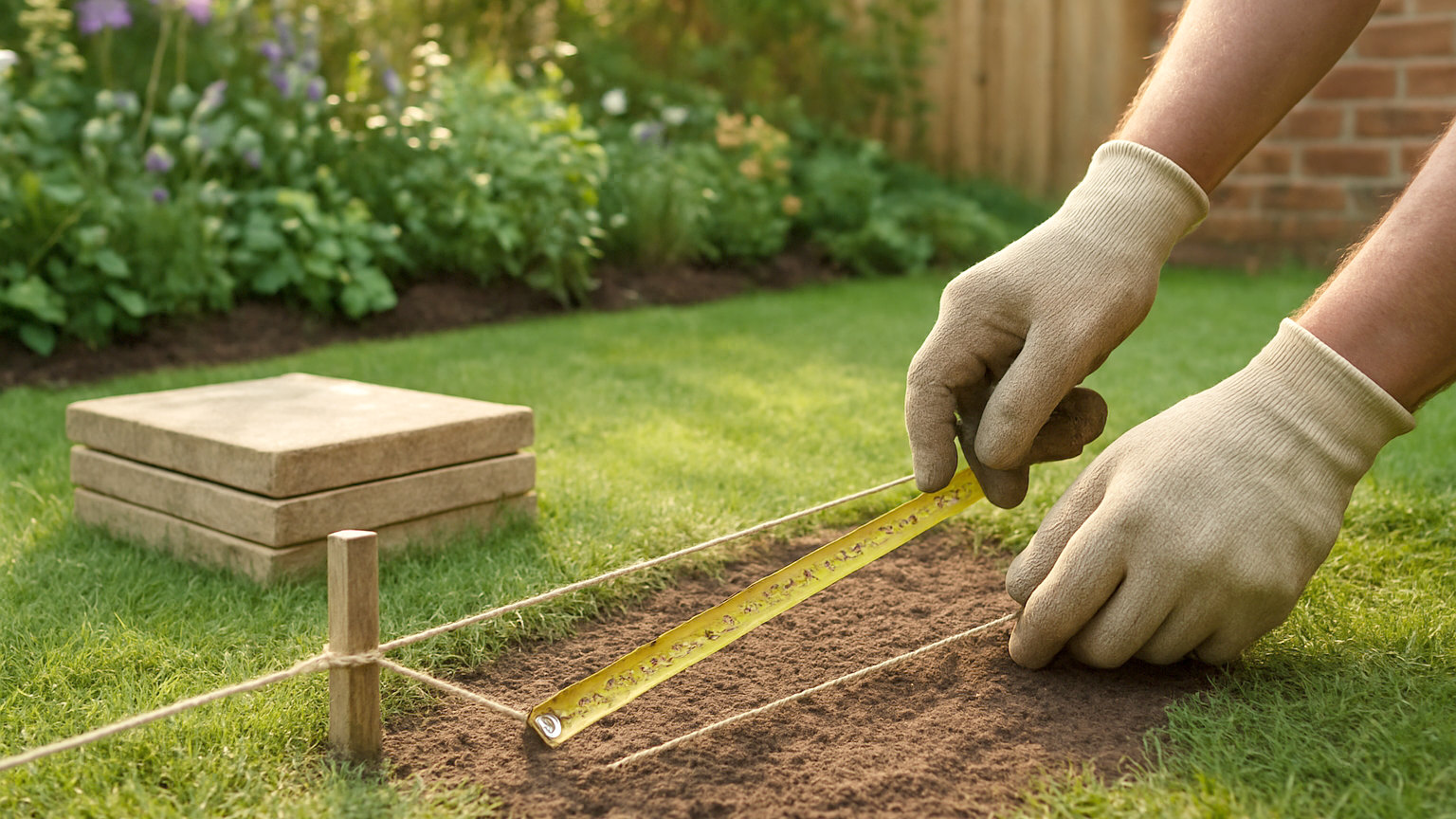
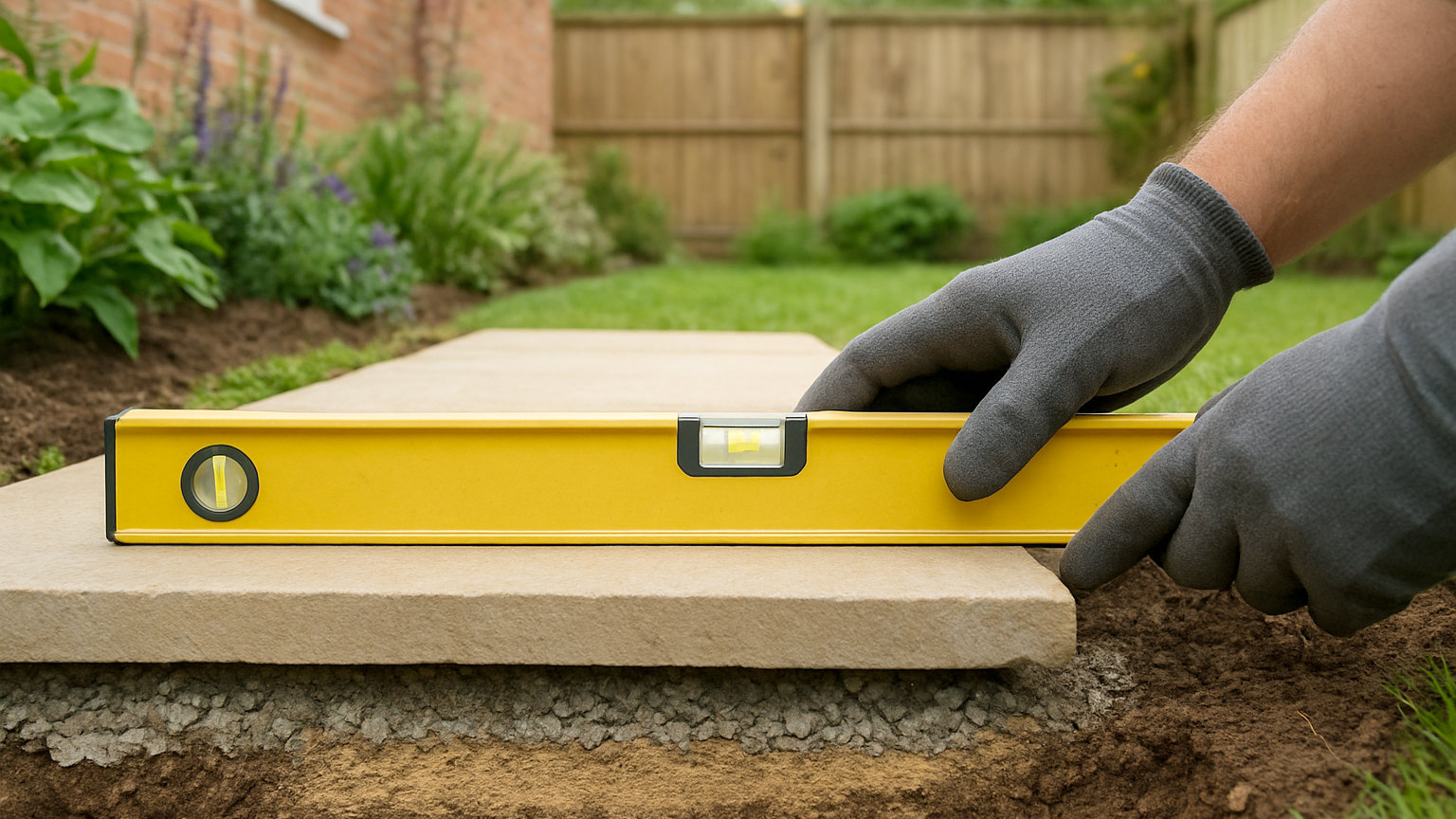
Two measurements decide whether a patio lasts: the depth of the sub-base and the fall away from the house. Sizing it properly, and the damp proof course rule.
Sizing a seating area properly, falls and drainage, timber versus composite, and what the job actually involves.
Two measurements decide whether a patio lasts: the depth of the sub-base and the fall away from the house. Sizing it properly, and the damp proof course rule.
Decking suits a sloping site and a warm surface underfoot; paving lasts longer and needs almost nothing. An honest comparison, including the slip problem.
The area right outside the back door is often the worst place for a terrace. Working out where the sun falls when you actually want to sit, and finding shelter.
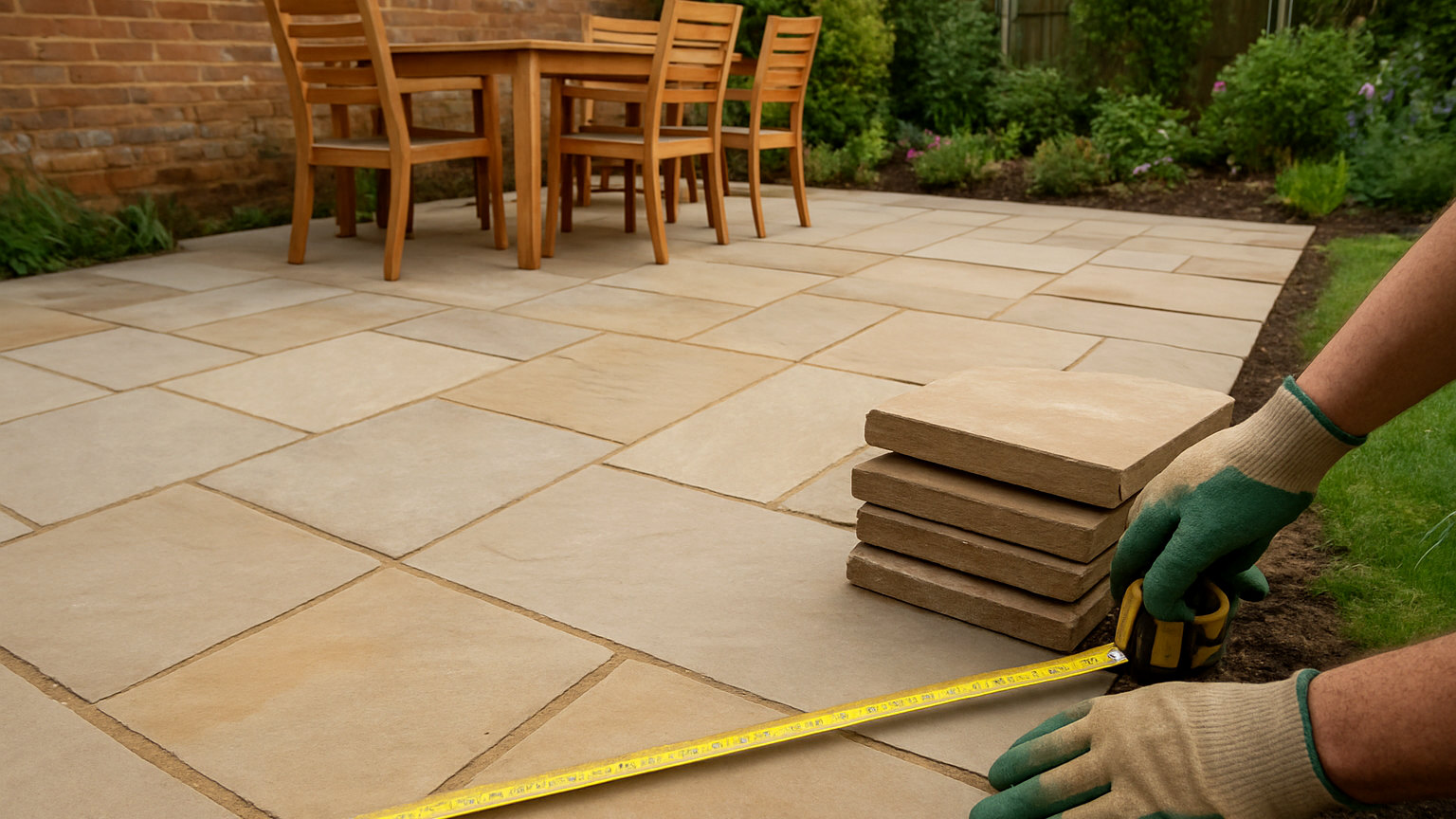
Terraces are almost always built too small, because the area needed for chairs pulled out and people walking round is much larger than the table suggests.
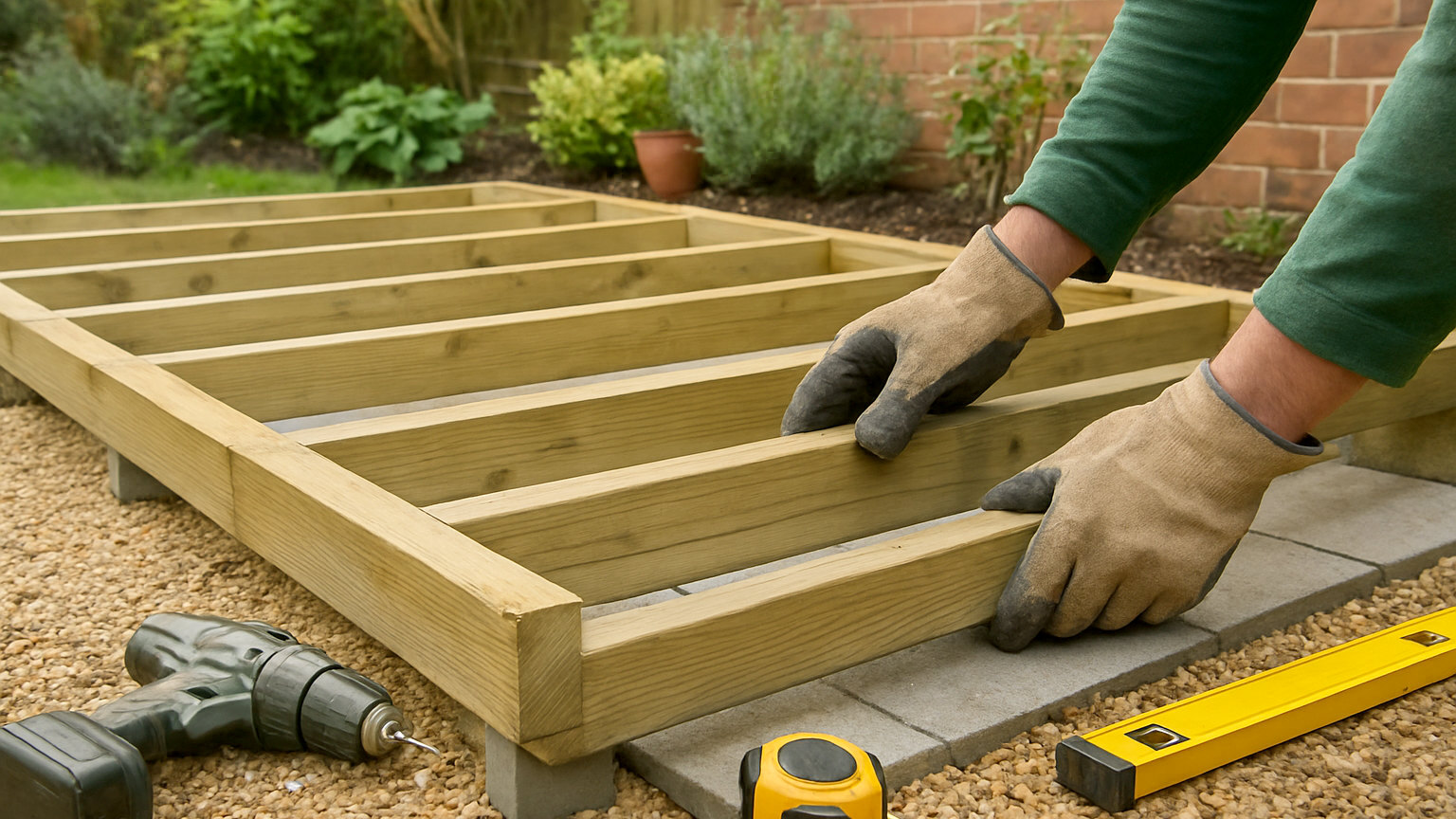
A deck is only as good as the frame under it, and rot starts where timber meets the ground. Joist spacing, ventilation, and supporting the structure properly.
Composite costs more and needs no treating; timber costs less and needs attention every year or two. What each is actually like after five years.
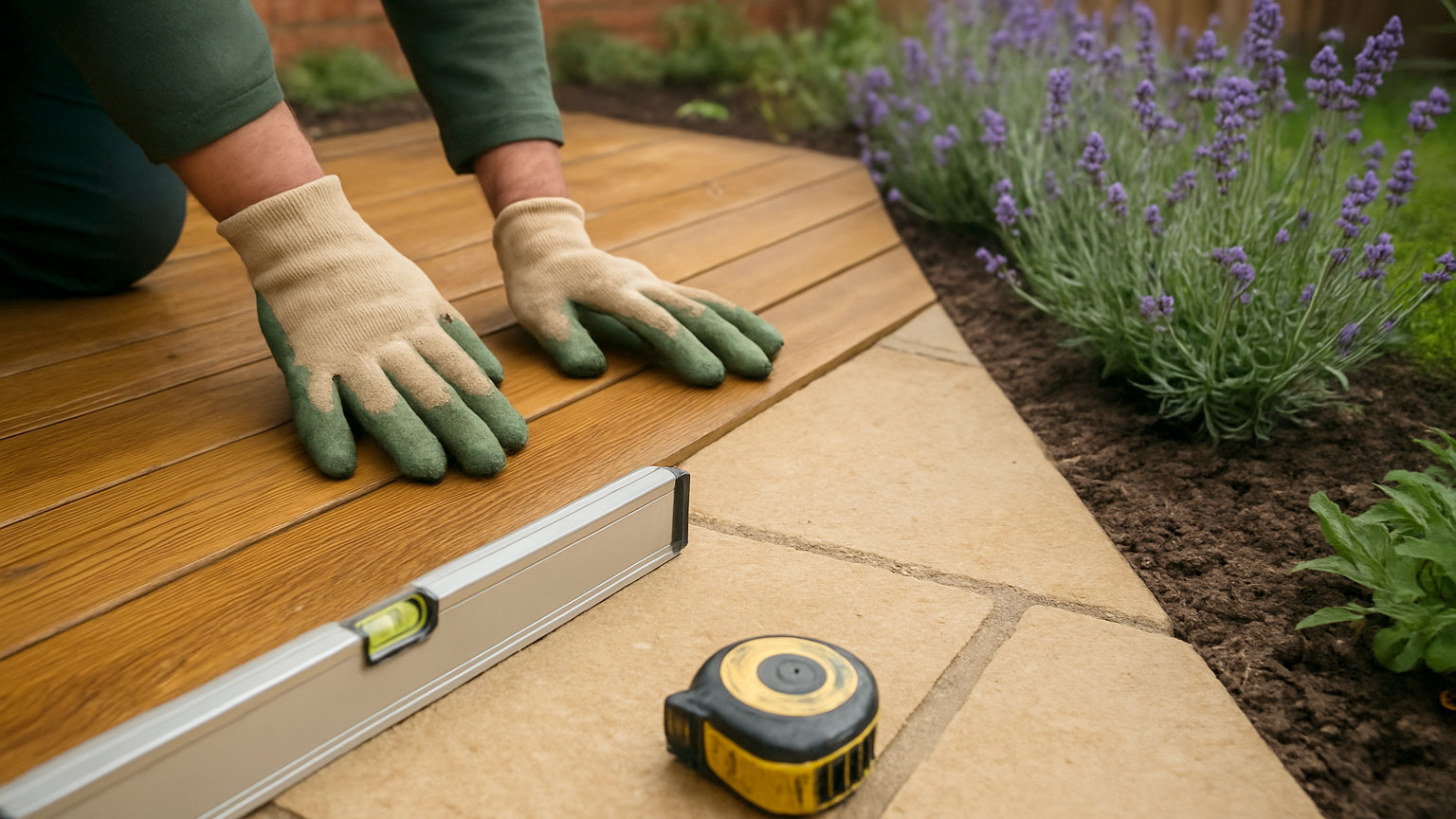
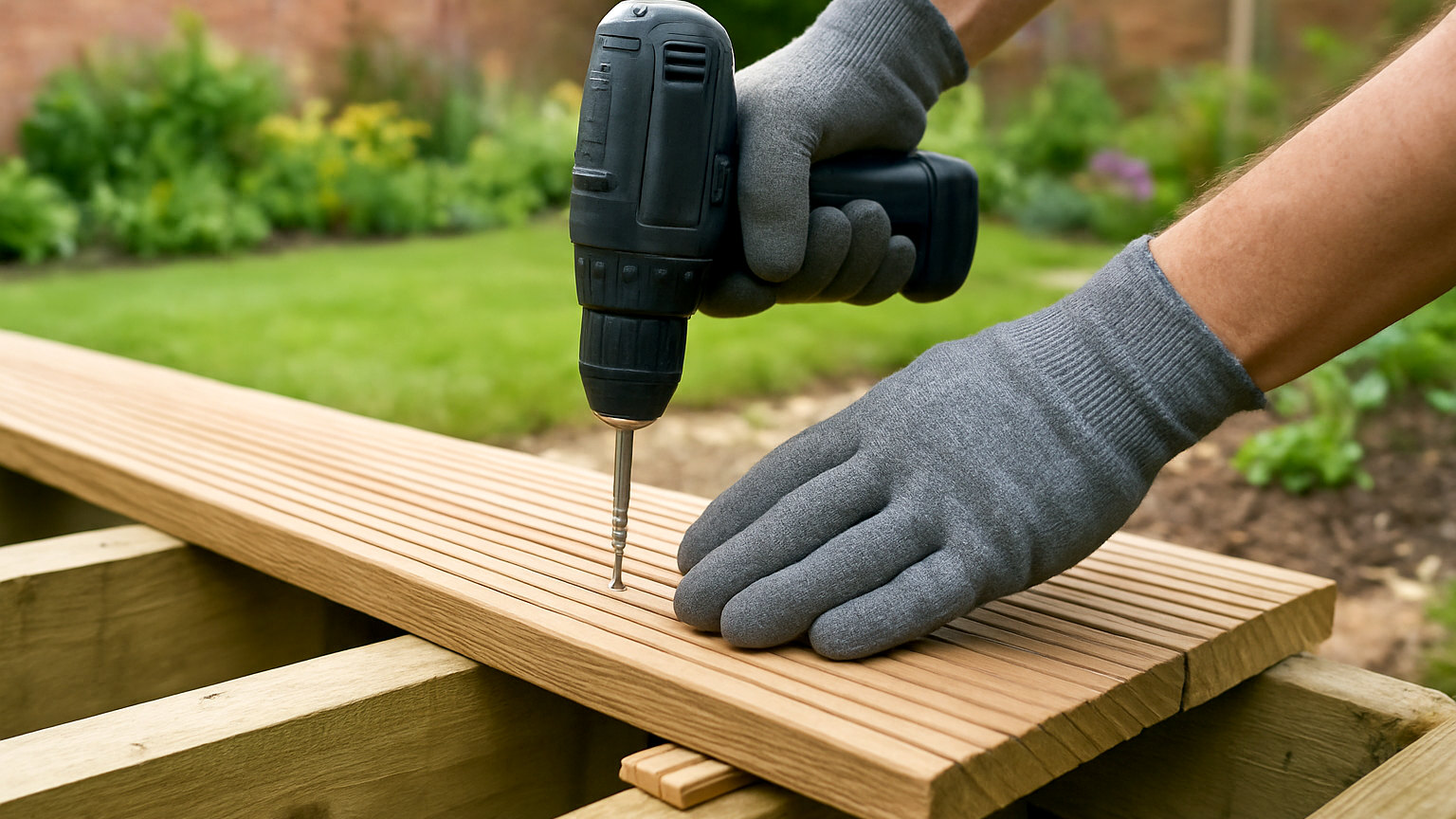
Gaps between boards let water through and allow for movement, and getting them wrong causes most of the problems. Fixings, spacing and board direction.
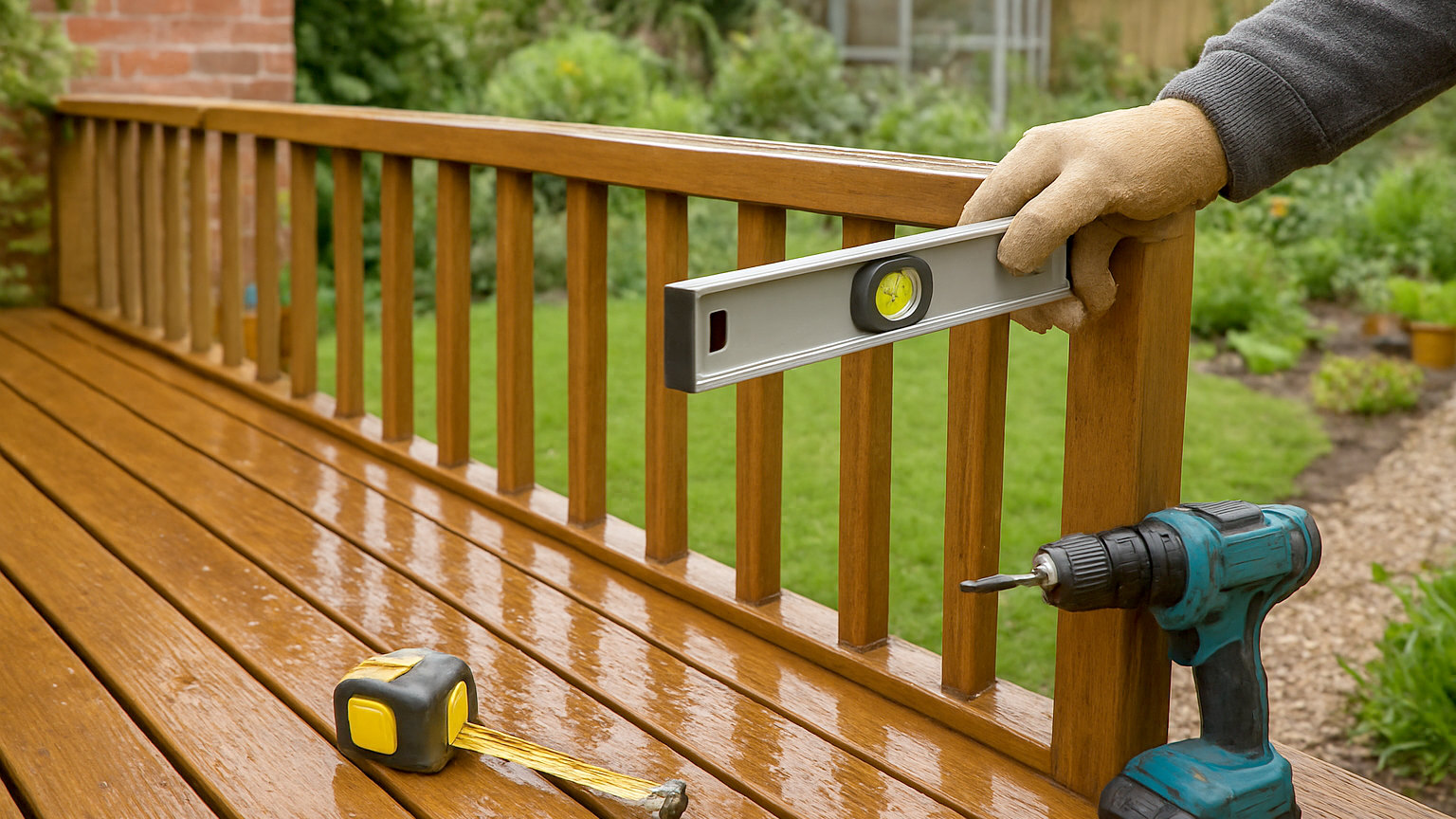
Wet decking is genuinely slippery and raised decks need proper balustrades. The heights and gap dimensions that matter, and keeping a surface safe underfoot.
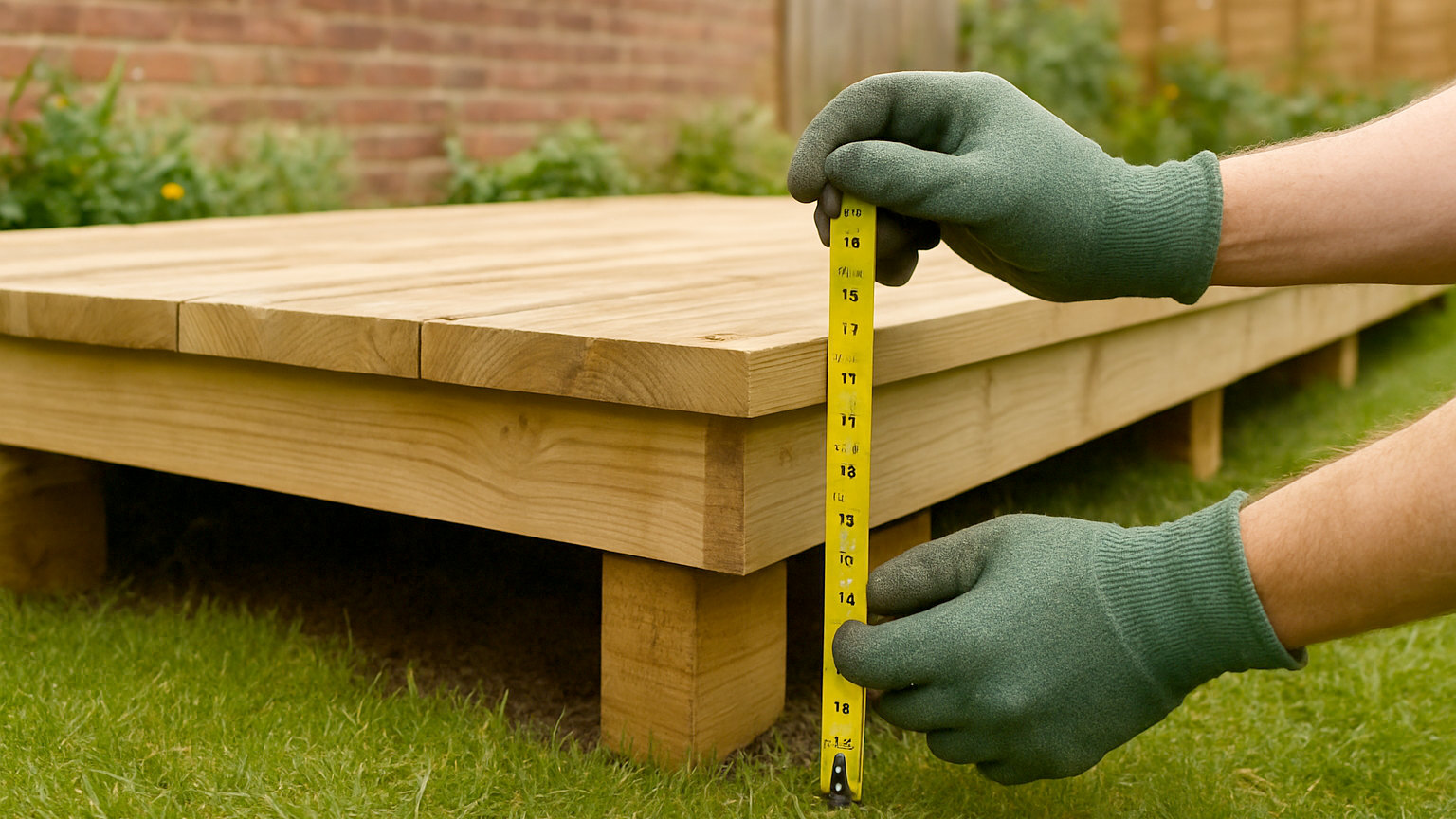
Decking more than thirty centimetres above the ground generally needs planning permission, which catches a great many people out after the work is done.
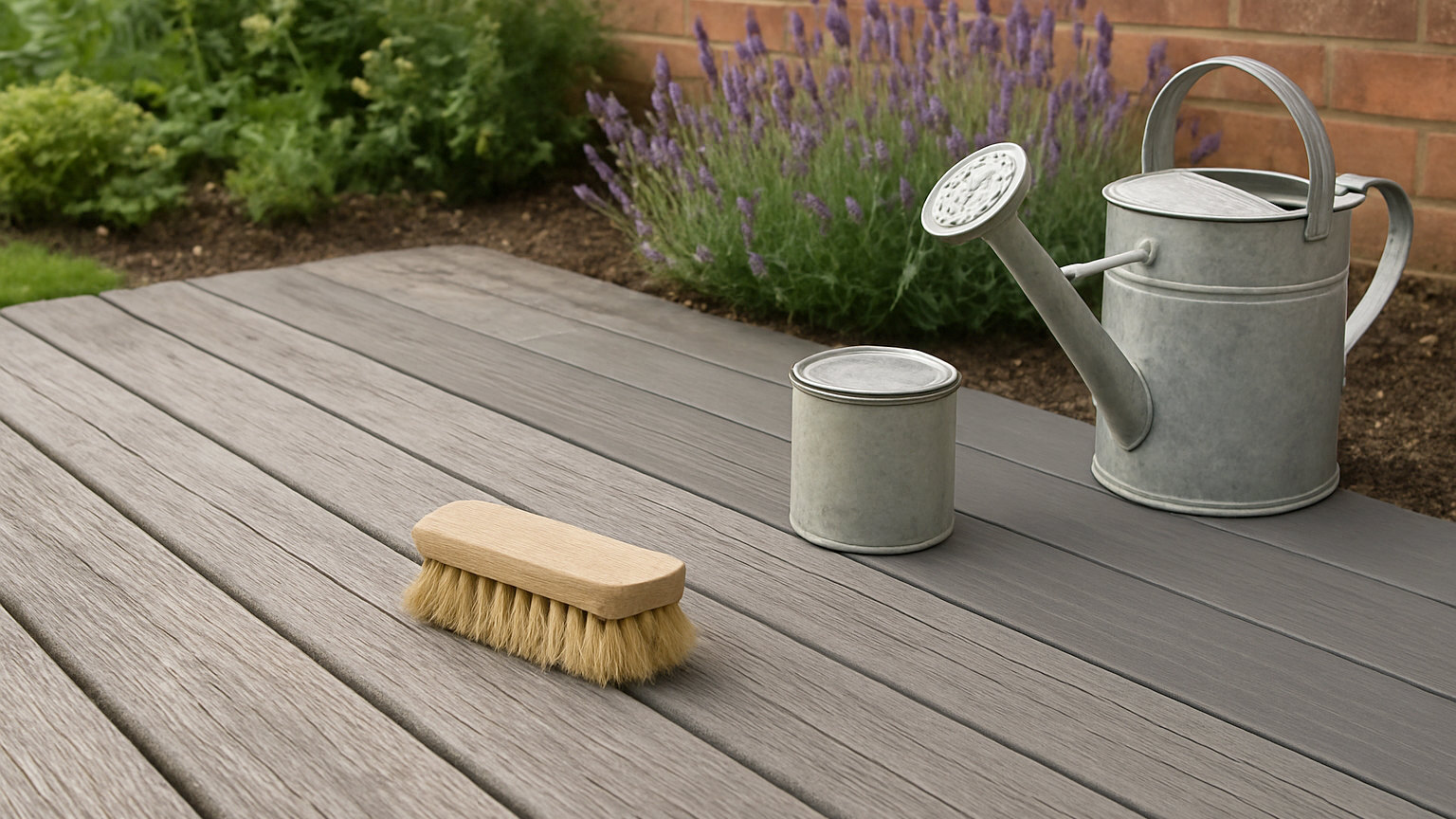
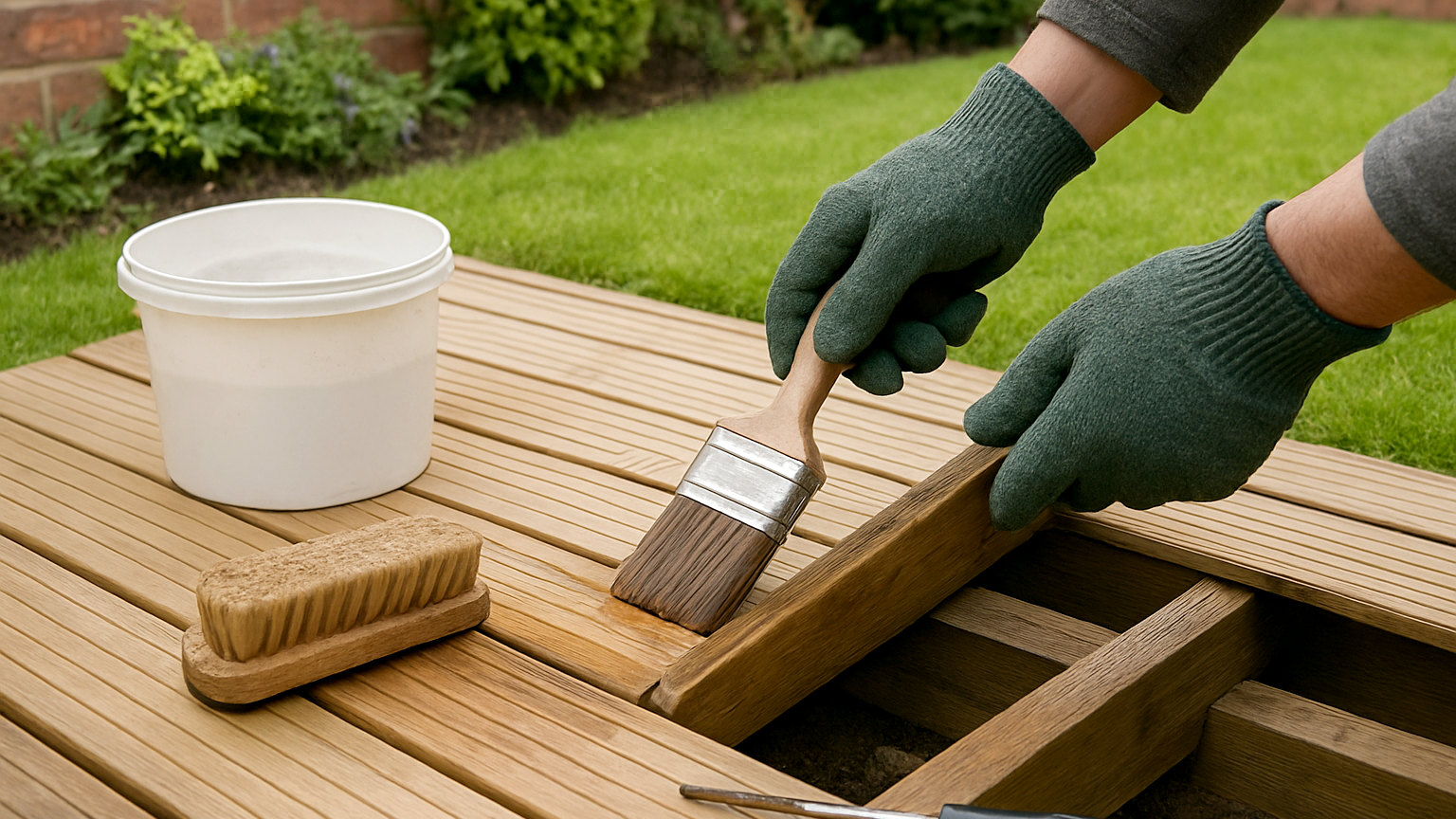
A timber deck needs cleaning annually and oiling every year or two, and the frame beneath needs checking. What the routine is, and what happens without it.
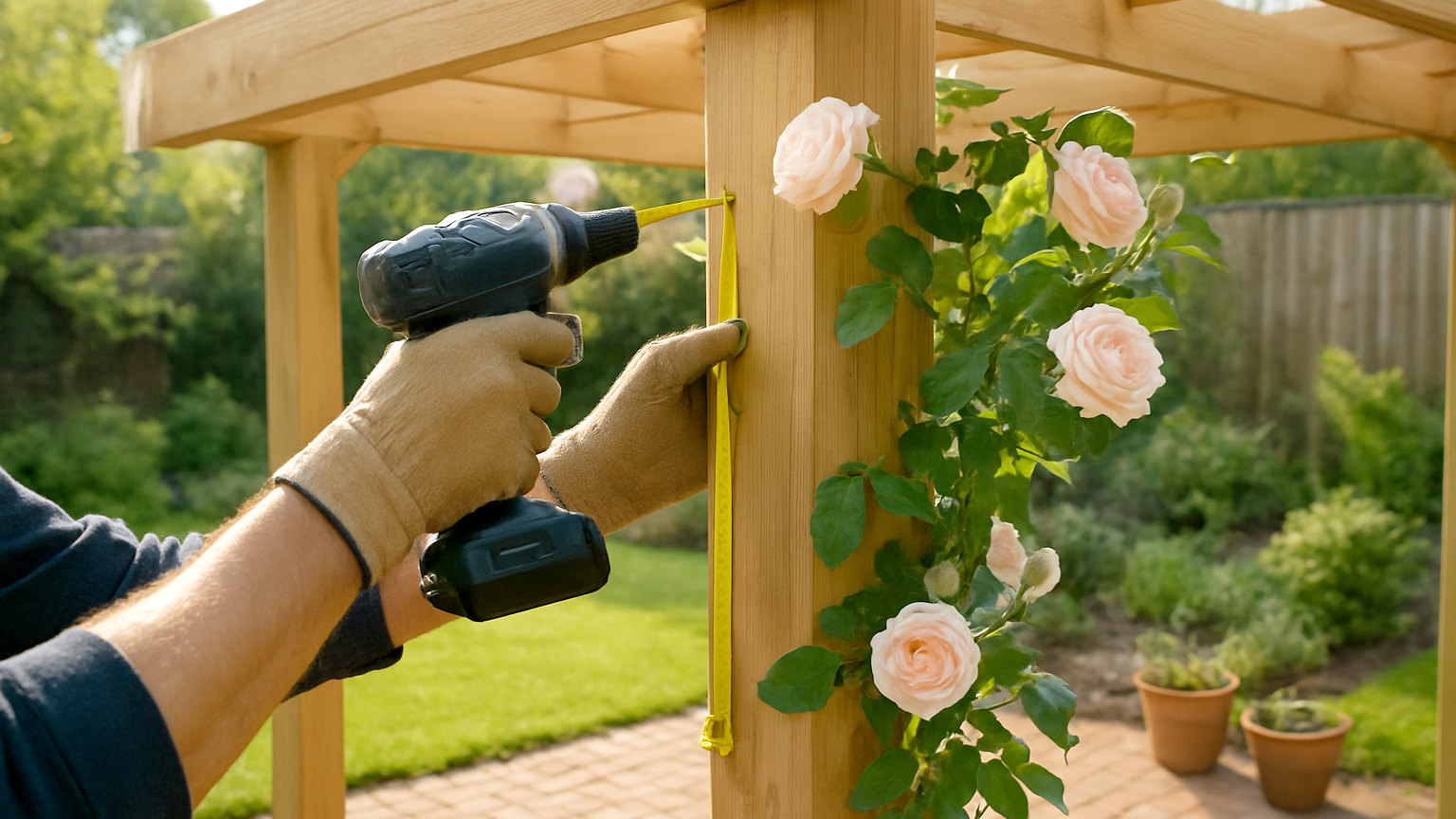
Overhead structure is the only thing that screens a terrace from above, and it provides shade where a parasol will not reach. Sizes, fixing and planting.
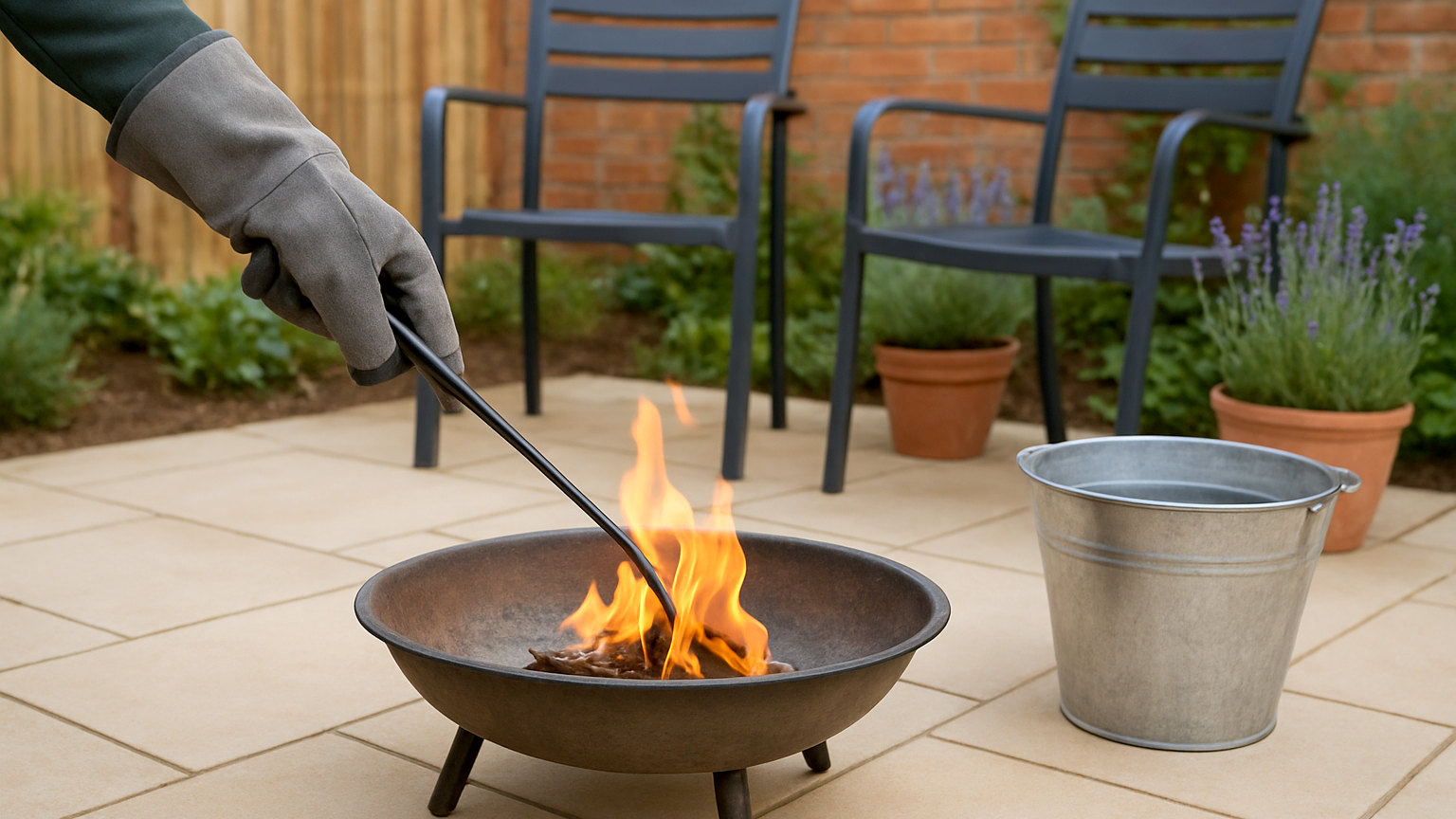
Fire pits extend the season and carry real risks, including one that kills people every year. Siting, surfaces, carbon monoxide and smoke.