How to Lay a Gravel Path
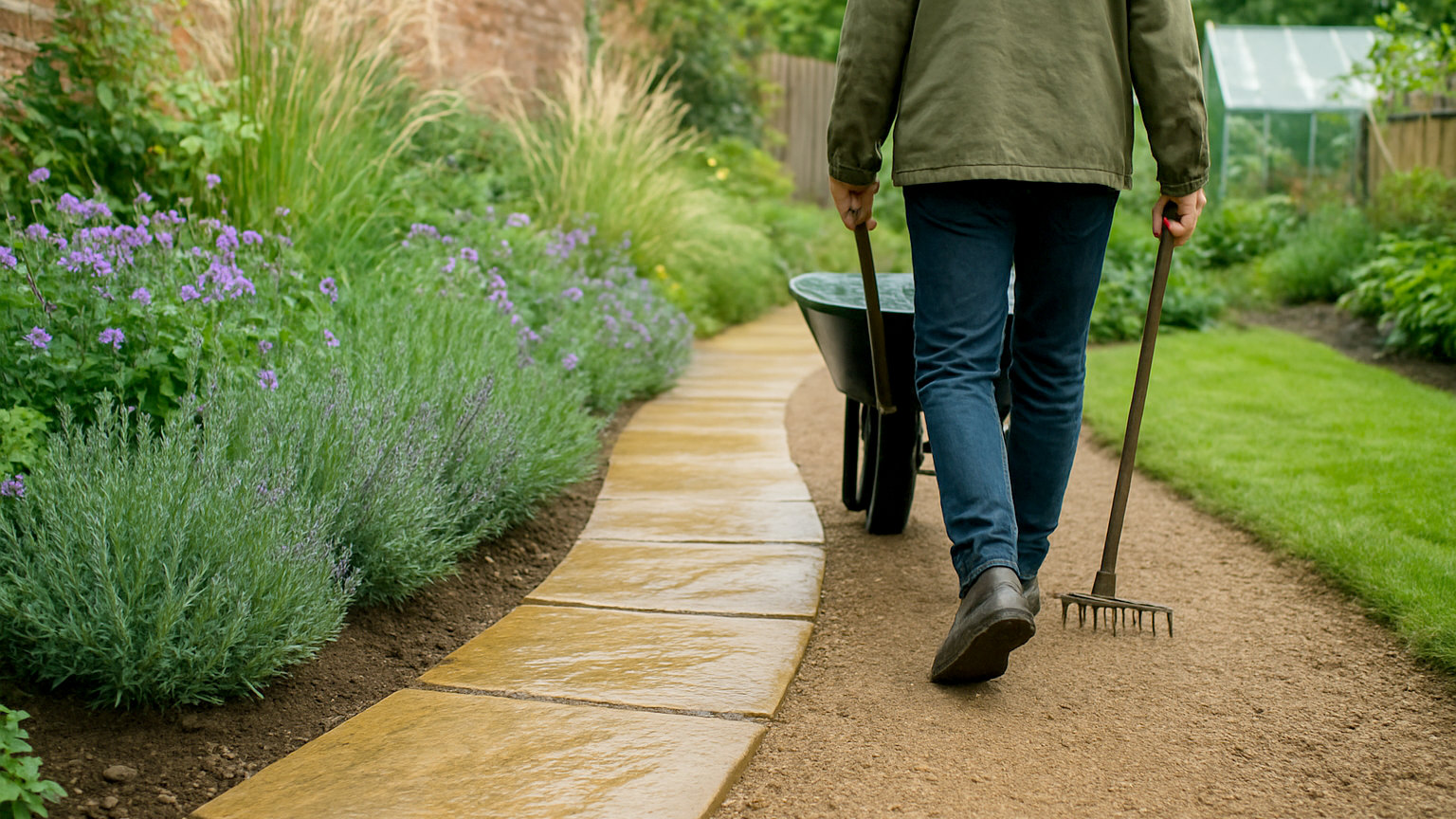
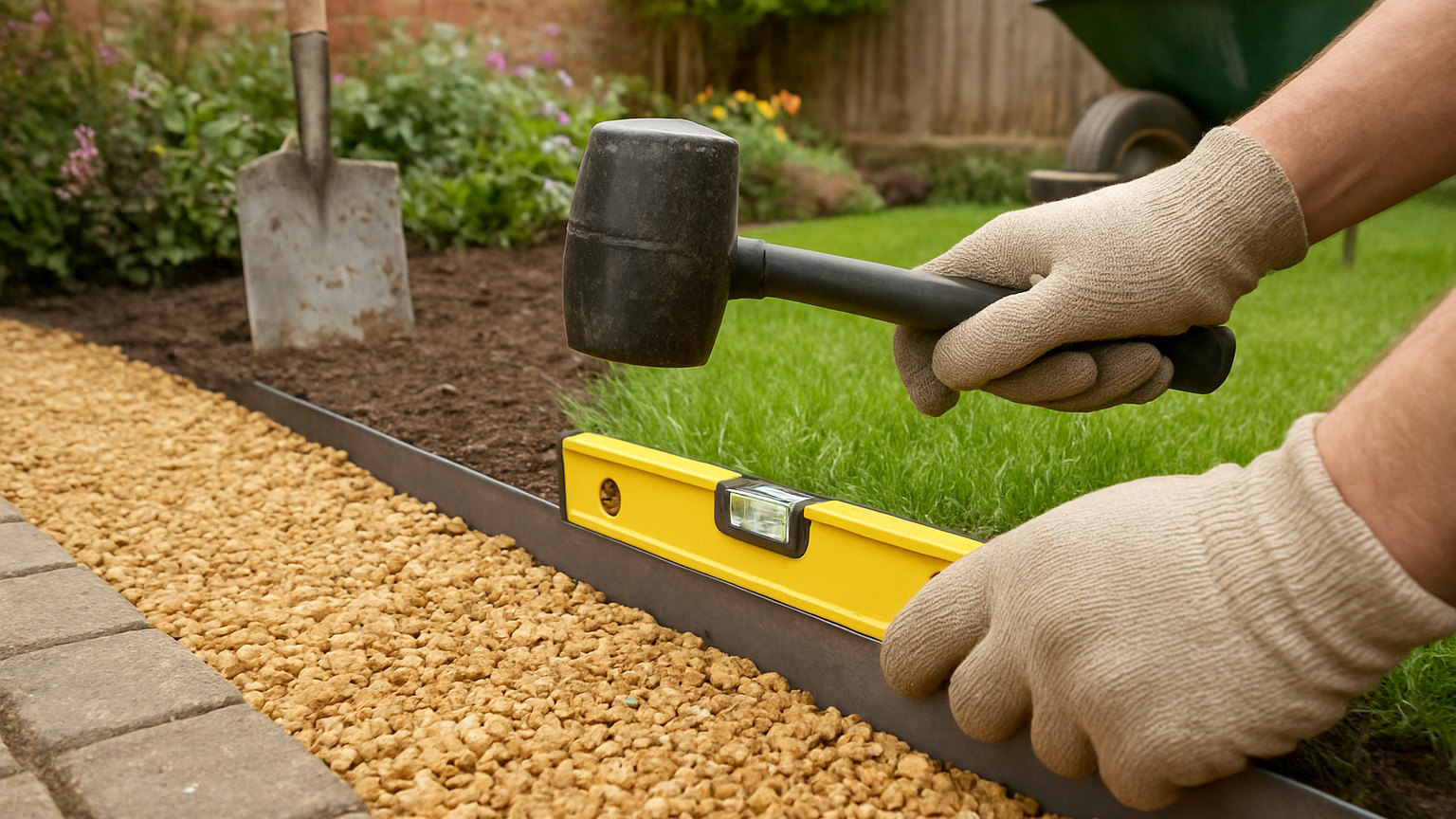
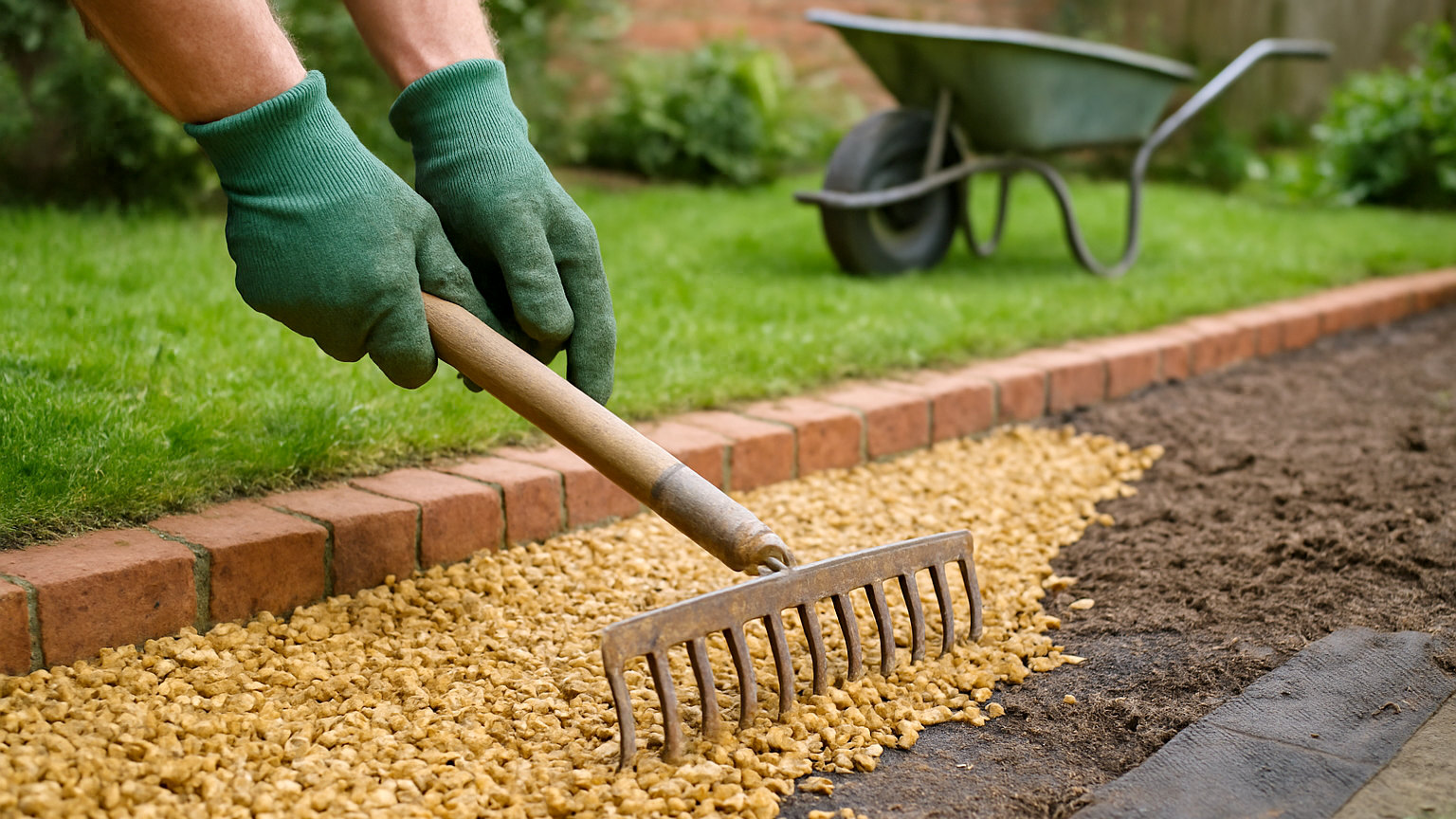
The cheapest hard surface in the garden, and the one most often laid badly. Sub-base, edging, membrane and the type of gravel that stays where you put it.
By Gardening Guides Editorial
31 Jul 2026

Gravel, slabs, brick and bark - widths that work, sub-bases, drainage, and laying a path that stays level.
The cheapest hard surface in the garden, and the one most often laid badly. Sub-base, edging, membrane and the type of gravel that stays where you put it.
Paths that ignore where people actually walk simply get walked around. Choosing the route, the widths that work, and how each material behaves once it is wet.
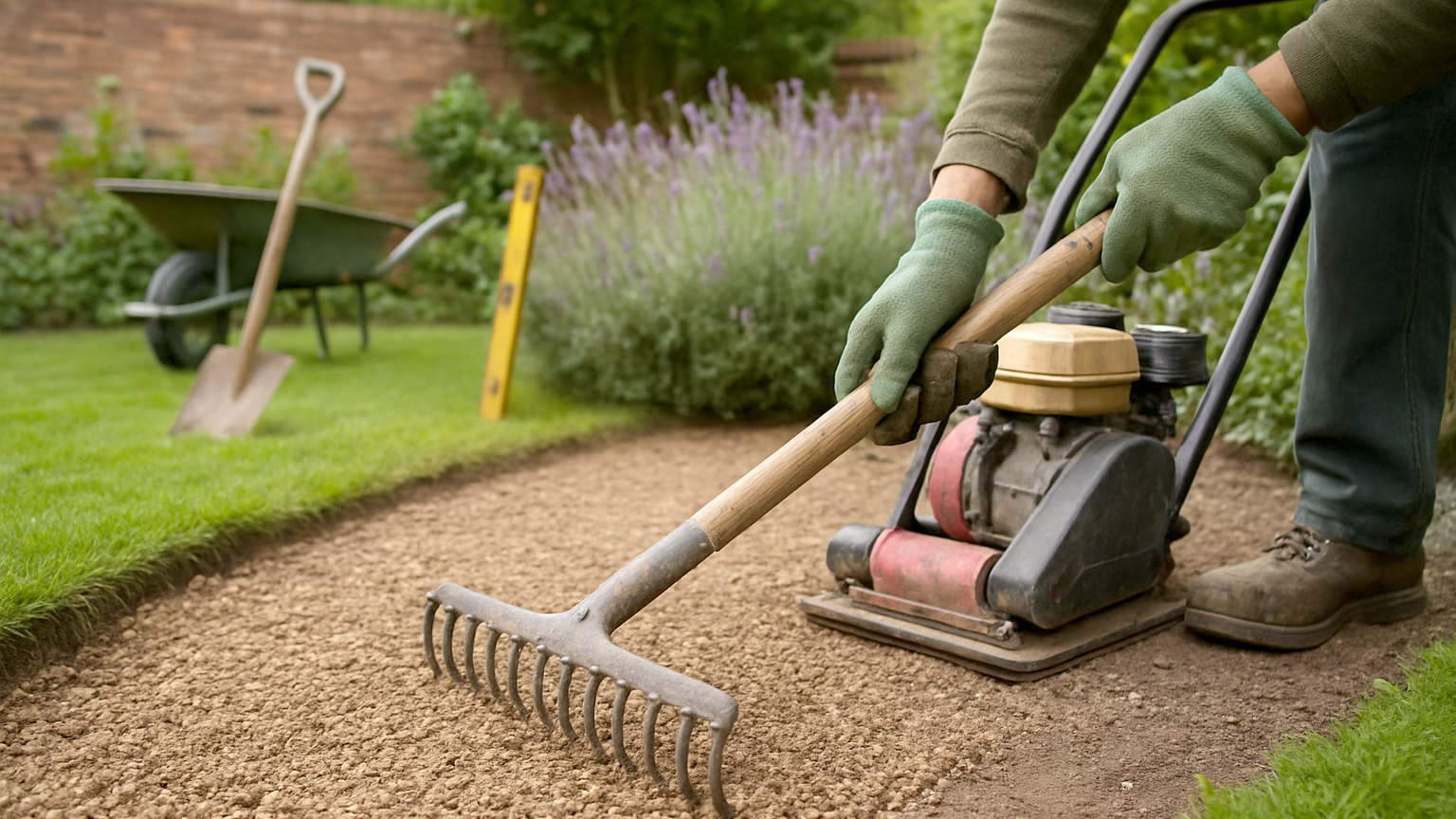
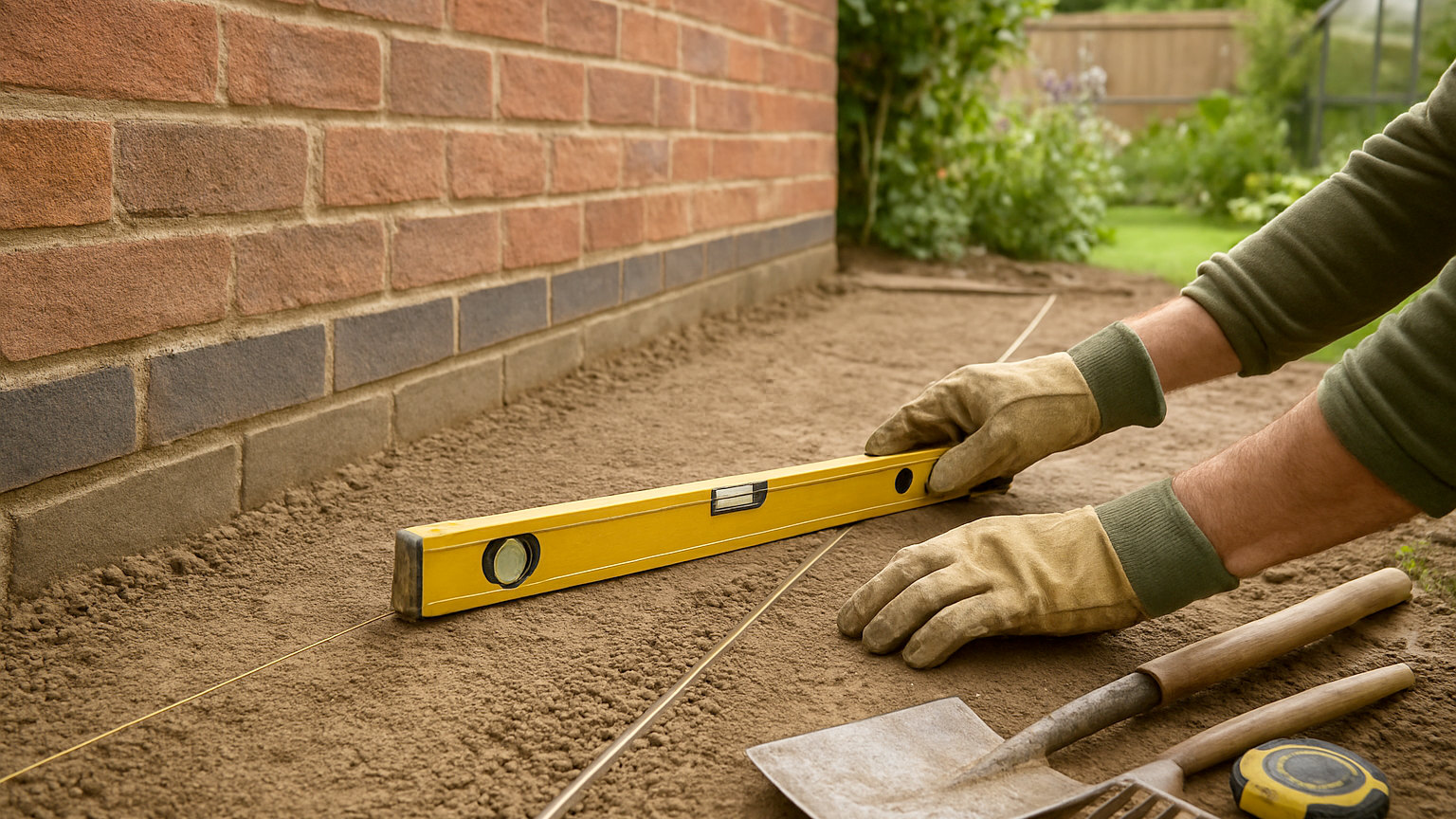
Everything that goes wrong with paving starts underneath it. Excavation depths, what material to use, and why compacting in layers matters more than anything.
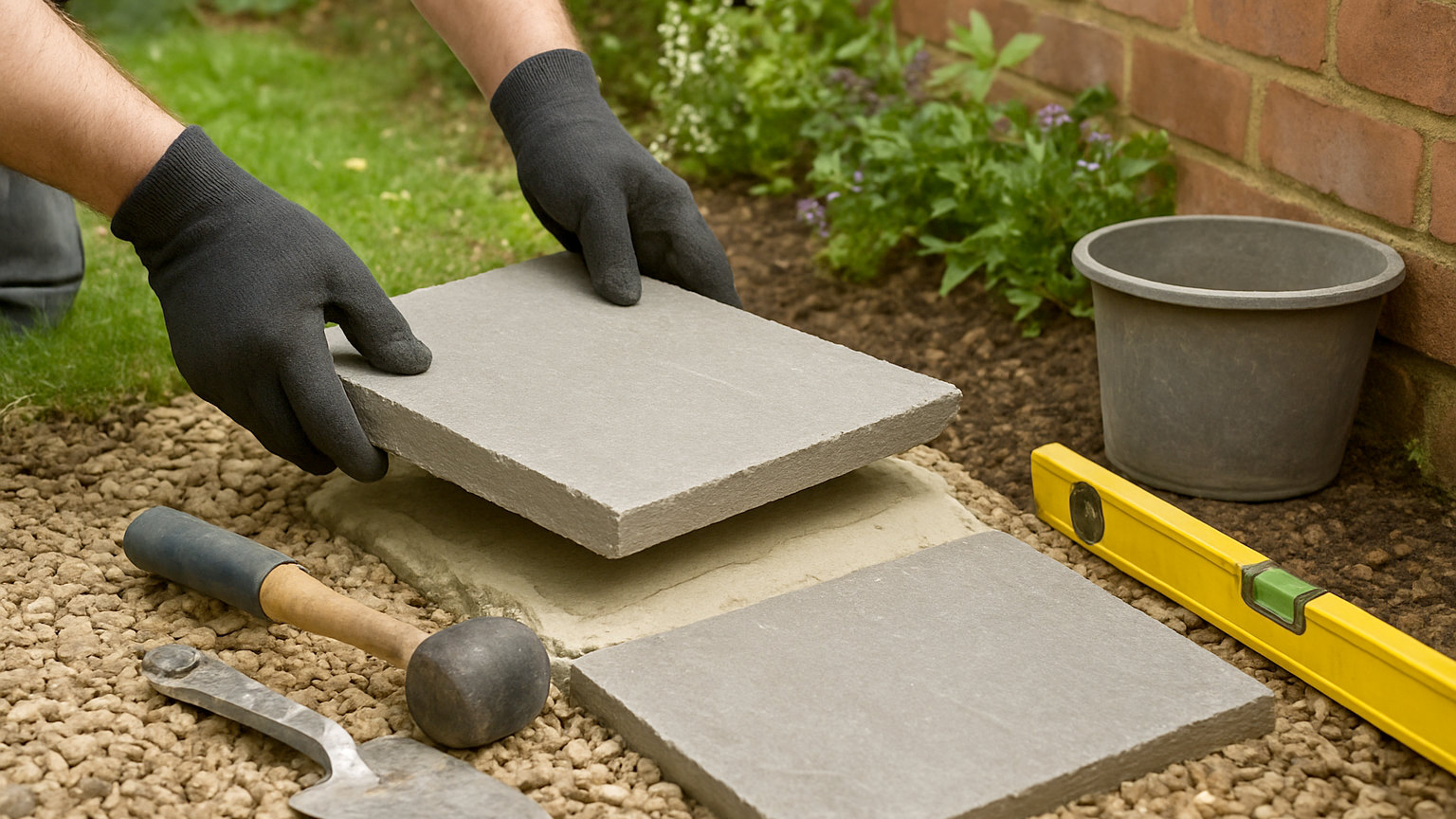
Slabs laid on five blobs of mortar crack and rock within a couple of winters. Full bed laying, priming slab backs, and getting the joints consistent.
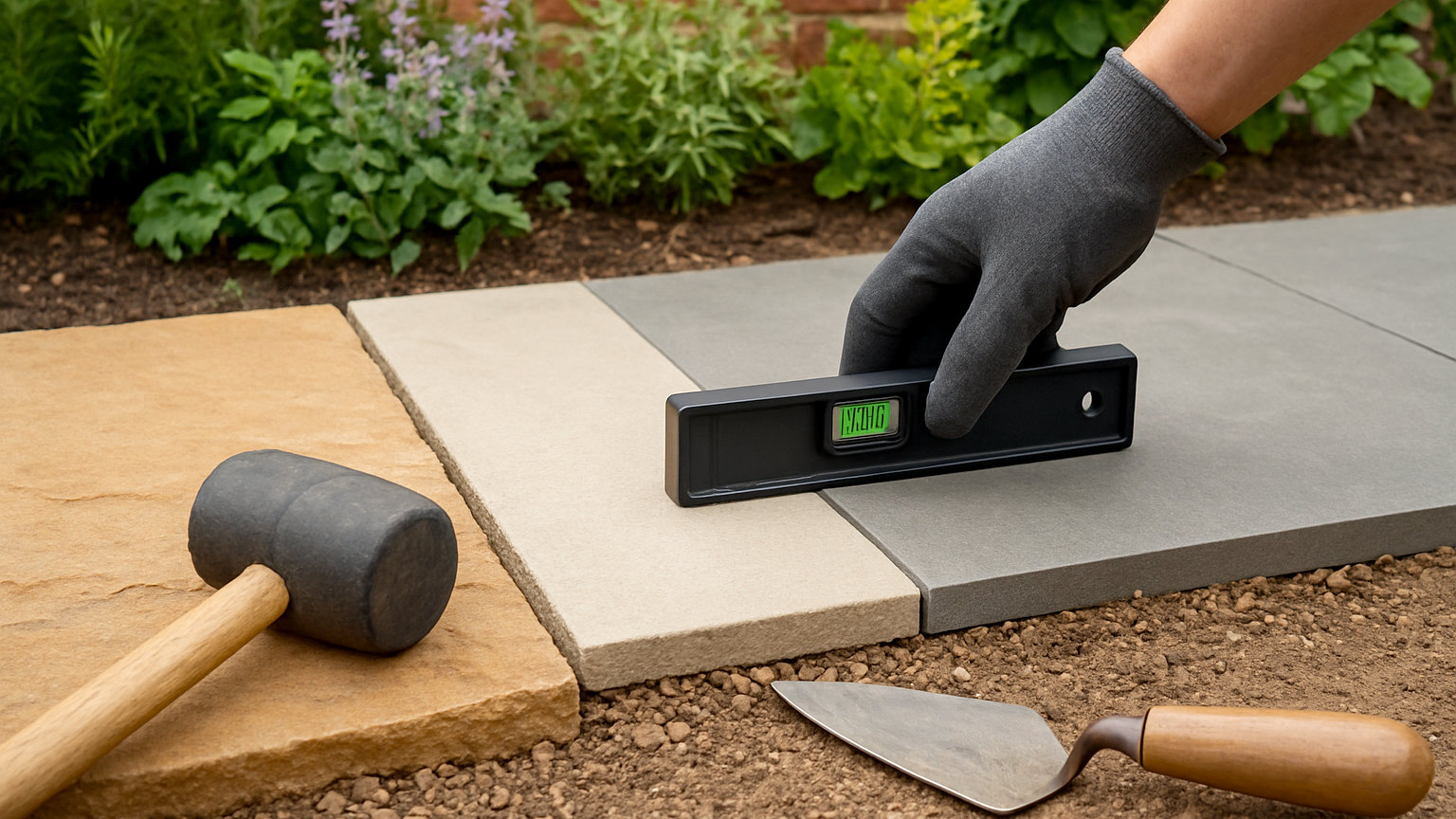
Three quite different materials with different costs, appearances and installation demands. What each is like to live with, and slip resistance.
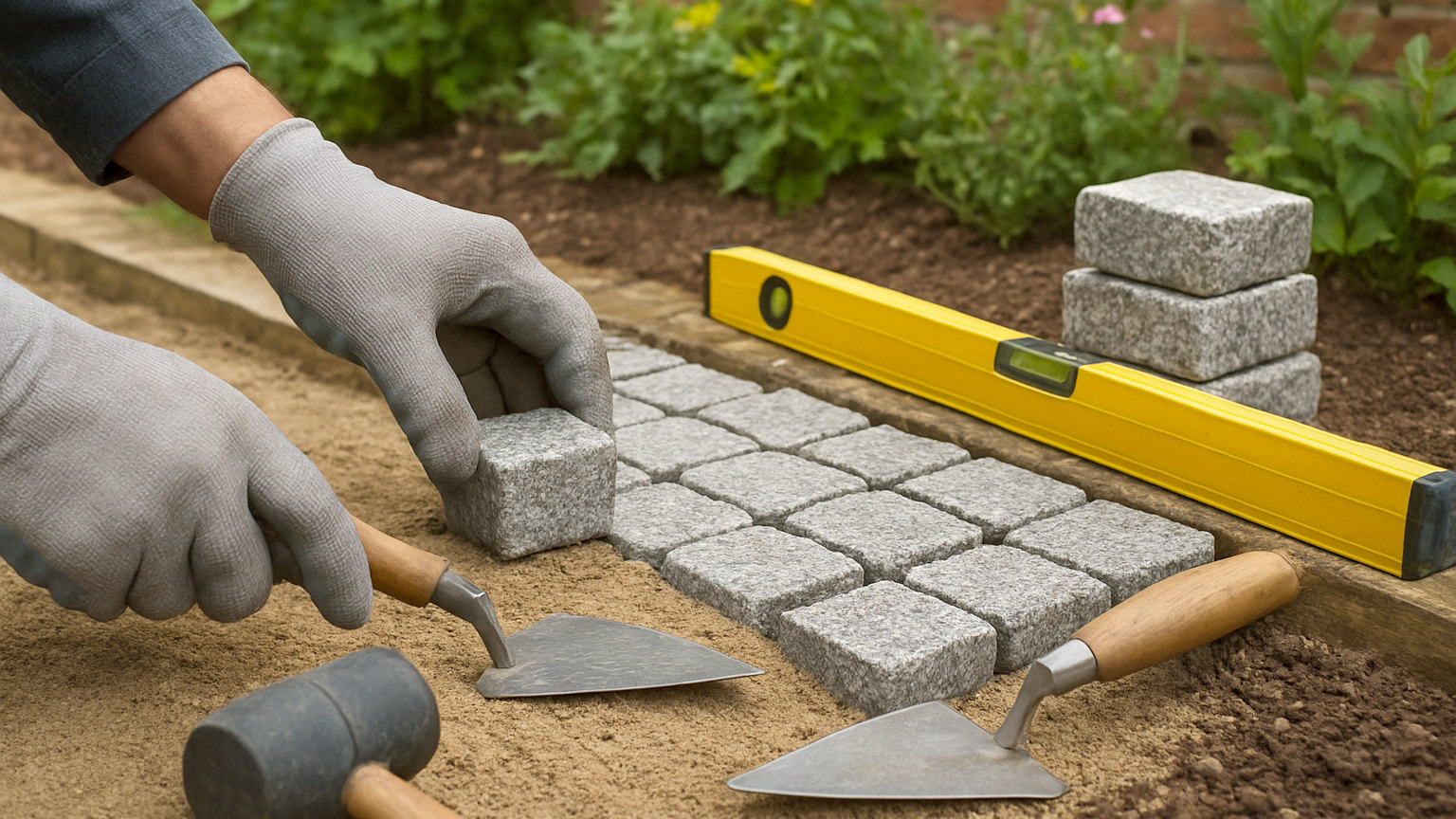
Small units lock together and flex rather than cracking, which is why drives use them. Laying on sand, the edge restraint that holds it all, and jointing.
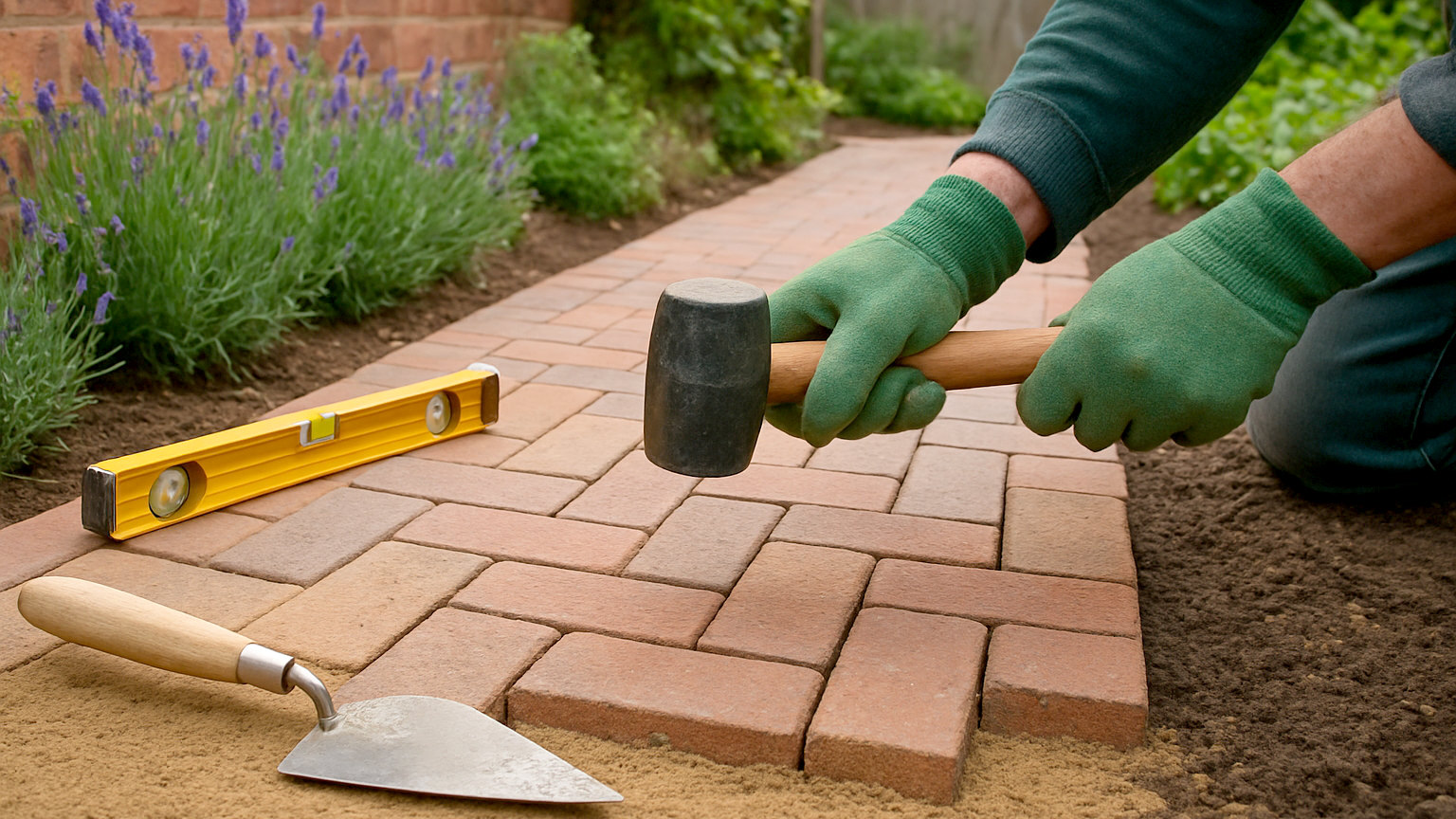
Brick suits period gardens and small spaces, and ordinary house bricks fail in frost. Choosing the right brick, laying patterns, and the details that matter.
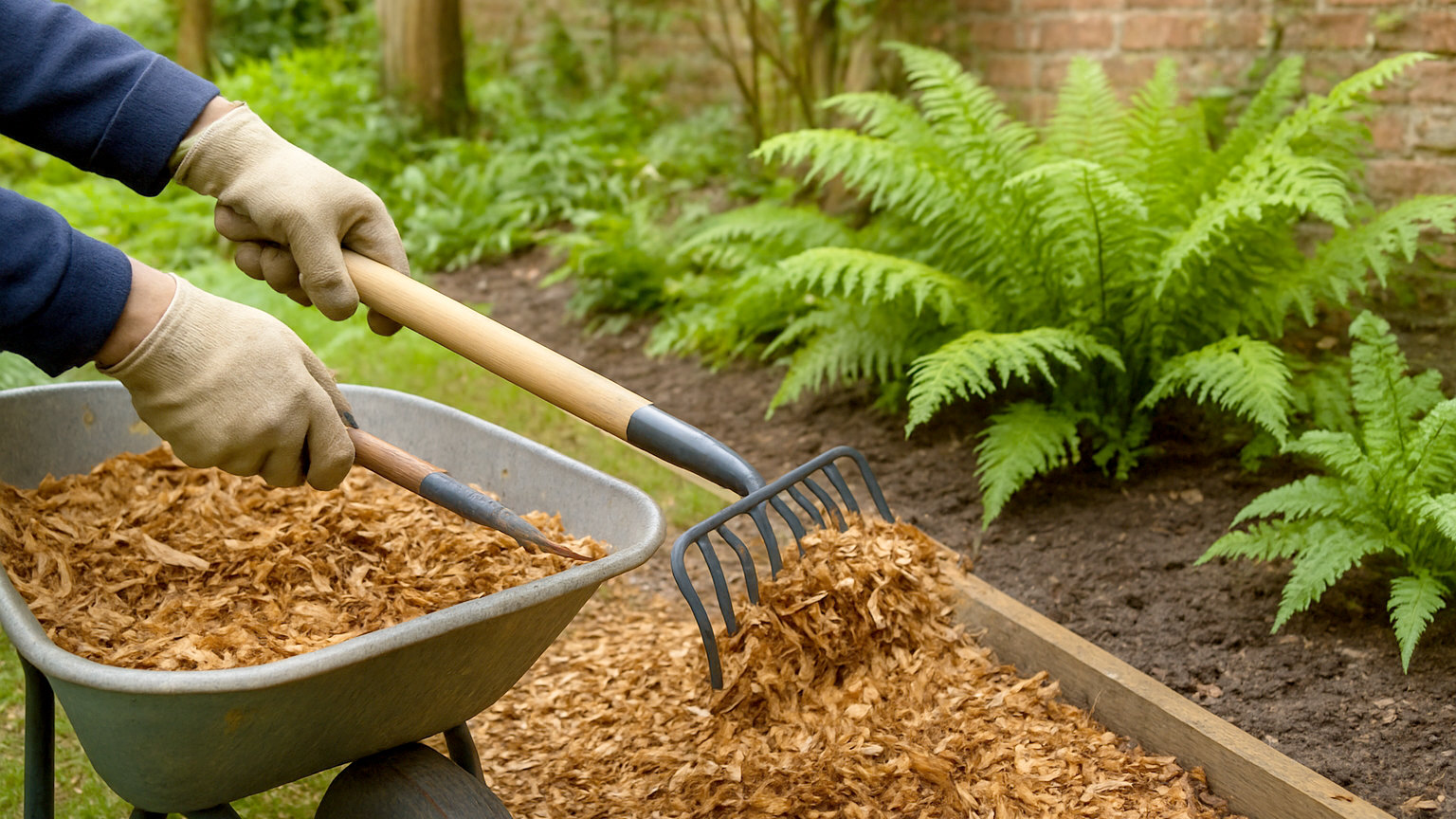
The cheapest path surface there is, quiet underfoot and suited to informal and woodland settings. Laying one, and how long it lasts before topping up.
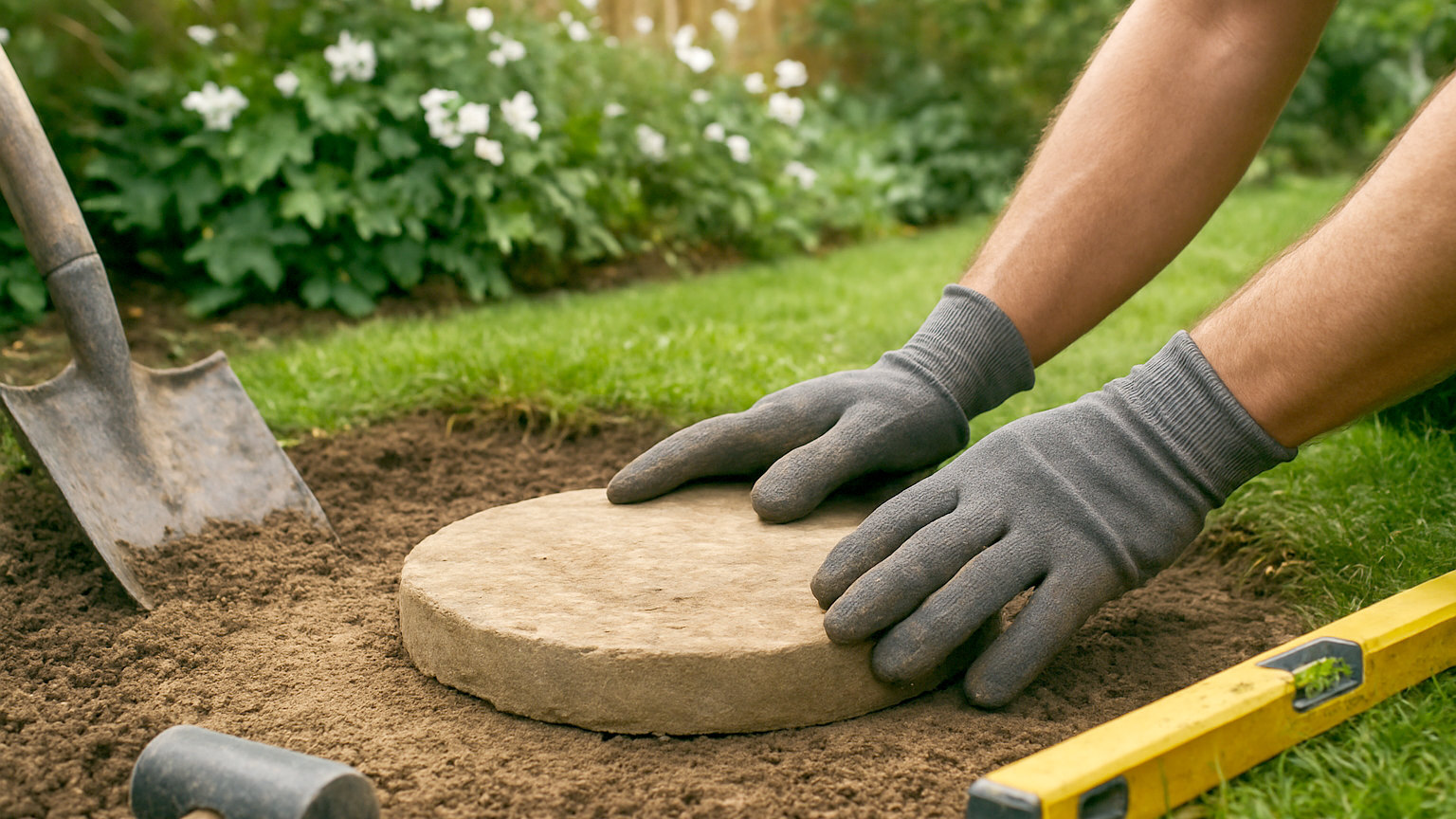
Stepping stones cost little, break up an expanse of lawn and let planting close over the route. Spacing them to match a natural stride, and setting them safely.
A loose surface without an edge migrates into the lawn within a season, and block paving without restraint spreads and fails. What each material needs.
Water must run away from the house, and getting the fall right is decided before any paving is laid. Gradients, where the water goes, and the damp course.
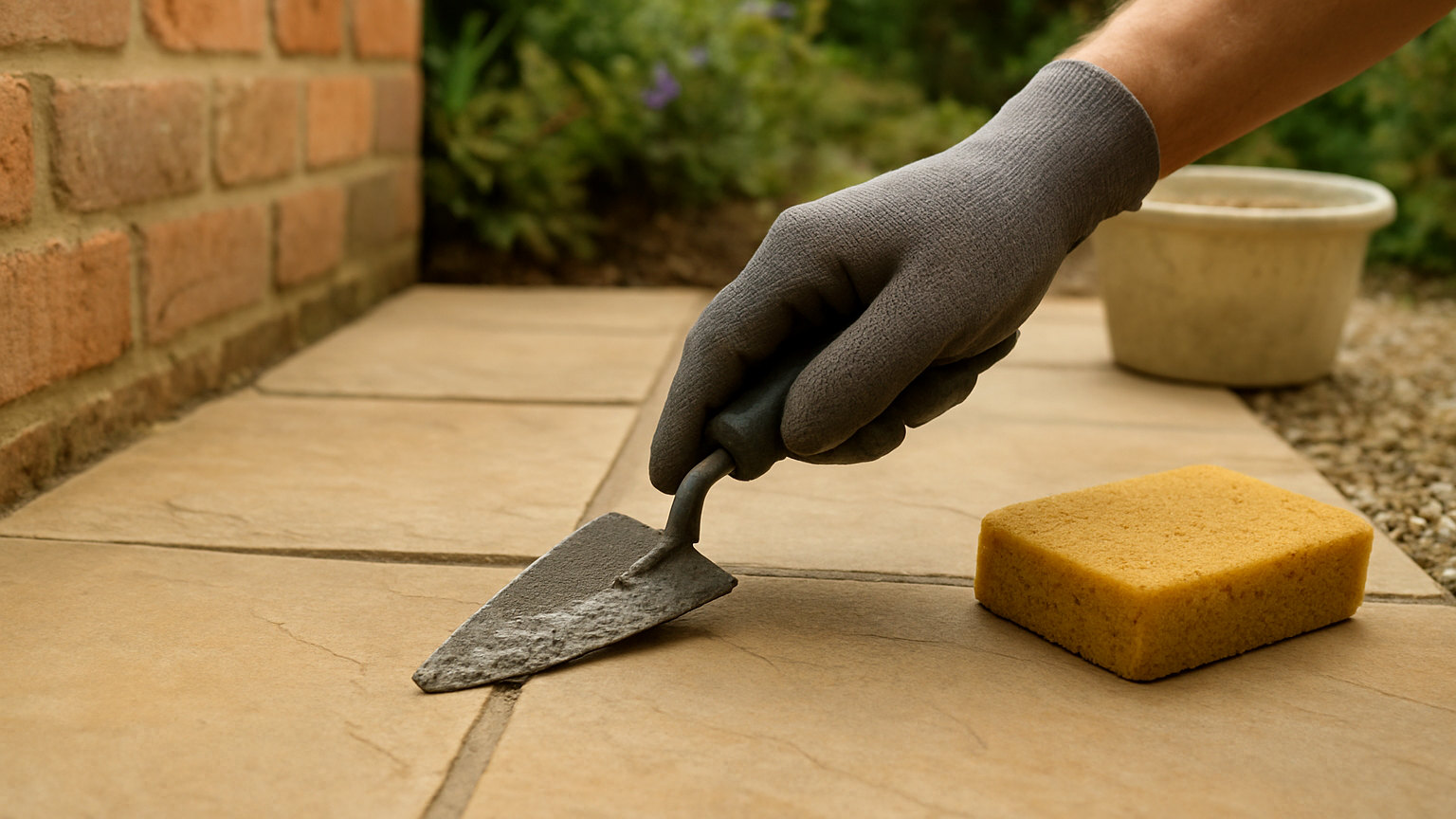
The joints are what fail first on most paving, and dry-brushing a cement mix into them is the usual reason. What to use, and how to avoid staining the stone.