Ants and Wasps in the Garden
Neither eats plants, and both do useful work for most of the year. What they actually do, when they become a genuine nuisance, and what to do then.
By Gardening Guides Editorial
31 Jul 2026

Something is eating it, something is wilting it, or it simply is not growing - and the first job is always identification, because the treatment for one problem is useless against another that looks much the same. These guides help you work out what you are looking at, then say what actually works, what does not, and what is not worth treating at all. Most garden problems resolve themselves, and knowing which ones will is the real skill.
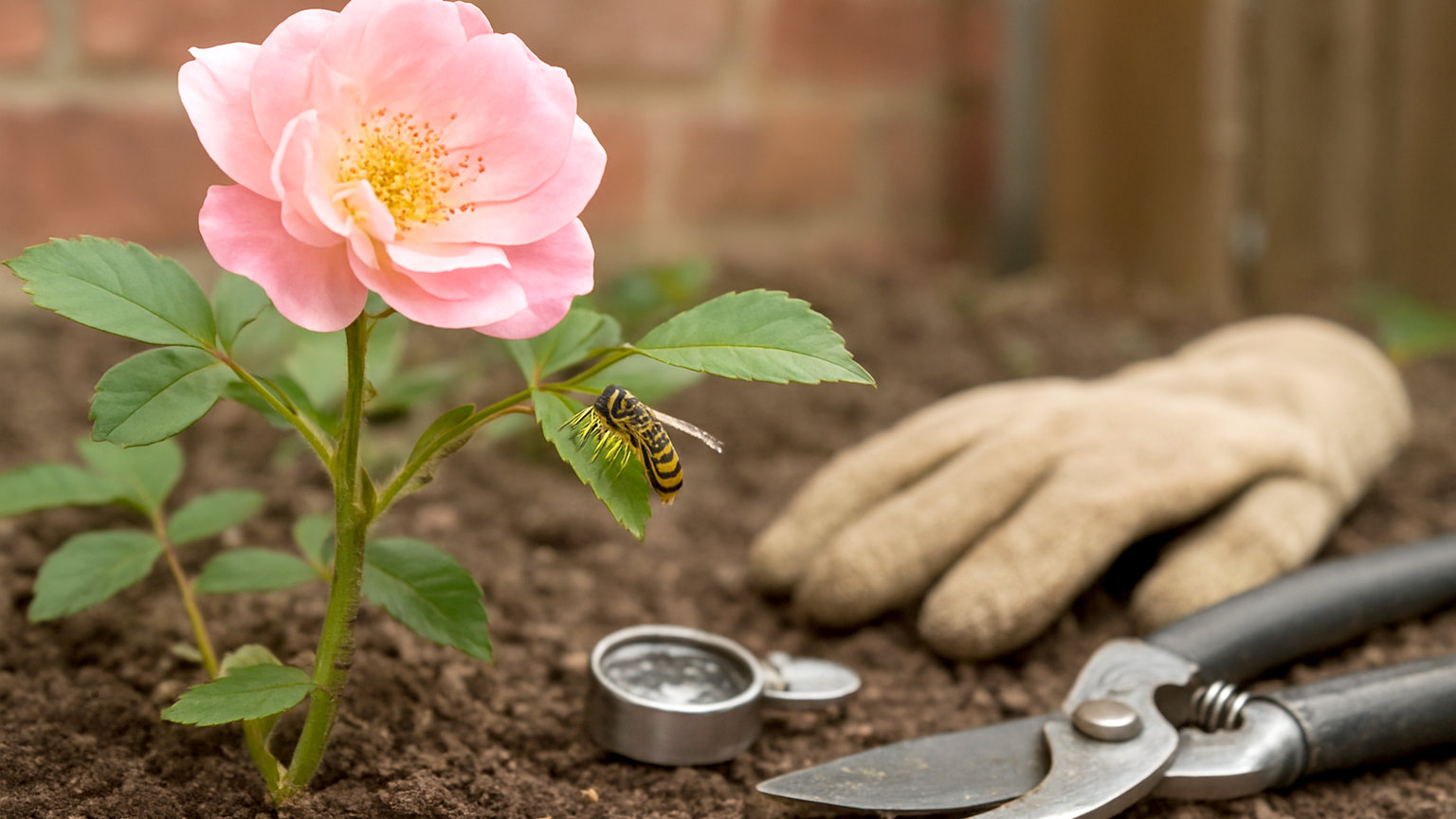
Neither eats plants, and both do useful work for most of the year. What they actually do, when they become a genuine nuisance, and what to do then.
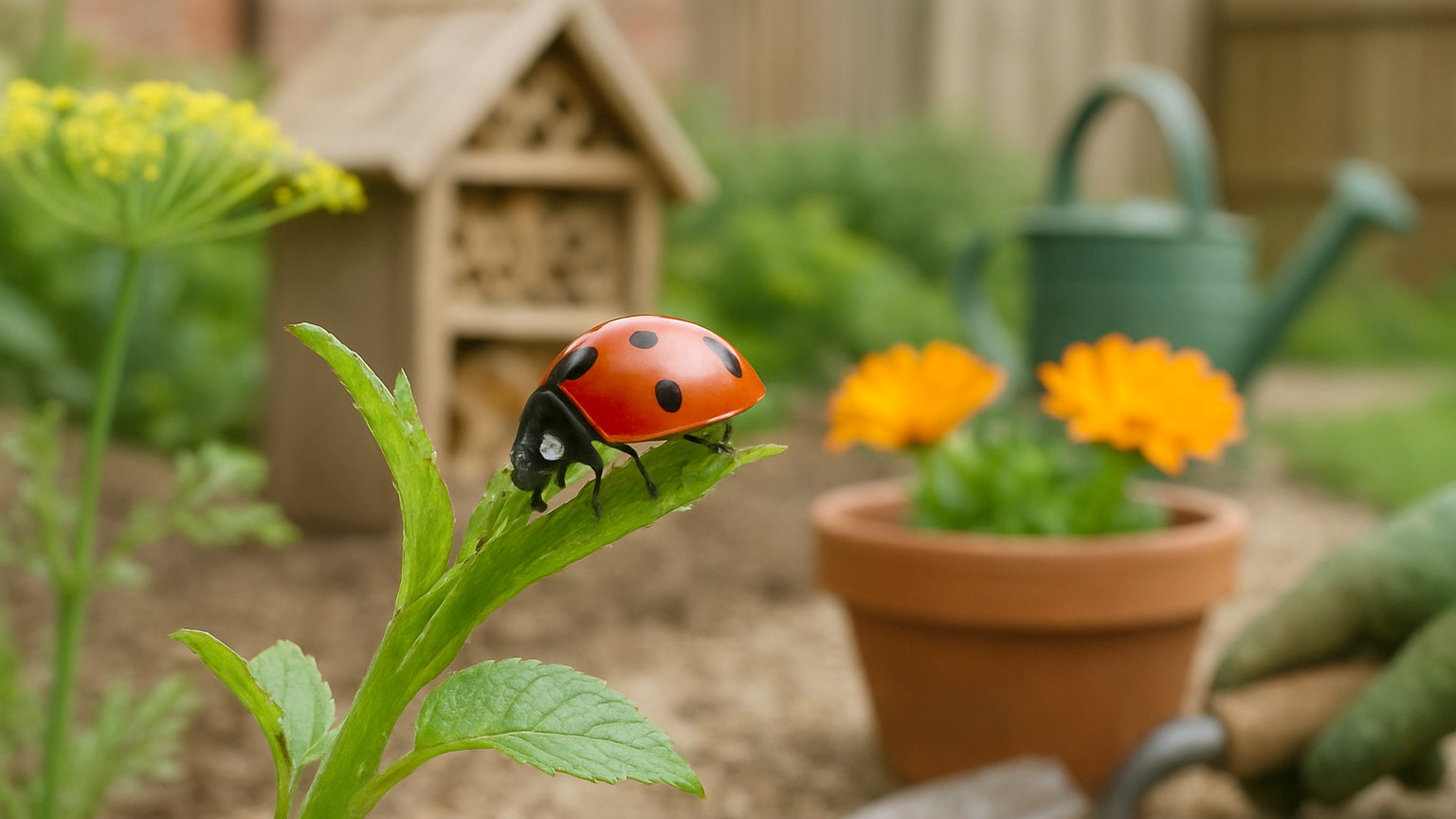
A garden that supports predators needs far less intervention. Recognising the ones doing the work, and what encourages them to stay.
Living organisms that kill specific pests, harmless to everything else, and entirely dependent on temperature, moisture and timing being right.
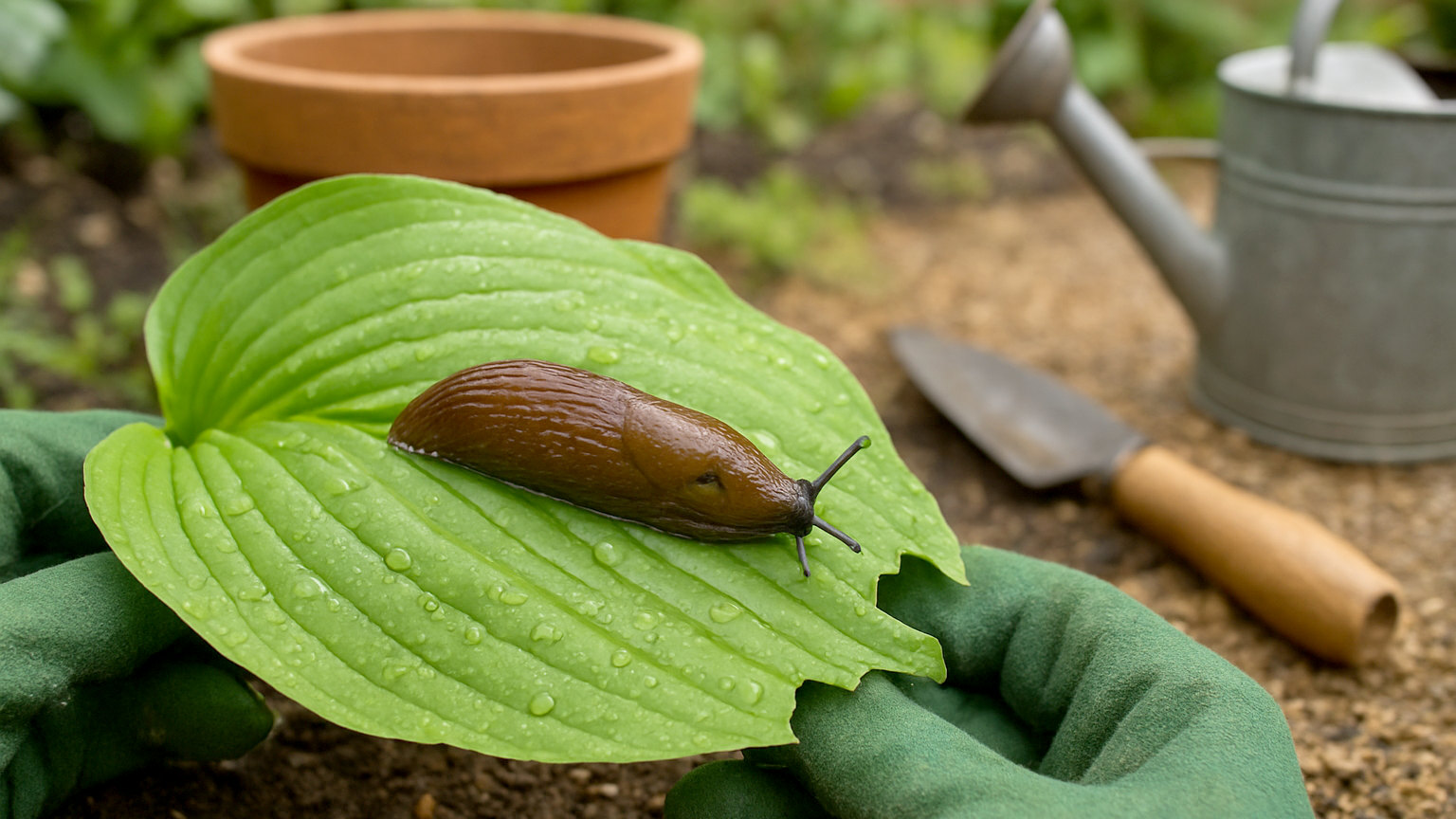
Britain has more than forty slug species and only a handful eat living plants. Recognising the culprits, and the ones worth leaving alone.
Slugs feed at night, in damp warm conditions, and are most damaging in a narrow window in spring. Acting at the right time is worth more than any product.
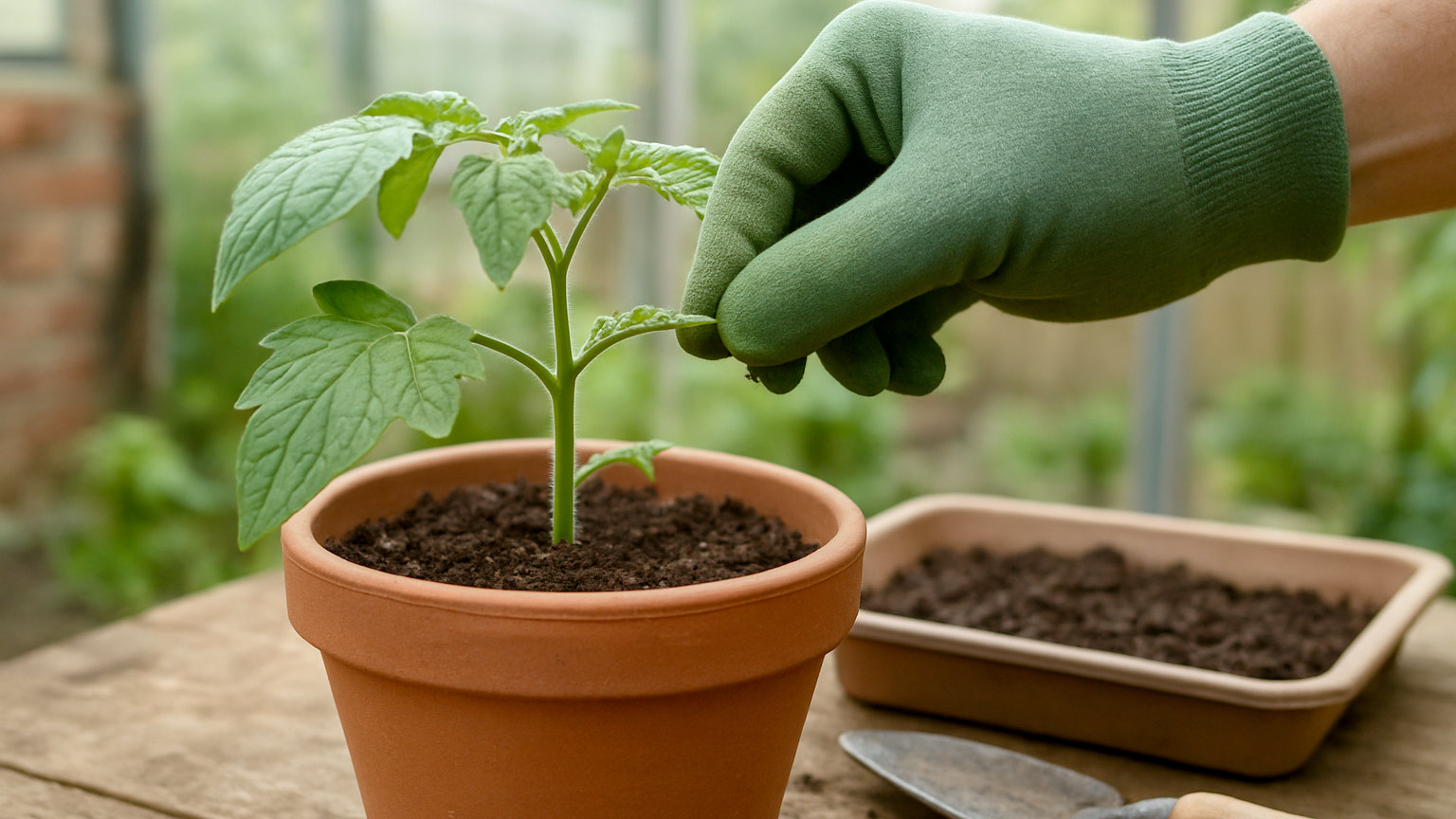
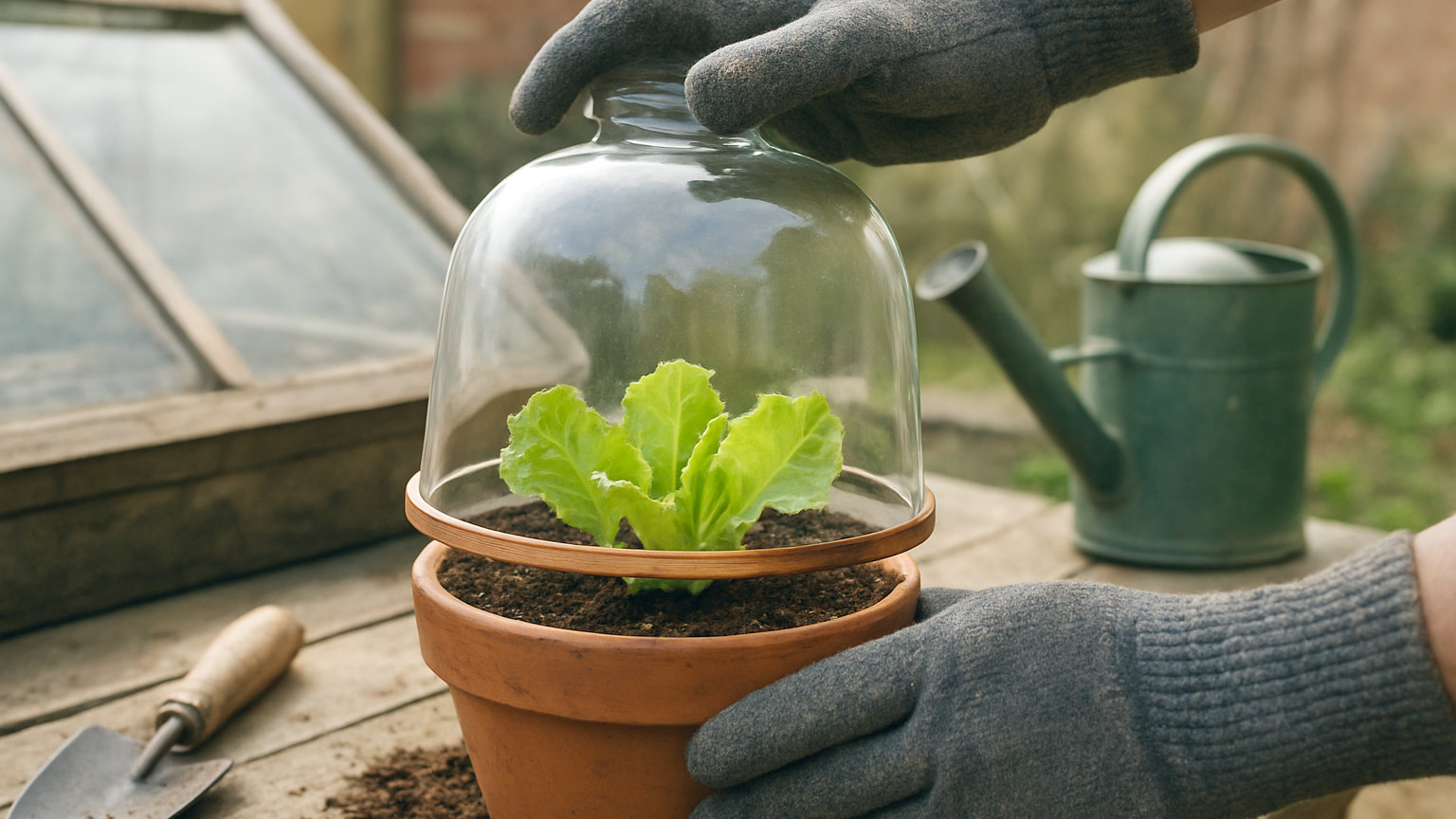
A seedling has no reserves and one night's feeding kills it. Raising plants to a size that survives, and protecting them for the few weeks that matter.
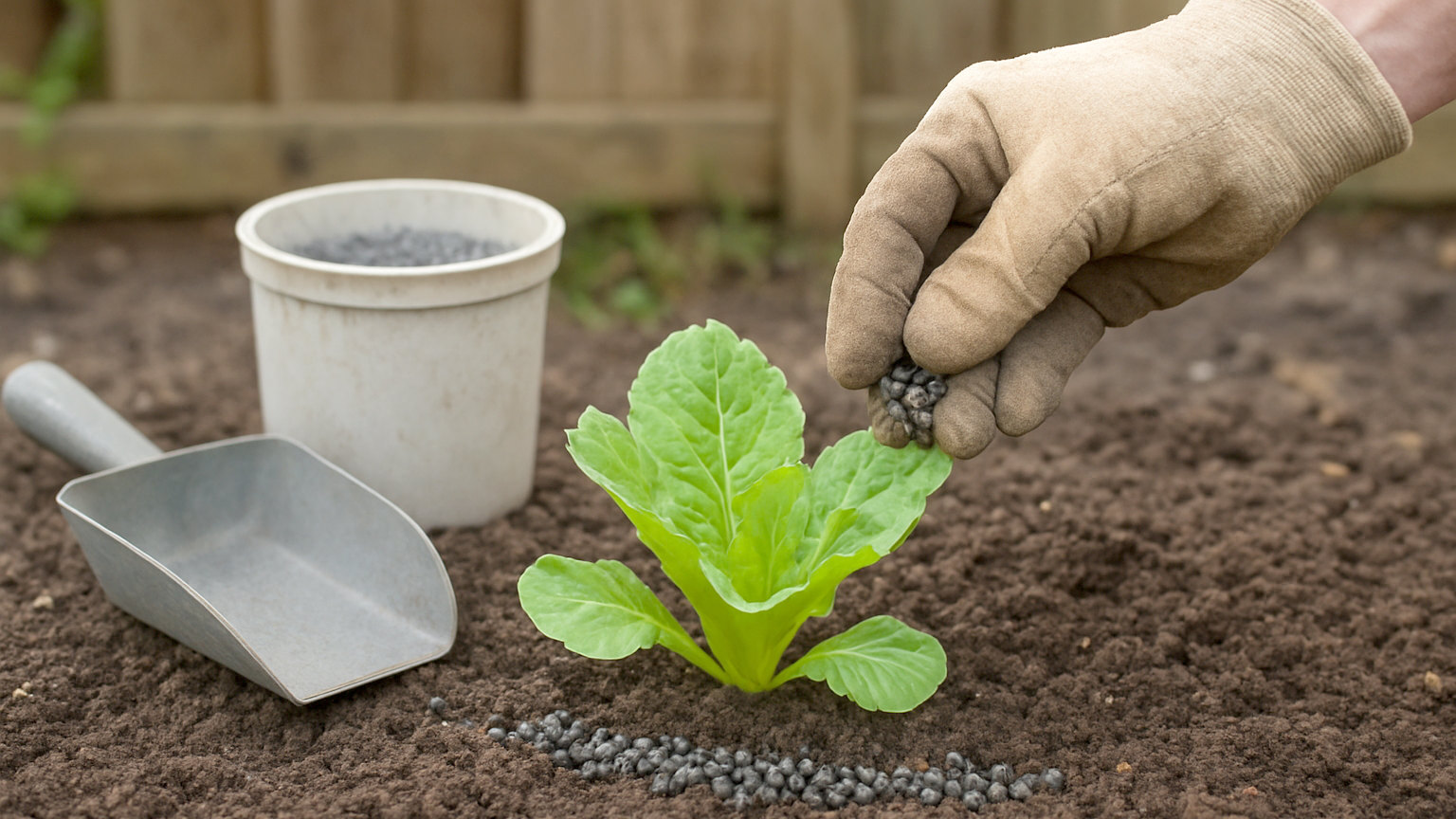
Metaldehyde pellets are no longer permitted in Britain. What replaced them, how to use it responsibly, and disposing of old stock safely.
A microscopic parasite watered into the soil, harmless to everything else and effective against the slugs that barriers and pellets never reach.
Barrier methods are the most widely recommended and the least reliable. What the evidence suggests, and the situations where they genuinely help.
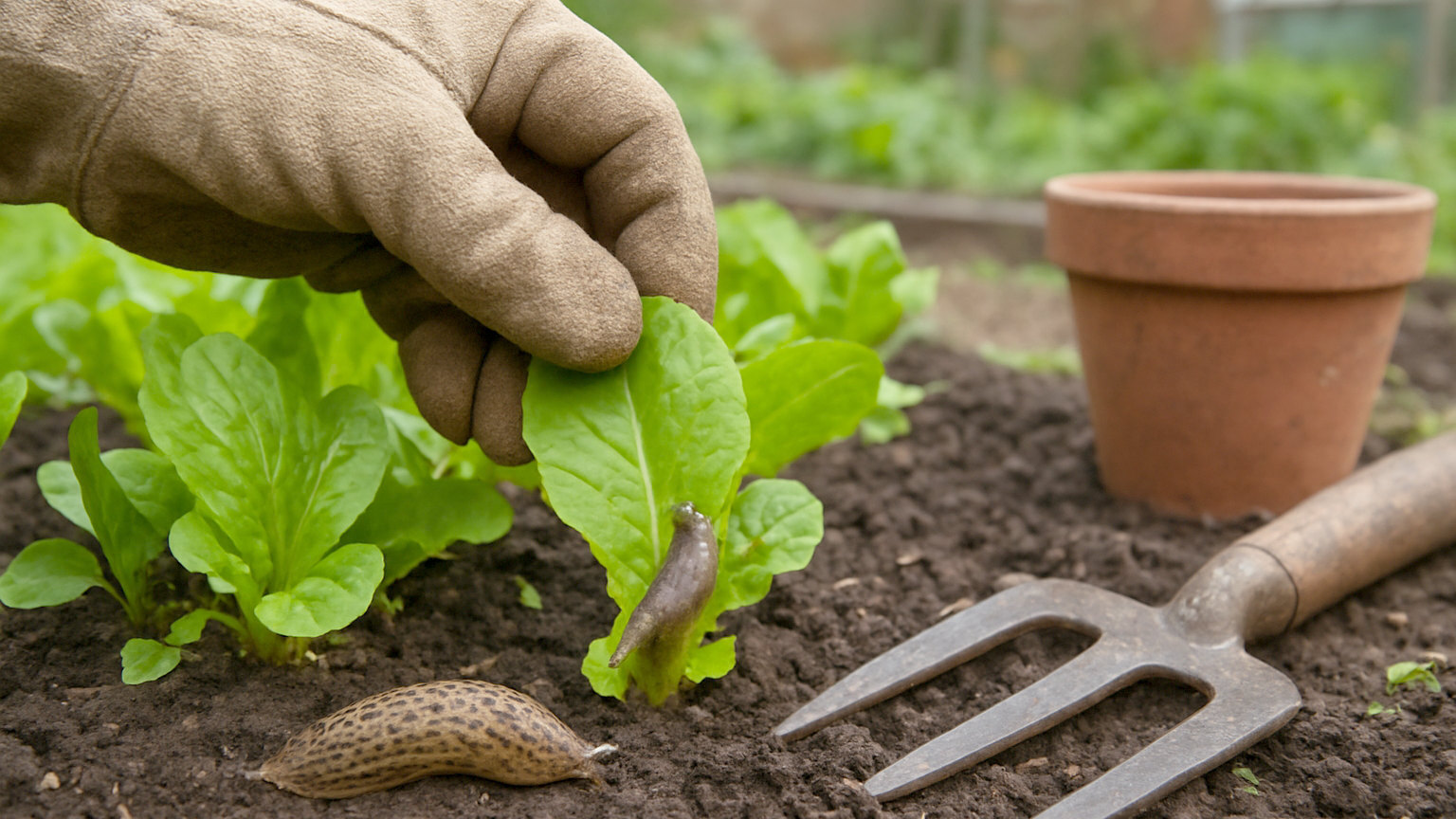
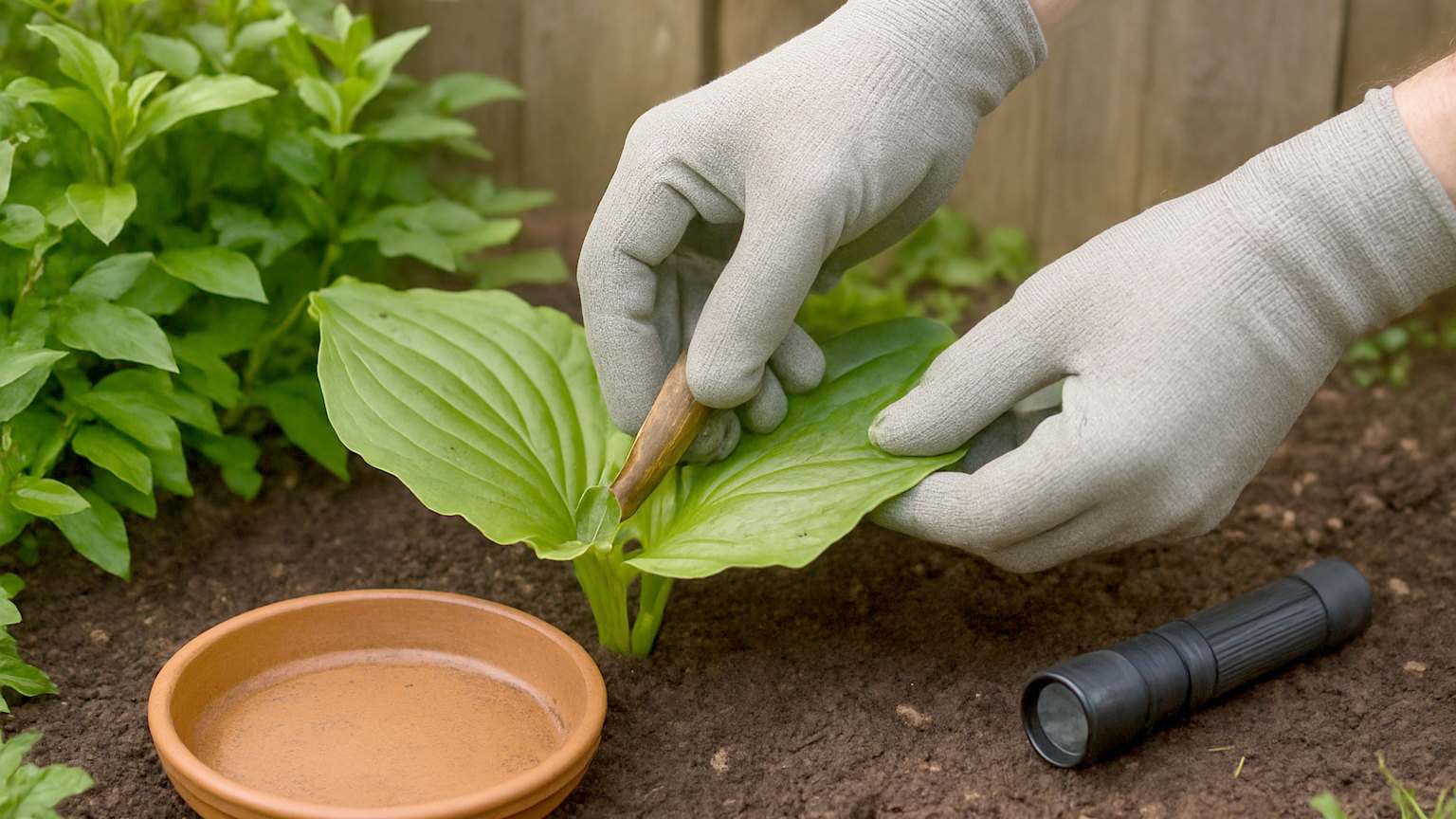
Going out after dark with a torch is the most effective thing most gardeners can do, and it costs nothing. Trapping methods, and the problem with beer traps.
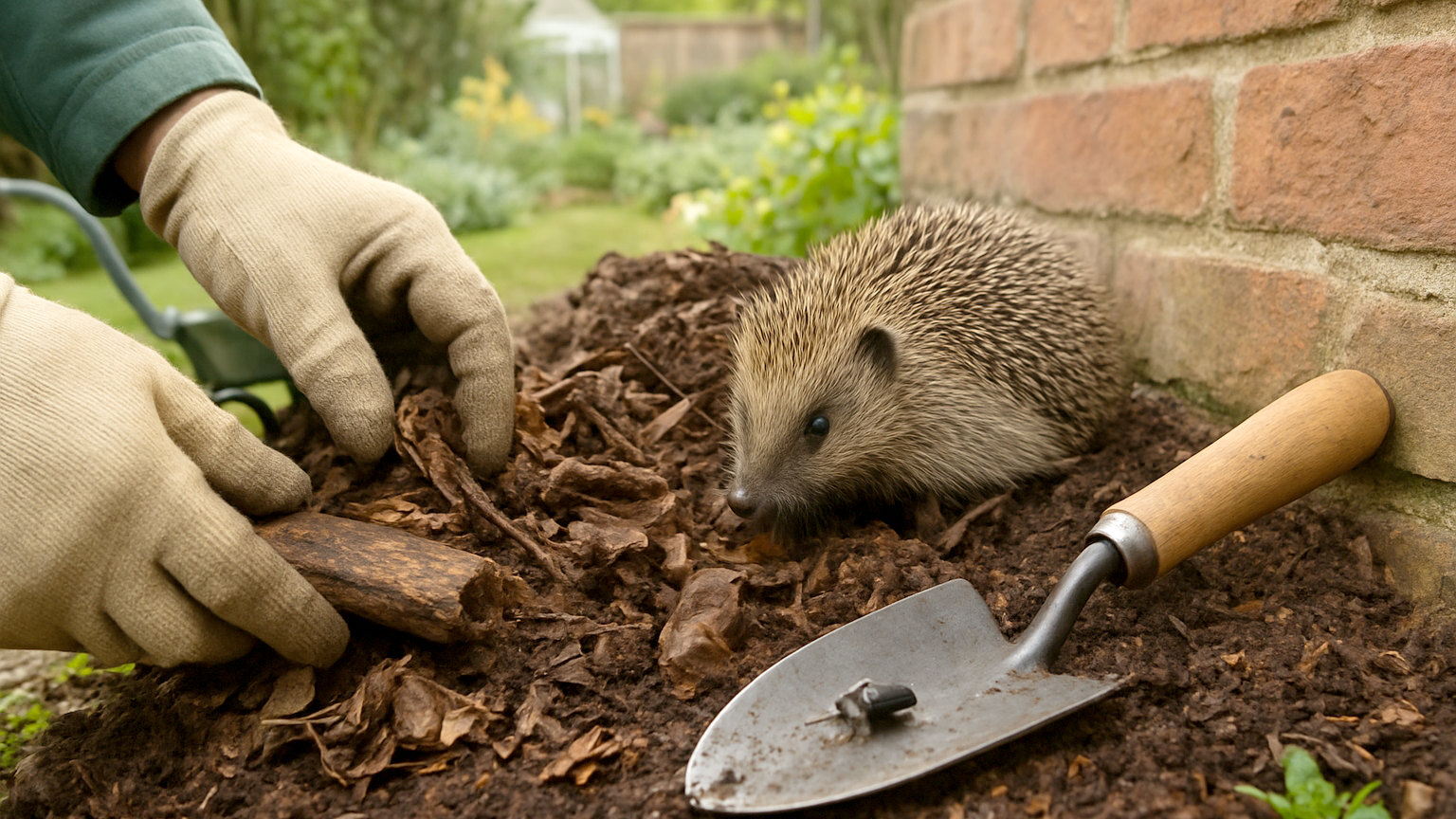
Hedgehogs, thrushes, frogs, ground beetles and slow worms eat slugs continuously and for nothing. Building a garden that supports them.
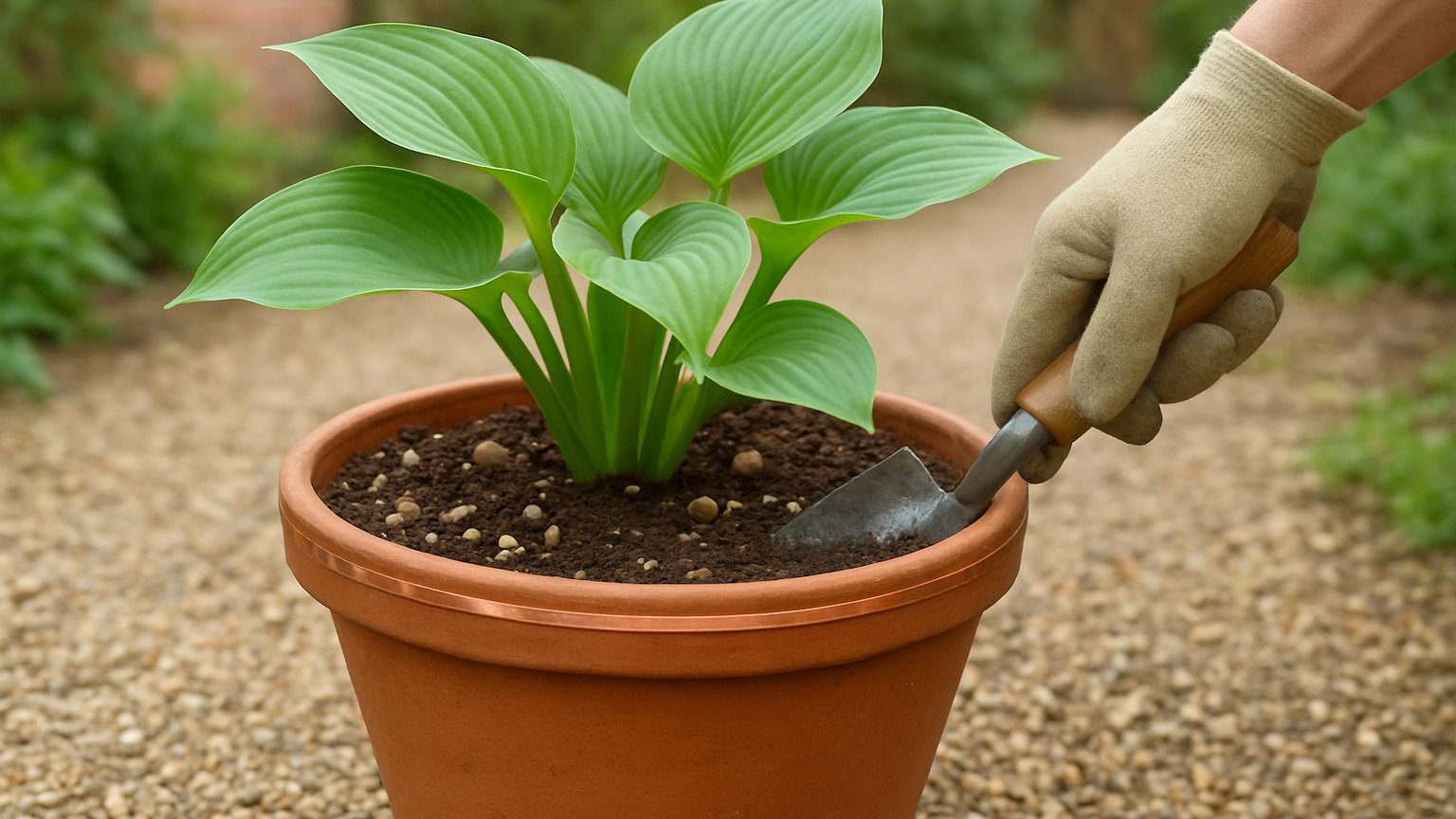
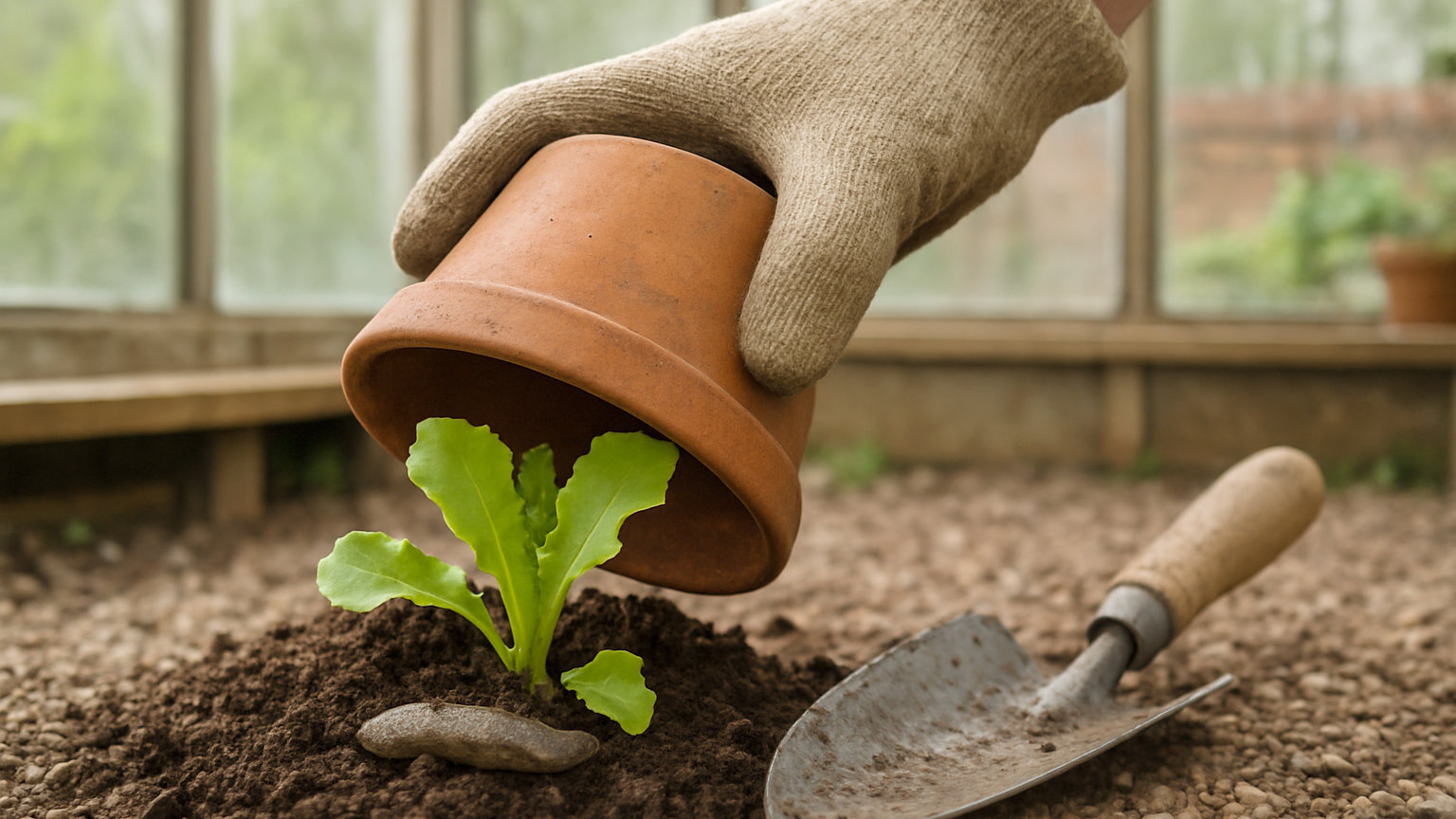
A container is a small closed system where a single slug does disproportionate damage, and a greenhouse offers warmth, damp and shelter all year.