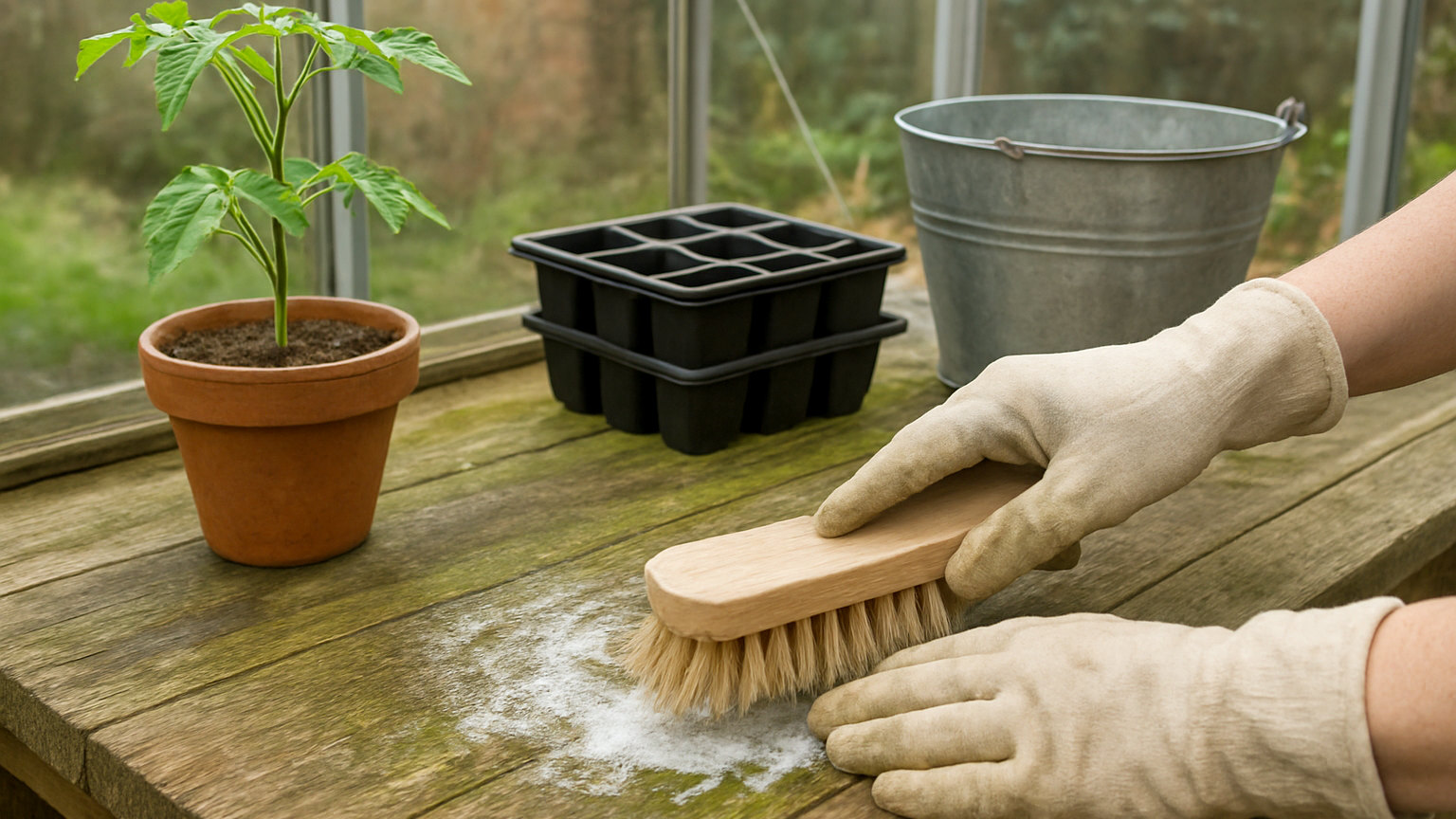
Greenhouse Hygiene
An enclosed warm space concentrates pests and diseases and lets them carry over from year to year. The annual clean, and the routine between times.
By Gardening Guides Editorial
31 Jul 2026

Something is eating it, something is wilting it, or it simply is not growing - and the first job is always identification, because the treatment for one problem is useless against another that looks much the same. These guides help you work out what you are looking at, then say what actually works, what does not, and what is not worth treating at all. Most garden problems resolve themselves, and knowing which ones will is the real skill.
An enclosed warm space concentrates pests and diseases and lets them carry over from year to year. The annual clean, and the routine between times.
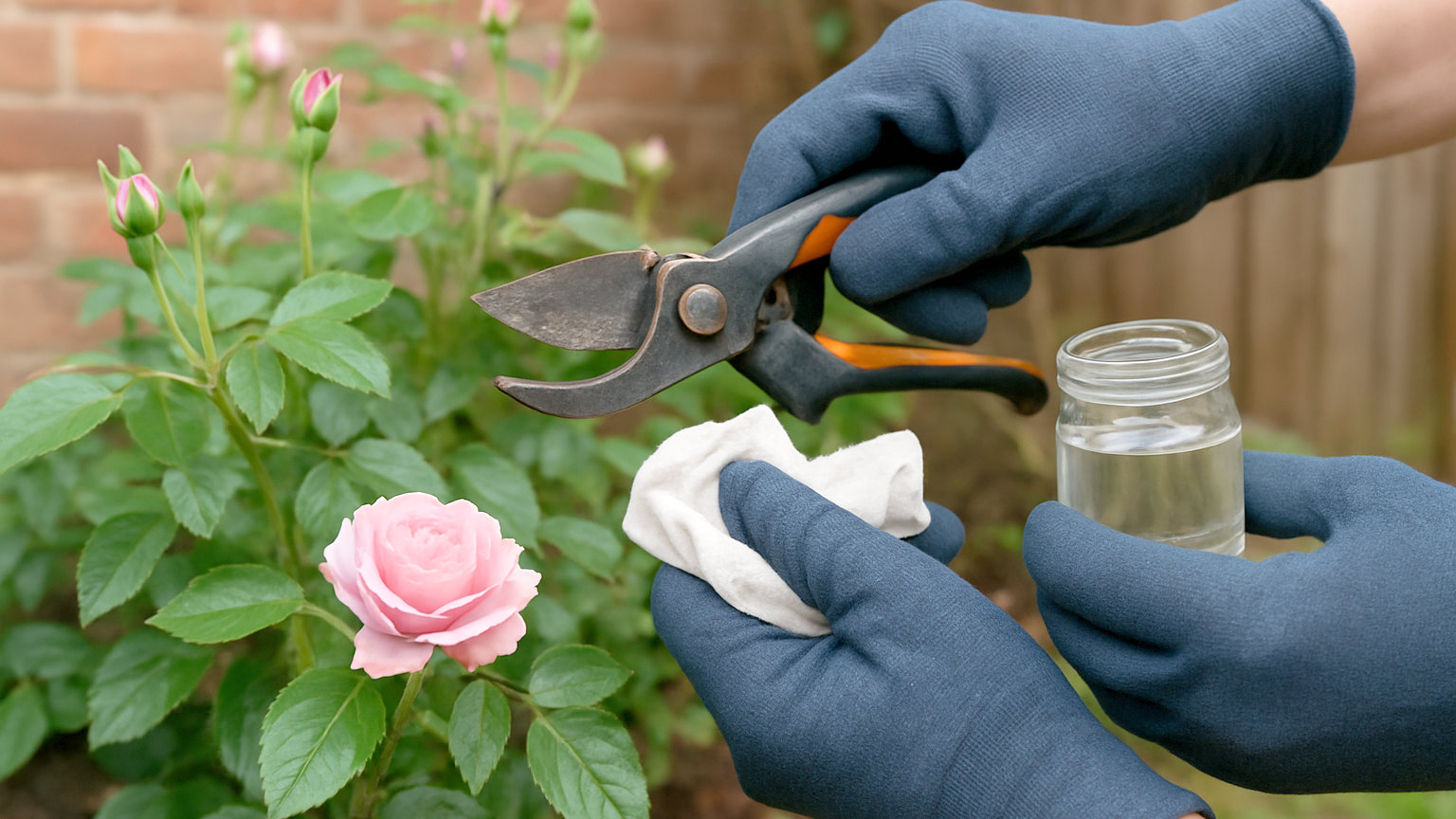
Secateurs carry disease from one plant to the next, and a few seconds with a disinfectant prevents it. When it matters, and what to use.
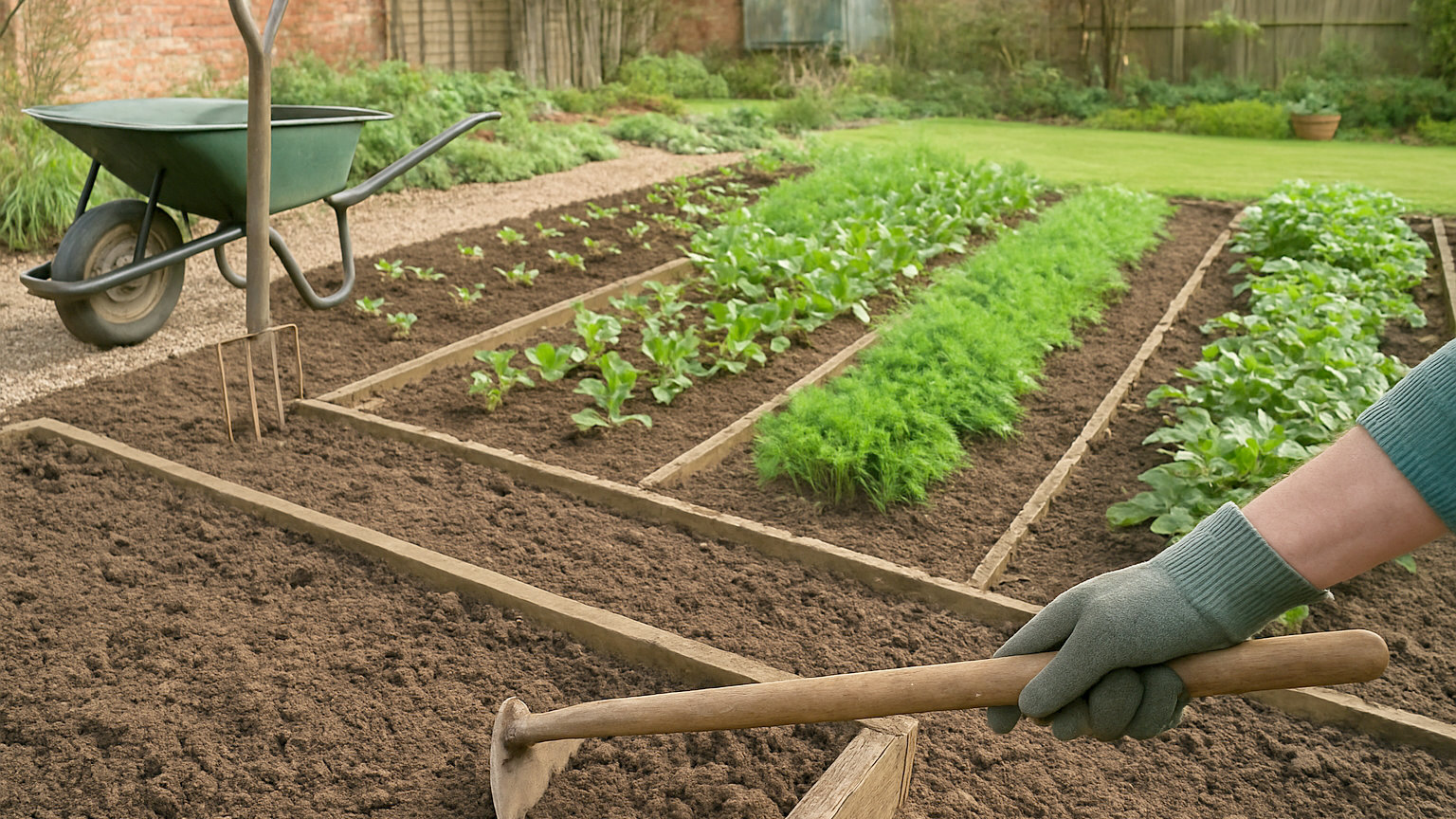
Moving crop groups around the plot each year prevents soil-borne problems building up. The groups, a workable cycle, and what rotation will not fix.
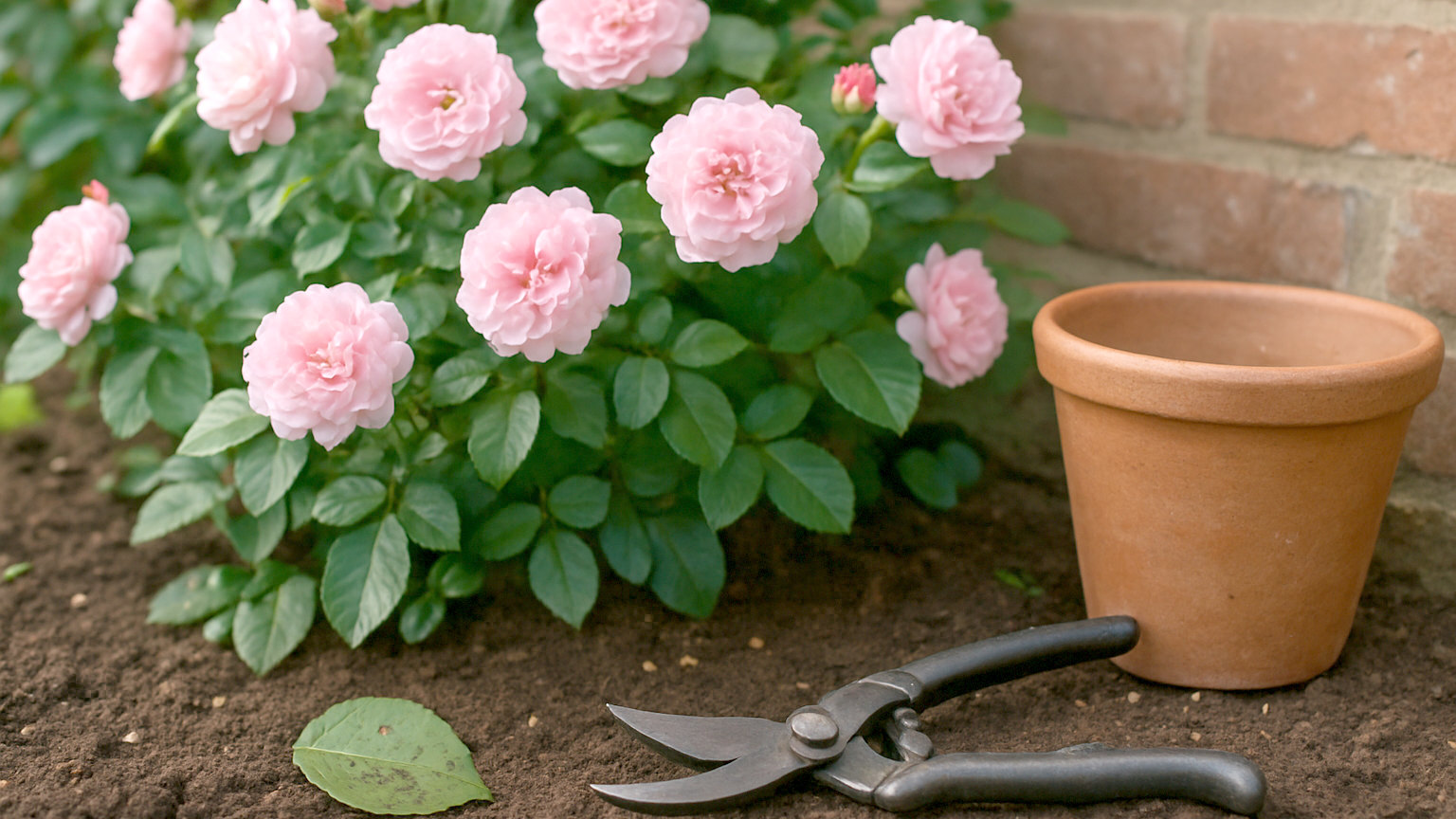
Choosing a variety bred to resist a problem costs nothing extra and removes the problem for the life of the plant. What is available, and its limits.
Much of what is claimed has little evidence behind it, and one part of it works very well indeed. Separating the two.
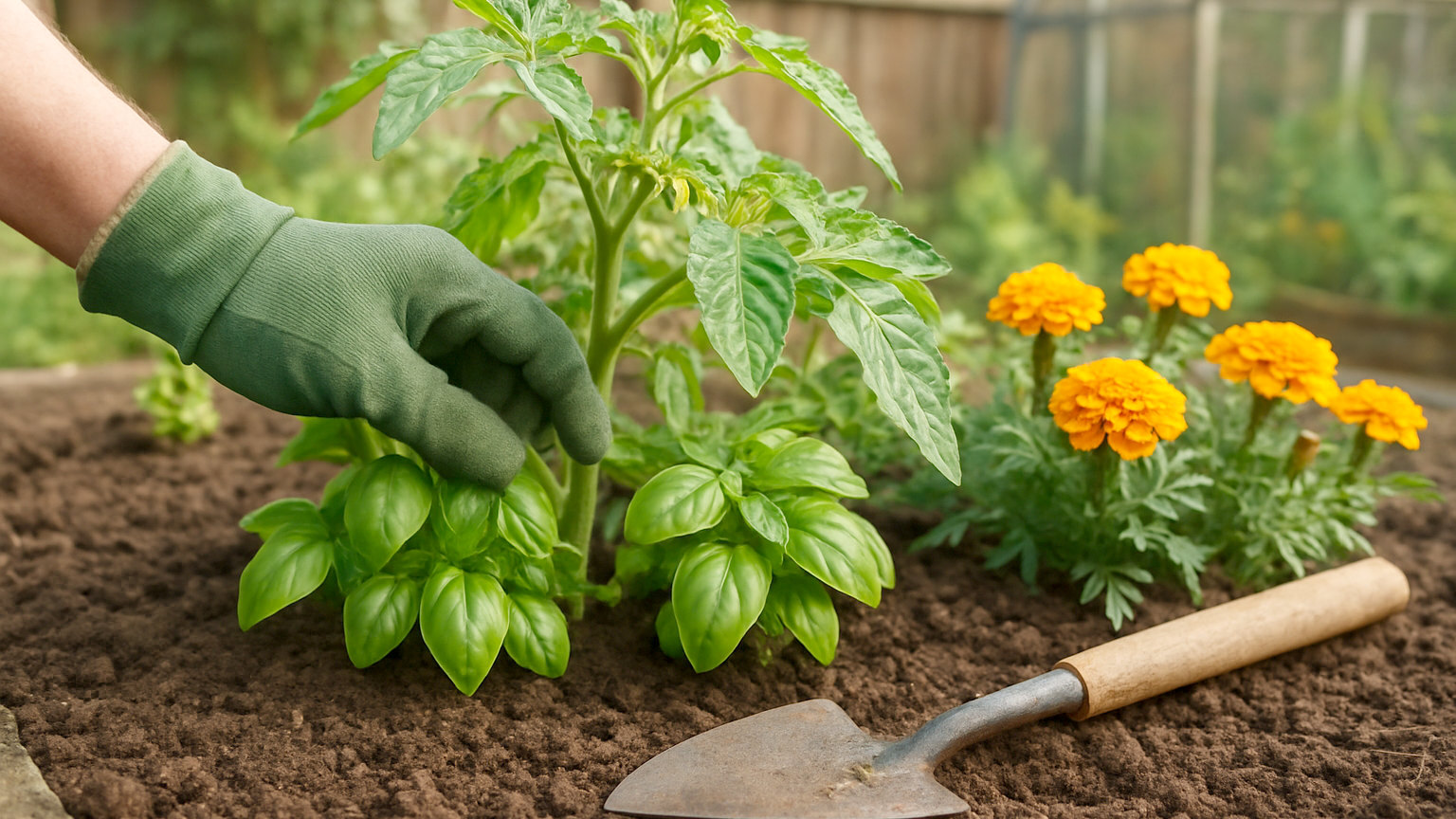
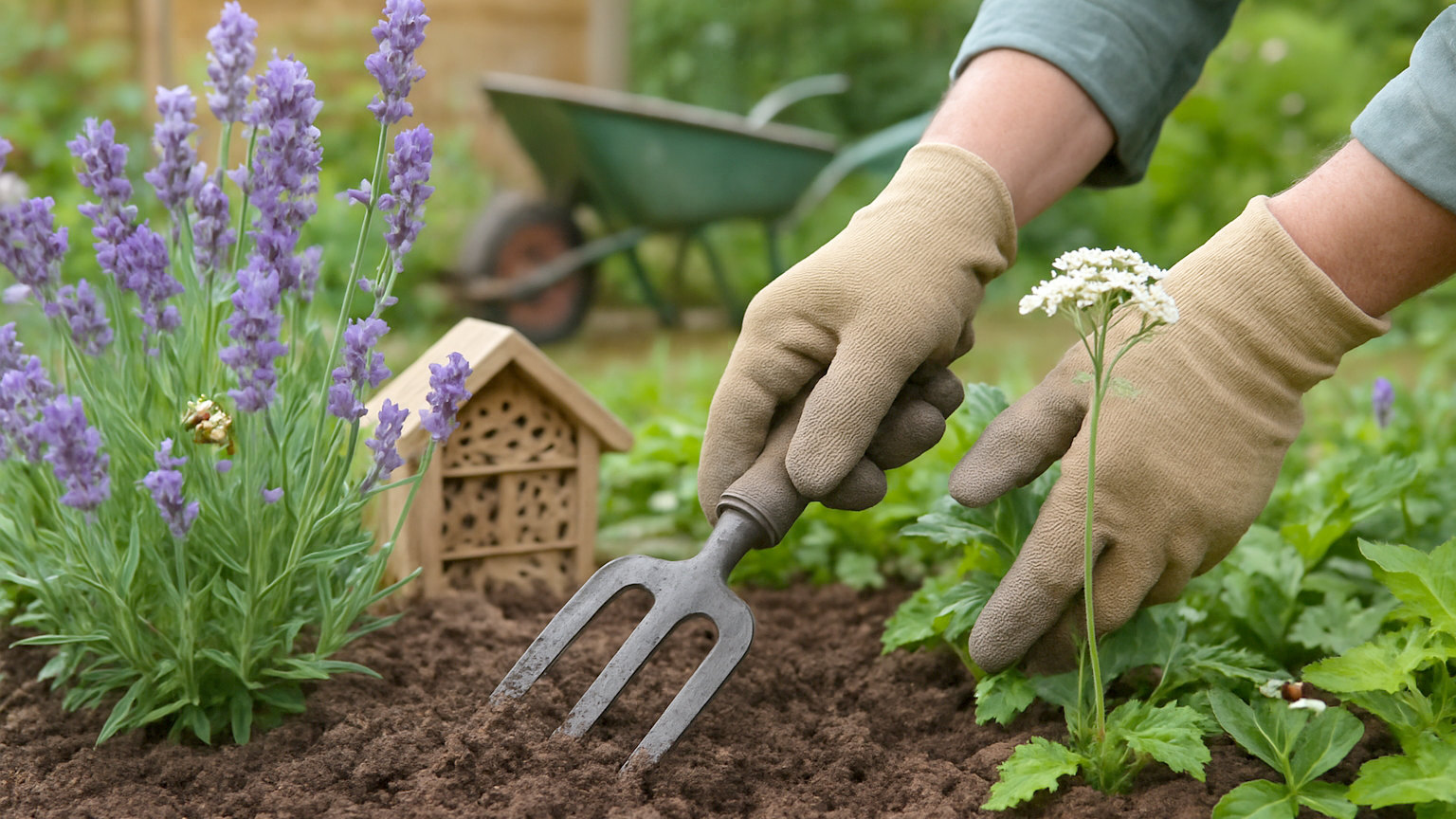
A garden that supports predators, pollinators and soil life needs far less intervention each year. The features that build it, and the patience required.
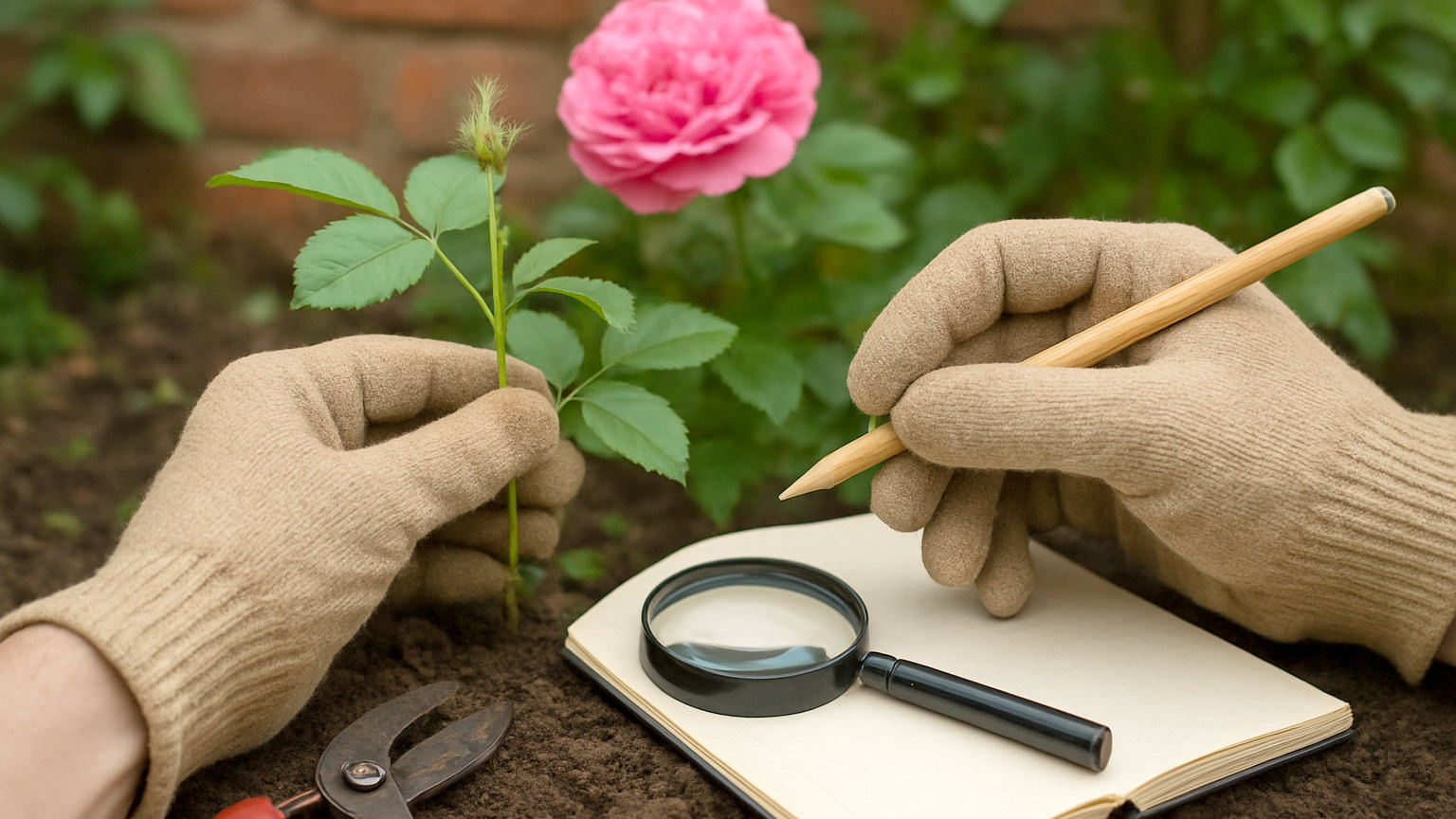
Knowing when a problem arrives is what turns reaction into prevention. What to look at, how often, and a record system that takes minutes.
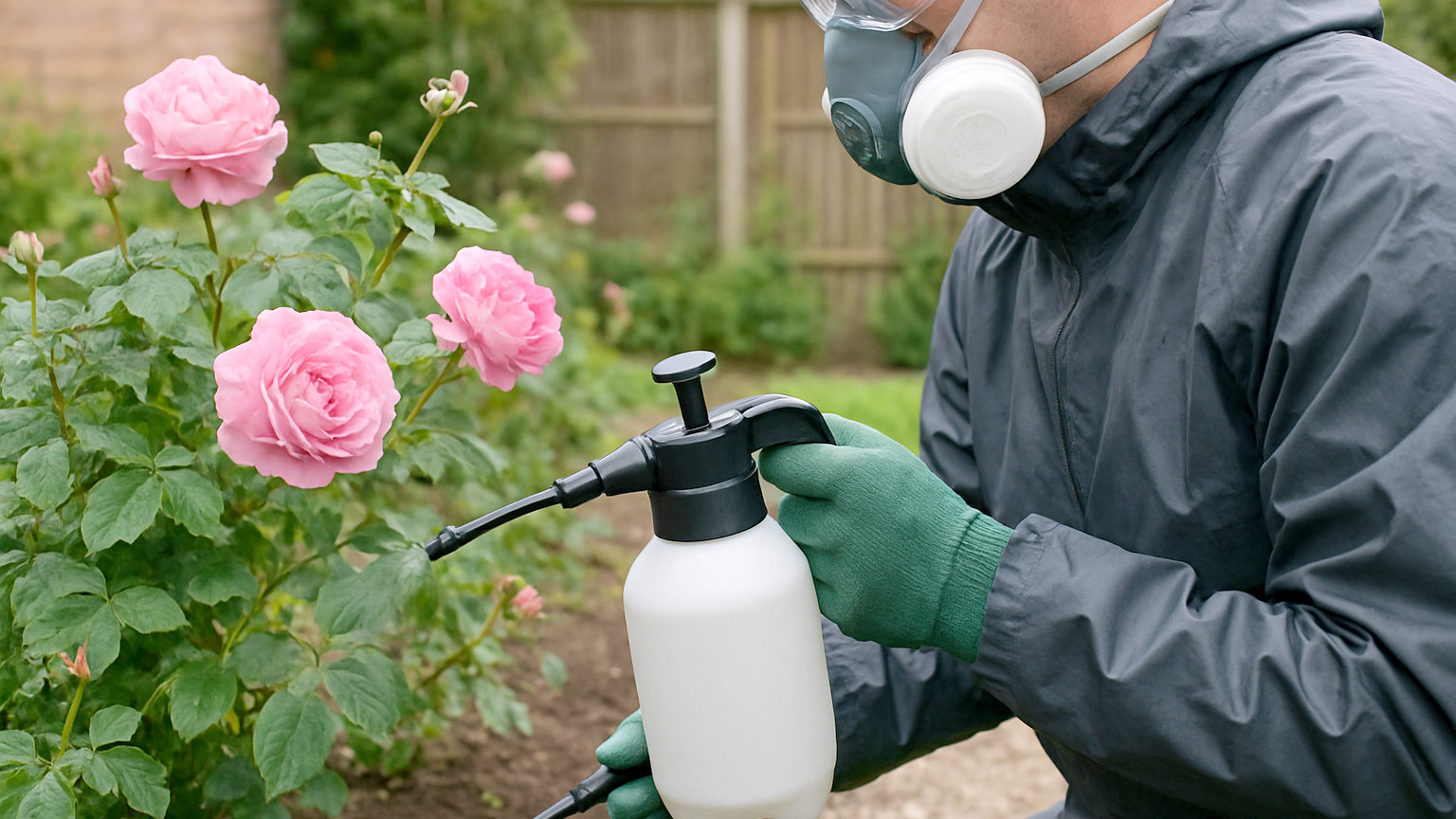
Protective equipment, conditions, and protecting pollinators, water and neighbours. What the label requires, and why it is legally binding.
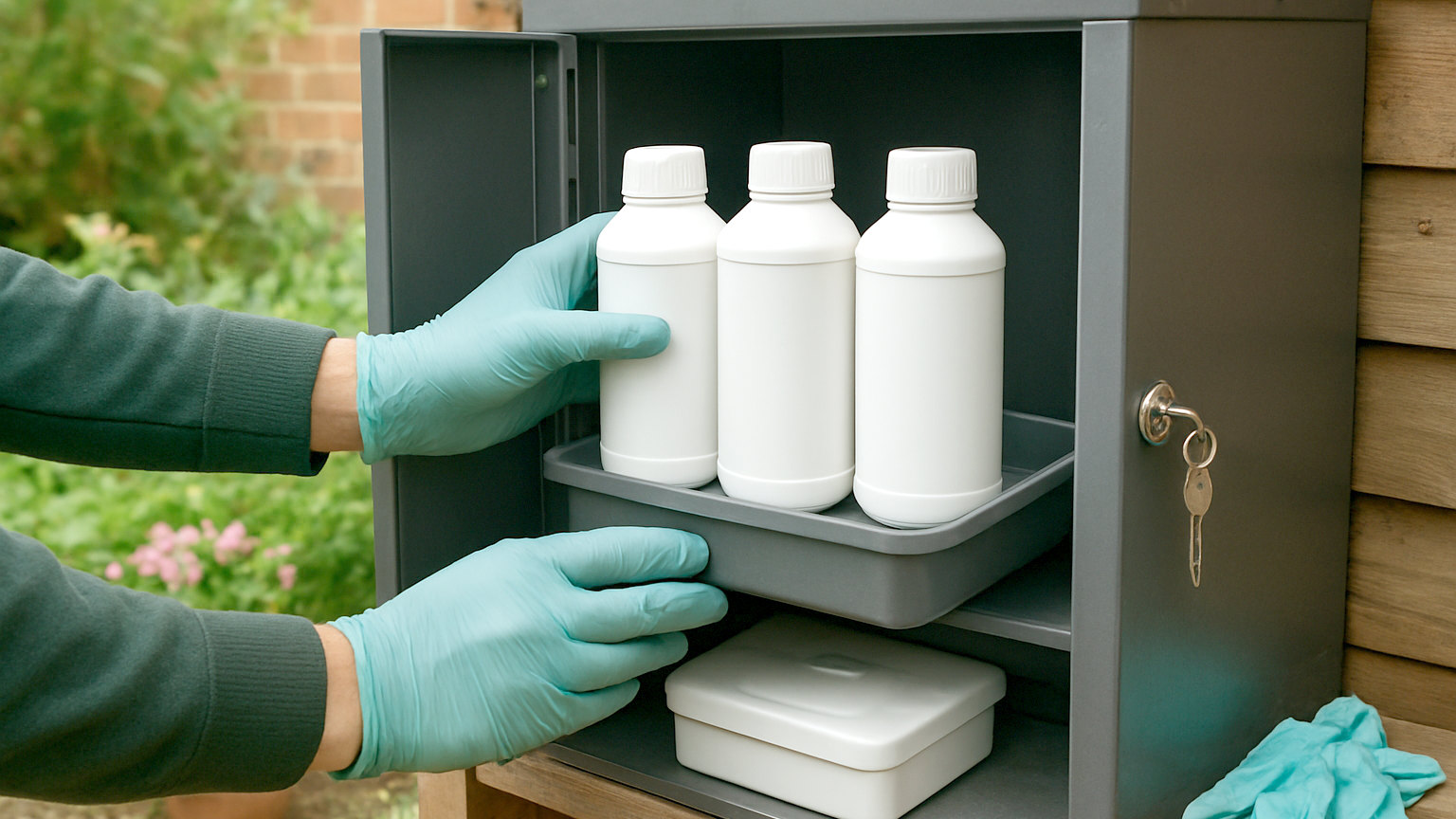
Original containers, locked away, never decanted. How to store garden chemicals safely, and how to get rid of the ones you should no longer use.