
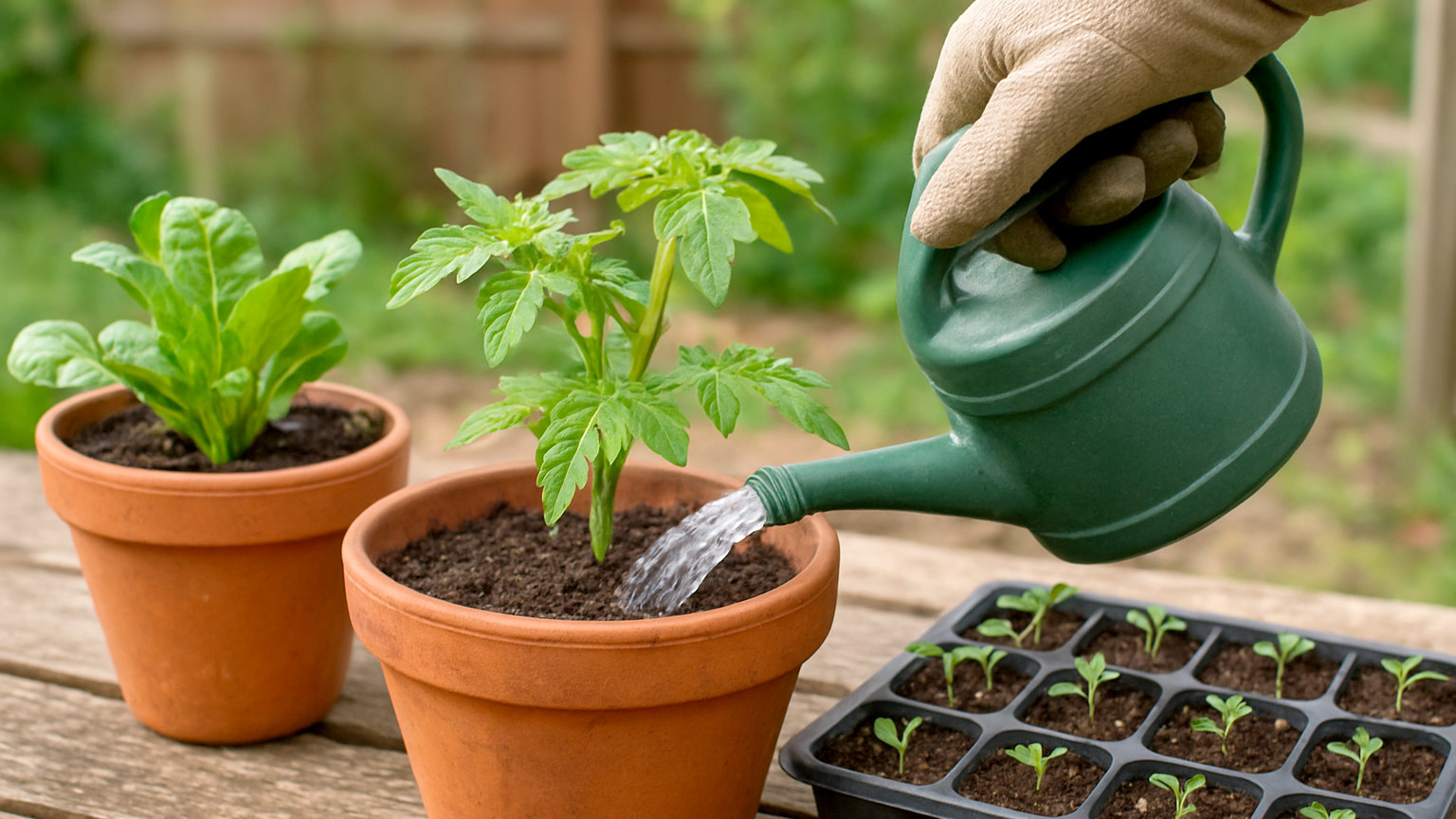
Preparing a whole collection identically wastes effort on plants that would be fine regardless, and often actively harms them. It is worth sorting the collection into three groups before doing anything.
Group one: leave them entirely alone
Cacti, succulents, sansevieria, ZZ plants, aspidistra, ponytail palms, jade plants, haworthia.
These need nothing for any absence up to a month, and in winter considerably longer. Actively keep them away from reservoir systems, matting and bottles – two weeks of supplied moisture will rot plants that were in no danger at all.
Group two: a soak and a shuffle
Pothos, philodendron, monstera, dracaena, rubber plants, schefflera, hoya, spider plants, chinese evergreen, most palms.
Water thoroughly, move out of direct sun, group together. That covers a fortnight in any season and three weeks in winter. No equipment needed.
Group three: genuine attention
Calathea, maranta, ctenanthe, most ferns, peace lilies, alocasia, fittonia, carnivorous plants, seedlings, fresh cuttings, and anything in a pot smaller than about ten centimetres.
These need a reservoir system, a person, or a bathroom relocation for anything beyond a week in summer. Maidenhair ferns and fittonias are the extreme cases and may not survive a fortnight whatever you do.
The variables that move a plant between groups
- Pot size. A small pot moves any plant one group riskier. A large pot moves it one group safer.
- Terracotta versus plastic – terracotta roughly halves the time available.
- Position. Direct sun moves a plant a full group; a shaded floor position moves it back.
- Pot-bound or not. A plant that has filled its pot with root has almost no water reserve.
- Season. Everything is one group safer in winter.
- Hanging – suspended pots dry roughly twice as fast.
Doing the triage
Walk round with three labels or three areas of floor. It takes ten minutes and it makes the rest of the preparation obvious: group three goes on matting in the bathroom, group two gets watered and moved back from the window, group one gets left exactly where it is.
The plants people lose on holiday are almost always in group three, and almost always because the effort went evenly across the collection instead of where it mattered.
The group that gets harmed by helping
It is worth being explicit about group one, because the damage there is done deliberately and with good intentions. Succulents, cacti, sansevieria and ZZ plants are the plants most often killed by holiday preparations – put on matting with everything else, given a bottle, or watered generously "to be safe" before a fortnight in a cool house.
None of them needed anything. All of them rot in sustained moisture. If you do nothing else, physically separate that group from whatever system you set up, and leave a note if someone else is visiting.
A quick way to sort an unfamiliar plant
Look at the leaves. Thick, waxy, fleshy or leathery means water storage and a long tolerance – group one or two. Thin, papery or finely divided means no reserve and a short tolerance – group three. It is not infallible, and it places most plants correctly without needing to identify the species.


