Root Rots and Phytophthora
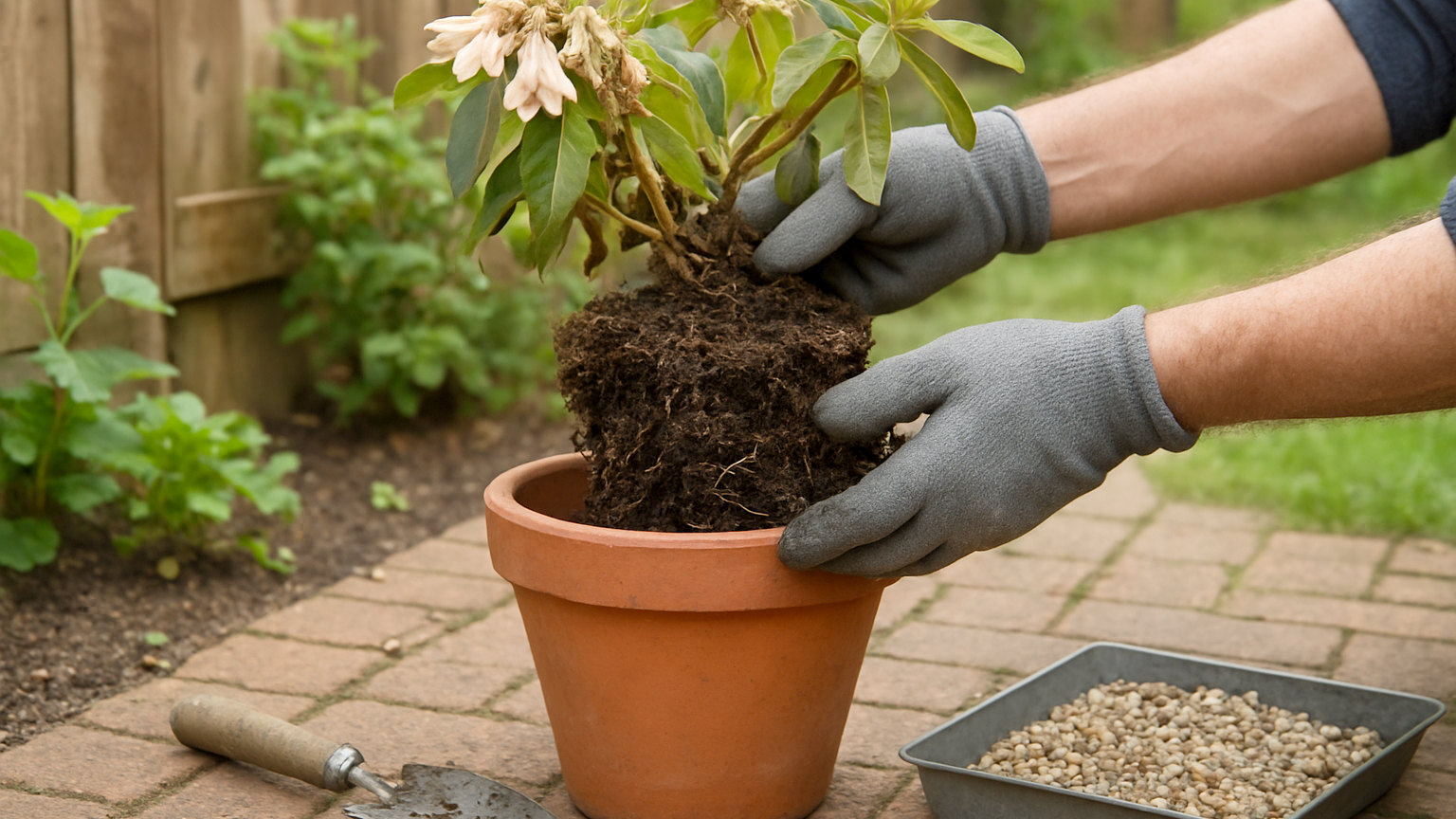
Plants wilting in wet soil have dead roots, not thirsty ones. Recognising root rot, and why drainage is the whole of the answer.
By Gardening Guides Editorial
31 Jul 2026

Something is eating it, something is wilting it, or it simply is not growing - and the first job is always identification, because the treatment for one problem is useless against another that looks much the same. These guides help you work out what you are looking at, then say what actually works, what does not, and what is not worth treating at all. Most garden problems resolve themselves, and knowing which ones will is the real skill.
Plants wilting in wet soil have dead roots, not thirsty ones. Recognising root rot, and why drainage is the whole of the answer.
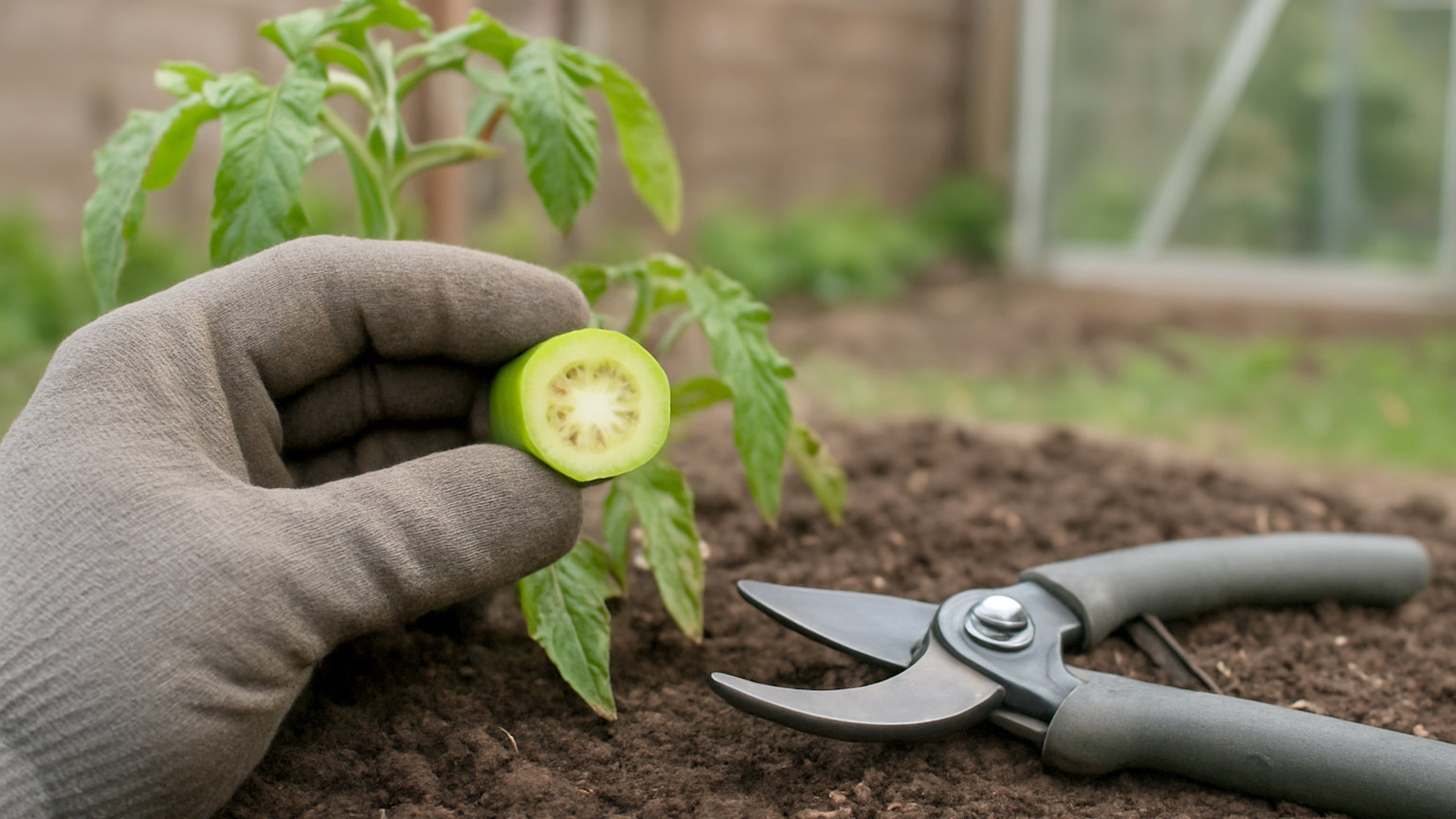
Verticillium and fusarium block the water-conducting tissue from inside, leaving a stain visible when a stem is cut. Persistent in soil, and untreatable.
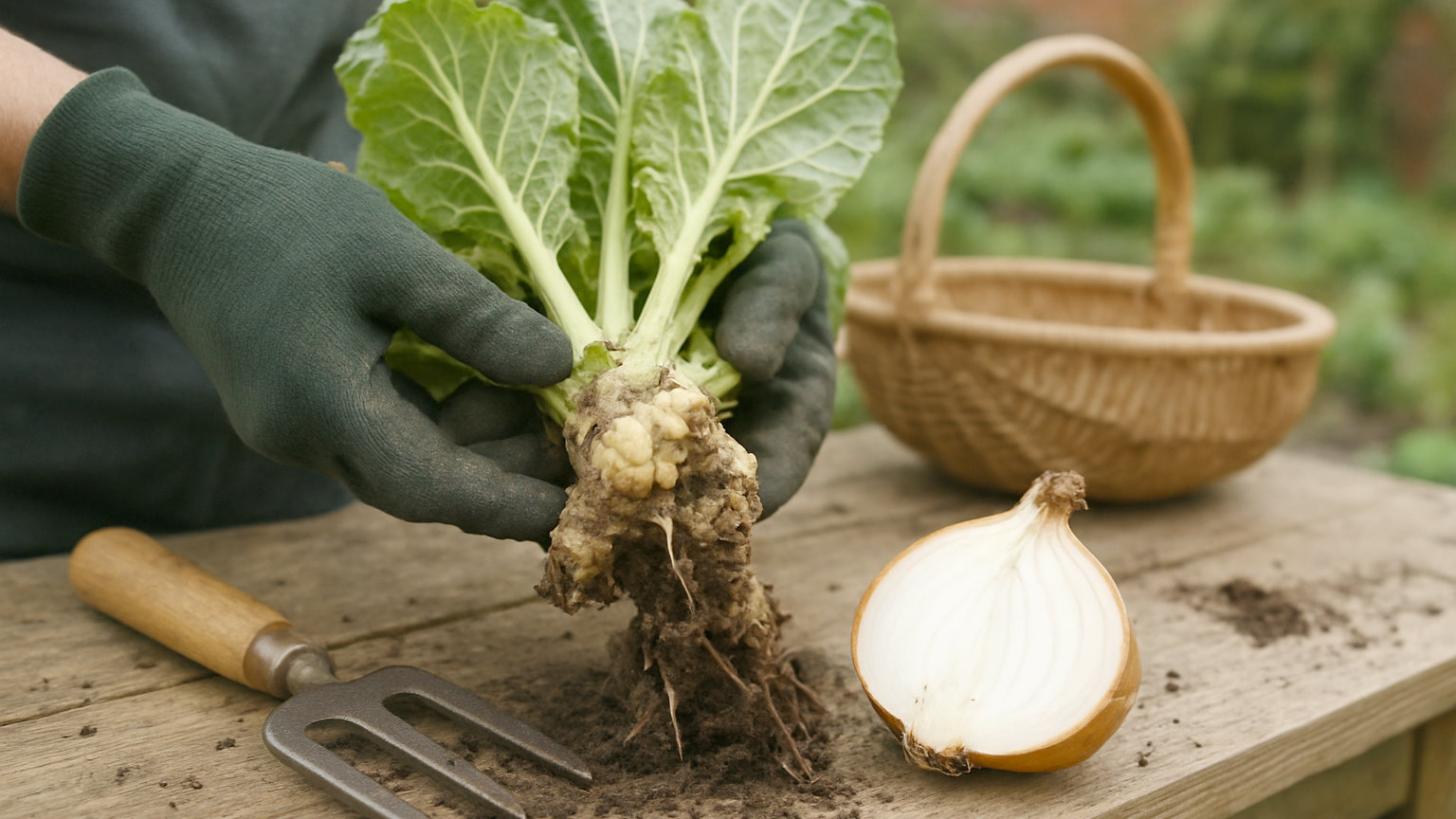
Two soil-borne diseases that persist for decades and have no cure. Recognising them, containing them, and growing the crops anyway.
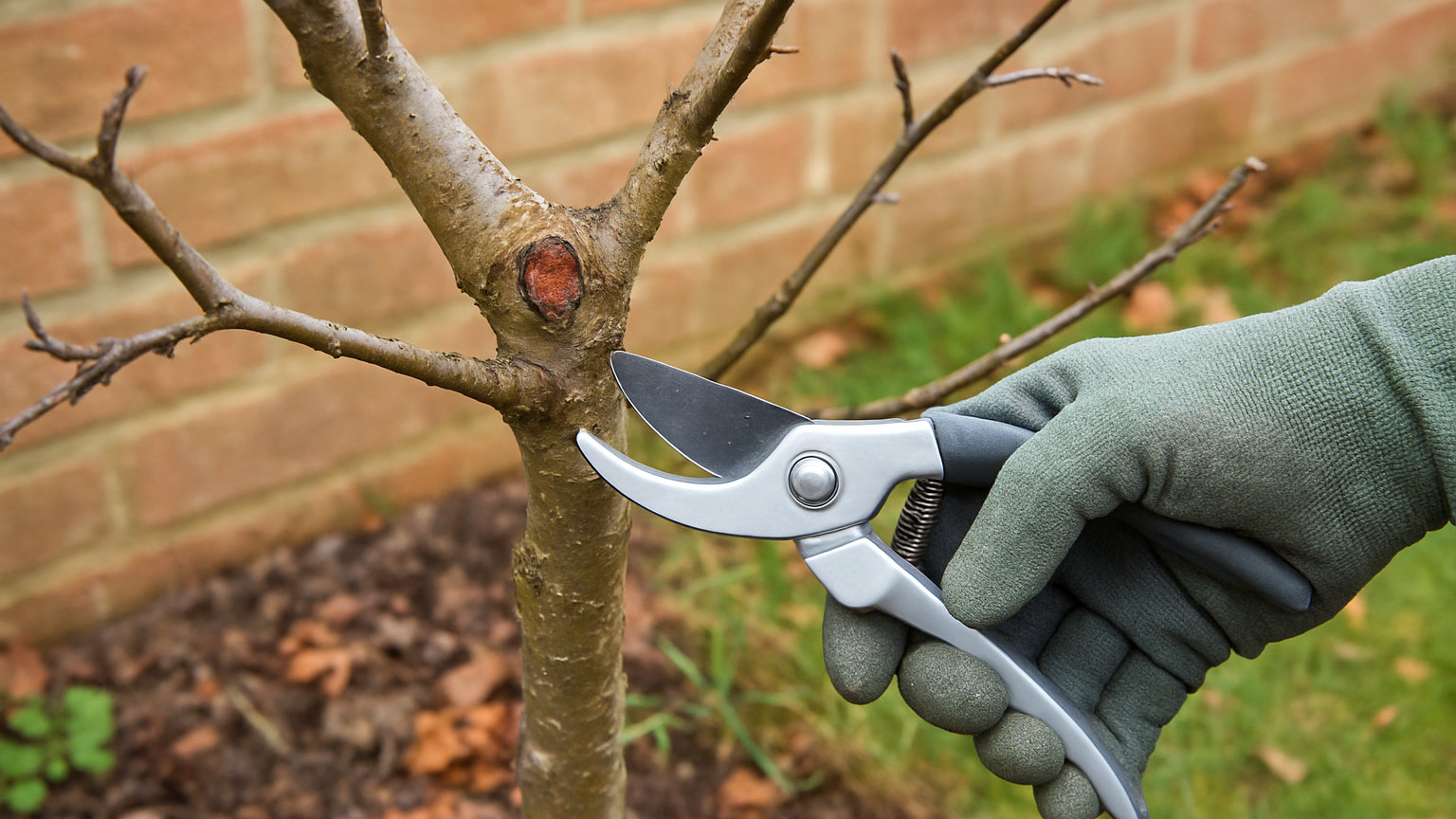
Sunken lesions on bark that girdle a branch and kill everything beyond. Cutting back into clean wood, and pruning at the right time to prevent it.
Mottling, streaking and distorted growth with nothing visible causing it. Viruses cannot be treated, and preventing spread is the whole response.
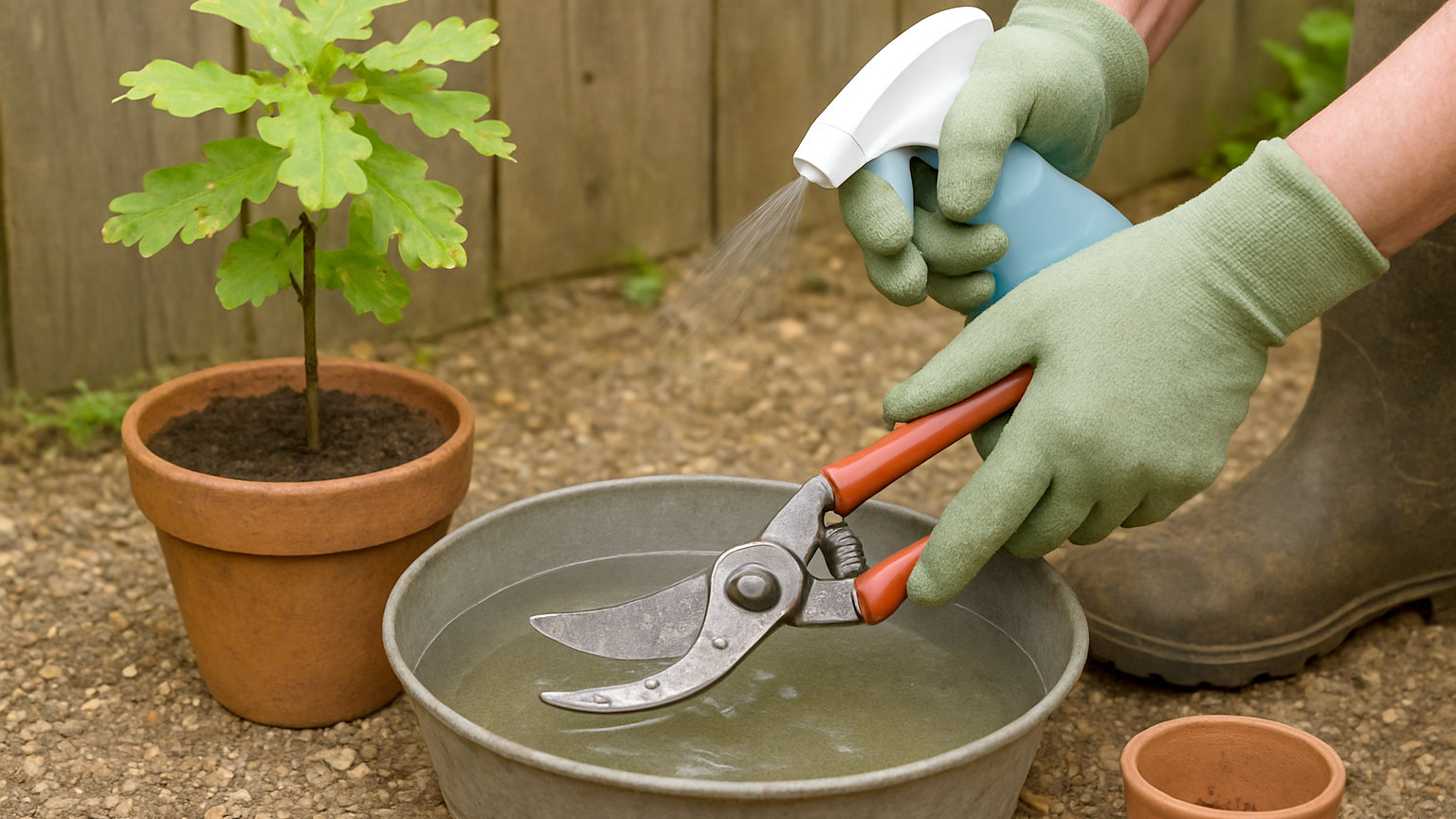
New tree pests and diseases arrive on imported plants and spread on boots and tools. What gardeners can do, and what must be reported.
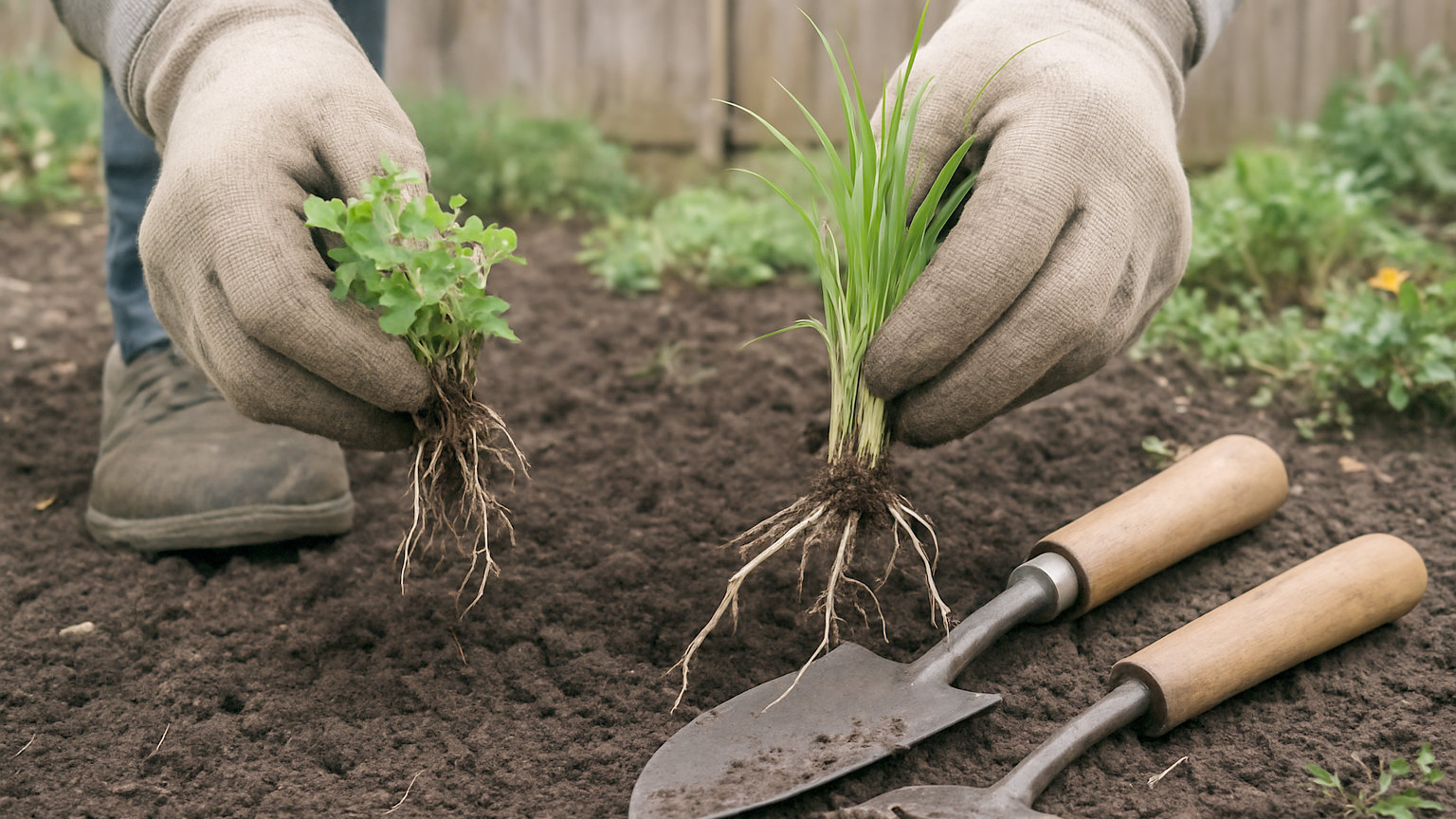
Annuals spread by seed and die each year; perennials survive underground and regrow from fragments. The distinction determines everything you do about them.
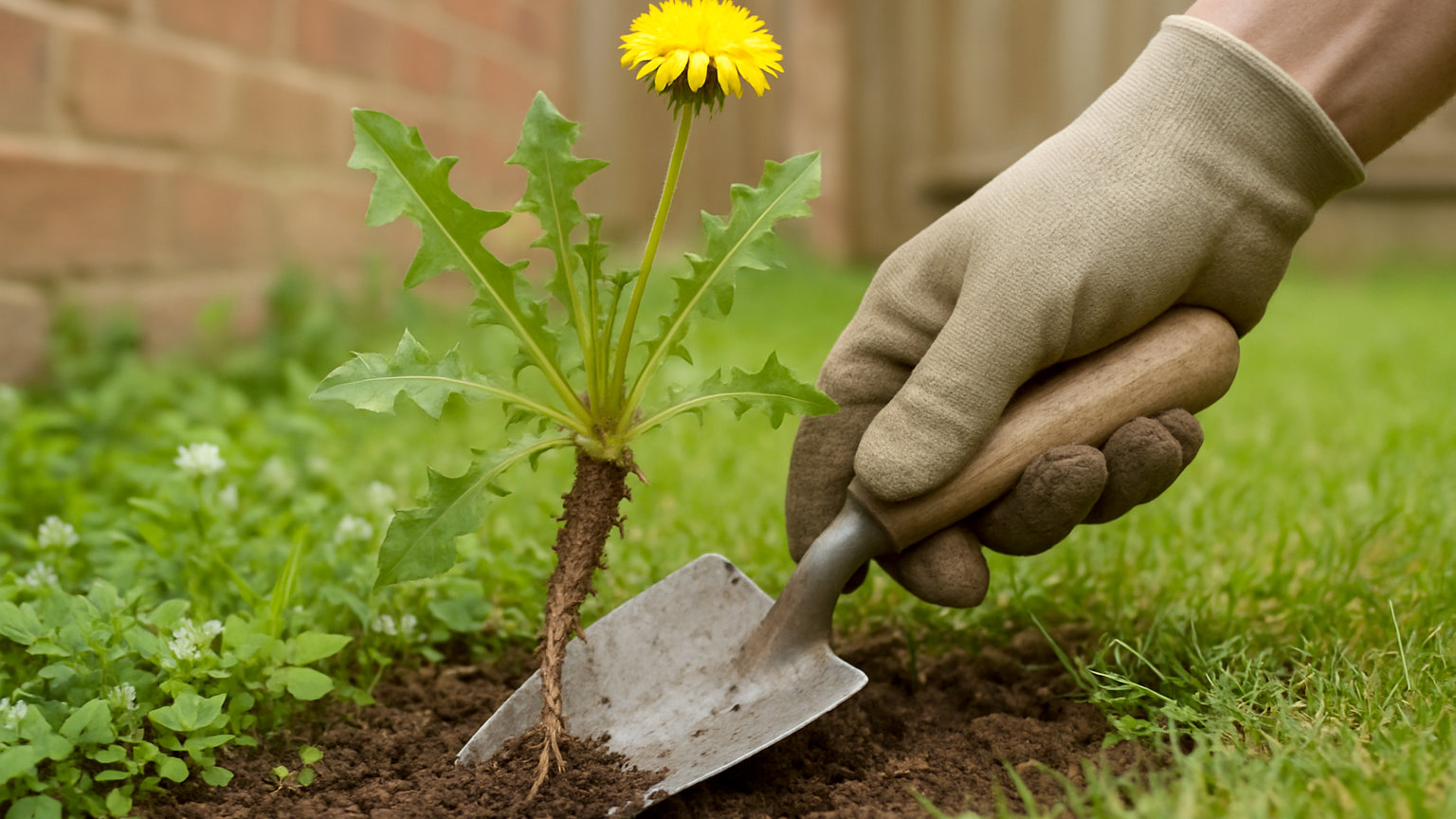
Knowing what you are pulling up saves a great deal of wasted effort, and a few are worth keeping. The weeds most gardens have, and how to tell them.
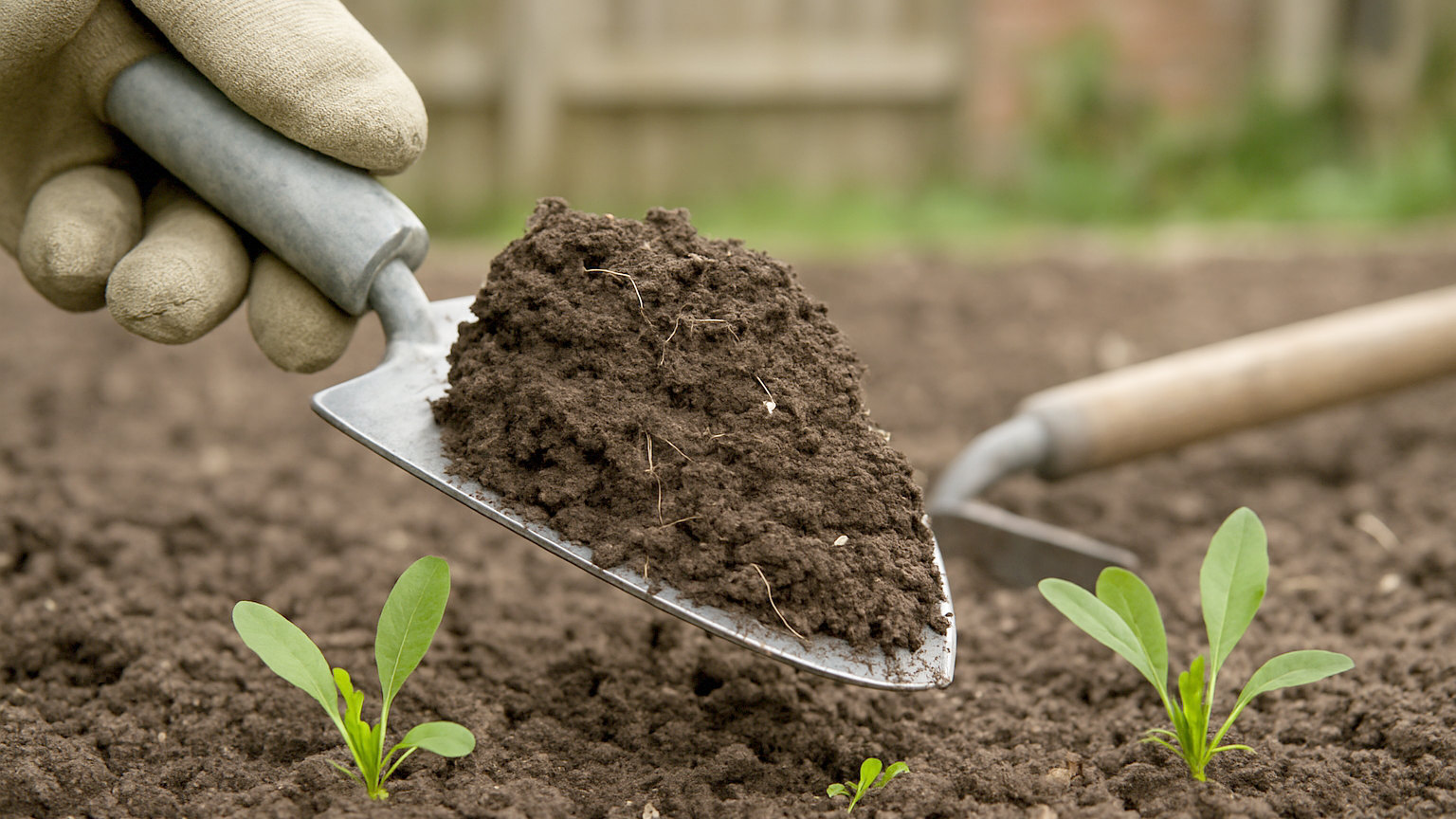
Every soil holds an enormous reserve of viable weed seed, some of it decades old. Understanding it explains why weeding never seems to end.
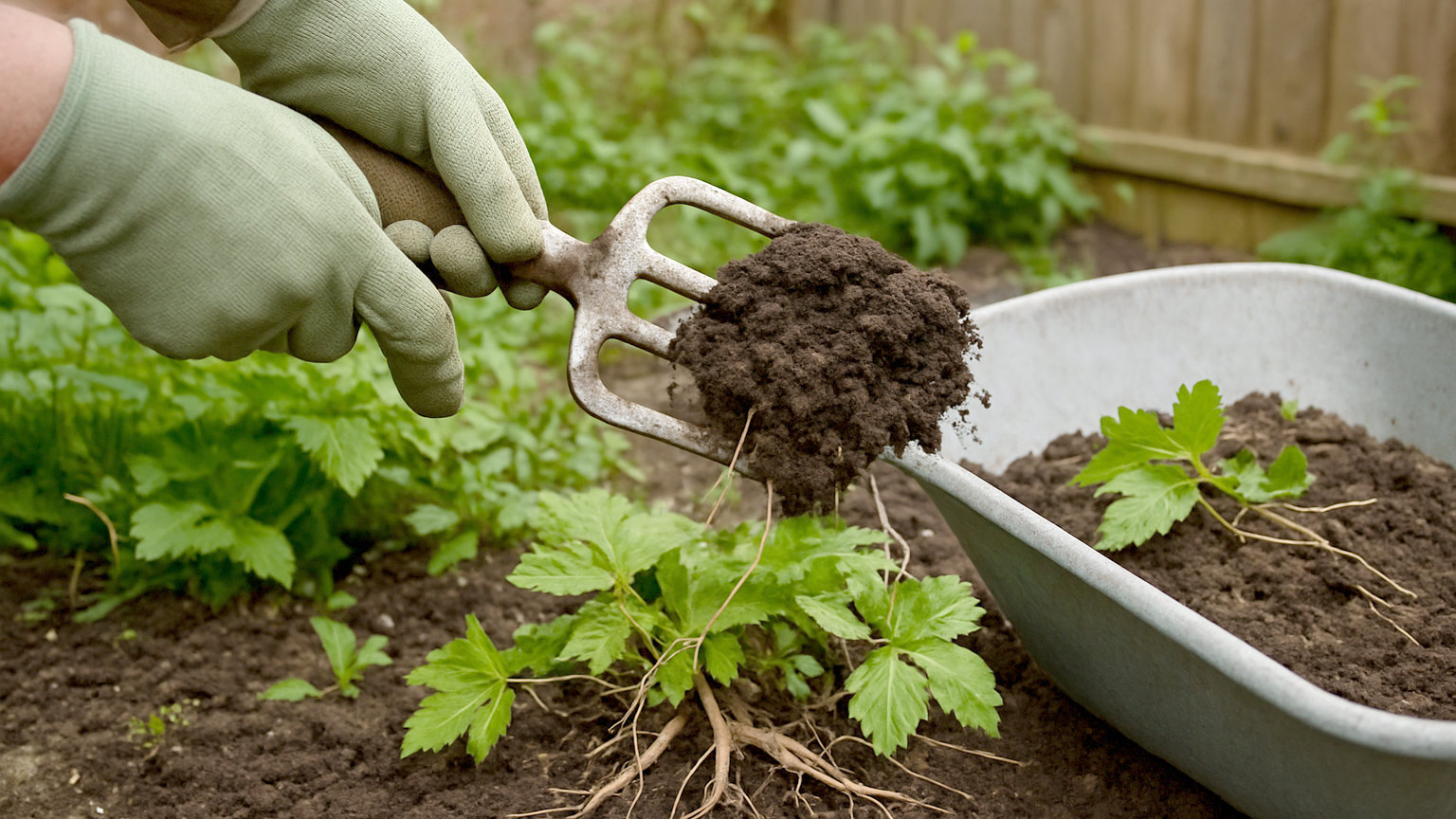
Two spreading perennials that regrow from every fragment left in the soil. Clearing them properly, and why half measures make them worse.
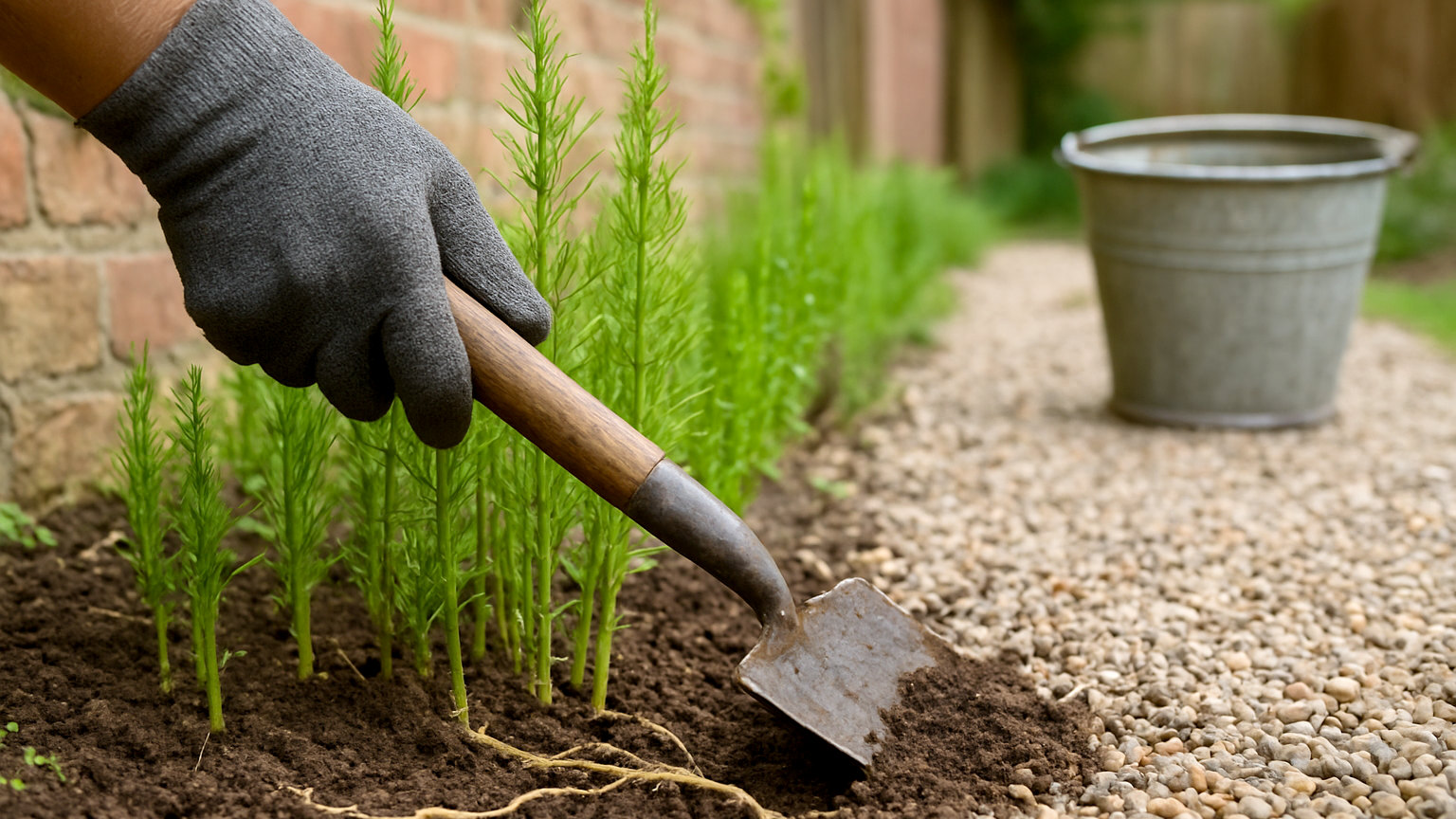
Rhizomes two metres deep and a waxy coating that repels sprays make this the most persistent garden weed of all. Managing rather than eradicating it.
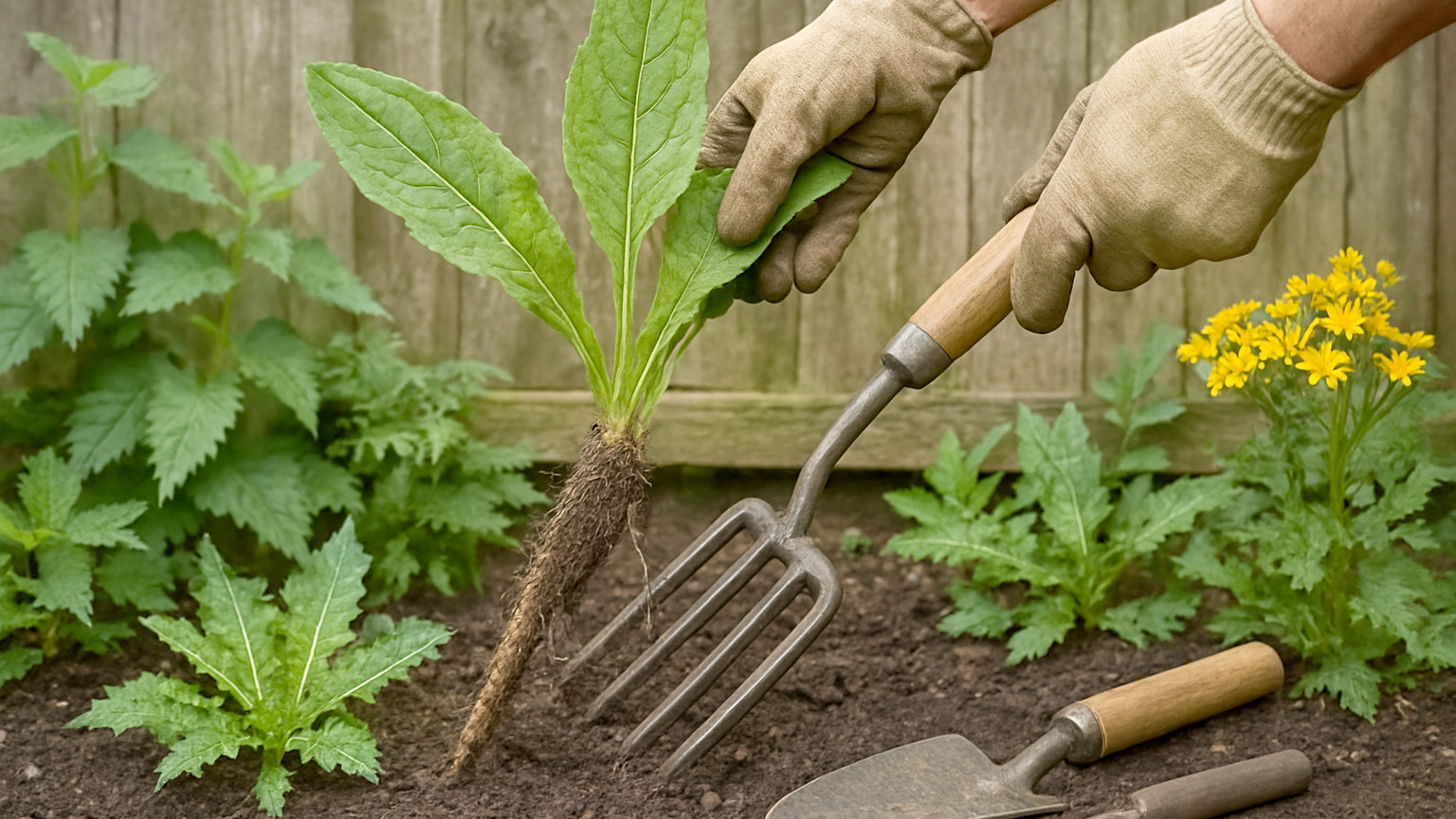
Three vigorous perennials of neglected ground, each removed differently. What each indicates about the soil, and the legal position on ragwort.