Integrated Pest Management
A sequence rather than a product: prevent, monitor, decide whether it matters, then use the least drastic method that works. How it applies in a garden.
By Gardening Guides Editorial
31 Jul 2026

Barriers, netting, rotation, biological controls and sprays - reading a label, and the case for doing nothing.
A sequence rather than a product: prevent, monitor, decide whether it matters, then use the least drastic method that works. How it applies in a garden.
A plant suited to its conditions resists almost everything, and one fighting them needs help forever. The most effective disease control there is.
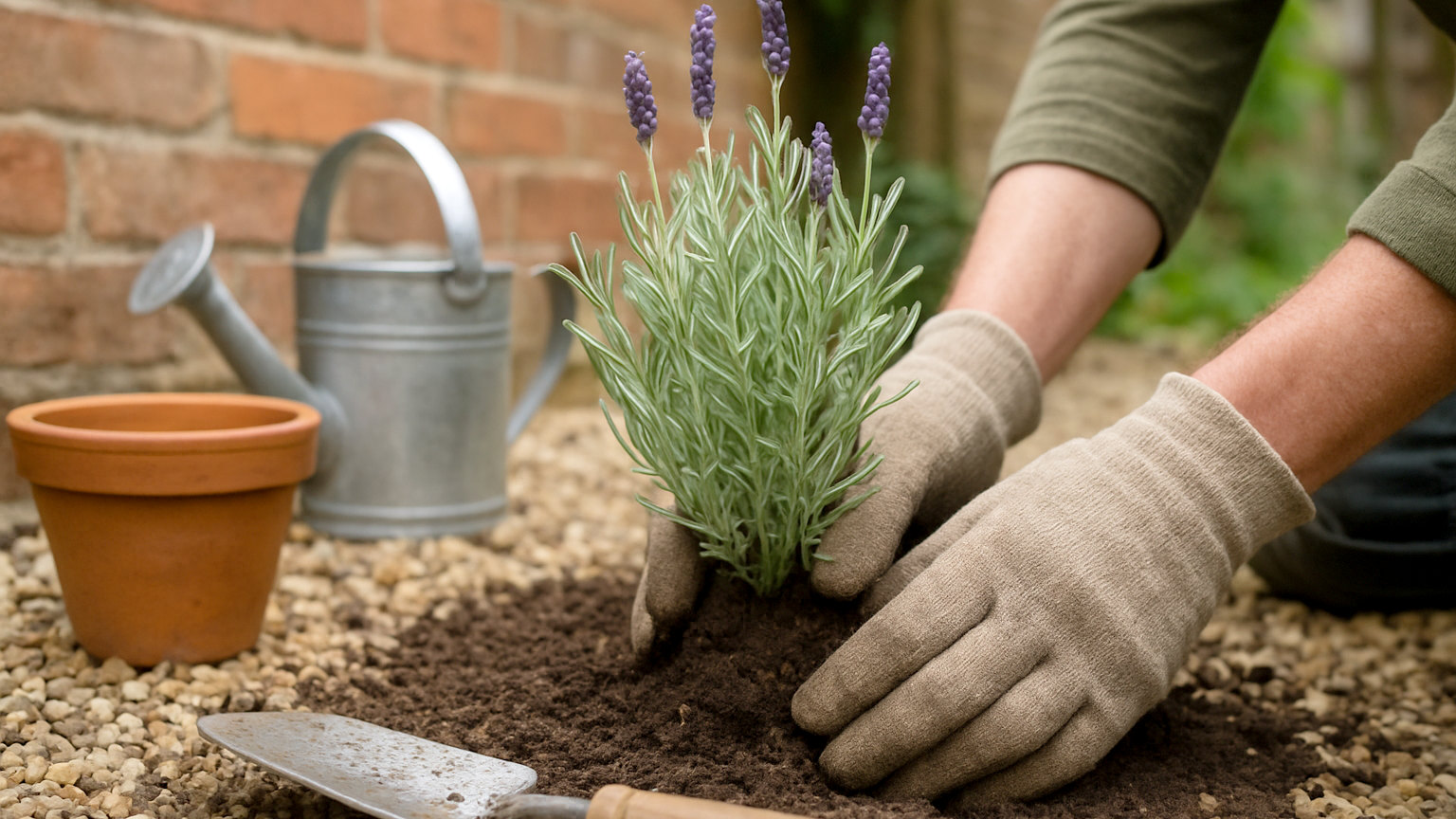
New plants are the commonest way pests, diseases and weeds arrive in a garden. What to check before buying, and isolating what comes in.
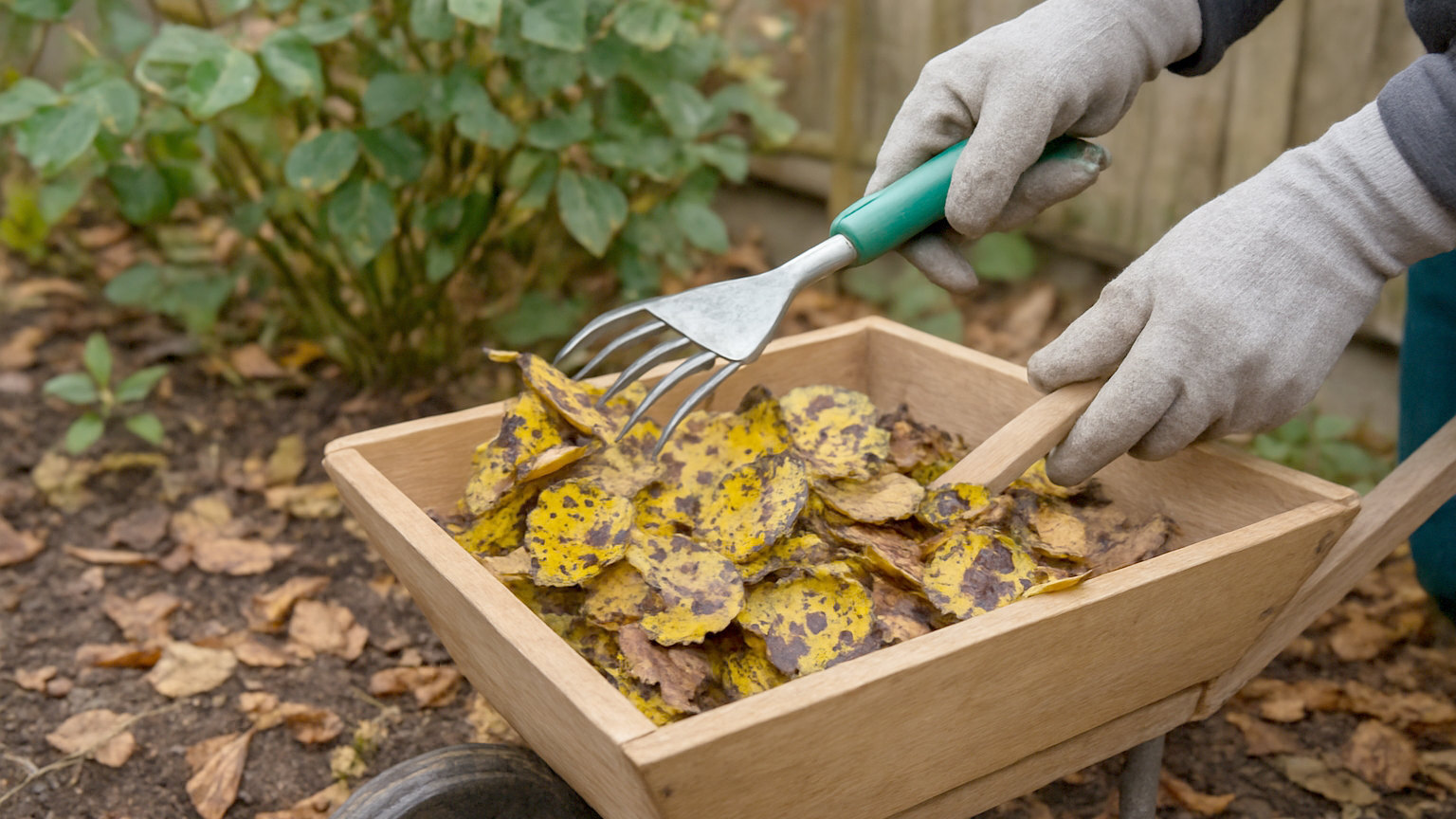
Clearing the right debris at the right time removes overwintering pests and disease sources, and clearing everything removes the wildlife too.
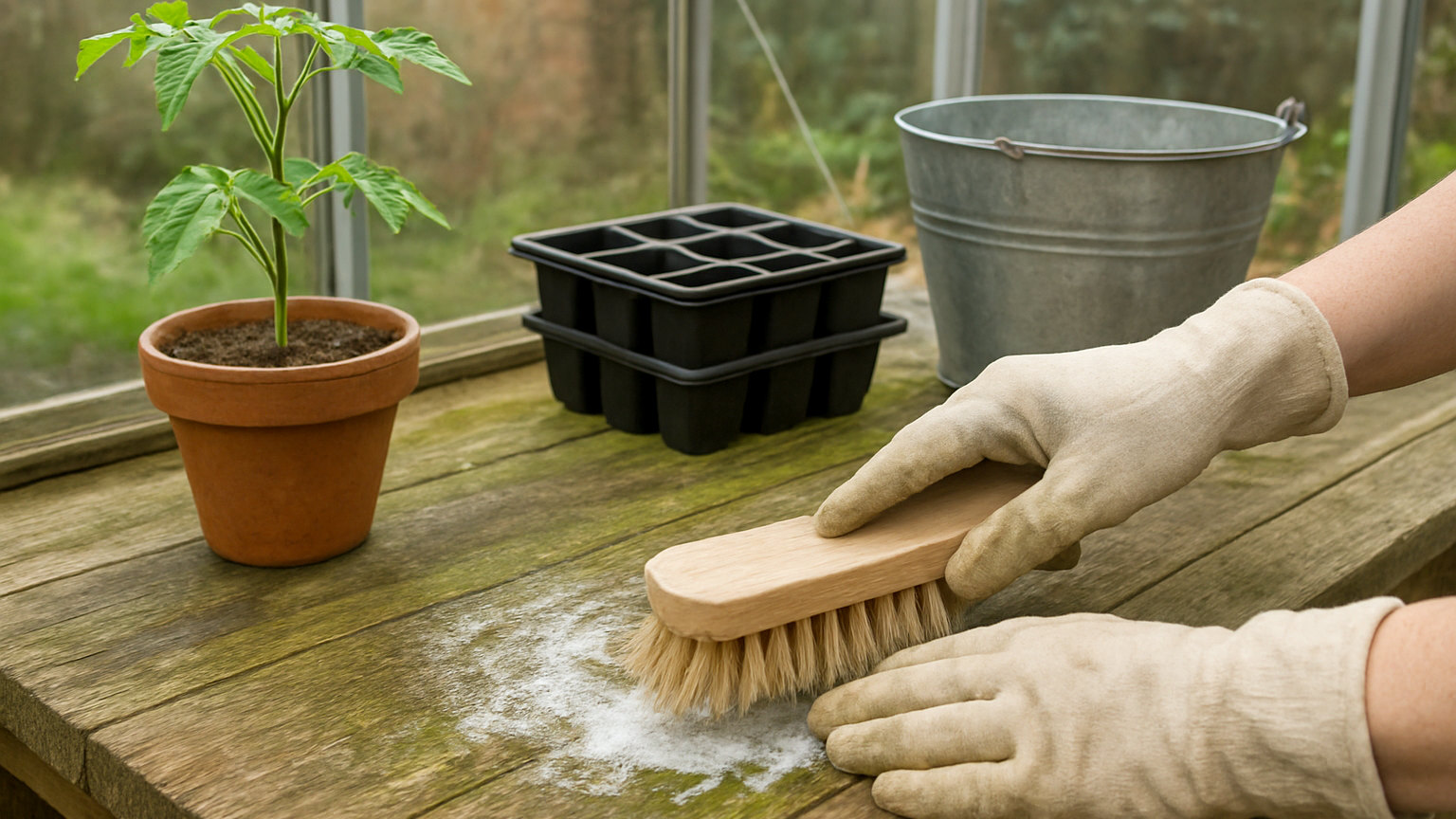
An enclosed warm space concentrates pests and diseases and lets them carry over from year to year. The annual clean, and the routine between times.
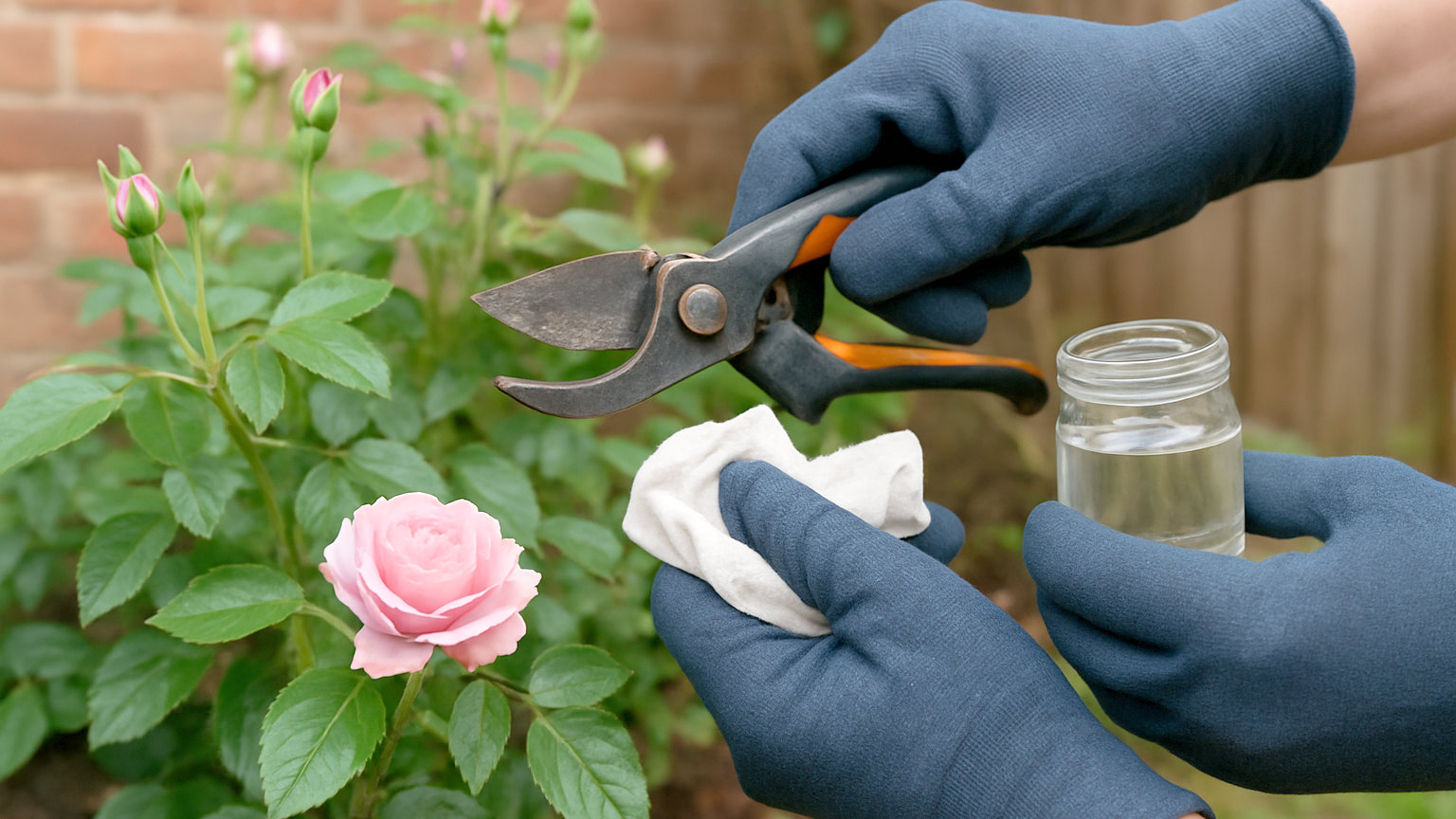
Secateurs carry disease from one plant to the next, and a few seconds with a disinfectant prevents it. When it matters, and what to use.
Moving crop groups around the plot each year prevents soil-borne problems building up. The groups, a workable cycle, and what rotation will not fix.
Choosing a variety bred to resist a problem costs nothing extra and removes the problem for the life of the plant. What is available, and its limits.
Much of what is claimed has little evidence behind it, and one part of it works very well indeed. Separating the two.
A garden that supports predators, pollinators and soil life needs far less intervention each year. The features that build it, and the patience required.
Knowing when a problem arrives is what turns reaction into prevention. What to look at, how often, and a record system that takes minutes.
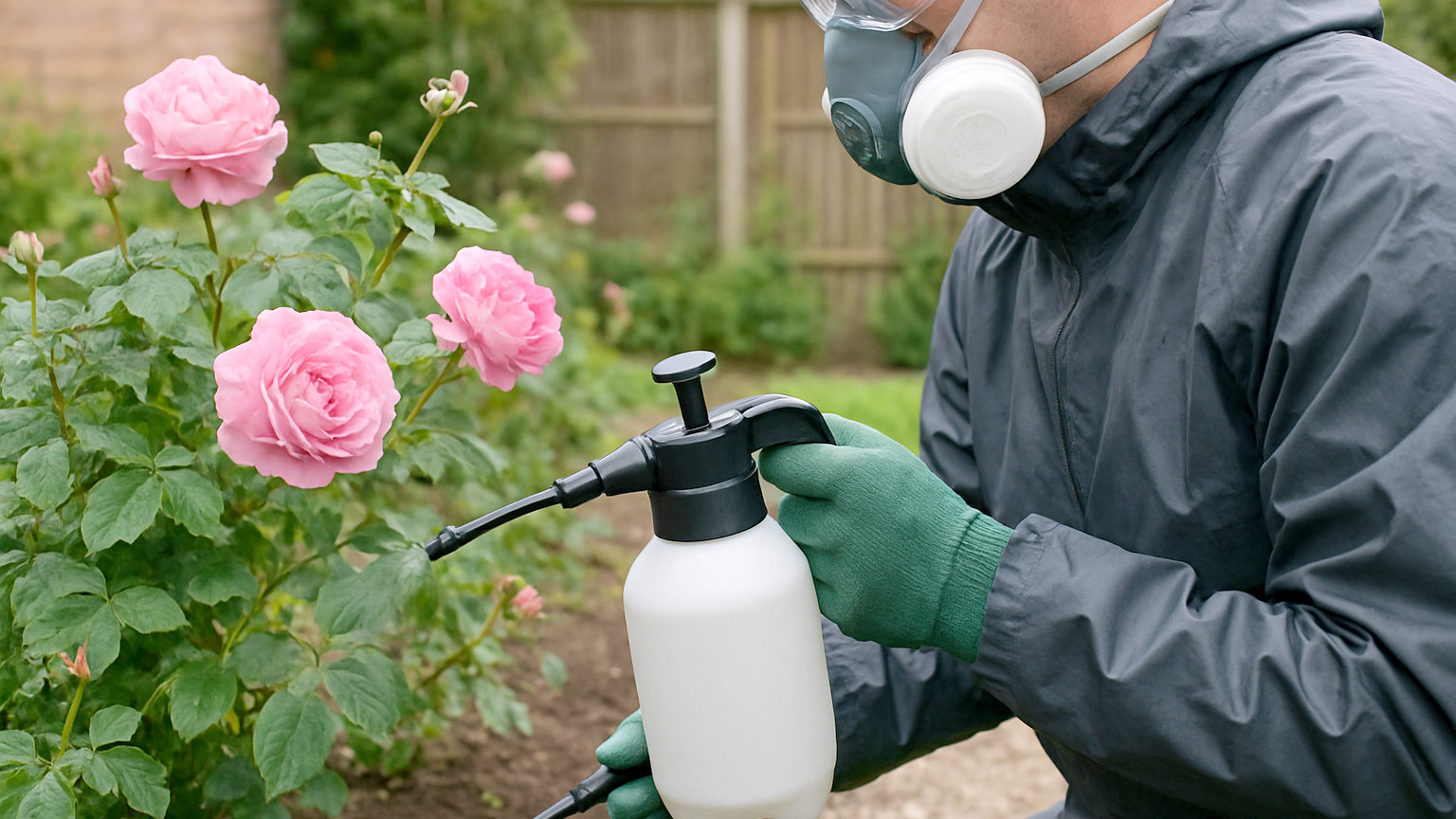
Protective equipment, conditions, and protecting pollinators, water and neighbours. What the label requires, and why it is legally binding.