
Birds are among the most effective pest controllers a garden has, taking very large numbers of aphids, caterpillars, slugs and snails. Encouraging them is worthwhile, and doing it badly causes real harm.
Hygiene is the critical point
Dirty feeders spread disease, and several bird diseases spread this way are fatal.
Trichomonosis has caused severe declines in greenfinch and chaffinch populations and is spread at feeding stations through contaminated food and water.
Salmonella and other infections spread the same way.
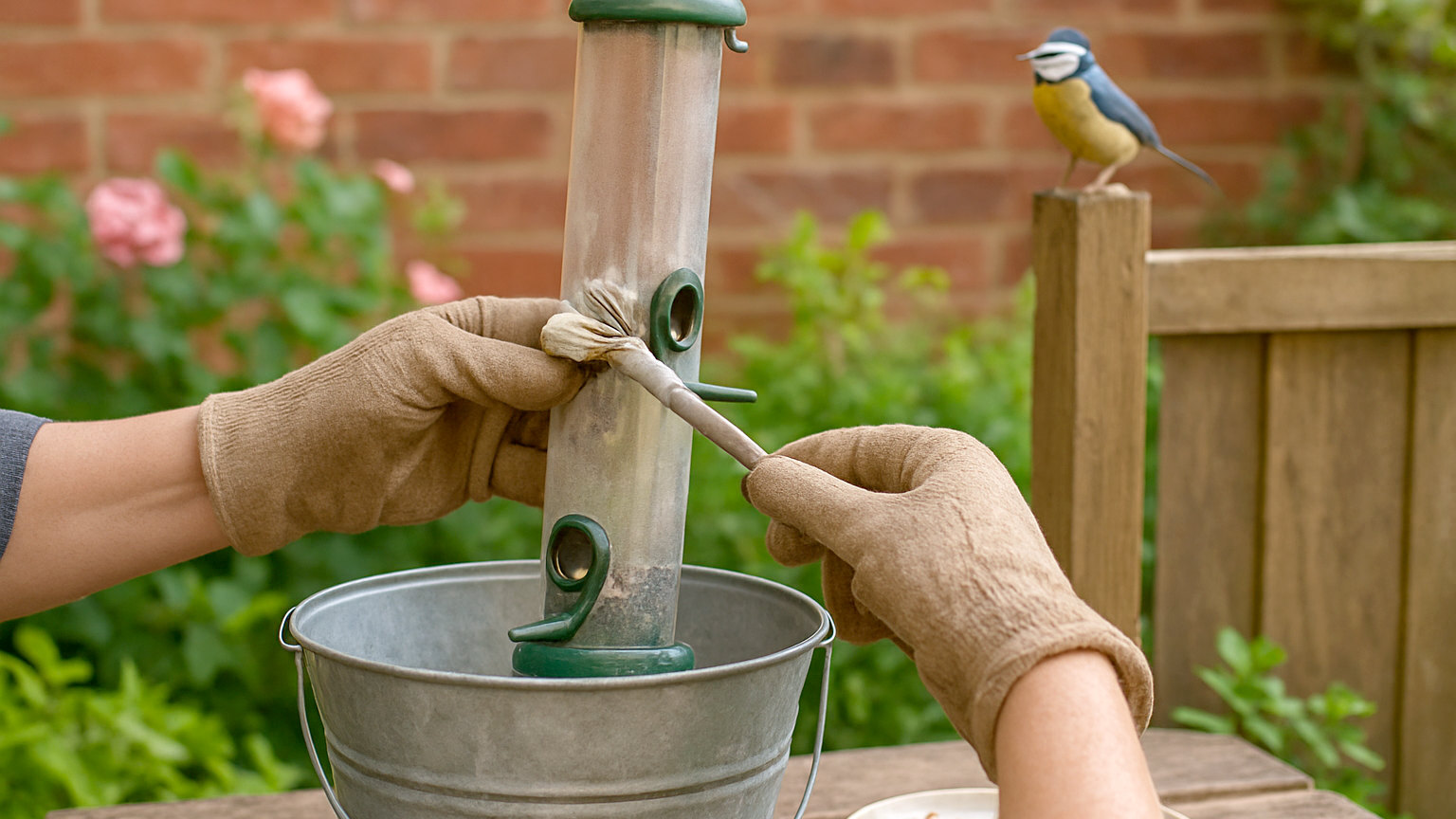
Clean feeders and water containers regularly, at least weekly, using hot soapy water and rinsing thoroughly, and let them dry before refilling.
Wear gloves and wash your hands afterwards, and do the cleaning outdoors rather than in a kitchen sink.
Move feeders periodically so droppings do not build up in one place, and sweep up spilt food beneath them.
Do not put out more than will be eaten in a day or two.
If you see a sick bird, one that is lethargic, fluffed up, with matted plumage around the beak or difficulty swallowing, take the feeders down entirely for a few weeks, clean everything thoroughly, and report it if a reporting scheme is operating.
Removing the feeders disperses the birds and slows transmission, which is the most useful thing you can do.
What to feed
Sunflower hearts, which suit the widest range of species and leave no husks.
Nyjer seed for goldfinches, in a specific feeder.
Peanuts, always in a mesh feeder rather than whole, and from a reputable supplier since poorly stored nuts can carry harmful toxins.
Fat balls and suet, removed from any plastic mesh bag before hanging, since the netting traps feet.
Mealworms, particularly in the breeding season.
Windfall apples and pears on the ground for thrushes and blackbirds.
What to avoid
Bread, which has little nutritional value and fills birds without feeding them.
Anything salted, including salted peanuts and savoury scraps.
Desiccated coconut, which swells inside the bird.
Cooked fats and greasy leftovers, which smear plumage and go rancid.
Milk, which birds cannot digest.
Whole peanuts in the nesting season, which can choke chicks. Use a mesh feeder so adults take fragments.
Water
As important as food and frequently forgotten.
Provide clean fresh water for drinking and bathing all year, in a shallow dish with a rough surface and sloping sides.
Change it daily and clean the container regularly.
Keep an area ice free in winter by floating a ball or refilling with warm water. Never add salt or antifreeze.
Position
Near cover, so birds can retreat, but not immediately beside dense shrubs where a cat can lie in wait.
A couple of metres from a bush is a reasonable compromise.
Away from windows, or very close to them, since collisions happen at intermediate distances. Window stickers or blinds reduce strikes.
Where you can see it, since watching is much of the point.
Natural food is better still
Feeders supplement rather than replace habitat.
Berrying shrubs, seedheads left standing over winter, a native hedge, ivy for late nectar and winter berries, and an unsprayed garden full of insects all feed birds without any hygiene risk.
Leaving perennials uncut until February provides both seed and shelter.
Not using insecticides preserves the caterpillars that nesting birds need, since a brood of blue tits requires many thousands of them.
Nest boxes
Site them between north and east, away from the hottest sun and prevailing weather, at least two metres up, with a clear flight path.
Clean them out in autumn, after the breeding season, wearing gloves and washing hands afterwards.
Use boiling water rather than any chemical, and let the box dry thoroughly before replacing it.
Cats and feeders
A feeding station is a hunting opportunity, so site it where birds have a clear view and an escape route.
Prickly planting beneath a feeder deters cats from lying in wait, and a quick-release collar with a bell on your own cat reduces its success rate.
Year round or seasonal
Feeding all year is now generally advised, since natural food is scarce at several points in the year and not only in winter.
The exception is the nesting season, when whole peanuts and large hard items should be avoided in favour of a mesh feeder.


