
Moles produce dramatic evidence of their presence and cause remarkably little actual harm. Deciding how much it matters is most of the question.
What moles do
They tunnel through soil hunting earthworms and soil invertebrates, which are their entire diet. They do not eat plant roots or bulbs.
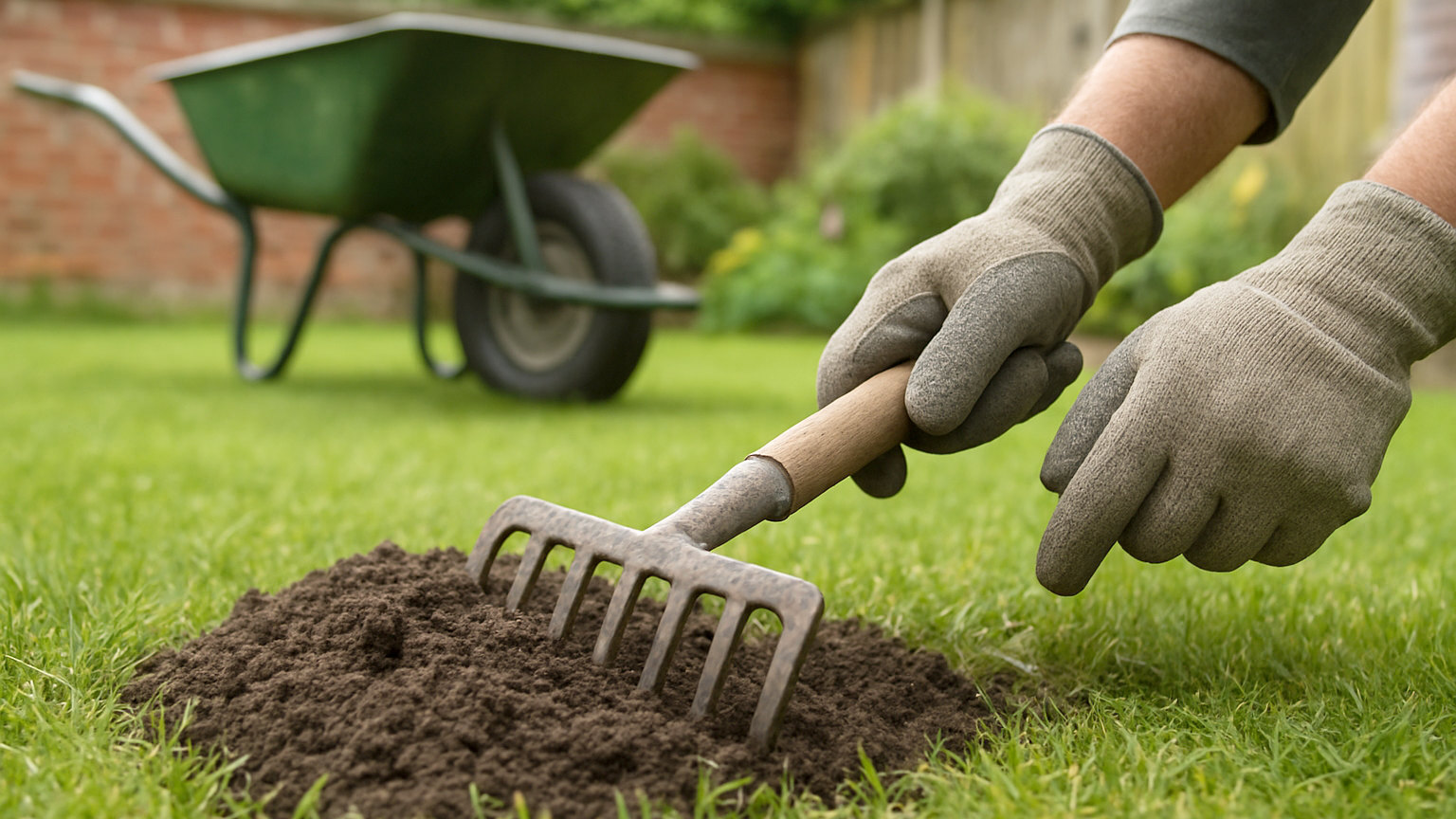
Molehills are the spoil pushed up from tunnel excavation.
The genuine problems are the appearance of a lawn, soil scattered by a mower, seedlings and small plants disturbed by tunnelling beneath them, and the risk of a foot going through a tunnel on a lawn.
In a vegetable bed, tunnels can leave roots in air pockets and dry them out.
Damage to bulbs and roots is more often done by mice and voles using the tunnels than by the mole itself.
Why they arrive
Because there are earthworms, which means the soil is in good condition.
Moles are largely solitary and territorial, so a lawn covered in hills is usually the work of one or two animals rather than many.
Activity peaks in spring and autumn, and in dry weather when worms move deeper and the mole tunnels further to find them.
A new mole frequently moves into a vacated territory within weeks, which is the central difficulty with removal.
Living with them
The most practical approach in most gardens.
Collect the molehill soil, which is fine, weed-free and excellent for potting mixes and topdressing.
Brush hills flat when dry rather than wet, before mowing.
Firm down tunnels near seedlings and newly planted areas.
Accept that activity is seasonal and subsides.
In a border or an orchard the damage is negligible and no action is needed at all.
Deterrents
Widely sold and generally disappointing.
Sonic and vibrating devices have little good evidence behind them. Moles may avoid the immediate area briefly and habituate.
Bottles in the ground, children's windmills and similar remedies work on the same principle and are equally unreliable.
Mothballs, castor oil products and various repellents have mixed and generally weak evidence.
Disturbing tunnels repeatedly may encourage a mole to move on, which is as much as most non-lethal methods achieve.
Barriers
Effective for a specific area and laborious.
Fine wire mesh laid beneath a lawn at construction, or buried vertically to a depth of around sixty centimetres around a bed, excludes them.
Only realistic for a small area or when building something new.
Mesh beneath a raised bed prevents tunnelling into it.
The legal position
Moles are not protected in the way many mammals are, and control is subject to legal requirements.
Strychnine was withdrawn many years ago and its use is illegal.
Only approved spring traps may be used, and the legislation specifies which. Traps must be set correctly and checked regularly.
The Wild Mammals Protection Act makes causing unnecessary suffering an offence, so a badly set or unchecked trap creates legal as well as welfare problems.
Trapping requires skill to be effective and humane, and professional operators are available where it is genuinely necessary.
Why removal often disappoints
Territory that suits one mole suits another.
Where the surrounding land holds a population, a cleared garden is recolonised, frequently within weeks.
This makes repeated intervention a permanent commitment rather than a solution.
A proportionate view
Moles indicate healthy soil with plenty of earthworms, aerate the ground, and eat some pest larvae including leatherjackets.
On a lawn maintained to a high standard they are a real nuisance. Almost everywhere else the sensible response is to knock the hills down, use the soil, and let them get on with it.
Voles and mice in mole runs
Where roots and bulbs are being eaten and molehills are present, the culprit is usually a vole or a mouse using the tunnels rather than the mole.
Chewed roots, gnawed bulbs and small neat holes point to rodents.
Removing the mole does not remove them, and mesh around vulnerable plantings is the practical protection.
Moles themselves eat some pest larvae, including leatherjackets and chafer grubs, which is a small point in their favour.
Repairing a lawn
Remove the soil from each hill with a spade or a shovel and use it elsewhere rather than raking it across the grass, which smothers it.
Firm the collapsed tunnel by treading, water, and reseed any bare patch in early autumn.


