
Deer are increasingly common in gardens, including in suburban areas, and can strip a border overnight. Exclusion is effective and expensive; almost nothing else is reliable.
Recognising deer damage
A ragged torn end to the stem, because deer have no upper incisors and pull rather than cut.
This distinguishes it from rabbit damage, which is a clean angled cut.
Browsing at height: up to about a metre for muntjac, considerably higher for roe, fallow and red deer.
A distinct browse line on hedges and shrubs, level and clean.
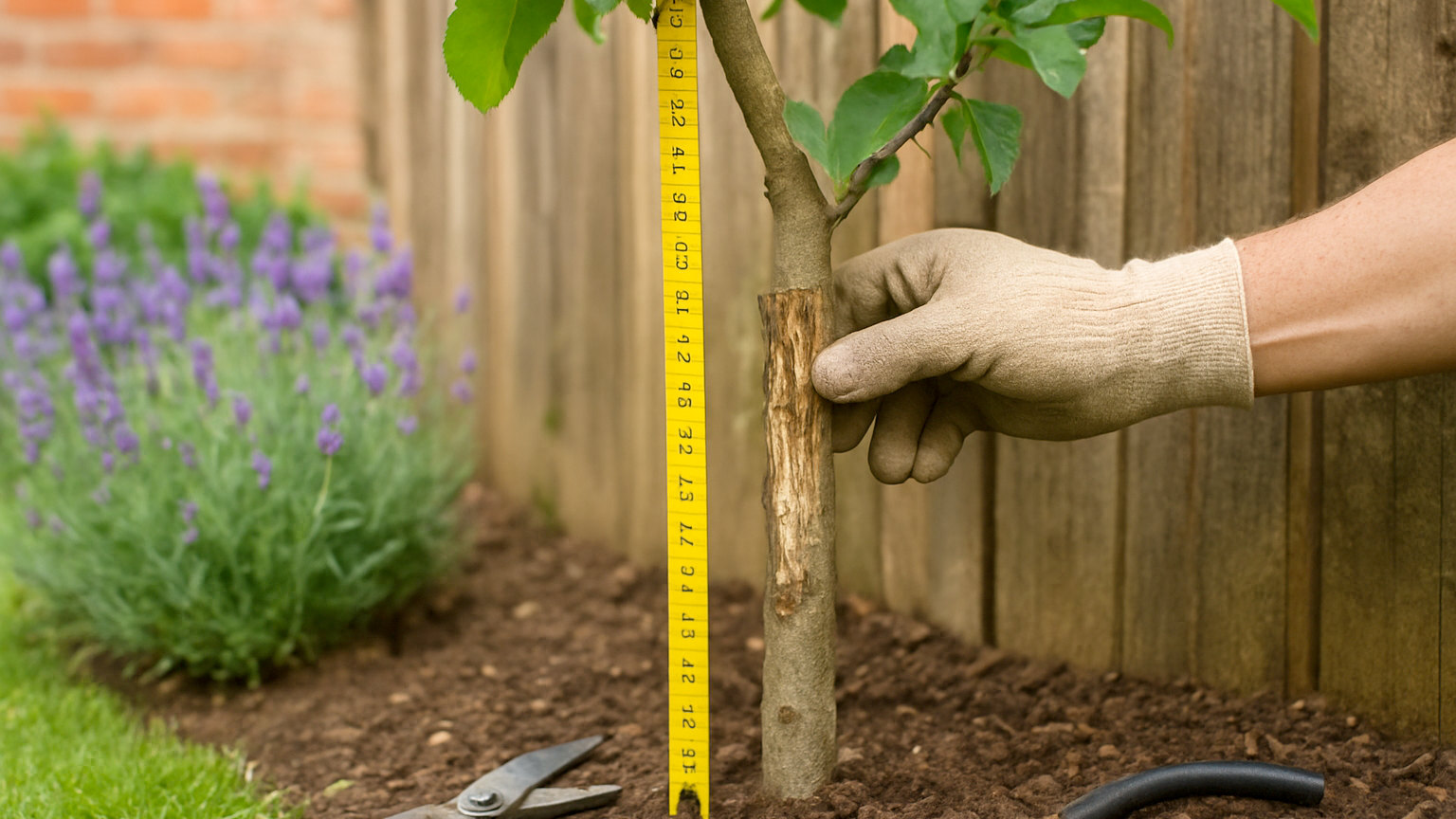
Fraying: bark stripped and stems broken where males rub their antlers to remove velvet or mark territory, mainly in late summer and autumn. This kills young trees.
Slots, meaning cloven hoof prints, and droppings.
Which species
Muntjac are small, about the size of a large dog, browse low and are increasingly common in gardens. They are active year round and do not have a fixed breeding season.
Roe deer are medium sized, common across much of Britain, and browse to about a metre and a half.
Fallow and red deer are larger, more likely in rural gardens near woodland, and require the highest fencing.
Fencing
The only reliable exclusion, and the height depends on the species.
Muntjac: around a metre and a half, with the base secured to the ground since they push underneath rather than jumping.
Roe: at least a metre and a half to one metre eighty.
Fallow and red: around two metres, and higher for red deer.
Note that fences above two metres generally require planning permission, and one metre where a boundary adjoins a highway, so check before building.
Deer fencing is usually wire mesh on posts, and a solid fence at the same height works equally well.
Deer are reluctant to jump into a space they cannot see into or land in clearly, so a fence combined with dense planting or a narrow enclosure is more effective than height alone.
Gates must close completely with no gap.
Protecting individual plants
Where fencing a whole garden is not practical.
Tree guards and tubes against fraying, tall enough for the species present, and firmly staked.
Individual cages of mesh around valued shrubs.
Fencing a smaller area, such as a vegetable plot or one border, rather than the entire boundary.
Plants deer tend to avoid
No plant is deer proof, and a hungry deer in a hard winter eats almost anything. Some are consistently less attractive.
Aromatic: lavender, rosemary, sage, thyme, santolina, artemisia.
Toxic: daffodils, foxglove, aconitum, euphorbia, hellebore, yew.
Tough and leathery: bergenia, mahonia, viburnum tinus, box, holly.
Hairy or spiny: stachys, berberis, pyracantha, eryngium.
Ferns, grasses, hardy geraniums and most bulbs other than tulips and lilies.
Roses, tulips, hostas, fruit trees and most young growth are highly attractive and need protection.
Deterrents
Repellent sprays give short-term protection, wash off in rain, need frequent reapplication, and lose effect as deer habituate.
They may be worth using on a specific valued plant during a vulnerable period.
Scarers, lights and noise devices work briefly and are then ignored.
Dogs in a garden deter deer effectively while they are present.
The legal position
Deer are covered by legislation governing close seasons, permitted firearms and methods, and welfare.
Control by shooting is a matter for qualified and licensed individuals and is not something for a gardener to undertake.
Where deer are causing serious damage, seek advice from a professional deer manager or the relevant authority.
The practical conclusion
In a garden with regular deer, fence what matters and plant the rest with species they avoid.
That combination is more affordable than fencing everything and more effective than any deterrent.
Timing of damage
Browsing is worst in late winter and early spring when other food is scarce, and on soft new growth in spring.
Fraying is worst in late summer and autumn, and is the damage most likely to kill a tree.
Protect young trees with guards before the first autumn rather than after the damage has been done.
Signs deer are visiting
Slots in soft ground, droppings, flattened areas where they have lain, and gaps pushed through hedges on a regular route.
Damage appearing overnight at a consistent height across many different plants.


