
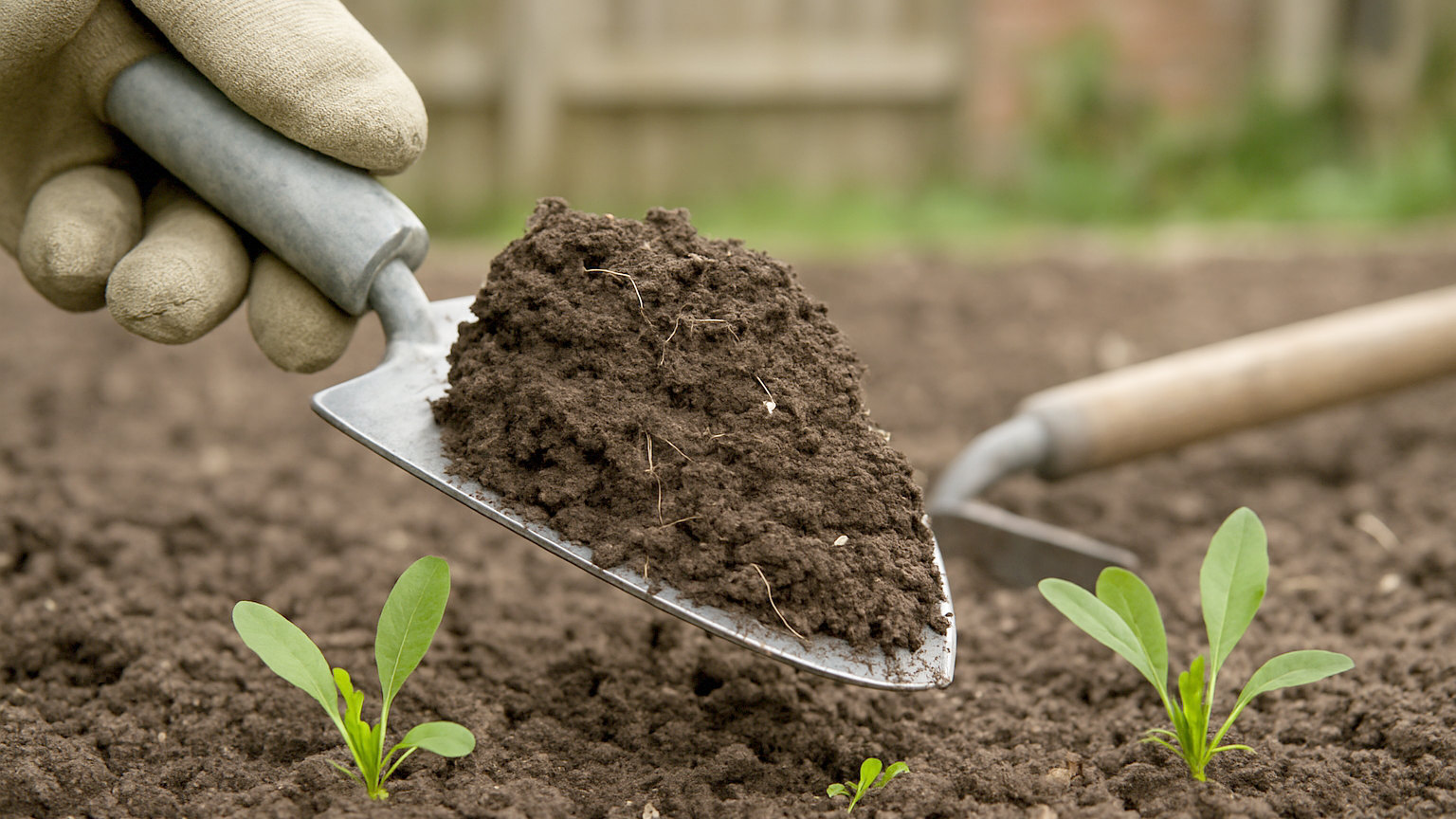
Weeding can feel futile because the reserve of seed in the soil is far larger than anyone expects. Understanding how it behaves makes the effort far more effective.
What is in the soil
Ordinary garden soil contains many thousands of viable weed seeds per square metre, accumulated over decades.
Longevity varies enormously by species.
Some, such as annual meadow grass and hairy bittercress, germinate quickly and do not persist long.
Others survive for decades. Fat hen, poppies, docks, charlock and several others remain viable in soil for twenty, thirty years or more.
This is why a bed that has been clean for years produces a flush of weeds the moment it is dug deeply.
Why cultivation causes weeds
Most weed seeds need light, or at least a light stimulus, to germinate.
Buried deeply they remain dormant, sometimes indefinitely.
Every time soil is turned, seed from lower down is brought to the surface where it can germinate.
This is the core argument for no-dig methods, and it is why a freshly rotavated plot greens over within a fortnight.
It also means shallow cultivation causes far fewer weeds than deep digging.
Preventing additions
The single most valuable habit in weed control.
Never let a weed set seed. A single groundsel produces thousands of seeds and completes a generation in weeks; a dock produces many thousands.
The old saying that one year's seeding is seven years' weeding understates it for several species.
Remove weeds before they flower. Where you are short of time, prioritise removing flowering weeds over seedlings.
Deadhead or cut down anything you cannot remove entirely.
Do not compost weeds in seed in a domestic heap, which rarely reaches a temperature high enough to kill them.
Watch the edges: uncultivated boundaries, paths and neighbouring ground reseed a plot continuously.
Other routes in
Seed arrives constantly regardless of your own management.
Wind carries dandelion, groundsel, willowherb and thistle seed considerable distances.
Birds deposit seed of brambles, ivy, elder and cotoneaster.
Bought plants frequently arrive with bittercress, oxalis or willowherb in the pot. Weed every new plant before planting it.
Manure, topsoil and unsterilised compost can all introduce seed. Ask about the source.
Boots, tools and barrows move seed about.
Reducing the bank over time
It can be reduced, and it takes years of consistency.
Stale seedbed technique: prepare the ground, water it, and wait two or three weeks for the surface seed to germinate. Hoe off the seedlings shallowly, then sow or plant with minimal further disturbance. This removes one flush before the crop is in.
Shallow cultivation rather than deep digging, so buried seed stays buried.
Mulching, which excludes light from the surface and prevents germination.
Dense planting so the ground is covered and there is nowhere for a seedling to establish.
Hoeing early and often, before seedlings are large enough to be obvious.
Over several years of never allowing seeding, the surface layer of the bank declines noticeably.
Hoeing at the right stage
Hoe when the seedlings are barely visible, at the two-leaf stage.
At that size a shallow pass severs them and they die within hours on a dry day.
A fortnight later the same plants have roots and regrow.
Hoe before you can properly see the weeds, which sounds absurd and is the single most useful piece of technique.
Expectations
The bank cannot be eliminated, only managed down.
A well-managed garden still produces weeds; it produces fewer, and they are dealt with in minutes rather than afternoons.
The aim is to keep the surface layer depleted and never to add to it.
No-dig and the seed bank
No-dig methods work partly because the seed bank is left buried and undisturbed.
Compost is spread on the surface rather than incorporated, so seed lower down never reaches the light.
Gardeners who convert to no-dig frequently report a marked reduction in weeding after the first year or two, which is the surface seed bank being depleted and never replenished.
The weeds that do appear are mostly windblown arrivals, which are few in number and easily removed from a loose mulched surface.
That is a considerable saving of effort over a season.
It does not deal with established perennial weeds, which must still be cleared first by digging or exclusion.


