
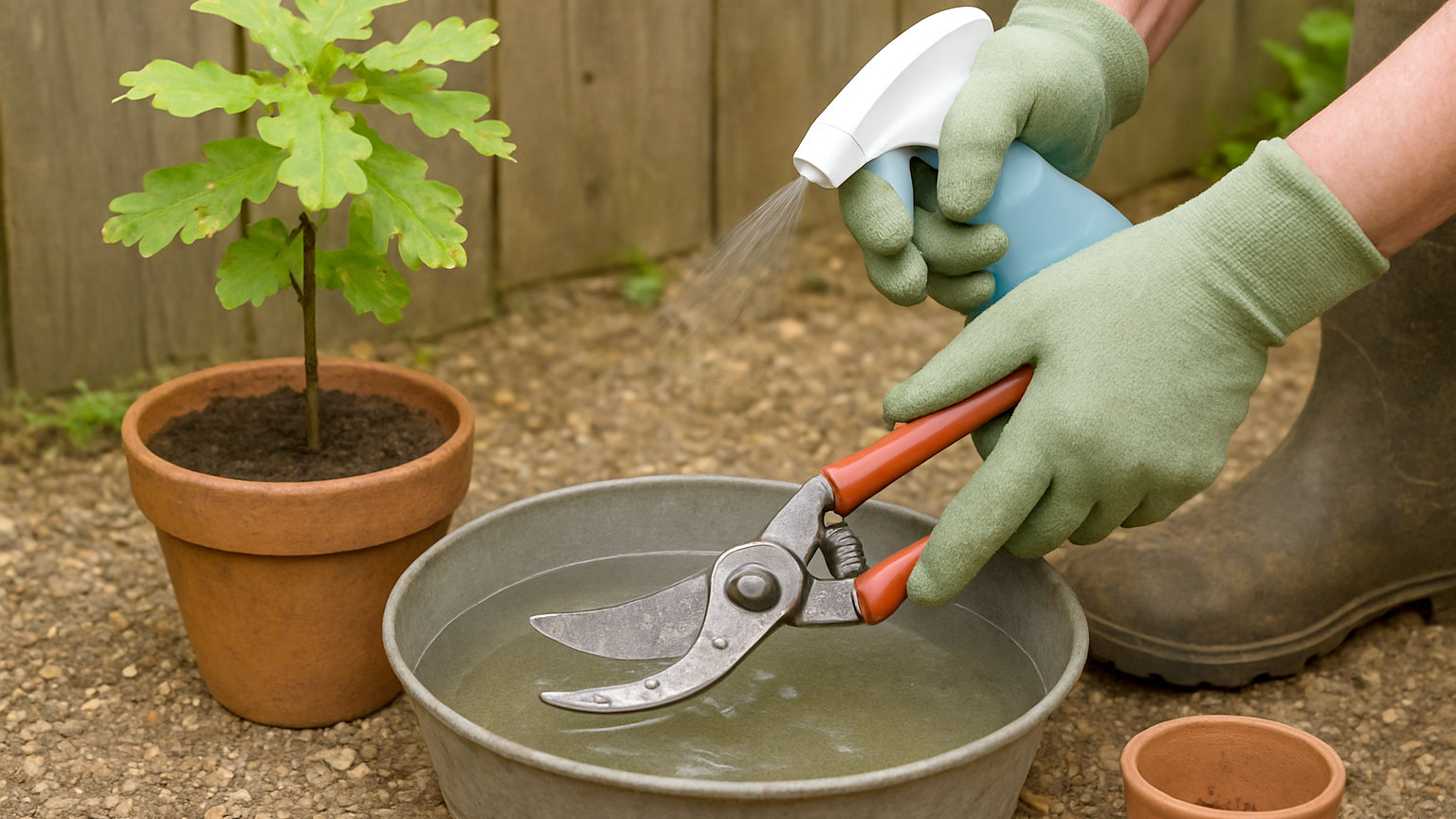
Several serious tree diseases have arrived in Britain in recent decades, mostly on imported plant material. Gardeners have a real part to play in slowing further spread, and it is not difficult.
Ash dieback
A fungal disease that has killed a very large proportion of ash trees.
Symptoms: blackened wilting leaves and shoots in summer, diamond-shaped dark lesions on stems where a side shoot joins, dieback of the crown, and epicormic shoots on the trunk as the tree responds.
It kills young trees quickly and mature ones over several years.
A small proportion of ash show tolerance, which is the basis for hope of long-term recovery.
Dead and dying ash become brittle and unpredictable, and felling them is hazardous work for a qualified arborist rather than a gardener.
Other threats
Phytophthora species affecting larch, rhododendron, beech and others, some of which are subject to statutory control.
Oak processionary moth, whose caterpillars have irritant hairs that cause skin, eye and respiratory reactions. Never touch the caterpillars or their nests, and report sightings.
Xylella fastidiosa, a bacterium not established in Britain and a serious threat, affecting a very wide range of plants including olive, lavender, rosemary and many trees.
Elm, chestnut and plane diseases, and various bark beetles and moths.
What gardeners can do
Buy British-grown plants where possible, and ask nurseries about the origin of their stock. Imported material is the main route by which new problems arrive.
Look for suppliers operating recognised plant health assurance schemes.
Avoid bringing plants, seeds, cuttings or soil back from abroad, which is restricted in any case.
Inspect new plants carefully before planting, and isolate them for a period if you can.
Buy smaller plants and bare-root stock, which carries less soil and less risk.
Consider growing trees from seed, which is slow and entirely safe.
Hygiene
Simple measures that genuinely help.
Clean soil and plant debris off boots before and after visiting woodland, other gardens, allotments and nurseries.
Clean tools between sites, and disinfect secateurs and saws when working on diseased material.
Clean tyres of barrows and vehicles that have been on infected ground.
Do not move firewood or logs between areas, which spreads bark-dwelling pests and diseases over distances they could never travel unaided.
Do not move plant waste or soil from an area with a known problem.
Reporting
Some tree pests and diseases are notifiable, and finding one must be reported to the relevant plant health authority.
There are online reporting tools for suspected tree disease, and local authorities and the plant health services will advise.
Report rather than assume someone else has. Early detection is what makes containment possible, and gardeners find things that surveys miss.
Photograph the symptoms clearly, note the exact location, and do not move material from the site.
In your own garden
Plant a diversity of species rather than many of one, so a single disease cannot remove the whole planting.
Keep trees growing well, since stressed trees succumb more readily. Water through the first few years, mulch, and keep grass away from the base.
Avoid damaging trunks and roots, which provides entry for pathogens.
Have mature trees inspected periodically by a qualified arborist, particularly where they overhang buildings or a road.
Dealing with an affected tree
Get a professional assessment rather than acting immediately, since some trees survive for years and some become dangerous quickly.
Check for a Tree Preservation Order or conservation area status before any work, since consent may be required even for a diseased tree, and unauthorised work is an offence.
Exemptions exist for dead and dangerous trees, and the position should be confirmed with the local authority rather than assumed.
Keeping informed
New threats appear and advice changes. Check current guidance from the plant health authorities rather than relying on older information.
Why it matters in a garden
Gardens hold a substantial proportion of the country's trees, and gardeners move plants, soil and equipment about constantly.
The measures involved are small: buy home-grown stock, inspect what arrives, clean your boots, do not move firewood, and report anything suspicious.
Together they slow the arrival and spread of problems that no treatment can reverse once established.
None of it is onerous, and none of it costs anything beyond a moment's attention.


