
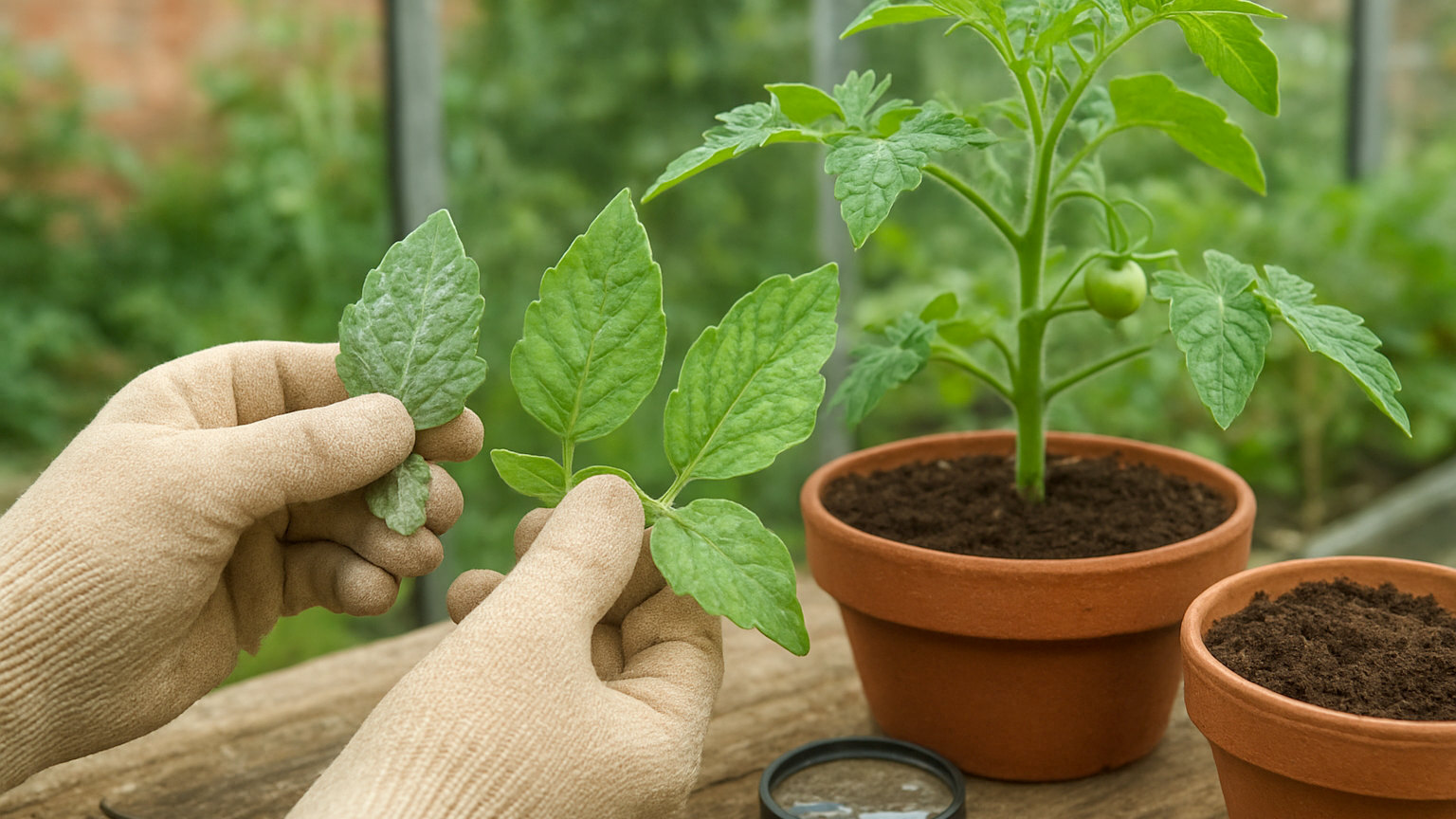
Plant diseases fall into a few broad groups, and the group determines how it spreads, what conditions favour it, and whether anything can be done.
Fungi
By far the largest group of plant pathogens.
They spread by spores, carried on wind, water splash, tools, hands and plant material, and most need moisture on the leaf surface to infect.
Typical signs: powdery or downy coatings, fluffy mould, coloured pustules, leaf spots with defined margins, cankers, rots, bracket fungi and white threads beneath bark.
Examples include mildews, rusts, black spot, botrytis, honey fungus and most leaf spots.
What helps: air movement, avoiding wet foliage, removing infected material, resistant varieties, correct spacing and good hygiene.
Powdery mildew is the exception among fungi in that it is worse in dry conditions at the root with humid air, so watering the plant helps rather than hindering.
Water moulds
Frequently grouped with fungi and biologically distinct.
Phytophthora, Pythium and the downy mildews belong here.
They require water. Their spores swim, so waterlogged soil, wet compost and standing water are what enable them.
They cause root rots, damping off, downy mildew and several serious tree diseases.
What helps: drainage above everything else, careful watering, clean water, clean pots and good ventilation.
Bacteria
Fewer garden diseases, and some are serious.
They enter through wounds and natural openings, and spread in water splash, on tools and on hands.
Typical signs: soft slimy rots, water-soaked spots that later turn angular, oozing, wilting, and blackened shoots that look scorched.
Examples include bacterial canker on cherries and plums, fireblight on apples, pears and related plants, and soft rots on stored produce.
What helps: avoiding wounds, pruning at the right time and in dry weather, disinfecting tools, removing affected wood well below the damage, and not working among wet plants.
Viruses
Extremely small, and they cannot be treated.
They are spread by sap-sucking insects, particularly aphids, by handling and tools, by grafting and propagation, and sometimes in seed or by soil-borne nematodes.
Typical signs: mottling and mosaic patterns, yellow streaking or ring spots, distorted or puckered growth, stunting, and colour breaking in flowers.
What helps: nothing, once a plant is infected. Remove and destroy affected plants, control aphids, use certified virus-free stock, disinfect tools, and never propagate from an infected plant.
Telling them apart in practice
Visible fungal growth, powder, pustules or mould means a fungus.
Slimy, smelly, soft rotting usually means bacteria.
Mottled, streaked or distorted growth with no visible organism suggests a virus.
Sudden collapse with rotted roots in wet ground suggests a water mould.
Uniform browning across many species suggests no pathogen at all.
What is available to gardeners
Most fungicides once sold to amateurs have been withdrawn, and there are no products available to gardeners for bacterial or viral diseases.
This makes prevention and cultural control the whole strategy rather than a supplement to spraying.
The measures that help across all groups are the same: healthy plants in the right position, good drainage, air movement, sensible spacing, clean tools and pots, prompt removal of infected material, crop rotation, and resistant varieties where they exist.
Hygiene
Disinfect secateurs between plants when pruning anything diseased.
Do not compost material infected with persistent diseases; dispose of it through green waste collection where it is composted at high temperature, or burn it where permitted.
Wash pots and trays between uses, and use mains water rather than stored rainwater for seedlings and cuttings.
Resistance and susceptibility
Varieties differ enormously, and choosing a resistant one is the cheapest and most effective disease control available.
Look for resistance when buying roses, apples, potatoes, tomatoes, brassicas, lettuce and impatiens in particular.
Resistance is not immunity, and it is rarely permanent, since pathogens adapt. It still reduces the problem substantially.
Stress and disease
A plant in the wrong position, short of water, waterlogged or starved is far more likely to succumb.
Right plant, right place is a disease control measure as much as a design principle.
Spread between plants
Water splash carries spores from soil to leaves and from plant to plant, which is why mulching and watering the soil rather than the foliage both help.
Hands, tools, boots and pots move pathogens around a garden, and between gardens.
New plants are the commonest way a disease arrives, so inspect anything bought before it joins the rest.


