
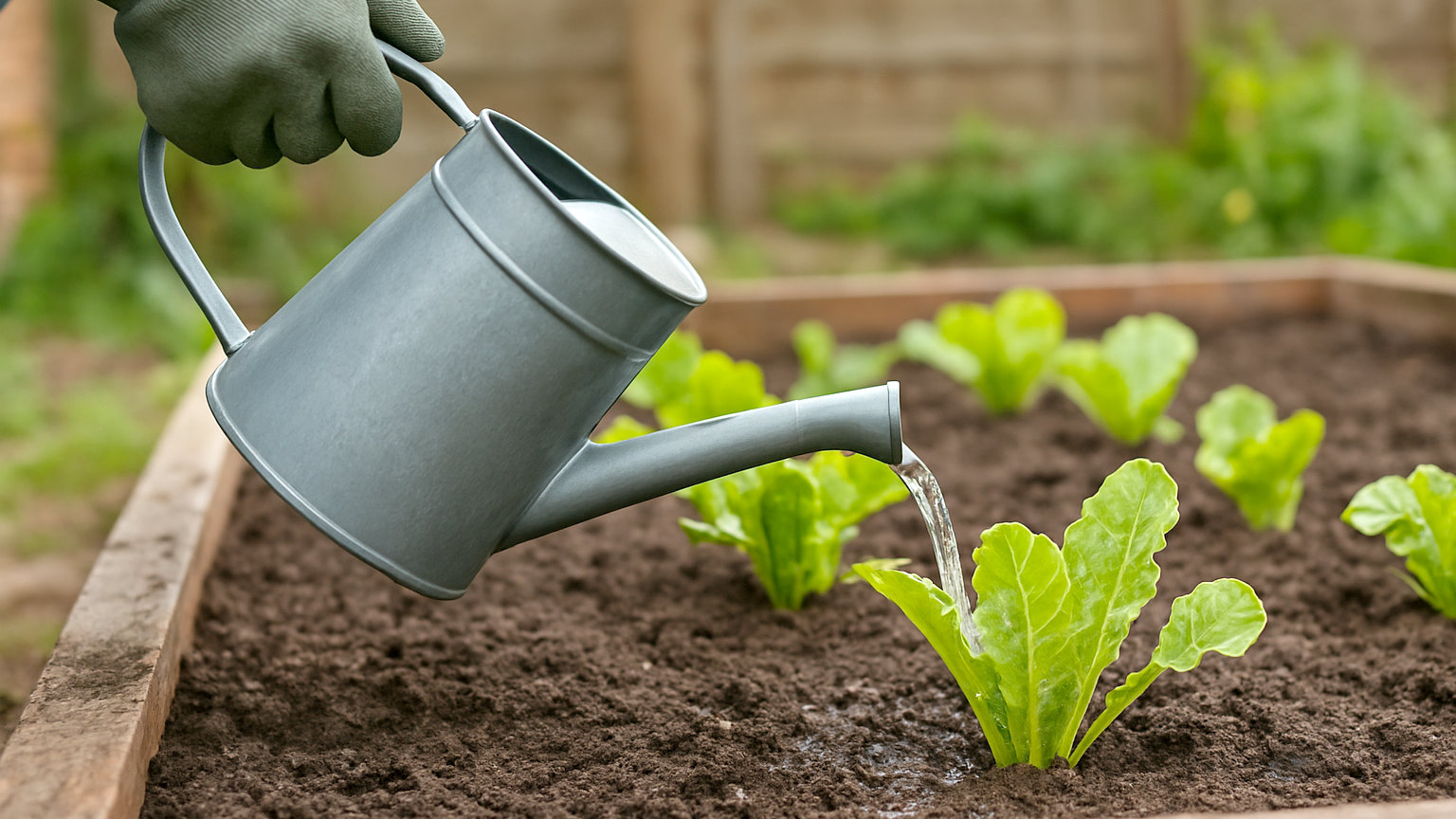
Slug nematodes are microscopic worms that parasitise slugs, watered onto the soil like a liquid feed. They are the most effective biological option available to gardeners, and they fail readily if the conditions are wrong.
How they work
The nematodes enter slugs through a breathing pore and introduce bacteria that kill them.
Affected slugs stop feeding within a few days and die underground rather than on the surface.
The nematodes then multiply in the dead slug and continue searching, giving control for around six weeks from one application.
They are harmless to people, pets, birds, hedgehogs, earthworms and other wildlife, and are approved for organic growing.
Slugs, not snails
They work on slugs and are largely ineffective against snails.
Nematodes live in the soil and reach slugs there. Snails spend more time above ground on walls, pots and foliage, and are less exposed to them.
Where snails are the main problem, trapping and hand collection are more useful.
The conditions
This is where success or failure is decided.
Soil temperature must be above about five degrees, which in most of Britain means from around March through to autumn. Application to cold soil wastes the product.
The soil must be moist before and after. Nematodes move through a film of water between soil particles and die if it dries out.
Water the ground thoroughly before applying, and keep it moist for at least a fortnight afterwards.
Ultraviolet light kills them. Apply in the evening or on a dull overcast day, never in bright sunshine.
Applying them
Mix the pack with water as directed. The pack is supplied for a stated area, so measure the ground rather than guessing.
Use a watering can with the rose removed or a coarse rose fitted, since a fine rose blocks.
Agitate the can regularly during application, since the nematodes settle to the bottom.
Apply evenly over the soil surface and water in afterwards.
Treat the whole bed and a margin around it rather than individual plants, since slugs move in from the surrounding ground.
Timing and repeats
Apply in spring, when soil has warmed and vulnerable plants are going out. This is when they matter most.
Repeat every six weeks or so through the vulnerable period, since the effect is not permanent.
An autumn application reduces the population going into winter and lowers pressure the following spring.
Buying and storing
These are living organisms with a short shelf life.
Order from a specialist supplier for delivery close to the date you intend to use them, rather than buying from a warm shop shelf.
Store in a fridge, not a freezer, and check the use-by date.
Use as soon as possible after arrival, and use the whole pack once opened.
Where they work best
Vegetable beds, borders and any defined area that can be kept moist.
Containers and raised beds, where a known volume of compost can be treated thoroughly.
Greenhouse borders.
They also reach keeled slugs feeding underground on potatoes and bulbs, which surface pellets and barriers miss entirely. That is a genuine advantage.
Limitations
Cost, since treating a large garden repeatedly is expensive.
The six-week duration, requiring repeat applications.
Ineffectiveness against snails.
Dependence on warmth and moisture, which rules out early spring and dry spells unless you can water.
Combining approaches
Nematodes work best alongside other measures rather than instead of them: raising sturdy plants, night patrols in spring, clearing shelter and encouraging predators.
Nothing here harms the predators, which is the significant difference from a chemical approach.
Judging whether they worked
Effects are not immediate. Slugs stop feeding within a few days and die out of sight, so there is no visible evidence in the way pellets produce.
Judge by the damage to plants over the following weeks rather than by counting bodies.
Where nothing seems to have changed, check the six conditions: soil temperature, moisture before and after, application out of direct sun, product in date, correct dilution, and whether snails rather than slugs were the real problem.
One of those explains almost every disappointing result.
Cost in perspective
A pack treating a modest area costs more than pellets and lasts six weeks.
Treating only the beds that matter, in spring, rather than the whole garden all season, keeps it affordable and is where the benefit is anyway.


