
The regulatory position on slug pellets changed substantially, and a good deal of out-of-date advice remains in circulation.
Metaldehyde is banned
Outdoor use of metaldehyde slug pellets is prohibited in Great Britain. The ban followed evidence of harm to wildlife and of metaldehyde contaminating drinking water supplies, where it is difficult and expensive to remove.
Metaldehyde was also a genuine hazard to dogs, cats, hedgehogs and birds, both directly and through poisoned slugs.
The products may no longer be sold or used.
If you have old stock in a shed, do not use it. Take it to a household hazardous waste facility, checking first what your local recycling centre accepts. Never pour it down a drain, put it in a household bin, or scatter it simply to be rid of it.
Ferric phosphate
The approved alternative, and the active ingredient in the pellets now sold.
Slugs that eat it stop feeding and die underground rather than on the surface, so there are fewer dead slugs left about.
It is approved for use in organic growing and is considerably less hazardous to pets and wildlife than metaldehyde was.
Less hazardous is not the same as harmless. Products still carry warnings, should be kept away from children and pets, and should be used sparingly rather than scattered freely.
Some concerns have been raised about the chelating agents used in these products and their effects on soil organisms, including earthworms. The evidence is debated, which is a further reason for restraint.
Using pellets properly
The label is a legal document and using a product other than in accordance with it is an offence.
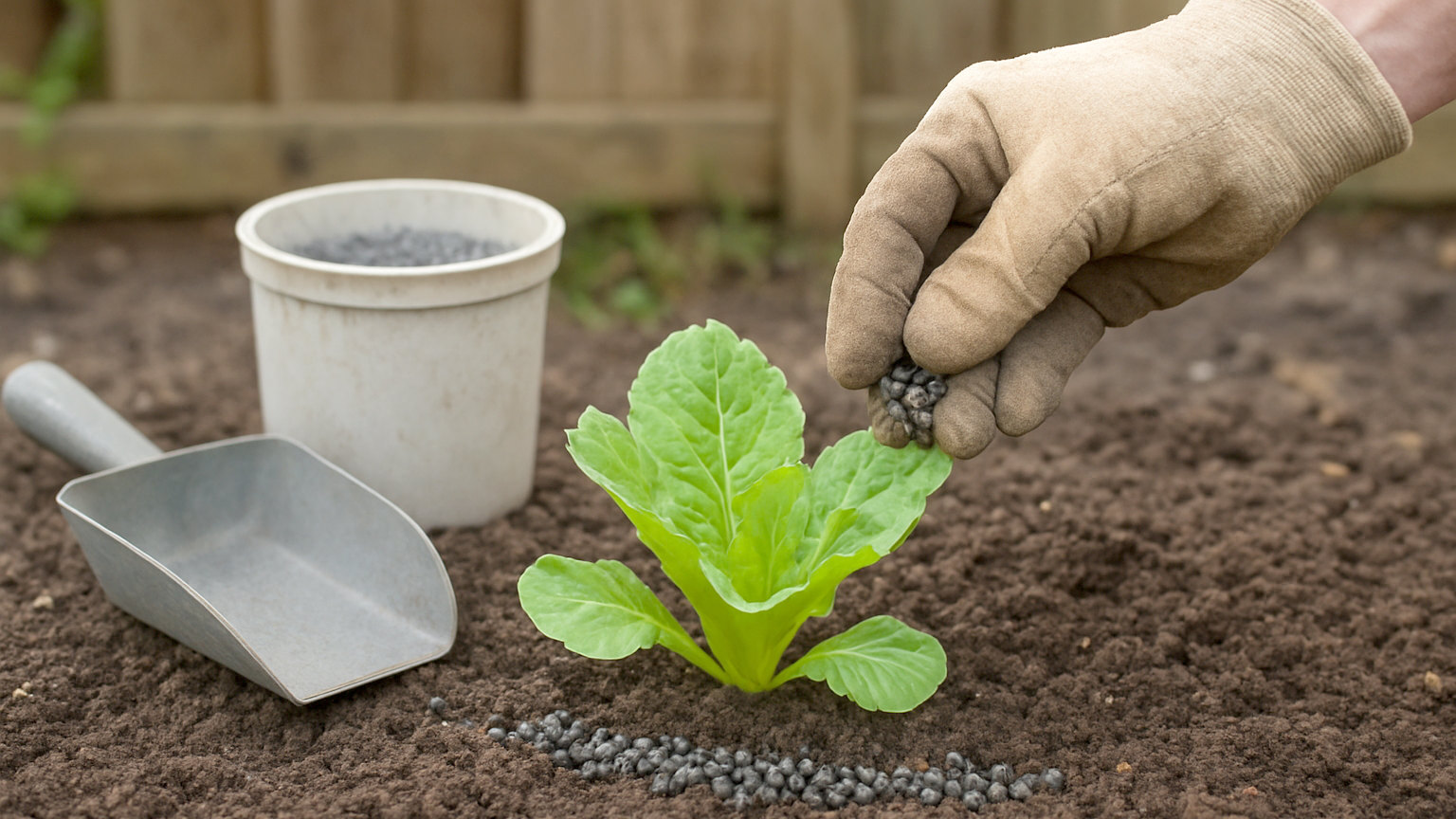
Scatter thinly. The instruction is generally a few pellets every ten to fifteen centimetres, not a ring or a heap. Piles of pellets are wasteful, more attractive to pets and no more effective.
Apply when and where the damage is happening, in spring around vulnerable plants, rather than across the whole garden as a routine.
Apply to moist soil in the evening, when slugs will be active.
Do not apply before heavy rain, which washes them away.
Keep them off paths and paving where pets and children may pick them up, and store the container closed, labelled and locked away.
Where pellets are used near food crops, check and observe any harvest interval stated on the label.
Alternatives that work
Pellets are one option among several and frequently not the best.
Nematodes are watered into the soil, target slugs specifically, reach the soil-dwelling keeled slugs that pellets miss, and are harmless to everything else.
Night patrols with a torch in spring are highly effective and cost nothing.
Raising plants to a robust size before planting out removes most of the vulnerability.
Encouraging predators gives lasting control that no product provides.
Most gardens can manage entirely without pellets, and many gardeners who stop using them find damage no worse after a season or two, since the predator population recovers.
Wildlife considerations
Hedgehogs, frogs, toads, slow worms, ground beetles and thrushes all eat slugs and are the mechanism keeping numbers down.
Anything that reduces the slug population indiscriminately reduces their food supply as well.
A garden treated heavily every year tends to stay dependent on treatment.
Checking the current position
Approvals change. Check the label of anything you buy, and check the current regulatory position rather than relying on older advice, since several products once regarded as standard are no longer permitted.
Storing what you have
Keep any garden chemical in its original container with the label intact, sealed, frost free and locked away out of reach of children and pets.
Never decant into an unlabelled bottle, which is how serious accidents happen.
Buy only what you will use within a season rather than a large container that will sit in a shed for years and eventually need disposal.
Approvals are withdrawn from time to time, and a product bought today may not be legal to use in five years' time.
Pets
Keep all pellets away from dogs, which will eat them given the chance, and store containers securely.
If a pet eats any garden chemical, contact a vet immediately and take the container with you.
Lungworm in dogs is spread by slugs and snails rather than by pellets, and is a separate matter worth discussing with a vet.


