
No method removes slugs from a garden, and anything promising to is overstating its case. What works is reducing the damage at the point it matters, which is the few weeks when seedlings and soft new growth are vulnerable. Established plants mostly cope on their own.
What changed with pellets
Metaldehyde slug pellets were withdrawn from sale and use in Great Britain, because of the risk to wildlife and watercourses. If you have an old box in the shed, it should not be used and should go to a household hazardous waste facility rather than in the bin.
Pellets based on ferric phosphate remain available and are approved for garden use. They are more acceptable environmentally, but they are still a pesticide and the label instructions are a legal requirement rather than guidance. Scatter thinly, which is far less than most people apply, as heaps of pellets are both wasteful and more of a risk to pets.
The methods that genuinely help
Going out after dark with a torch is unglamorous and remains the most effective thing you can do. Slugs and snails feed at night, particularly after rain, and forty minutes on a damp evening in April removes more of them than a season of anything else. Collecting them for two or three consecutive nights when seedlings are going out makes a measurable difference.
Nematodes work and have proper evidence behind them. These are microscopic parasites watered onto moist soil that kill slugs below ground. They need soil above about five degrees, they need the ground kept damp for a couple of weeks, and they treat slugs rather than snails. They are not cheap, which makes them best used on a vegetable bed rather than a whole garden.
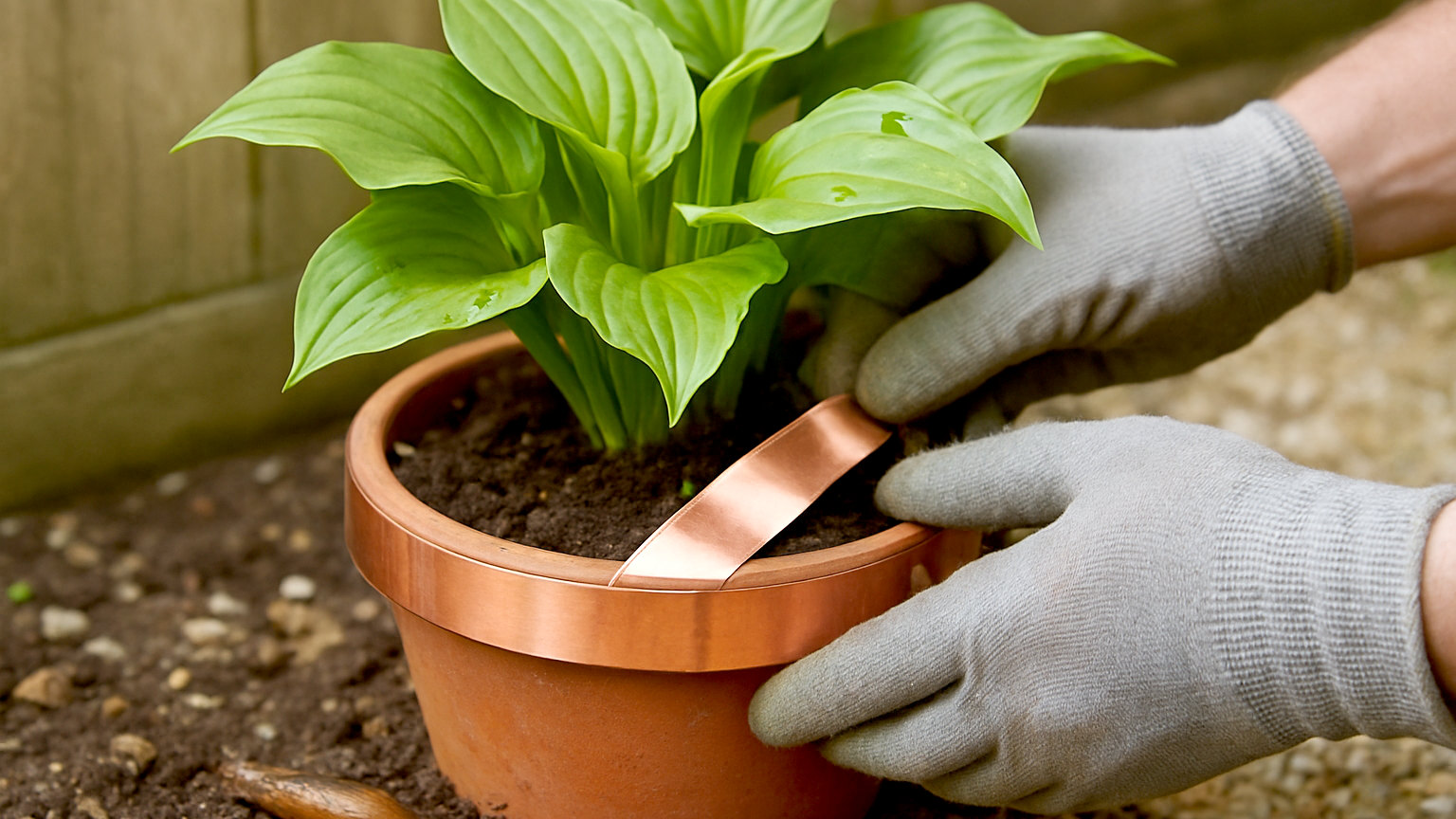
Copper tape around pots gives a mild deterrent effect, provided the pot has been checked for slugs already sitting in it and no leaf bridges the barrier. Wool pellets and sharp grit help somewhat in dry conditions and much less in wet.
Encouraging predators is the slowest and most durable answer. Frogs, toads, hedgehogs, ground beetles, song thrushes and slow worms all eat slugs. A pond, a log pile, a gap at the base of the fence for hedgehogs, and less tidiness generally will do more over three years than any product.
What does not work as well as claimed
Beer traps catch slugs, but they also attract them in from surrounding gardens and drown a great many beetles that were on your side. If you use them, sink the rim a centimetre above soil level so ground beetles can escape.
Eggshells, coffee grounds and salt do not stand up in trials. Crushed eggshells are not sharp enough once damp, coffee grounds are inconsistent, and salt damages soil and is cruel. Slug repellent plants around a border have little measurable effect.
Moving slugs to the end of the garden achieves less than you would hope, as they have a homing tendency over short distances. Relocating them any real distance risks spreading disease and is unkind.
Change the timing rather than fighting harder
The most useful adjustment is to stop presenting slugs with what they most want. Small tender seedlings planted out at dusk into damp ground are the ideal meal. Growing plants on in pots until they are substantially larger and better established, then planting out on a dry morning, cuts losses dramatically.
Sowing a fortnight later into warmer soil produces faster, tougher growth that passes through the vulnerable stage quickly. Clearing hiding places near vulnerable beds, such as long grass, upturned pots and dense ground cover, reduces the local population.
Plants they tend to leave alone
If a plant has been eaten to the ground twice, the sensible response is to grow something else there. Slugs and snails generally avoid tough, hairy, aromatic or leathery foliage.
- Hardy geraniums, astrantia, euphorbia and alchemilla
- Ferns, foxgloves, aquilegia and hellebores
- Lavender, rosemary, sage and most Mediterranean herbs
- Alliums, agapanthus, penstemon and achillea
Hostas, delphiniums, lupins, dahlias, young lettuce and any seedling are the opposite, and hostas grown in pots on a hard surface stand a far better chance than hostas in a border.
Some damage is not worth treating at all. Holes in the leaves of an established shrub in July affect appearance and almost nothing else. Slugs are a significant part of the garden's food web and a substantial number of species eat decaying matter rather than living plants. The aim is to protect the vulnerable few weeks, not to sterilise the garden.


