Levelling a Bumpy Lawn
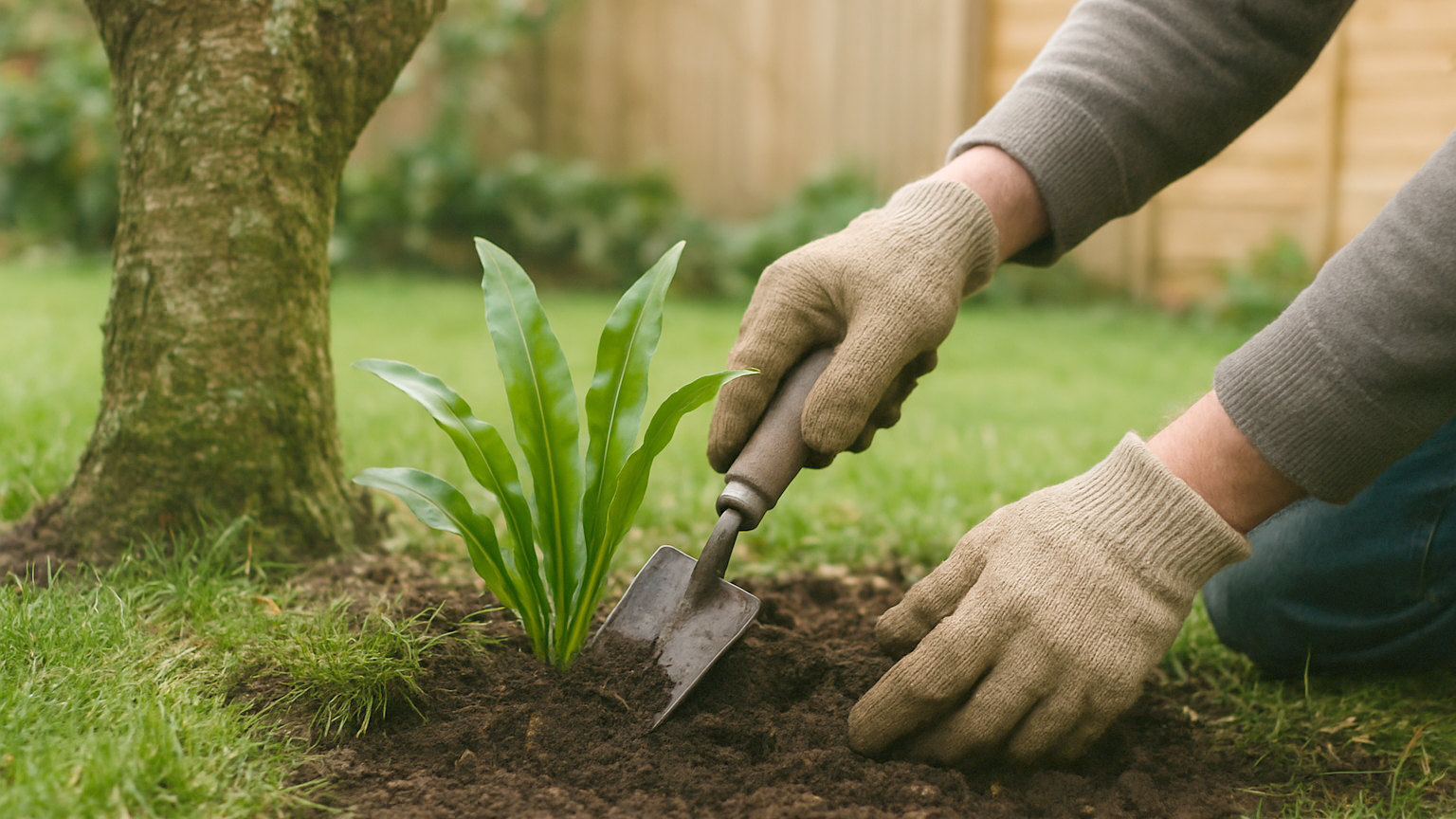
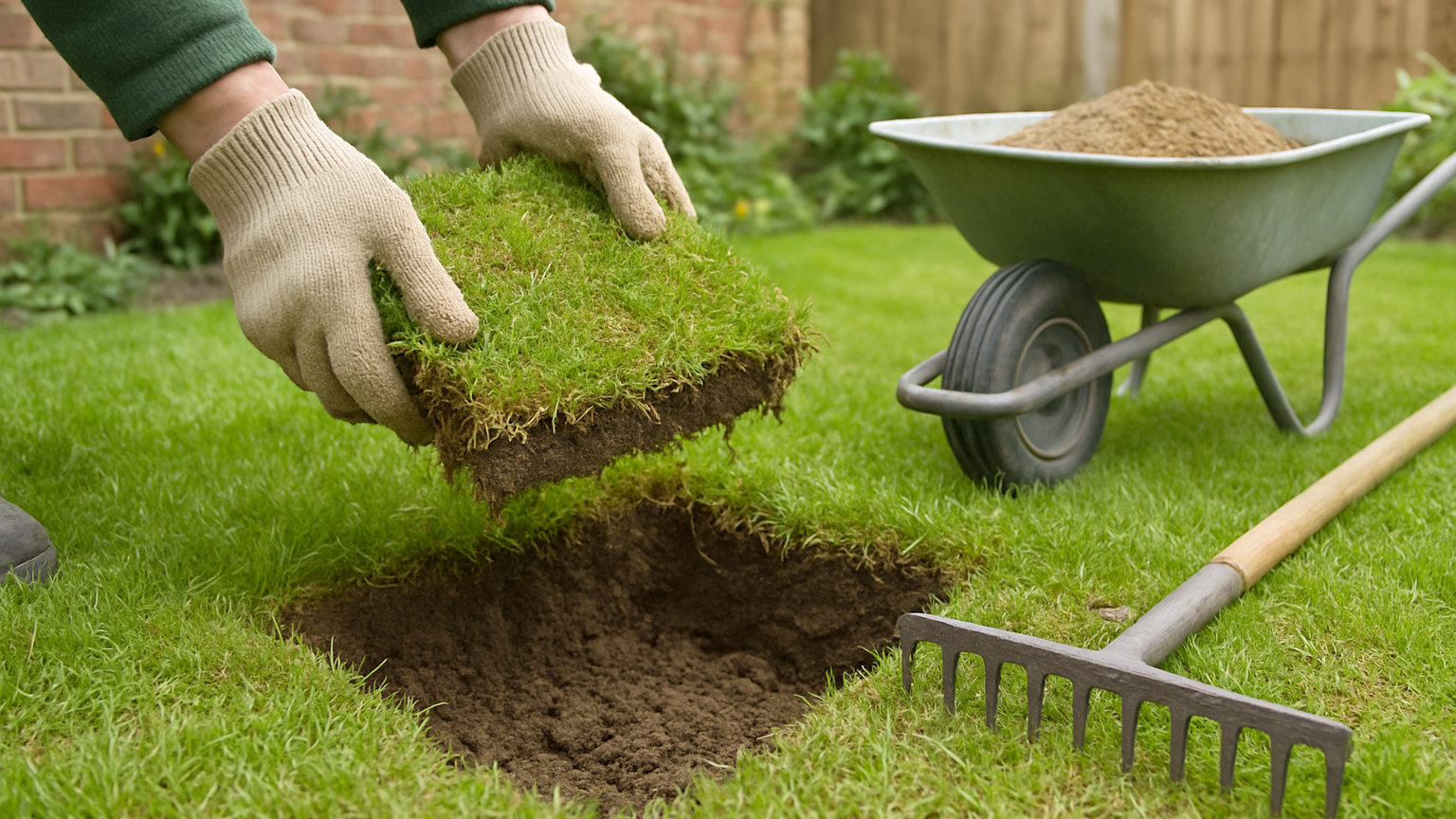
Shallow hollows are filled gradually with top dressing; anything deeper needs the turf lifted. Which method suits which problem, and why rolling is not the answer.
These are the two jobs people most often get wrong, and they go wrong in opposite ways: lawns are usually over-treated and cut too short, and shrubs are usually pruned at the wrong time of year or not at all. Both are governed by timing more than technique. These guides say which month, which cut, and - just as usefully - when to leave something alone for another season.
Shallow hollows are filled gradually with top dressing; anything deeper needs the turf lifted. Which method suits which problem, and why rolling is not the answer.
Grass needs light, and there is a point beyond which no mixture will succeed. What helps in moderate shade, and when to stop trying and plant something else.
Clover, chamomile, thyme and meadow all replace grass in the right situation, and each has a specific catch. What works where, and what to expect.
Lawn size, terrain and how fine you want the finish decide the machine, and buying too small for the area is the usual mistake. Working through the decision.
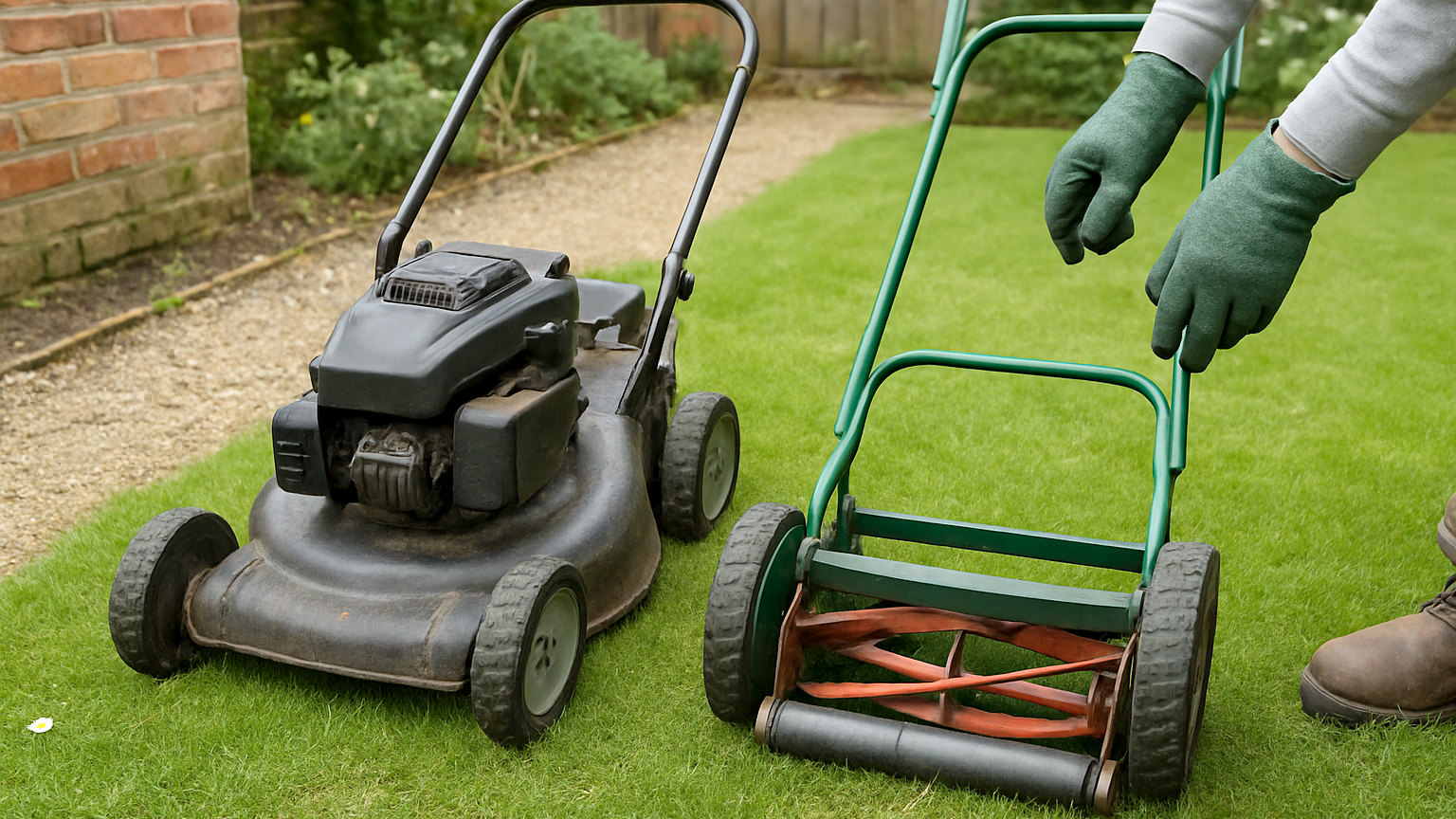
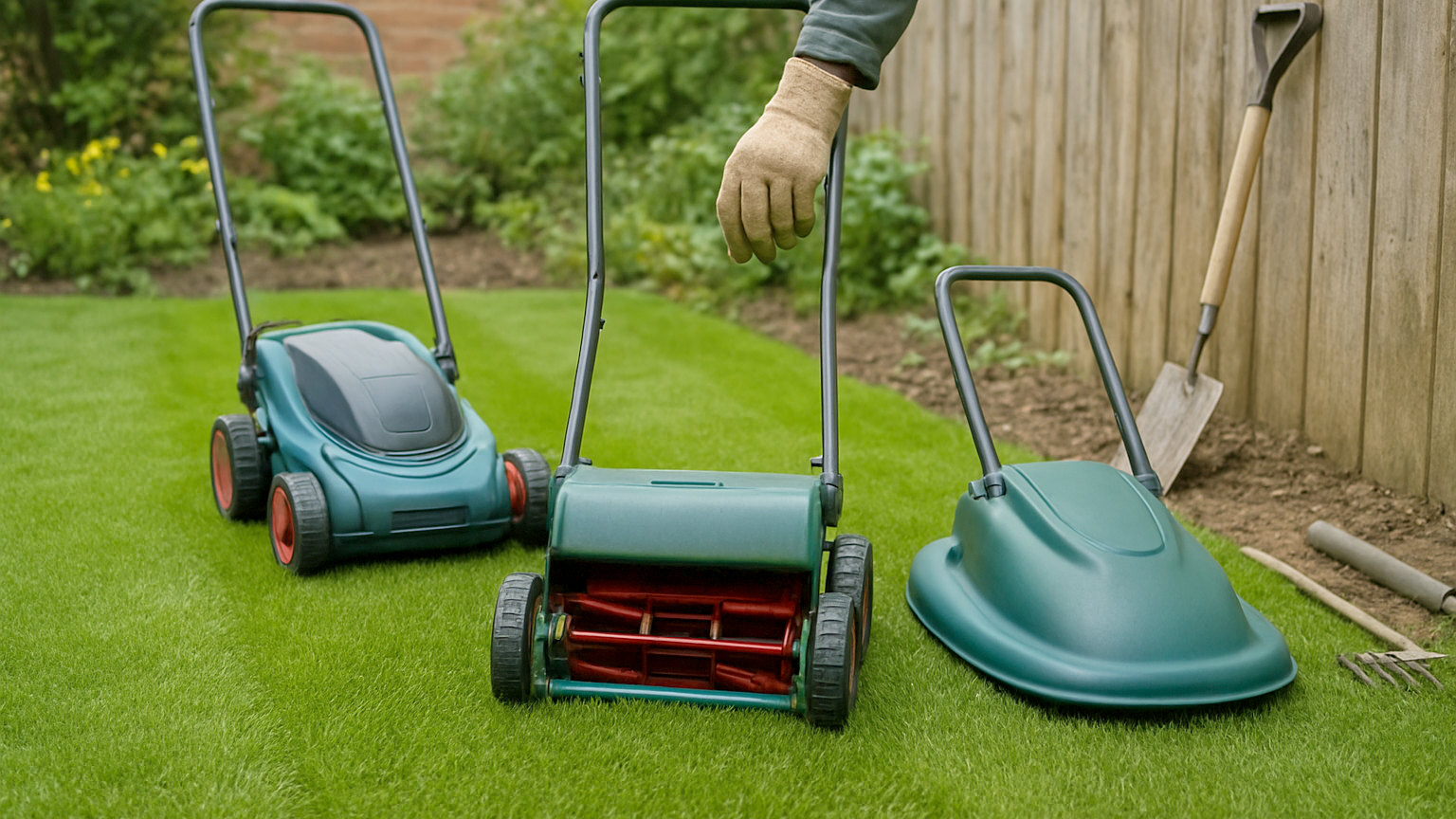
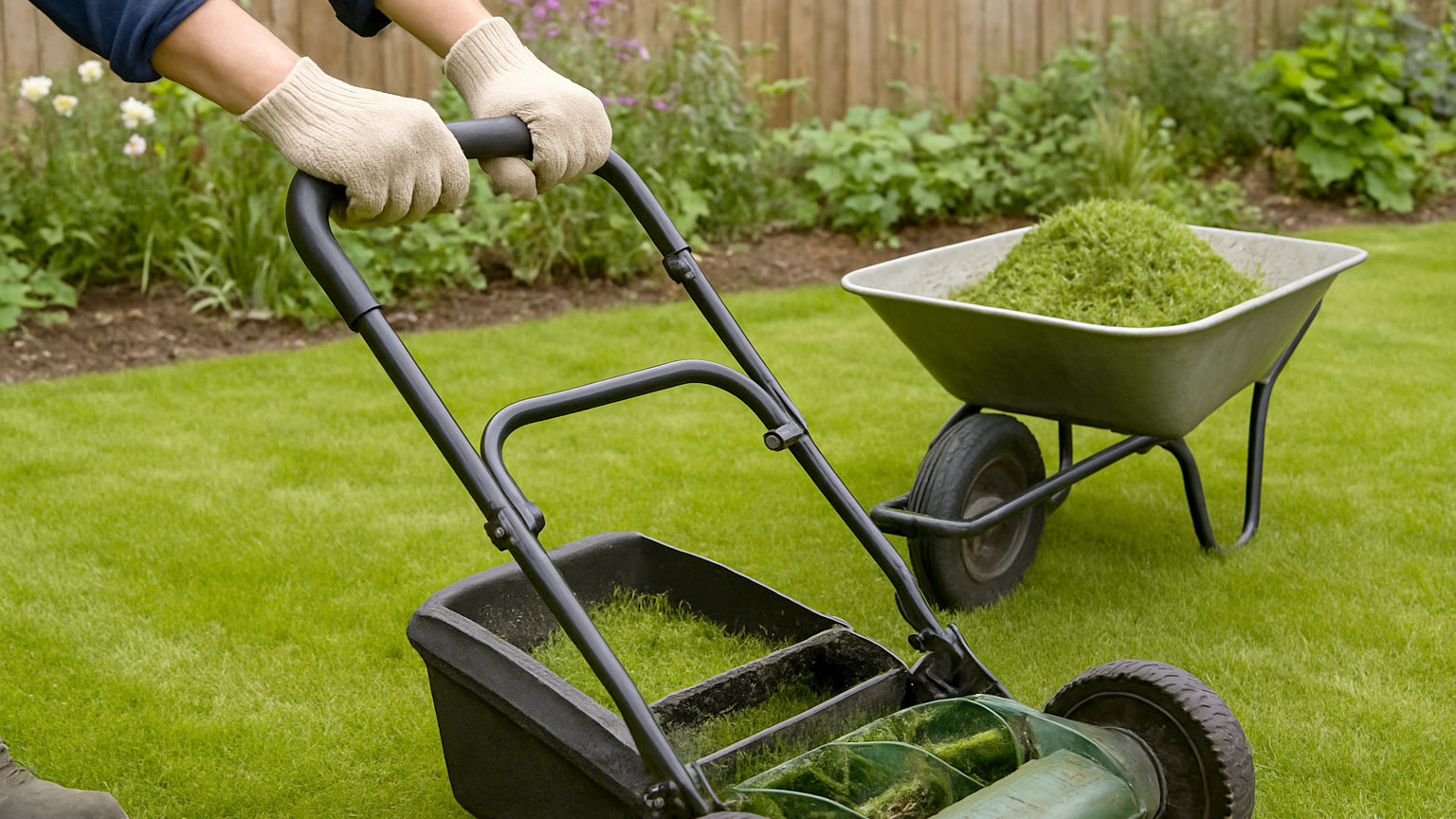
A rotary blade tears, a cylinder blade cuts like scissors, and the difference shows in the finish. Which type suits which lawn, and what each demands.
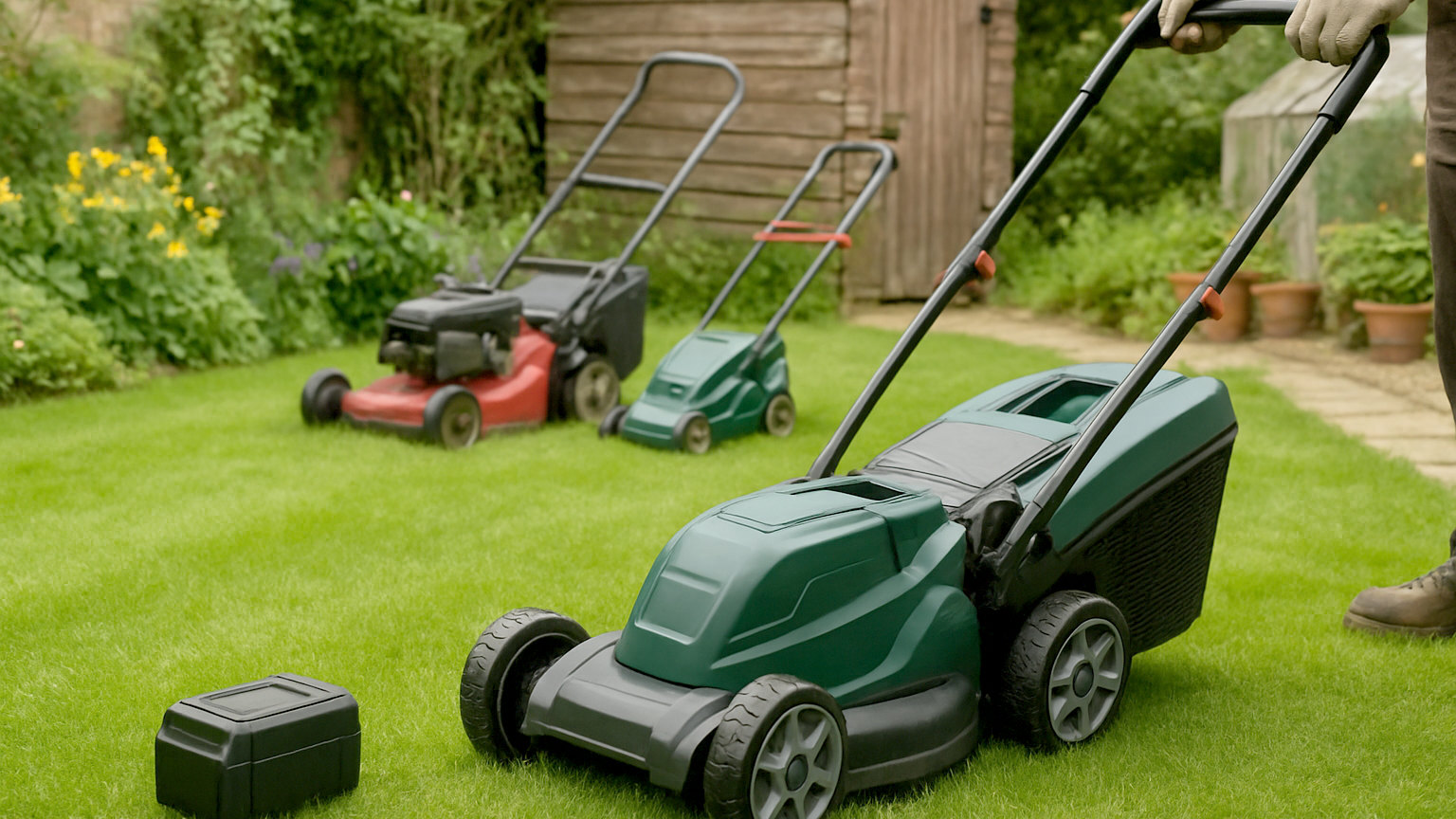
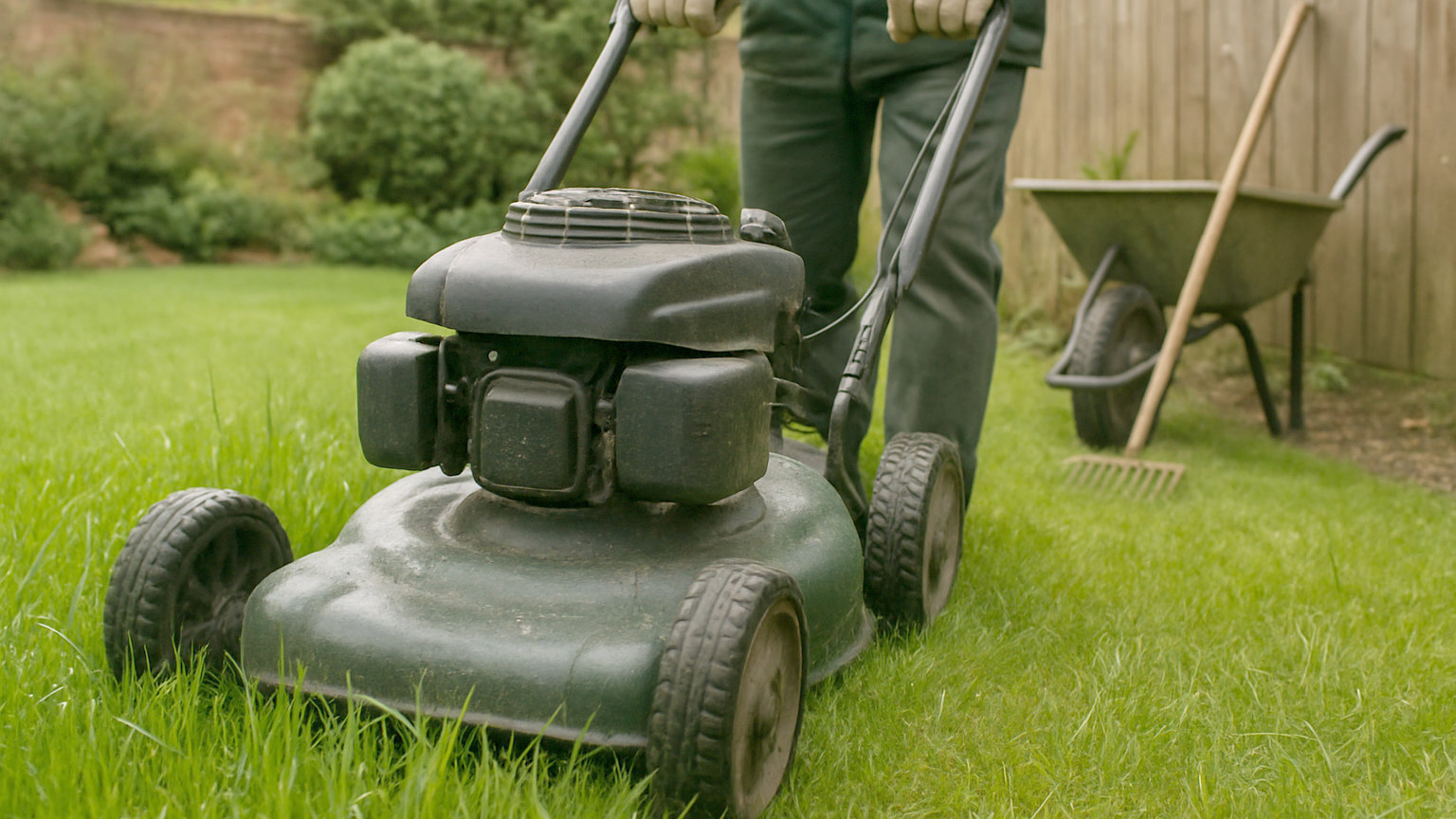
Battery machines have largely overtaken corded electric for domestic lawns, and petrol still wins on large or rough ground. Comparing running costs and practicality.
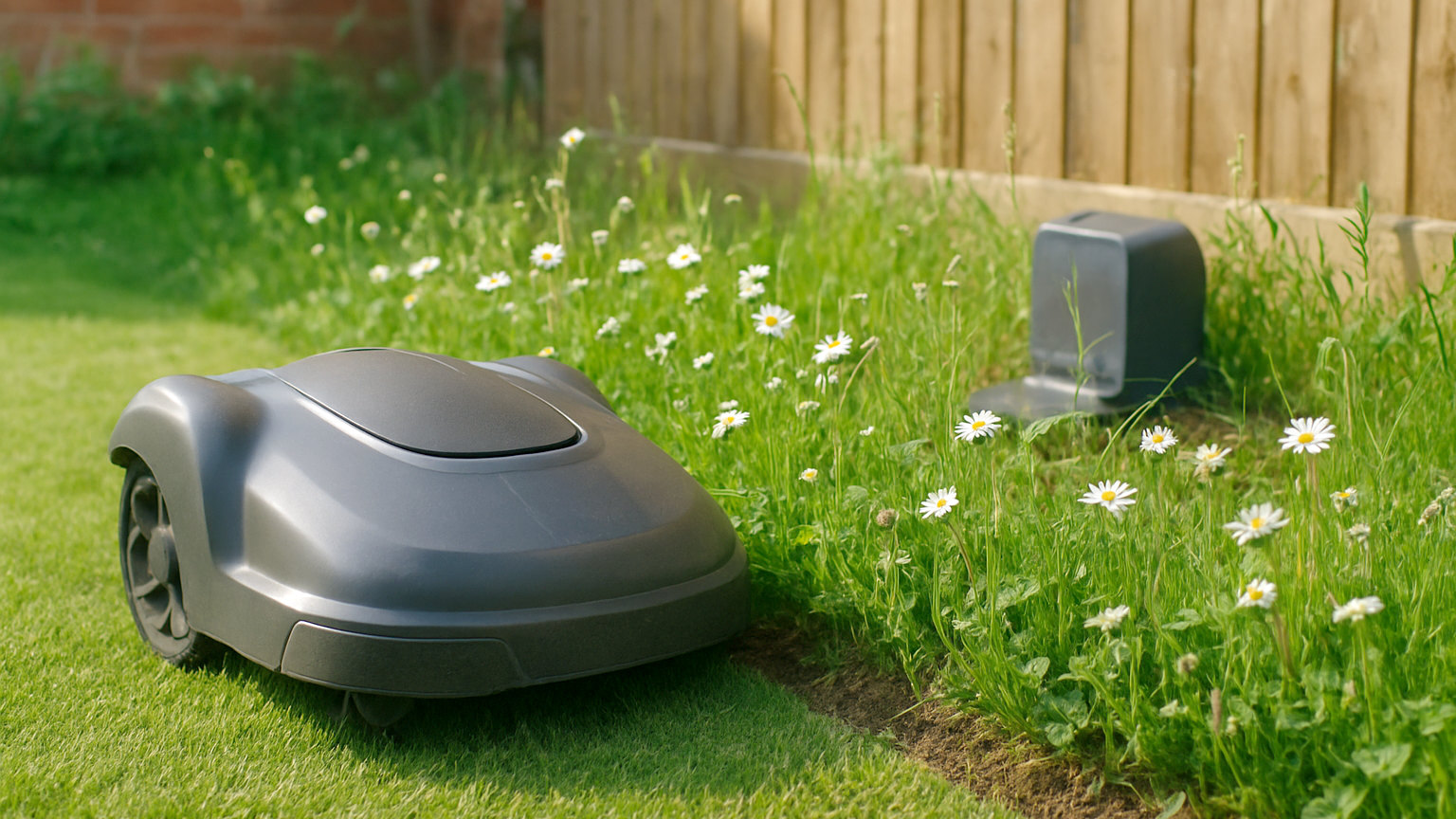
A robot mower keeps a lawn permanently short with no effort, and the wildlife cost is real and avoidable. How they work, what they suit, and running them safely.
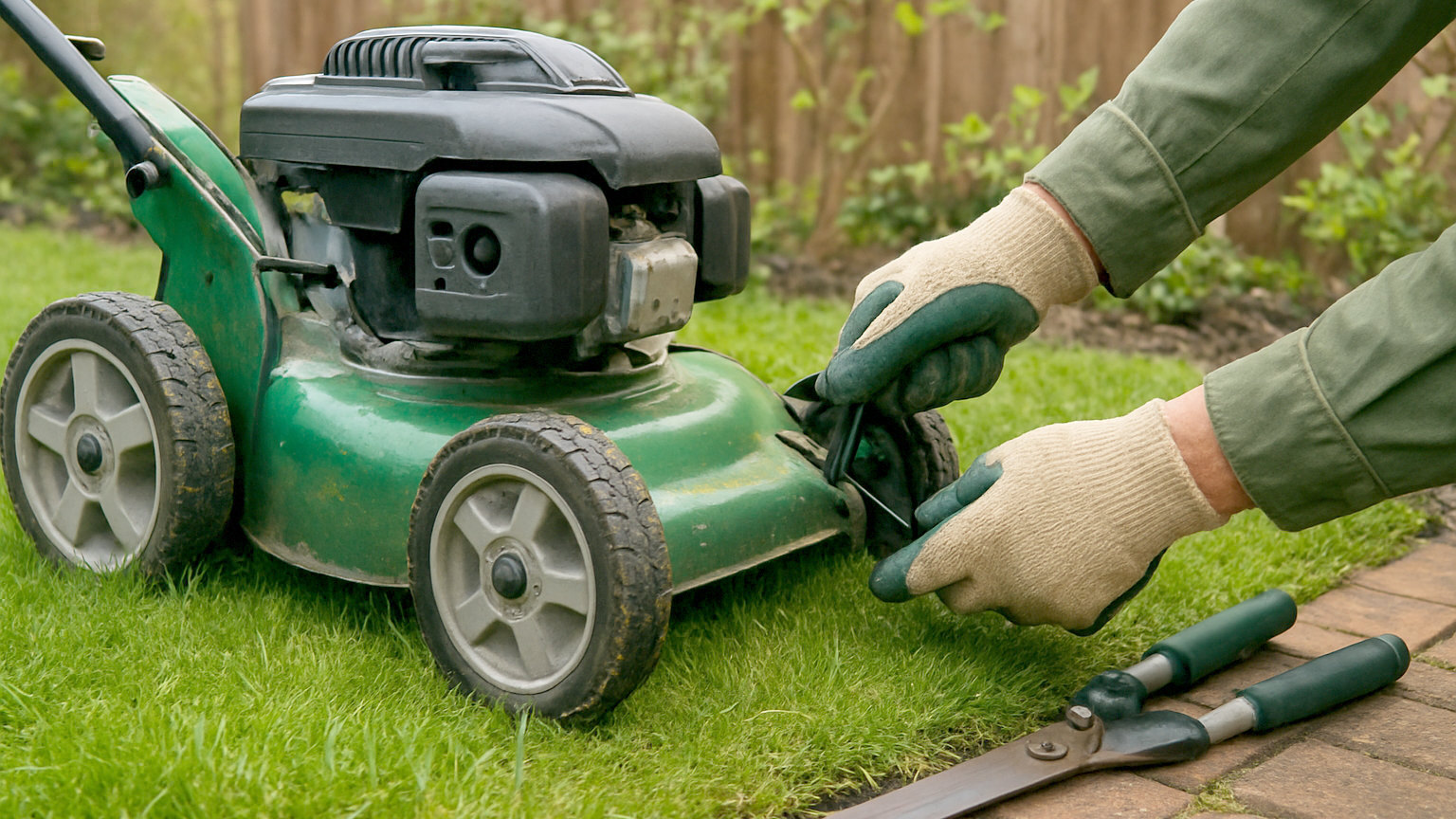
Mowers cause thousands of injuries a year and most involve hands, feet and cables. The precautions that matter, and how to handle slopes.
The first cut of spring should take almost nothing off, and the last of autumn should leave the grass longer than usual. Getting both right sets up the season.
Leaving clippings returns nitrogen and moisture and does not cause thatch, which is the usual objection. When to leave them, when to collect, and what to do with them.
Both are best avoided and sometimes unavoidable. How to get a reasonable result without damaging the lawn or the machine, and the third rule that governs it.
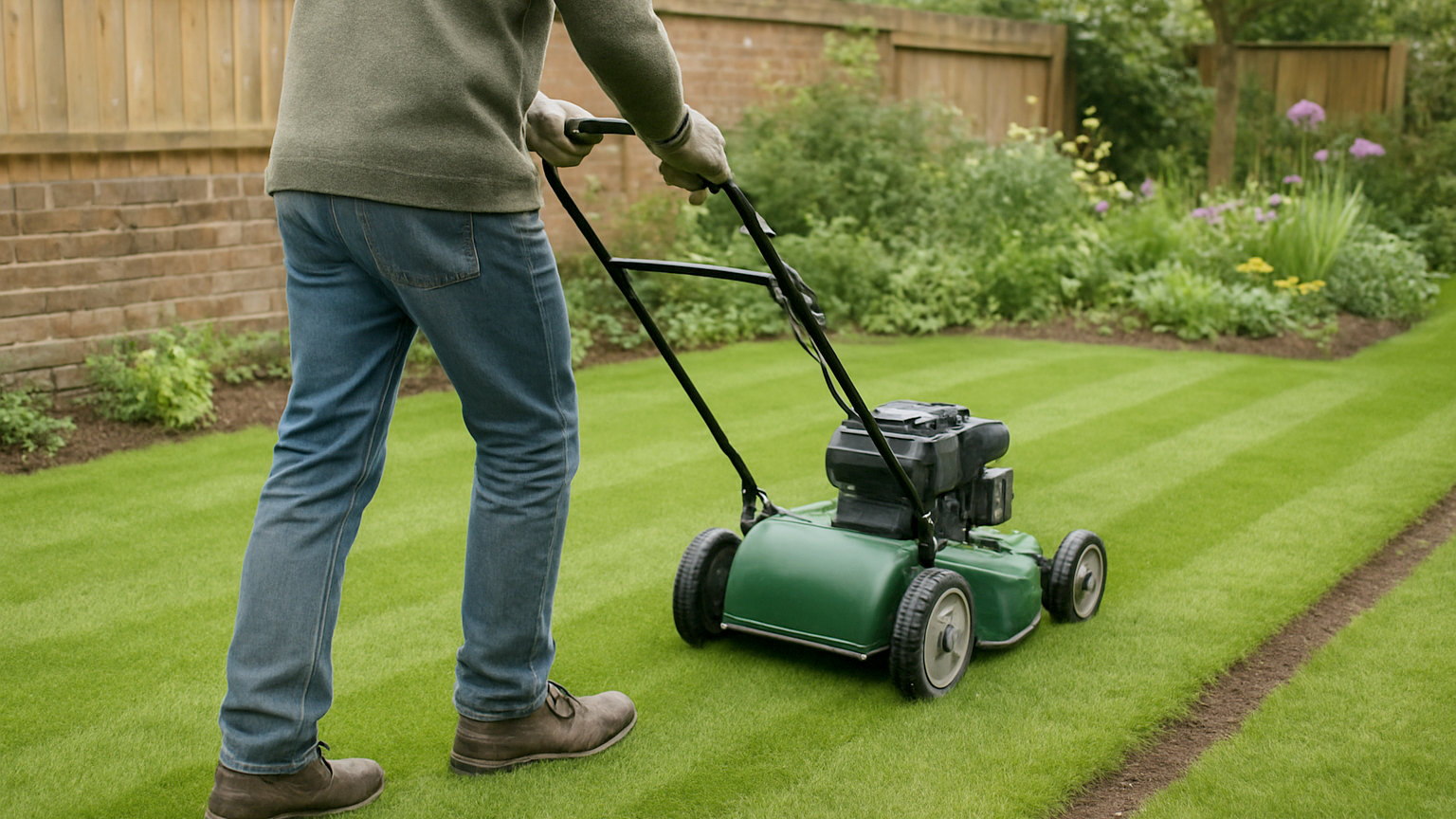
Changing direction each week prevents the grass leaning permanently and stops wheel ruts forming. How to plan a pattern, and working around a lawn efficiently.