Hoeing and Hand Weeding
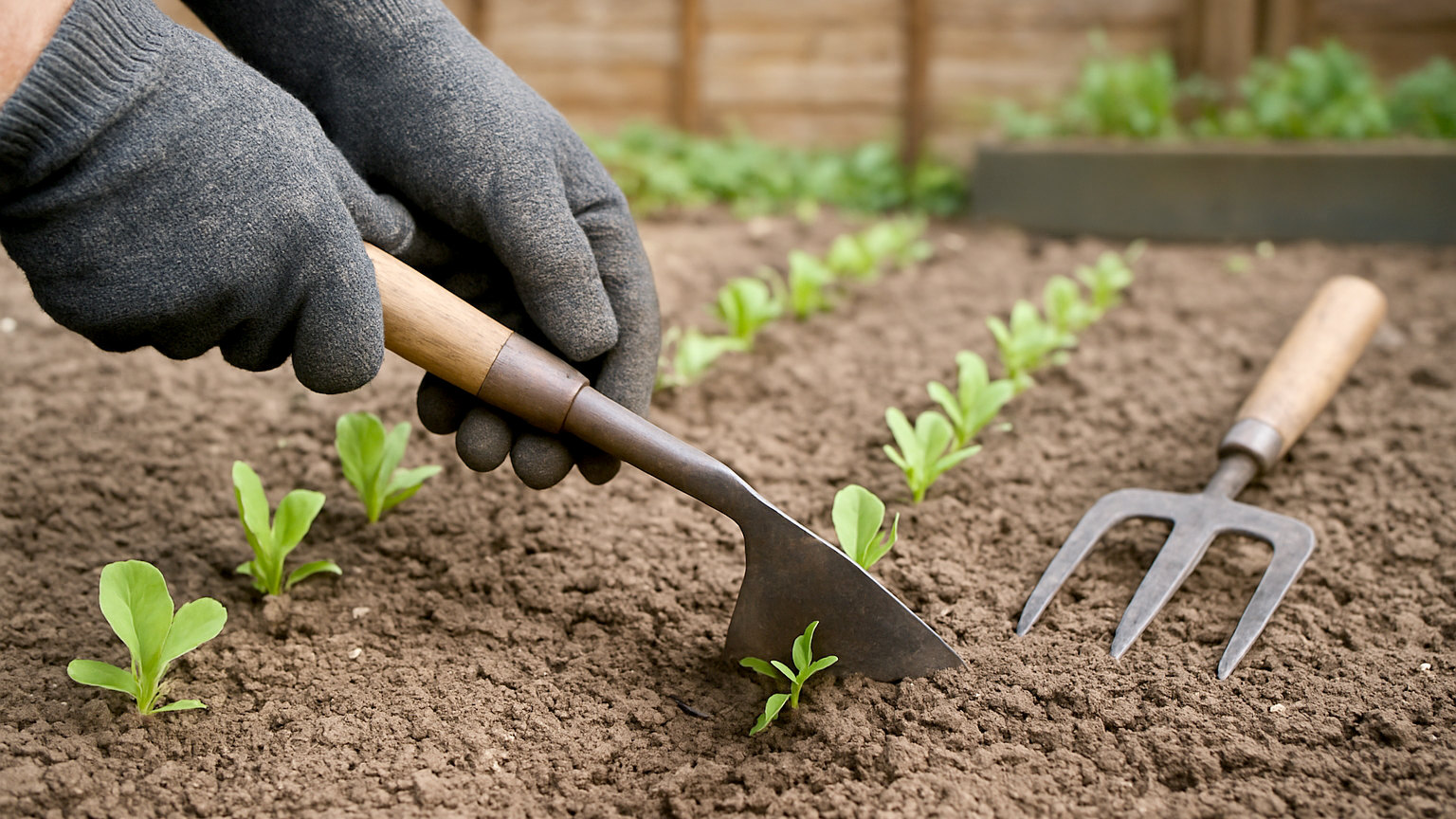
A hoe used on a dry day on seedlings you can barely see is the most efficient tool in the garden. Technique, timing, and when hands are the only option.
By Gardening Guides Editorial
31 Jul 2026

These are the two jobs people most often get wrong, and they go wrong in opposite ways: lawns are usually over-treated and cut too short, and shrubs are usually pruned at the wrong time of year or not at all. Both are governed by timing more than technique. These guides say which month, which cut, and - just as usefully - when to leave something alone for another season.
A hoe used on a dry day on seedlings you can barely see is the most efficient tool in the garden. Technique, timing, and when hands are the only option.
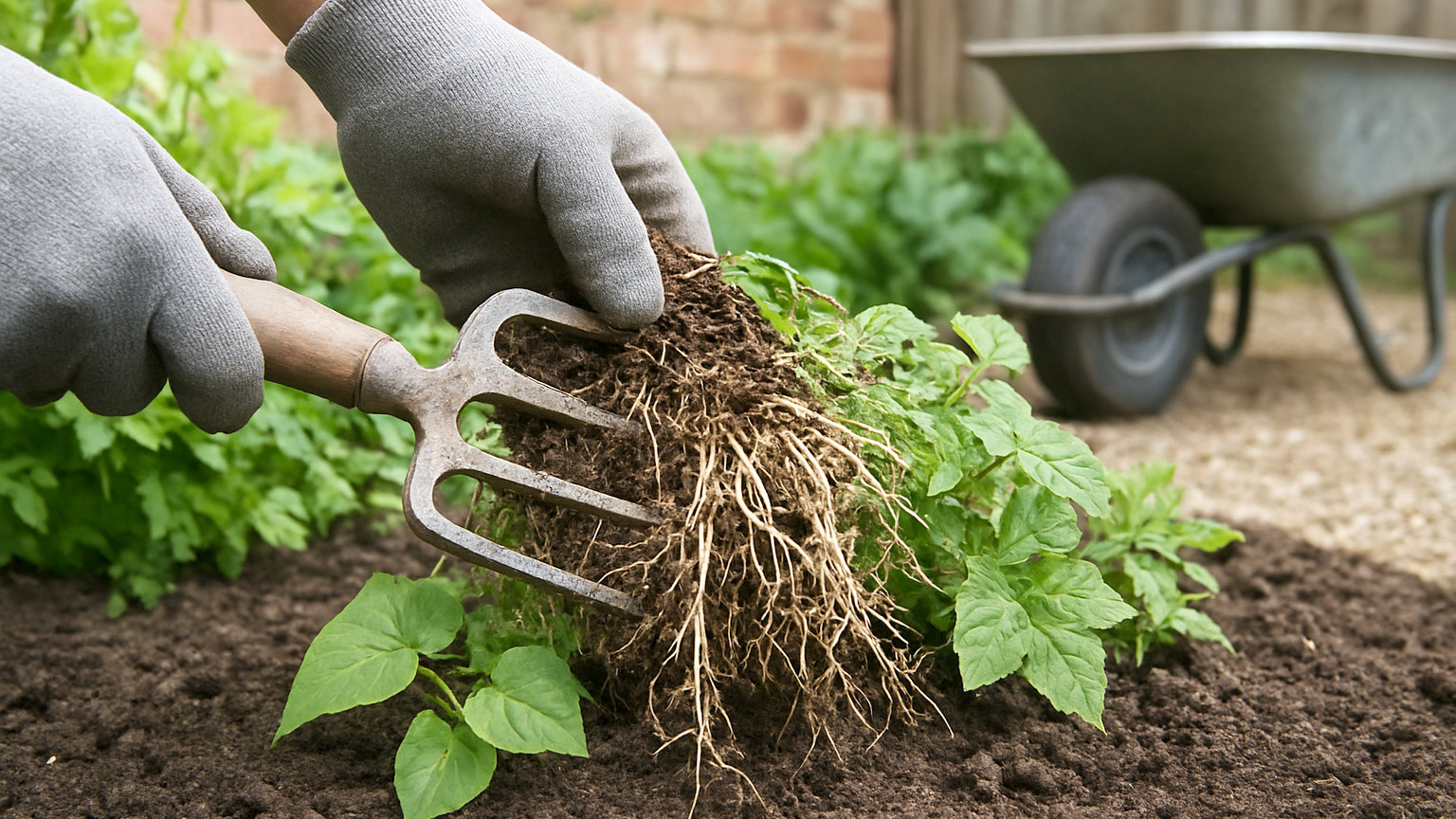
Both regenerate from root fragments, which is why digging half-heartedly makes them worse. The methods that work, and why clearing before planting matters most.
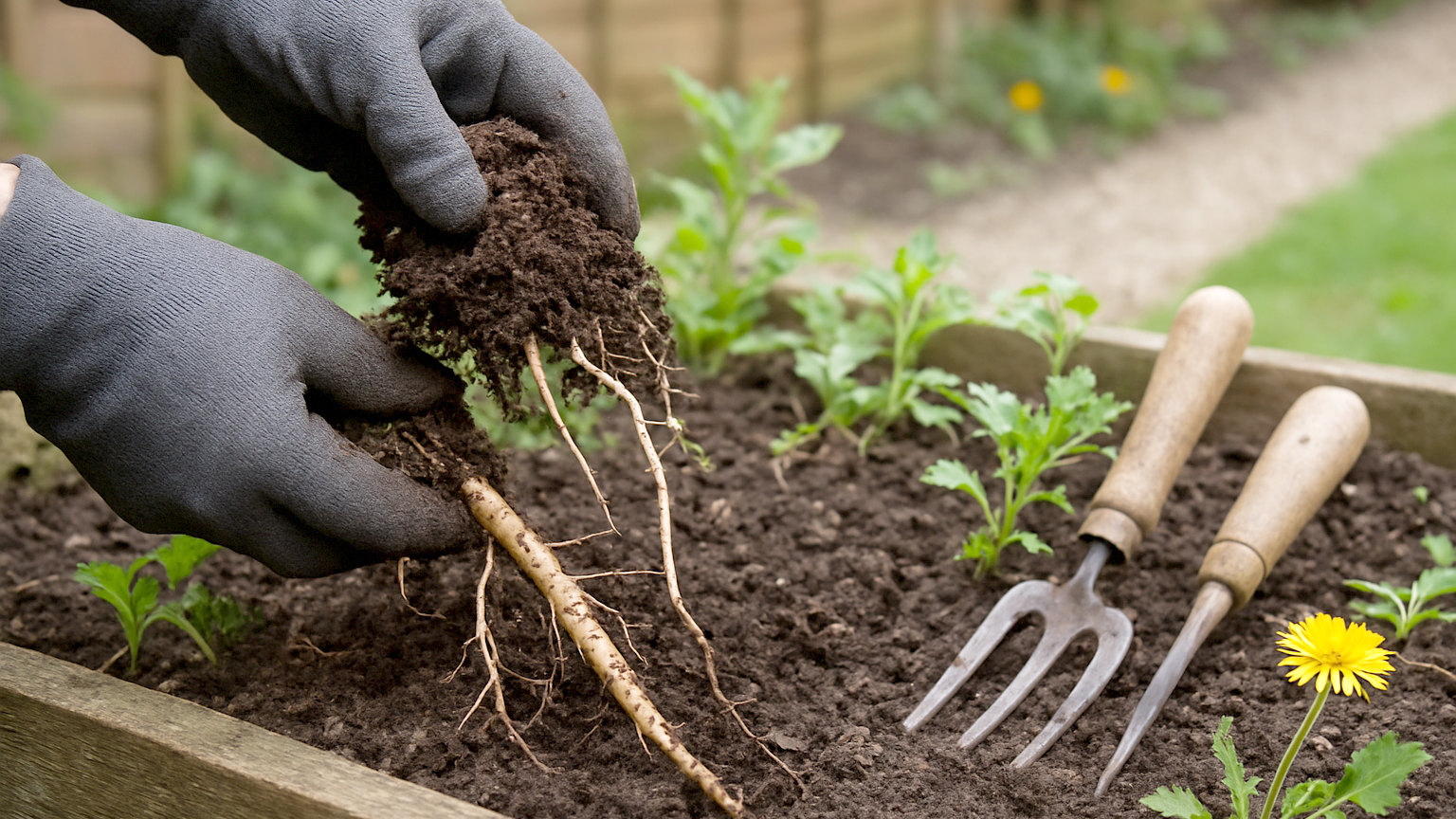
Couch spreads by runners, docks and dandelions by taproots that regrow from any piece left behind. Removing each properly, and getting the timing right.
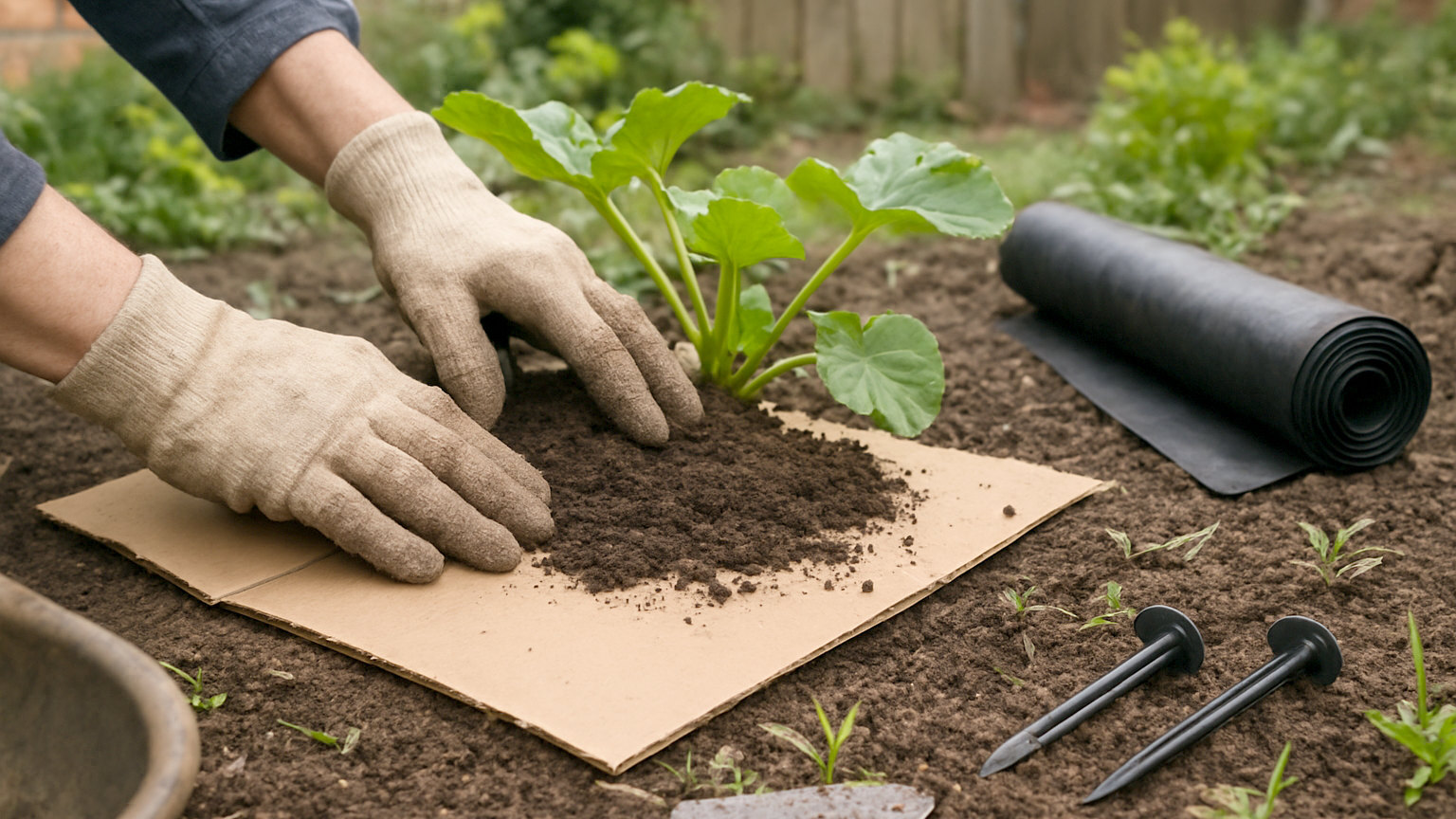
Cardboard rots away and improves the soil; plastic membrane lasts and eventually causes problems of its own. Where each belongs, and the common mistakes.
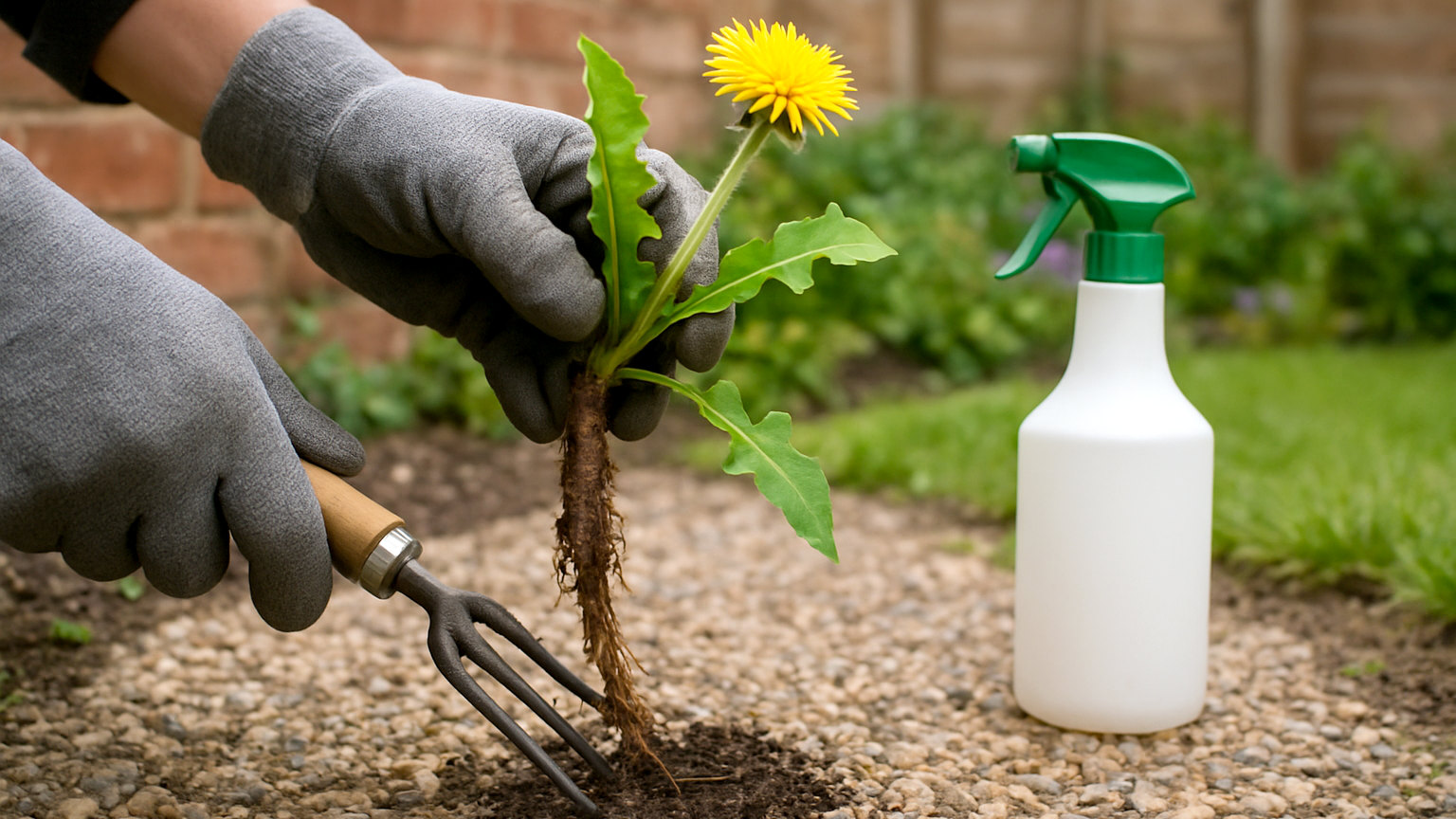
The label is a legal document, not guidance. What that means in practice, the precautions that matter, and when a weedkiller is the wrong tool entirely.
Every cut should have a purpose, and knowing which of the five purposes applies tells you where and when to cut. The reasons, and when not to prune at all.
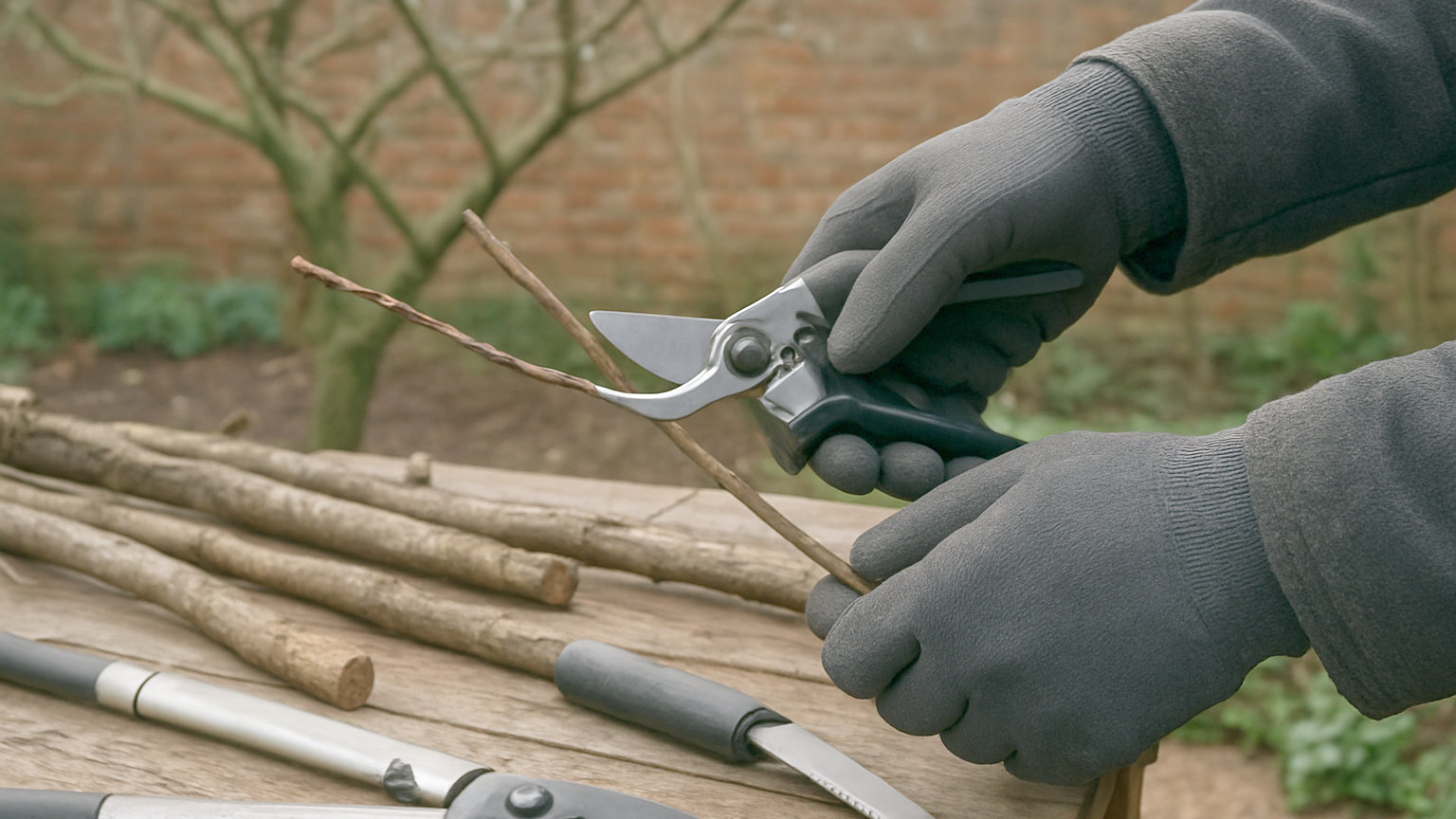
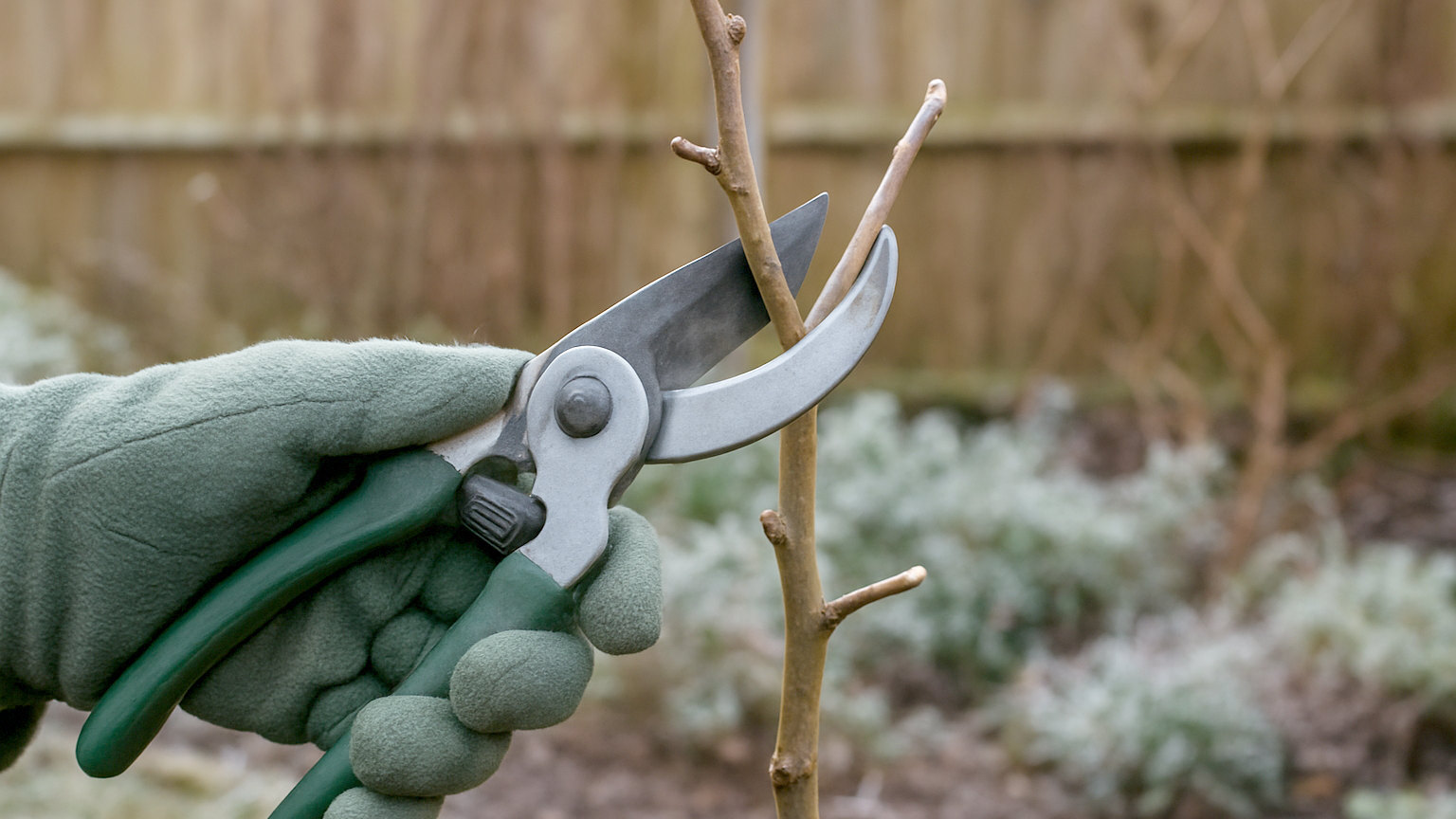
Each tool has a size of wood it handles, and forcing one beyond it ruins the cut and the tool. What to own, and bypass against anvil.
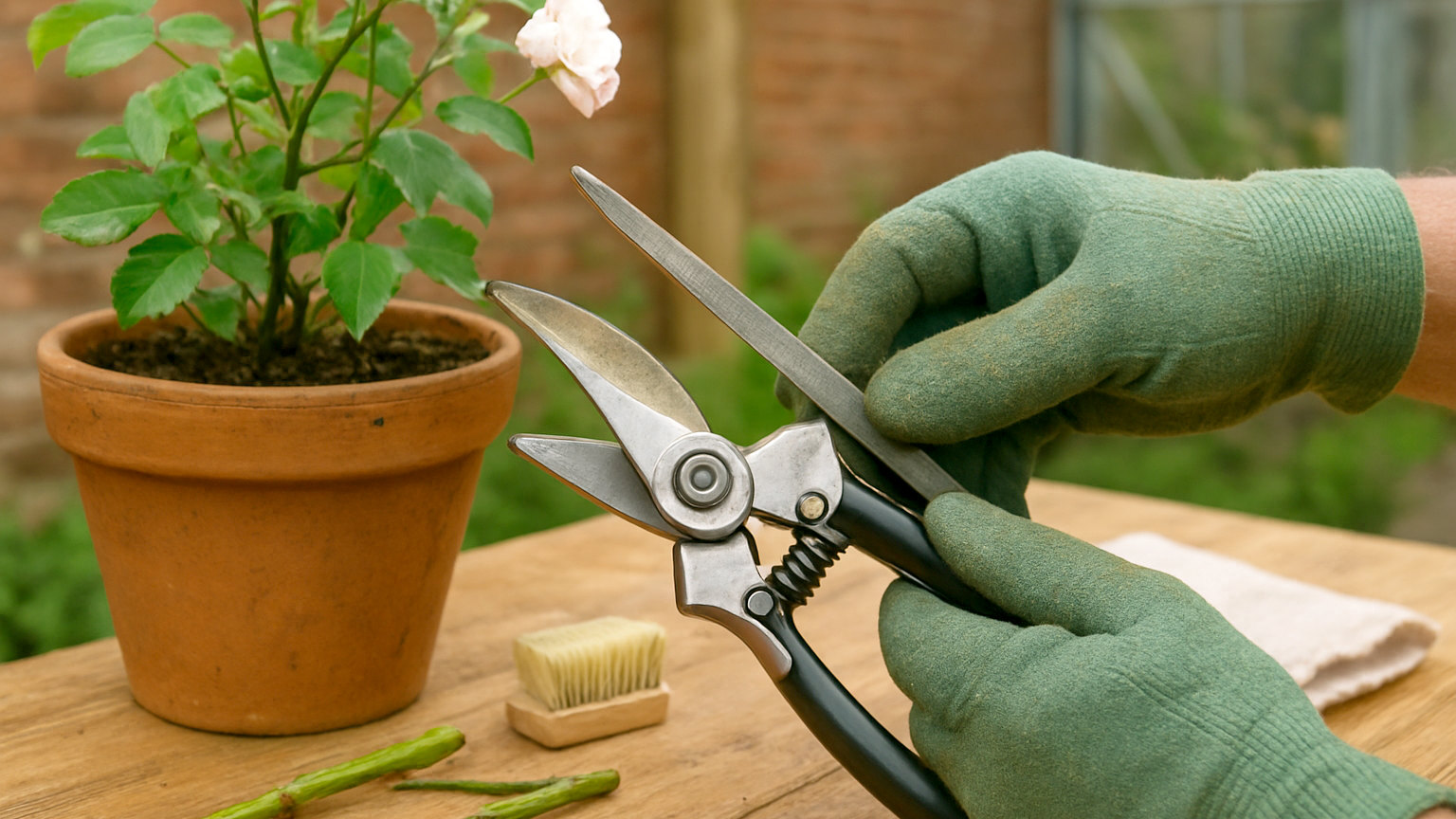
A sharp blade cuts cleanly and a blunt one tears, and the difference shows in how the plant heals. Sharpening, stripping down and disinfecting between plants.
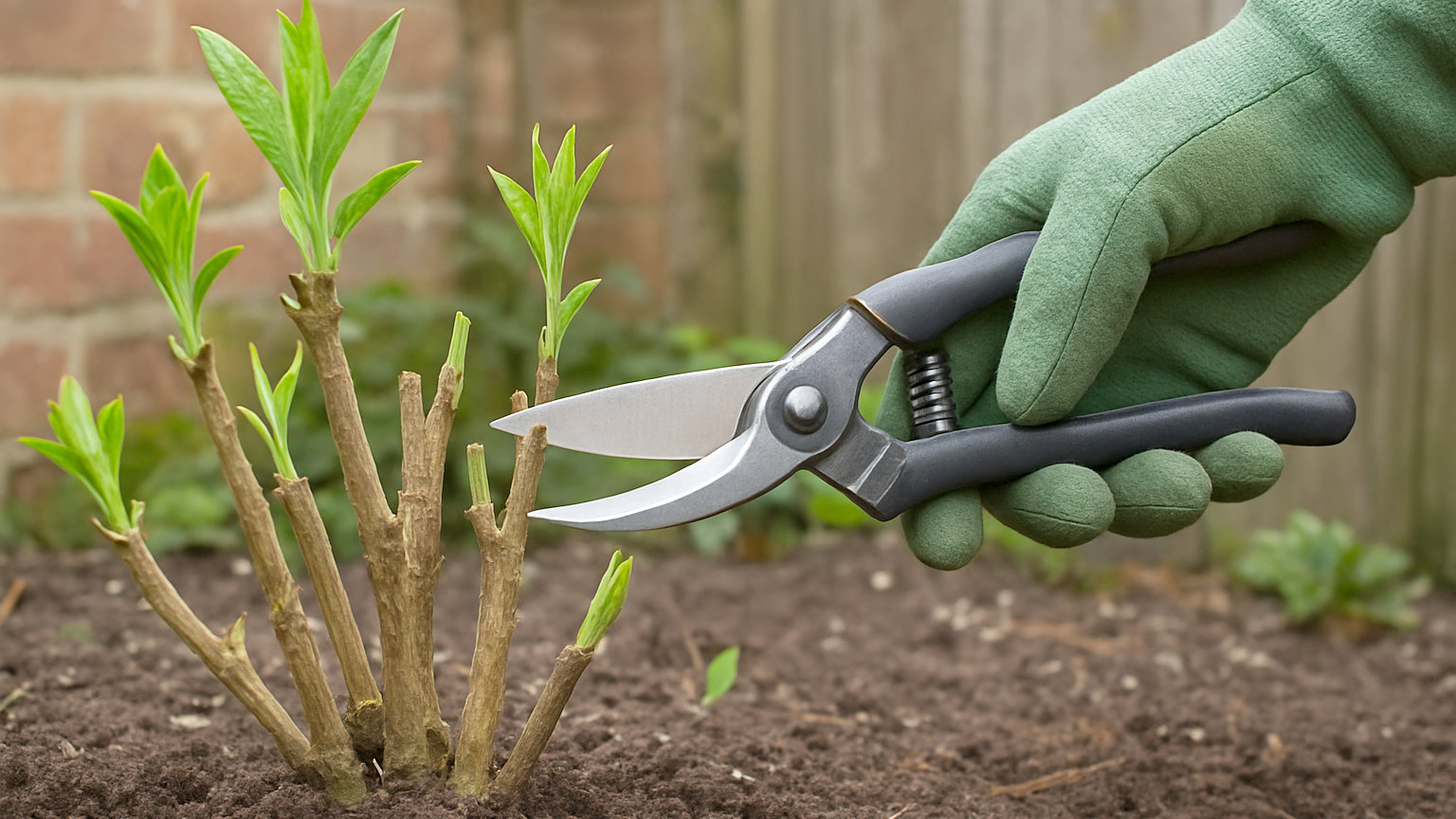
Hard pruning produces vigorous growth and light pruning produces less, which is the opposite of what most people expect. Understanding the response before cutting.
The bud at the tip of a shoot suppresses those below it, and almost every pruning technique is a way of working with or against that fact.
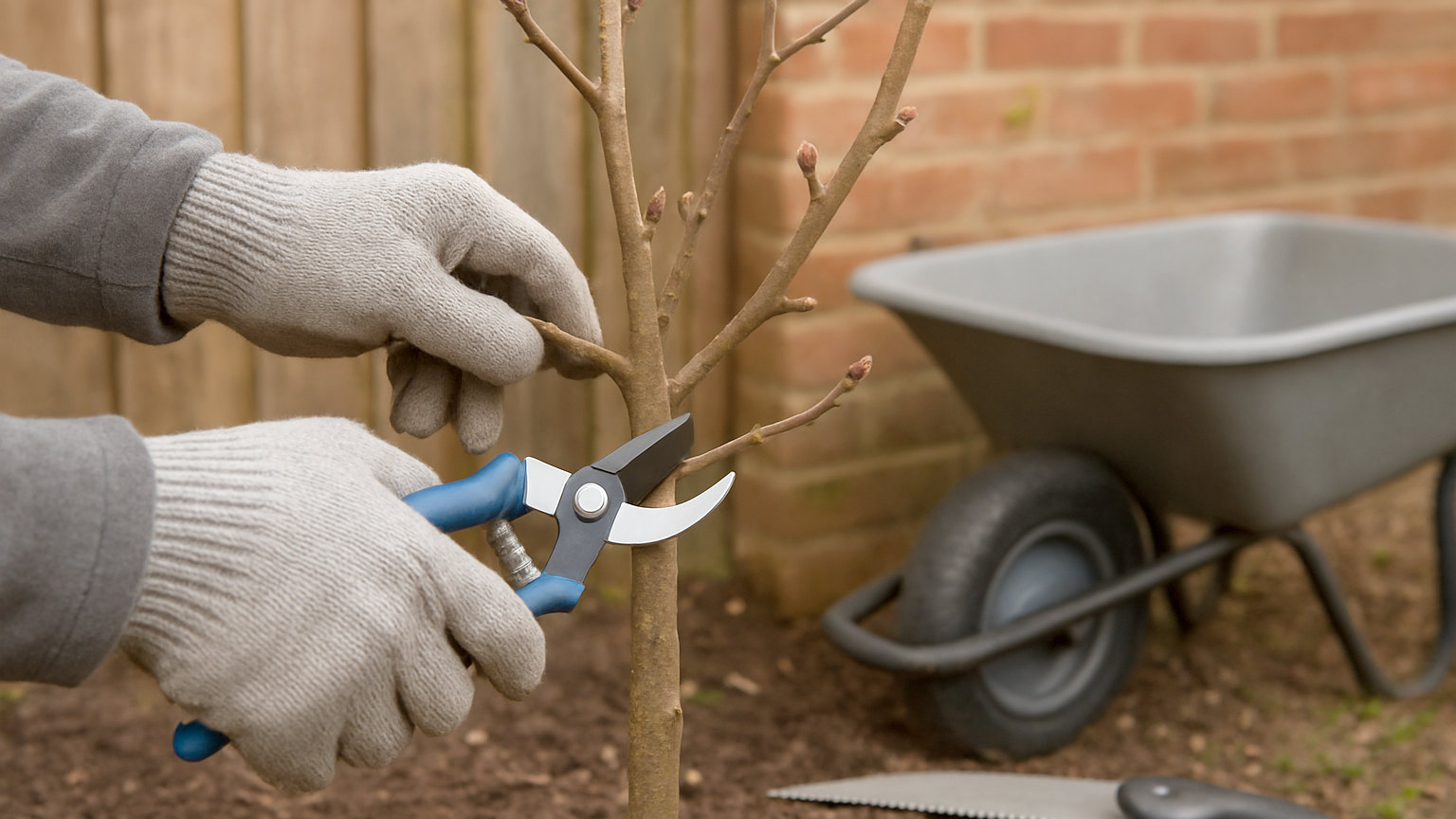
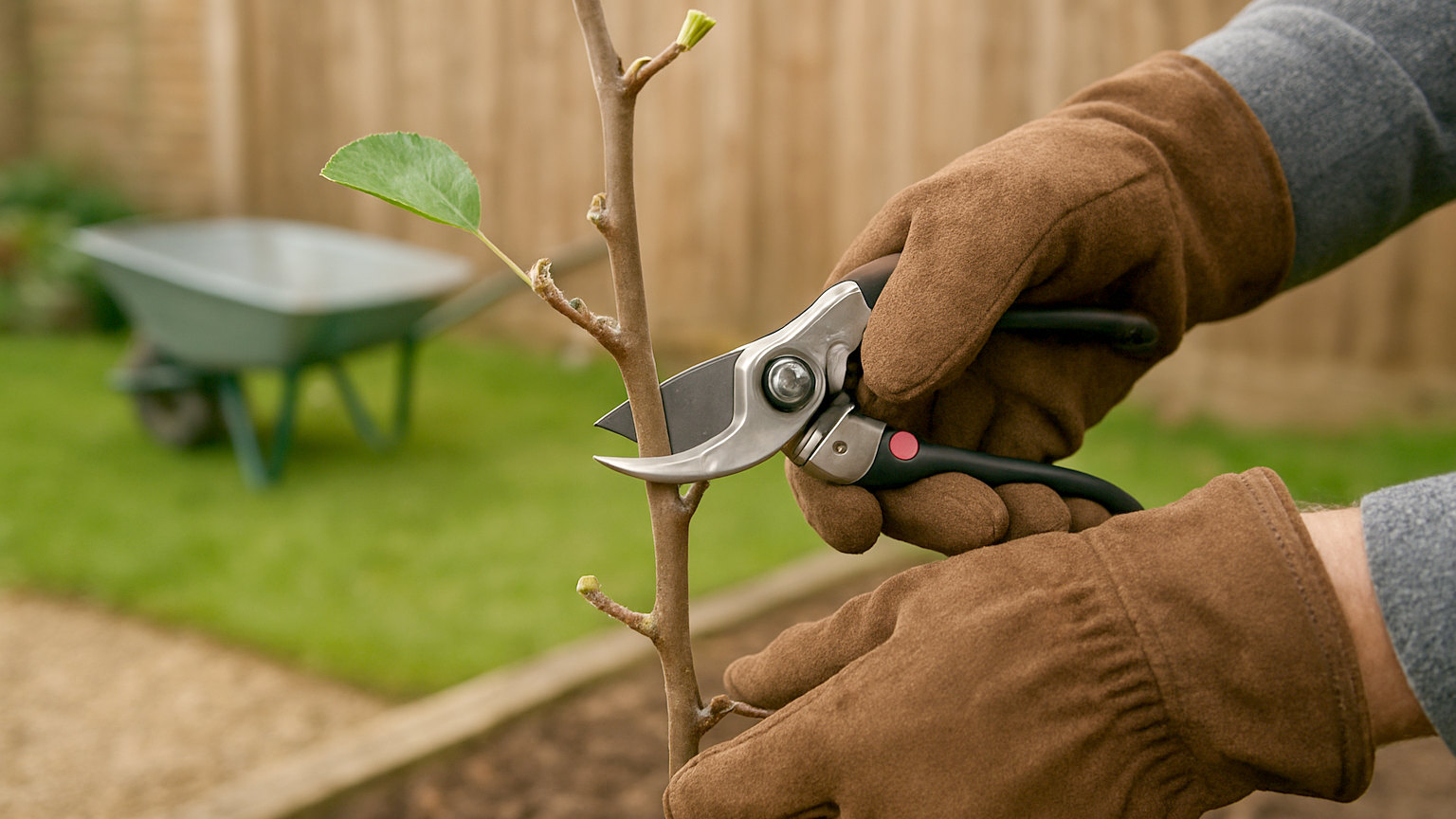
A few minutes on a young plant prevents problems that are difficult to correct in twenty years. What to look for, and why small cuts are better than large ones.
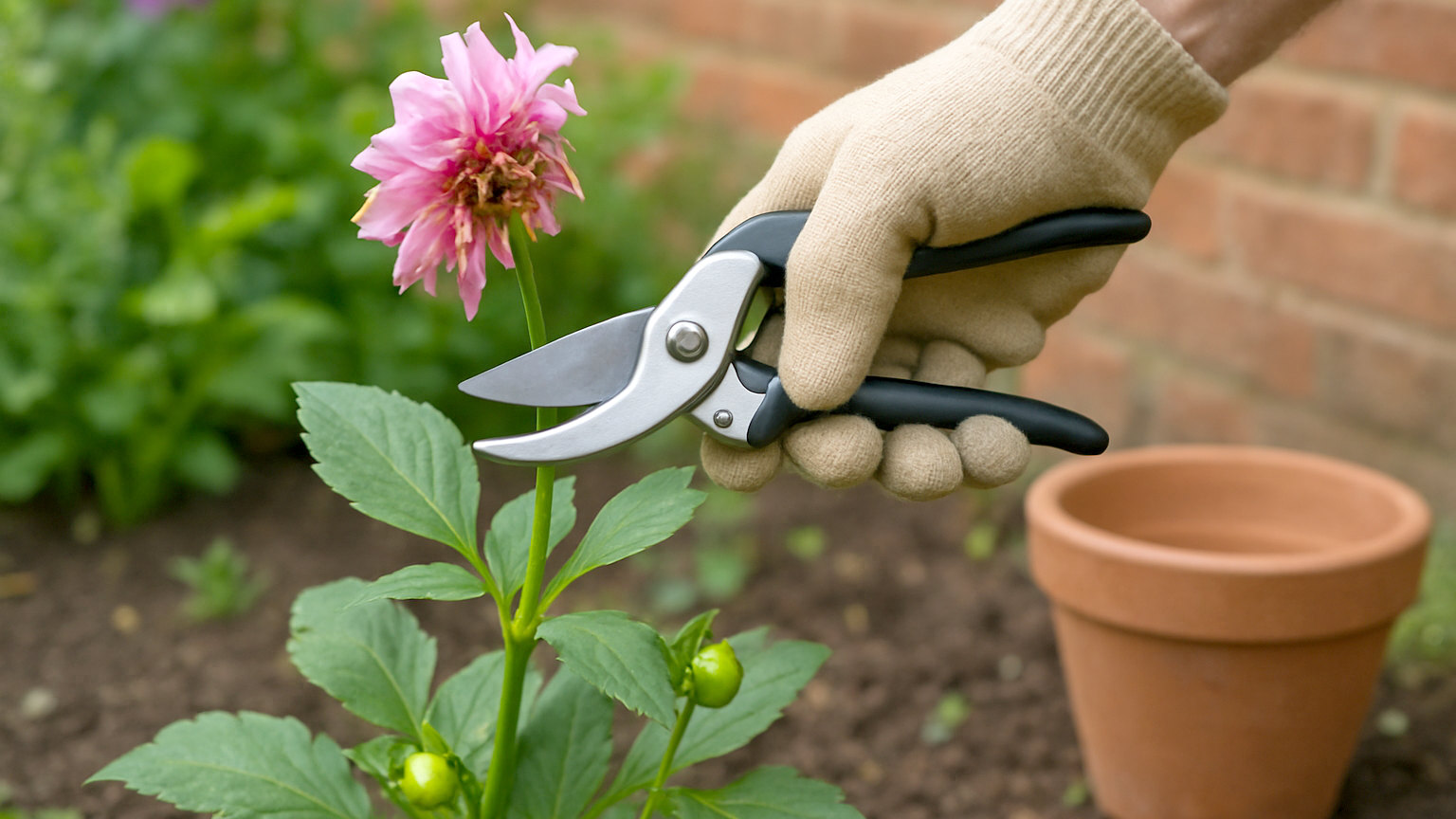
Removing spent flowers before seed sets keeps a plant producing more, and there are plants where it is worth skipping entirely. Where to cut, and what to leave.