Why Grass Looks Ragged After Mowing
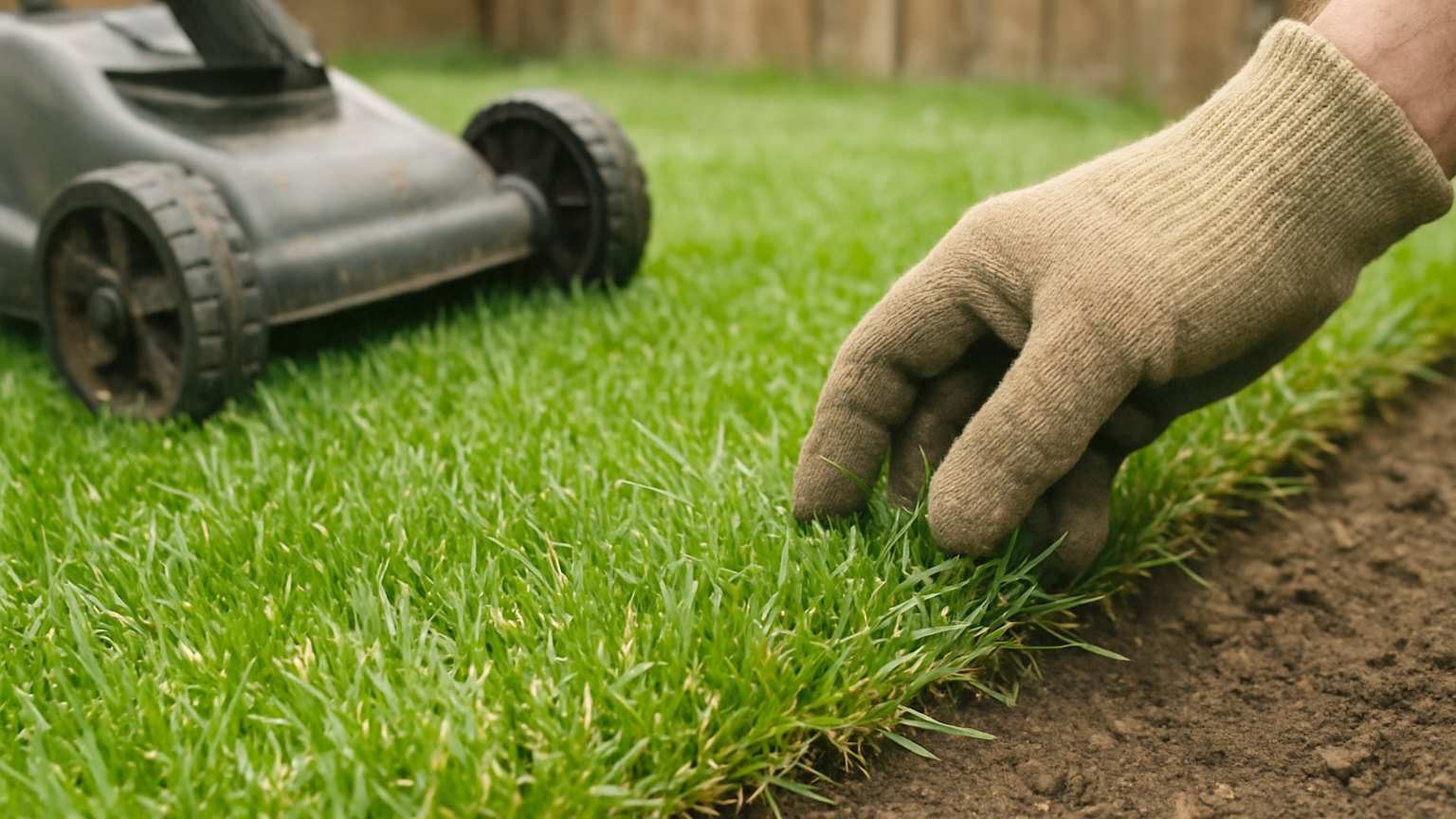
White or brown tips a day after cutting mean a blunt blade, and the lawn browns because thousands of leaves have been torn rather than cut. Diagnosis and fixes.
These are the two jobs people most often get wrong, and they go wrong in opposite ways: lawns are usually over-treated and cut too short, and shrubs are usually pruned at the wrong time of year or not at all. Both are governed by timing more than technique. These guides say which month, which cut, and - just as usefully - when to leave something alone for another season.
White or brown tips a day after cutting mean a blunt blade, and the lawn browns because thousands of leaves have been torn rather than cut. Diagnosis and fixes.
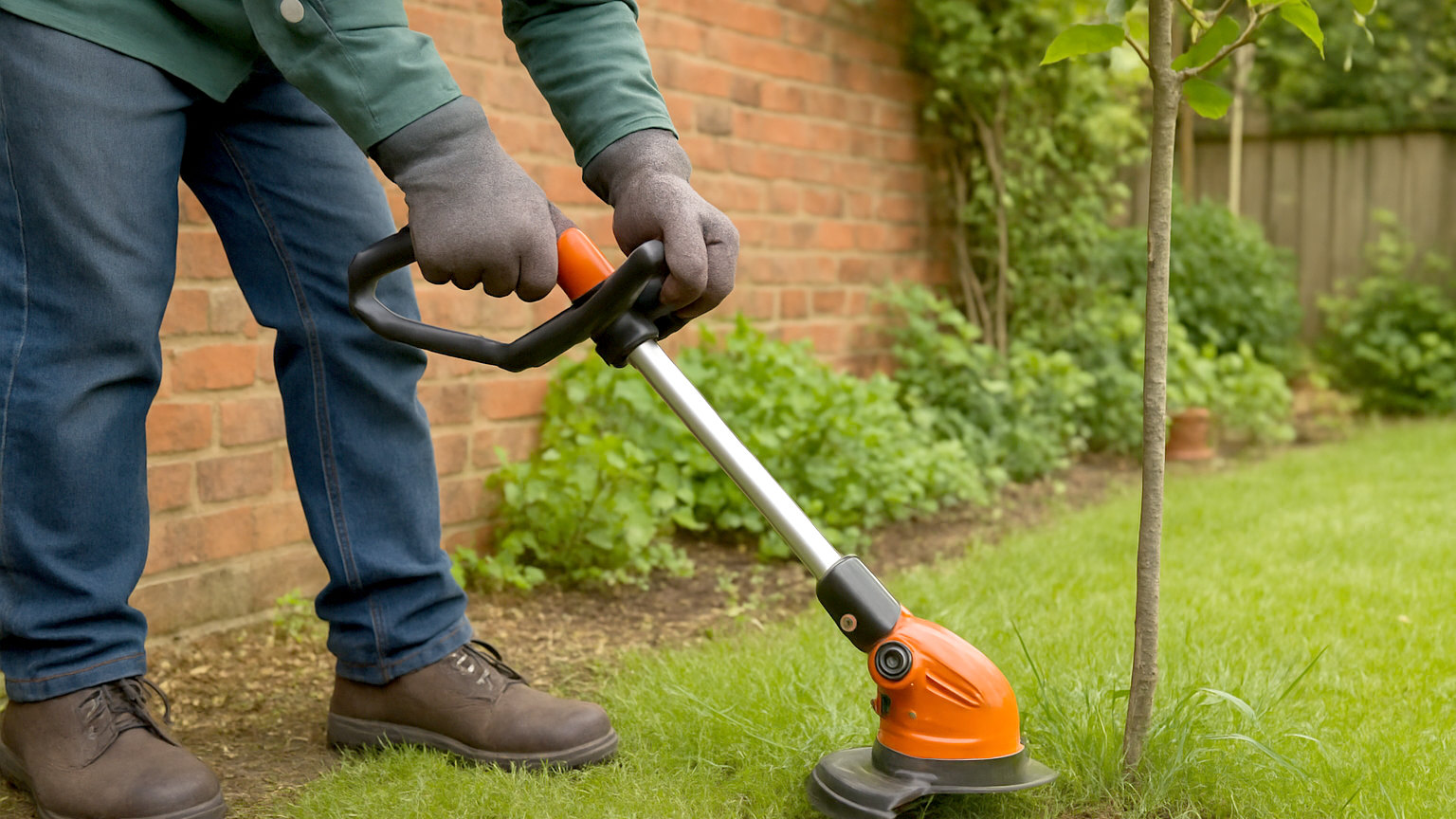
A strimmer reaches what a mower cannot and ring-barks trees within seconds. Choosing one, using it safely, and the damage to avoid.
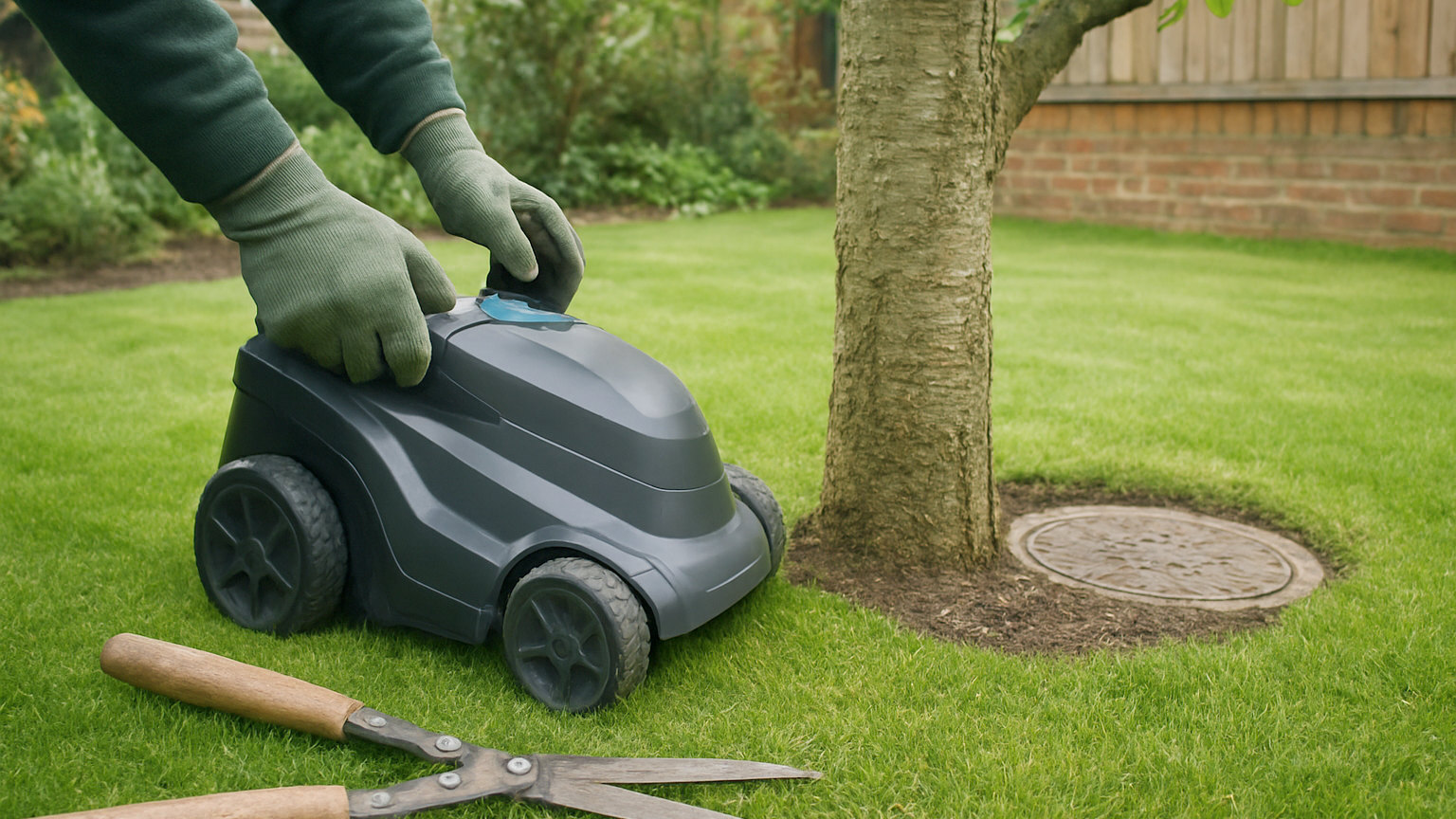
Every tree, post and manhole cover in a lawn adds minutes to every cut for decades. Design changes that remove the problem, and technique for what remains.
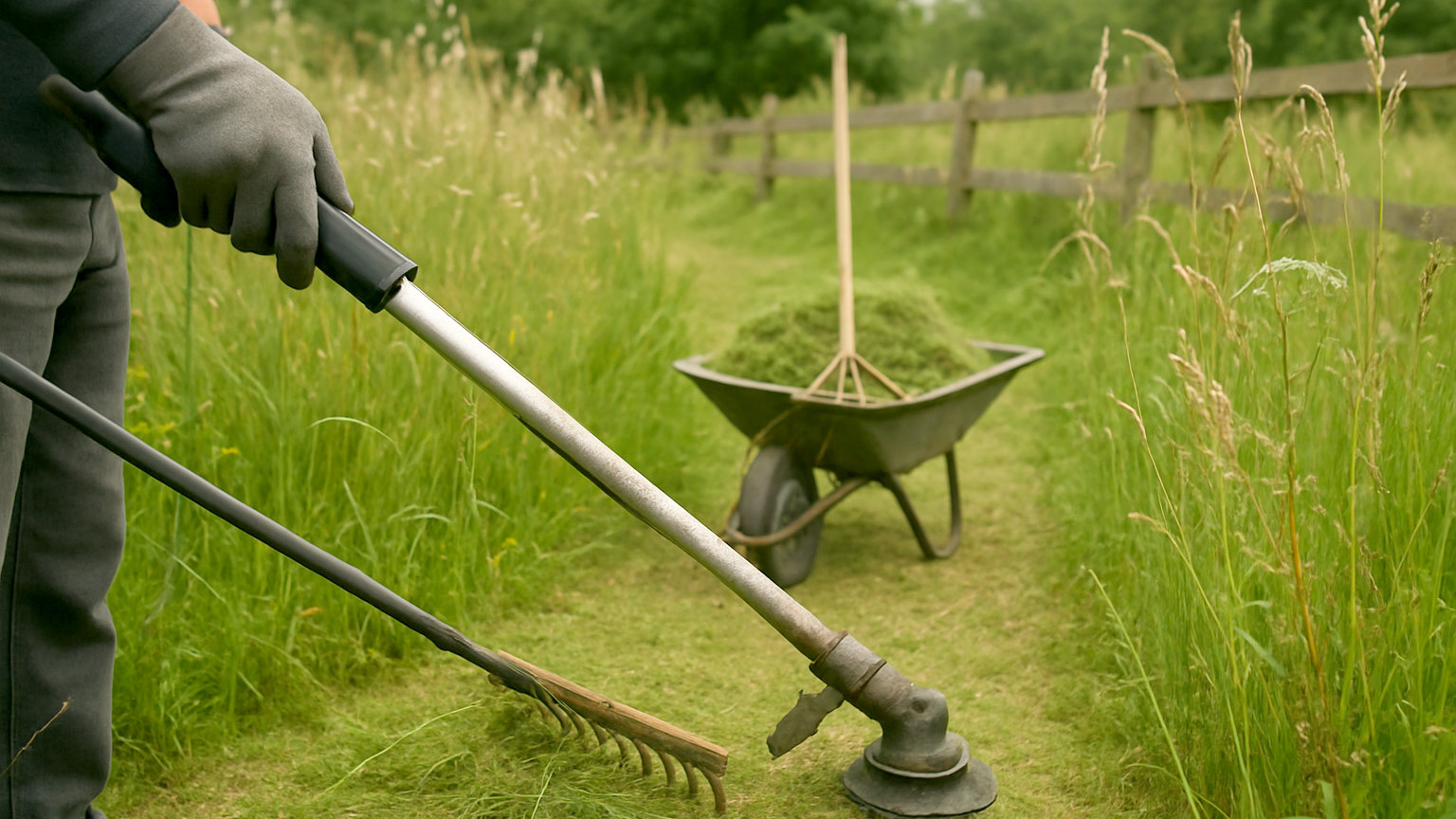
An area left long needs cutting once or twice a year, with the arisings removed. The timing, the equipment, and why removing the cuttings is the whole point.
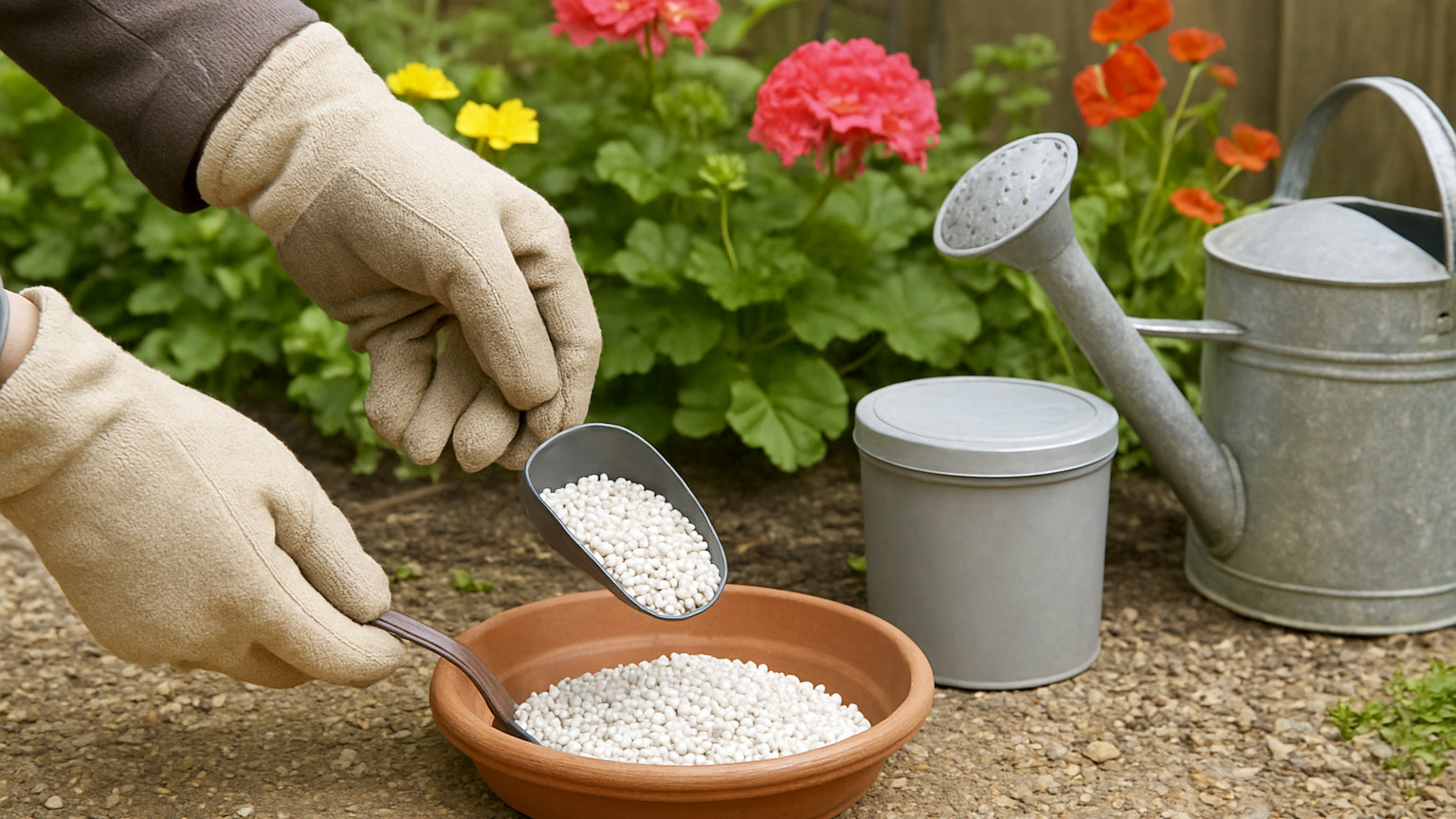
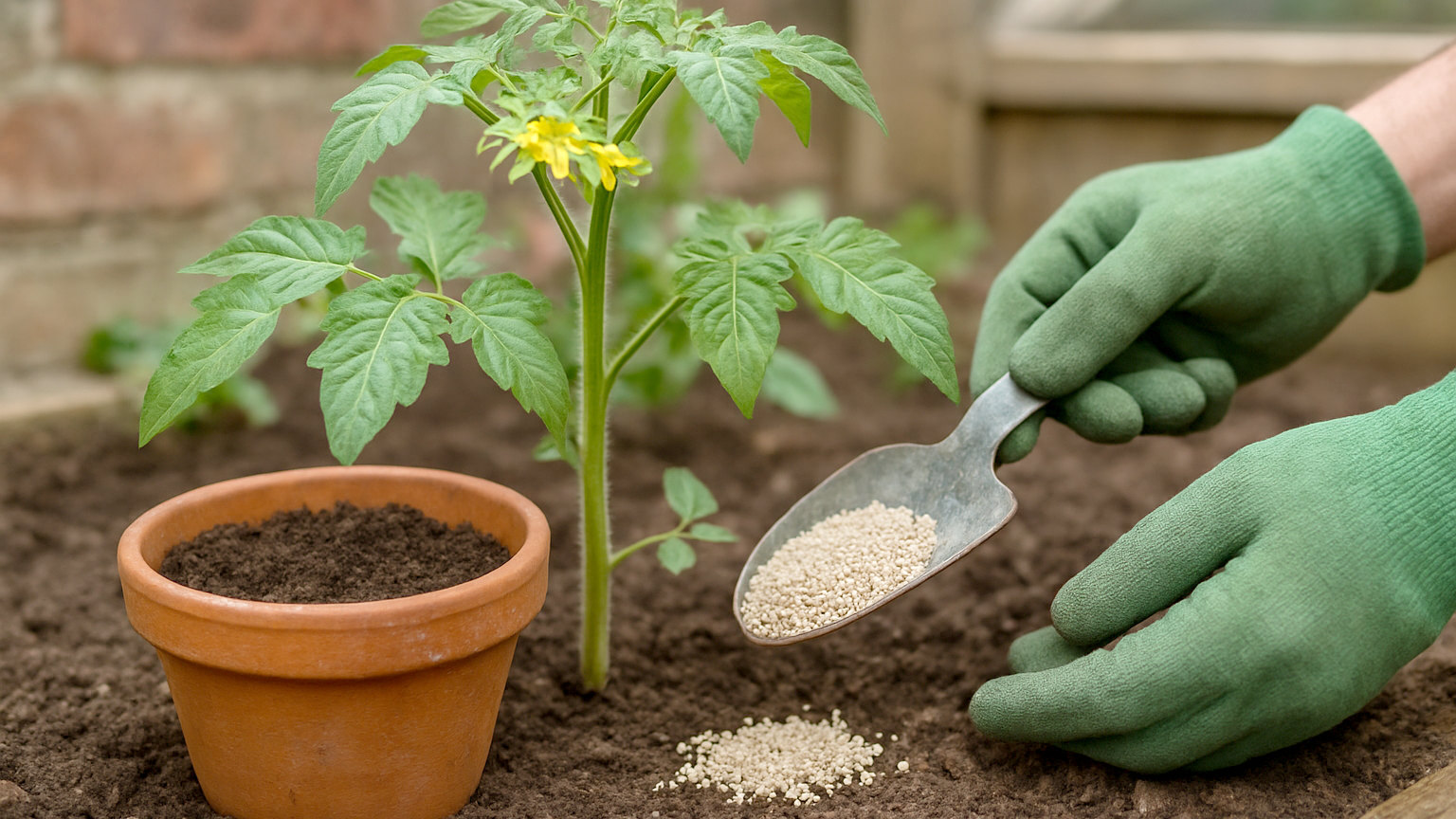
The three numbers on every bag tell you what the product is for, and once you can read them the choice becomes obvious. NPK explained, and application rates.
Organic feeds release slowly and improve the soil; inorganic ones act fast and do not. Where each is the right tool, and what the difference actually means.
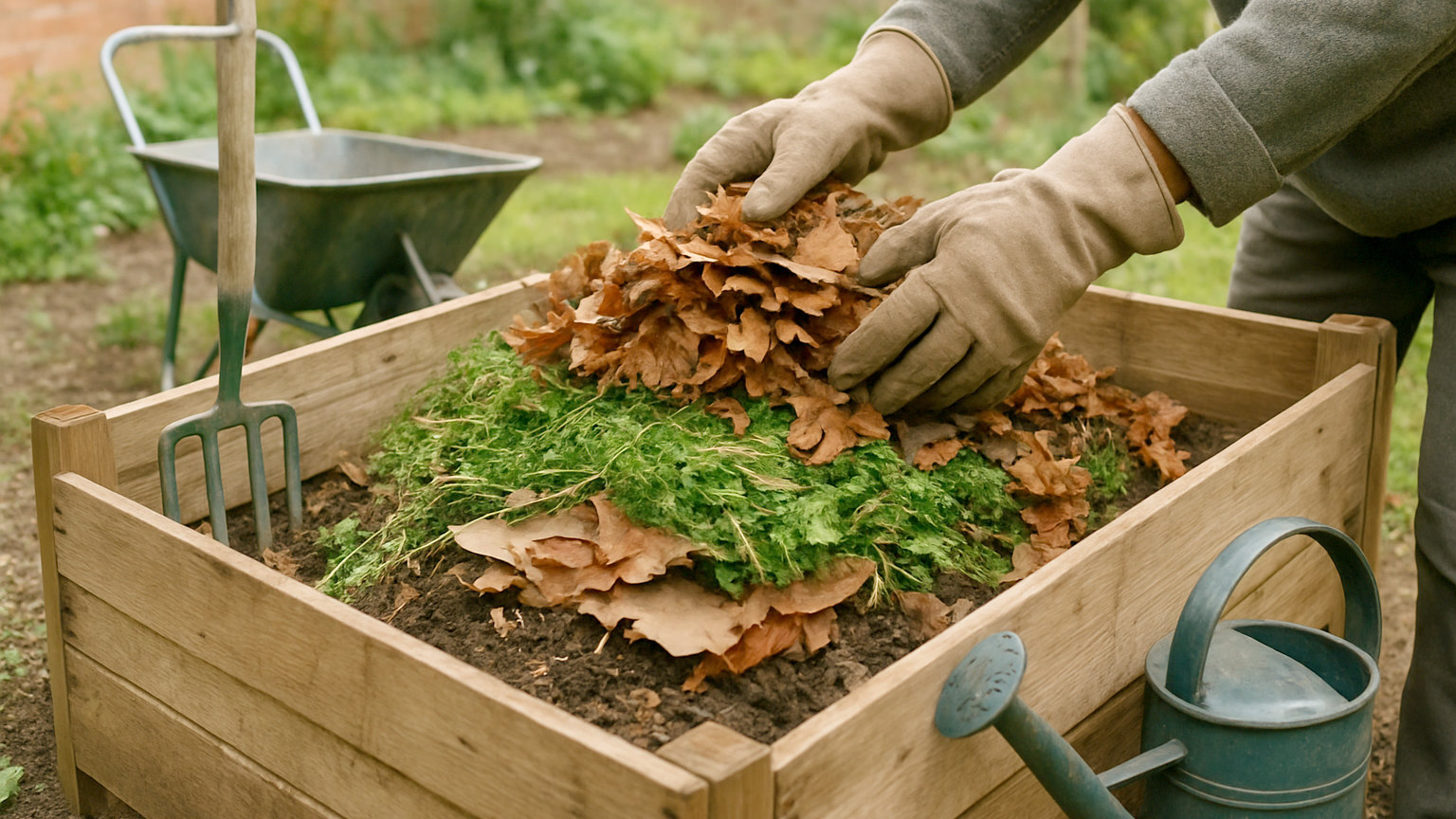
Compost needs a balance of green and brown material, air and moisture, and getting the mix right is nearly all of it. Building a heap that actually works.
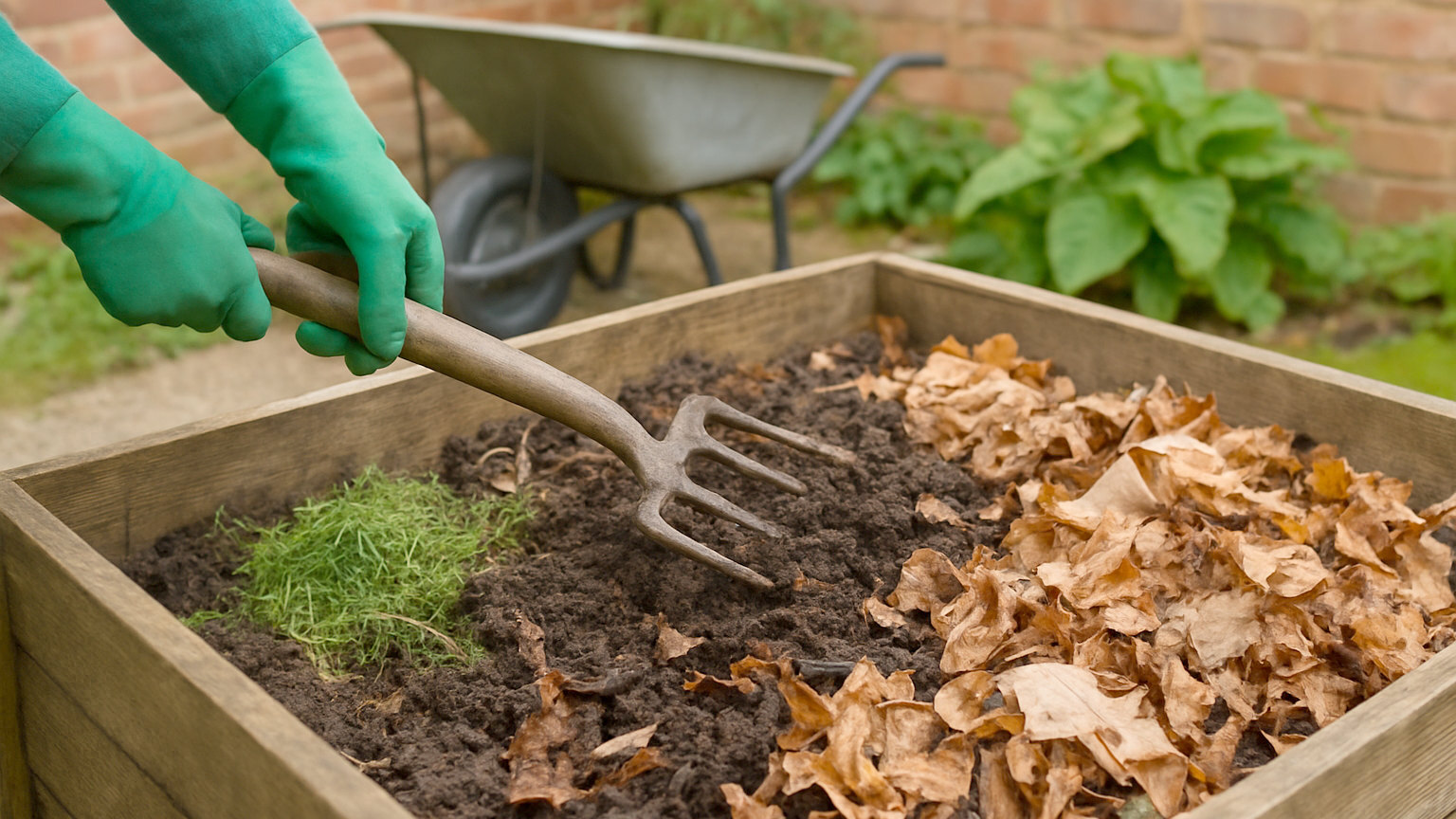
A smelly heap has too much green and no air; a dry one has too much brown. Reading what a compost bin is doing wrong, and correcting it.
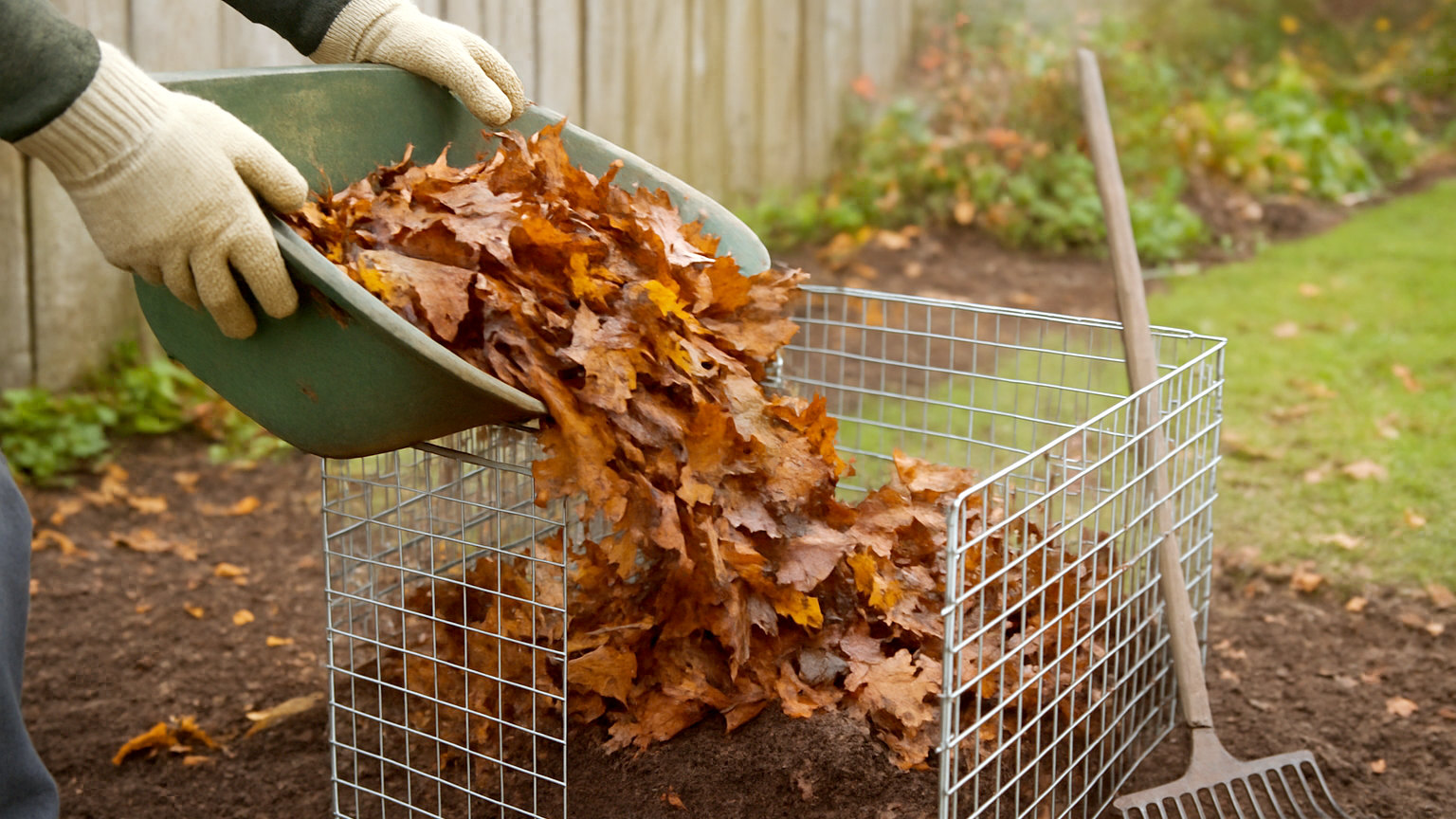
Leaves rot by a different process from compost and need nothing but time and a container. Why it is worth the wait, and what to use it for.
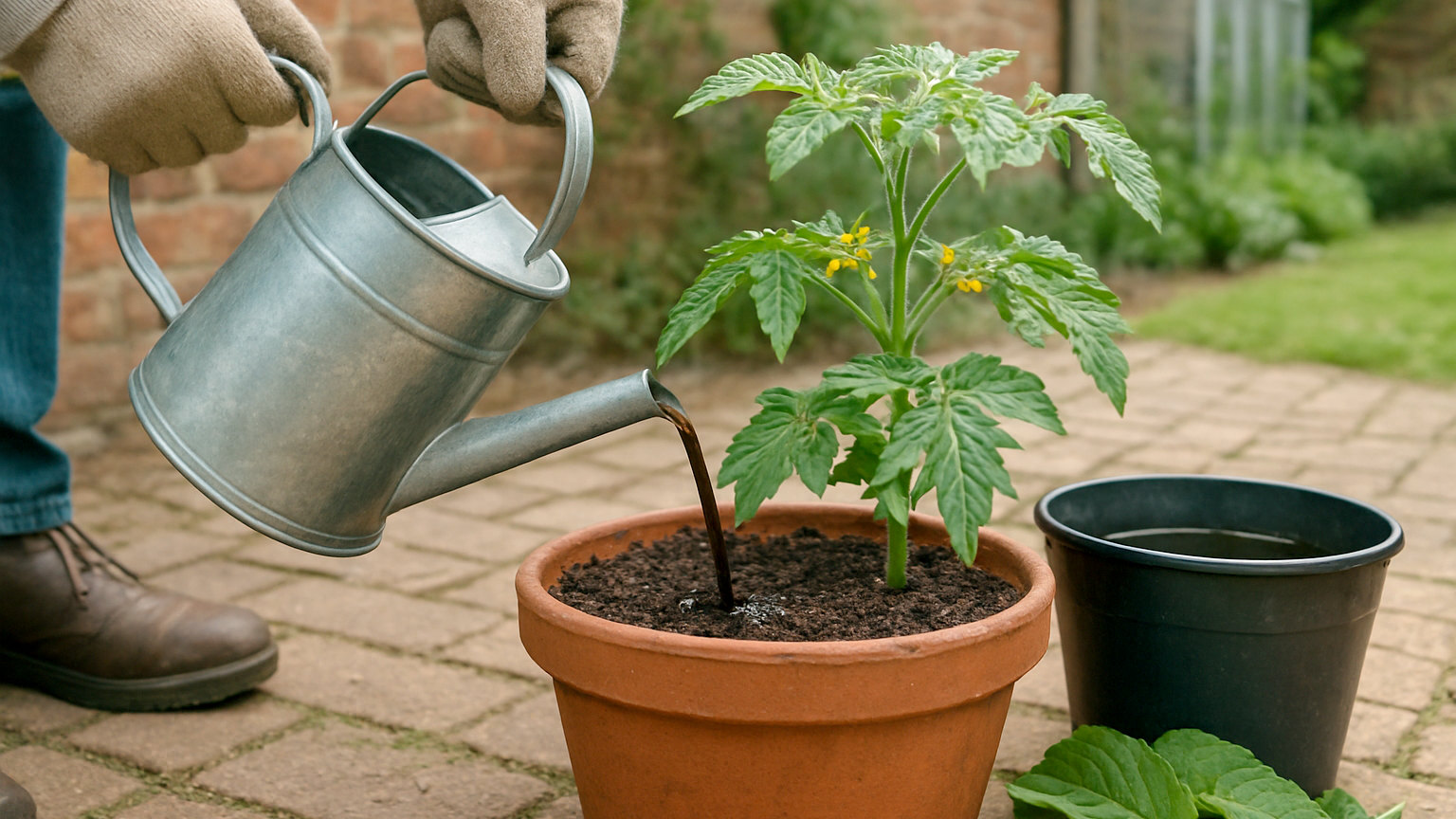
Liquid feeds act within days, which makes them right for containers and quick corrections. Making comfrey and nettle feed, and using bought products properly.
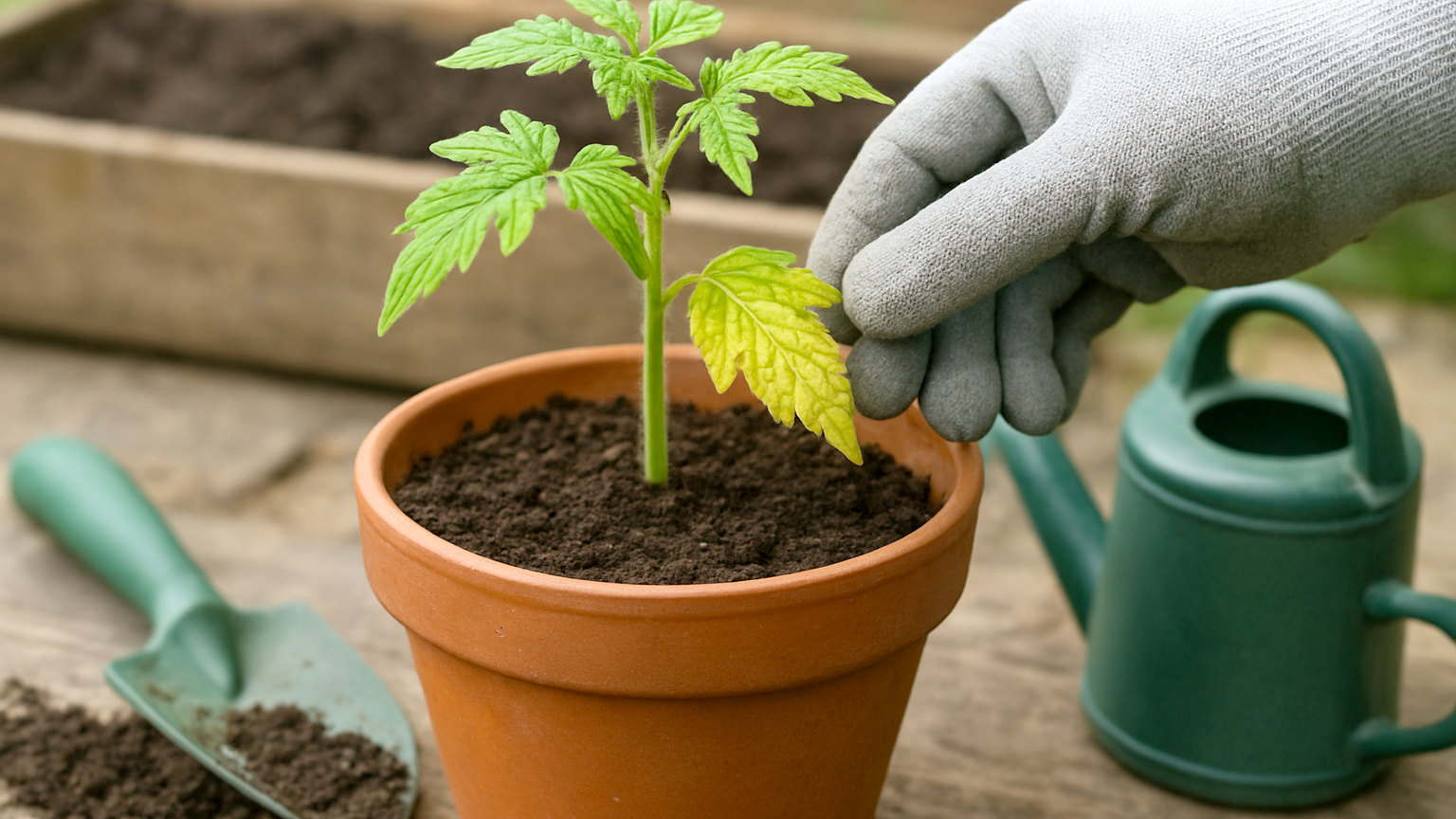
Whether the yellowing starts on old leaves or new ones narrows the diagnosis immediately. Reading the symptoms, and checking the obvious causes first.
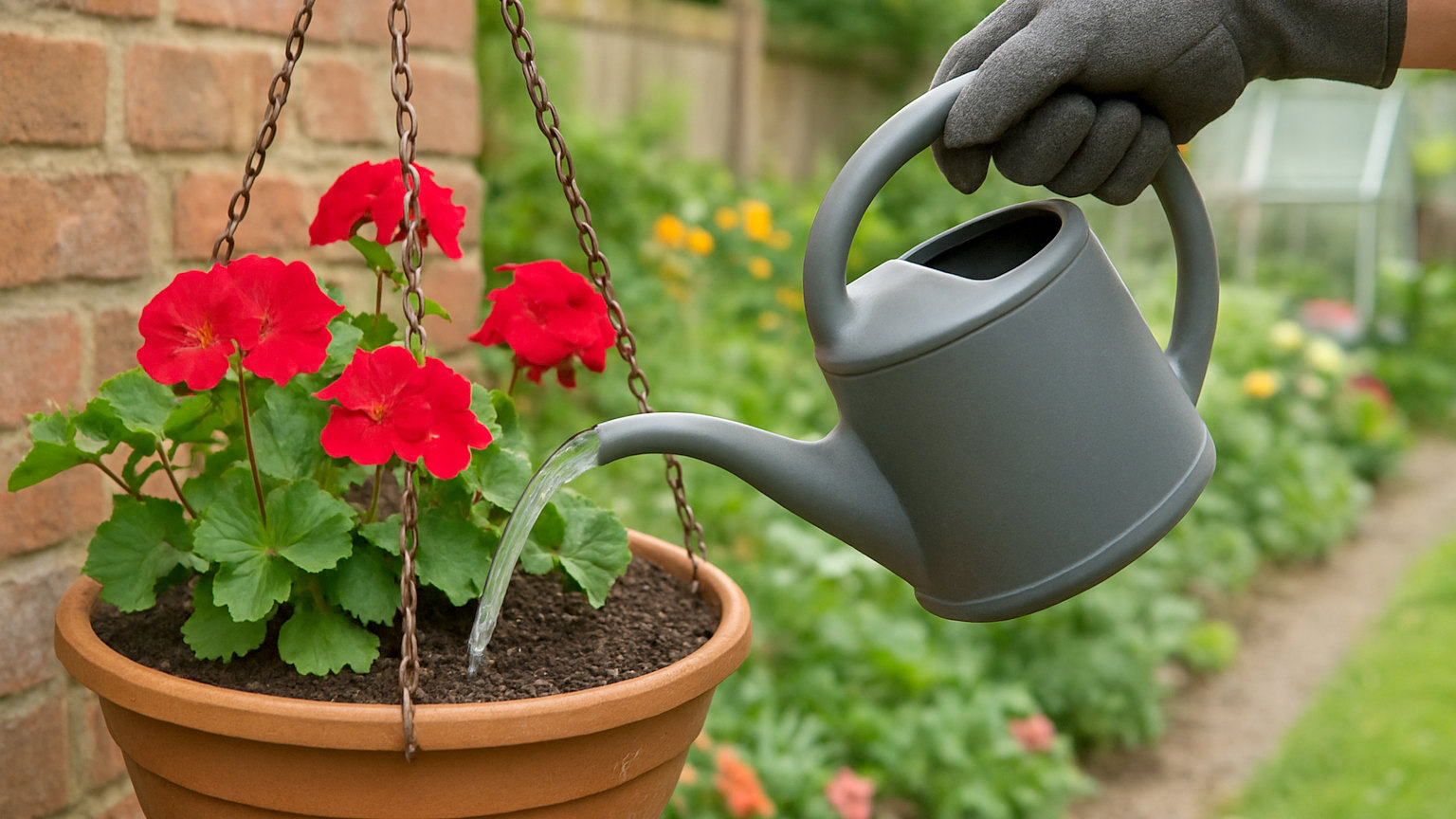
Compost runs out of nutrients in about six weeks, and after that the plant depends entirely on you. What to feed, how often, and the mistakes that scorch roots.