Falls and Drainage
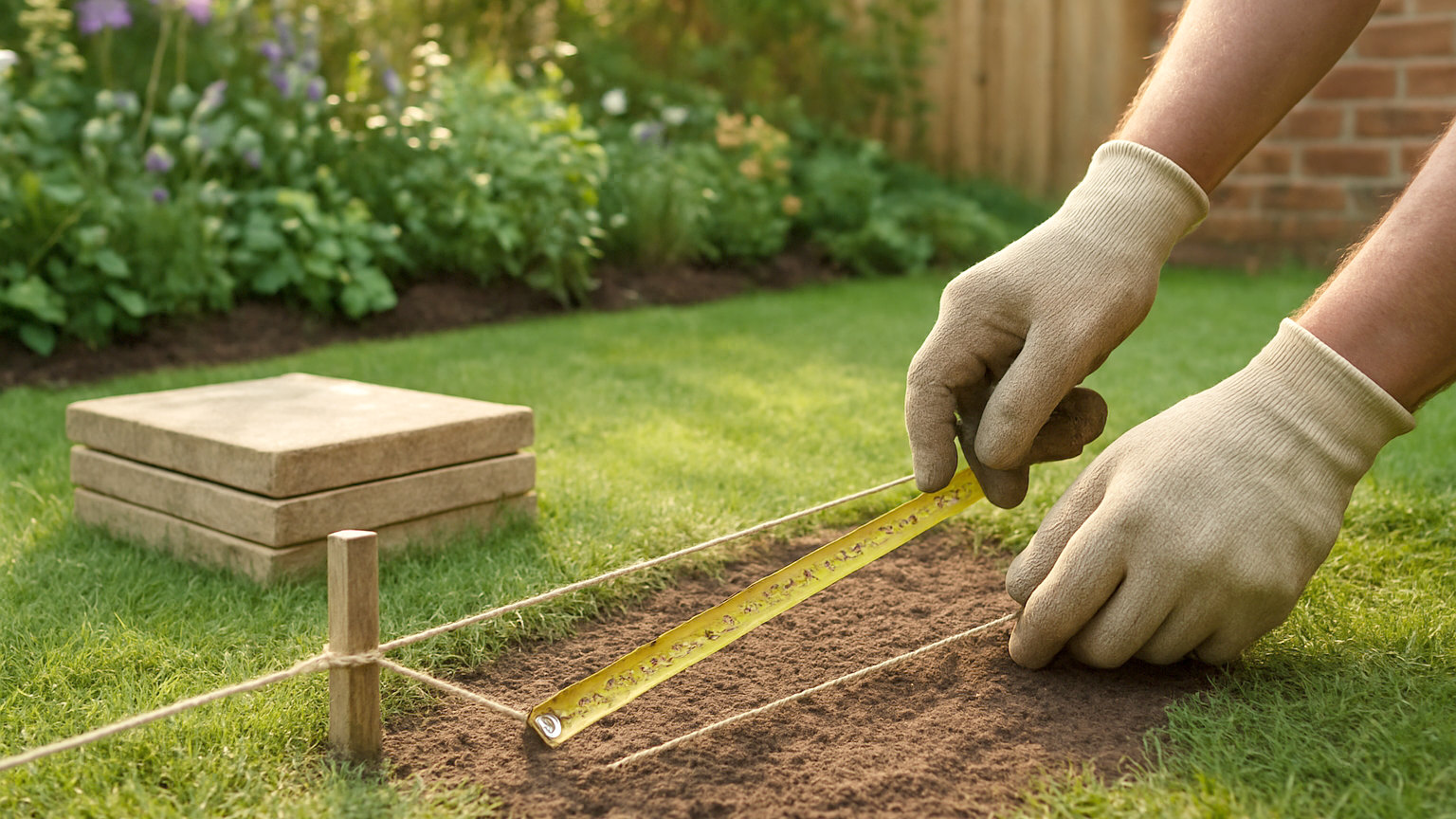
Water must run away from the house, and getting the fall right is decided before any paving is laid. Gradients, where the water goes, and the damp course.
By Gardening Guides Editorial
31 Jul 2026

A garden design is mostly a set of decisions about where people walk, where they sit and what they look at, and the planting comes last. These guides cover the planning first, then the projects themselves - path, patio, bed, fence, pond - with the materials, the rough costs and the parts that are genuinely worth paying someone else to do. Small, shady, sloping and rented gardens get proper coverage rather than a paragraph at the end.
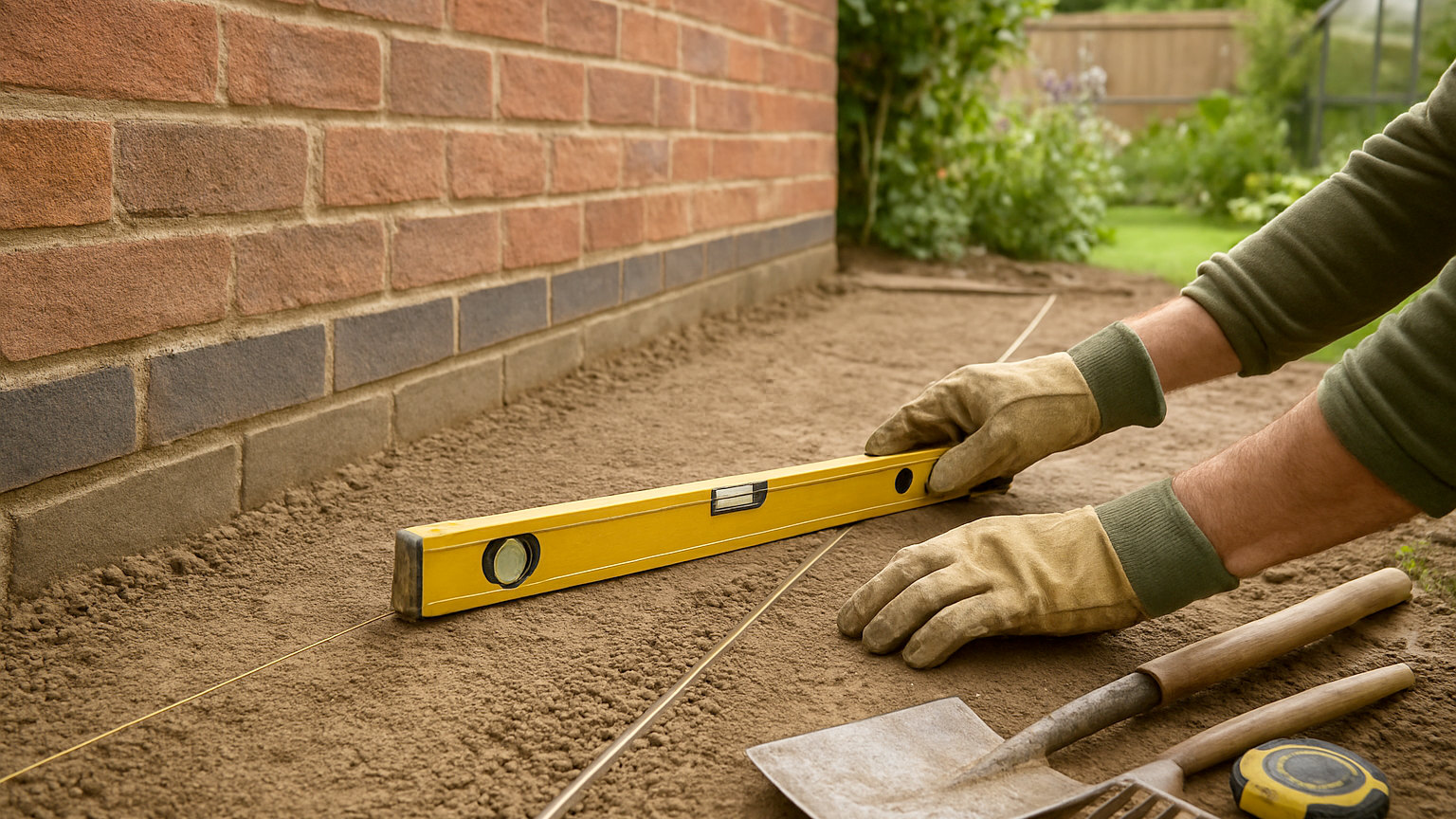
Water must run away from the house, and getting the fall right is decided before any paving is laid. Gradients, where the water goes, and the damp course.
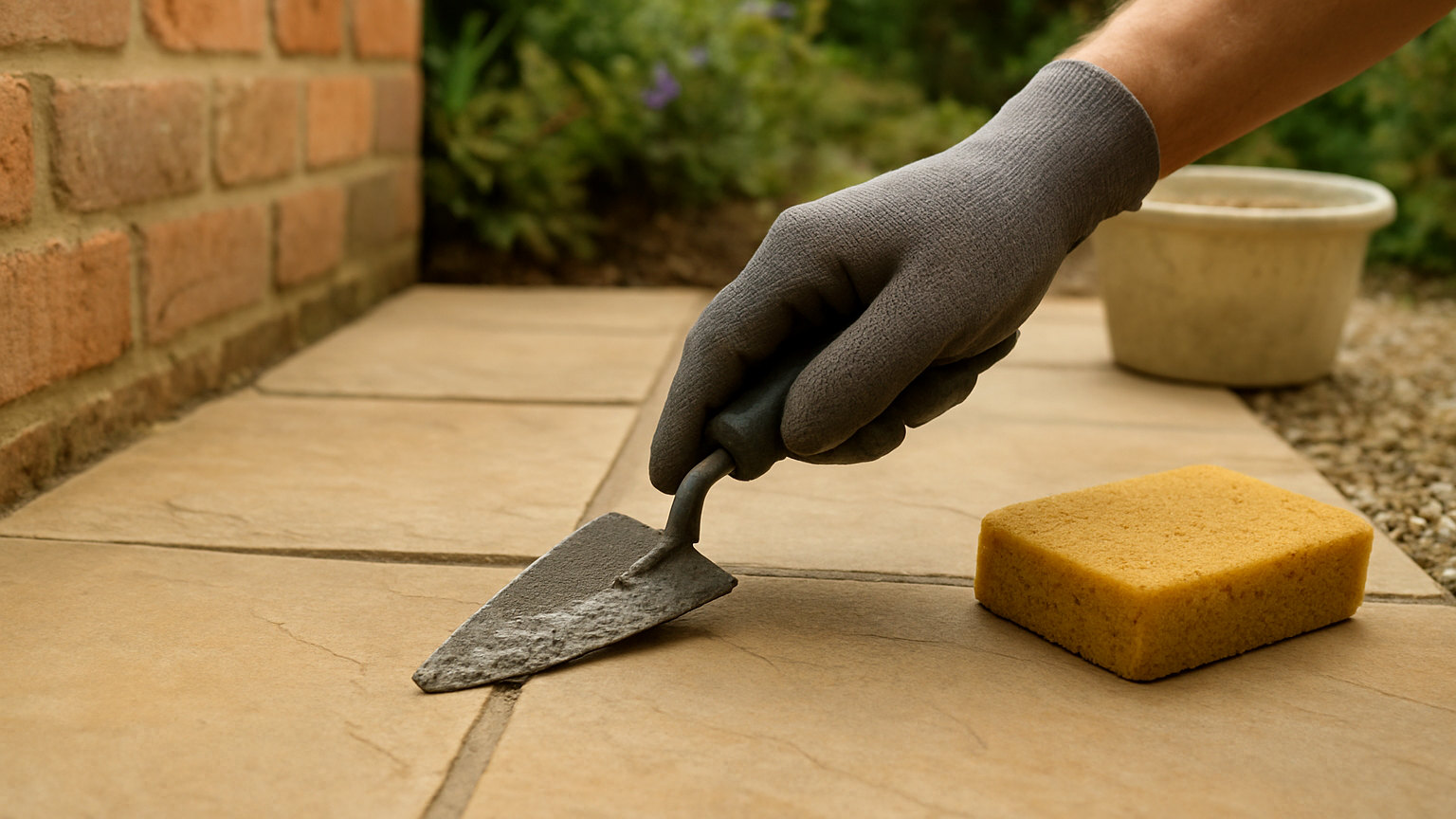
The joints are what fail first on most paving, and dry-brushing a cement mix into them is the usual reason. What to use, and how to avoid staining the stone.
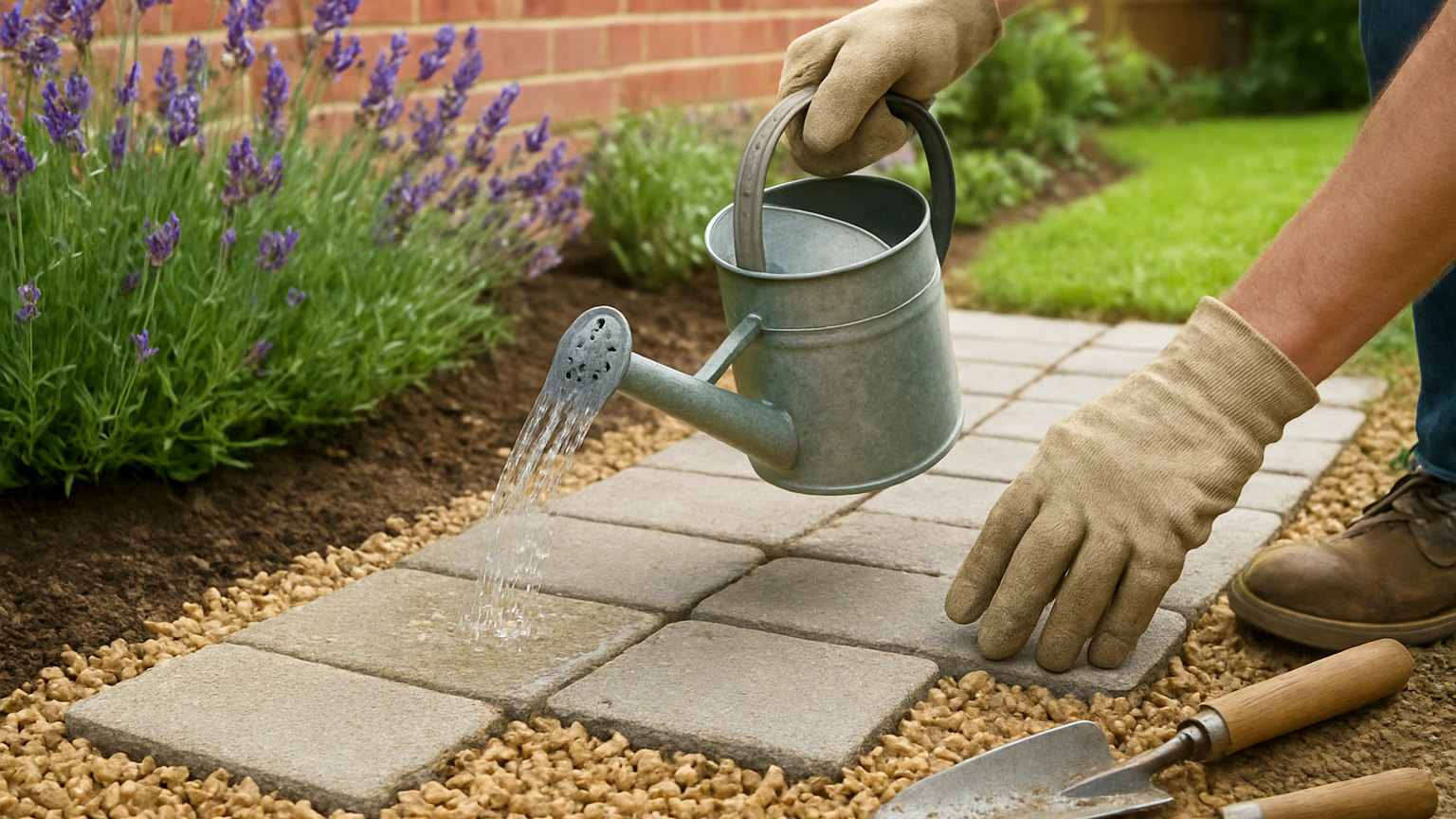
Water soaking through a surface rather than running off avoids most drainage problems and, in a front garden, avoids needing planning permission.
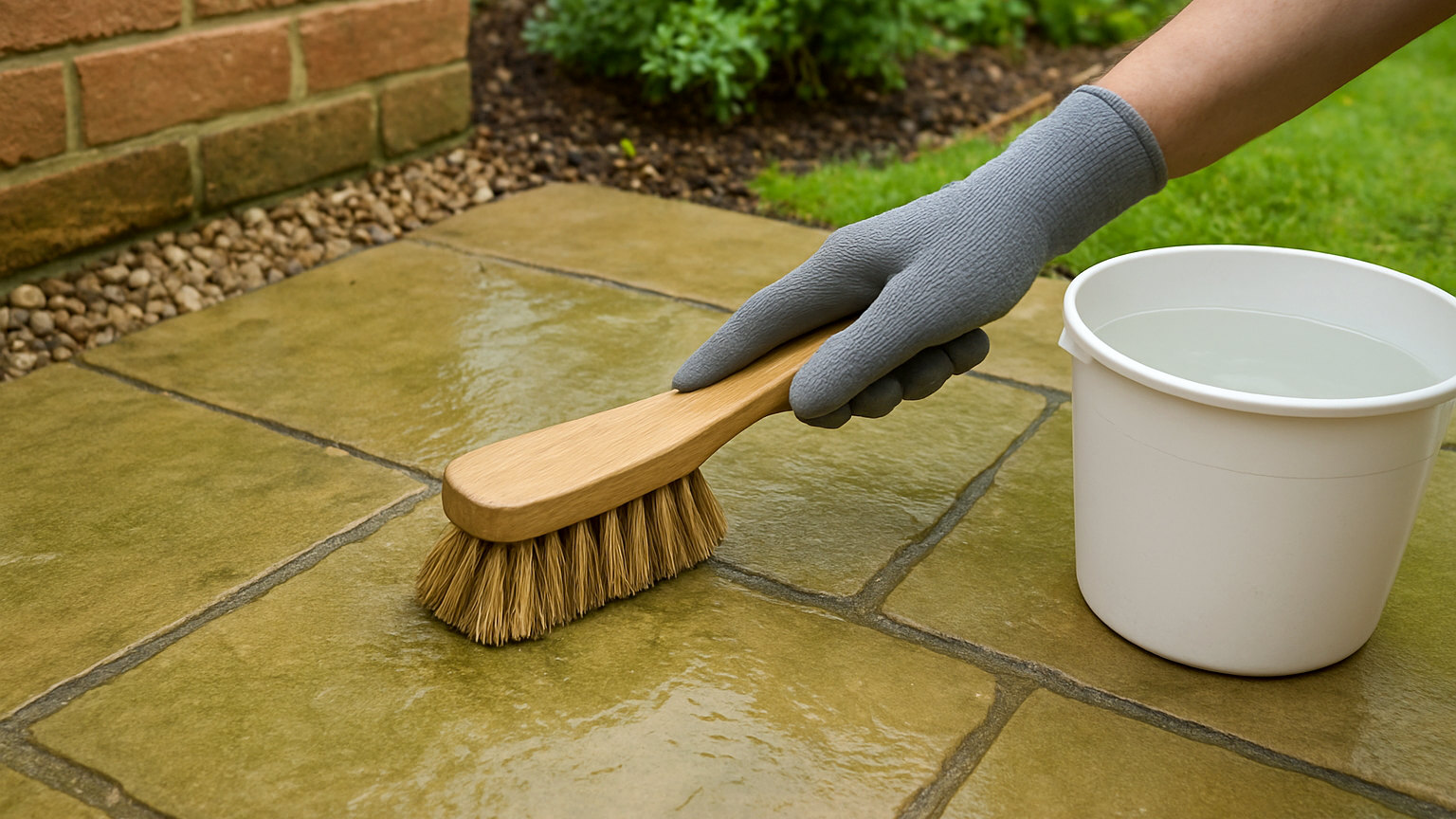
A pressure washer at full setting strips the surface off soft stone and blows the joints out. What to use on each material, and the routine that prevents most of it.
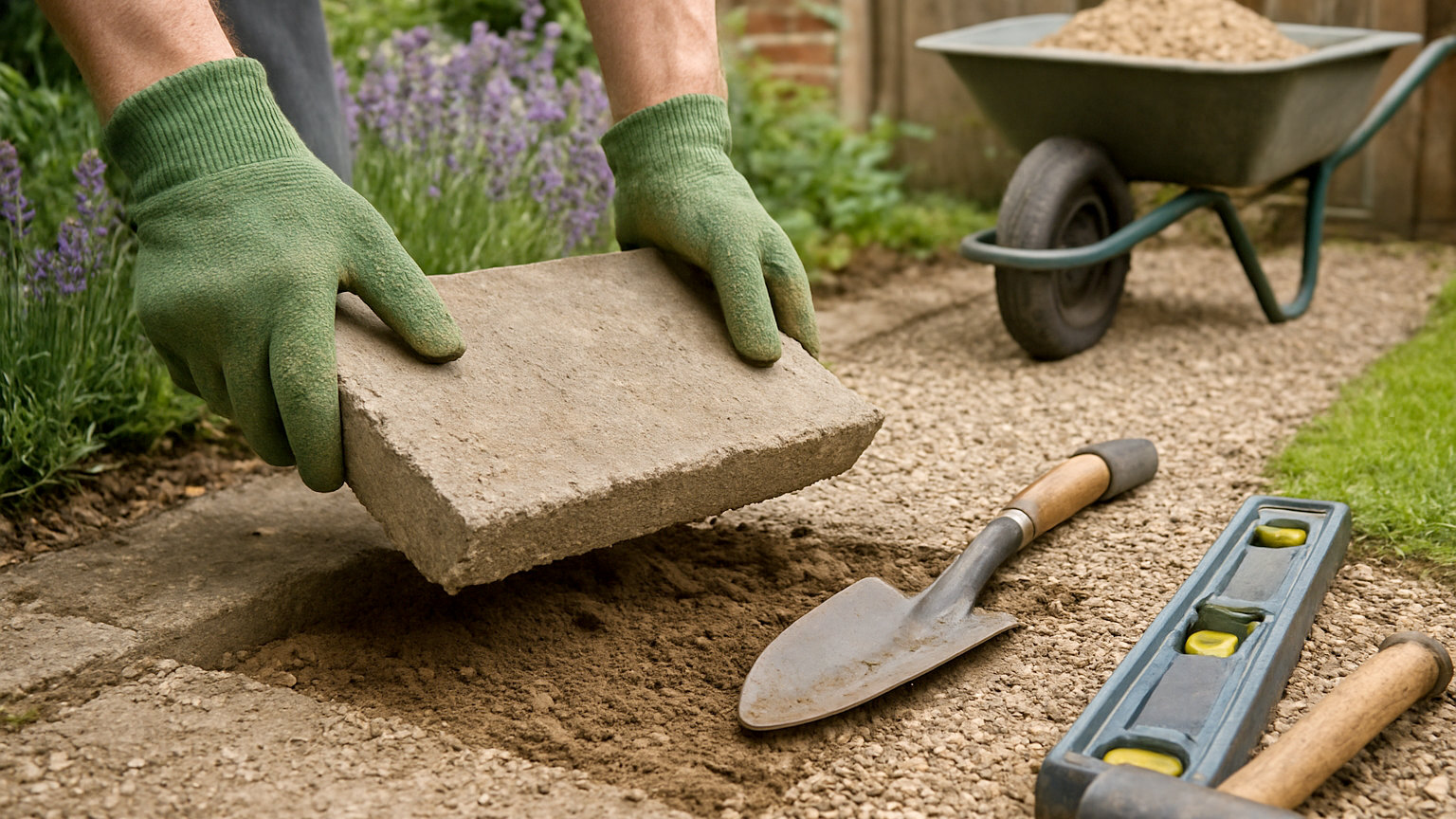
A rocking slab or a sunken patch is a symptom of what is underneath, and relaying without correcting the cause simply repeats it. Diagnosing and fixing each.
The area right outside the back door is often the worst place for a terrace. Working out where the sun falls when you actually want to sit, and finding shelter.
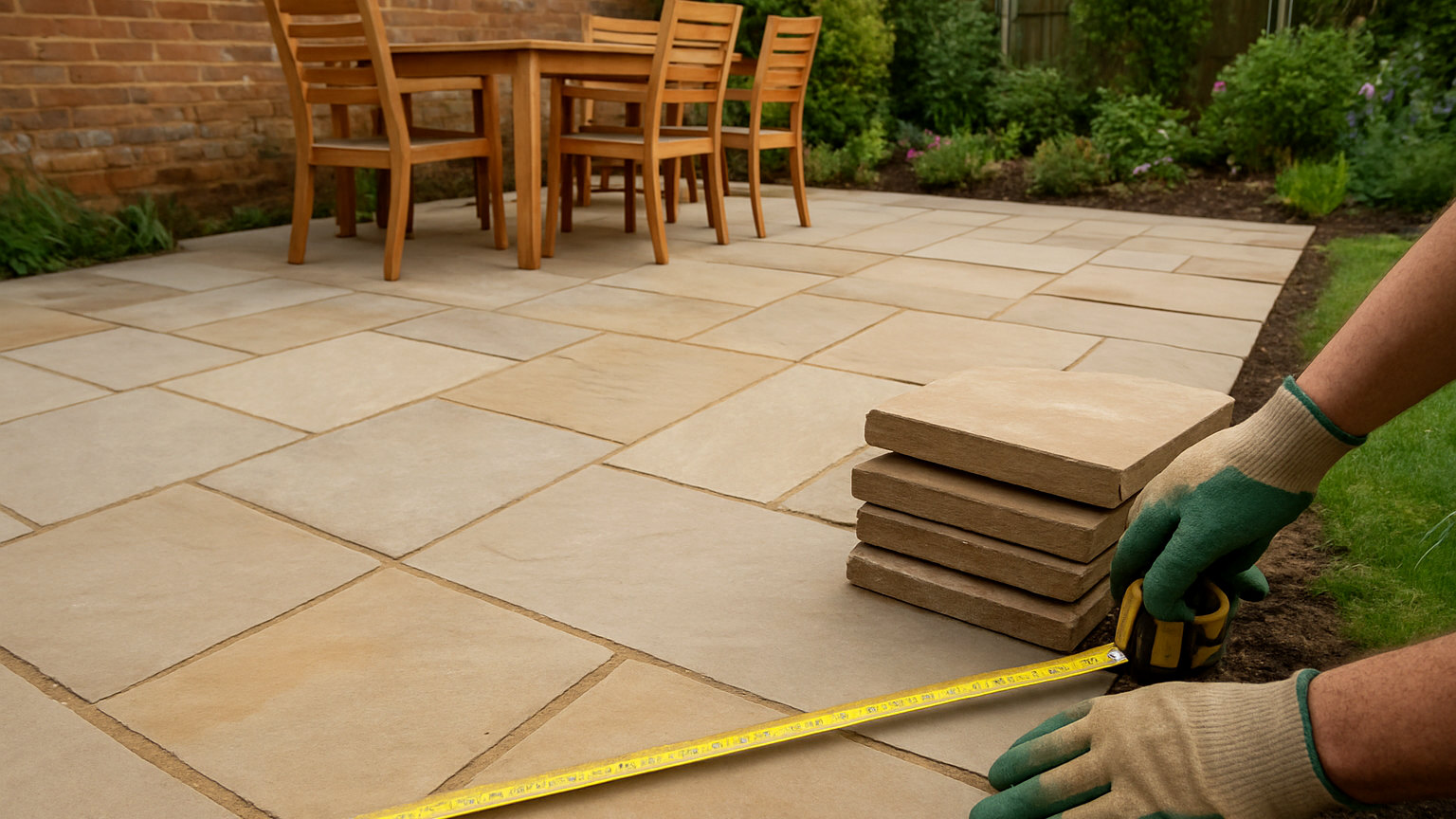
Terraces are almost always built too small, because the area needed for chairs pulled out and people walking round is much larger than the table suggests.
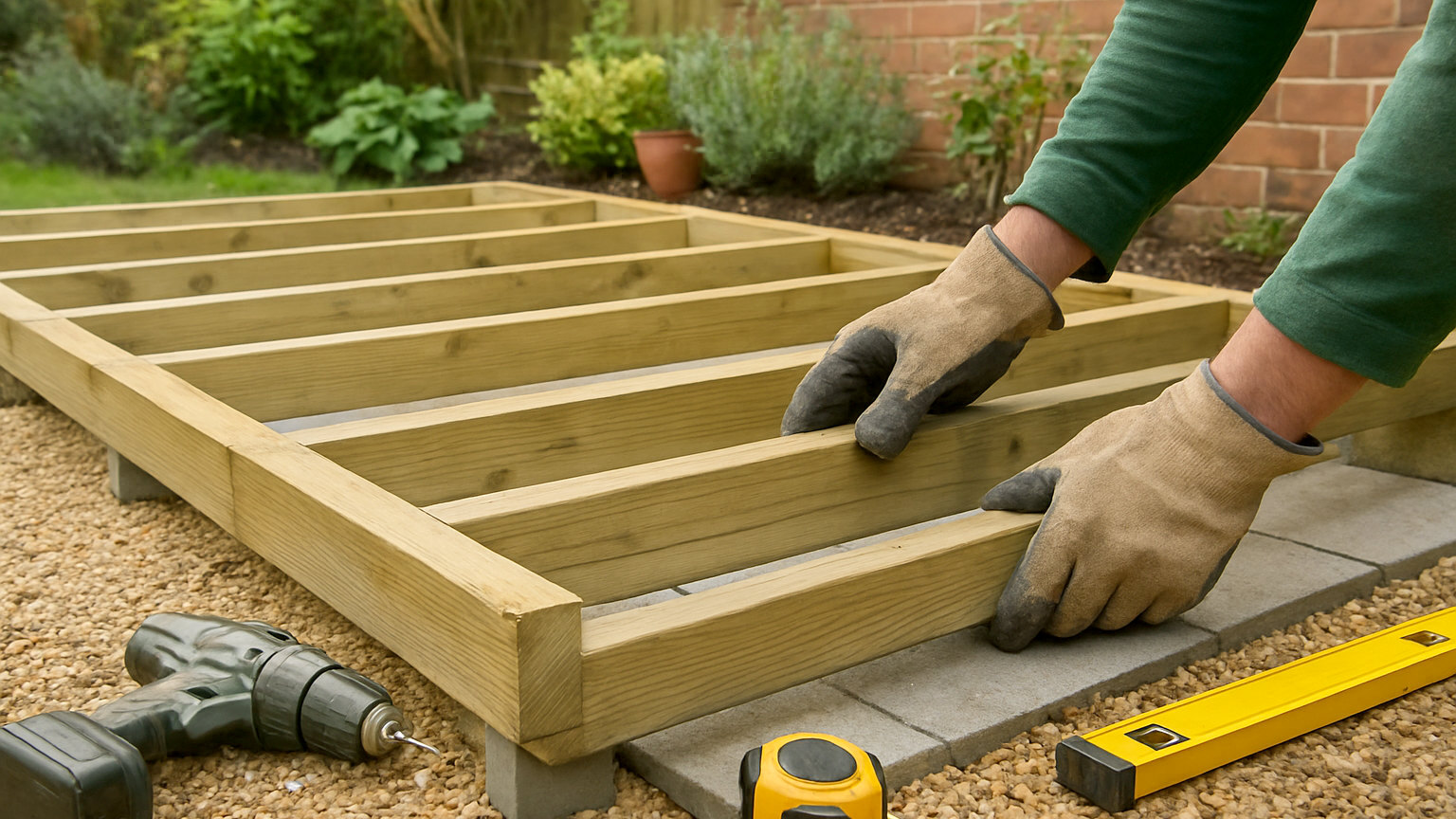
A deck is only as good as the frame under it, and rot starts where timber meets the ground. Joist spacing, ventilation, and supporting the structure properly.
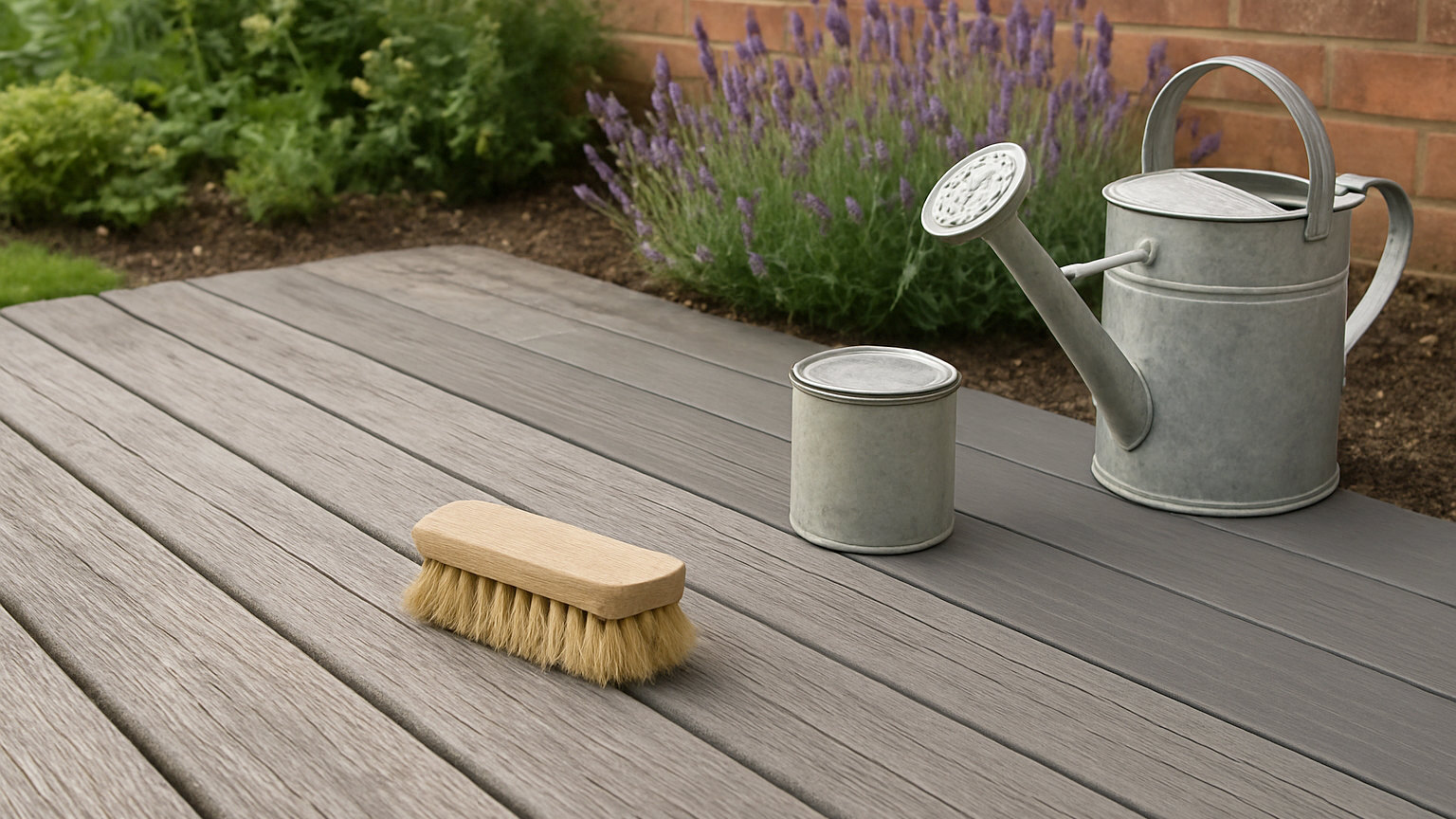
Composite costs more and needs no treating; timber costs less and needs attention every year or two. What each is actually like after five years.
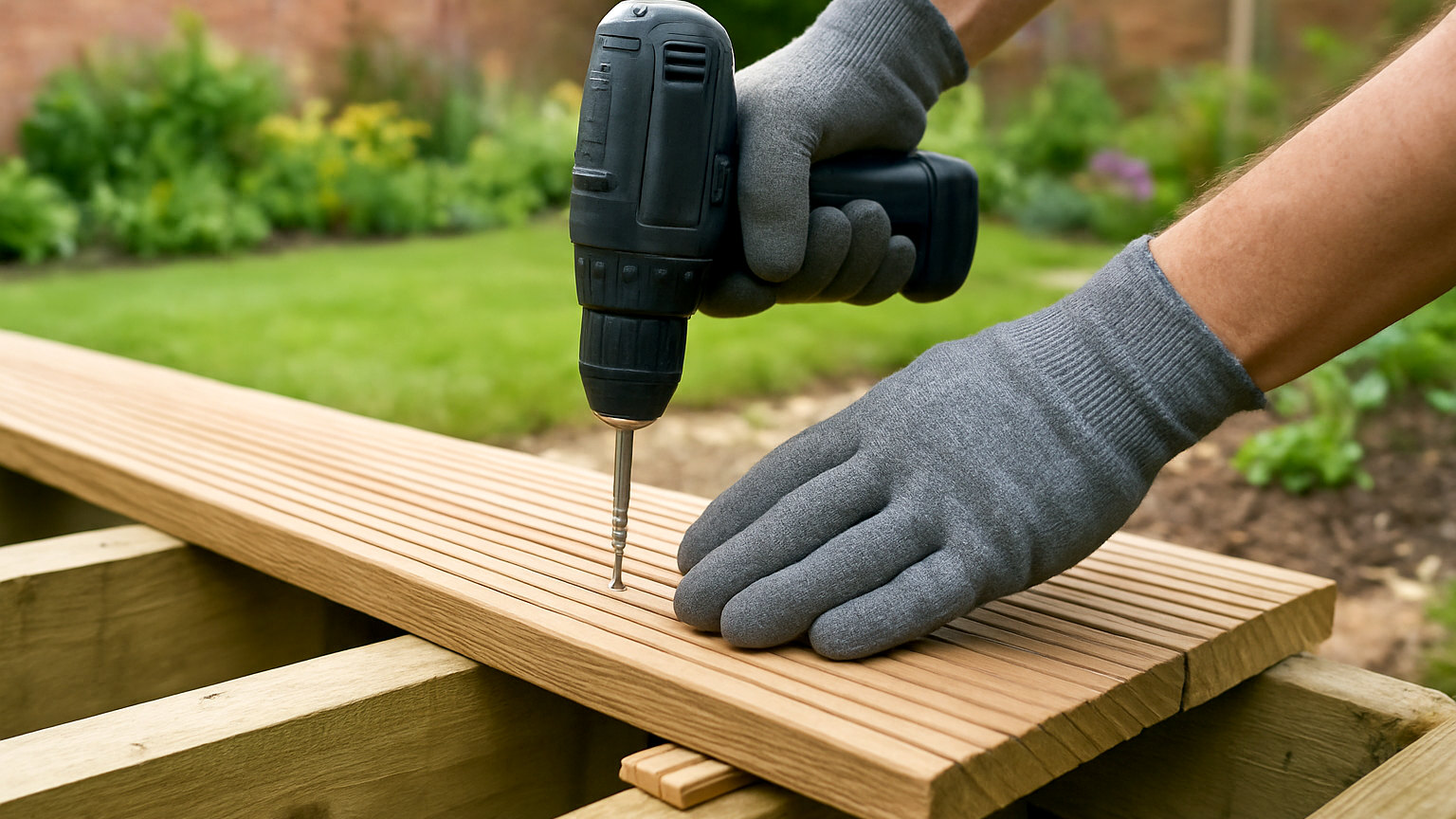
Gaps between boards let water through and allow for movement, and getting them wrong causes most of the problems. Fixings, spacing and board direction.
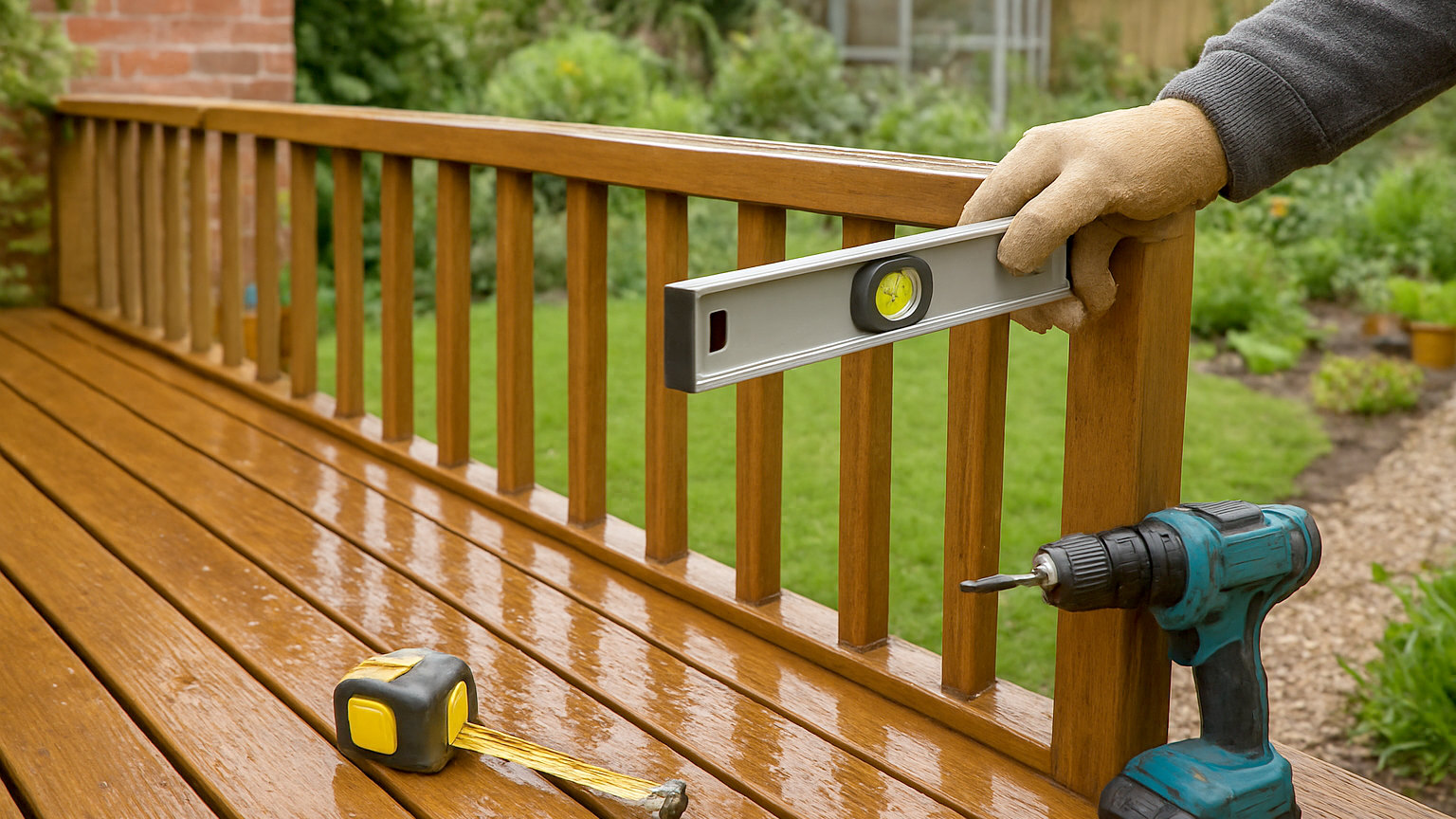
Wet decking is genuinely slippery and raised decks need proper balustrades. The heights and gap dimensions that matter, and keeping a surface safe underfoot.
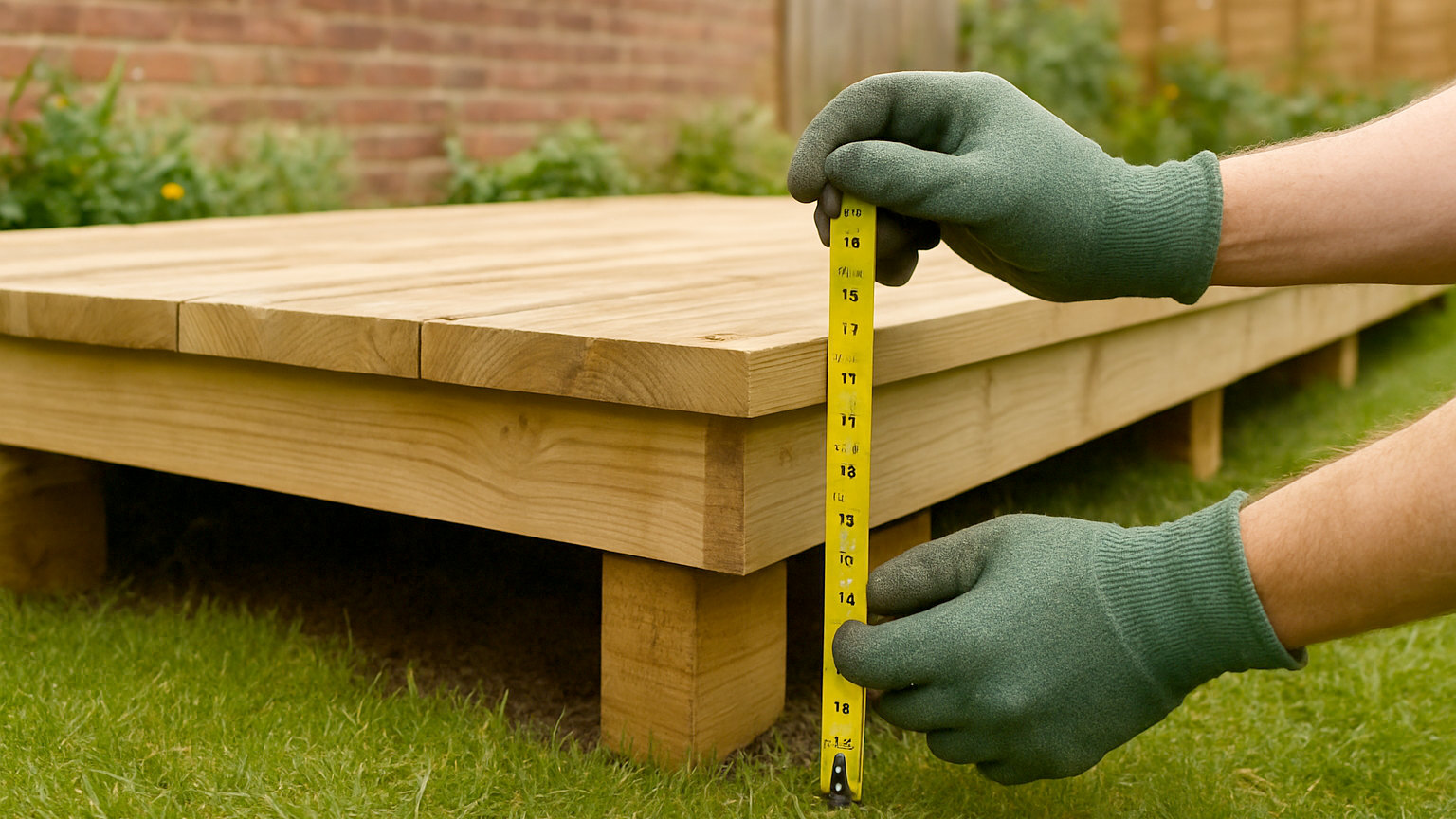
Decking more than thirty centimetres above the ground generally needs planning permission, which catches a great many people out after the work is done.