Small Water Features and Pumps
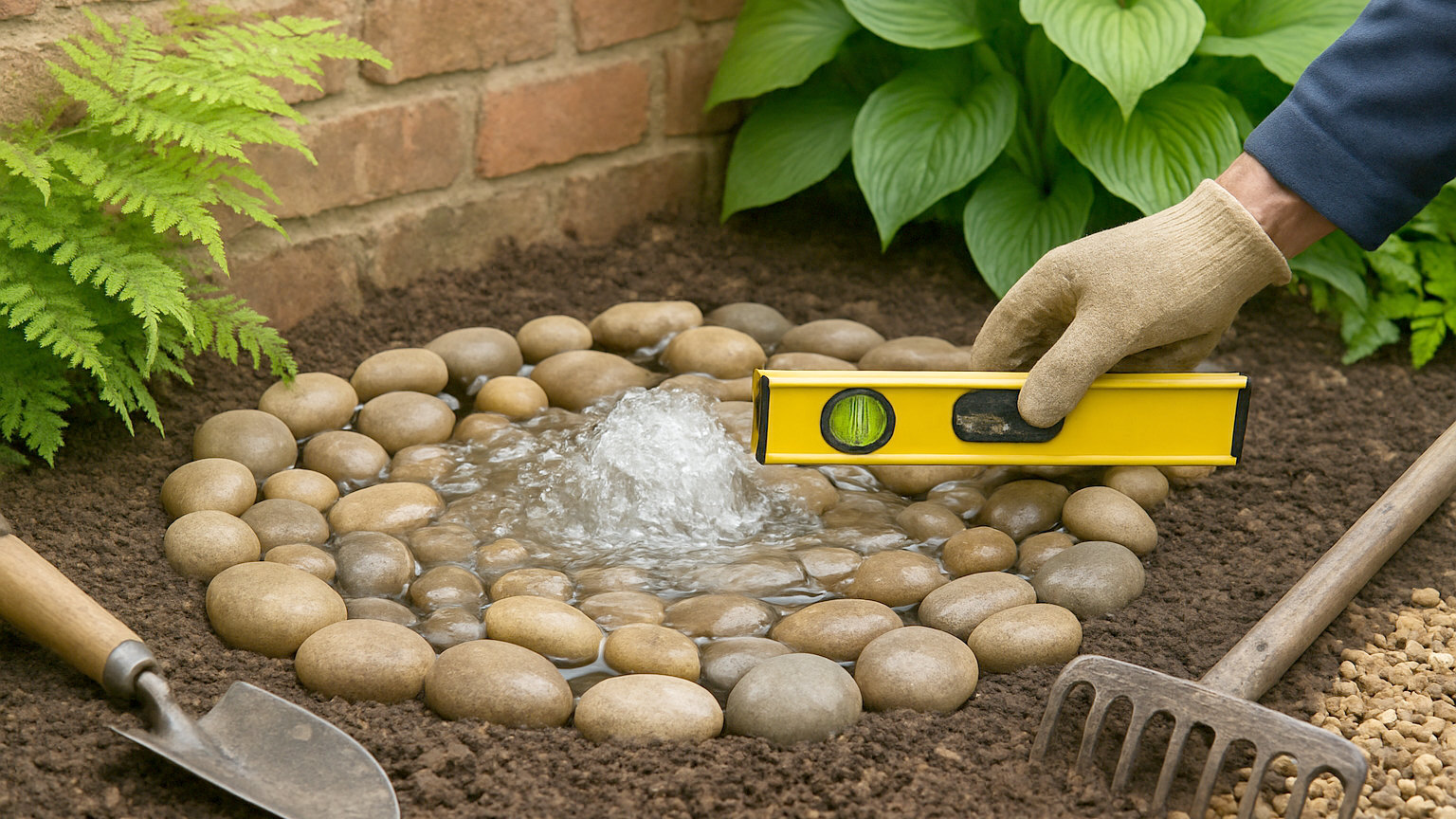
A bubbling pebble pool gives the sound of water with no open water at all, which makes it the sensible choice with small children. Choosing a pump and sizing a reservoir.
A garden design is mostly a set of decisions about where people walk, where they sit and what they look at, and the planting comes last. These guides cover the planning first, then the projects themselves - path, patio, bed, fence, pond - with the materials, the rough costs and the parts that are genuinely worth paying someone else to do. Small, shady, sloping and rented gardens get proper coverage rather than a paragraph at the end.
A bubbling pebble pool gives the sound of water with no open water at all, which makes it the sensible choice with small children. Choosing a pump and sizing a reservoir.
Seeing the whole plot at a glance is what makes it feel small. Hiding part of it, using diagonals, limiting the palette, and why bigger pots look better than small ones.
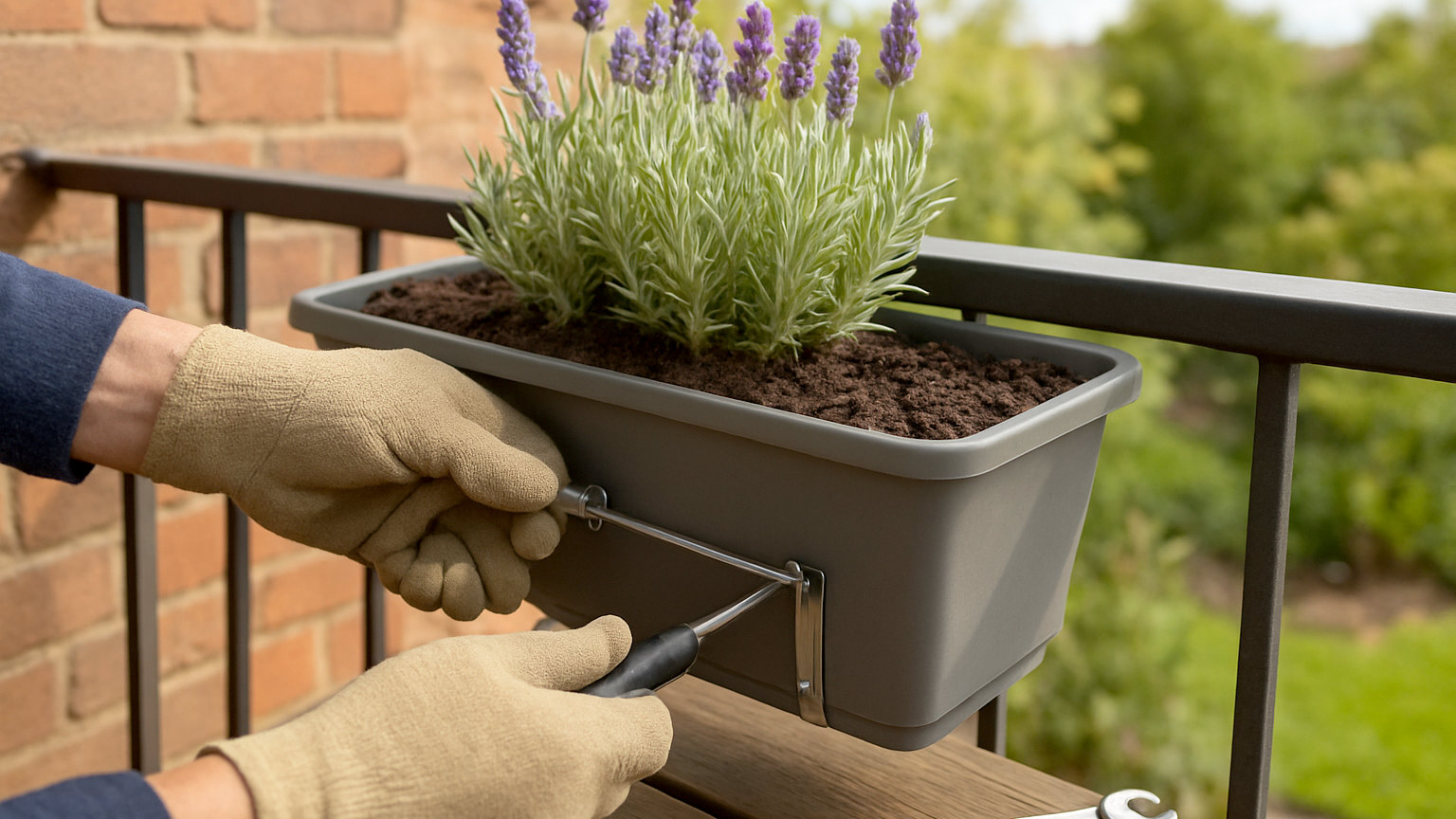
Weight, wind and your lease are the three constraints, and all three are worth checking before buying a single pot. What grows well several floors up, and how to secure it.
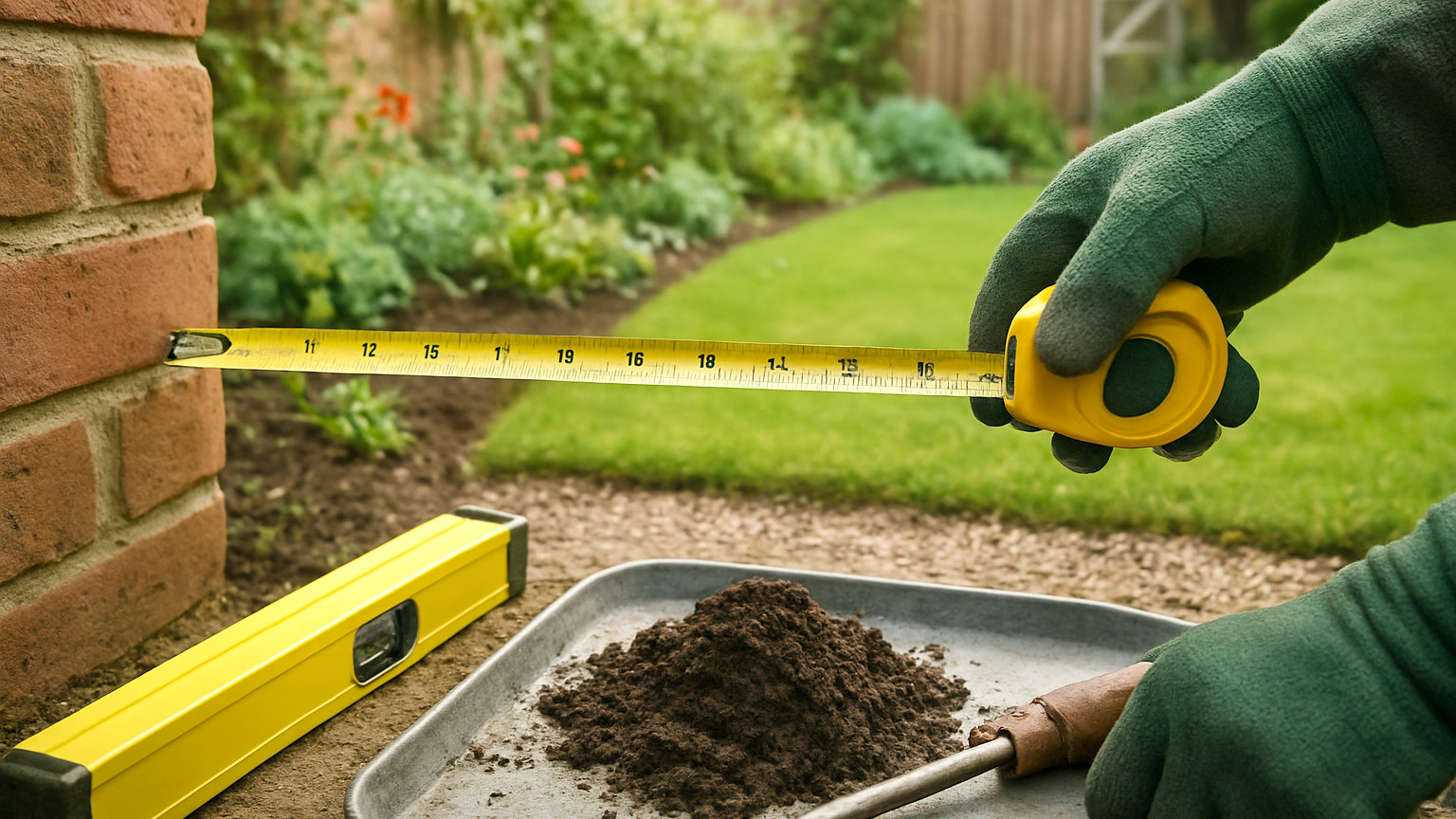
A year of watching a garden tells you more than any amount of planning on paper. What to record, what to test, and the services you must locate first.
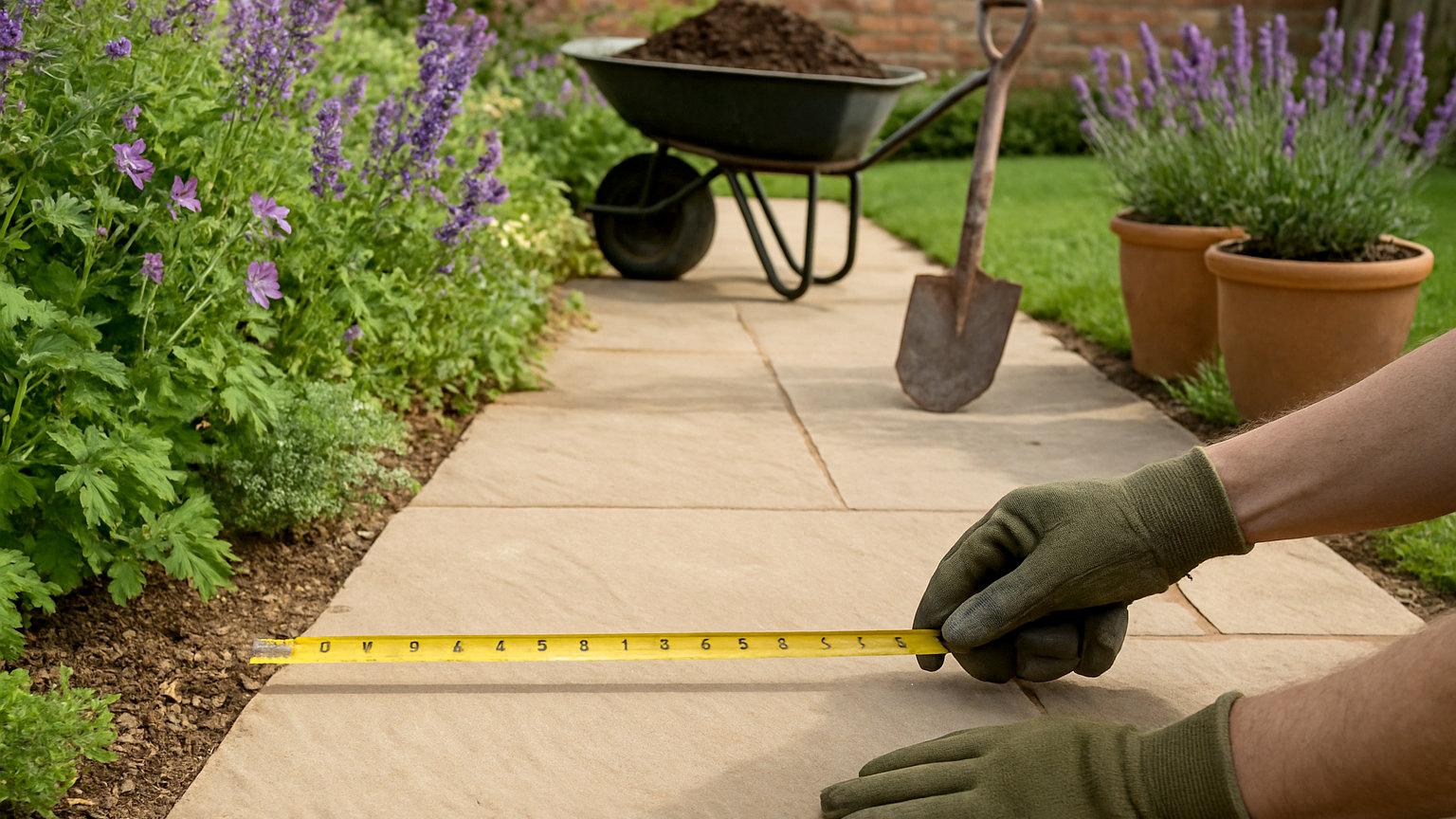
Most gardens are made of pieces that are too small: narrow borders, thin paths, undersized paving. Getting the dimensions right, and why bigger usually reads better.
A garden with something to look at feels designed; one without feels like a collection of plants. Placing focal points, and controlling what is seen from where.
A garden you cannot see all at once feels larger than one you can. How to divide a space, and why it works even in a very small plot.
Formal gardens use symmetry and straight lines; informal ones use curves and asymmetry. Choosing between them, and why mixing them badly is the usual mistake.
Low maintenance is designed in rather than achieved later, and paving everything is not the answer. The decisions that genuinely reduce work.
Children need somewhere robust to play and clear sightlines from the house, and water needs careful thought. Designing for a garden that adapts as they grow.
Wide level paths, raised beds at working height and somewhere to sit make a garden usable for far more people. The dimensions that matter, and small changes that help.
Hard landscaping consumes most of a garden budget and planting is the cheap part. Where the money goes, what to do first, and where to save.