Vertical Growing and Green Walls
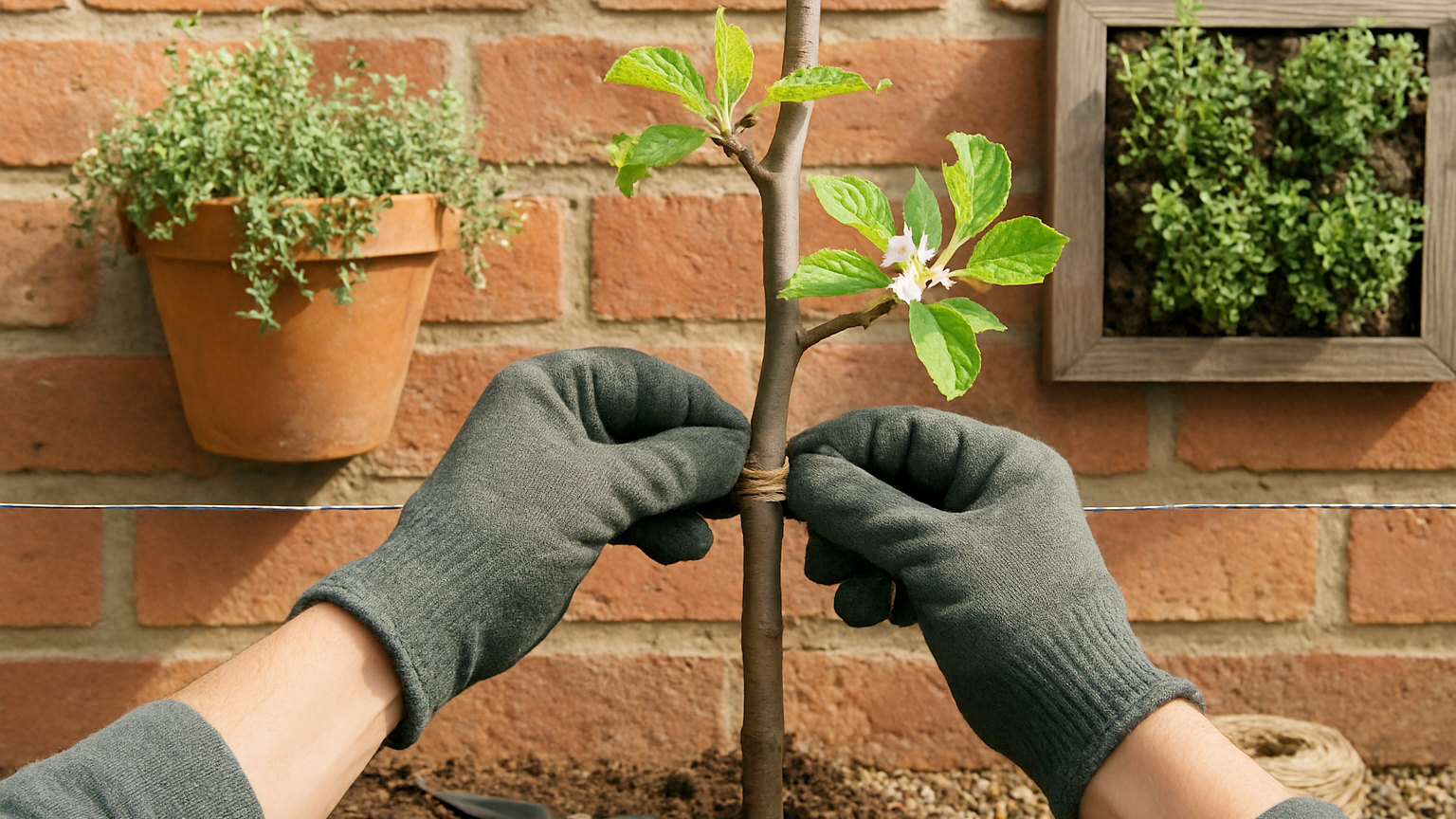
Walls and fences are the largest unused surface in a small garden. Climbers, trained fruit, wall pots and living walls, and what each demands.
By Gardening Guides Editorial
31 Jul 2026

A garden design is mostly a set of decisions about where people walk, where they sit and what they look at, and the planting comes last. These guides cover the planning first, then the projects themselves - path, patio, bed, fence, pond - with the materials, the rough costs and the parts that are genuinely worth paying someone else to do. Small, shady, sloping and rented gardens get proper coverage rather than a paragraph at the end.
Walls and fences are the largest unused surface in a small garden. Climbers, trained fruit, wall pots and living walls, and what each demands.
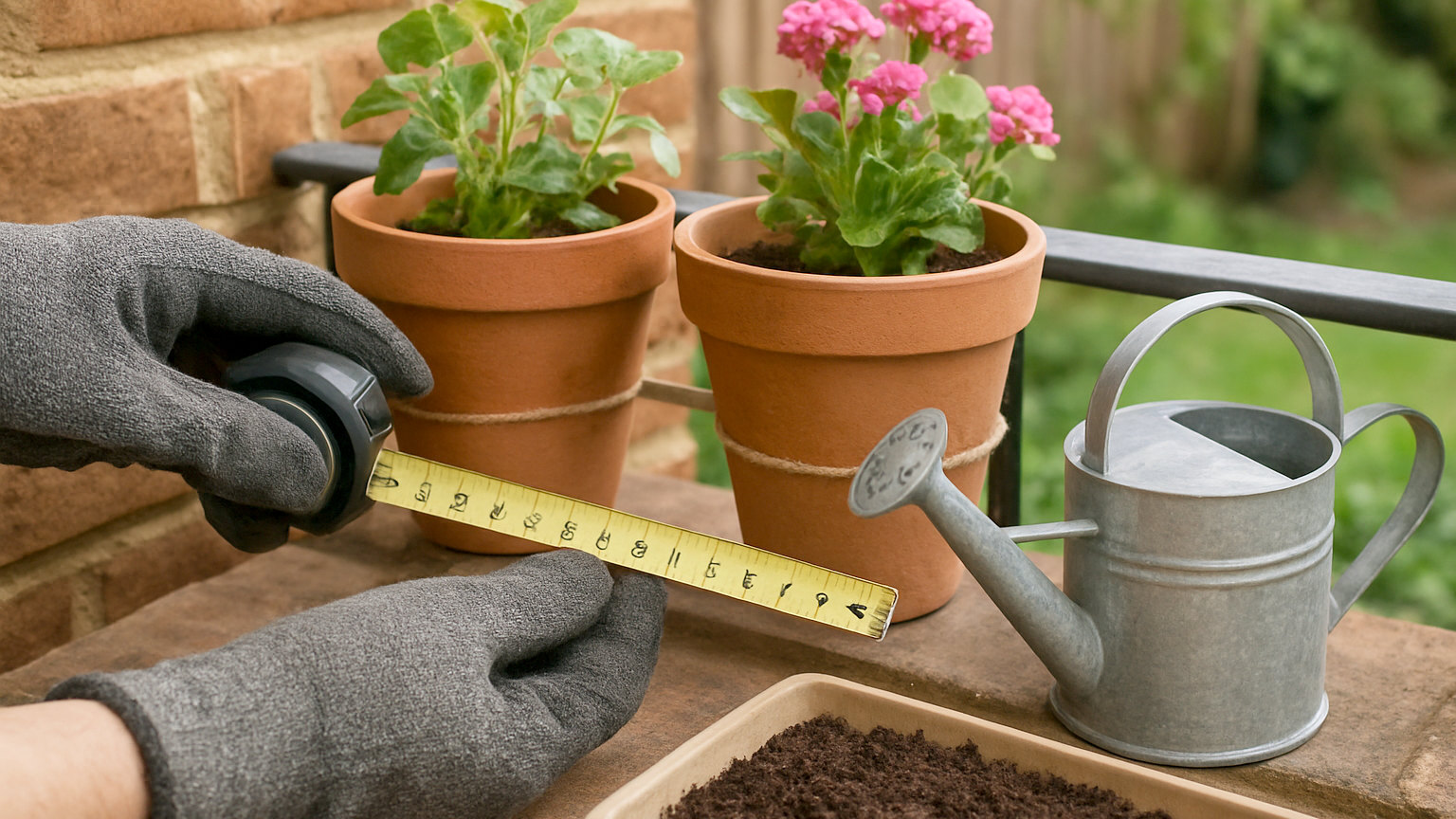
Wet compost and water are far heavier than people assume, and a balcony has a structural limit. Checking before you load it, and securing against wind.
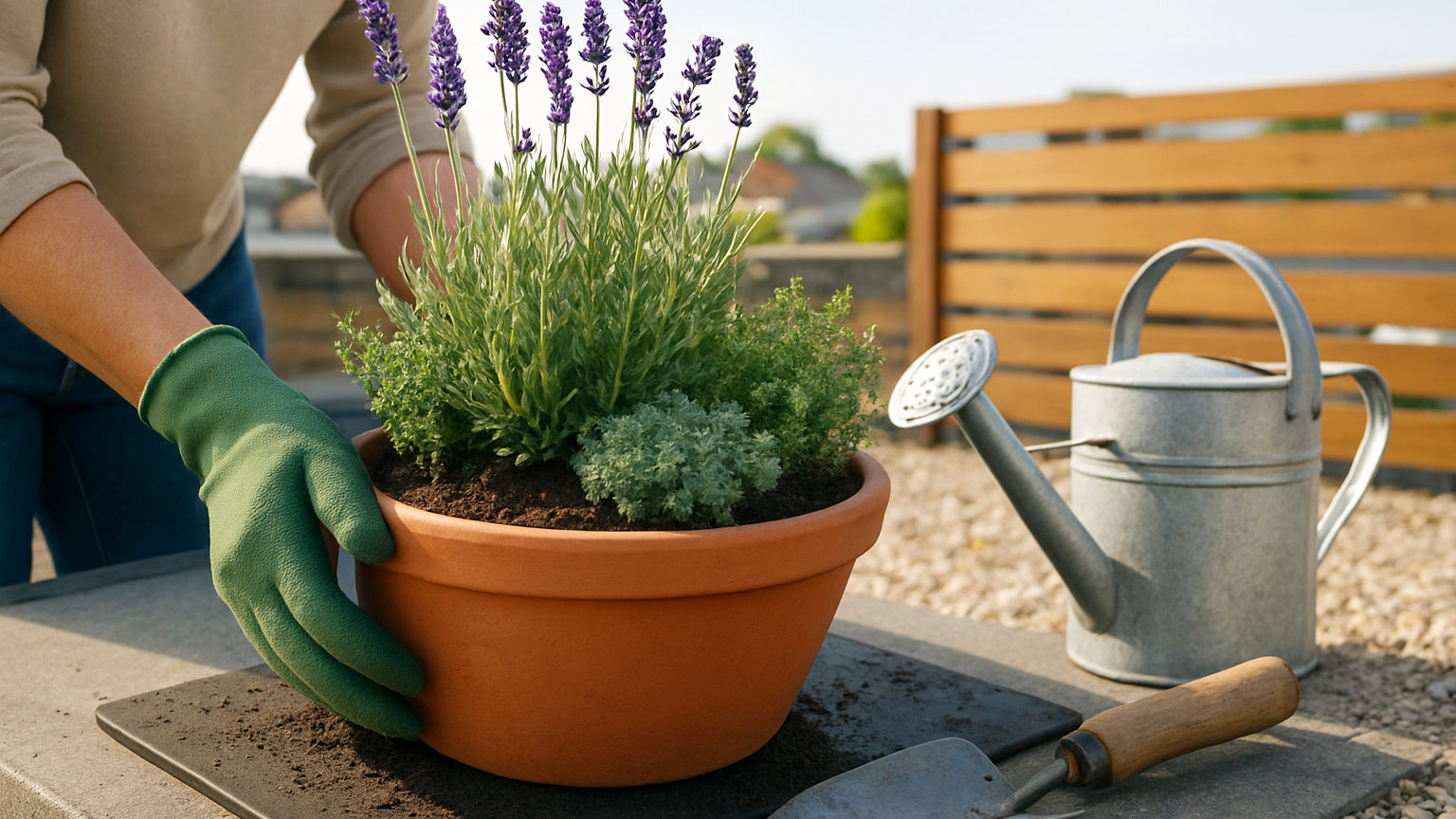
Exposure and weight are the two constraints, and both are more severe than on a balcony. Protecting the membrane, choosing plants and irrigating.
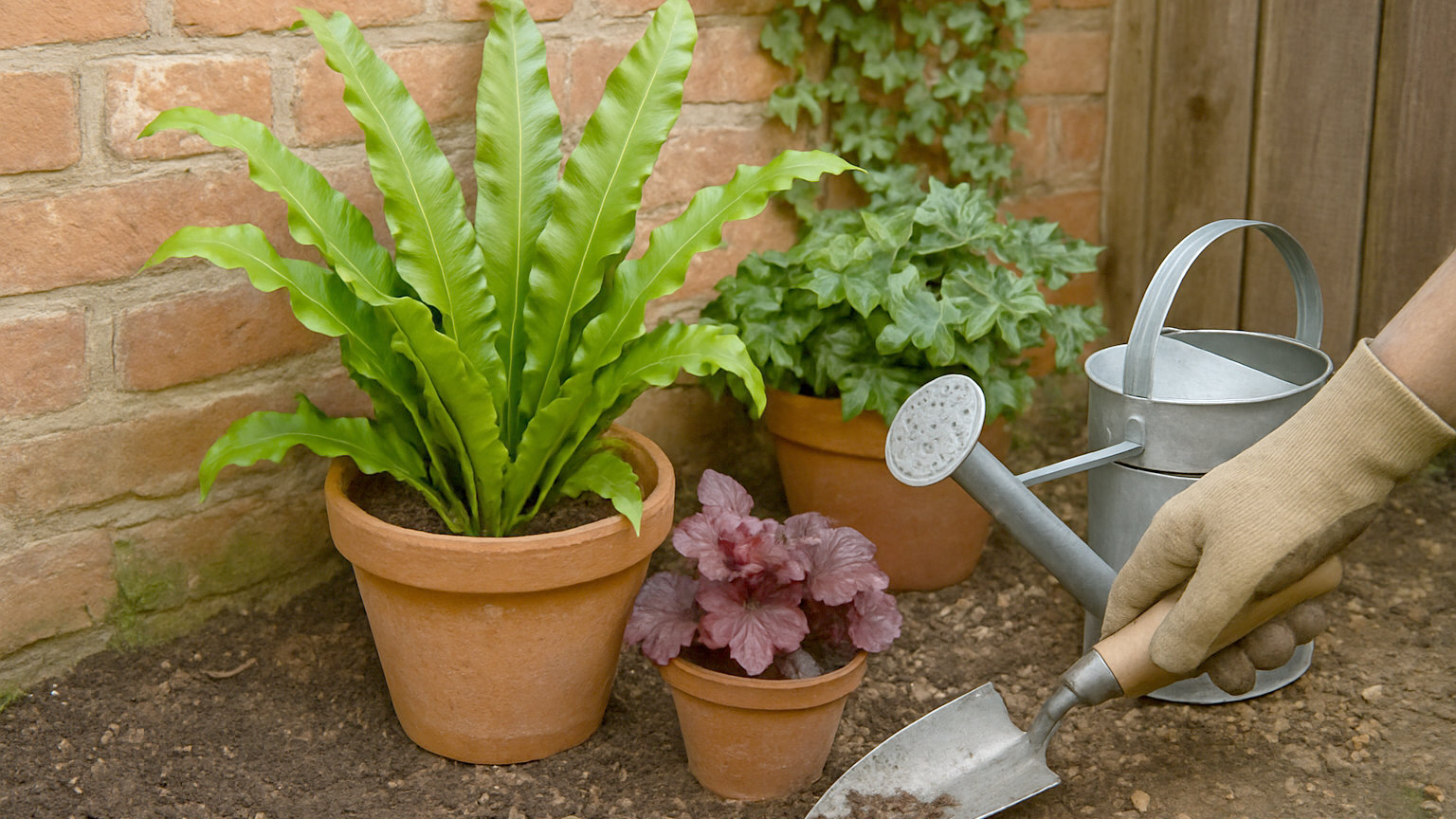
An enclosed courtyard is warm, sheltered and shaded, which suits a distinctive range of plants. Making the most of the walls, and dealing with dry ground.
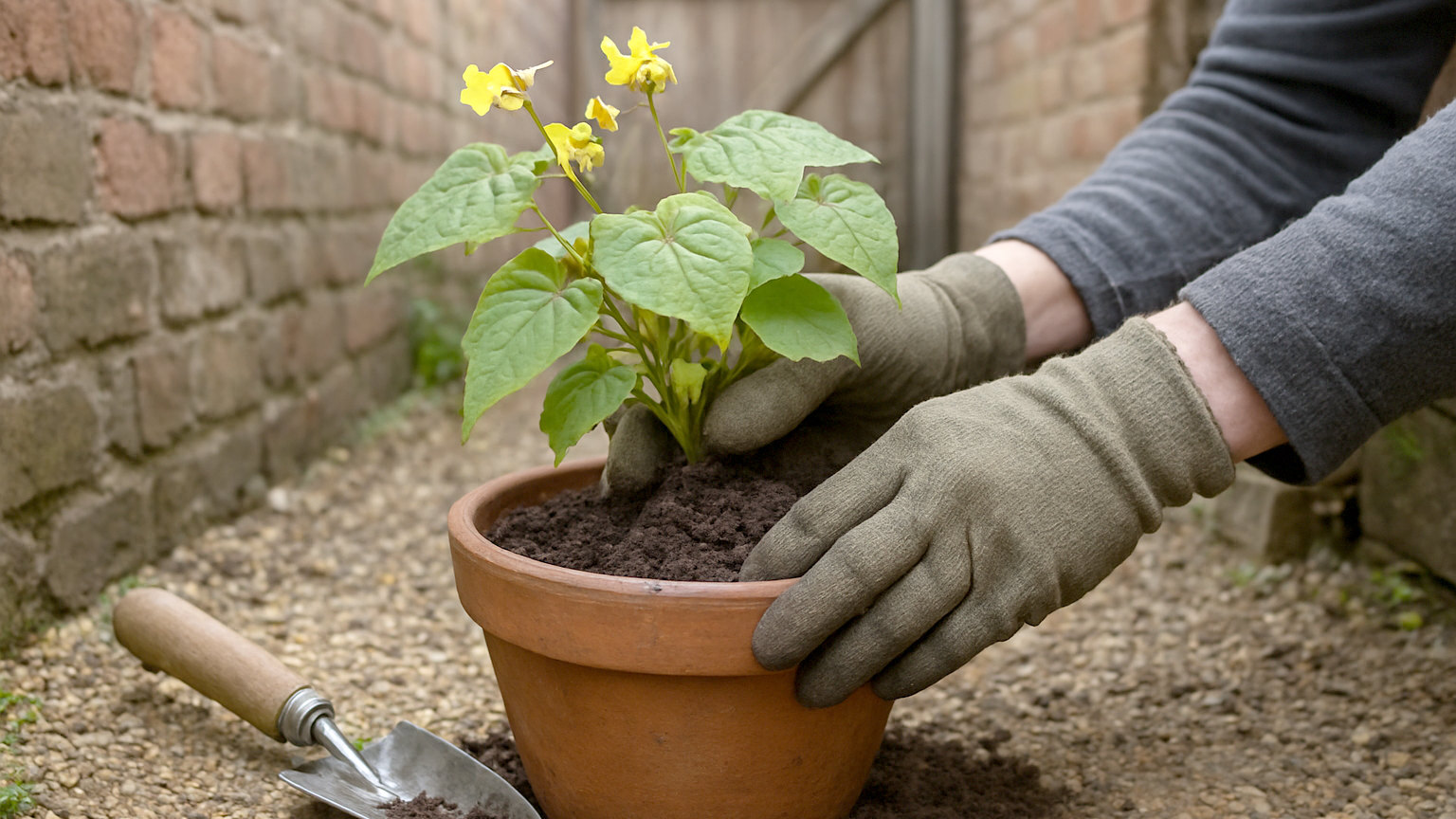
Deep shade, dry ground and very little light reaching the bottom. The plants that genuinely cope, and the changes that make most difference.
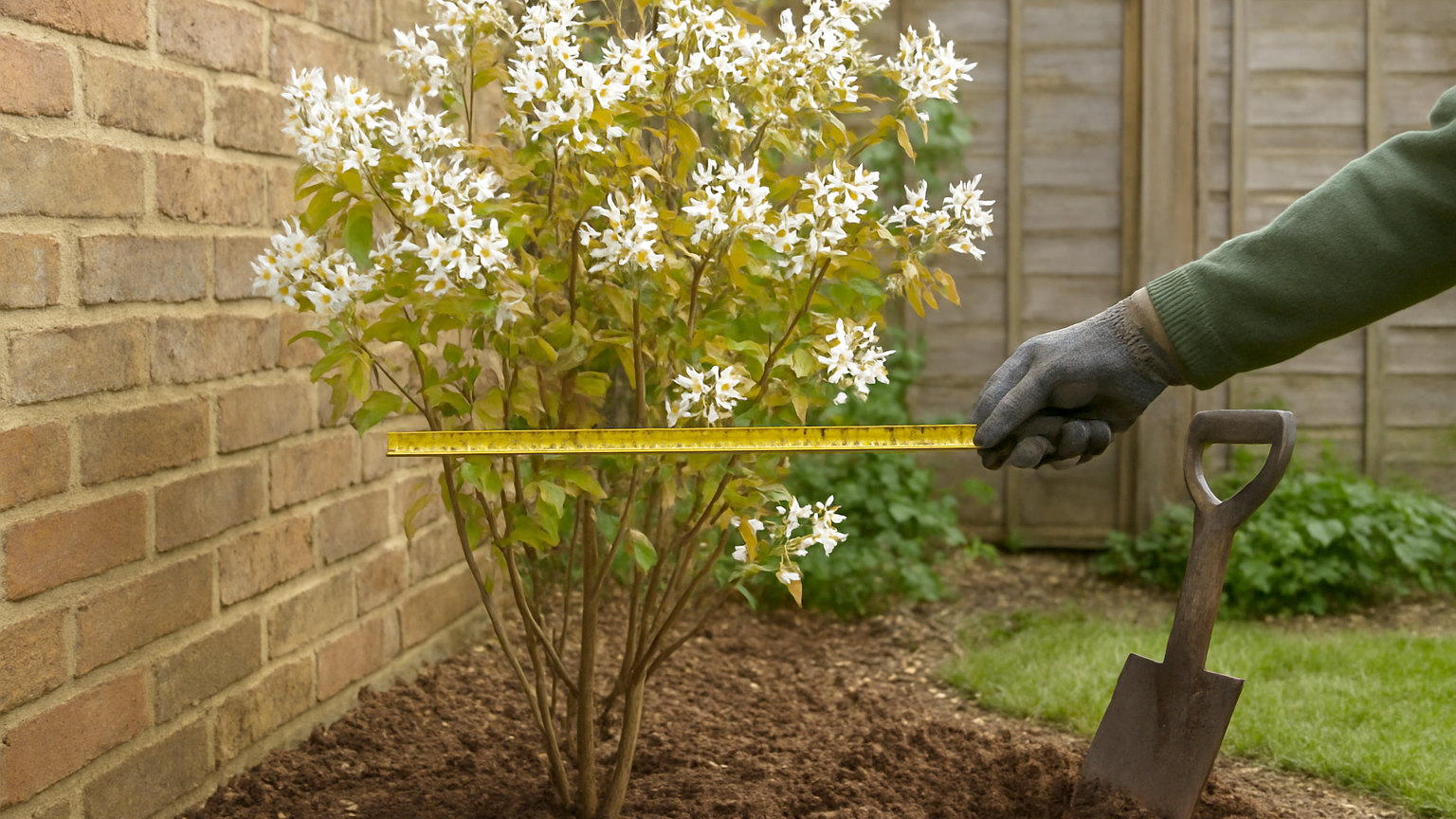
Even a very small garden benefits from a tree, and the choice determines whether it works or becomes a problem. Sizes, distances and reliable species.
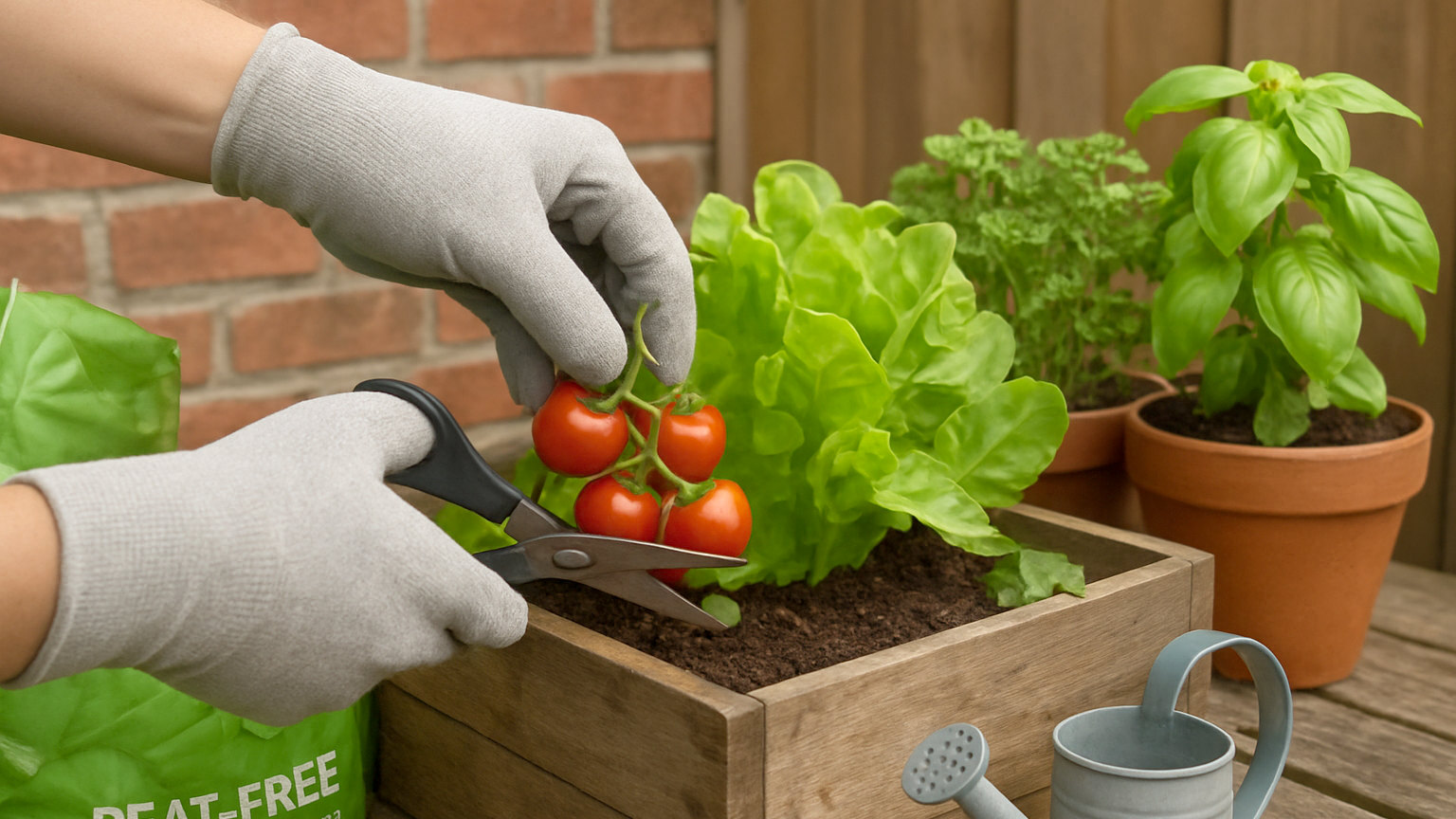
A few square metres can produce a genuinely useful amount if you grow the right things. What is worth the space, and what is not.
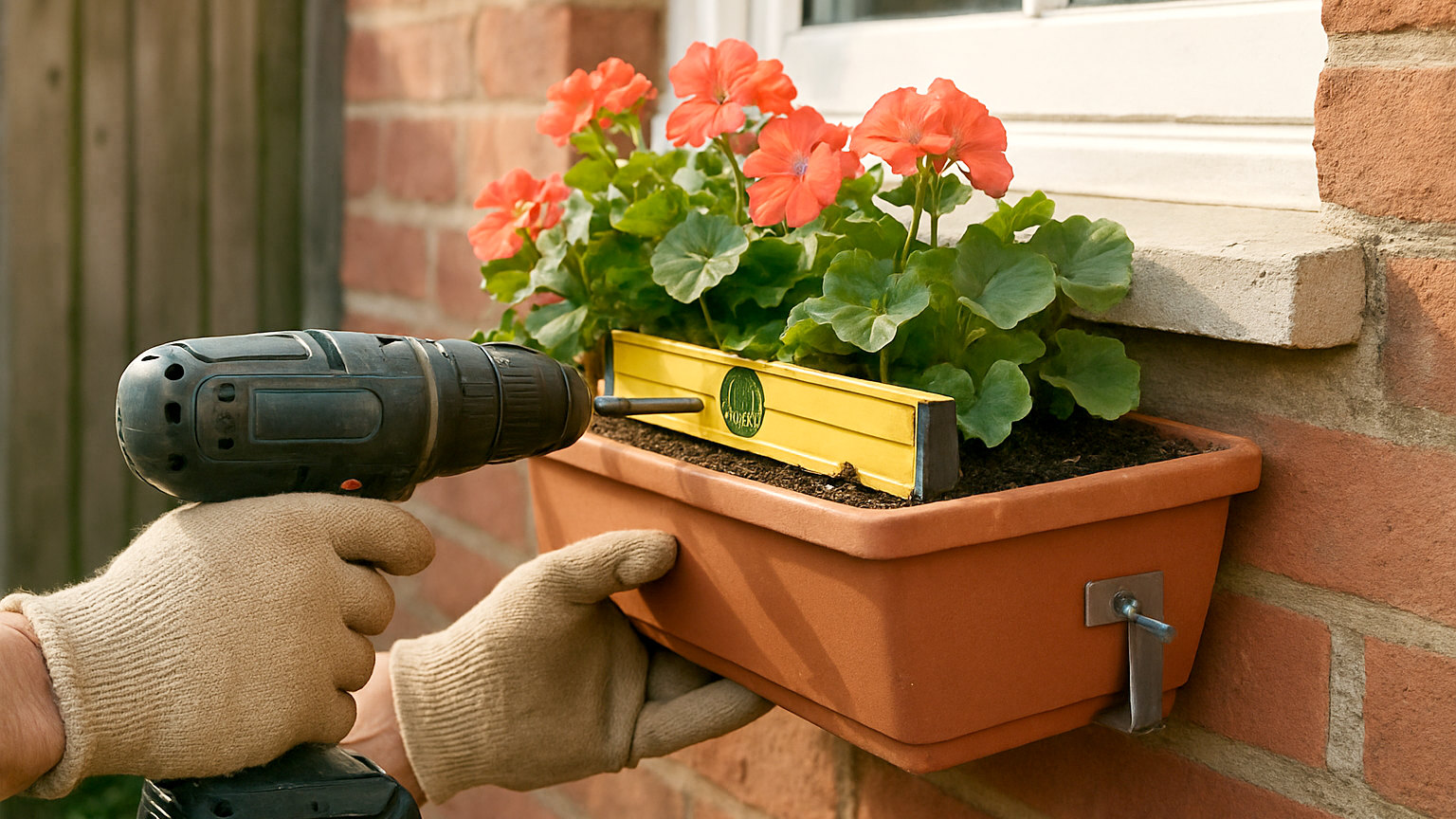
A window box gardens the one space available to almost everyone, and the fixing matters as much as the planting. Securing it, and what thrives in a shallow trough.
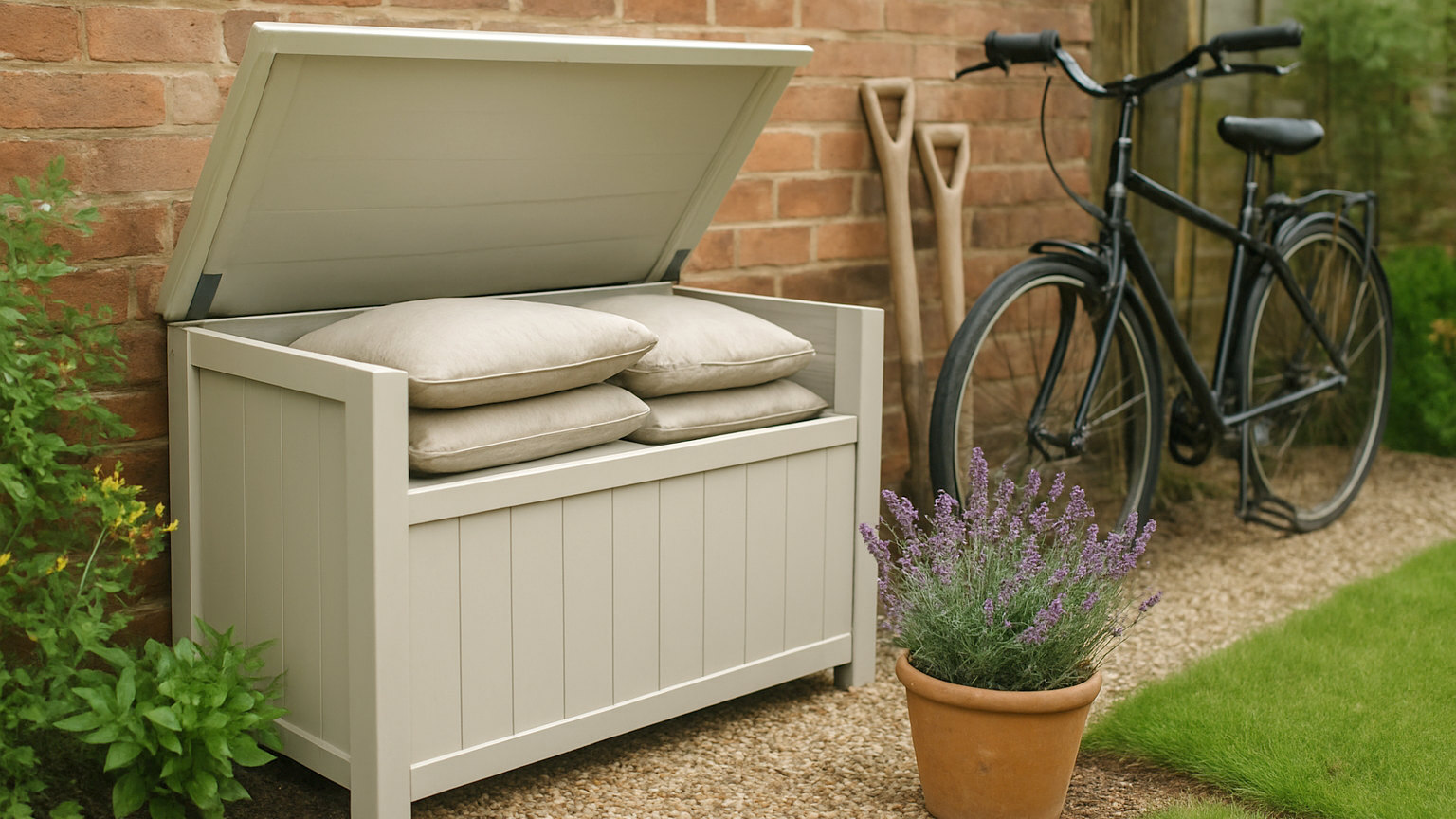
Bins, bikes, tools and cushions all have to go somewhere, and in a small garden that decision shapes the layout. Options that do not dominate the space.