Screening and Privacy
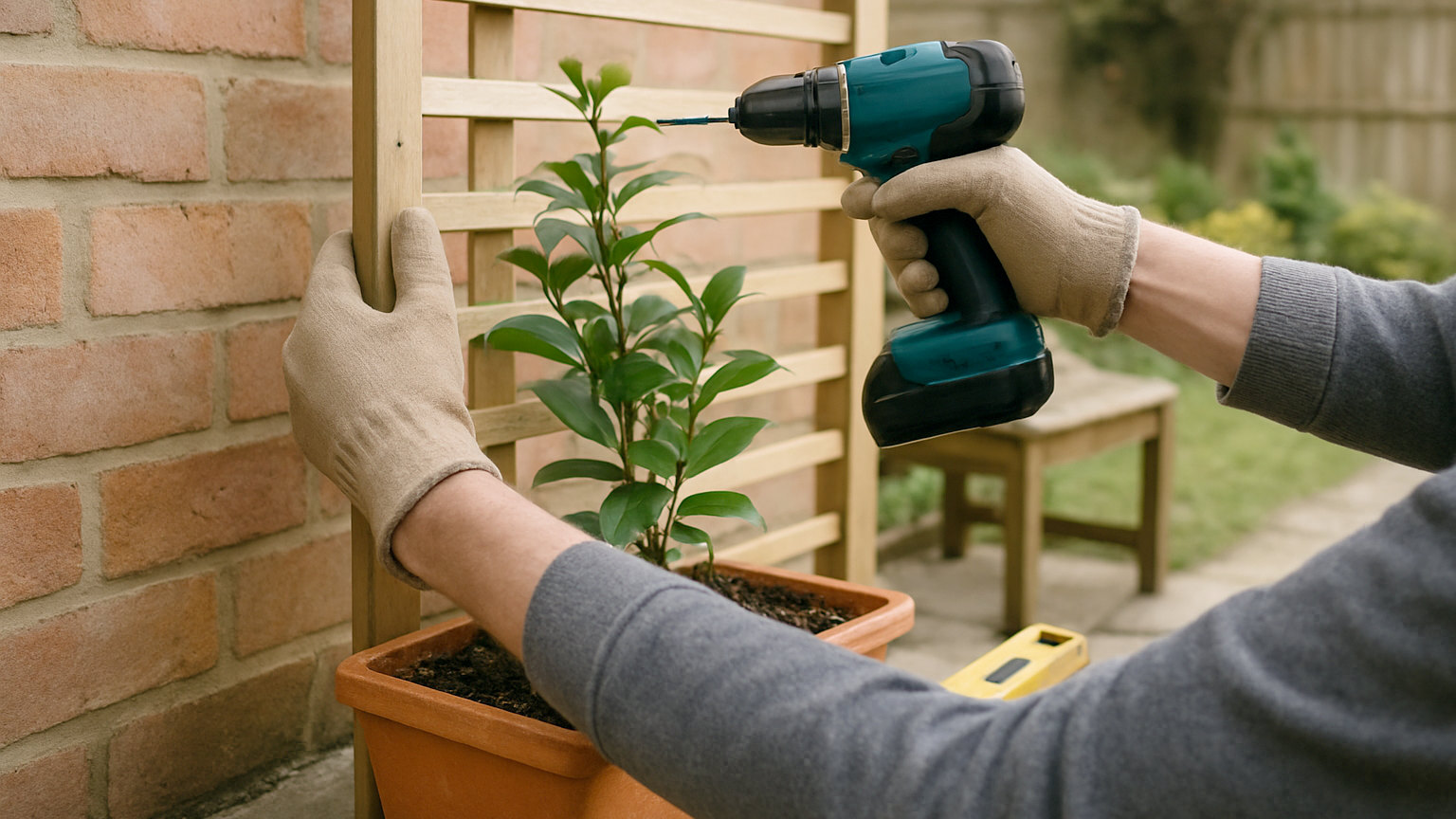
Screening close to where you sit works better than screening at the boundary, and needs far less height. Practical approaches, and the rules on height.
By Gardening Guides Editorial
31 Jul 2026

A garden design is mostly a set of decisions about where people walk, where they sit and what they look at, and the planting comes last. These guides cover the planning first, then the projects themselves - path, patio, bed, fence, pond - with the materials, the rough costs and the parts that are genuinely worth paying someone else to do. Small, shady, sloping and rented gardens get proper coverage rather than a paragraph at the end.
Screening close to where you sit works better than screening at the boundary, and needs far less height. Practical approaches, and the rules on height.
A slope is an opportunity and a considerable expense. Terracing, retaining walls, and the structural points that decide whether the work is safe.
Sheds, decking, fences and front garden paving all have rules, and several catch people out. What generally needs permission, and where to check.
A limited palette nearly always looks better than everything at once. How colours behave together, and why green is the colour that holds a border together.
Flowers last weeks and foliage lasts months, which is why the best borders are built on leaves. Contrasting shapes and textures, and the plants that provide them.
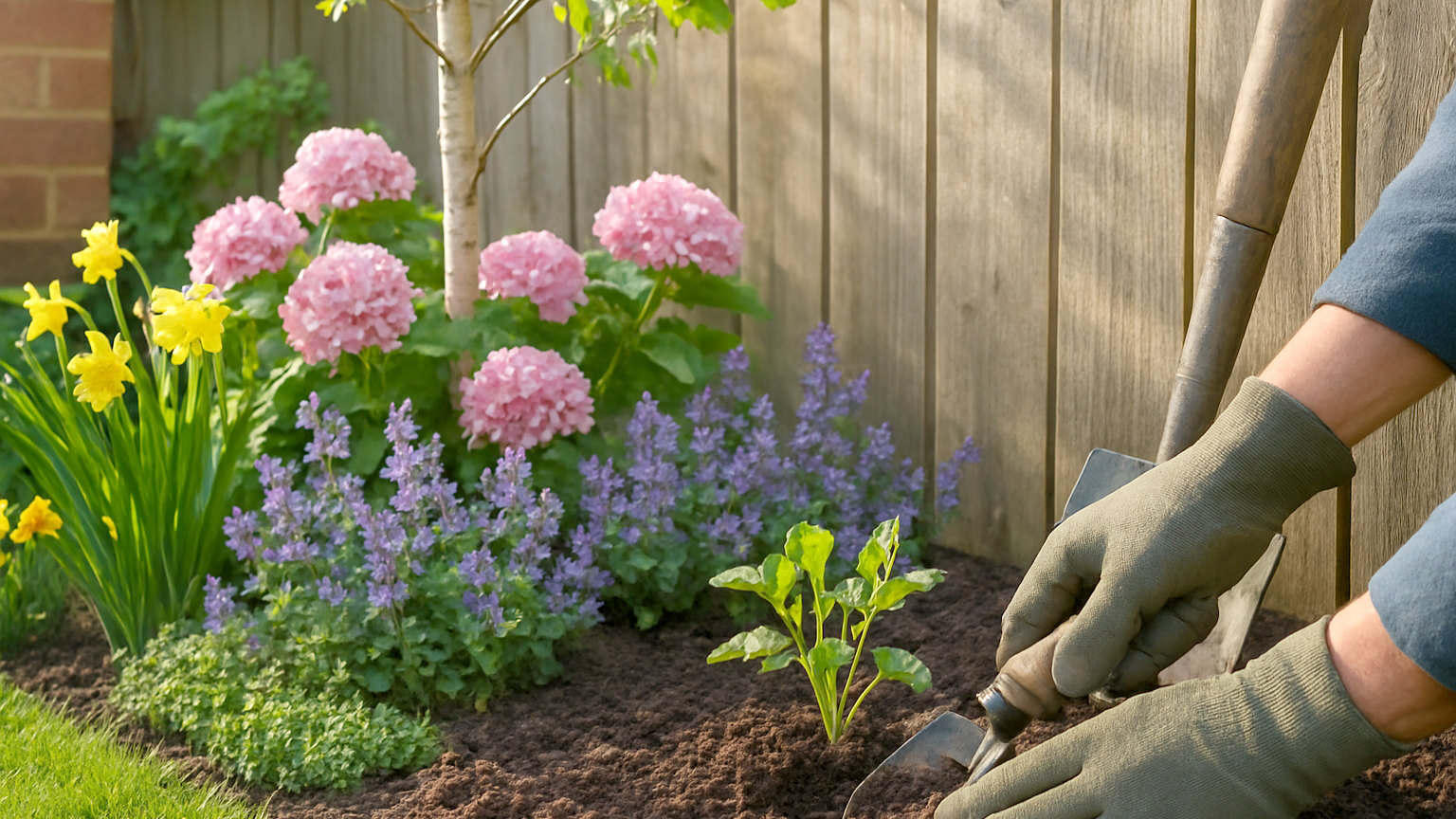
A border with trees, shrubs, perennials, bulbs and ground cover occupying the same ground works far harder than one with a single layer. How to combine them.
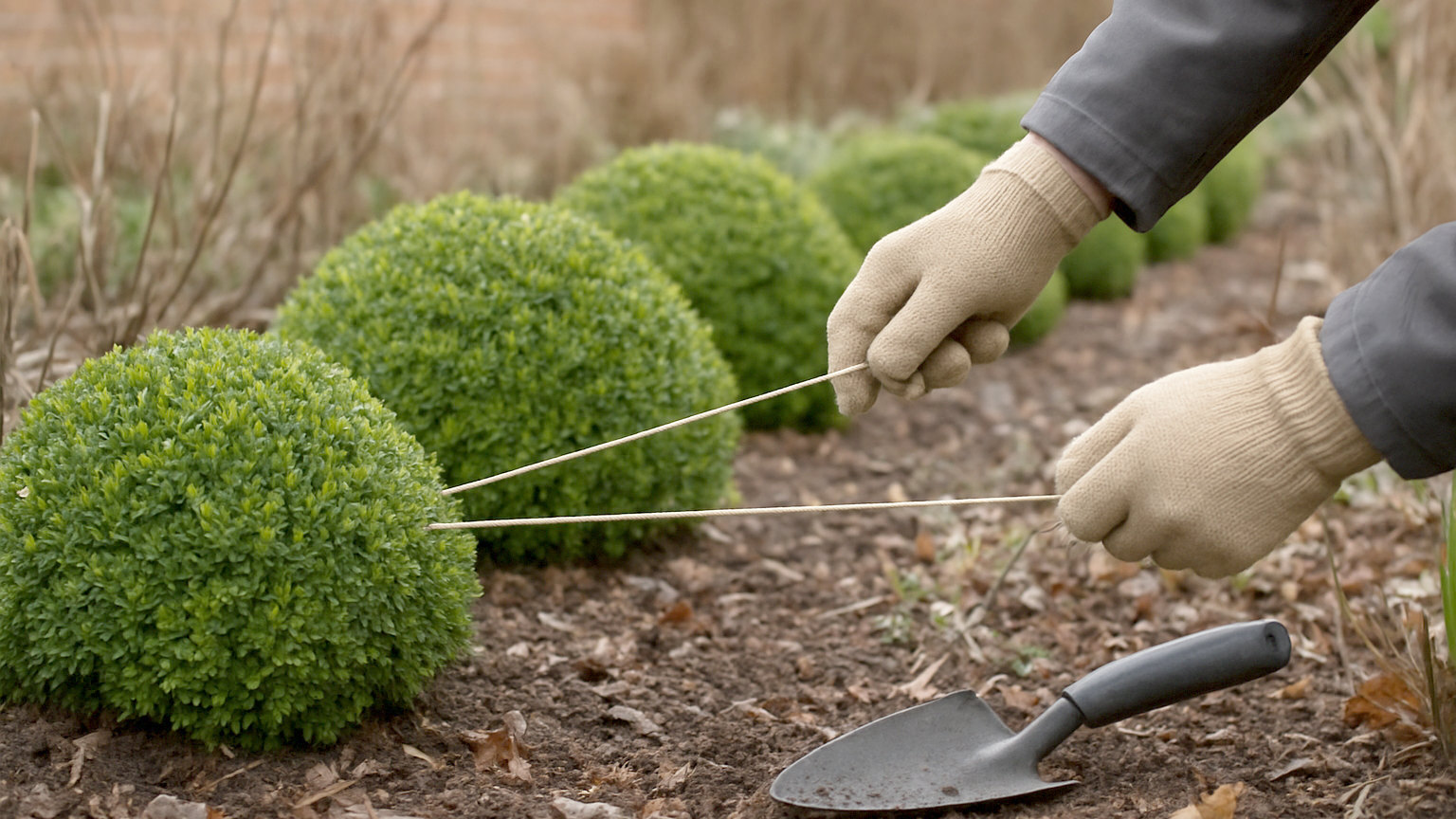
The plants that hold a border together in February are the ones that decide whether it works. Choosing the backbone, and how much of it you need.
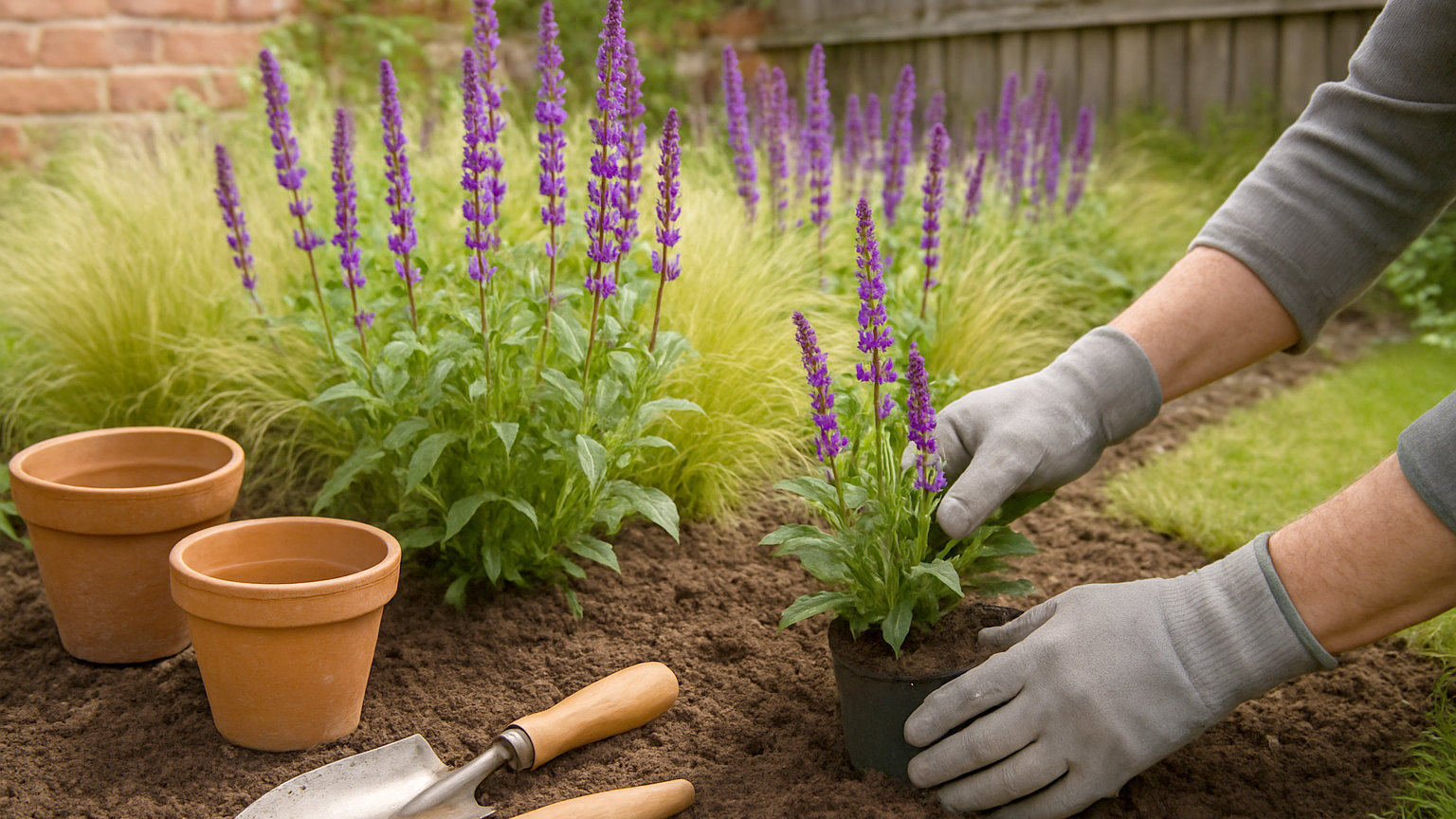
Repeating a few plants through a border is what separates a designed planting from a collection, and it costs less than buying one of everything.
Most borders peak in June and finish in August. Extending that at both ends is a matter of auditing what happens each month and filling the gaps.
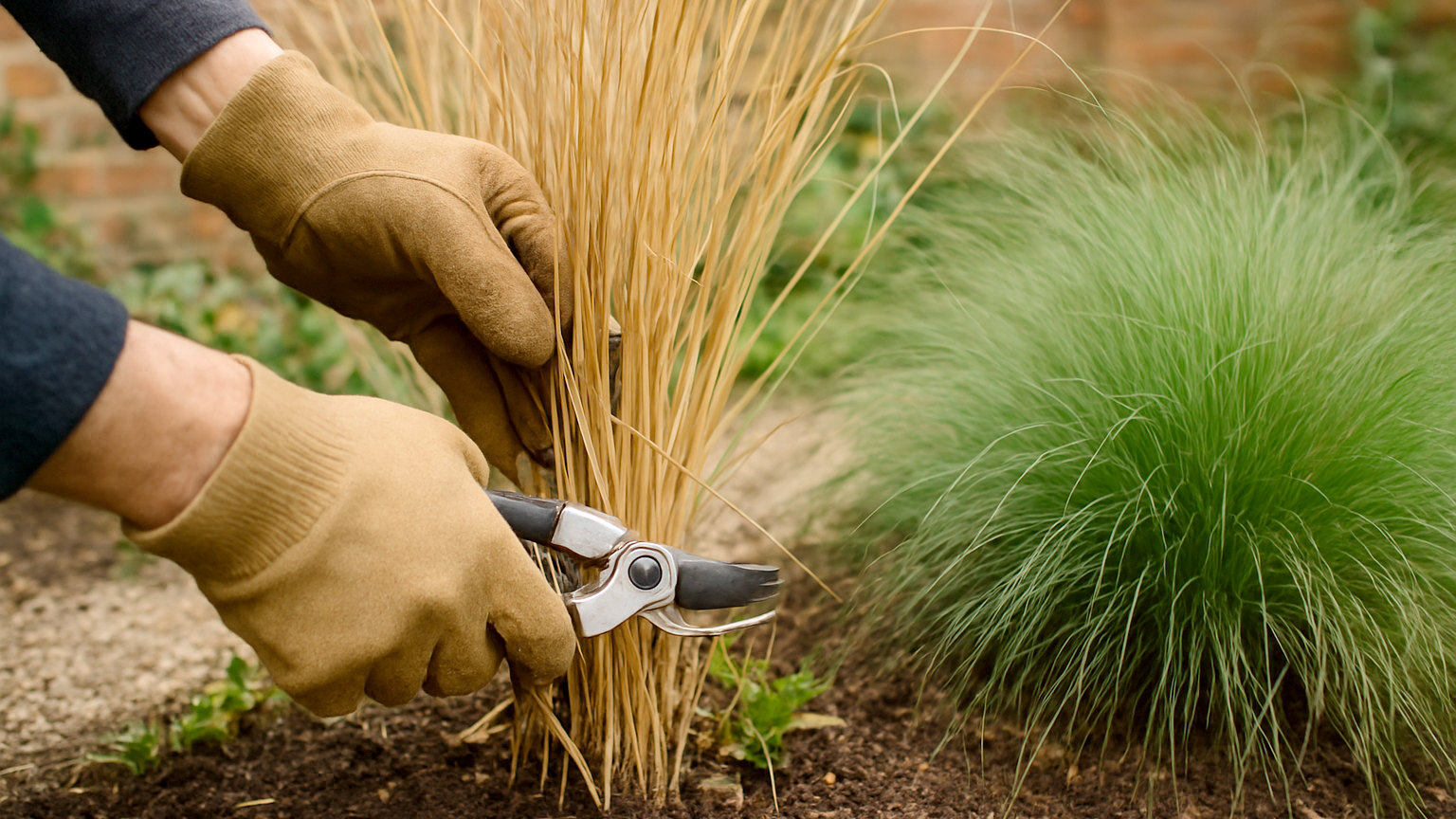
Grasses move, catch light and carry a border from August to February. Choosing between the two main types, where to place them, and when to cut back.
Perennials and grasses planted in intermingled drifts, chosen for structure as much as flower and left standing through winter. How the style works in a garden.
Cottage planting looks unplanned and is not. The plants that make the style, how to keep abundance from becoming chaos, and letting things self-seed.