Climbers in Containers
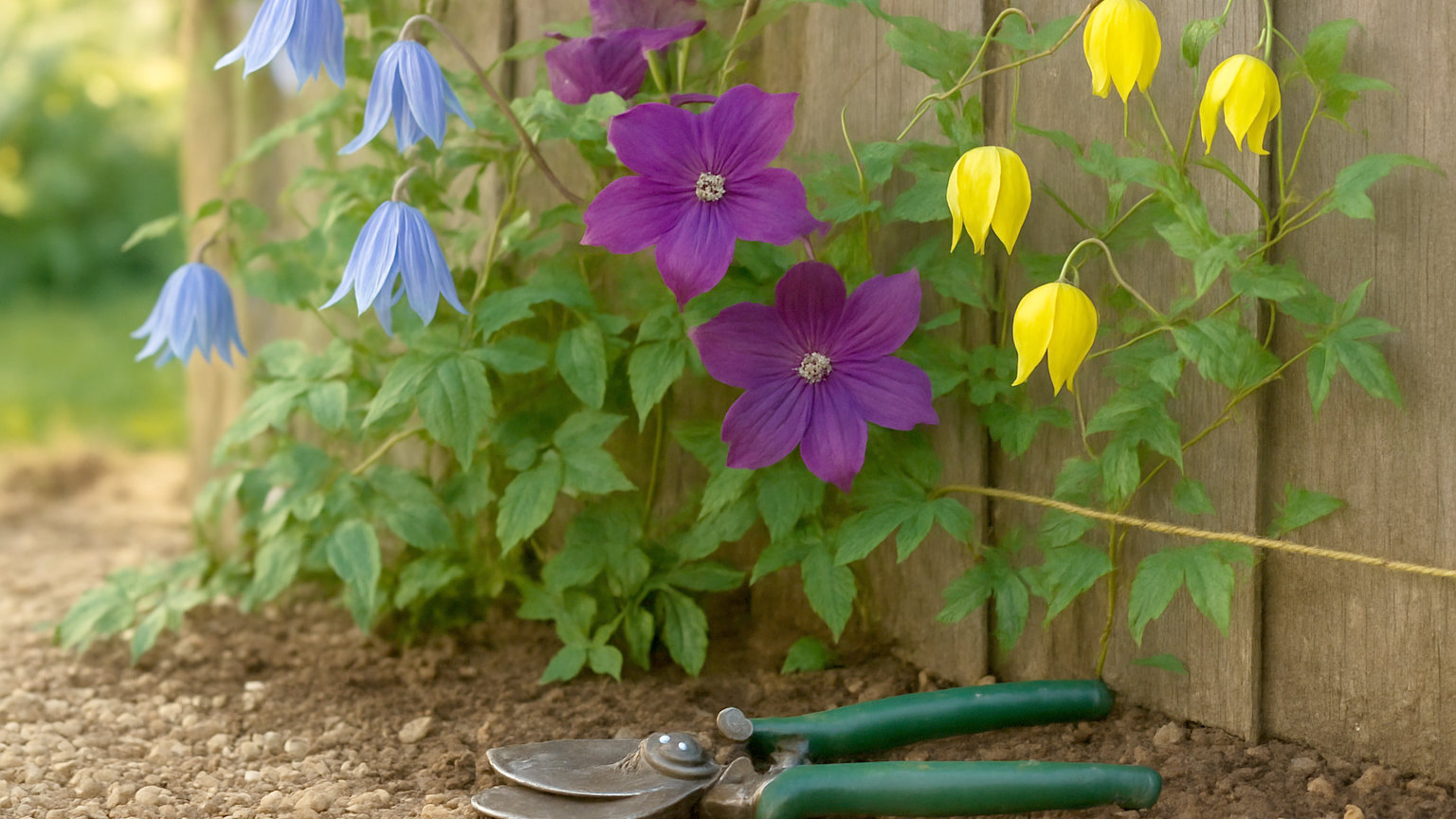
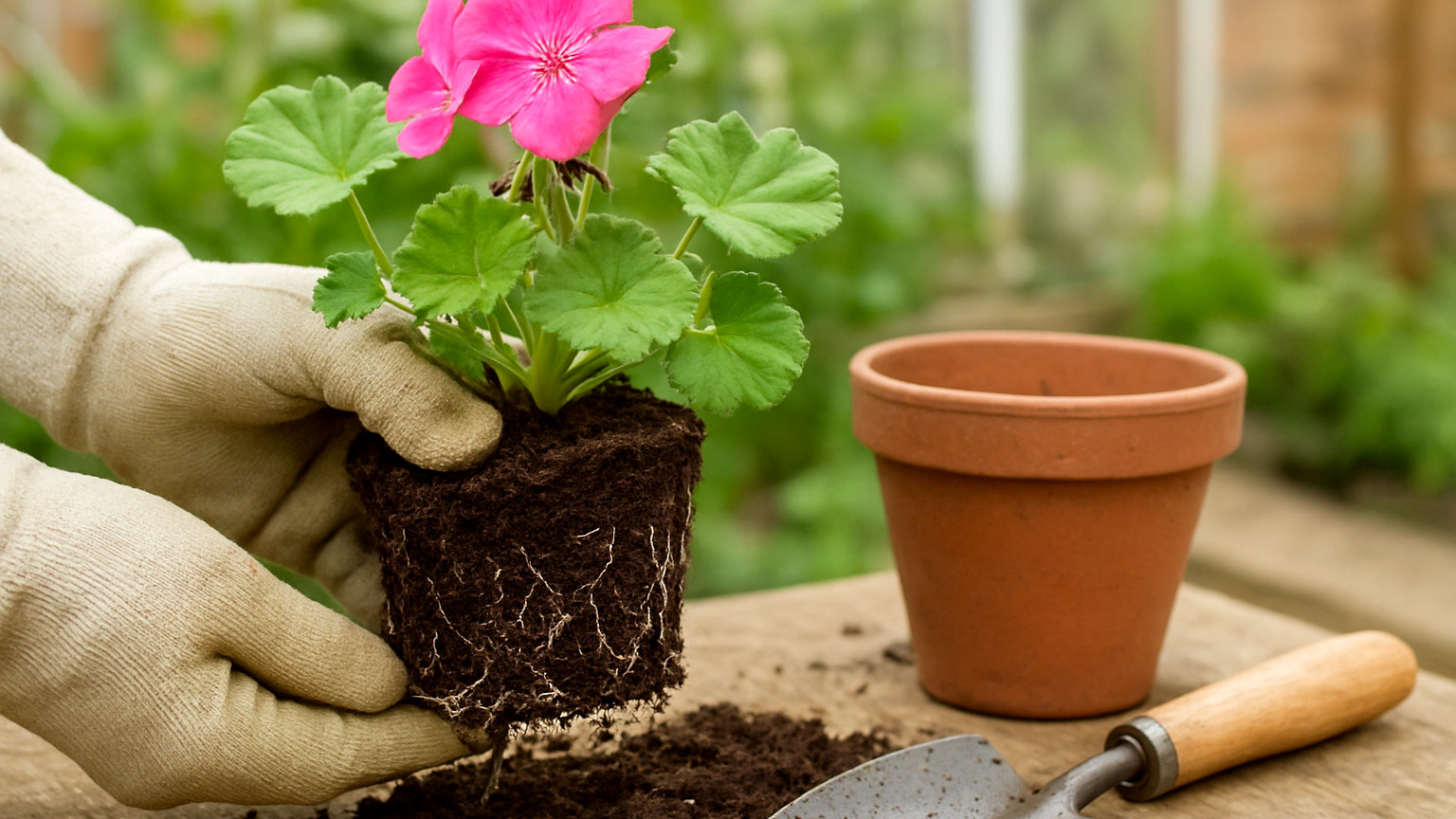
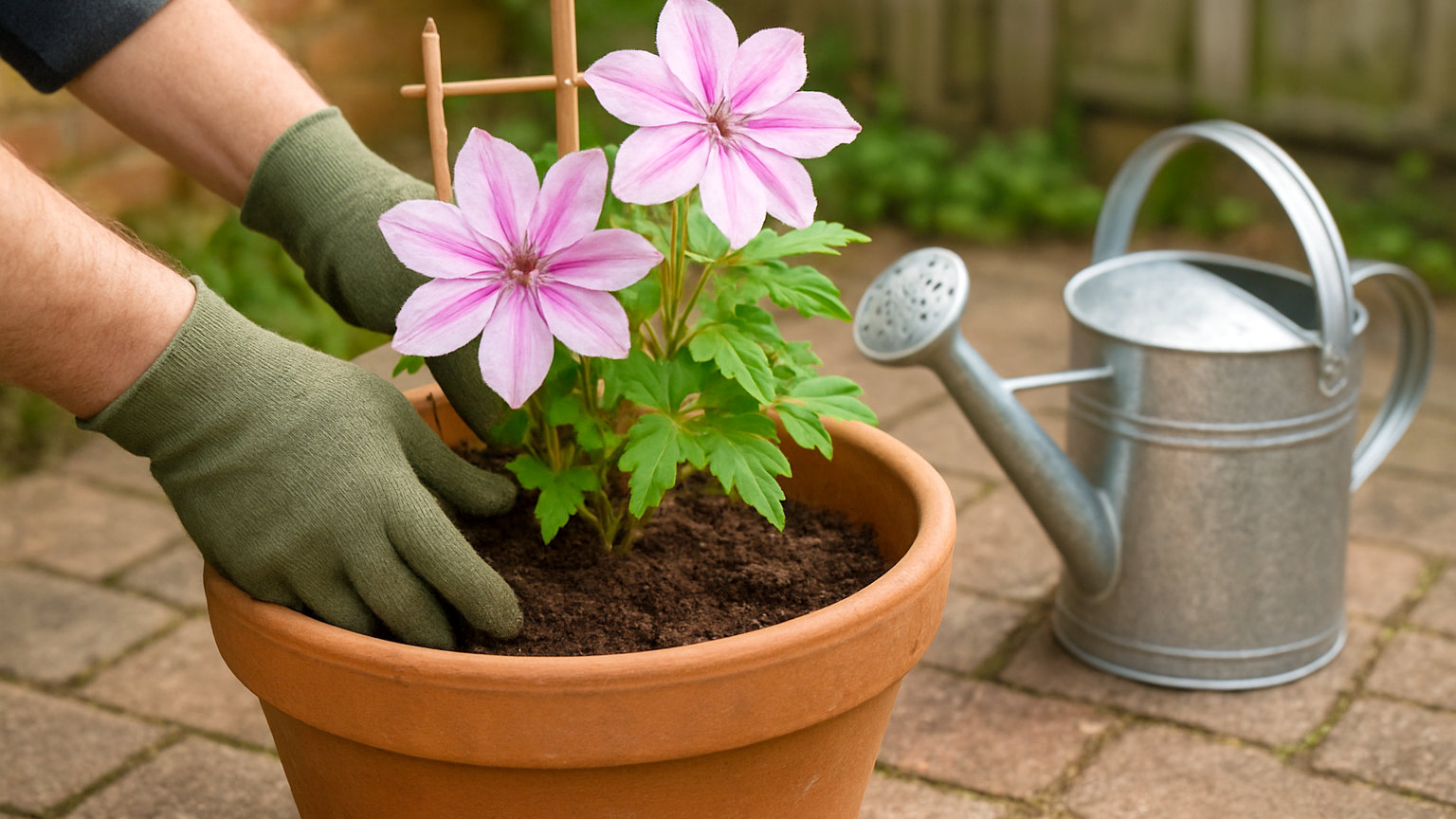
A climber in a pot has a restricted root run and a daily watering requirement, and the support has to go in at planting. Which subjects work, and the compost.
Nearly every plant that dies in a garden died in the first year, and nearly always because it was put somewhere it was never going to be happy. These guides start with the site - sun, shade, wet, dry, exposed - and work back to the plants that suit it, then cover the planting and the first two years of aftercare, which is the part that decides whether it establishes or just sits there.
A climber in a pot has a restricted root run and a daily watering requirement, and the support has to go in at planting. Which subjects work, and the compost.
With the right selection, something in the clematis family is in flower in almost every month. What to choose for each part of the year, and how they combine.
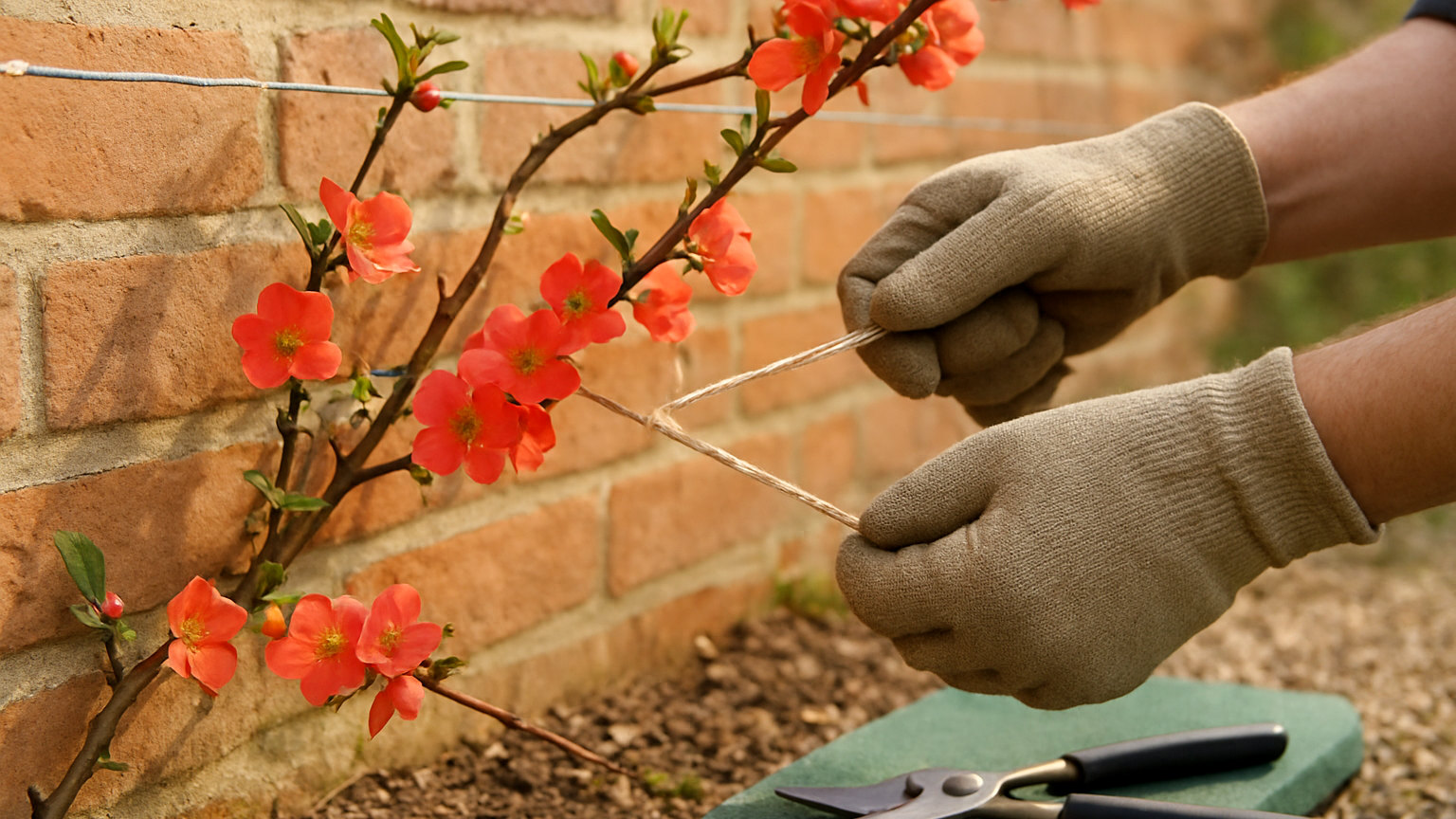
Several shrubs are not climbers at all but perform far better trained flat against a wall. Which ones, how to train them, and what the wall gives them.
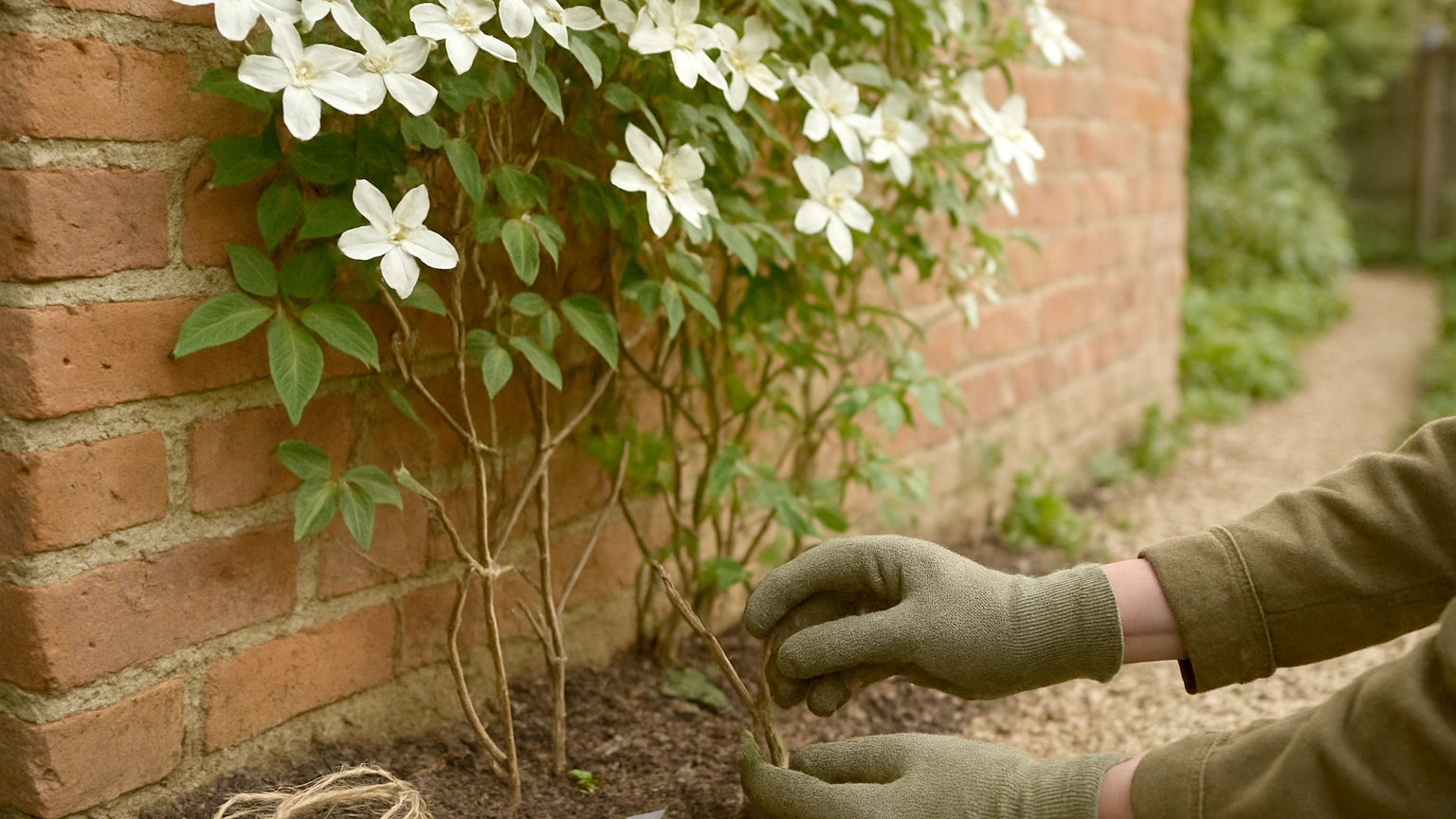
Flowers only at the top, no flowers at all, or a plant that has fallen off the wall each trace back to a short list of causes. Working through them.
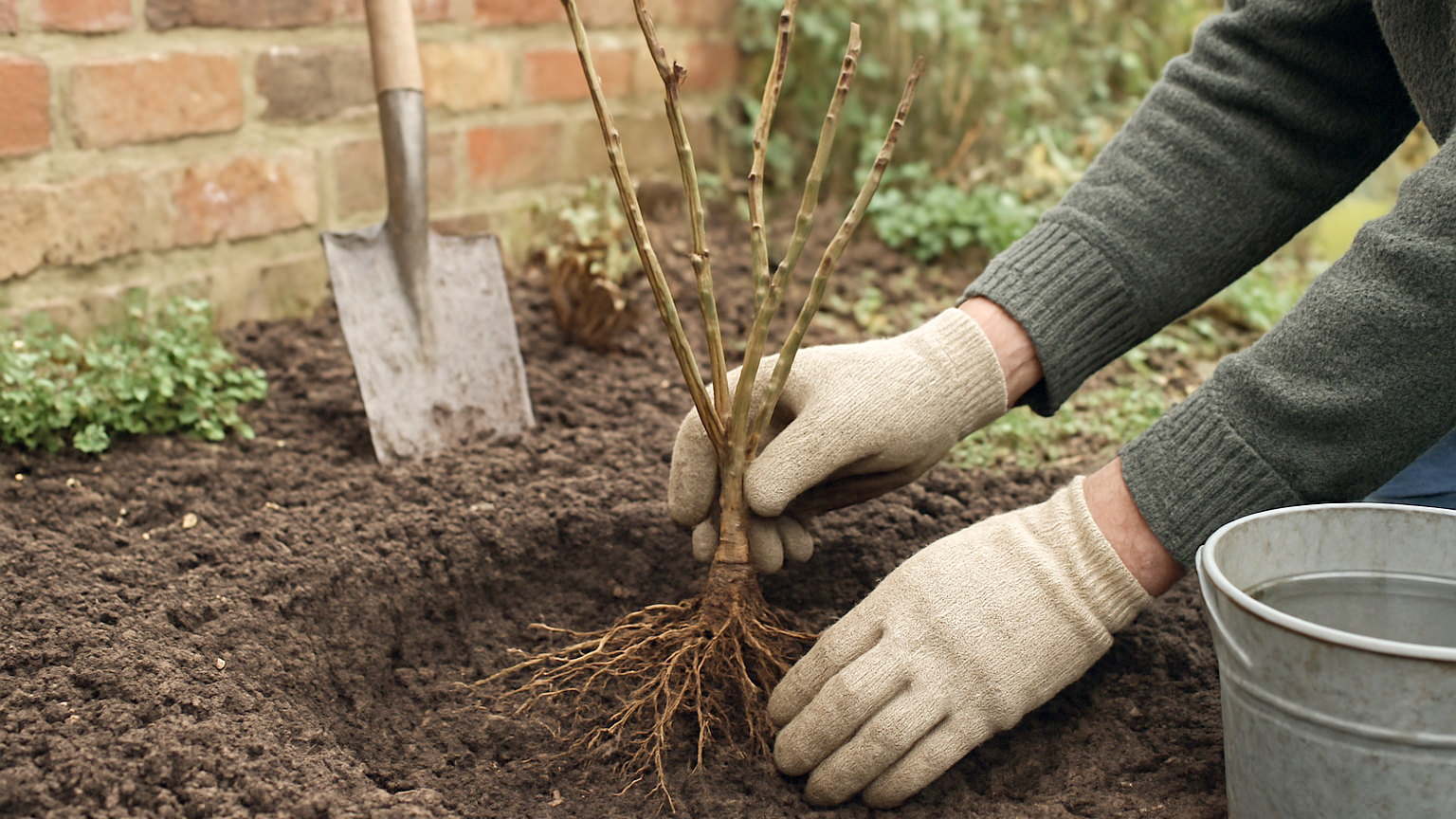
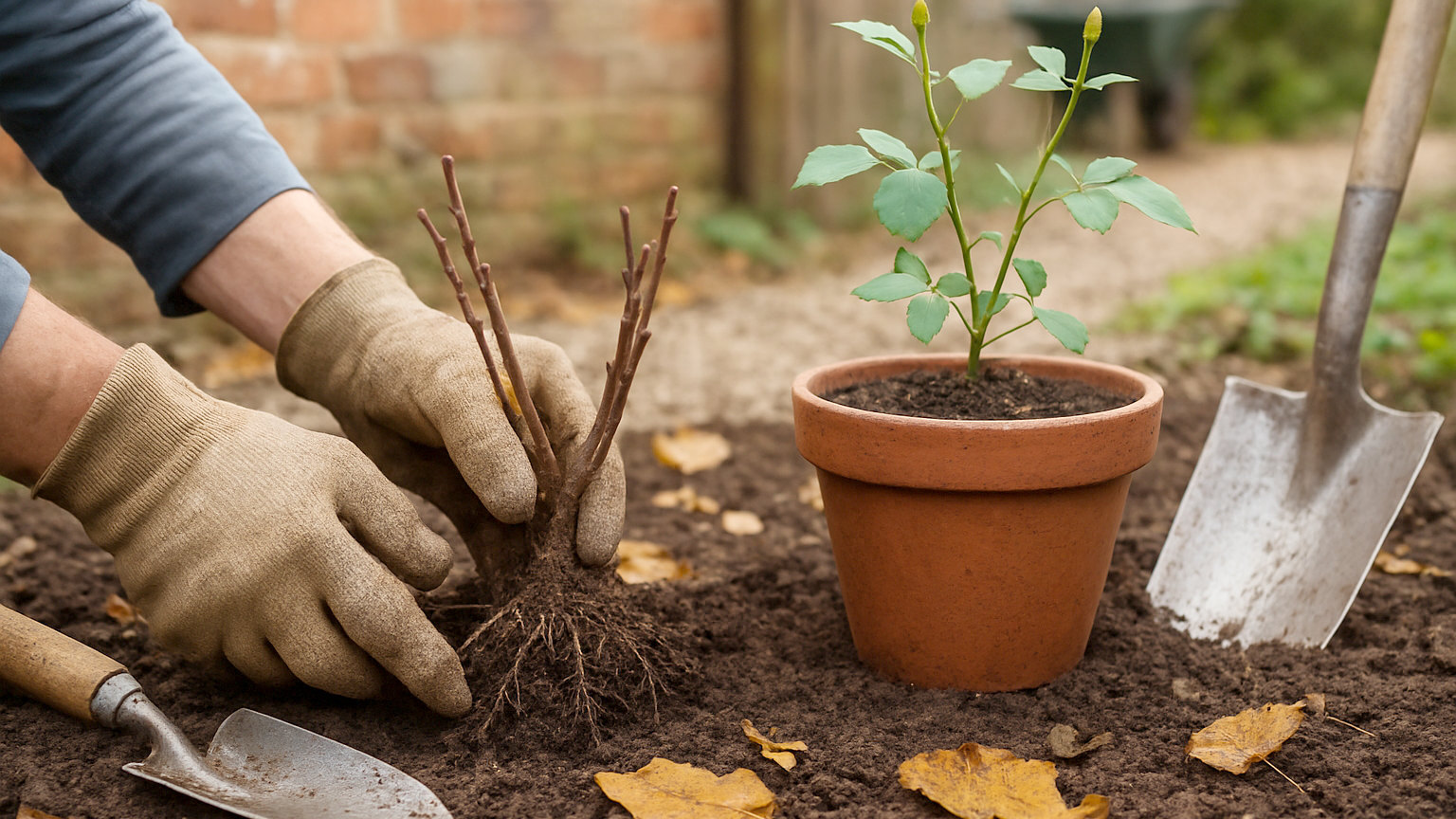
Bare-root plants cost a fraction of container-grown ones, offer far more choice and establish better. The season, keeping the roots alive, and how to plant them.
A mulch conserves water, suppresses weeds and feeds the soil, and applying it to dry ground achieves none of those. What to use, how deep, and the timing.
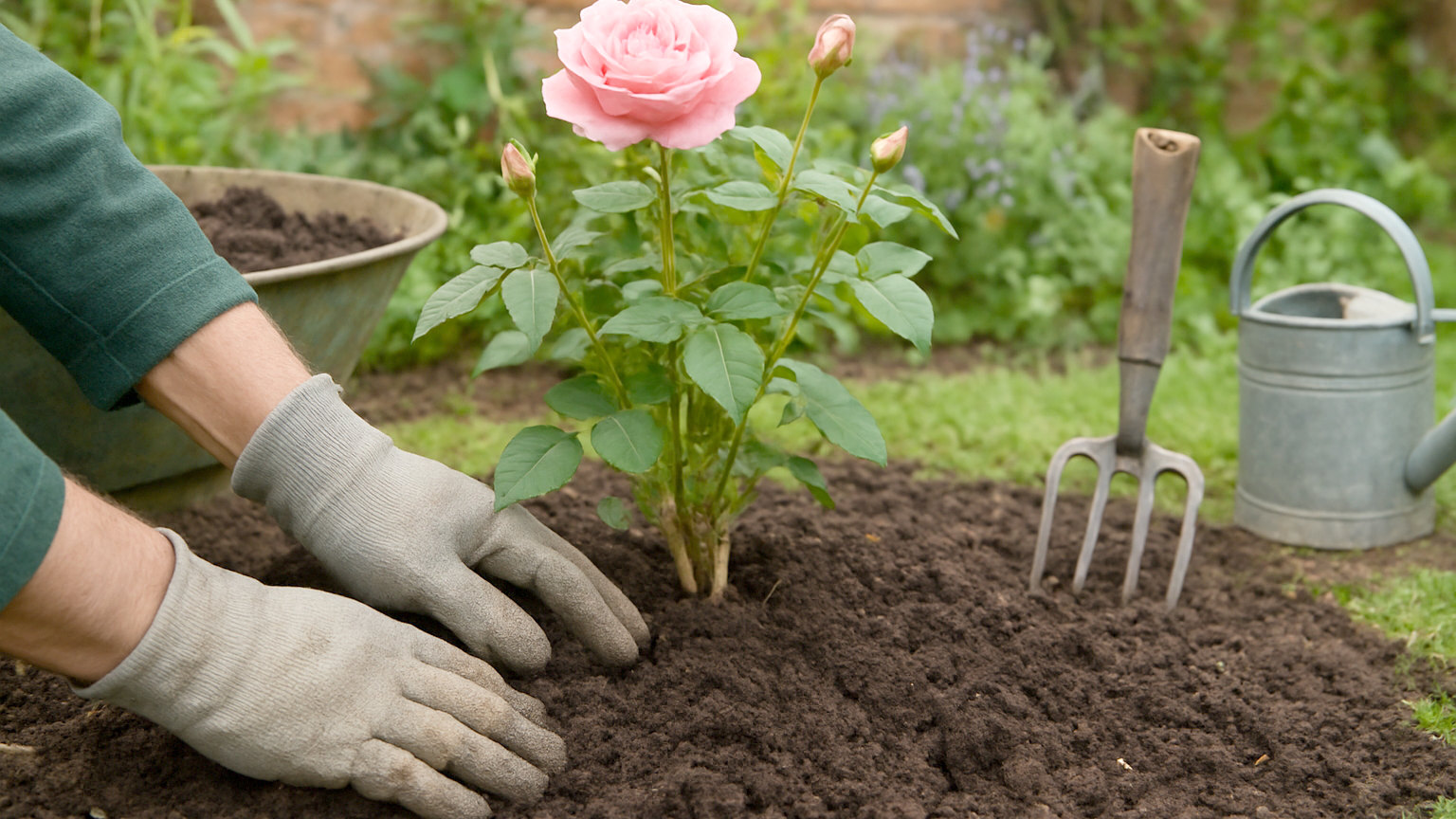
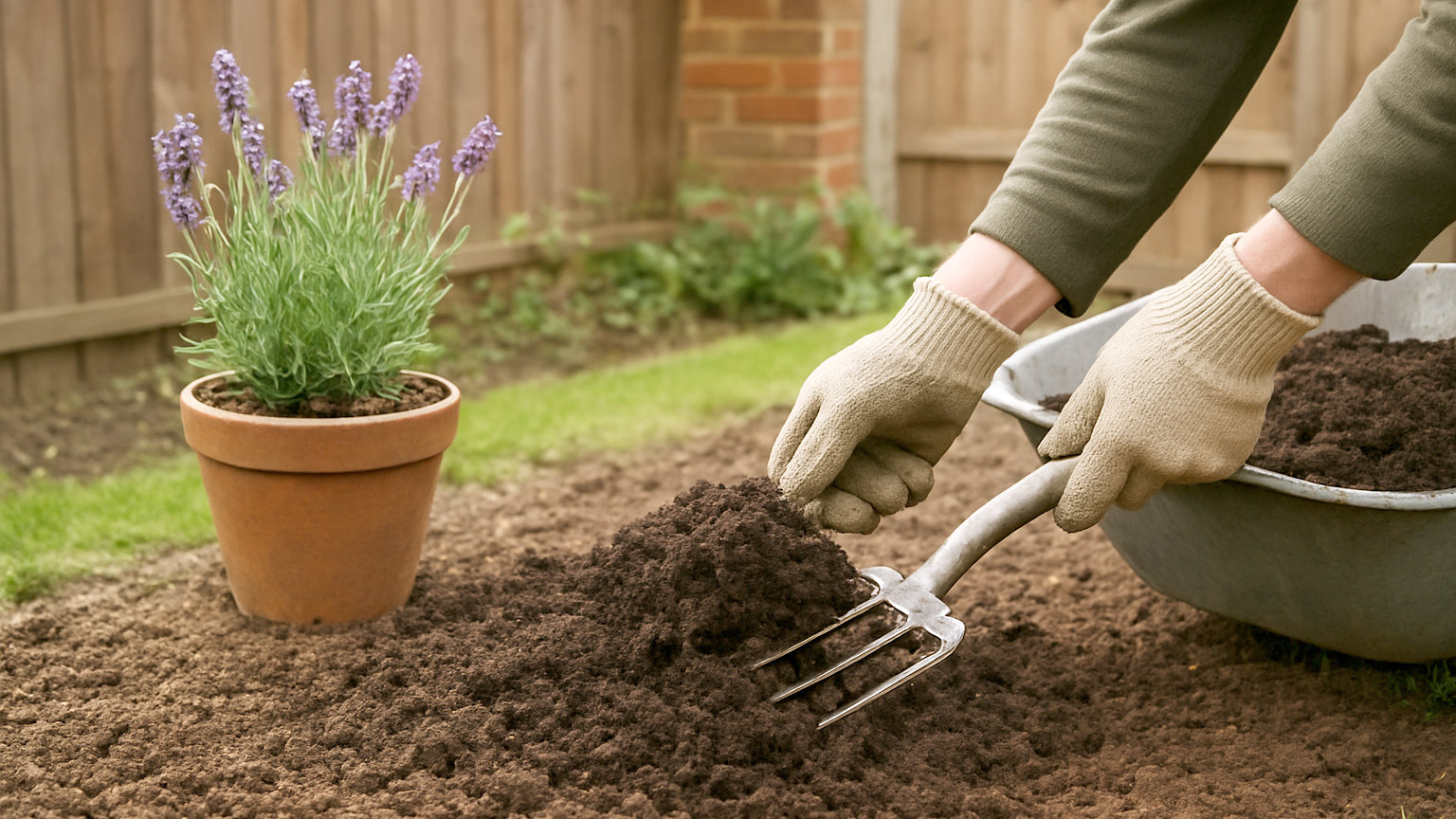
Improve the whole bed rather than the planting hole, because a pocket of good soil in poor ground produces a plant that never leaves it. What to add, and how.
Tip the plant out and look at the roots before buying, since that is where most problems are. What to check, what to avoid, and why the biggest is rarely the best.
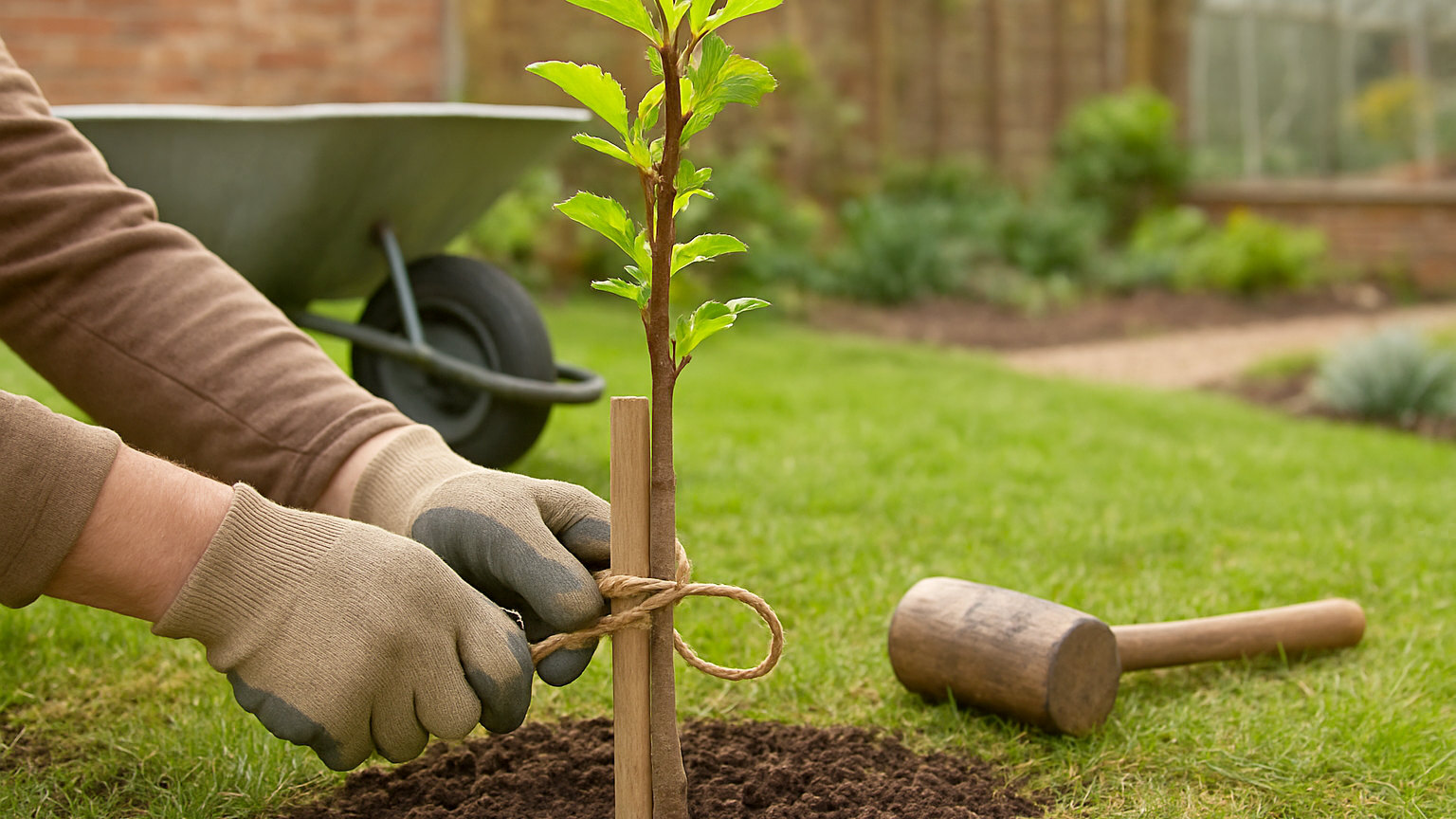
A stake should be low and short, because the flexing it allows is what thickens the trunk. Getting it wrong produces a tree that snaps when the stake comes out.
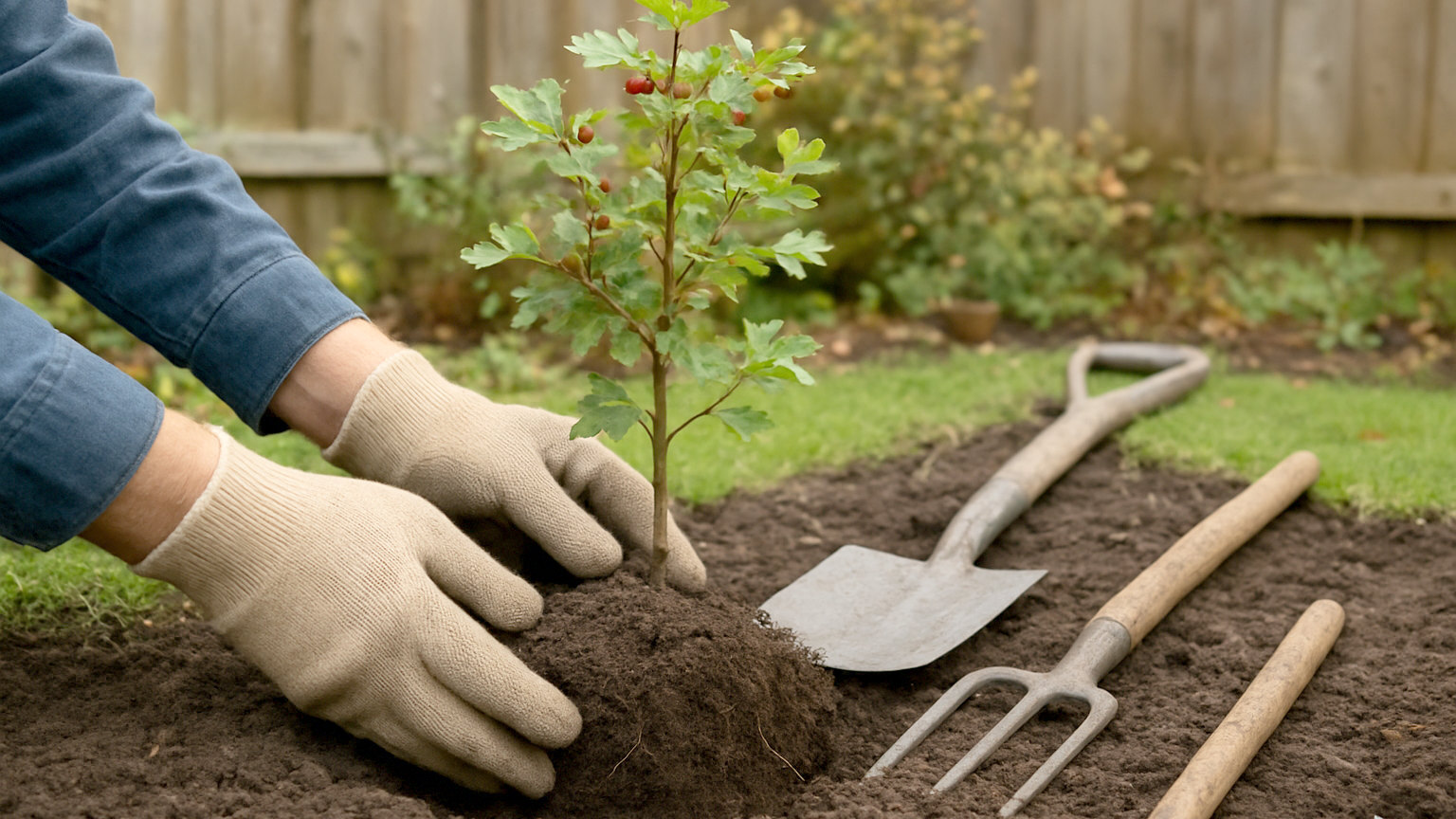
A wide shallow hole, backfilled with the soil you dug out, and the root flare left visible. What decides whether a tree establishes, and the checks to make first.
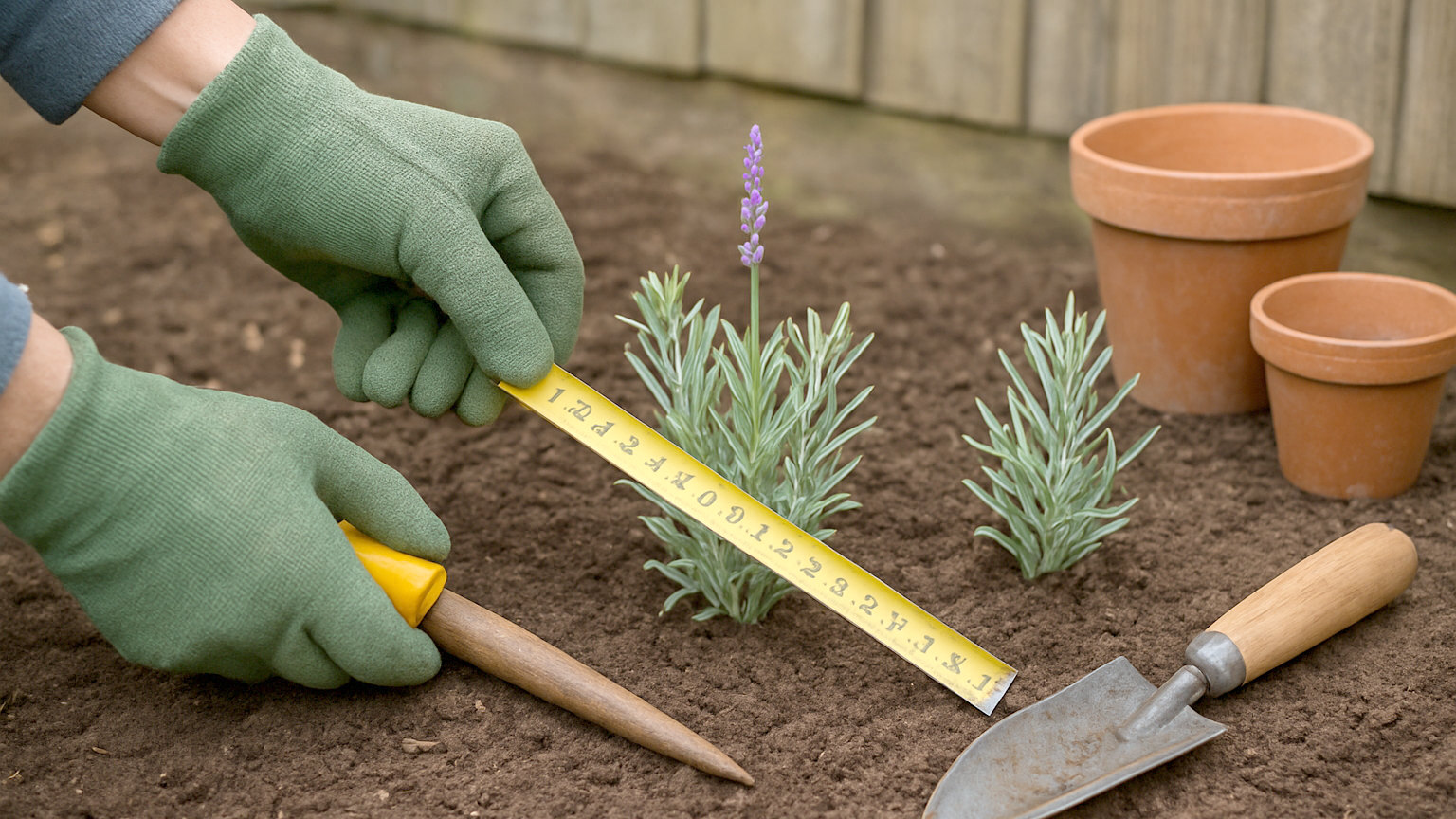
Plant at mature spread and accept two sparse seasons, because the alternative is a congested border in three years. Working out how many you need.
Autumn suits free-draining soil and spring suits heavy clay, and the difference matters more than most planting advice admits. Which to choose and why.