
Not every shrub benefits from pruning. Some are actively harmed by it, and others simply lose the natural form that was the reason for growing them. Knowing which is a useful shortcut to less work and a better garden.
Plants that resent cutting
Daphne dislikes any disturbance and frequently responds to pruning by dying back. Remove dead wood only, and site it somewhere it will not need cutting.
Magnolia heals slowly and large cuts often fail to close, admitting decay. The natural shape is the point of the plant. Prune only if genuinely necessary, in midsummer, and only small branches.
Witch hazel is grafted and slow, and pruning removes the flowering wood and encourages suckering from the rootstock. Remove dead wood and reverted suckers only.
Cistus will not reshoot from bare wood and is short-lived. Trim only the soft current growth after flowering, and replace plants every five to eight years.
Ceanothus, in its evergreen forms, does not regenerate from old wood. Light trimming after flowering only.
Cytisus, broom, is the same. Cut only into green growth after flowering, and expect to replace the plant after a decade.
Plants whose form is the point
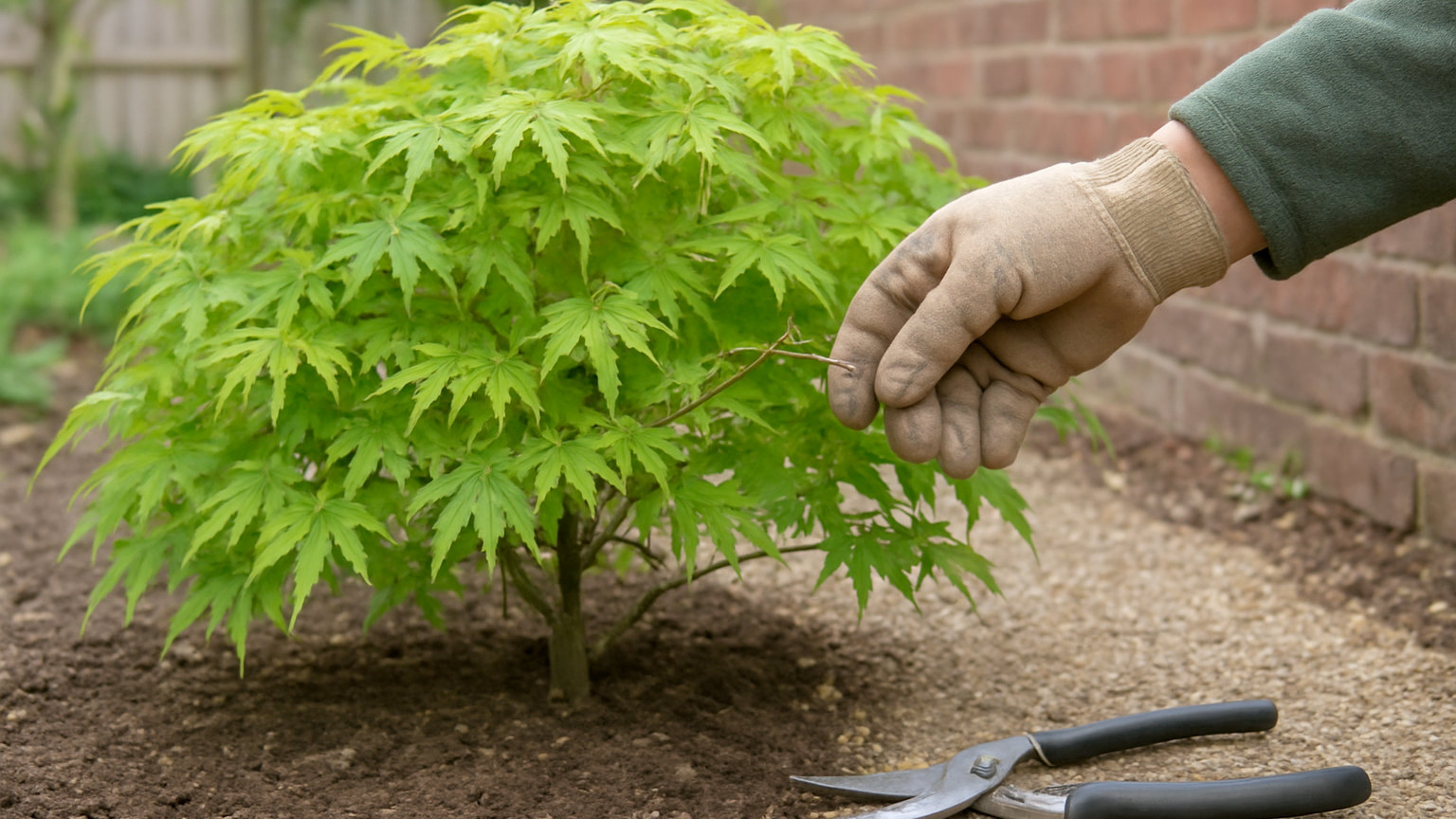
Acers, particularly Japanese maples, develop a layered structure over years that no amount of pruning can create and any heavy cutting destroys.
Cornus kousa and Cornus florida, the flowering dogwoods, have a naturally tiered habit best left alone entirely.
Amelanchier forms an elegant multi-stemmed shape and needs nothing.
Hamamelis, Parrotia and Stewartia all develop character with age that pruning interrupts.
Viburnum plicatum, with its horizontal tiers, is spoiled the moment shears touch it.
Slow-growing shrubs
Anything that takes fifteen years to reach a metre does not need annual cutting.
Many dwarf conifers, small rhododendrons and slow evergreens fall here. Cutting them back merely undoes years of growth.
What to do instead
Remove dead, damaged and diseased wood. This is always appropriate and is usually the whole of what these plants need.
Remove crossing and rubbing branches, which create the wounds where problems begin.
Remove reverted growth on variegated forms and suckers on grafted plants, both of which take over if left.
Feed, mulch and water rather than cutting. A well-fed plant in the right position grows into its natural shape without help.
Getting the position right
Most unnecessary pruning happens because a plant has outgrown its space, and that is a planting decision rather than a maintenance problem.
A shrub needing cutting back every year to fit its position is the wrong plant for that position.
Check the eventual height and spread before buying, plant at the mature spread rather than at the current size, and accept two sparse seasons in exchange for a decade of not fighting it.
Filling the gaps with annuals and bulbs in the early years costs very little.
Where a plant is already in the wrong place, moving it while young is usually a better answer than annual reduction, since pruning stimulates growth and produces a larger plant.
Restraint generally
Many gardens are over-pruned. The instinct to tidy produces shrubs sheared into domes, hedges cut into the wrong shape, and plants that flower less because the flowering wood is removed annually.
Before making any cut, ask what it is for. If you cannot say, do not make it.
Watching a shrub for a full season before pruning it costs nothing, and it tells you when it flowers and therefore when it should be cut.
The exception
Dead, damaged and diseased wood can be removed from any plant at any time of year, including everything listed here.
Low-maintenance planting generally
Choosing shrubs that suit their eventual position and need no annual cutting is the most effective way to reduce garden work.
Amelanchier, cornus kousa, hamamelis, viburnum plicatum, most dwarf conifers and many evergreens will occupy a border for decades needing nothing beyond an annual mulch.
That is worth more than any amount of pruning skill, and it is decided at the point of purchase rather than afterwards.
What still needs doing
Even unpruned shrubs benefit from an annual look. Check for dead wood, crossing branches, reverted shoots and suckers, and remove any you find.
That takes a few minutes a year and is the whole of the maintenance a great many plants require.


