
Most soft fruit pests are manageable with timing and observation rather than treatment. Knowing what appears when is most of the battle, since almost all of them are dealt with easily if caught early and difficult once established.
Birds, which take the most
Birds take more soft fruit than every insect pest combined, and they find it the day before you intended to pick.
Netting is the only reliable answer. Use a mesh of at least two centimetres so small birds cannot become trapped, hold it taut on a frame rather than draped on the plants, and secure the bottom edge to the ground.
Check it daily during the season and remove it once picking finishes. A walk-in fruit cage is worth the investment if you grow several bushes.
Bullfinches strip fruit buds from currants and gooseberries in late winter, which is damage done months before you are thinking about the crop.
Gooseberry sawfly
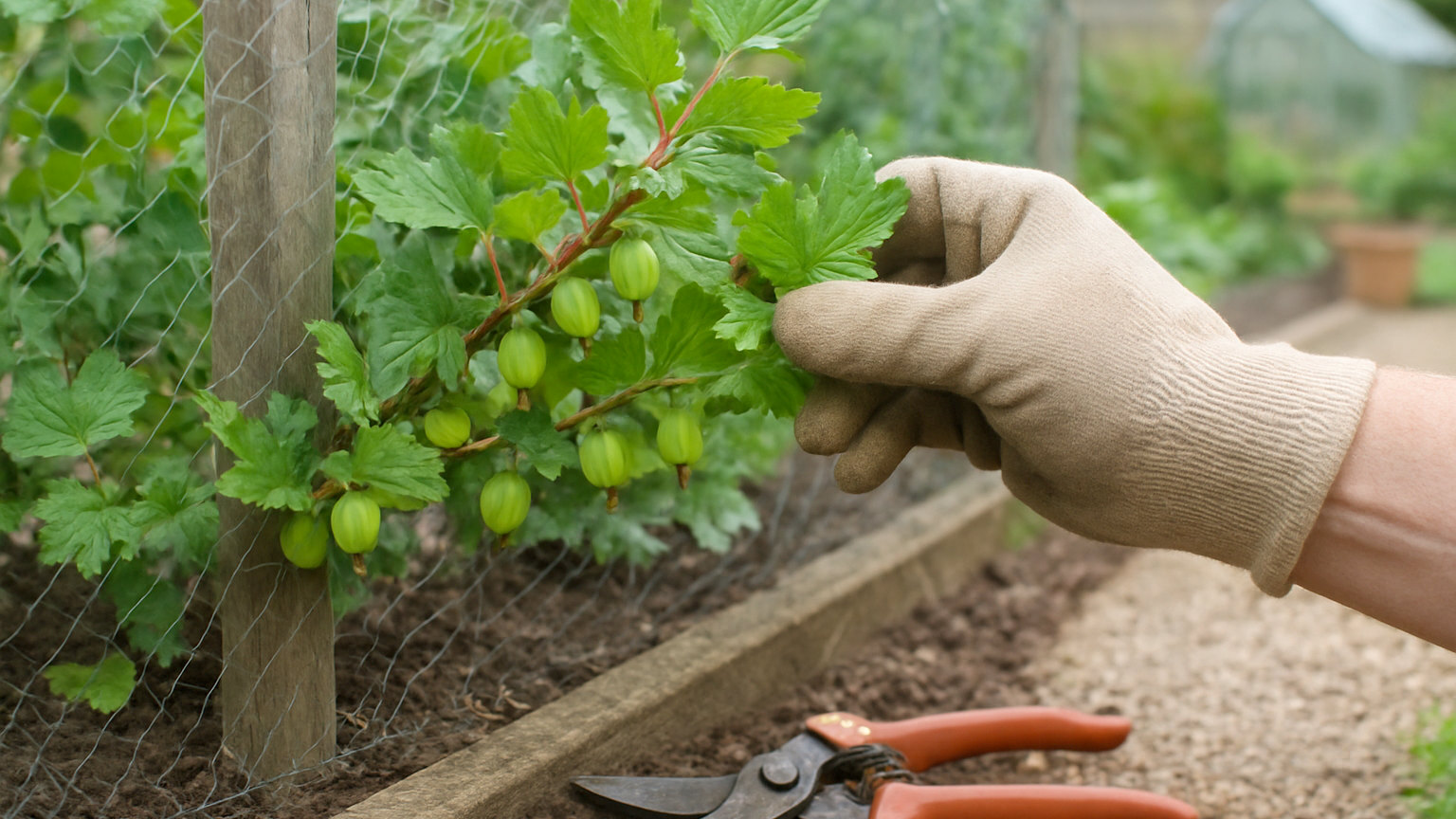
The pest that does the most damage fastest. Pale green caterpillars with black spots strip a gooseberry, redcurrant or whitecurrant to bare stems in under a week.
They start low down in the centre of the bush and work outwards, so by the time damage is visible from the outside most of the leaves have gone.
Check the undersides of the lower inner leaves from early May and repeat every few days until August, since there are two or three generations. Pick the larvae off by hand, which is entirely effective if done early.
Raspberry beetle
Small pale grubs at the stalk end of raspberries, blackberries and hybrid berries, with dried brown patches on the fruit.
The adults lay during flowering. Autumn-fruiting raspberries largely escape because they flower after the beetle's main period, which is a practical argument for growing them.
Cultivating lightly around the base of canes in winter exposes overwintering pupae to birds and frost.
Big bud mite
Affects blackcurrants. Buds swell into round fat balls over winter, obvious against the normal slim pointed ones.
Pick off and bin affected buds if there are few. The real problem is that the mite carries reversion virus, which is untreatable, so a heavily affected bush should be dug up and replaced with certified stock in a different position.
Vine weevil
Mainly a problem for container-grown fruit, particularly strawberries and blueberries. White C-shaped grubs eat the roots and the plant collapses suddenly despite adequate watering.
Adults leave distinctive notches in leaf margins. Apply nematodes to the compost in late summer, repot affected plants into fresh compost, and check the rootball of anything new before it joins the collection.
Aphids
Several species attack soft fruit, distorting shoot tips and young leaves. Damage is usually cosmetic on established plants.
The concern is virus transmission, particularly on raspberries and strawberries, which is an argument for buying certified stock and replacing beds periodically rather than for spraying.
Squash colonies, wash them off with a jet of water, and leave the ladybirds and hoverfly larvae to catch up.
Slugs and snails
Take strawberries at ground level and are the main reason for tucking straw under the fruit or growing them in containers on a hard surface.
Wasps
Arrive in August and enlarge damage begun by birds, then hollow the fruit. Pick promptly, remove damaged fruit, and hang traps well away from the plants.
Wasps spend most of the summer eating aphids and caterpillars in the garden before they turn to fruit.
What to leave alone
Currant blister aphid causes red or yellow puckering on currant leaves that looks alarming and does very little real harm. Earwigs eat far more pest eggs than fruit, and ground beetles under a fruit bush are working for you rather than against you.
Encouraging predators
Birds are a mixed blessing, taking fruit in July and sawfly larvae and aphids for the rest of the year. Frogs, ground beetles and hedgehogs all work through the fruit bed, and a garden with a pond and some untidiness supports enough of them to keep numbers manageable.
A rough calendar
Late winter is for checking blackcurrants for big bud and fitting bullfinch protection. May is when sawfly checks begin. Flowering time is when raspberry beetle lays. Late summer is for nematodes against vine weevil in containers, and for the wasps.
What matters most
Concentrate effort on netting, on checking gooseberries for sawfly from May, and on buying healthy stock. Those three cover most of what matters.


